Imagine coming home after a stressful day, only to be greeted by a soft purr and gentle headbutts from your feline companion. That instant feeling of calm? It’s not just your imagination. A 2024 study confirmed that people who have a pet (a dog or a cat) are generally much happier than those without, with roughly ninety percent of pet owners saying their pets have a mostly positive impact on their mental health.
Beyond the obvious companionship, cats offer something uniquely therapeutic that researchers are only beginning to fully understand. From the science behind their healing purrs to their uncanny ability to sense our emotional needs, these mysterious creatures have evolved alongside humans for thousands of years, developing an almost supernatural knack for improving our psychological well-being. Let’s explore how these remarkable animals work their magic on our minds.
Their Purrs Are Nature’s Therapy Sessions
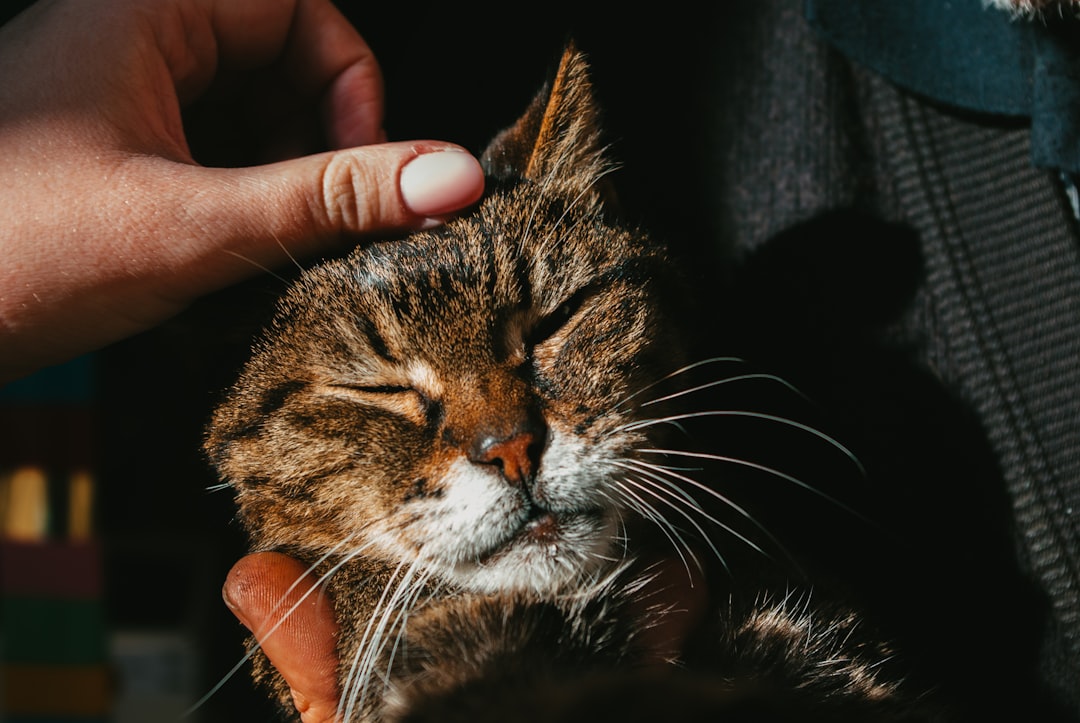
The gentle rumble of a cat’s purr isn’t just pleasant background noise. Research suggests that the frequency of a cat’s purring – typically between 25-150 hertz – could have therapeutic effects on the body and mind. This specific frequency range coincidentally matches those used in medical sound therapy for healing.
“The low-frequency vibrations of a cat’s purring are often used in sound therapy, a form of vibrational healing that applies specific frequencies to the body,” explained a behavioral health therapist. “These vibrations can help reduce inflammation, improve circulation and stimulate the healing of damaged tissues.” One of the most immediate effects of cat purring on humans is its ability to reduce stress and anxiety. The soothing sound and vibration of a purr have been compared to the calming effects of meditation.
They Provide Constant Emotional Support Without Judgment
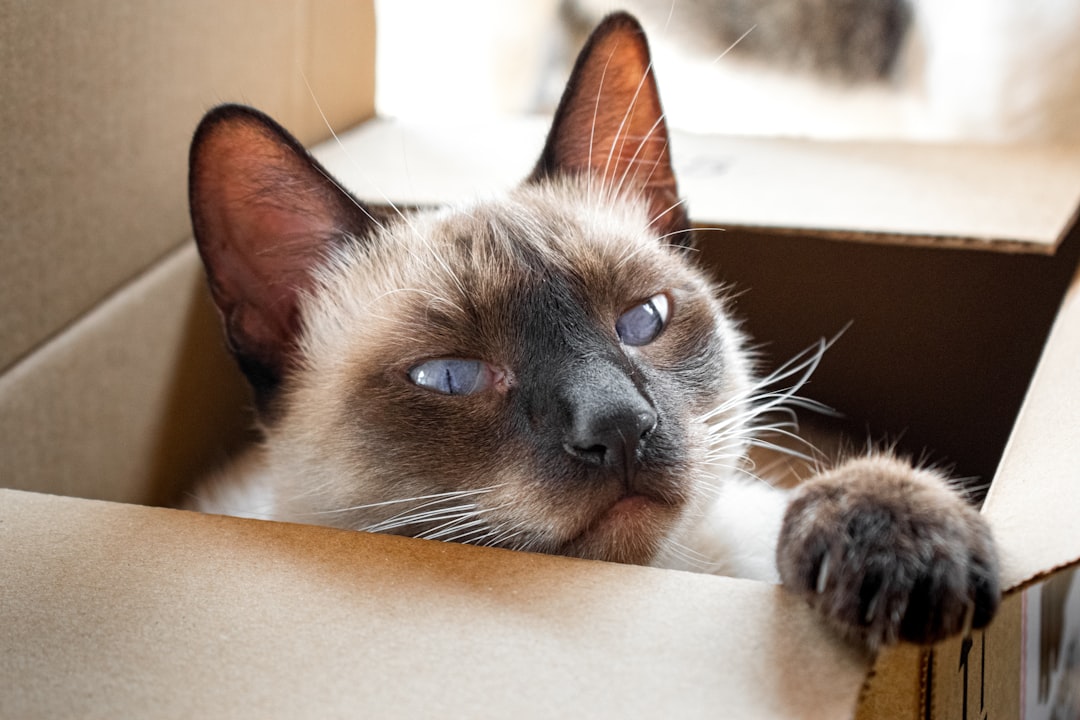
Similar to dogs, cats are honest, faithful, and don’t criticize us, no matter what we look like or what we’re going through – an ideal best friend. This helps us feel connected to other living beings in a way that might feel safer than being around certain people. There’s something profoundly comforting about having a companion who accepts you completely.
Emotional support animals, like cats, offer vital relief to those experiencing anxiety, depression or other mental health conditions. Their presence fosters trust, security and companionship, helping people cope with stress and emotional challenges. The bond with a cat provides a sense of comfort, making them valuable partners in managing mental health.
Physical Touch Activates Your Brain’s Feel-Good Centers

Even spending just 10 minutes interacting with a cat can reduce heart rate and blood pressure. This positive effect increases if you’ve owned your cat for more than 2 years. The simple act of stroking their fur creates a cascade of beneficial neurological responses.
Interactions with a cat significantly activated the prefrontal cortex, regardless of interaction type. Stroking a cat’s fur can lower your blood pressure and may help you feel less stressed by lowering your levels of the stress hormone cortisol and increasing your body’s production of the feel-good hormone oxytocin. It’s like having a living stress ball that purrs back.
They Combat Loneliness and Social Isolation

Owning a pet is associated with less social isolation. And some cat owners say “providing for the cat” increases their feelings of enjoyment and sense of purpose. In our increasingly disconnected world, cats provide a bridge to meaningful interaction when human connection feels challenging.
A purring cat provides companionship, which can help combat feelings of loneliness and depression. For individuals who live alone or struggle with mental health challenges, a cat’s presence can offer consistent comfort. They’re always there, ready to curl up beside you when the world feels too overwhelming.
Their Predictable Routines Create Structure and Purpose

Having a cat can help people feel connected and gives them a daily routine that can be helpful for both the person and their pet. The responsibility of feeding, cleaning, and caring for another living being provides structure that many find stabilizing for their mental health.
Even outside of formal therapy settings, having a purring cat at home can create a sense of routine and predictability. The predictability of a cat’s purring response reinforces feelings of security and emotional connection, making daily life feel less overwhelming. There’s comfort in knowing that no matter how chaotic your day becomes, your cat will still need their dinner at five o’clock.
They Boost Your Confidence and Self-Worth
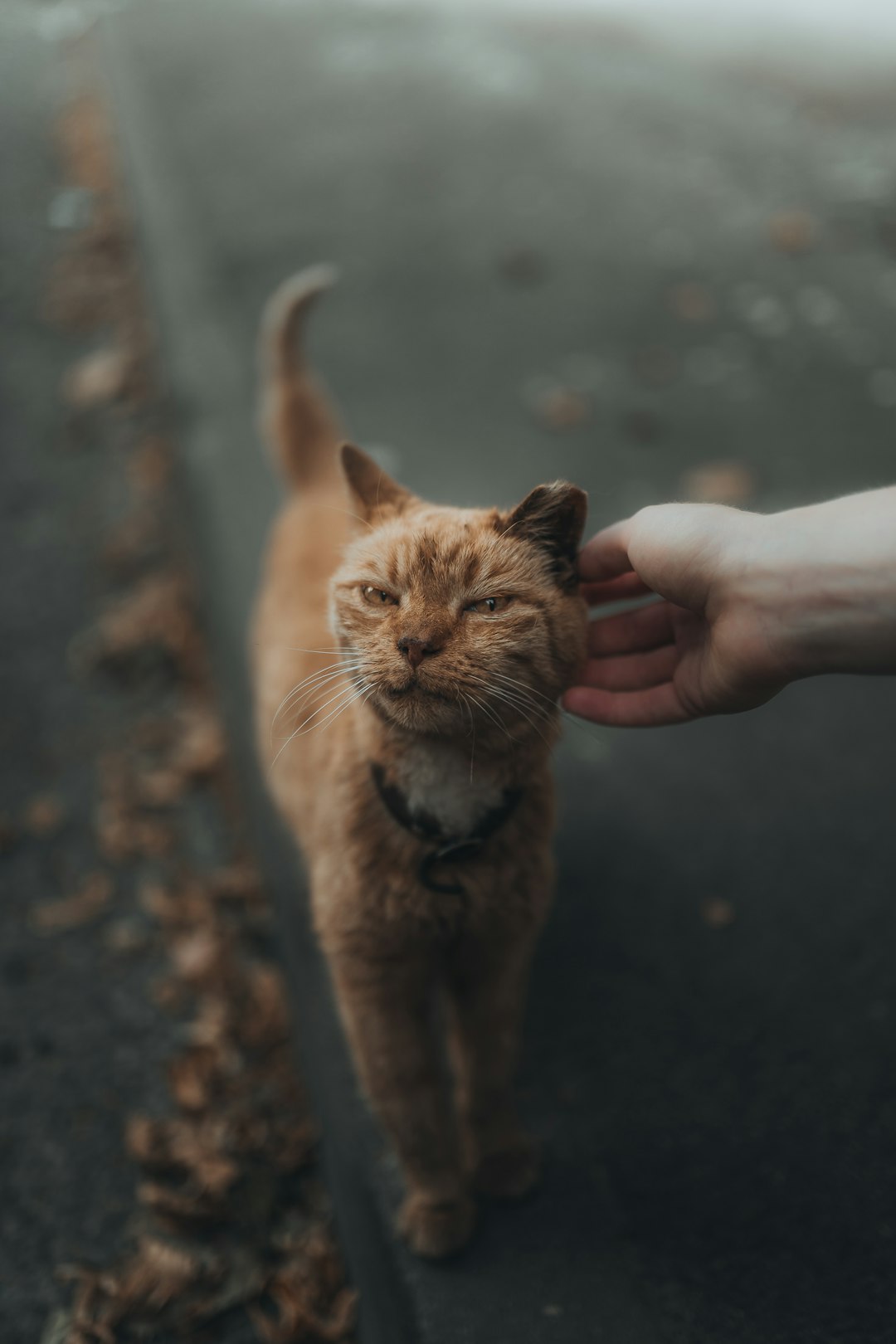
According to one Australian study, cat owners do have better psychological health than people without pets. On questionnaires, they claim to feel more happy, more confident, and less nervous, and to sleep, focus, and face problems in their lives better. Something about earning a cat’s affection seems to translate into greater self-assurance.
“A pet can be accepting, openly affectionate, consistent, loyal, and honest, characteristics that can fulfill a person’s basic need to feel a sense of self-worth and loved.” In this study, participants felt positive emotion when the cat obeyed them. That moment when your independent cat chooses to seek you out for attention feels like a genuine compliment.
Watching Cat Videos Actually Improves Your Mood
As per a 2015 research conducted by Indiana University, 7000 people were surveyed about their moods, emotions, energy levels, and optimism before and after watching cat videos on internet. As a result, a high percentage of people reported more cheerfulness, more energy, and less negative feelings. The study found that merely watching cat videos improves mental wellbeing.
This explains why cat content dominates social media platforms. Cat videos rule the internet for a reason, right? Even brief exposure to feline antics can shift our mental state from stressed to amused, proving that cats don’t even need to be physically present to work their psychological magic on us.
They Make You More Socially Connected to Others

This cross-species bonding may benefit our human-to-human relationships. For cat lovers, their cat/s can be part of their social network, and when someone – human or animal – makes us feel good and connected, it builds up our capacity for kindness and generosity toward other people.
Research has found that cat owners are more socially sensitive, trust other people more, and like other people more than people who don’t own pets. When someone – human or animal – makes us feel good and connected, it builds up our capacity for kindness and generosity toward others. “Pets appear to act as ‘social catalysts,’ inducing social contact between people.” Cats essentially teach us how to be better humans.
The evidence is clear: cats aren’t just adorable companions, they’re sophisticated emotional support systems wrapped in fur. Their therapeutic purrs literally vibrate at healing frequencies, their non-judgmental presence provides a safe haven from life’s storms, and their very existence in our homes creates structure, purpose, and connection. Having a cat isn’t a replacement for going to therapy or seeking out other mental health support, of course, but cat companionship can be an important part of your overall mental health care plan and support system.
Whether you’re a lifelong cat person or someone who’s never considered feline companionship, the science speaks volumes about these remarkable creatures’ ability to heal our minds simply by being themselves. What do you think about these surprising ways cats enhance ? Tell us in the comments.