There’s something quietly profound about watching your cat settle into the same corner of the couch you’ve claimed as your own for years. It’s not coincidence. It’s not just habit. There’s a deeply fascinating connection between you and your feline companion that grows richer, stranger, and more layered with every passing year. Something about growing older alongside a cat reveals truths about yourself you may not have expected.
Most people think of cats as fiercely independent creatures who operate on their own schedule and answer to nobody. Honestly, that reputation is only half the story. Science is peeling back the curtain on something cat owners have quietly sensed for decades. Your cat may know you better than you know yourself. Let’s dive in.
Your Calm Becomes Their Calm: The Stress-Energy Loop
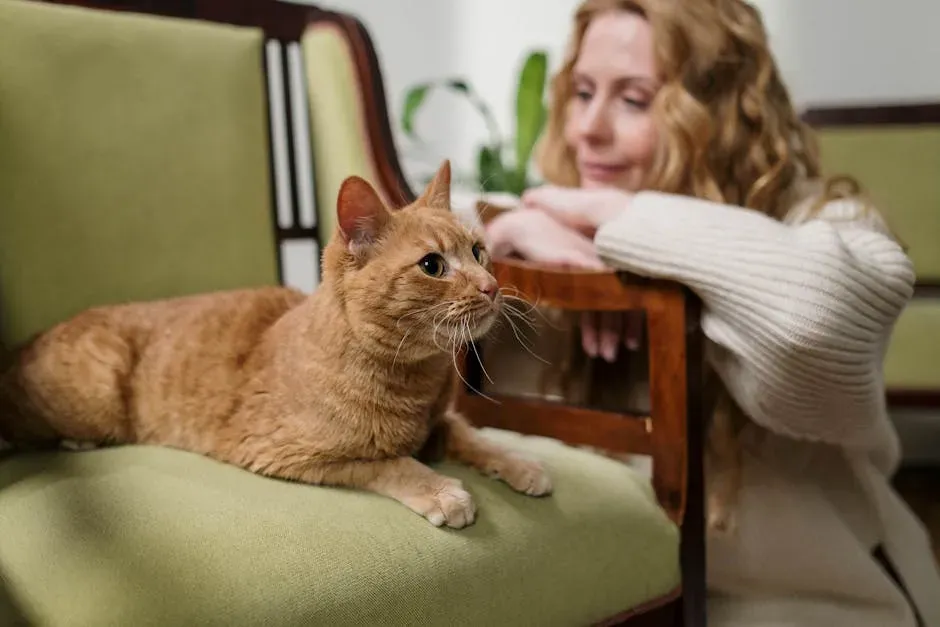
Here’s the thing about cats: they are living, breathing mood detectors. Cats pick up on subtle cues like tone of voice, body language, daily routines, and even changes in energy levels. Think of it like a tuning fork. When you vibrate at a certain frequency, your cat resonates right along with you, often before you’ve even consciously registered your own emotional state.
Research shows that cats living in high-stress households are more likely to develop health problems, including urinary tract issues and behavioral concerns. Emotional mirroring helps explain why a calm home often means a calm cat. As you age and (hopefully) find more peace in your daily rhythm, you may notice your cat becoming visibly more serene too. That’s not your imagination. It is your energy being mirrored right back at you.
Your Sleep Rhythm, Their Sleep Rhythm: Synchronized Rest
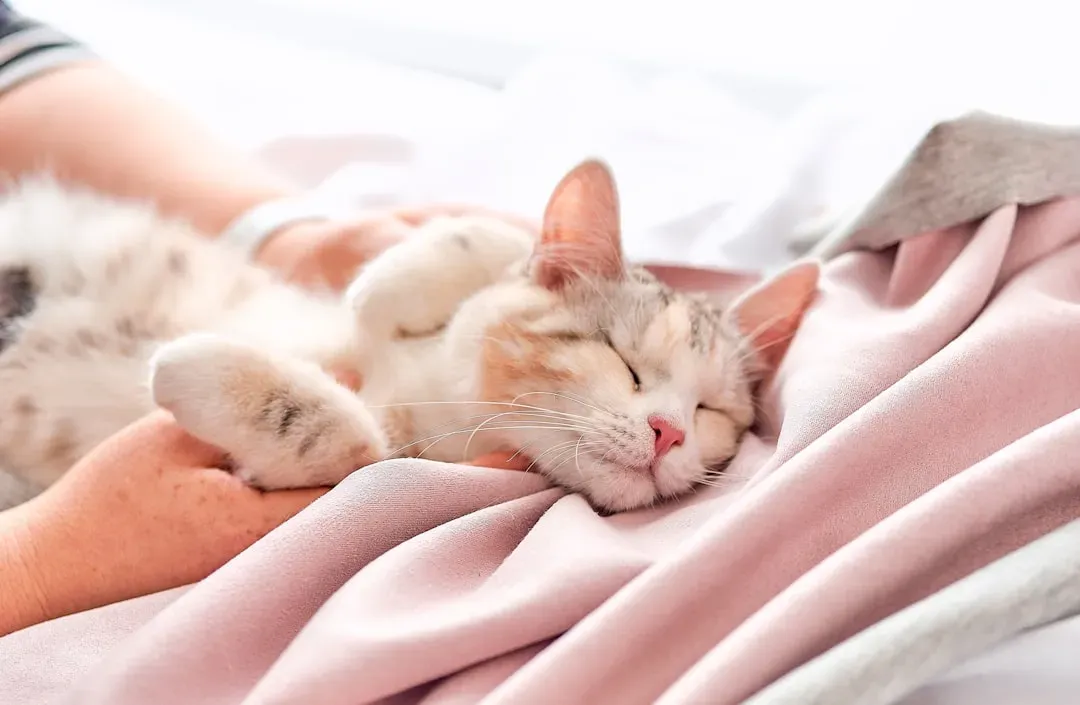
If you’ve ever woken up at three in the morning only to find your cat already staring at you from the foot of the bed, you might be onto something deeper than a spooky coincidence. With age, many cats undergo a change in their sleep schedule. Kittens learn to mirror their humans’ activity patterns, and this sleep-wake cycle continues on through cats’ adult years. It’s almost like they set their internal clock to yours.
One example of cat mirroring is when a cat copies their owner’s sleeping patterns. If an owner tends to take naps during the day, their cat may also start napping during those same hours. As you grow older and your own sleep patterns shift, perhaps leaning into more afternoon rest or earlier bedtimes, don’t be surprised when your cat adjusts right alongside you. It’s one of the most quietly intimate forms of synchronization you’ll ever witness between two different species.
Your Introversion Shapes Their Sociability
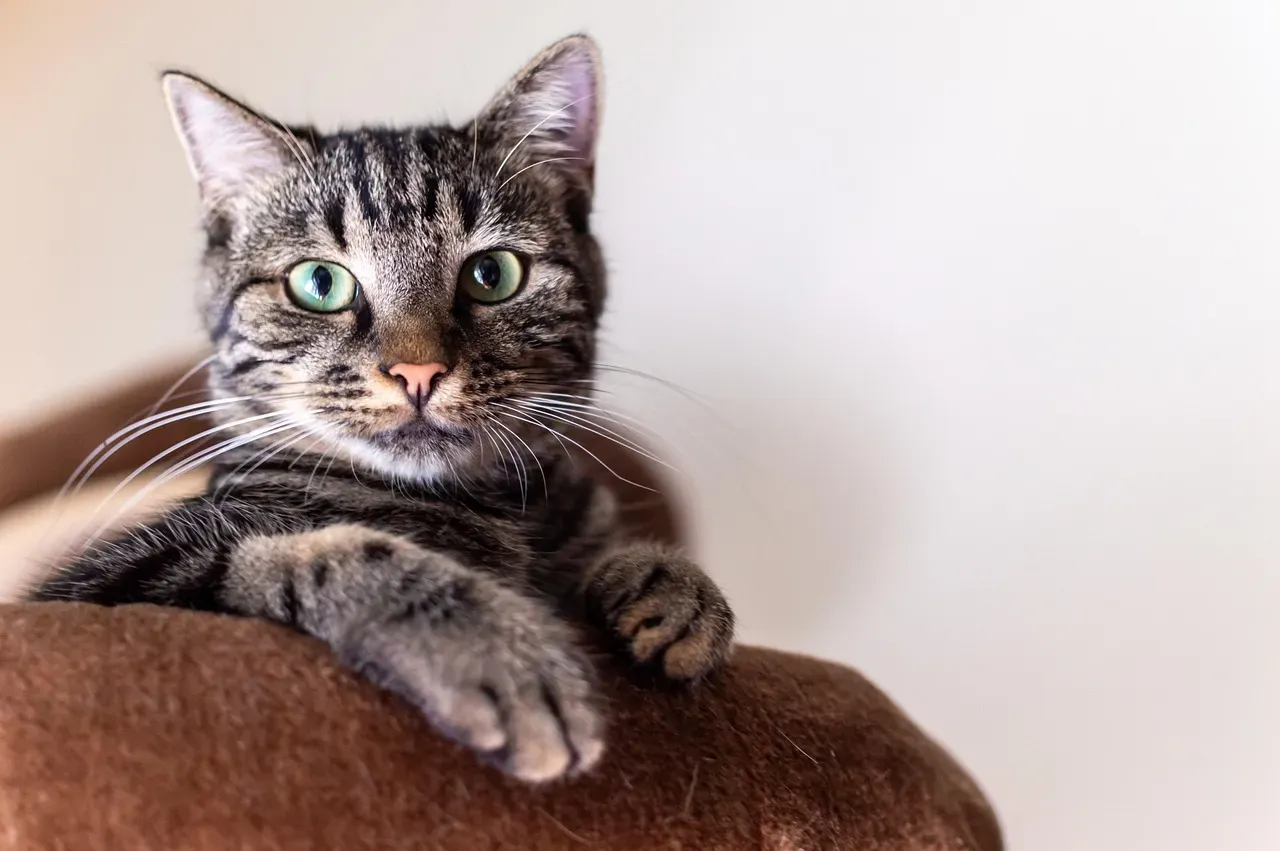
Let’s be real: many of us become a little more selective about social interaction as we age. Fewer dinner parties, more quiet evenings. Turns out, your cat is watching and taking notes. If you’re less social than average, you may be unlikely to call people over to meet the new kitten. As a result, the kitten may also become less interested in meeting new people and exploring new things.
Introverted owners often find their cats prefer quiet and solitude, seeking out cozy spots away from the hustle and bustle. These cats may be less playful and more prone to observing their environment rather than actively engaging. Think of your cat as a tiny, furry reflection of your social preferences. You become the template, and over time, your cat decorates its personality right around yours.
Your Anxiety Becomes Their Alertness: The Nervous System Connection
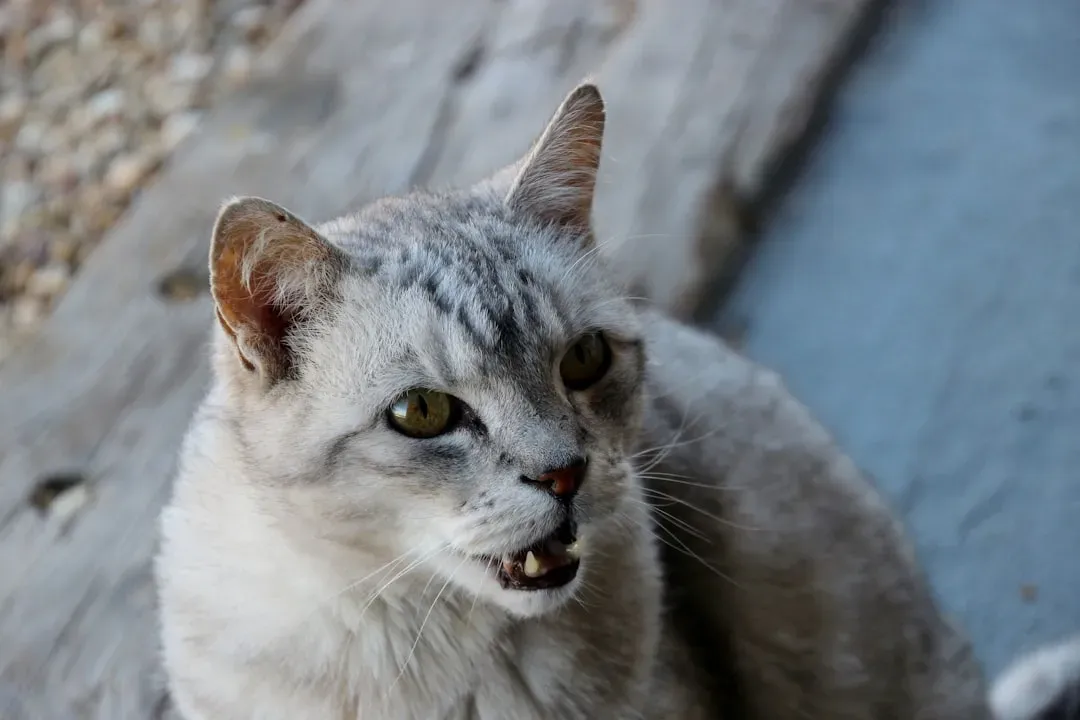
This one honestly surprised me when I first came across it. It’s a bit uncomfortable, too, because it means our cats carry the weight of our unresolved tension. High levels of owner neuroticism were associated with more aggressive and fearful cat behavioral styles, and owners rating higher in neuroticism reported more behavioral problems in their cats, suggesting that human interaction styles could substantially impact cat wellbeing.
If you frequently exhibit stress or anxiety, your cat might become more alert or even anxious themselves, mirroring your feelings. The good news is, as many people age, they develop better emotional regulation tools, whether through therapy, meditation, exercise, or simply learning what truly matters. When you lower your anxiety baseline over the years, your cat tends to settle down too. It’s a two-way street worth paying attention to.
Your Playfulness Fuels Their Energy Levels
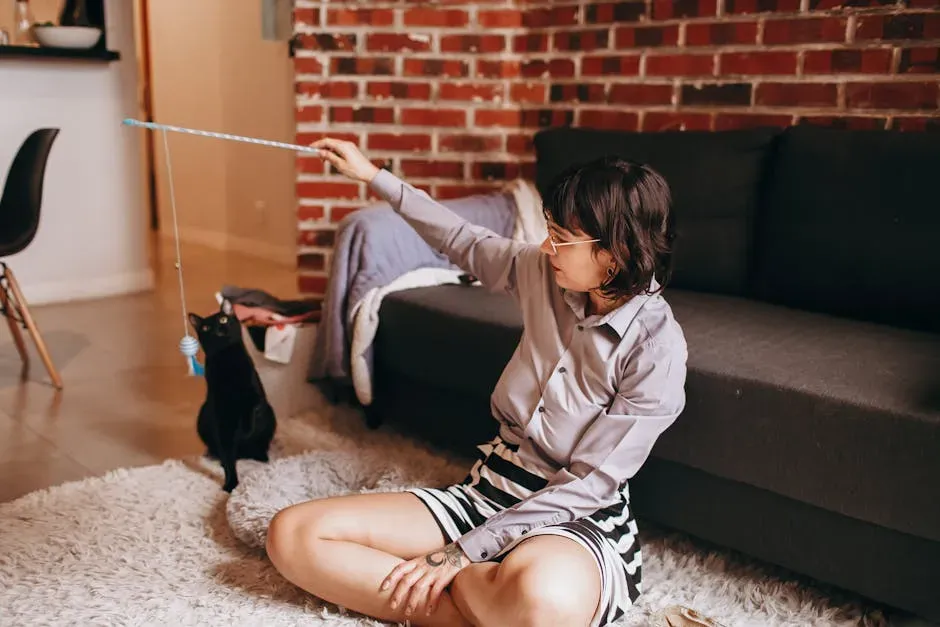
You’ve probably noticed that some older cats remain remarkably spry and engaged, while others seem to check out entirely. A lot of that difference comes back to you. Owners who enjoy playtime and engage actively with their pets often have cats that exhibit high energy levels and playful behavior. These cats may seek out play more frequently and enjoy interactive toys, reflecting their owner’s enthusiasm.
If an owner is particularly active and playful, their cat may also become more energetic and engage in more playful behavior. This is genuinely encouraging news. It means staying engaged and active in your own life, even in small ways like picking up a new hobby or laughing more, actually benefits your cat’s physical and mental health too. You’re not just living for yourself anymore. You are somebody’s whole world, and they are mirroring every drop of vitality you pour into your days.
Your Voice Sets the Emotional Tone of Your Home
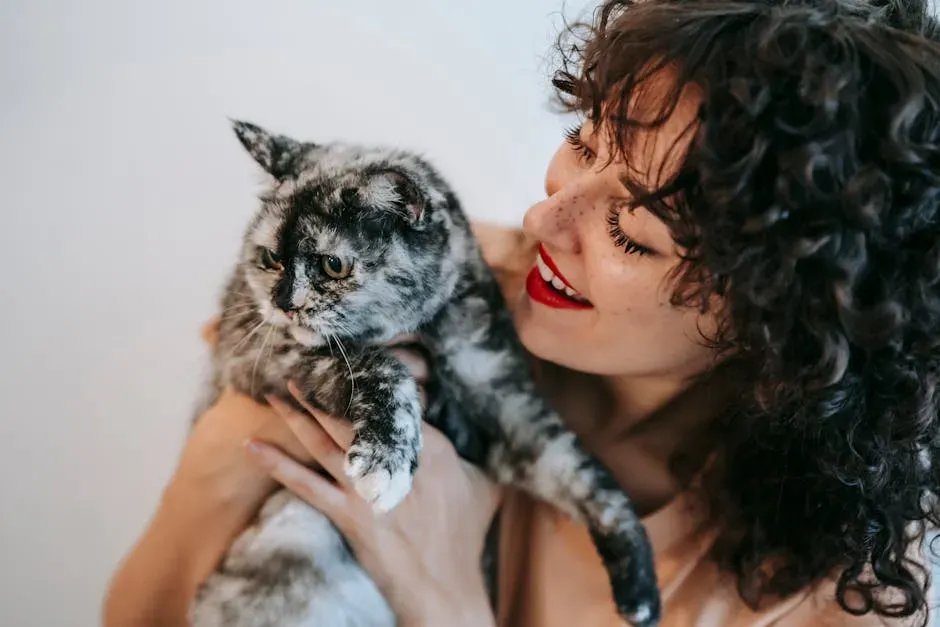
It’s hard to say for sure how much cats understand the actual words we use, but the science on tone is pretty clear. The way you speak matters. Harsh tones may cause your cat to hide, while a gentle, reassuring voice builds trust. What your cat’s behavior says about you might be how safe you make them feel with your tone and energy.
Research shows that cats can recognize their owners’ voices, the tone of the voice, and whether their owner is talking to them or not. As people age, many naturally adopt a slower, warmer, more measured way of speaking. You stop yelling across rooms. You take your time. Your cat registers this shift, and the entire emotional climate of the home changes around that gentler frequency. It is one of those invisible but deeply powerful shifts that aging can bring.
Your Emotional Openness Invites Their Affection
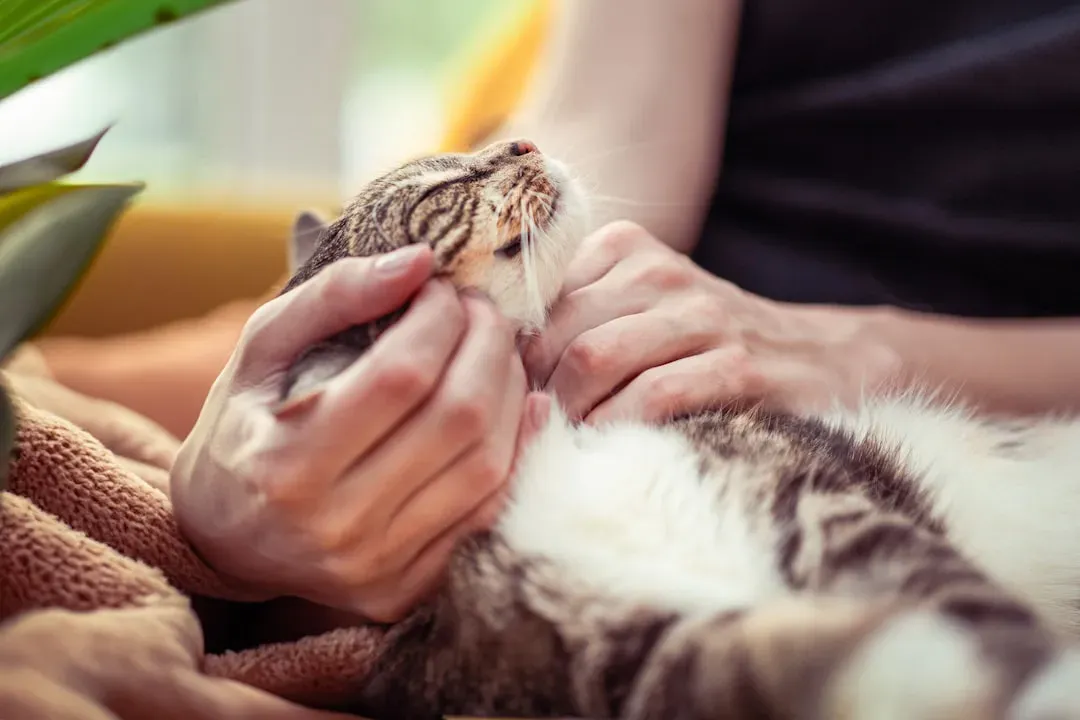
There’s a beautiful symmetry that happens between long-time cat owners and their animals as both grow older together. Cats can detect and mirror their owners’ emotional states. They may become more affectionate when their owner is sad, more energetic when their owner is happy, or anxious when their owner is stressed, showing their capacity for emotional attunement. In other words, the more emotionally available you become over time, the deeper the bond you can form.
Researchers observed that cats exhibited more frequent positive behaviors, including purring, rubbing, or sitting on their owner’s lap and spending more time with them, when their owner was smiling. Aging has a funny way of stripping away emotional armor. You stop trying so hard to appear composed all the time. You let yourself feel things more openly. Your cat, remarkably, responds to that openness like a flower turning toward sunlight.
Your Routine Becomes Their Anchor: Shared Habits Over Time
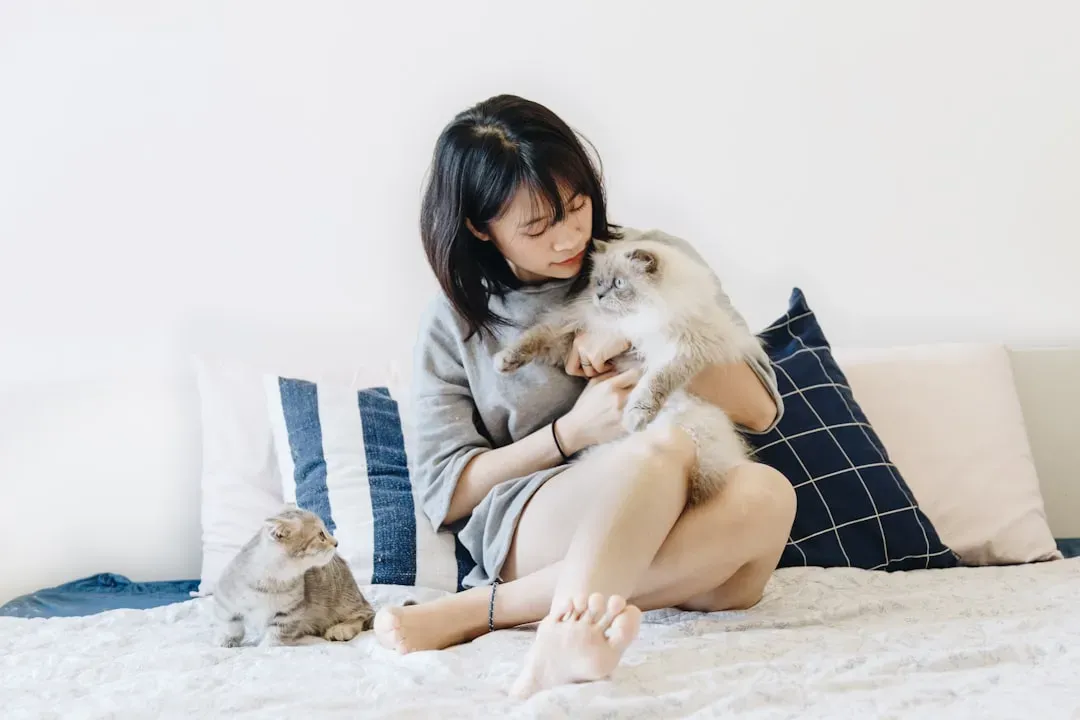
One of the most noticeable forms of cat mirroring occurs in daily routines. Cats often wake up and sleep at similar times to their owners. As you age, routines tend to solidify. You eat at the same times, walk at the same hour, brew coffee at the exact same moment every morning. Without even realizing it, you are building a shared script with your cat, and they lean into it completely.
Mimicking their owner’s behavior provides cats with a sense of security. As creatures of habit and routine, cats find comfort in familiar activities and surroundings. By mimicking their owner’s behavior, cats feel safe and secure in their environment. It also helps them anticipate what will happen next, reducing anxiety levels. There’s something deeply moving about this. Your daily rituals, the small and seemingly unremarkable ones, become a lifeline of stability for another living being. You are somebody’s entire predictable, beautiful world.
Conclusion: The Mirror Has Always Been There
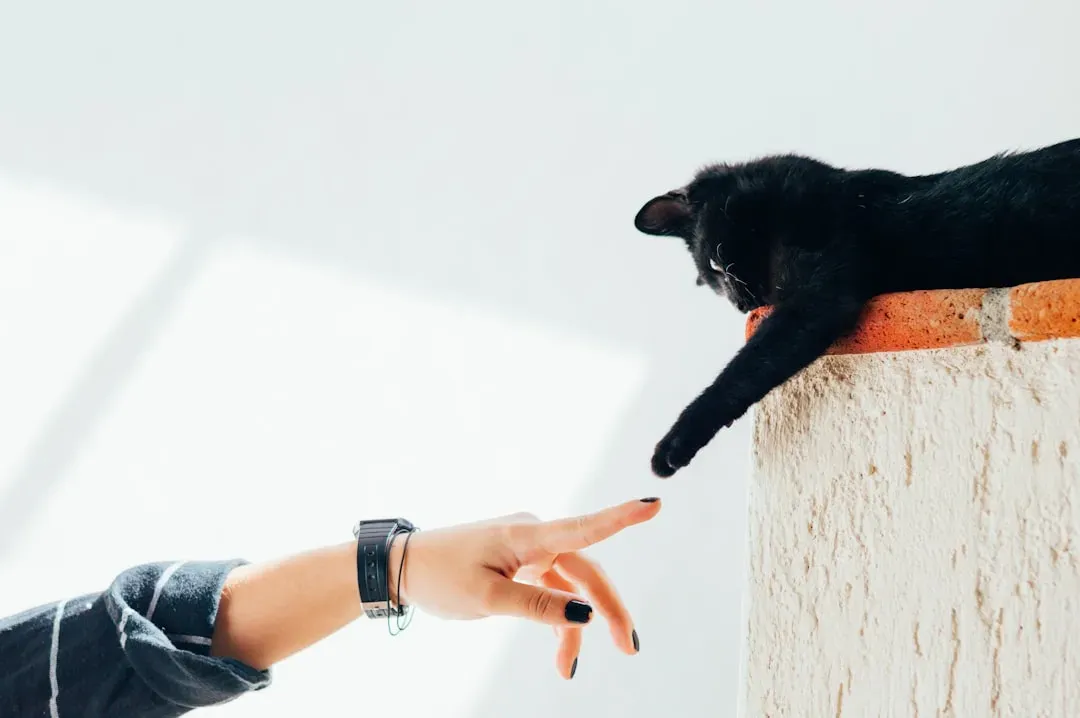
What strikes me most about all of this is how quietly it unfolds. You don’t sit down one day and decide to influence your cat’s personality. It just happens, over thousands of shared mornings and evenings, through posture and tone and habit and heartbeat. Research has revealed that cats can develop personality traits similar to their owners through prolonged interaction and behavioral mirroring, showcasing their remarkable social plasticity and ability to form deep emotional connections.
This emotional attunement isn’t merely a happy accident but the result of thousands of years of co-evolution, creating a cross-species bond that enriches both feline and human lives. As you change with age, becoming calmer, more selective, more deliberate, your cat evolves right alongside you. The two of you are authoring a story together, one mood, one habit, one quiet afternoon at a time.
So the next time your cat curls up in your exact spot, yawns when you do, or goes still the moment you finally exhale and relax, pause for just a second. You’re not just watching a cat. You’re watching yourself, reflected back through the most honest and uncomplicated mirror you’ll ever encounter. What does your cat’s behavior say about the version of you that exists right now?