#1 The slow retreat that never turns into a sprint
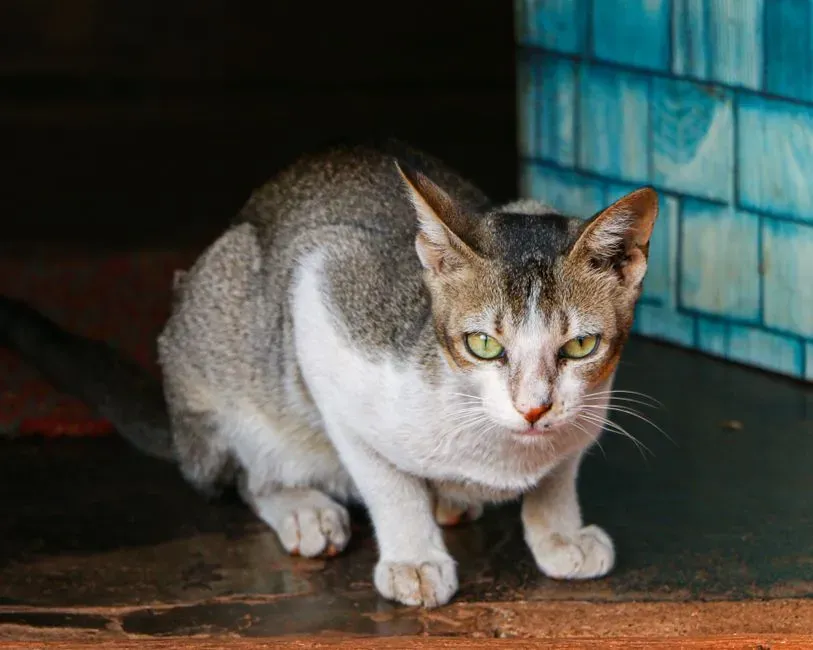
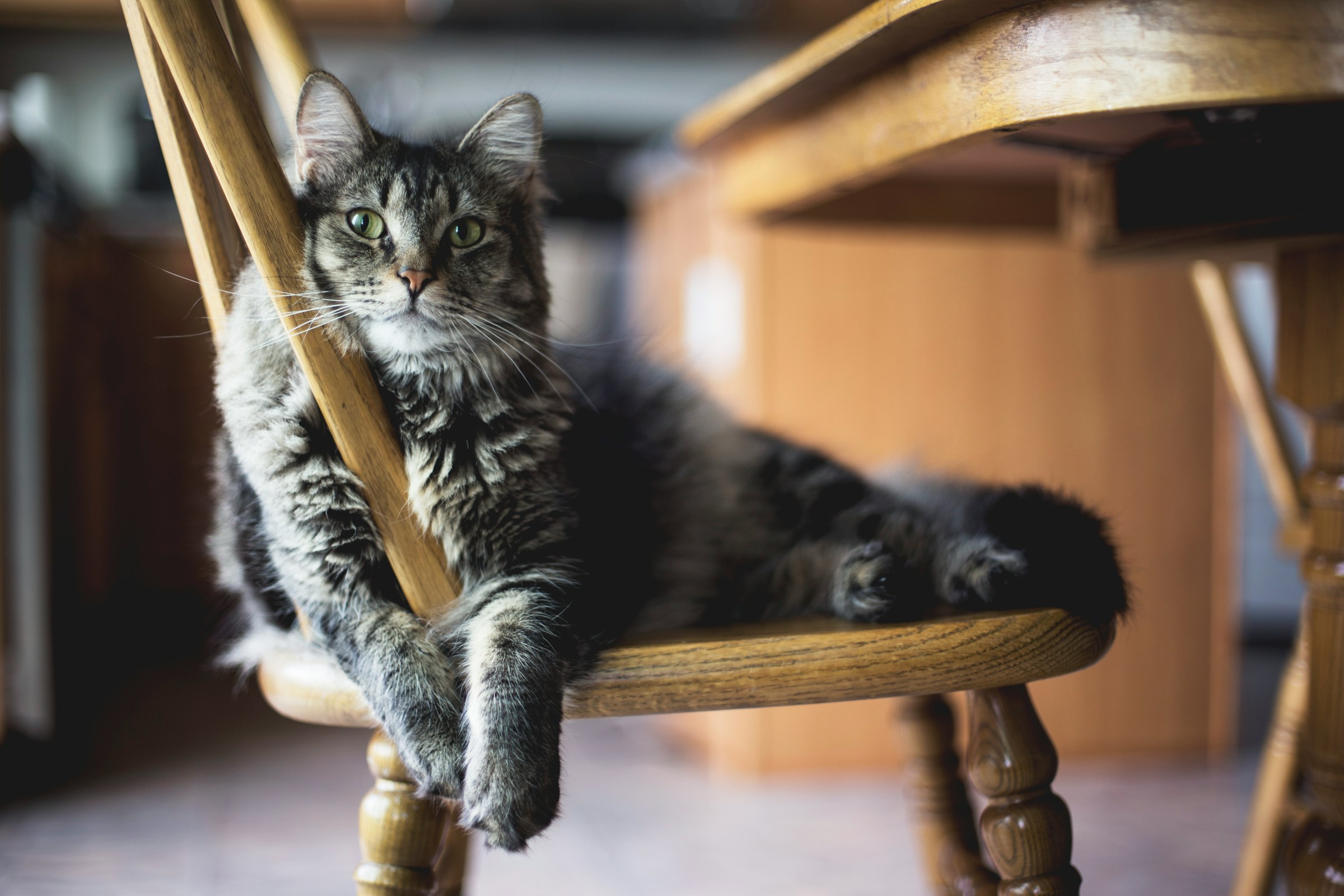
When a cat feels unsure about a person, the first move is often a measured, unhurried withdrawal rather than a bolt for cover. This isn’t laziness or indifference. It’s a calculated way of maintaining distance while still keeping the situation under observation, since a cat that turns its back completely loses the ability to track what happens next.
Behaviorists who study feline body language note that this kind of retreat allows the animal to assess risk without triggering a chase response, which cats instinctively want to avoid. A slow backward walk, paired with a lowered but still visible head, signals caution rather than panic, and it’s one of the clearest early indicators that a cat hasn’t decided whether someone is safe yet.
#2 Sitting just outside arm’s reach
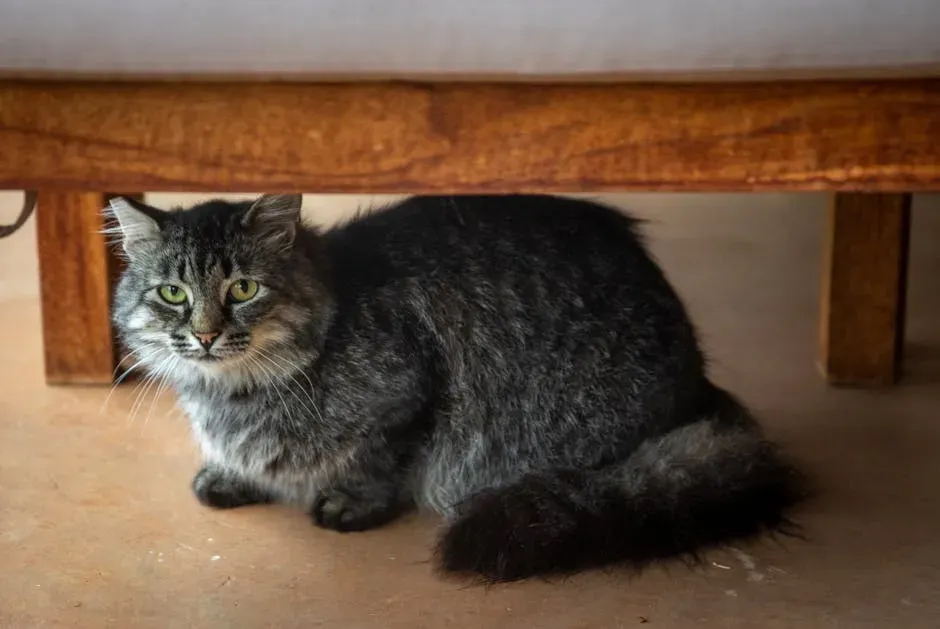
Distance-testing often shows up in where a cat chooses to sit relative to a new or uncertain person. Rather than avoiding the room altogether, an unsure cat frequently settles just beyond arm’s reach, close enough to observe but far enough to react if needed.
This positioning gives the cat a buffer zone it controls entirely. It can watch tone of voice, movement patterns, and general energy from a safe vantage point, gradually deciding whether to close the gap on its own terms. Forcing the issue by reaching toward the cat at this stage usually resets the trust-building process back to the beginning.
#3 The strategic use of furniture as a barrier
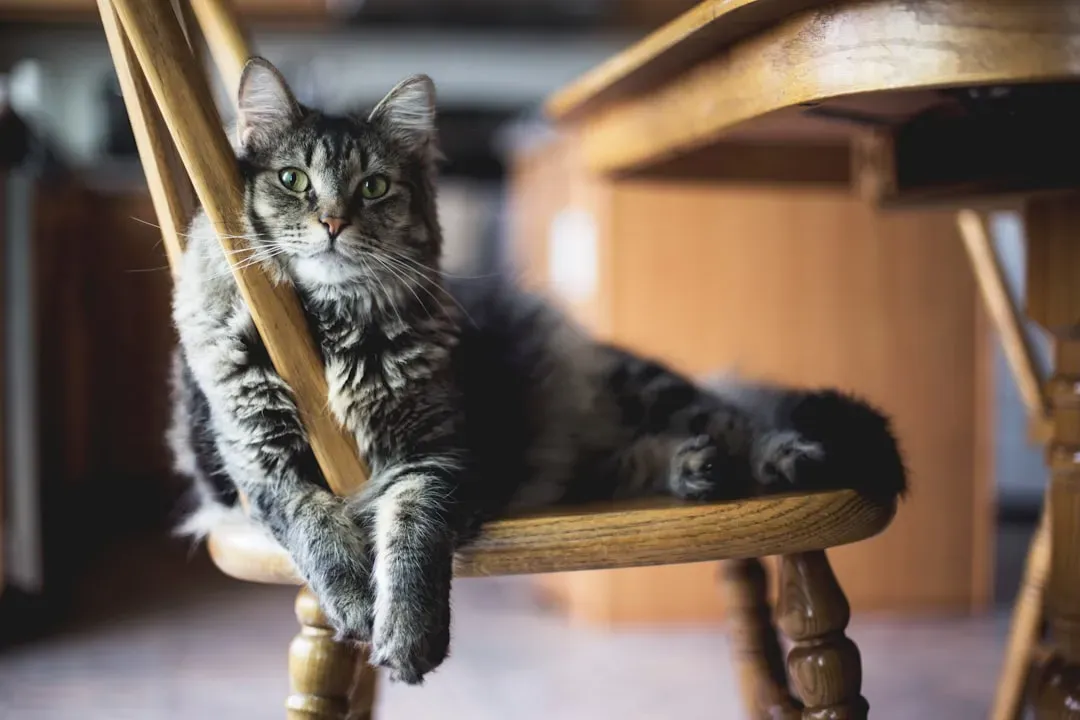
Cats are remarkably deliberate about the objects they place between themselves and someone they’re wary of. A chair leg, a coffee table, or even a stray shoe can become a makeshift boundary line that the cat treats as meaningful, even if it looks like an arbitrary hiding spot to a human observer.
This isn’t random positioning. Cats use physical obstacles to slow down any potential approach, buying themselves an extra second or two to decide whether to stay or flee. Over time, as trust builds, that same cat often abandons the barrier entirely, choosing to sit in open space instead, which is itself a subtle but telling shift in comfort level.
#4 A tail that stays low and still instead of swishing
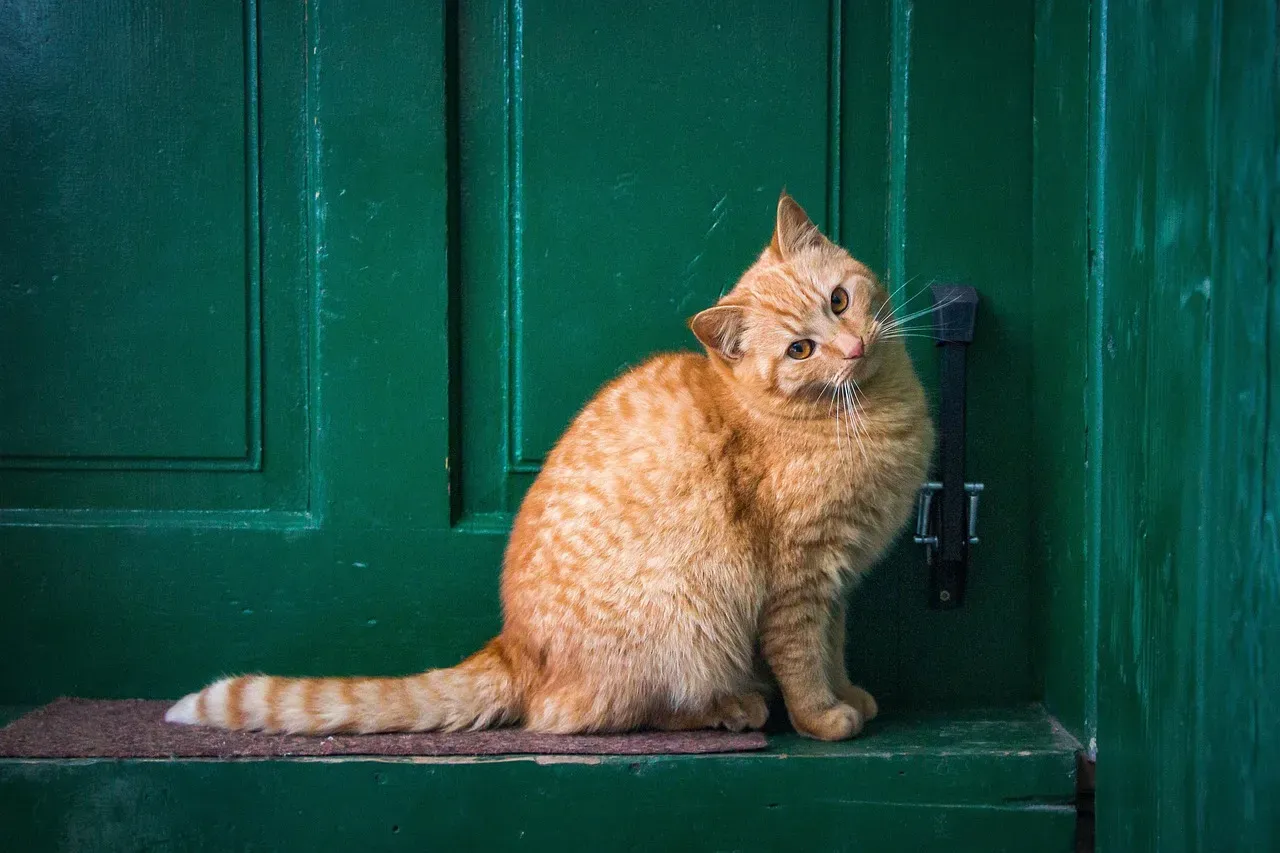
Tail movement gets a lot of attention in conversations about cat behavior, but stillness can be just as informative as motion. An unsure cat often keeps its tail low, close to the body, and notably quiet, avoiding the expressive flicks and curls that signal either relaxation or agitation.
This muted tail posture reflects a kind of behavioral holding pattern. The cat isn’t committing to fight, flight, or friendliness yet, so the tail stays neutral as a physical extension of that uncertainty. Once a cat starts allowing its tail to move more freely again, upright with a gentle curve at the tip, it’s usually a sign the distance it once needed has started to shrink.
#5 Choosing elevated spots to observe from
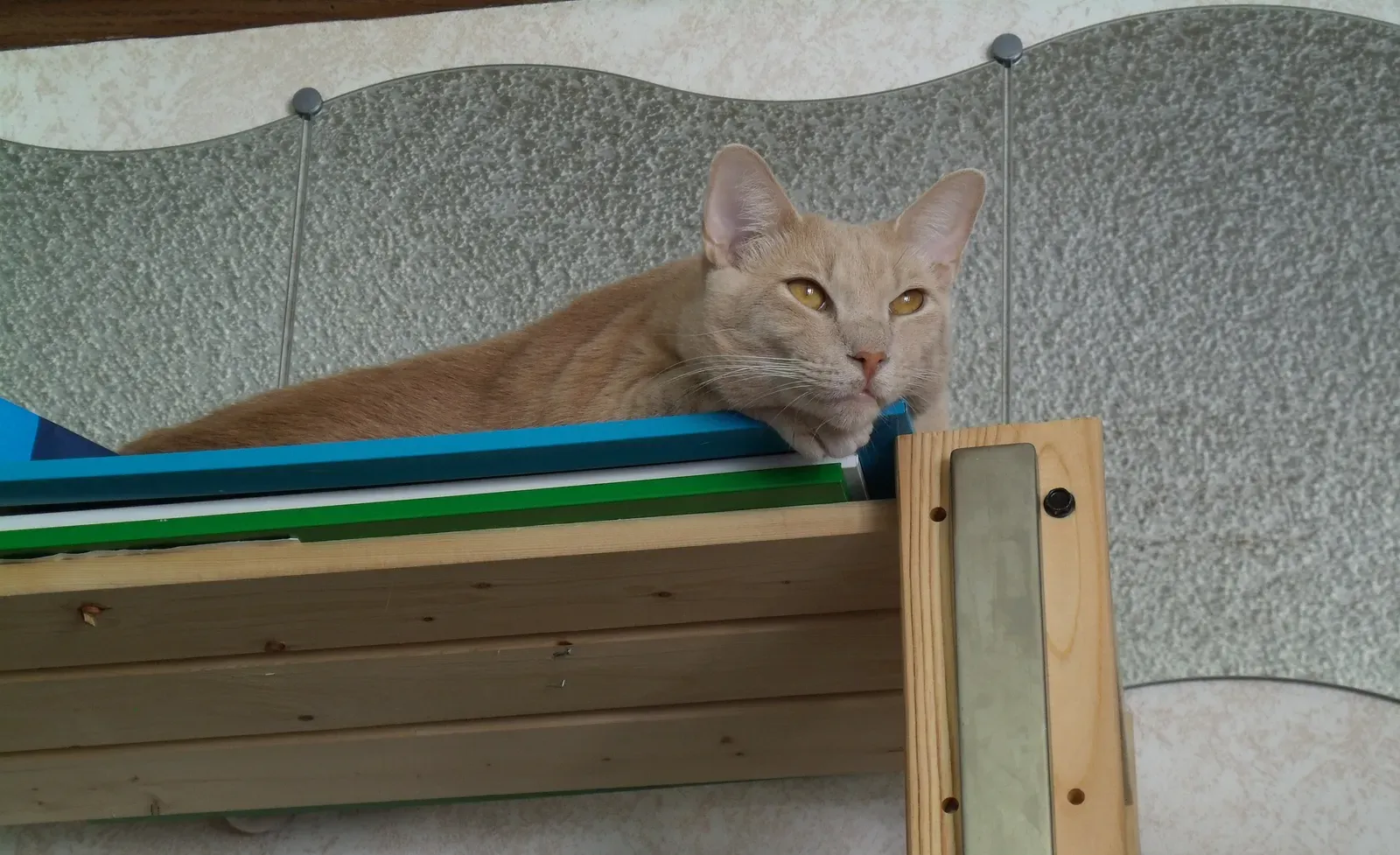
Height offers cats something distance alone cannot: a wider field of view and a psychological sense of control. When uncertain about a person, many cats gravitate toward shelves, cat trees, or the tops of furniture, positioning themselves above the interaction rather than within it.
This isn’t about literal fear of a person reaching upward, since most cats know that’s unlikely in a typical home setting. It’s about visibility and escape routes. From an elevated perch, a cat can monitor movement across an entire room, which reduces the need to stay physically close enough to react quickly if something feels off.
#6 The sideways approach instead of a direct one
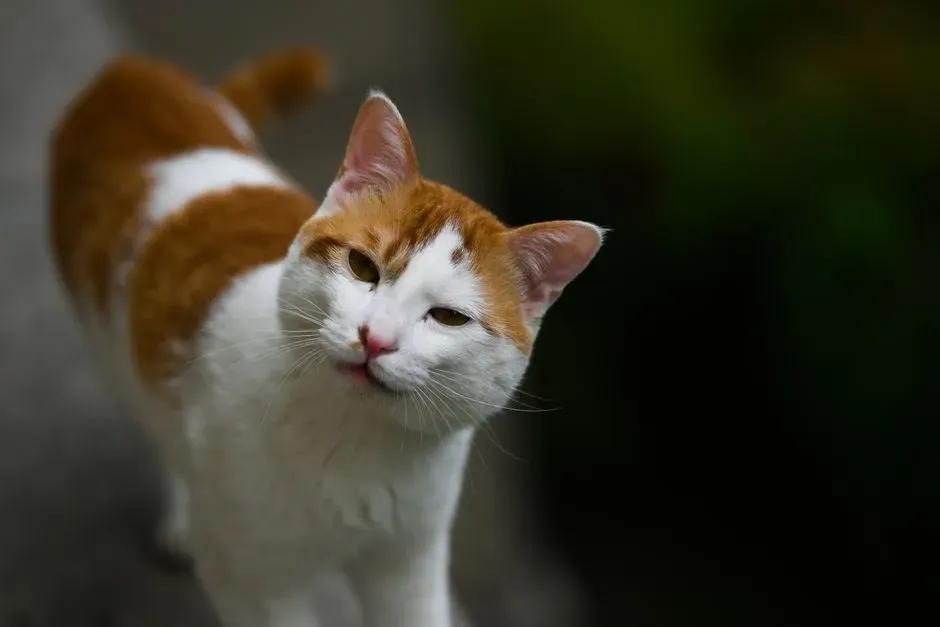
Direct, head-on movement toward another creature can read as confrontational in feline body language, so uncertain cats often opt for an indirect, sideways approach instead. This might look like a cat wandering in a loose arc around a room, seemingly uninterested, while actually closing distance in a way that feels less threatening to itself.
This zigzag pattern allows the cat to keep testing the situation without fully committing to contact. If the person moves suddenly or reaches out, the cat has already built in an escape angle simply by not walking straight toward them in the first place. It’s a subtle but effective way of managing risk while still satisfying curiosity.
#7 Freezing in place rather than reacting outwardly
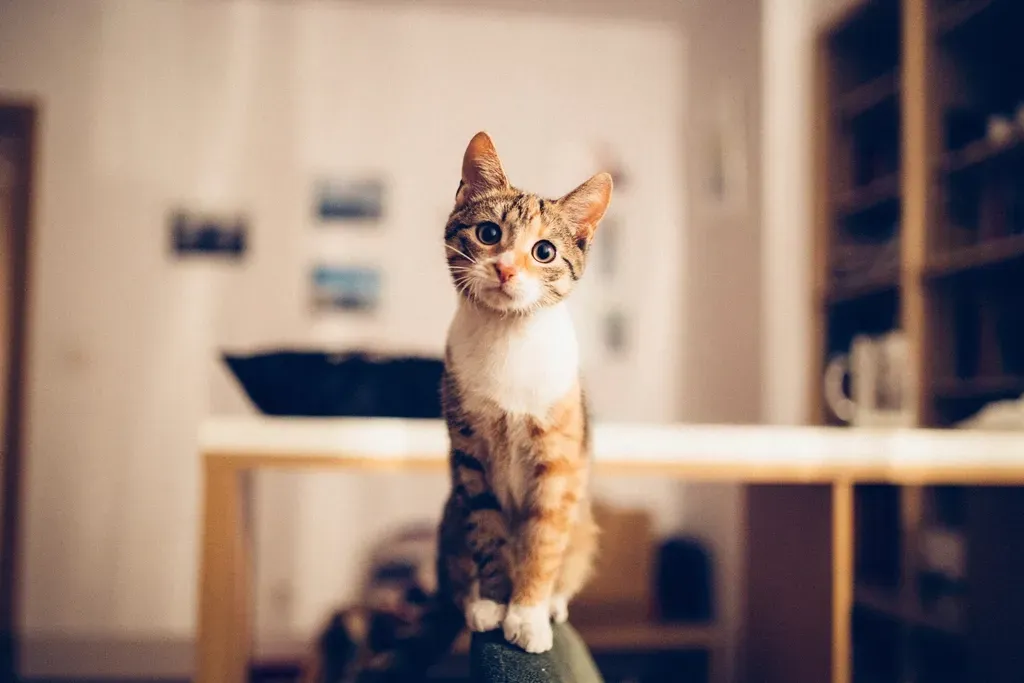
Sometimes the clearest sign of feline uncertainty is a complete lack of movement. A cat that suddenly stops mid-stride, crouches slightly, and holds perfectly still when an unfamiliar person enters the room is engaging in a classic distance-management tactic, even though nothing appears to be happening.
This freeze response buys time. It allows the cat to gather information through scent, sound, and visual cues without giving away its next move, whether that’s retreating further or eventually relaxing. Owners sometimes mistake this stillness for calm acceptance, when in reality the cat is simply pausing the interaction until it feels ready to proceed.
#8 Allowing brief contact, then quickly repositioning
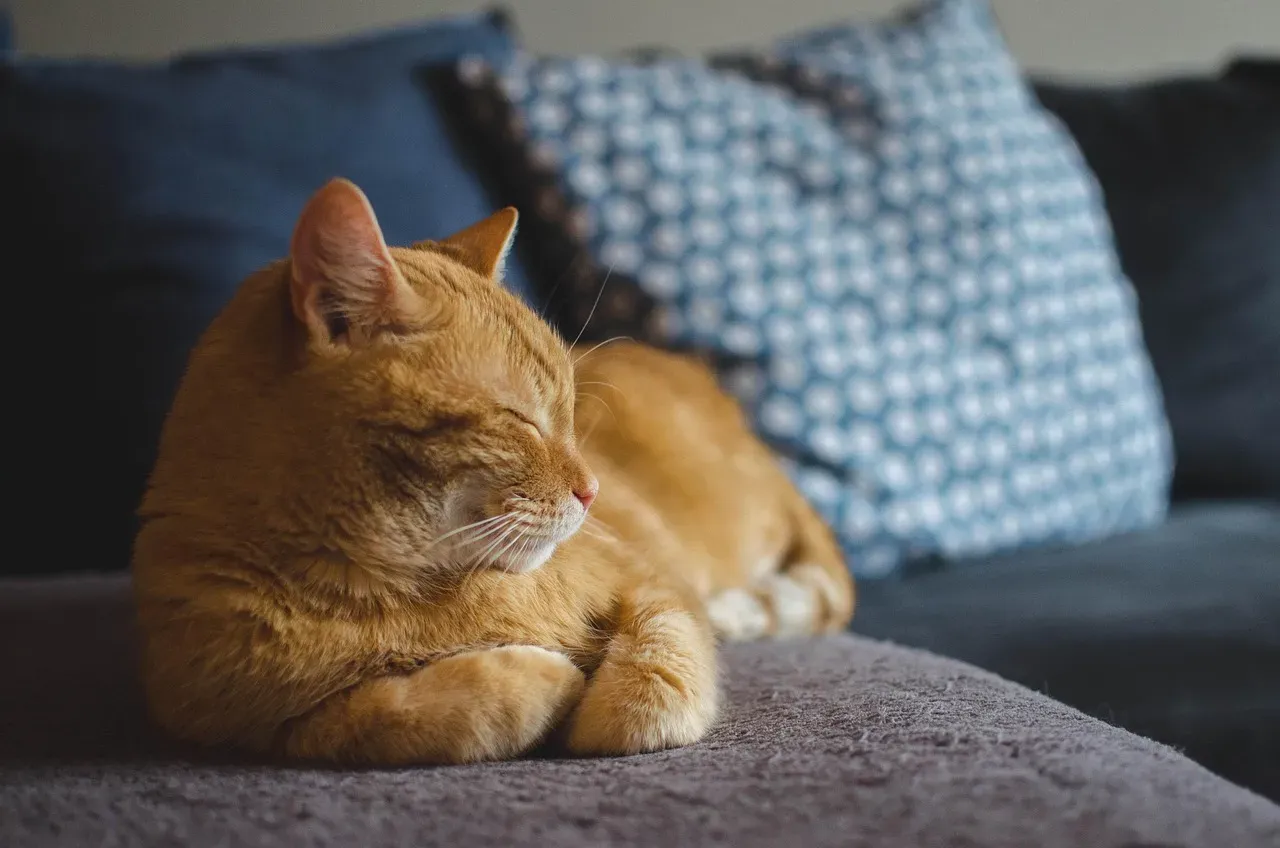
Even cats that are still working through uncertainty will sometimes allow a short scratch or a passing touch, only to immediately step back or reposition afterward. This isn’t rejection so much as boundary maintenance, a way of testing contact in small, controlled doses rather than all at once.
This pattern often frustrates people who interpret the initial approach as full acceptance, only to feel confused when the cat retreats moments later. In reality, this back-and-forth is a normal part of how cats recalibrate trust, and repeated short interactions like this tend to build familiarity far more effectively than one long, forced session of petting ever could.
Final Thoughts
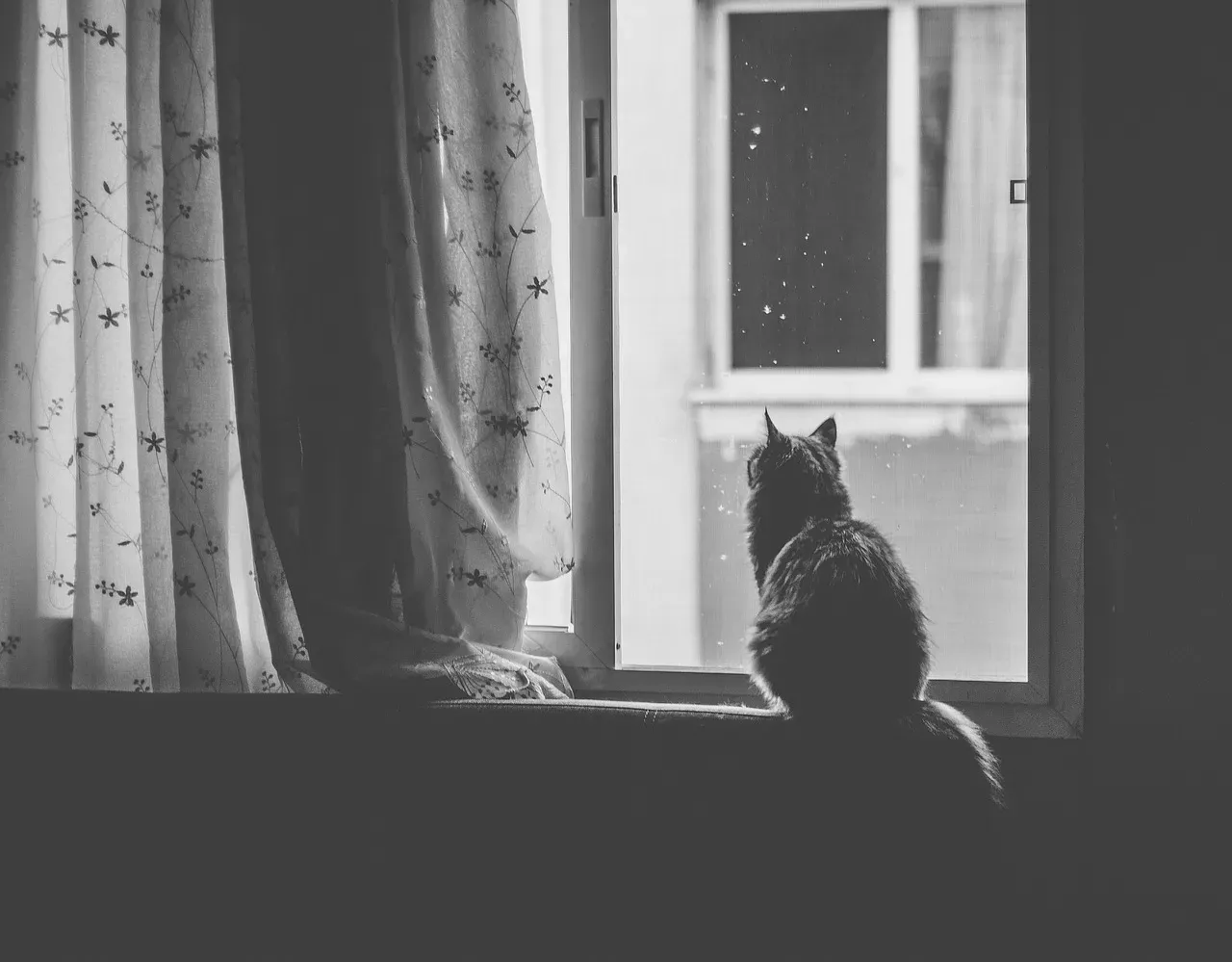
What stands out across all eight of these behaviors is how consistently cats prioritize control over confrontation. They rarely escalate a situation when they can quietly manage it instead, and that preference for subtlety is often mistaken for coldness or indifference by people expecting more obvious signals.
My own take, after looking closely at how these patterns play out, is that this quiet distance-management deserves more credit than it gets. It reflects a species that has survived by being cautious rather than reactive, and honestly, that’s a trait worth respecting rather than trying to override with too much enthusiasm too soon.