Have you ever noticed how your feline friend seems to know exactly when you need them most? That uncanny ability to appear by your side when tears start flowing isn’t just coincidence. Cats who form close bonds with their owners often become attuned to their human’s feelings, and science is beginning to reveal the remarkable ways they respond to our emotional distress.
Cats can form strong bonds with their owners, and part of that attachment includes the ability to recognize and respond to human emotions. Cats are sensitive to our moods and can tell the difference between emotional cues, such as crying. What’s truly fascinating is that your cat isn’t just being randomly affectionate – they’re actually trying to help you heal. Let’s explore the incredible ways your feline companion becomes your personal therapist.
They Purr at Healing Frequencies

Perhaps the most remarkable healing tool your cat possesses is their purr. Research suggests that the frequency of a cat’s purring – typically between 20-50 hertz, with most cats purring around 25-30 hertz – could have therapeutic effects on the body and mind. These frequencies overlap with some of those used in medical vibrational therapy to promote tissue regeneration and bone healing.
The healing power doesn’t stop at physical benefits. The soothing vibrations of a cat’s purr can help regulate the autonomic nervous system, which controls involuntary bodily functions like heart rate and breathing. By lowering stress and triggering the body’s relaxation response, purring promotes a sense of calm, balance and emotional well-being. The soothing sound and vibrations of a purring cat can help lower stress levels in humans, leading to decreased blood pressure, and improved overall mental well-being. The vibrations and soothing nature of a cat’s purr may contribute to relaxation and comfort, stimulating the release of endorphins and promoting relaxation and healing.
They Become Extra Clingy and Affectionate
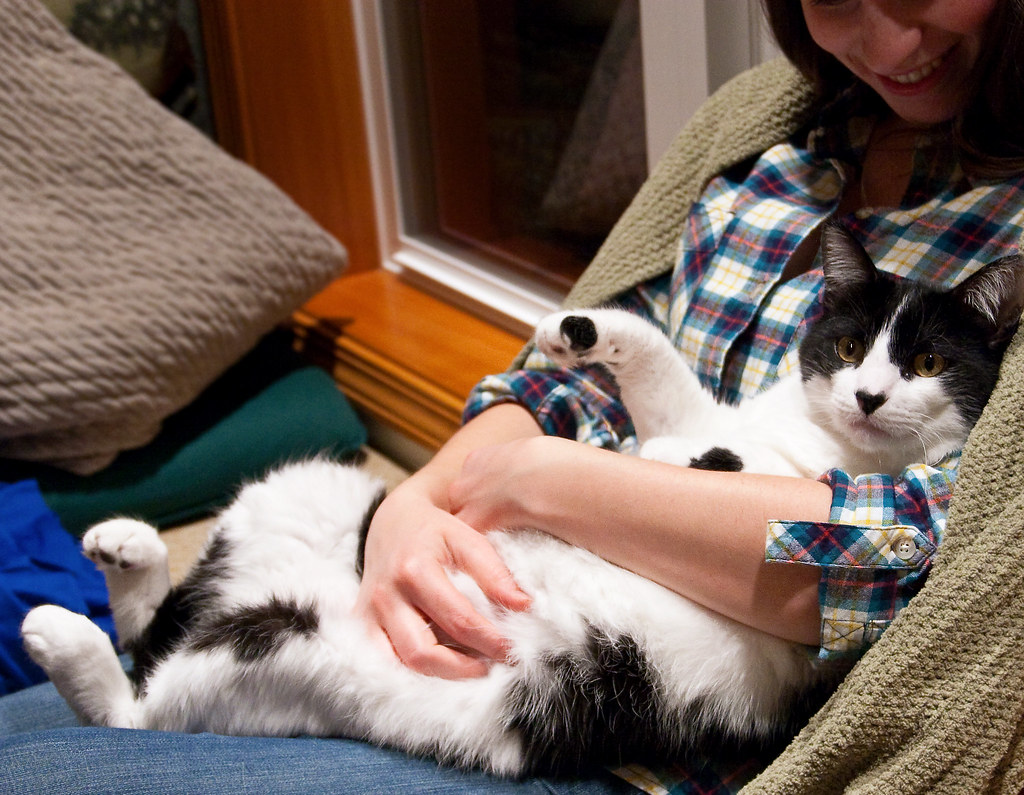
When humans are feeling down or anxious, cats may become more clingy, following their owners around or seeking physical contact, such as curling up next to or on their owner’s lap. This behavior isn’t random – it’s a deliberate response to your emotional state. Your cat recognizes that something is wrong and instinctively moves closer to provide comfort.
This increased clinginess serves multiple purposes. They may sit quietly on a lap or curl up nearby, helping their owner feel safe and less tense. The physical presence of your warm, purring cat creates an immediate sense of security and companionship during difficult moments. Think of it as your cat’s version of a comforting hug – except it comes with built-in therapeutic vibrations.
They Use Slow Blinks to Communicate Love
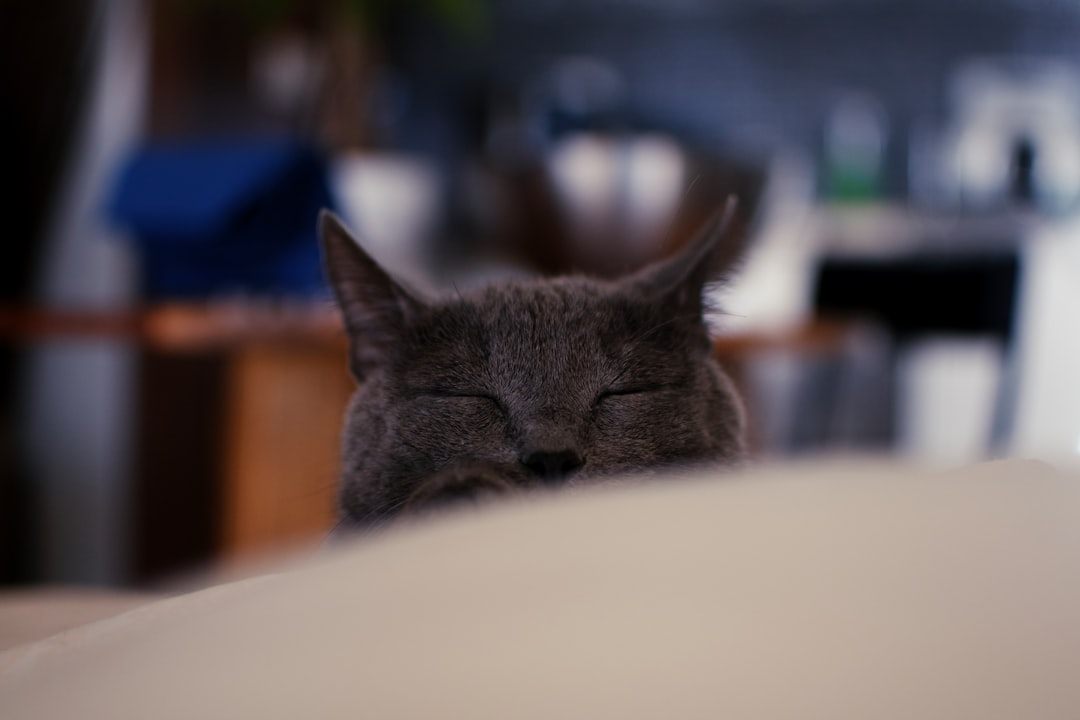
Cats use narrowed eyes and slow blinks to communicate positive emotions. When you cry, your cat may make eye contact and narrow their eyes at you to try and comfort you. This behavior, often called a “cat kiss,” is your feline’s way of showing deep trust and affection.
Slow blinking is a way for cats to tell their owners they love and care for them. They will also respond if you repeat the gesture back to them. This silent communication creates an emotional connection that transcends words. When you’re overwhelmed with sadness, your cat’s gentle slow blinks serve as a reminder that you’re loved and not alone in your struggle.
They Offer Companionship During Sleep
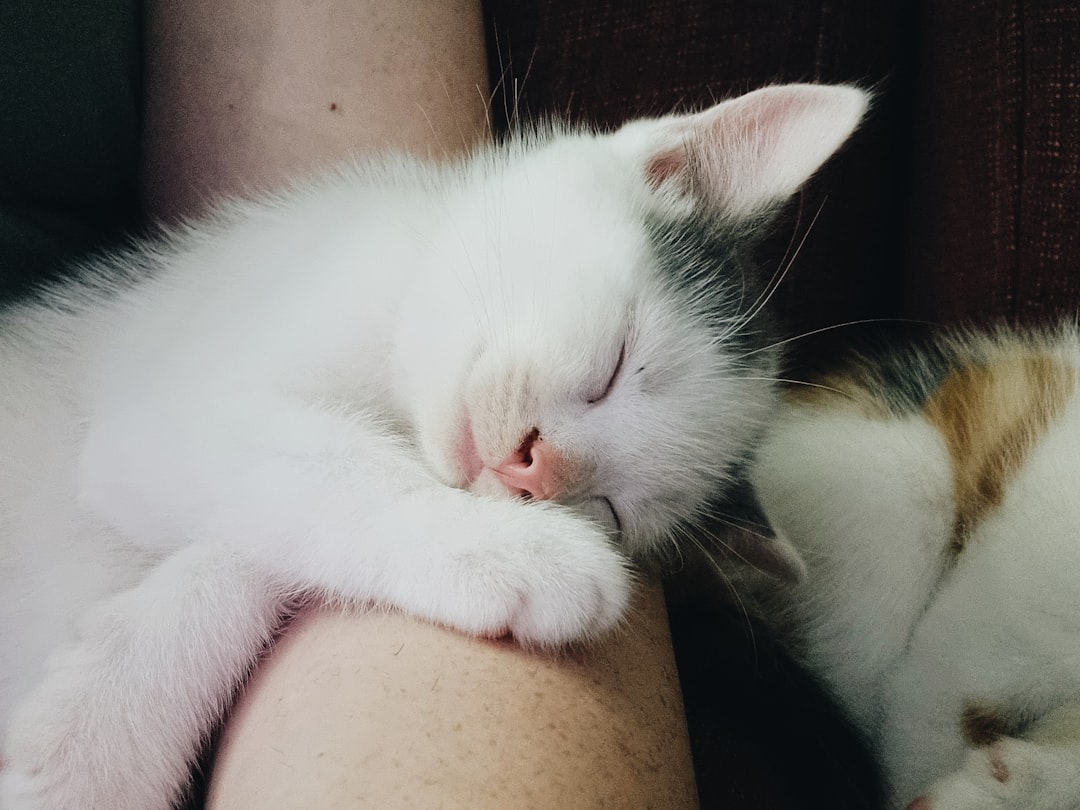
Some cats choose to rest and sleep near their owners, especially when their owners are feeling down or unwell. This companionship can not only make the cat feel safe and comfortable but also provide psychological comfort and support to humans. There’s something profoundly healing about waking up to find your cat sleeping peacefully beside you.
This sleep companionship isn’t just about physical warmth. Many people find it helpful to create cozy spots where their cat can relax with them, such as a favourite chair or blanket. Your cat’s presence during vulnerable sleeping hours provides a sense of security and reduces feelings of isolation that often accompany sadness. Their steady breathing and occasional purrs create a natural white noise that can promote deeper, more restful sleep.
They Bring You Gifts and Toys

Your cat may try to comfort you by bringing you toys and asking to play. These gestures are your cat offering you some of their favorite things to try and cheer you up. While outdoor cats might bring less appealing “gifts,” indoor cats typically present their beloved toys as offerings of comfort.
Indoor cats tend to bring their owners toys or household items, while outdoor cats may bring prey. Some cats will learn that toys equal playtime and so will bring you their toys to encourage you to play with them. Playing with your cat can also distract you from your sadness and give you something routine to do. This gentle encouragement to engage in play serves as a form of behavioral therapy, helping redirect your focus from negative thoughts to positive interaction.
They Create Healing Routines and Structure
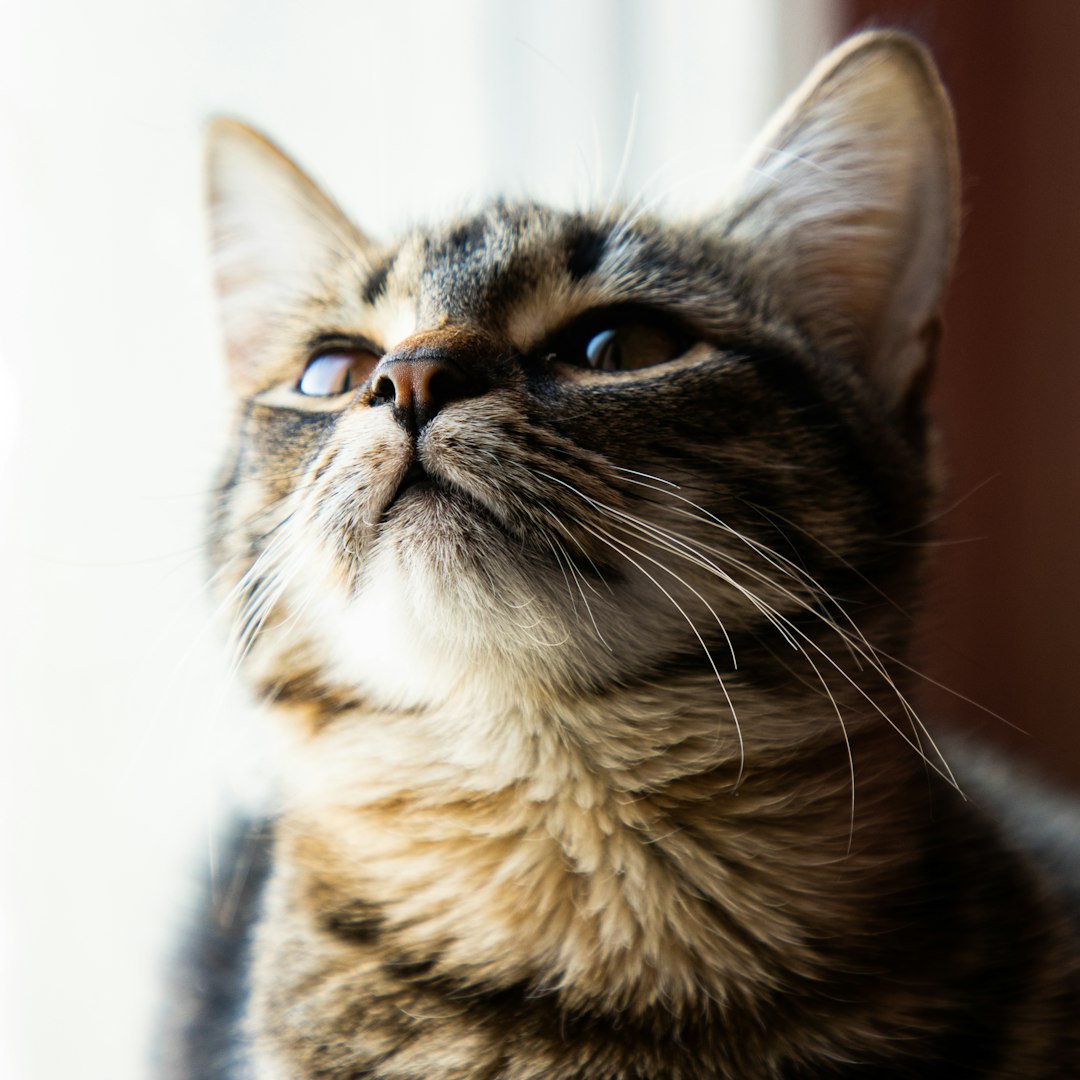
Emotional support cats can also help people living with PTSD in practical ways, encouraging healthy daily habits. Some people with PTSD find reassurance in routines built around caring for their cat. Even if you don’t have PTSD, the structure that caring for a cat provides can be incredibly grounding during periods of emotional distress.
Daily tasks like feeding, cleaning, or playing with a cat give structure to the day. These activities set a regular schedule, which can help someone with PTSD manage feelings of chaos or uncertainty. Sticking to a simple routine can make things feel less overwhelming. When sadness threatens to derail your daily functioning, your cat’s needs provide gentle motivation to maintain some semblance of normalcy.
They Provide Grounding Through Physical Contact
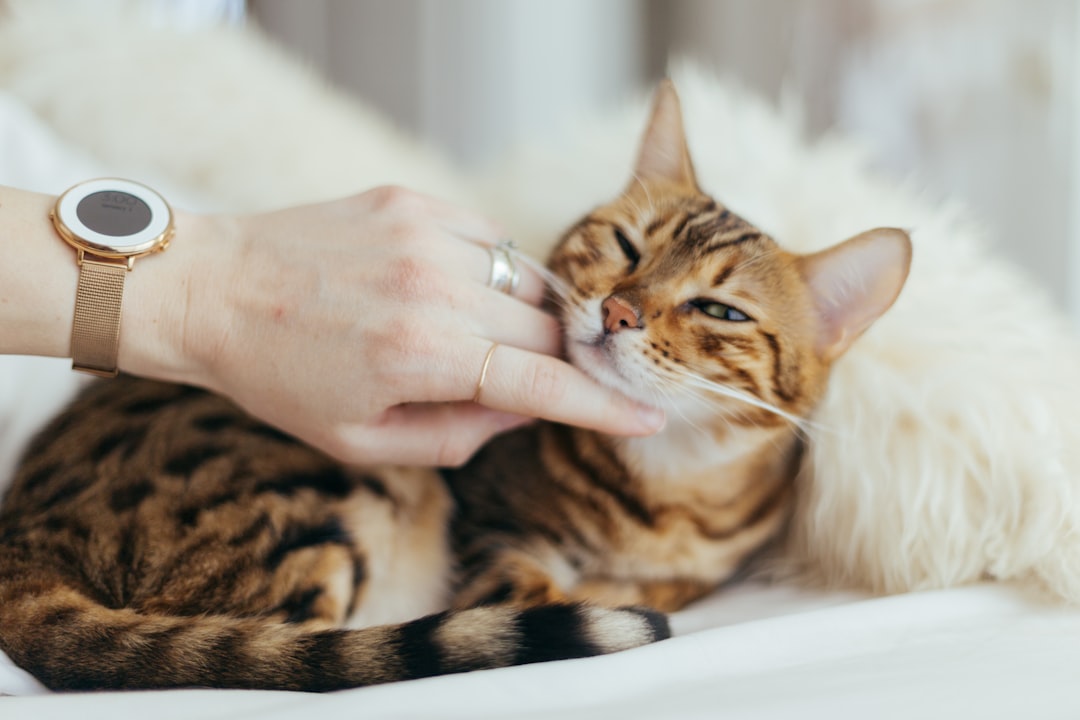
When a person feels upset or anxious, a cat may act as a grounding force by sitting nearby or seeking eye contact. Interacting with a cat, such as stroking its fur or listening to its gentle purring, can also help slow a racing heart or anxious thoughts. The simple act of petting your cat engages your senses and brings you into the present moment.
Petting a cat or listening to their purring triggers the release of oxytocin, a hormone that promotes happiness and reduces stress. This calming effect lowers cortisol levels – the stress hormone associated with high blood pressure – and can help alleviate pain, easing chronic discomfort. The repetitive motion of stroking soft fur combined with the rhythmic vibrations of purring creates a powerful therapeutic experience that helps reset your emotional state.
They Offer Unconditional Emotional Support

They often give comfort without expectations, which helps reduce stress. Cats have an innate ability to offer unconditional love and companionship. Unlike well-meaning friends or family members who might try to offer advice or solutions, your cat simply provides silent, non-judgmental support exactly when you need it most.
Their soft purrs and calming presence can ease anxiety in ways that words sometimes can’t. For many, the steady comfort of a feline friend helps bring a sense of peace and grounding. Studies have shown cats reduce stress and blood pressure levels in their owners. Additionally, research shows ESAs can lower anxiety, reduce depression, decrease feelings of loneliness, and may even offer benefits to those with PTSD. This emotional support isn’t temporary – it’s a consistent, reliable presence that helps build resilience over time.
Conclusion
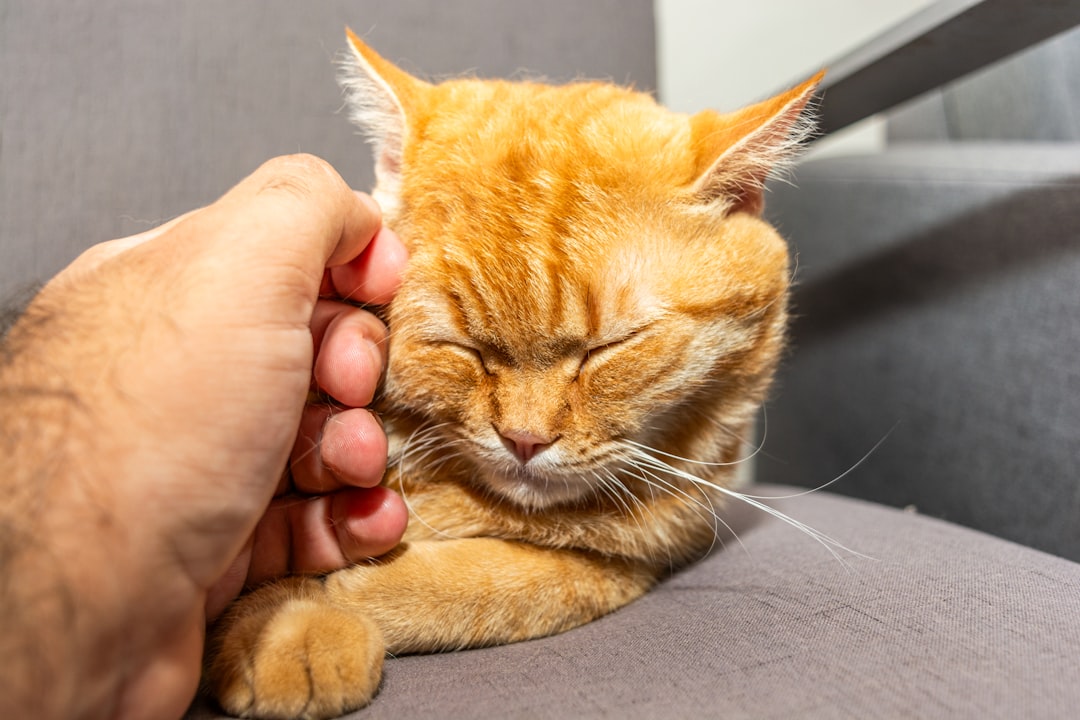
Your cat’s healing abilities extend far beyond simple companionship. From their therapeutic purring frequencies to their intuitive emotional responses, these remarkable creatures have evolved sophisticated ways to support their human companions through difficult times. Cats have a profound impact on our lives, providing emotional support, offering numerous health benefits, and teaching us invaluable life lessons.
The next time your feline friend curls up beside you during a tough moment, remember that they’re not just being cute – they’re actively participating in your healing process. Their purrs are literally vibrating at frequencies that promote physical and emotional wellness, their presence provides grounding and security, and their unconditional love reminds you that you’re never truly alone. What do you think about your cat’s remarkable healing abilities? Have you noticed these behaviors in your own feline companion?