You’ve probably heard of the jaguar, maybe even seen one at a zoo. But what you might not realize is how these powerful cats operate behind the scenes in the forests and wetlands they call home. They aren’t making headlines or announcing their presence, yet their influence ripples through entire ecosystems in ways that would surprise you.
Think about it. While other predators chase down prey across open plains or hunt in packs, jaguars work alone. They move silently through dense vegetation, controlling populations of dozens of species without ever drawing attention to themselves. Their methods are subtle, precise, and devastatingly effective.
Let’s dive in and explore the hidden power these spotted hunters wield over the natural world.
They Control Prey Populations With Surgical Precision
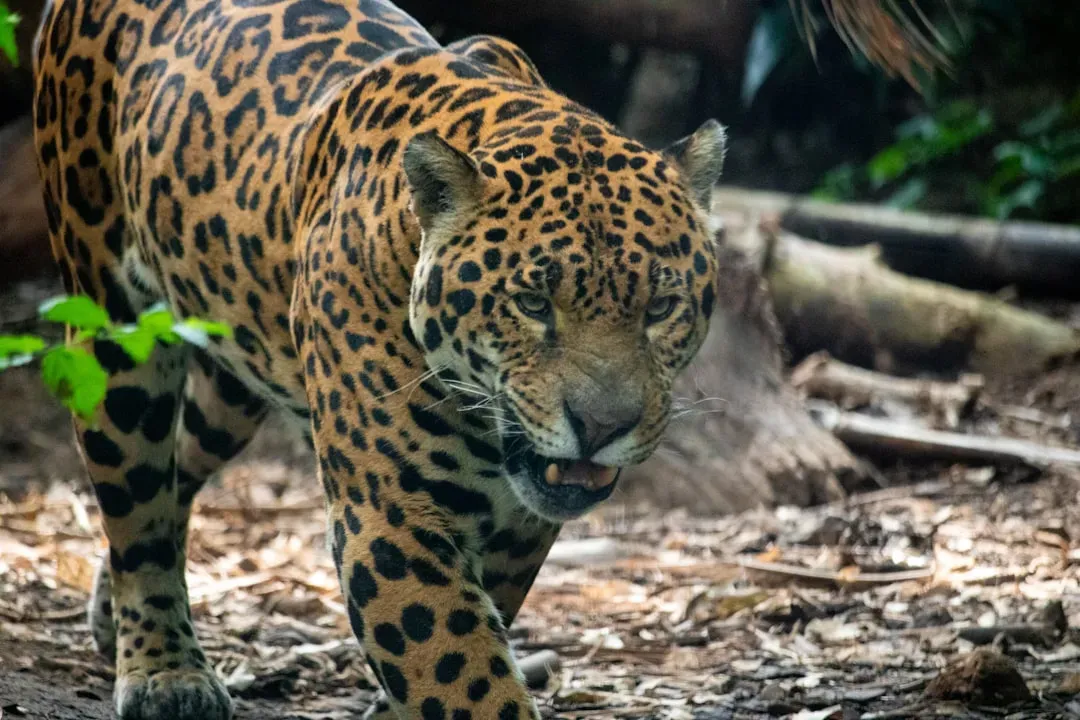
Jaguars contribute to maintaining balanced and healthy ecosystems by controlling populations of prey species. What makes this fascinating is the selectivity involved. Jaguars target weaker, sick, or older animals, which promotes healthier prey communities.
This isn’t random hunting. It’s an evolutionary strategy that keeps entire food webs functioning properly. Without jaguars removing the vulnerable individuals from herds, diseases could spread more rapidly through prey populations. The strong survive, reproduce, and pass on their genes, creating more resilient animal communities over time.
Their Bite Force Unlocks Food Sources Other Predators Can’t Access
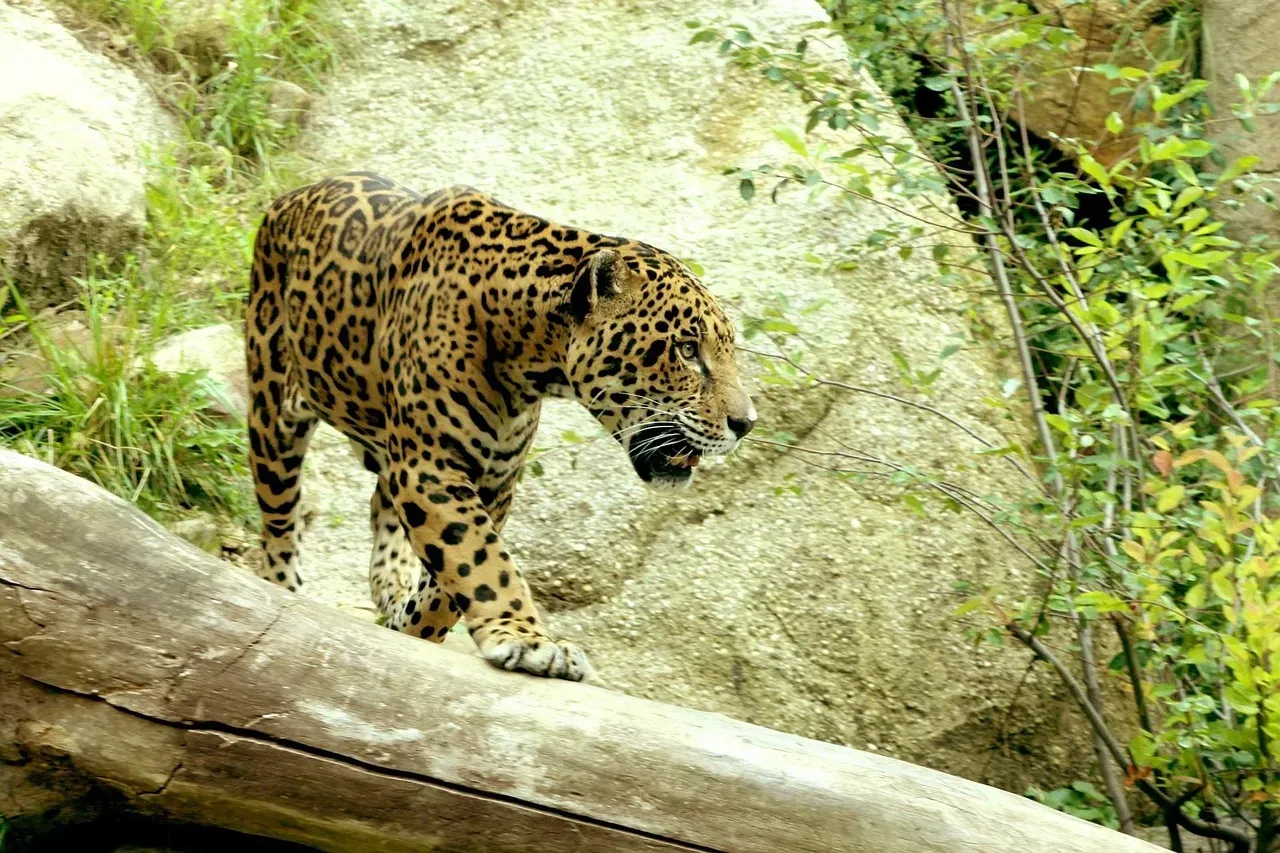
The jaguar has the strongest bite of any big cat relative to its size. Let’s be real, that’s an incredible adaptation. The jaguar’s powerful bite allows it to pierce the carapaces of turtles and tortoises, and to employ an unusual killing method: it bites directly through the skull of mammalian prey between the ears to deliver a fatal blow to the brain.
Jaguars are specifically adapted to hunt neotropical reptiles, including very large crocodilians such as the Orinoco crocodile, and they also prey on turtles, tortoises, and have been known to go after prey as large as boa constrictors and anacondas. Think about that for a second. While other predators avoid armored prey entirely, jaguars have carved out an ecological niche that gives them exclusive access to abundant food sources. This reduces competition and allows them to thrive where other big cats might struggle.
They Regulate Herbivore Populations to Protect Vegetation
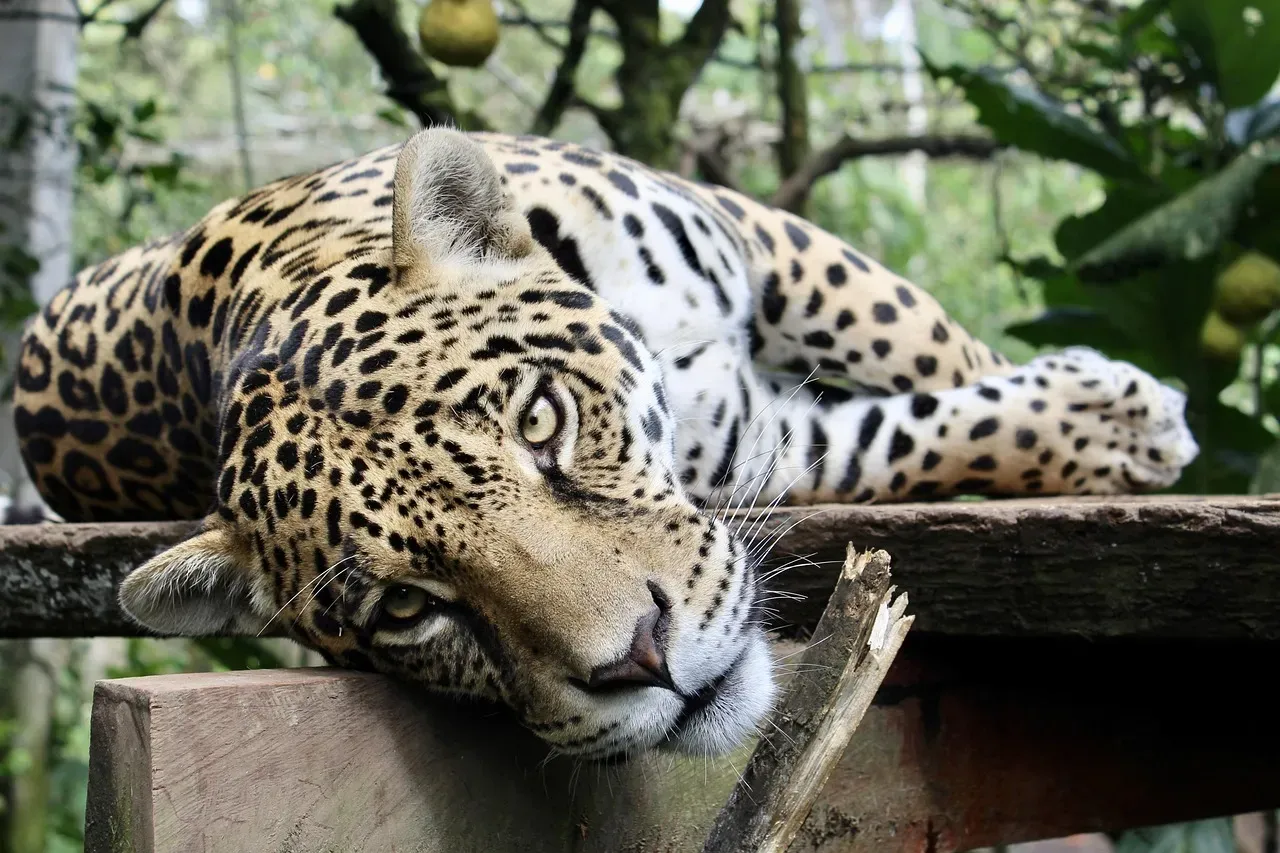
Here’s something most people overlook. Without jaguars to control their populations, vegetation would become over-grazed and depleted by herbivorous prey species. It’s a domino effect that starts at the top of the food chain and cascades all the way down to the plants.
Research has shown that the balance between plant species changes in an ecosystem after the removal of the apex predator, due to the increase in seed consumption by herbivores. Forests and wetlands depend on this invisible hand of predation. When herbivores multiply unchecked, they don’t just eat more plants. They fundamentally alter which plant species can survive, changing the entire landscape over time. Jaguars keep that from happening.
They Prevent Smaller Predators From Dominating the Landscape
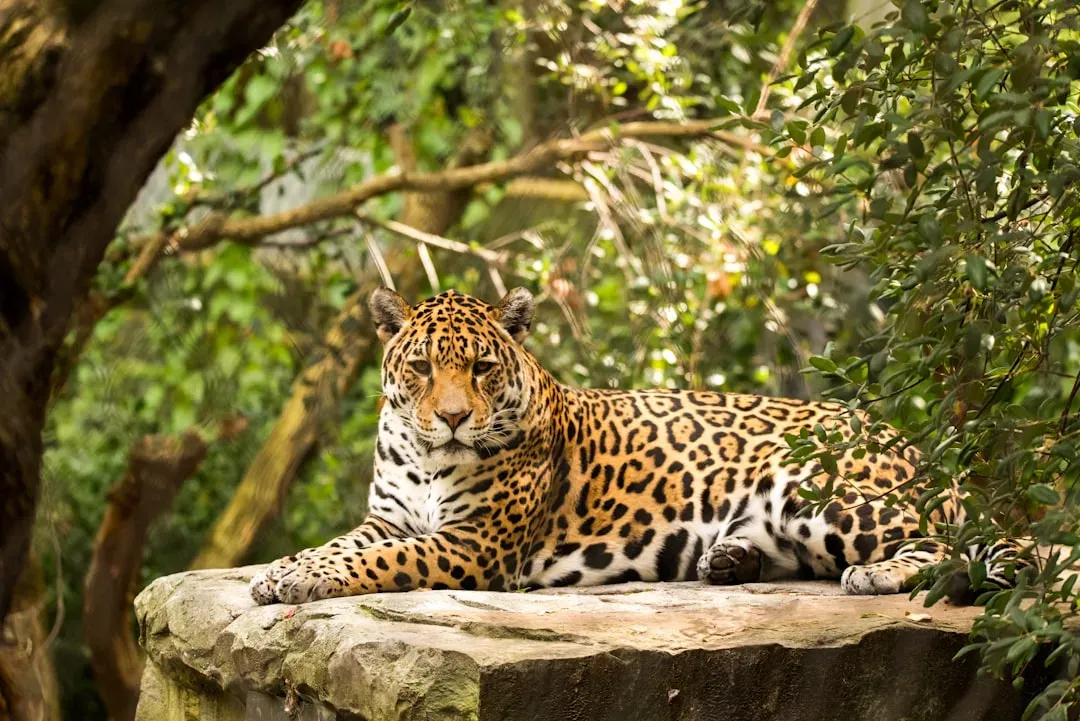
In systems without an apex predator, smaller species outcompete each other, and biodiversity is reduced. This phenomenon has been documented repeatedly in different ecosystems. For example, coyote removal in Texas grasslands has led to increases in foxes and declines in several burrowing rodent species.
The presence of jaguars creates what ecologists call a “landscape of fear.” Smaller predators and mesopredators modify their behavior, distribution, and population size simply because jaguars exist in the same territory. This invisible pressure maintains diversity among mid-level predators and prevents any single species from monopolizing resources. You won’t see this happening, but it’s constantly at work.
They Regulate Aquatic Food Chains Through Caiman Predation
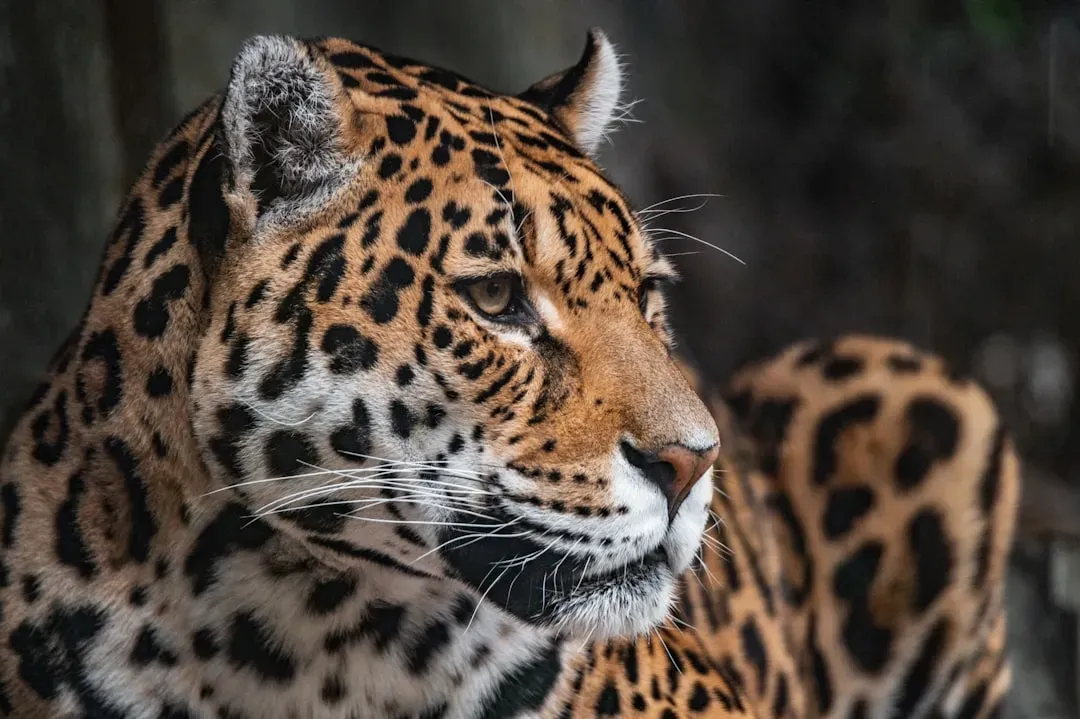
When jaguars hunt caimans, they are more likely to eat weak, unhealthy individuals, which ensures that caiman populations are healthier and less susceptible to decline. That’s only part of the story, though. Eating caimans also controls the food caimans eat; when jaguars eat caimans, it allows caiman and fish populations to thrive and maintain healthy numbers, as adult male caimans cannibalize younger caimans at the end of the dry season and eat fish in large quantities.
This three-tiered regulation might sound complicated, but honestly, it’s genius. By controlling caiman numbers, jaguars indirectly protect fish populations and younger caimans from being decimated. Jaguars are ecosystem engineers, as their role as apex carnivores directly and indirectly help regulate the ecosystems they reside in.
They Maintain Biodiversity by Preventing Single Species Dominance
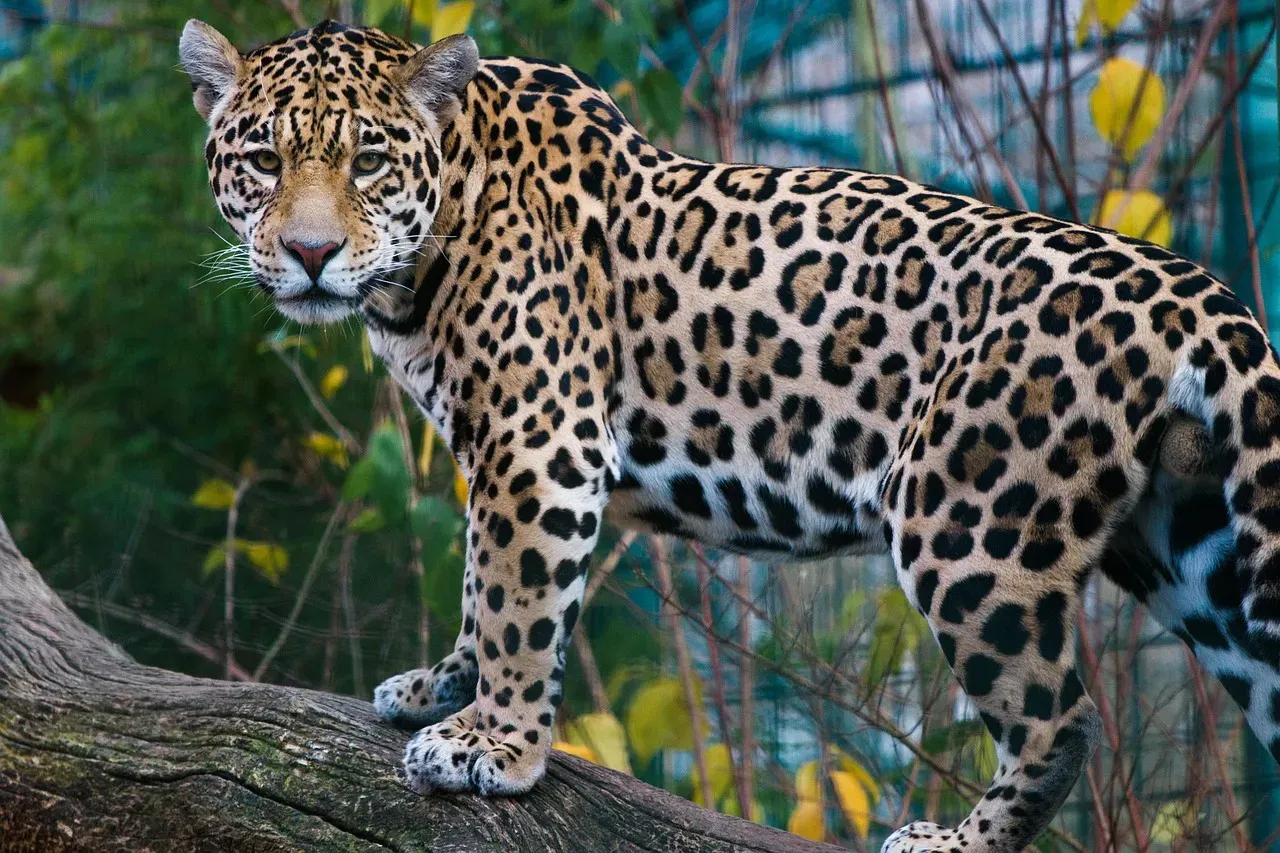
The jaguar is regarded as a keystone species since they strongly influence the populations of other species, especially those in lower trophic levels, through top-down regulation. Think of them as the ultimate balancing force in their habitats. Jaguars account for a substantial share of predation on many of their prey species, according to some studies.
Those numbers tell you everything. Jaguars aren’t just one predator among many. They’re the primary limiting factor for numerous species across multiple trophic levels. Loss of the jaguar could greatly alter the population sizes of various plant and animal species, possibly even driving some species low on the food chain into extinction.
They Create Habitat Corridors That Benefit Countless Other Species
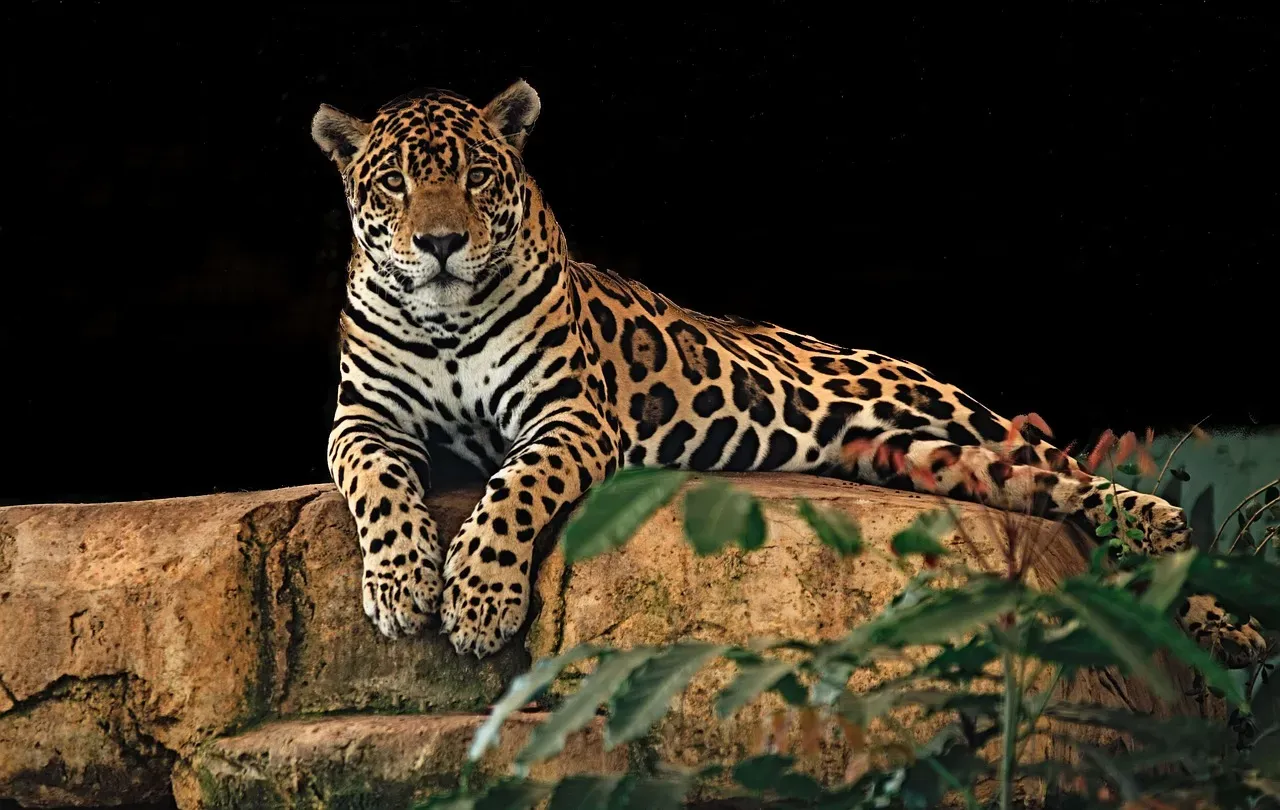
Jaguars require large home ranges and a stable prey base for their long-term survival. This isn’t a burden on conservation efforts. It’s actually an advantage. When you protect enough land to sustain jaguar populations, you’re simultaneously protecting habitat for hundreds of other species that share those territories.
As apex predators, jaguars benefit biodiversity and help prevent overgrazing of vegetation and soil erosion; due to their large home ranges and need for connected space, many wild cats are umbrella species. What that means in practical terms is simple. Save the jaguar, save the ecosystem. Their presence guarantees that forest corridors remain intact, water sources stay clean, and prey populations maintain genetic diversity across vast landscapes.
They Stabilize Ecosystems by Hunting Opportunistically Across Multiple Niches
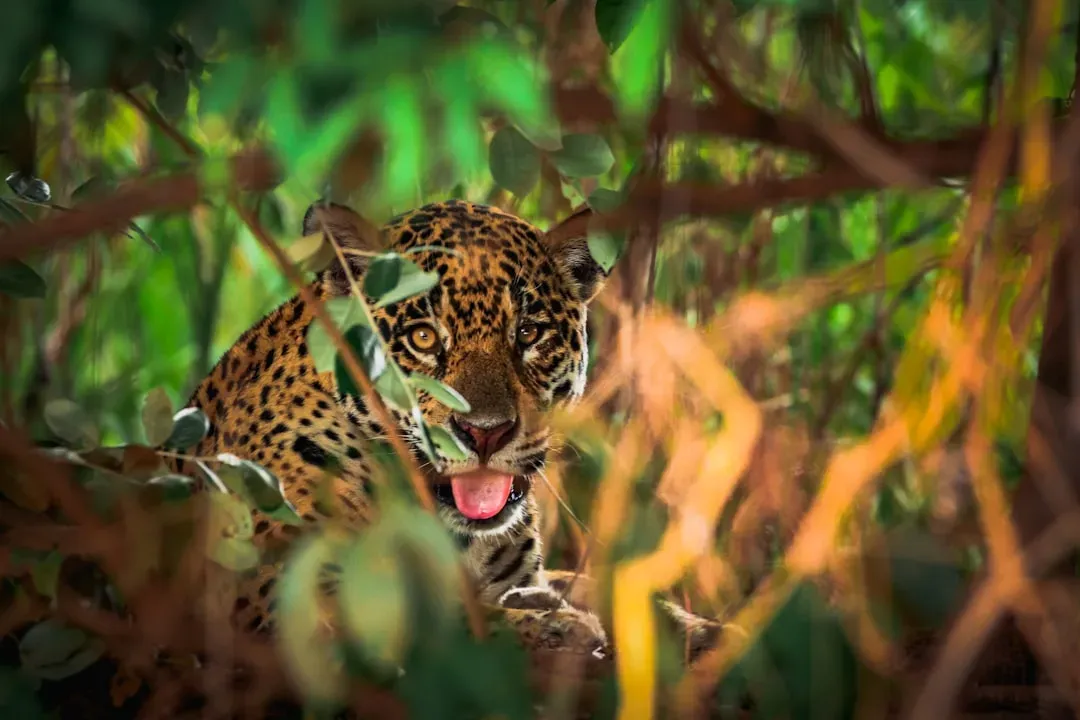
The jaguar exhibits an opportunistic diet primarily composed of mammals, birds, and reptiles. Their flexibility is remarkable. Jaguar prey species include more than 85 species range-wide, and in general, jaguars preferably feed on medium-to-large-sized prey, but can adapt to the fauna in different biomes.
This dietary flexibility means jaguars respond dynamically to environmental changes. If one prey species declines due to disease or habitat disruption, jaguars simply shift their focus to more abundant alternatives. This prevents any single prey population from being overharvested while allowing stressed populations time to recover. It’s an adaptive management system that operates without any human intervention whatsoever.
Conclusion
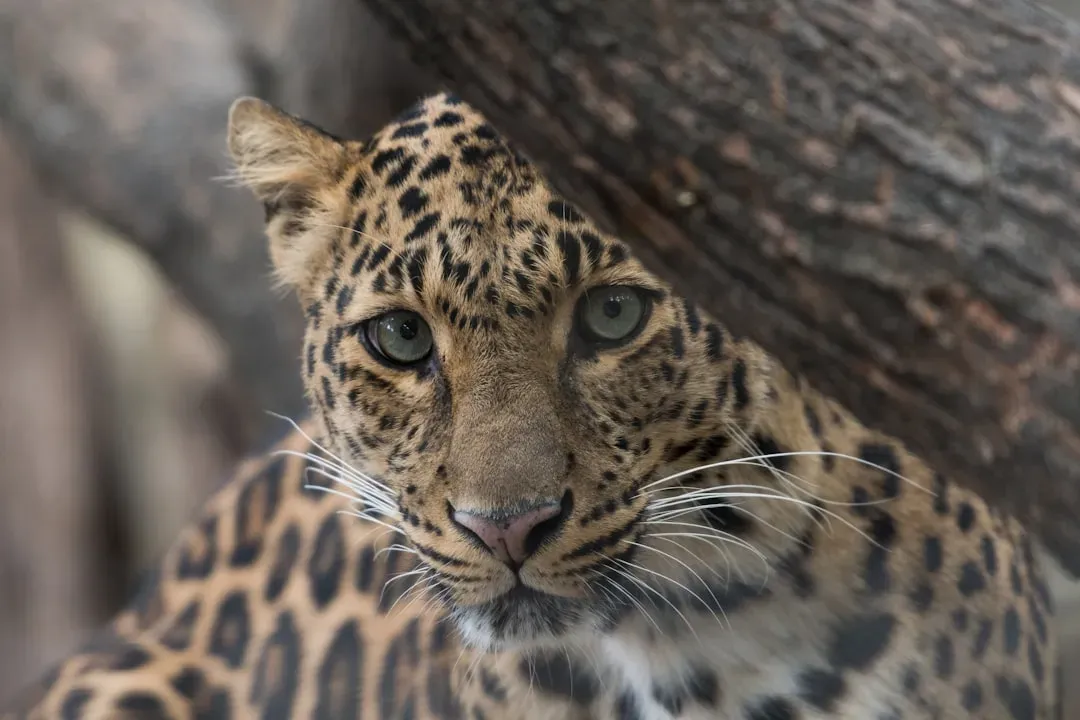
The fate of the jaguar mirrors the health of the Amazon itself, and protecting these majestic felines means preserving a vital ecosystem. Their quiet dominance shapes everything from plant diversity to fish populations, from soil health to the behavior of dozens of other predator and prey species.
Jaguars are not merely a species in need of conservation – they are keystone players in sustaining the biodiversity and preservation of the Amazon region. Every time a jaguar silently stalks through the forest, it’s maintaining an intricate web of life that took millions of years to evolve. And all of this happens without fanfare, without anyone noticing.
What do you think? Did these hidden roles surprise you? The power of nature’s architects often works in ways we rarely see but absolutely depend on.