Ever catch yourself wondering if your cat truly loves you back? You’re not alone in that thought. Cats can seem like mysterious creatures, offering affection on their own unpredictable schedule. Yet beneath that independent exterior lies a creature capable of forming deep, meaningful bonds with the humans they trust. The relationship you share with your feline friend isn’t predetermined. It grows stronger through your daily choices, your patience, and your willingness to see the world from their perspective.
Building that special connection doesn’t require fancy gadgets or expensive toys. What it needs is your attention, consistency, and genuine respect for who your cat really is. Think of it as learning a new language, one spoken through slow blinks, tail positions, and those perfectly timed head bumps. Ready to transform your relationship with your whiskered companion? Let’s dive into eight practical ways you can start strengthening that bond right now.
Respect Your Cat’s Personal Space and Boundaries

Here’s the thing about cats: they’re not dogs, and they’ll never pretend to be. If your cat is giving you signals that they want you to back off, like tail thrashing, biting, or leaning away, respecting their space will strengthen their trust in you and protect your bond. Forcing interactions when your feline clearly wants distance creates negative associations with your presence. You become someone unpredictable, someone who doesn’t listen.
Let your cat control the pace of your interactions. When they walk away or retreat to their favorite hiding spot, resist the urge to follow or coax them out. Respecting your cat’s boundaries will help you stay on her good side and show her how much you care about her feelings and opinions. This approach might feel counterintuitive when you’re trying to bond, yet it’s one of the most powerful trust-building strategies available. Your cat notices when you honor their need for solitude, and they remember it.
Engage in Daily Interactive Play Sessions
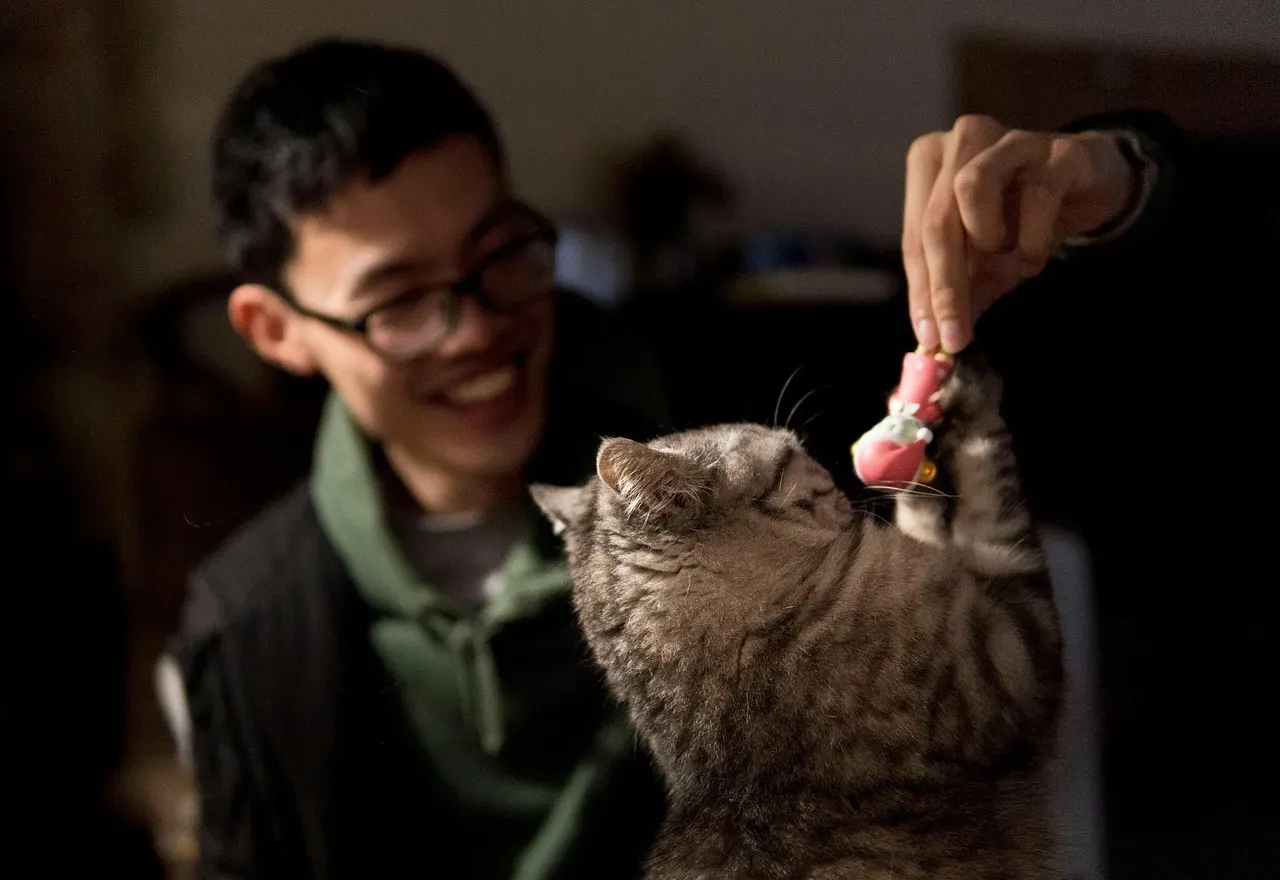
Spending time playing with your cats on a regular basis can really improve your bond, and the more you play with your cat, the more they’ll associate fun and excitement with you and look forward to time together. Play isn’t just entertainment for cats. It’s how they process their hunting instincts, burn energy, and build confidence. When you become the provider of these exhilarating moments, you’re positioning yourself as a positive force in their life.
Aim for a few short play sessions each day, choosing toys that mimic the hunting experience, like cat teasers and wand toys. Don’t fall into the trap of using the same toy repeatedly. Rotate the toys frequently so your cat doesn’t become bored. During play, let your cat successfully “catch” their prey occasionally. Constant failure frustrates them, just as it would frustrate you in any game where winning feels impossible.
Create and Maintain a Consistent Daily Routine
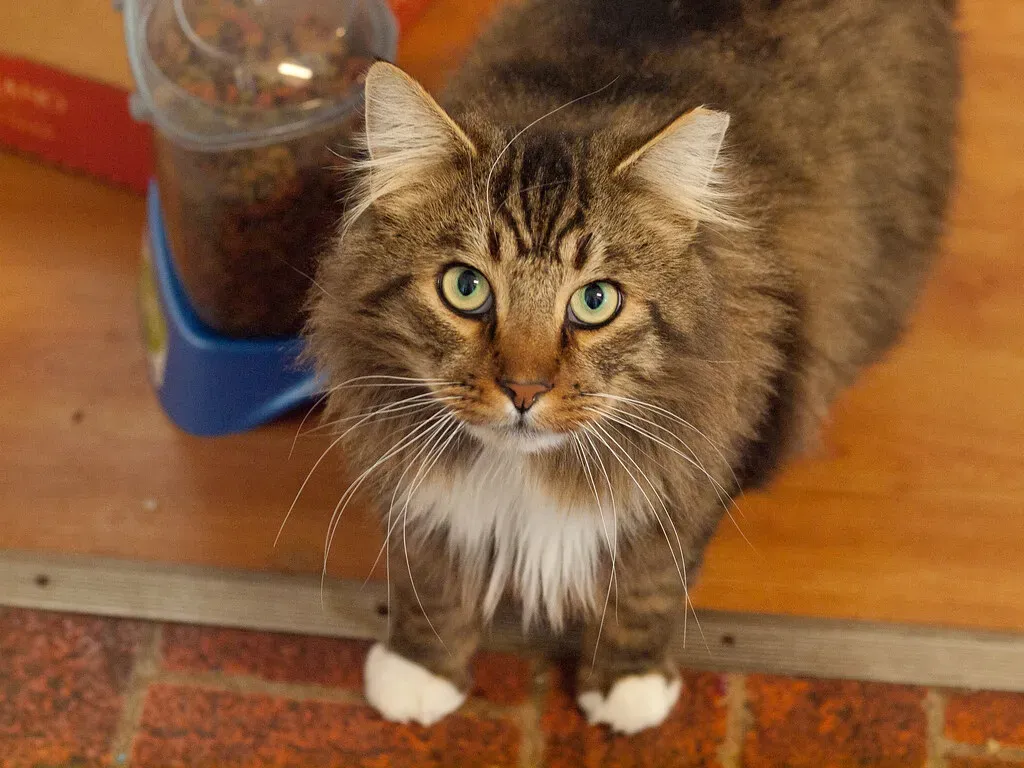
Create a routine wherever possible for your cat’s daily schedule, whether with feed time, playtime, or time outside, as the more they know when to expect what, the more confident and relaxed they’ll feel at home. Predictability reduces anxiety in cats. When your feline knows breakfast arrives at the same time each morning, they feel more secure in their environment. That security translates directly into a willingness to connect with you.
Routines extend beyond just feeding times. Consider establishing morning greeting rituals, evening play sessions, or bedtime cuddles if your cat enjoys them. Cats thrive on consistency, and predictable feeding times, play sessions, and calm evening routines help your cat feel grounded and secure, with even small daily patterns strengthening your bond over time. These repeated positive interactions compound, building a foundation of trust that grows stronger each day.
Become Fluent in Cat Body Language

Your cat talks to you constantly. You just need to learn their language. If you want to bond with your new cat, understanding their body language is essential, as cats are often very vocal and will meow when they’re stressed or hungry, but the way they move their heads and bodies may speak louder than their meows. Pay attention to ear positions, tail movements, pupil dilation, and overall posture. These subtle signals reveal exactly how your cat feels in any given moment.
Look for signs of comfort like slow blinking, kneading, purring, or choosing to sit near you, while tail swishing, pinned ears, or a tense body signal discomfort and a need for space, as responding appropriately shows your cat that you’re a safe presence and one they can trust. When you consistently interpret and honor these signals, something magical happens. Your cat begins to view you as someone who truly understands them. That understanding forms the bedrock of a deep, lasting bond.
Offer Treats and Hand-Feed During Meals
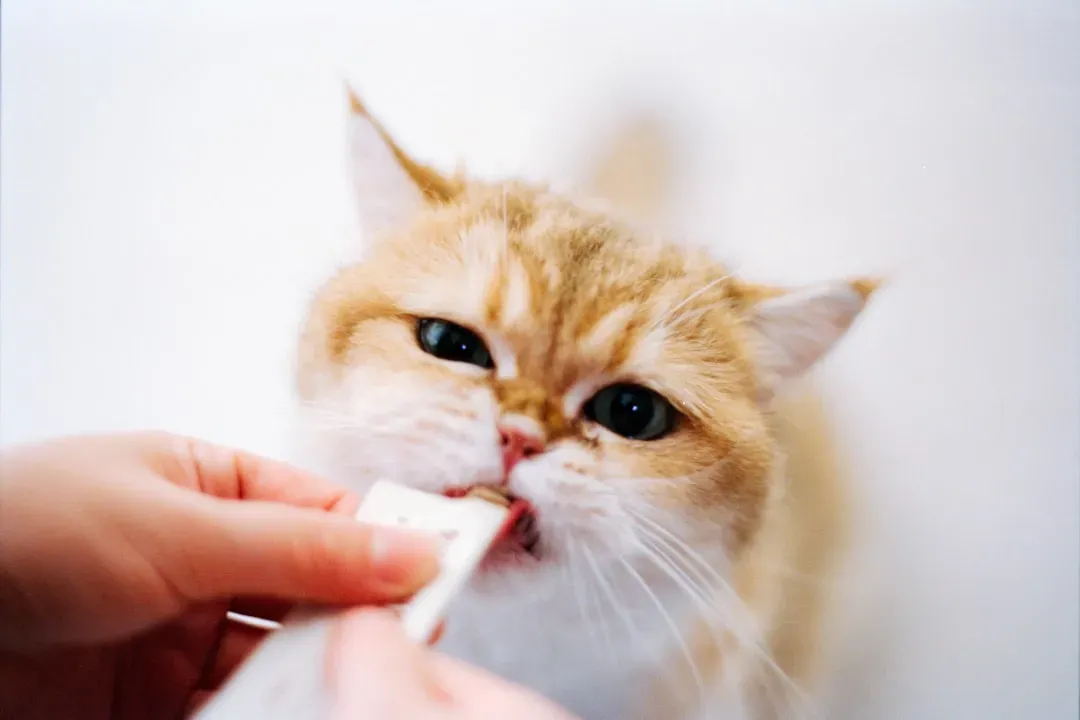
Let’s be real, food is a powerful motivator for most cats. Feeding your cat at specific times during the day, as opposed to free-feeding them, can be an easy way to engage, interact, and spend more time with your cat, and it also helps them associate you with one of their favorite things – eating. When you become the direct provider of meals rather than just the person who fills an always-available bowl, you transform into someone valuable and worth paying attention to.
Take this strategy further by occasionally hand-feeding treats or portions of meals. Start by placing treats near you, then gradually closer, until your cat feels comfortable eating from your hand. This vulnerable act of taking food directly from you signals growing trust. Every now and then, cat parents can use treats to help build a great bond with their cat or to encourage certain behaviors. Just remember to keep treats healthy and given in moderation, because an overweight cat faces health issues that can strain your relationship.
Groom Your Cat with Gentle Brushing Sessions
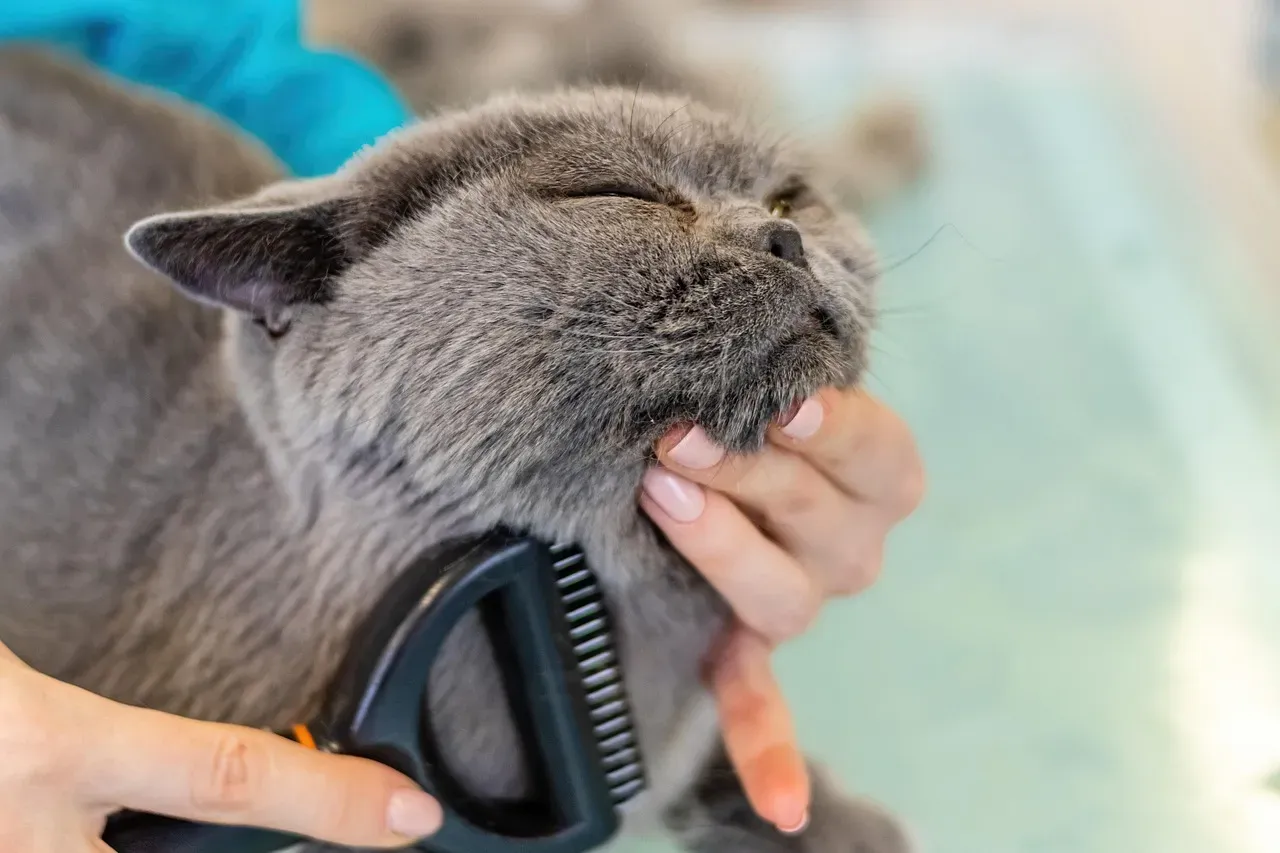
Cats often demonstrate their affection toward one another through grooming, and sometimes grooming can be a way to bond with your cat as a pet parent, too. When you gently brush your feline, you’re mimicking this social bonding behavior they naturally engage in with trusted companions. It’s a form of communication that says, “You’re part of my family.”
That said, not every cat enjoys being brushed, and that’s okay. You shouldn’t force grooming if your cat doesn’t enjoy it – unless you have a longhaired cat that needs regular brushing to avoid matting and tangles – and you should keep your brushing sessions with your cat short and sweet, stopping before your cat shows signs that they’re not interested anymore. Start with brief sessions focusing on areas most cats enjoy, like the cheeks and forehead. If your cat leans into the brush or starts purring, you’ve found a bonding activity they genuinely appreciate.
Try Training Sessions with Positive Reinforcement

Yes, you can train a cat. I know what you’re thinking, but it’s absolutely possible. It’s possible to train your cat, and working together to train a skill is a great way to build and strengthen the bond you share. Training provides mental stimulation, creates one-on-one time, and establishes a communication system between you and your feline. It’s not about teaching tricks for your entertainment but about creating shared positive experiences.
Clicker training uses a small clicker device to associate sound with a desired behavior, followed by a reward, creating a form of associative language between cat and pet parent that gives you a way to communicate commands while rewarding good or brave behaviors, and the intensive one-on-one time spent through this form of training can help strengthen the bond between cat and pet parent. Start simple with behaviors like sitting or coming when called. Keep sessions short, always end on a positive note, and celebrate small victories. Your cat will begin to see you as someone who makes good things happen.
Communicate Through the Slow Blink

To perform the slow blink, simply look at your cat and slowly close your eyes, then reopen them in a relaxed, deliberate manner, and you can repeat this a few times to signal to your kitty that you mean no harm, with cats often responding to slow blinking by reciprocating the gesture. This subtle form of feline communication is sometimes called a “cat kiss,” and it’s one of the most endearing ways cats show trust and affection. When your cat slow blinks at you, they’re essentially saying, “I feel safe with you.”
Practice this technique regularly when you’re near your cat in a relaxed setting. Don’t stare intensely, as that can feel threatening to cats. Instead, make soft eye contact and perform the slow blink. This subtle form of communication builds mutual understanding and lets your cat know you’re not a threat, creating a more positive, trusting relationship over time. It might sound silly, but this simple gesture speaks volumes in cat language. When they blink back, you’ll know you’re having a genuine conversation, one that deepens your connection in ways words never could.
Conclusion
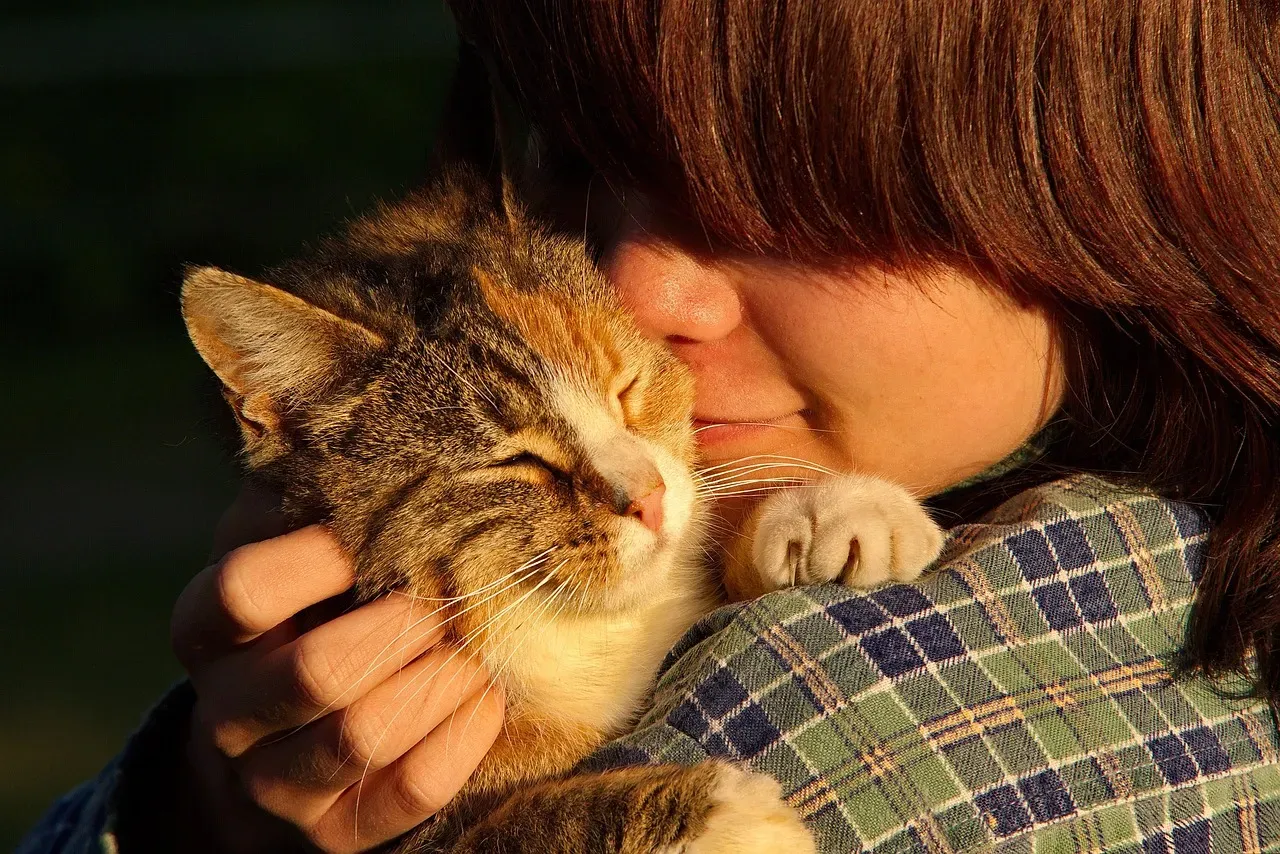
Building a stronger bond with your cat isn’t about grand gestures or expensive purchases. It’s about showing up consistently, respecting their unique personality, and communicating in ways they understand. Cats may not be as effusive as dogs in showing affection, but they do form bonds, so hug your kitty and tell her how much you love her, then watch for ways she tells you she loves you back. The effort you invest today in understanding your feline companion pays dividends for years to come.
Every cat is different, and what works brilliantly for one might not resonate with another. Pay attention to your own cat’s preferences, personality, and comfort level. The beautiful thing about bonding with cats? They can’t fake affection. When your cat chooses to sit beside you, slow blinks in your direction, or greets you at the door, you can be absolutely certain it’s genuine. What small step will you take today to strengthen your bond? Your cat is watching, waiting, and ready to meet you halfway.