You love your garden. Your cat loves your garden too, but for entirely different reasons. While you envision rows of flourishing blooms and lush greenery, your feline friend sees a giant litter box, a napping station, and maybe a salad bar. It’s hard to say for sure, but anyone who’s discovered their prized petunias flattened or their seedlings mysteriously uprooted knows the struggle is real.
The good news? You don’t have to choose between a thriving garden and a happy cat. With some clever planning and a few strategic tweaks, you can create an outdoor space that works for both of you. Think of it as negotiating a peace treaty between your horticultural dreams and your cat’s natural instincts. Let’s dive in.
1. Choose Plants Your Cat Can Actually Enjoy
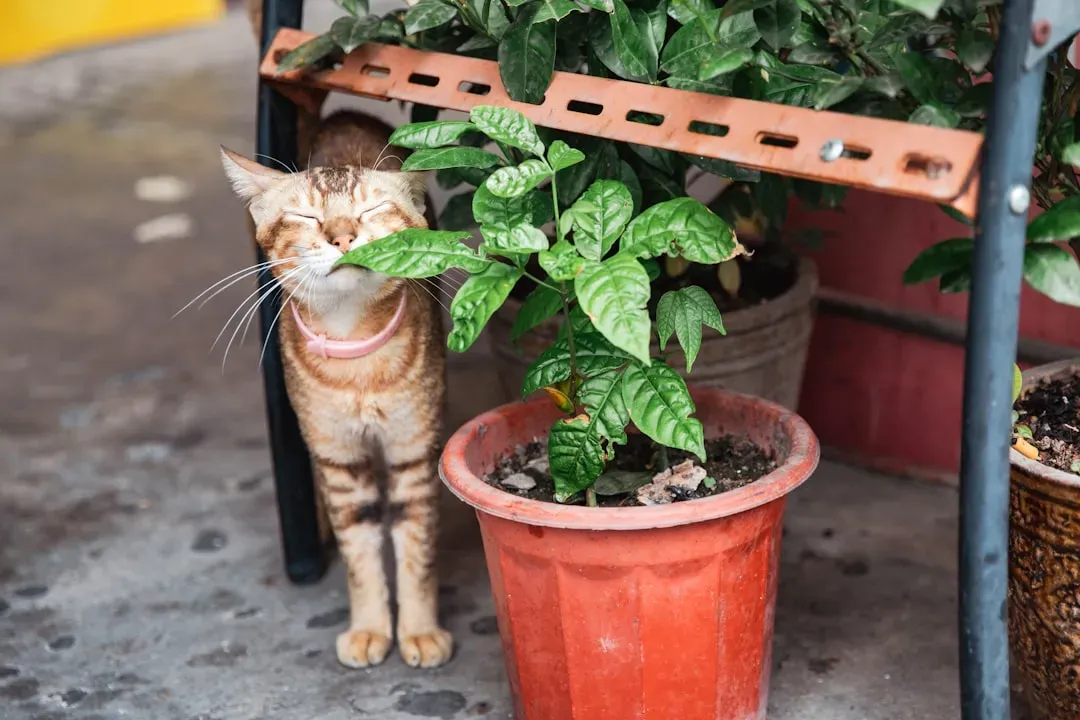
Non-toxic plants confirmed by the ASPCA include a variety of beautiful options that won’t harm your furry companion if they decide to take a nibble. Roses emit a beautiful scent while being safe for your furry friends, though most cats steer clear of them anyway because of those prickly stems.
Catnip stimulates playfulness and relaxation, making it a garden favorite that your cat will genuinely appreciate. You could also try cat grass, which gives them something specific to munch on instead of your prized hostas. Russian sage is drought-resistant and cat-safe, featuring silvery-gray foliage and lavender-blue flowers. The aromatic herbs like rosemary, basil, and sage are perfectly safe too, giving you culinary benefits while keeping your cat out of trouble.
2. Create Physical Barriers That Look Intentional
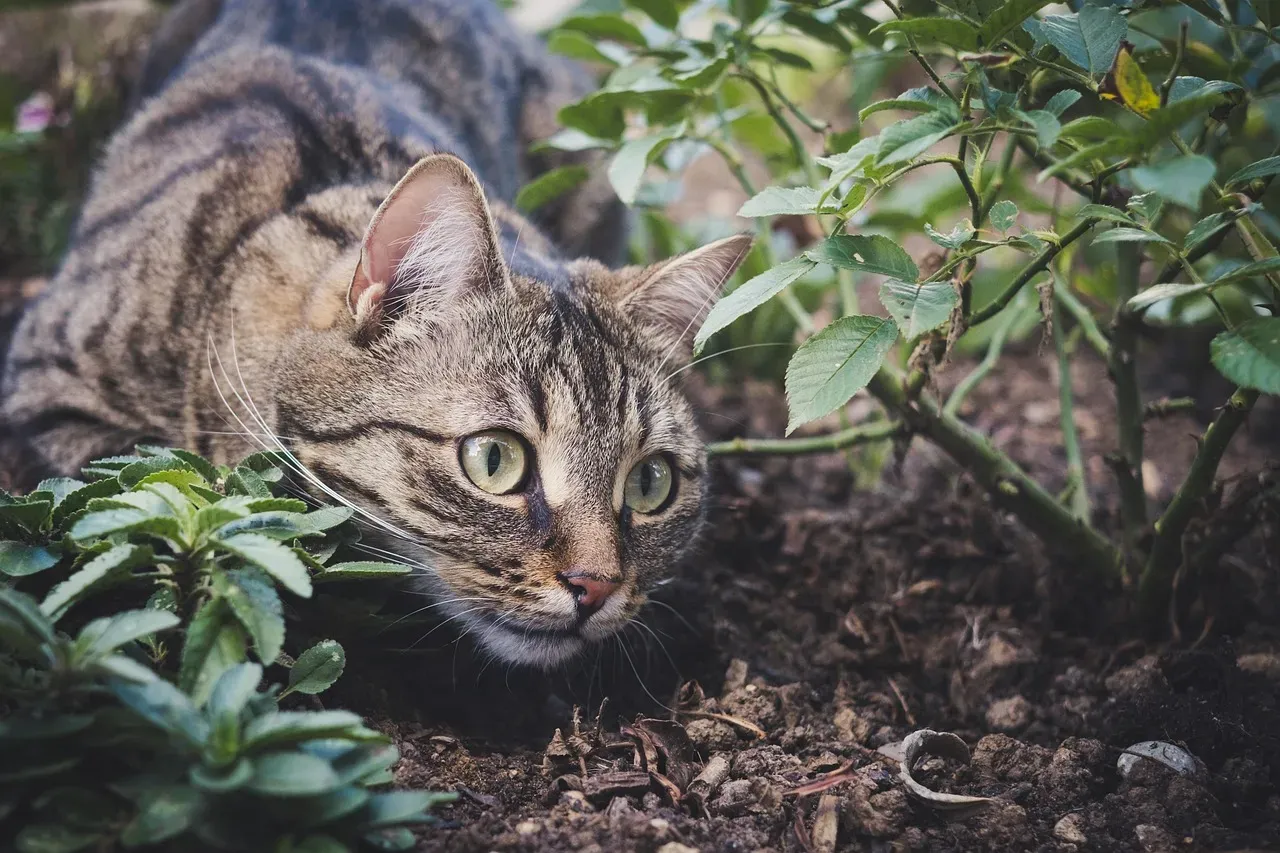
Laying fencing down on the ground prevents digging, and it doesn’t block the sun or water from reaching plants. Wire mesh works particularly well for protecting newly planted seeds and seedlings. The trick is making these barriers blend into your garden aesthetic rather than looking like a construction zone.
Fine mesh garden netting or chicken wire laid directly on soil works best and can be secured with garden stakes. Think of decorative options like placing larger river rocks around the base of plants. Larger rocks tend to be most effective and minimize dirt tracking if your cat does get into the soil. You can arrange stones artfully to create visual interest while protecting vulnerable roots.
3. Build Designated Cat Zones Away From Precious Plants
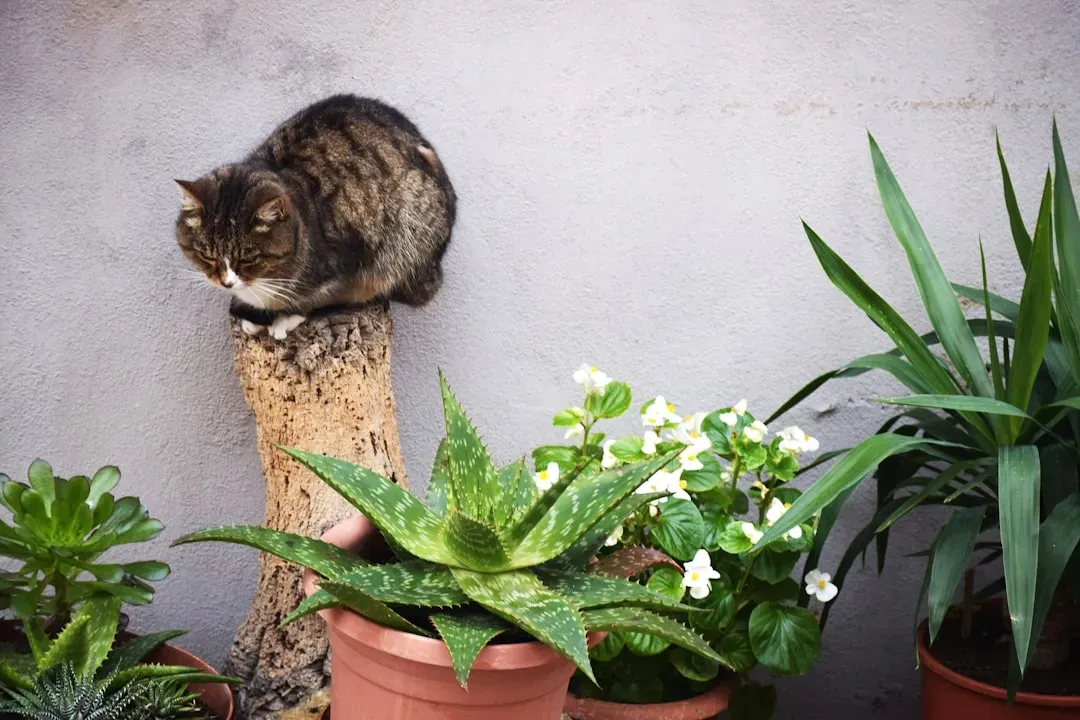
Here’s the thing: cats are going to do cat things no matter what. Instead of fighting it, give them their own space. An area containing woodchip, sand or loose earth provides a suitable place for your cat to toilet, and positioning it with some privacy using surrounding plants makes it more appealing.
Cats love catnip, so planting it in spots far away from flower beds means cats will make a beeline for these areas rather than your treasured outdoor spots. It’s basically bribery, but the effective kind. Add some cat grass or catmint to the mix, and you’ve created a feline paradise that keeps them entertained and away from your vegetables. Honestly, it’s easier to redirect than to constantly battle their instincts.
4. Add Vertical Interest and Climbing Options
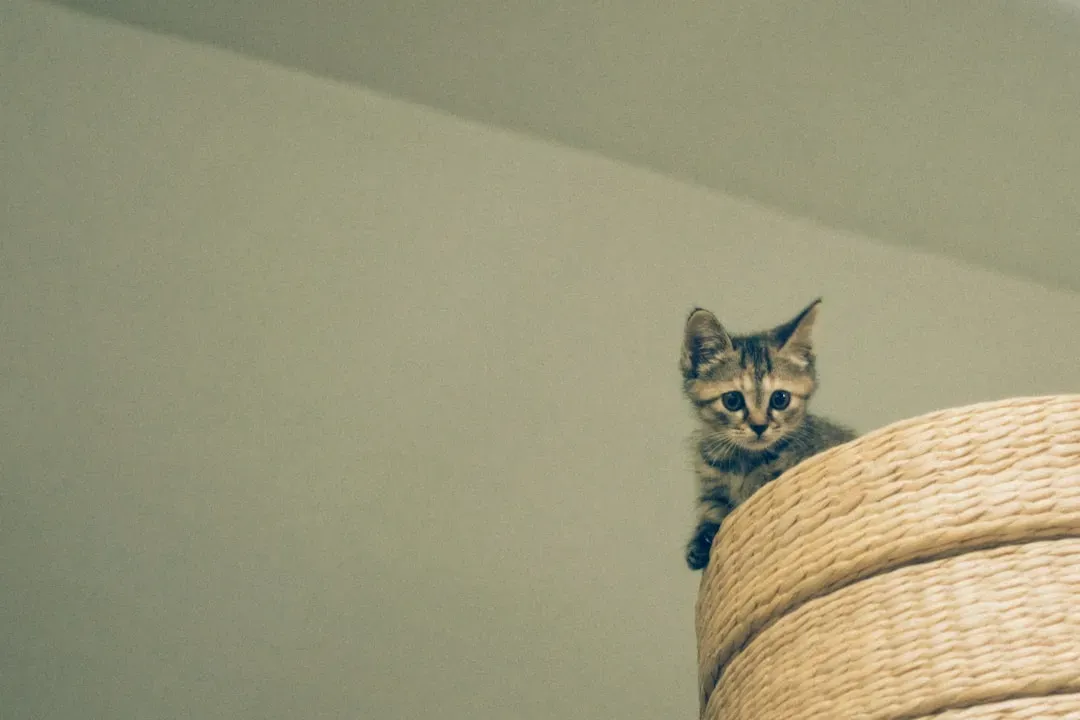
Cats love to climb, hide, and pounce, so include climbing structures like cat posts, fencing, and trees. When cats have somewhere to go up, they’re less likely to dig down into your garden beds. Think about sturdy cat trees positioned strategically or even repurposed furniture that can handle outdoor weather.
Cats like to be up high as it can make them feel safer, giving them a good look out point. You could install shelves along a fence or create stepping stones up to elevated perches. Wooden boxes placed on their sides, specially built cat dens, or dense shrubs with gaps for easy cat access are all excellent options. These features double as entertainment and reduce the temptation to mess with your carefully cultivated flower beds.
5. Use Scent Deterrents Around Sensitive Areas
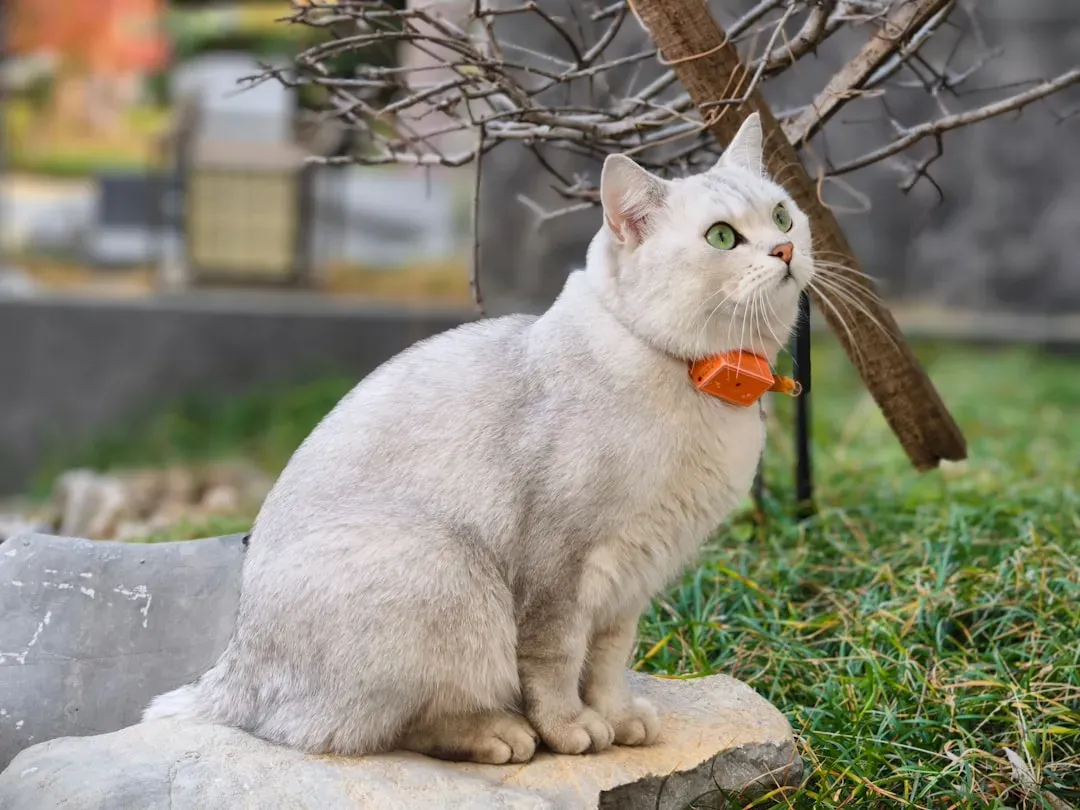
Cats tend to dislike the smell of citrus, so placing orange peels around plants can form a nice barrier, while rosemary is highly aromatic and cats tend not to like it. This is one of those methods where your mileage may vary depending on your cat’s personality, but it’s worth trying.
Some gardeners swear by placing lemon rinds directly on soil where cats like to dig. The strong smell can be off-putting enough to make them reconsider. Just remember to replace these natural deterrents regularly as they lose potency. Sprinkling cayenne pepper around the leaves of houseplants makes cats back away pretty quickly, though you’ll want to use this sparingly in outdoor settings where rain might wash it away quickly.
6. Provide Shade and Cozy Lounging Spots
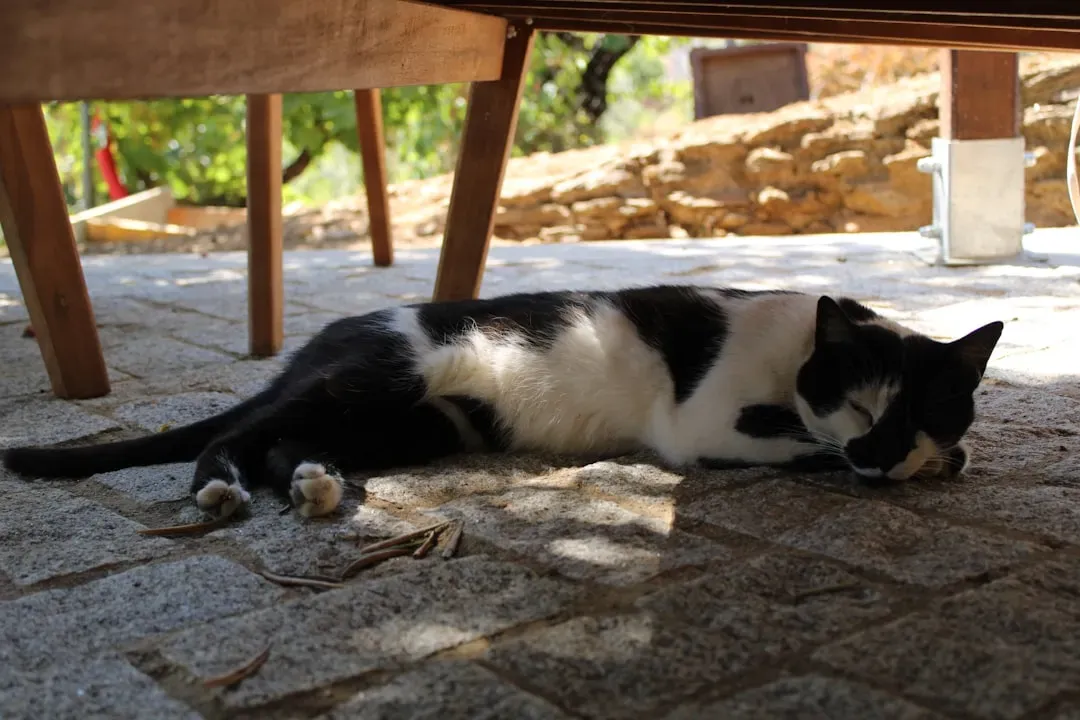
Cats need hiding places and shade for hot days, and shrubs work great for this, including evergreen varieties for added cover in winter. If your cat has comfortable places to rest that aren’t directly on top of your plants, they’re more likely to use those instead.
Whether it’s DIY cat houses or patio furniture, cats like to sunbathe but need shady areas to cool down on warm summer days. Position these rest areas thoughtfully throughout your garden. A soft cushion under a pergola or a weatherproof cat bed tucked beneath a bench can work wonders. Sometimes cats flatten plants simply because they’re looking for a comfortable napping spot, so give them better options.
7. Cover Soil with Textures Cats Dislike
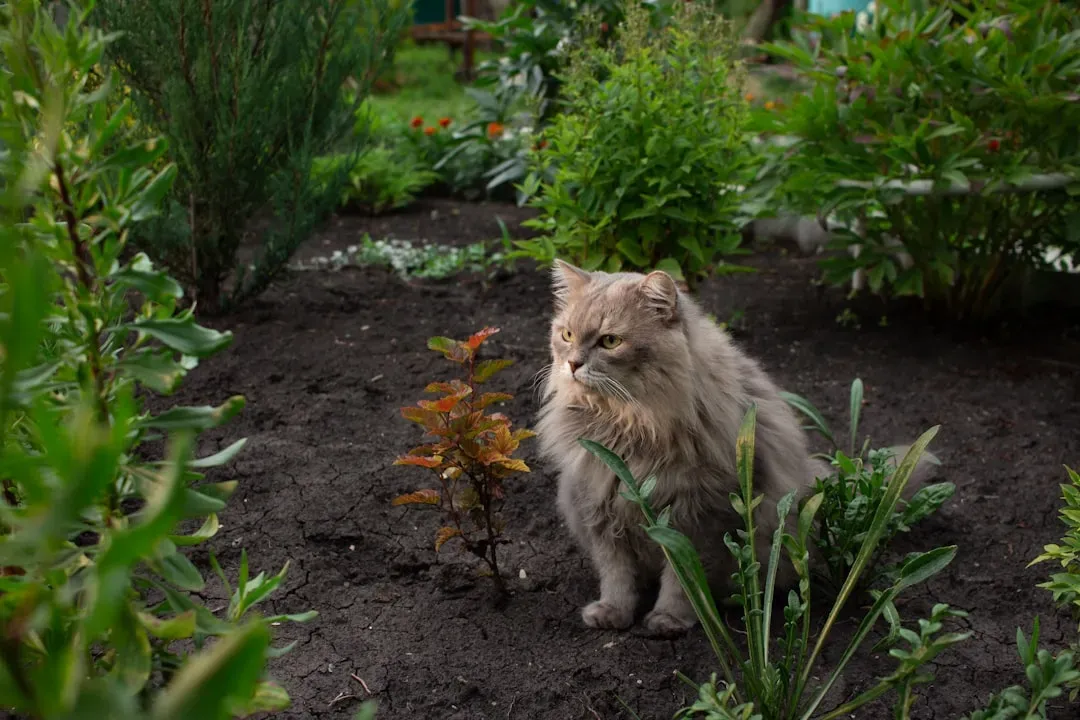
Lining the rim of planters with double-sided tape turns cats off because they don’t like the sticky texture on their paws. You could also try laying pinecones, twigs, or rough mulch over exposed soil in garden beds. Cats prefer soft, sandy surfaces for digging, so making the ground less appealing changes their behavior naturally.
Covering dirt with rocks keeps cats from digging while allowing water to pass through so plants can be watered easily. Decorative gravel or smooth river stones work beautifully and add texture to your garden design. I know it sounds crazy, but even laying wooden planks temporarily over empty pot spaces can deter lazy cats who won’t bother moving obstacles just to lie down.
8. Skip Harmful Chemicals and Choose Pet-Safe Materials
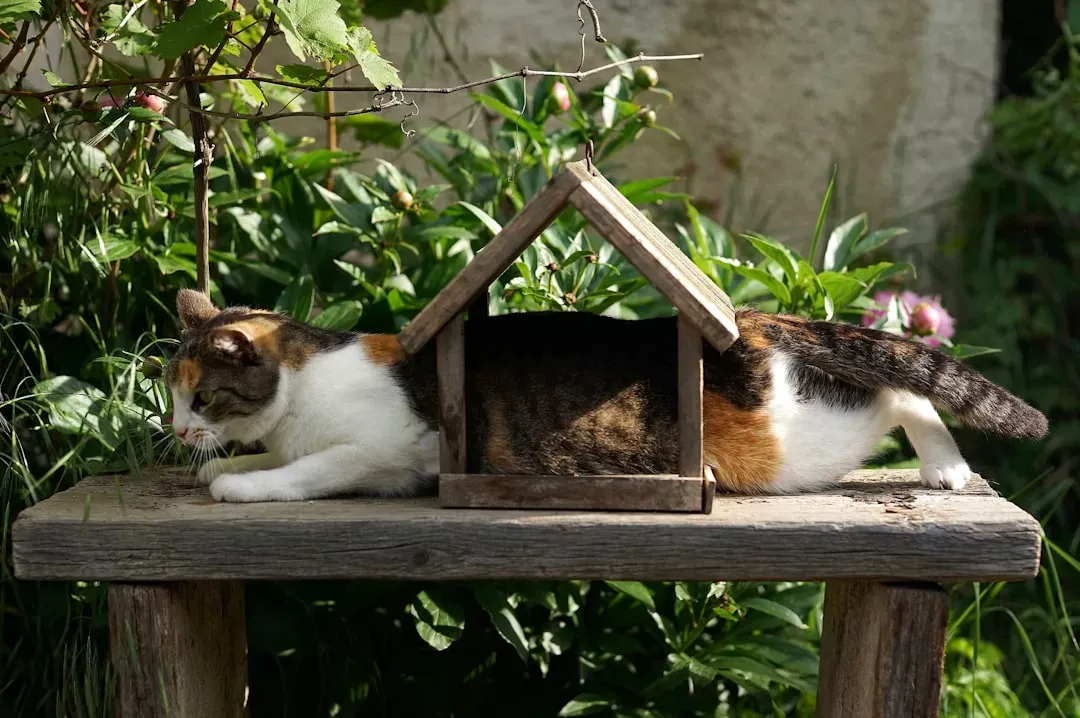
It can be incredibly dangerous for cats in gardens treated with harmful chemicals, so ensure all fertilizers and mulch are non-toxic and pet-safe. Even if your cat isn’t actively chewing plants, they’ll roll in grass and garden beds, then groom themselves later and ingest whatever’s on their fur.
Avoid sharp-edged mulch or chemically treated wood, and instead choose natural materials like untreated cedar chips, stone pavers, or smooth bricks. If you use a lawn service, communicate clearly about your pet safety concerns. It’s hard to say for sure, but many commercial treatments contain ingredients that are fine for humans but problematic for animals. Better safe than sorry.
Creating a cat-friendly garden doesn’t mean sacrificing beauty or productivity. It’s about understanding what drives your cat’s behavior and working with those instincts rather than against them. When you give cats safe plants to explore, designated areas for their natural behaviors, and comfortable spaces to lounge, they’re far less likely to treat your entire garden as their personal playground. The key is balance and a bit of creative problem-solving. What do you think about trying these strategies in your own outdoor space?

Hi, I’m Andrew, and I come from India. Experienced content specialist with a passion for writing. My forte includes health and wellness, Travel, Animals, and Nature. A nature nomad, I am obsessed with mountains and love high-altitude trekking. I have been on several Himalayan treks in India including the Everest Base Camp in Nepal, a profound experience.