You love your cat. The bond you share feels special, intimate even. Yet sometimes, when you catch your feline companion staring at you with those unblinking eyes, you can’t shake the feeling that they’re not just looking. They’re evaluating.
Here’s the thing: cats might not understand quantum physics or your career path, but they’re incredibly perceptive creatures. Their ancestors were solitary hunters who needed to assess every situation for potential threats or opportunities. That same scrutiny gets directed at you when you fumble with the can opener or wear those fuzzy slippers they clearly despise. Let’s explore the subtle yet unmistakable signs that your cat is, without a doubt, silently critiquing every decision you make.
The Slow Blink That Isn’t Really a Slow Blink

Slow blinking from your cat typically signals happiness and contentment. It’s basically a feline kiss, a sign of trust and affection that melts hearts worldwide. Yet sometimes you’ll notice your cat giving you what looks like a slow blink, except there’s something off about it.
While a genuine slow blink is your cat’s way of sending love, a direct stare can actually be a challenge. The difference lies in the context and duration. If your cat pauses mid-blink with their eyes slightly narrowed and holds that position just a bit too long, they’re probably not sending affection your way. They’re waiting to see if you’ll correct whatever ridiculous thing you just did.
Ears Rotated Sideways While You’re Talking

When a cat’s ears turn sideways, it serves as a warning sign indicating annoyance, fear, or potential aggression, and it’s best to give the cat some space. Yet pay attention to when this happens during your daily routine. Are you explaining to your cat why you’re late with dinner again?
Flattened ears or ears held low and backward, known as ‘airplane ears,’ can indicate a stressed, fearful, or agitated cat. The sideways position falls somewhere in between full contentment and outright distress. It’s judgment central. Your cat isn’t scared of you, they’re just deeply disappointed in your life choices and they want you to know it without resorting to hissing.
The Tail Flick of Disapproval
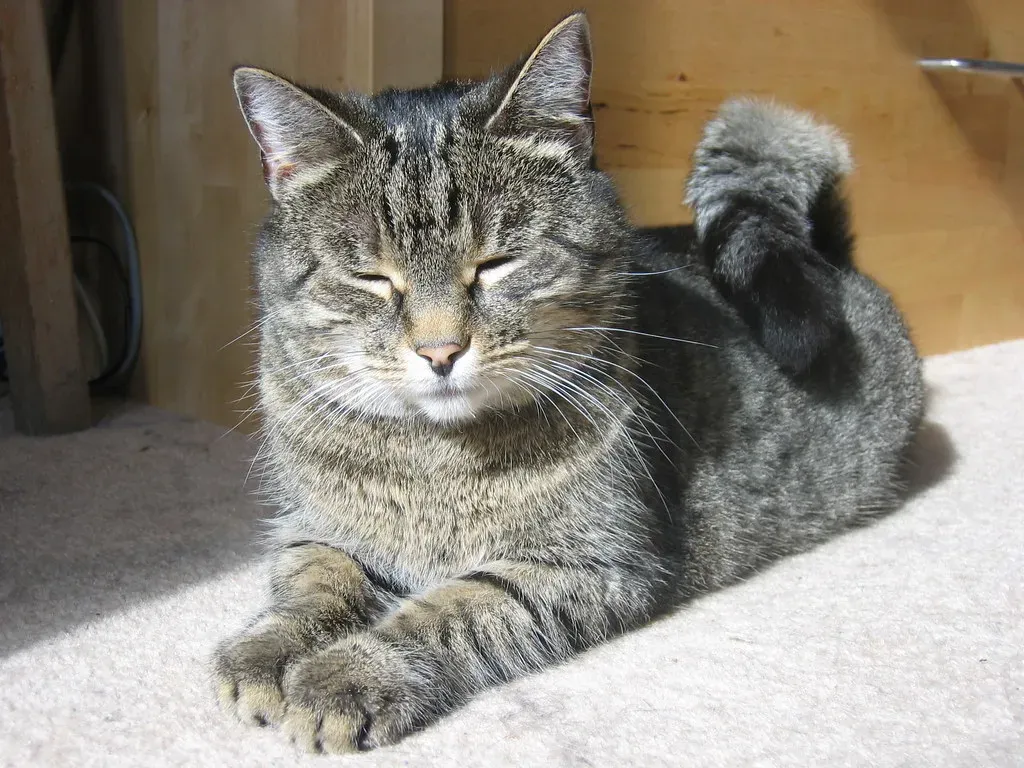
A flicking tail when the cat is not stalking something most likely means that the cat is annoyed. This isn’t the excited twitch of a cat about to pounce on a toy. This is deliberate, measured, and pointed.
Watch for the rhythm. Flicking can be a sign of agitation or alertness, and when combined with other body language, the tail flick signals it’s time to back off. Your cat might be sitting perfectly still, seemingly relaxed, but that tail tells the real story. They heard you singing off-key in the shower. They saw you trip over nothing in the hallway. The tail knows all and judges accordingly.
Turning Their Back to You Mid-Conversation
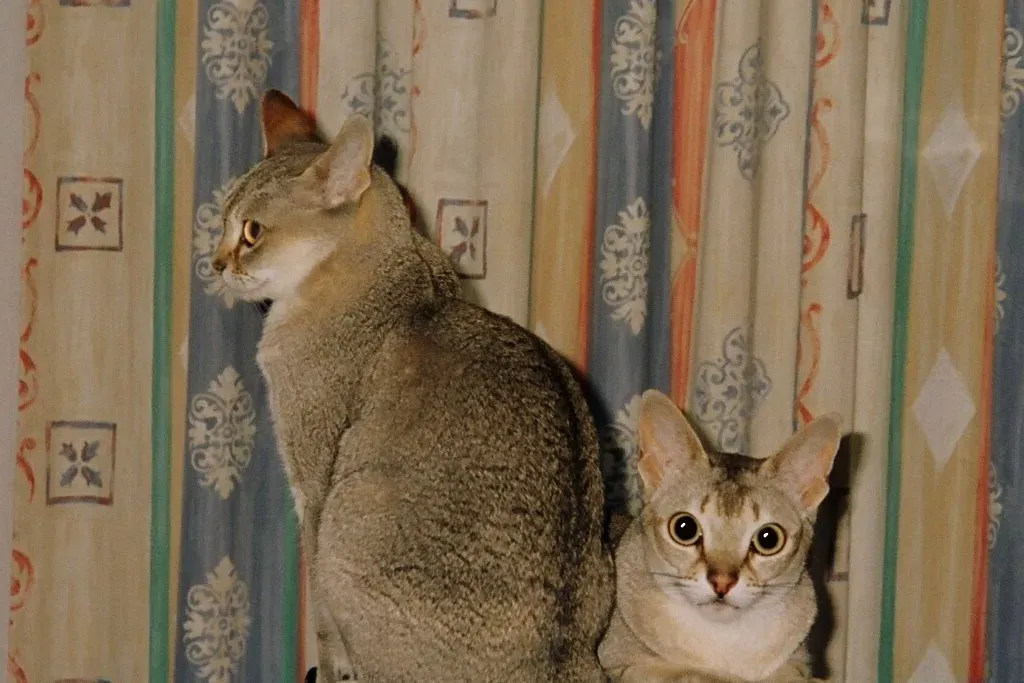
You’re having what you think is a nice moment with your cat. You’re telling them about your day, maybe complaining about work or that friend who never texts back. Then, without warning, your cat simply turns around and presents you with their rear end.
A cat who faces away from you may not necessarily be disinterested; letting their guard down around you can signal comfort and willingness to be touched. Still, context matters enormously here. If your cat turns away while you’re mid-sentence about your Netflix choices or your questionable food pairings, that’s not comfort. That’s a statement. They’ve heard enough and they’re not impressed.
Strategic Positioning on High Surfaces
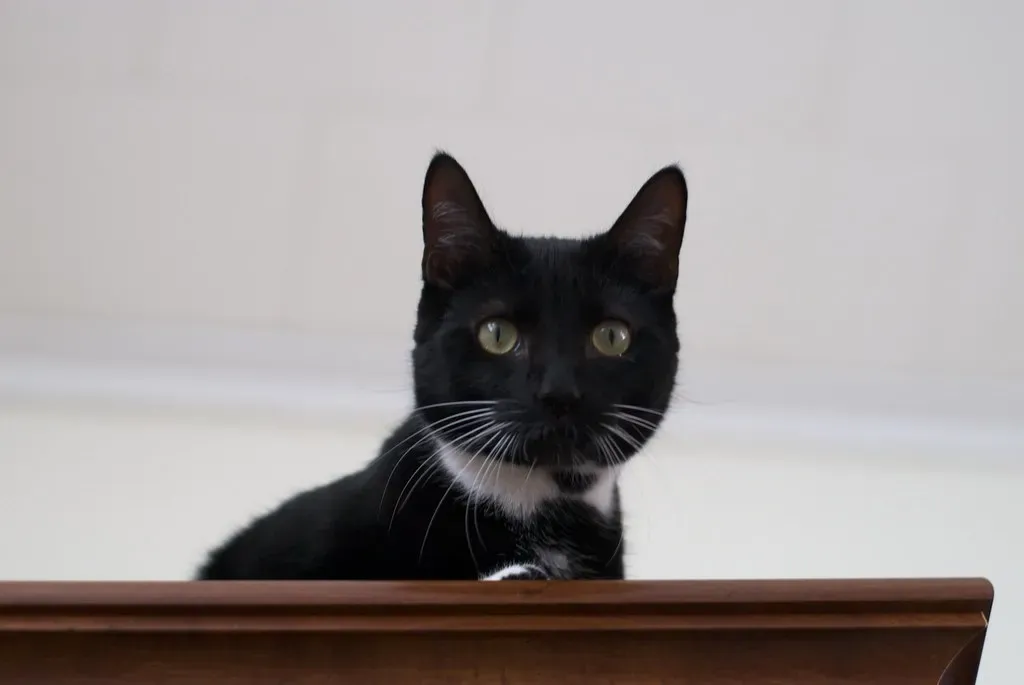
A tail lifted vertically high in the air is one of the most reliable signs of a confident cat who feels comfortable and open to interaction. Yet when your cat deliberately climbs to the highest point in the room just to stare down at you, confidence takes on a different meaning.
Cats naturally seek elevated positions for safety and observation. It’s instinctual. However, there’s a noticeable difference between a cat lounging on a cat tree and a cat perched on top of the refrigerator, watching you like a small, furry judge presiding over a courtroom. The latter position isn’t just about security. It’s about perspective, literally looking down on your choices from their superior vantage point while you heat up leftovers for the third night in a row.
The Unimpressed Exit During Your Important Moments
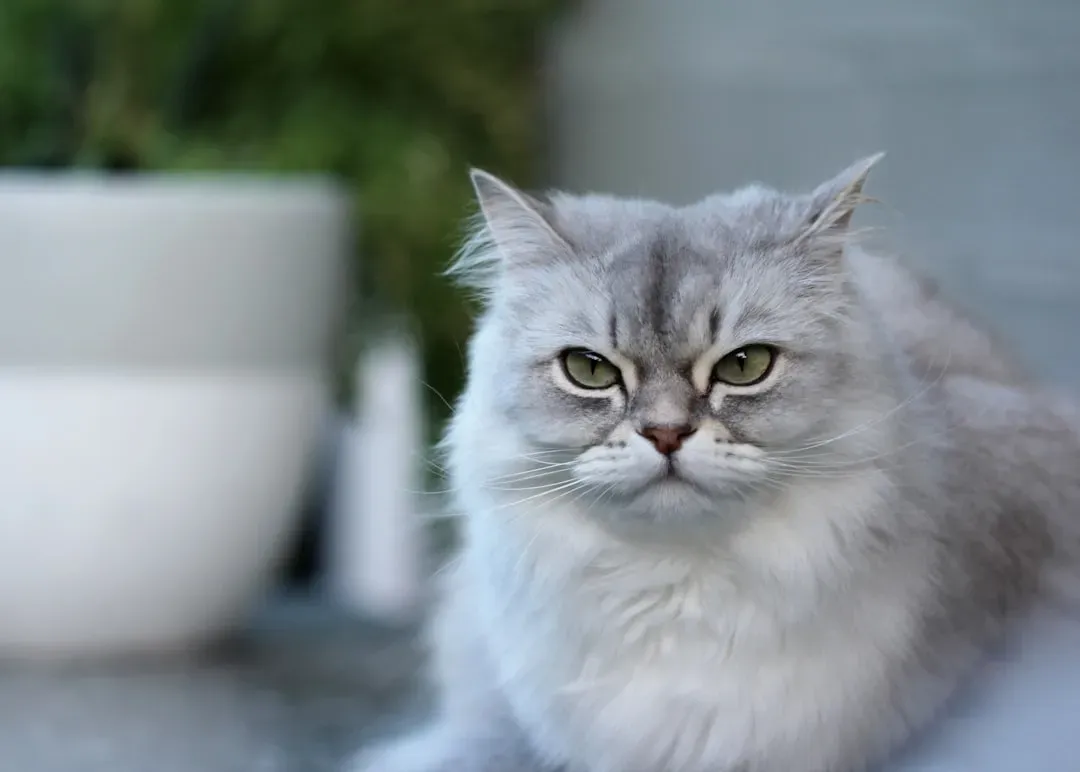
A cat may hold their tail close to their body or thrash and thump it when feeling stressed or annoyed. Notice when your cat chooses to leave the room. Is it during your passionate rendition of your favorite song? Right when you’re showing off your new dance moves?
Timing is everything in the feline world. Cats are certainly capable of thinking, processing the world around them, and responding to it accordingly, though their thoughts are perhaps a little more simplistic than ours. They understand cause and effect better than we give them credit for. When they walk away during your proudest moments, it’s not random. They’ve assessed the situation, found it lacking, and decided their time is better spent literally anywhere else.
The Judgmental Sit Just Out of Reach
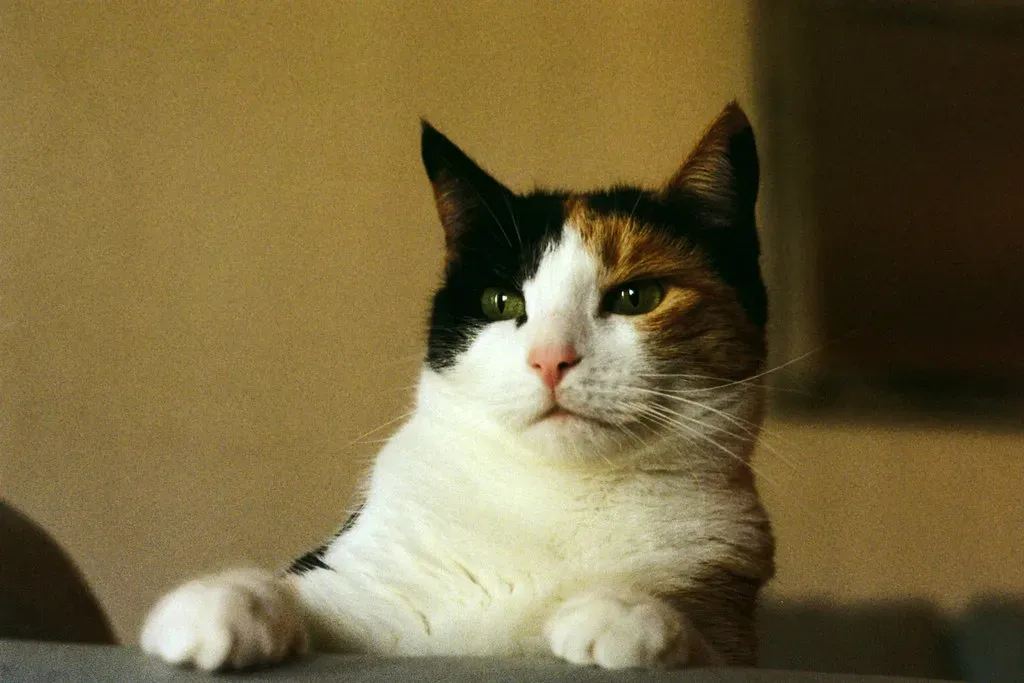
If a cat is standing or sitting sideways to you, they might be feeling shy and considering escape, with their body positioned to take off fast if needed. Yet sometimes your cat will position themselves precisely where you can see them but just far enough that you can’t comfortably reach them for pets.
This is calculated geometry. Cats may stay close to the person they like but don’t necessarily engage, and some will only interact briefly before deciding they’ve had enough. They’re maintaining proximity because they love you (probably), but they’re also maintaining distance because they’re currently unimpressed with your behavior. Maybe you bought the wrong brand of treats. Maybe you rearranged the furniture without consulting them. The distance says it all.
The Silent Treatment After Witnessing Your Mistakes
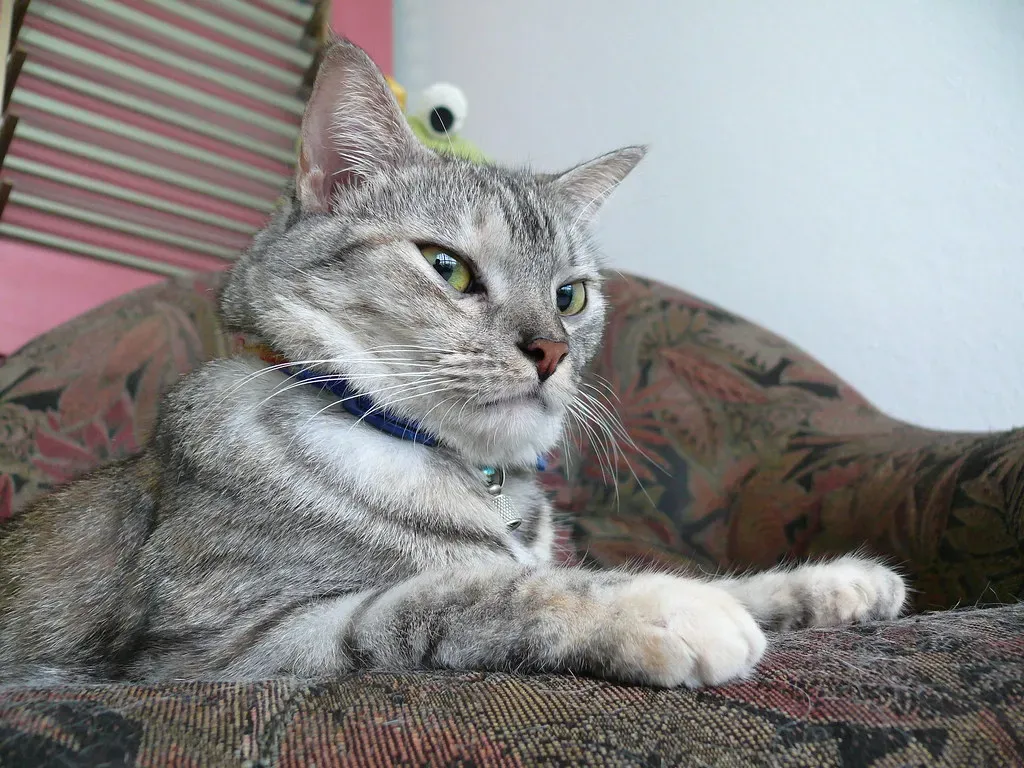
Cats cannot feel guilt, but they’re likely expressing fear or reacting to negative responses from their owners when they get a heated reaction. However, they absolutely remember when you do something foolish in their presence.
Cats are probably incapable of experiencing complex emotions like guilt or pride, but simpler emotions such as anger, affection, fear, and anxiety are generated in their limbic system. When your cat witnesses you walk into a glass door or drop your phone for the fifth time this week, they’re not feeling guilty about your clumsiness. They’re processing this information and filing it away as further evidence of your questionable competence. Their subsequent silence isn’t confusion. It’s a wordless commentary on what they just observed.
Conclusion

Let’s be real: your cat is absolutely judging you. Not in a malicious way, but in that ancient, instinctual manner that helped their wild ancestors survive. They’re observing, analyzing, and yes, forming opinions about your daily decisions.
The beauty is that they love you anyway. Cats feel happy when they are relaxed, purring, or rubbing themselves around your legs, most often when they have your undivided attention, though they can feel sadness if they think they’re not getting the attention or resources they need. Even while silently critiquing your outfit choices and questionable singing voice, they keep coming back to you.
So what do you think? Have you caught your cat in the act of judgment lately? What was the verdict?