There is something deeply disarming about a cat choosing you. Not the food bowl. Not the sunny windowsill. You. People spend years assuming cats are cold, self-serving little creatures who tolerate humans at best. Honestly, science keeps proving that wrong, and it is one of the more satisfying reversals in pet research.
Your cat speaks volumes without ever opening its mouth. The challenge is that most of us were never taught how to listen. So let’s change that.
1. The Slow Blink That Says Everything
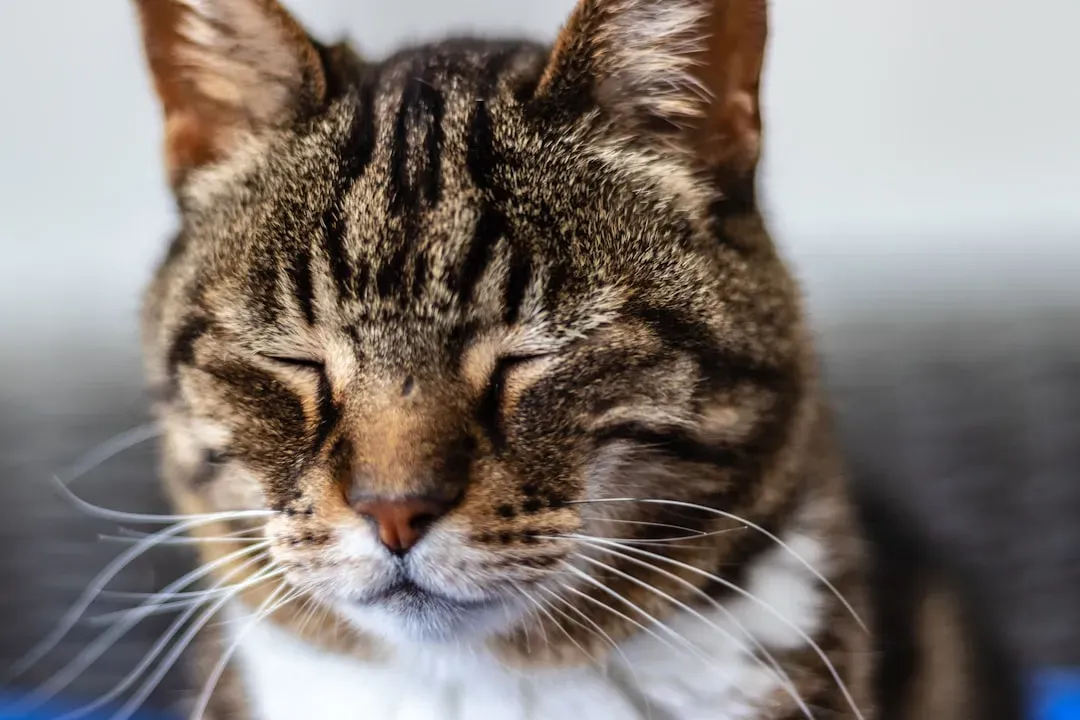
You have probably caught your cat staring at you from across the room, and just before you start to feel unnerved, those eyes slowly close and reopen. That is not drowsiness. That is a declaration. Research suggests slow blinks are associated with a positive emotional state and can be a sign of trust, contentment, and affection, similar to a human smile. Think of it as the feline equivalent of someone placing a gentle hand on your shoulder.
Researchers have discovered that the slow blink is a scientifically proven form of communication. Studies show that cats are more likely to approach people who slow blink at them, and when you mimic the slow blink, cats often respond with their own. This exchange triggers the release of feel-good hormones like oxytocin in both cats and humans. So next time your cat does it, try slowly closing your eyes right back. You might be surprised at what happens next.
2. Settling On Your Lap Without an Invitation
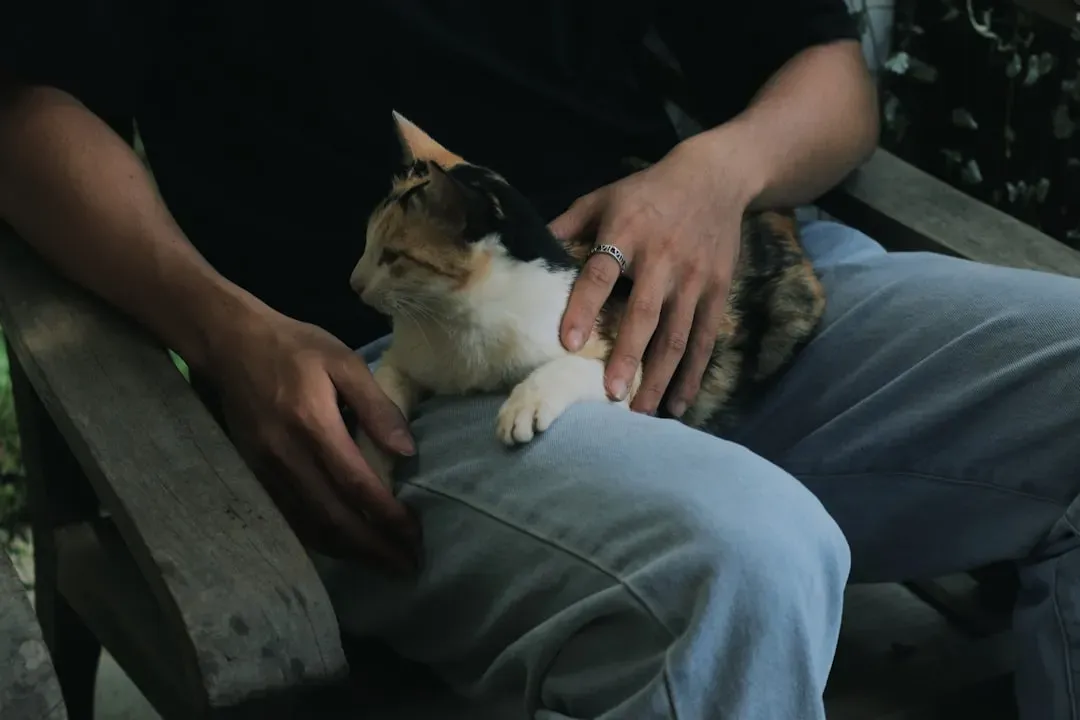
Cats are very protective of their personal space and do not like unwelcome guests to invade it. If a cat allows you to get close to them, that suggests a close bond, particularly where the contact is frequent or long lasting. Curling up on your lap for a nap is a sign of deep trust. It is the cat equivalent of someone choosing the seat right next to you in an otherwise empty room.
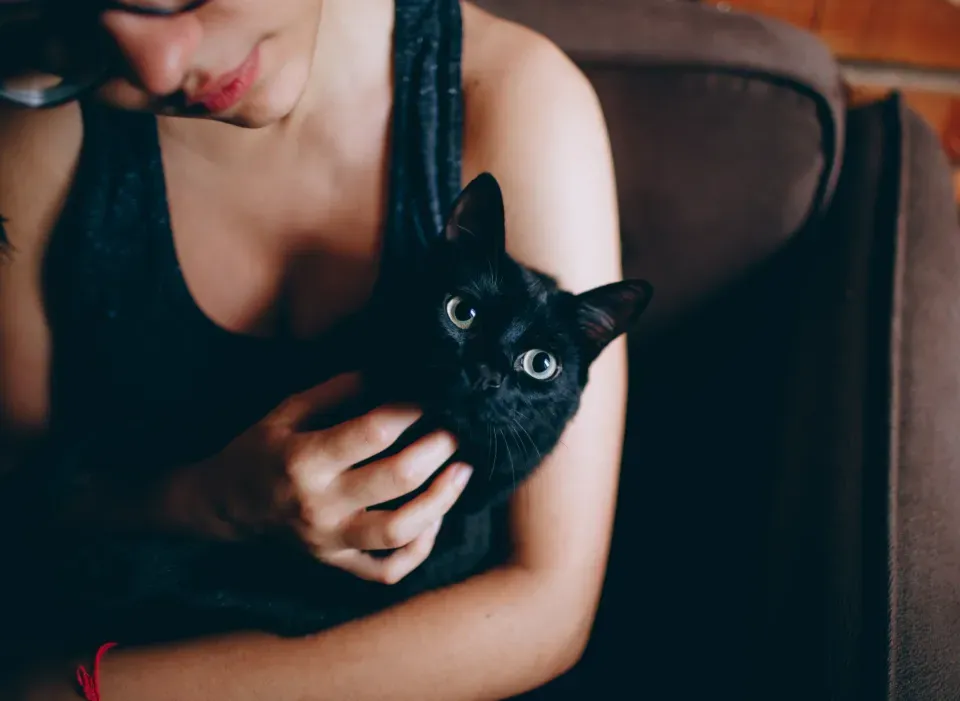
Cats often show their love by simply being near you. If your cat chooses to sit on your lap, sleep beside you, or follow you around the house, it is a clear indication that they enjoy your company. On your worst days, when everything feels heavy and the world is a bit too loud, a warm cat simply choosing your lap can feel like the quietest kind of rescue.
3. The Head Butt That Brands You as Family
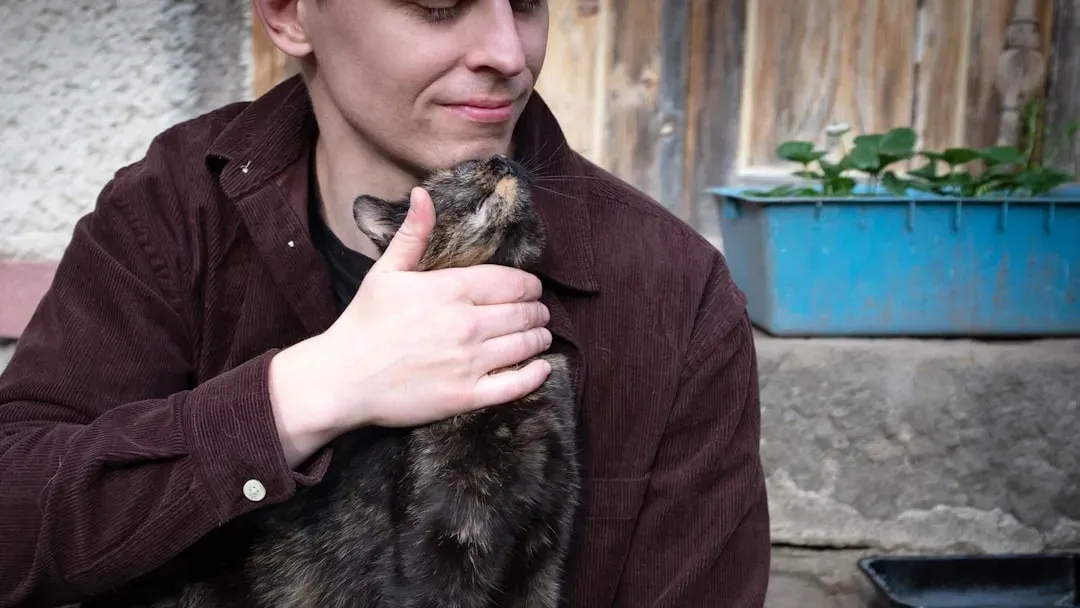
One of the most common ways cats show affection is through head-butting and nuzzling. This behavior, known as bunting, is a cat’s way of marking you with their scent. When a cat rubs its head against you, it is not just seeking attention but also leaving its scent glands on you, claiming you as part of their territory. This gesture signifies trust and affection, indicating that your cat feels safe and loved in your presence.
Cats have scent glands on their flanks, head, and around their ears, and often rub their heads against people and objects that are familiar and comforting. Here is the thing: your cat is not just being affectionate. Your cat is literally enrolling you in their social circle, the inner circle they reserve for those they trust most. That tiny head bump carries more meaning than most humans ever realize.
4. Following You From Room to Room
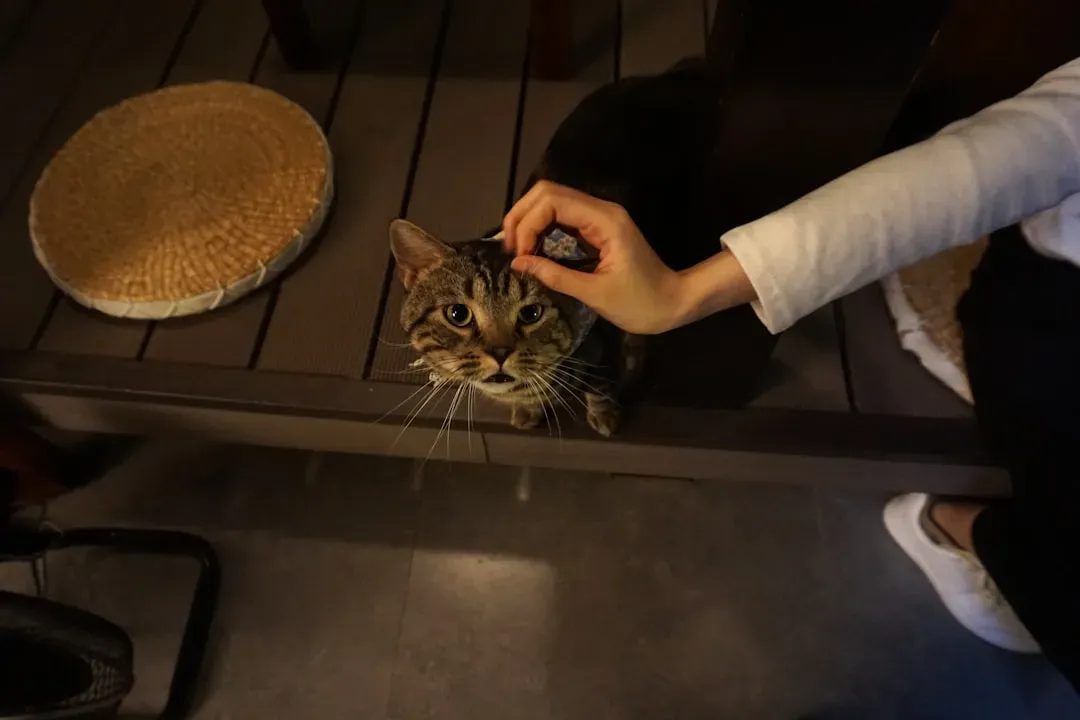
Cats often follow those they love and trust around the home. It is similar to the greeting at your front door, where they follow behind you and keep you in sight at all times. They may also weave around your legs. It can feel faintly ridiculous, being shadowed to the bathroom by a four-pound creature acting like a tiny bodyguard.
When humans are feeling down or anxious, cats may become more clingy, following their owners around or seeking physical contact, such as curling up next to or on their owner’s lap. This behavior can soothe the cat’s own emotions and convey a sense of security and support to humans. It is hard to feel completely alone when someone is trailing you everywhere you go. Even if that someone is doing it partly out of curiosity about what you are cooking.
5. Kneading You Like You Are the Softest Thing in the World
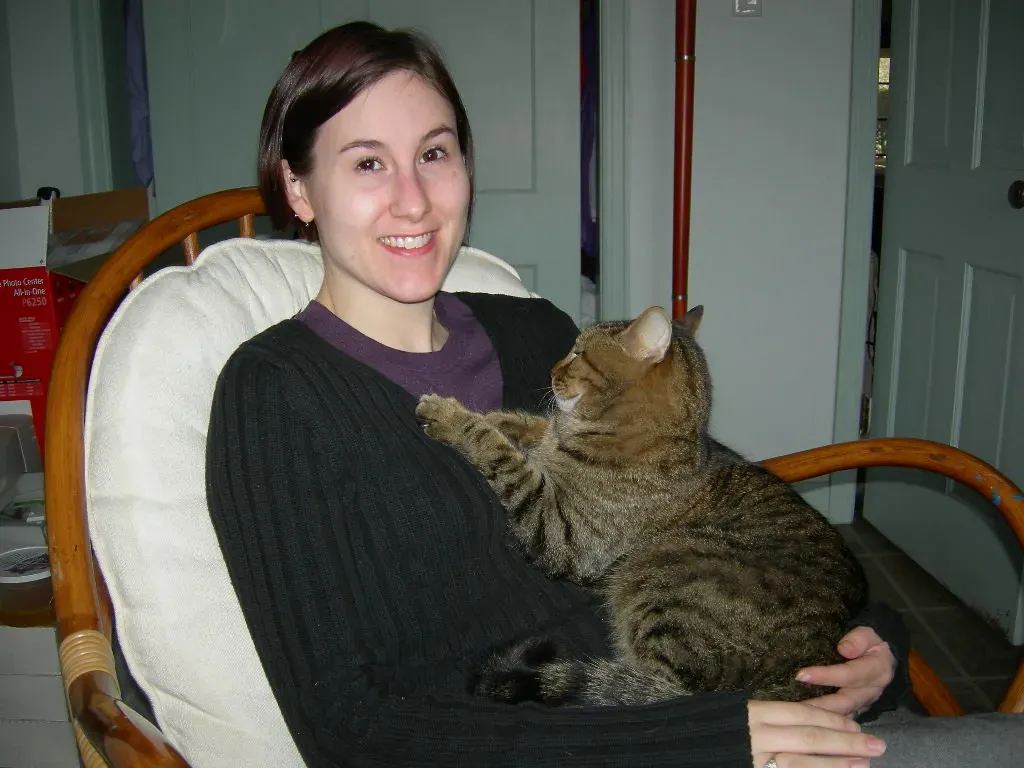
Kneading, where cats push their paws against a soft surface, often accompanies purring. This behavior, rooted in kittenhood when they kneaded their mother’s belly for milk, shows that your cat feels relaxed and trusts you completely. I know it sounds crazy, but being slowly kneaded by a cat is one of the more strangely soothing experiences available to a human being.
Since most of the preferred domestic traits are neotenous or juvenile traits that persist in adults, kneading may be a relic juvenile behavior retained in adult domestic cats. It may also stimulate the cat and make it feel good, similar to a human stretching. Kneading is often a precursor to sleeping, and many cats purr while kneading, usually taken to indicate contentment and affection. When your cat kneads you, they are essentially regressing to the safest memory they have, and they have decided you are that safe place. That is worth sitting still for.
6. Grooming You as One of Their Own
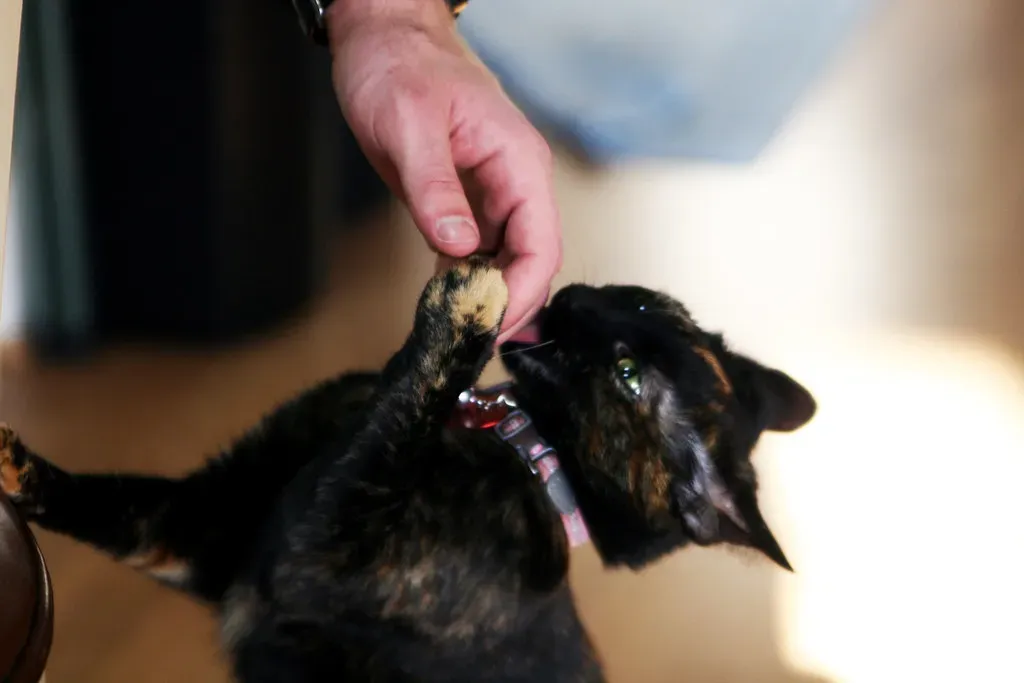
Grooming only happens between cats with a warm relationship, so licking your hand or face can be a show of endearment, even though those barbed tongues may not feel all that gentle. A cat’s tongue is basically a tiny biological velcro strip, so the gesture is more meaningful than it is comfortable. Still, do not pull away.
Cats groom each other as a display of affection, and this behavior will extend to humans when trust is built. Cats will often lick their people or allow them to brush them. Licking is similar to the grooming cats perform on their feline friends, allowing them to mark each other and build their bond. When your cat licks your hand or nudges its face into your hair, it is treating you as a fellow cat, a companion worthy of the most intimate social ritual they know. Honestly, there is no higher compliment in cat culture.
7. Exposing Their Belly as the Ultimate Gesture of Vulnerability
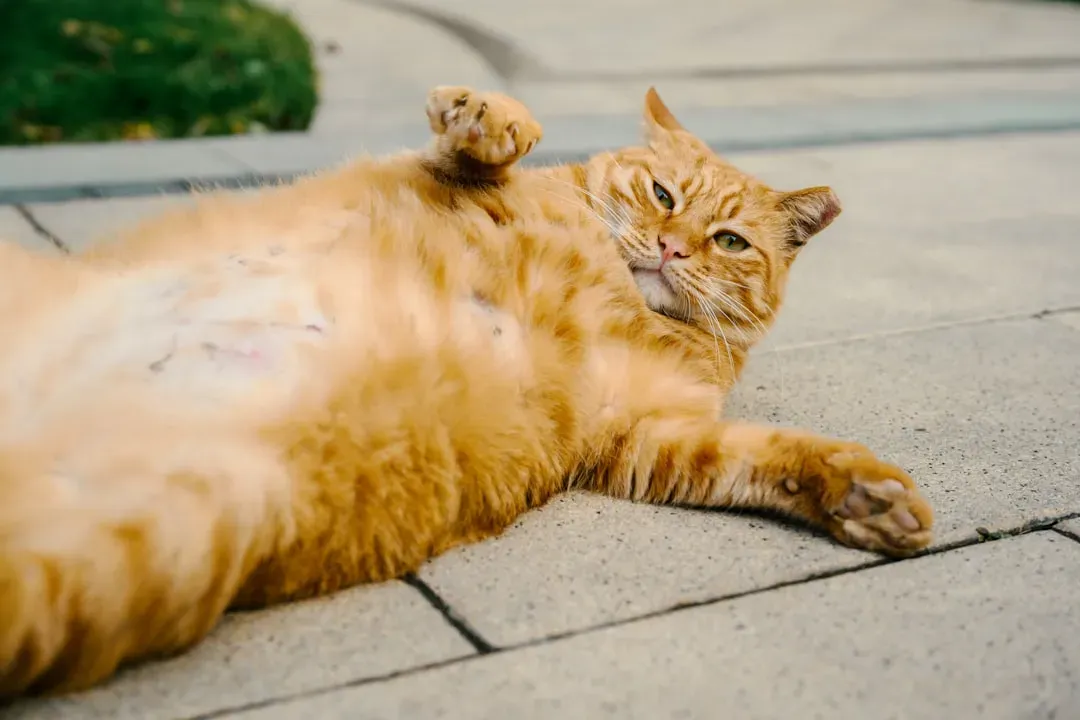
When a cat rolls over and exposes its belly, it is showing a great deal of trust. The belly is a vulnerable area, and by exposing it, your cat is indicating that they feel safe and comfortable with you. While not all cats enjoy belly rubs, this gesture is still a positive sign of affection. Think of it like a person leaving their front door unlocked because they genuinely trust the neighborhood.
When cats lie on their back with their bellies exposed, they are in a position of vulnerability. Therefore, this position may communicate a feeling of trust or comfort. The next time your cat flops dramatically in front of you and rolls onto its back, resist the urge to immediately go for the belly rub. Simply take a moment to appreciate what just happened. Your cat just handed you one of the rarest things it has to give.
8. Staying Close When You Are Sick or Sad
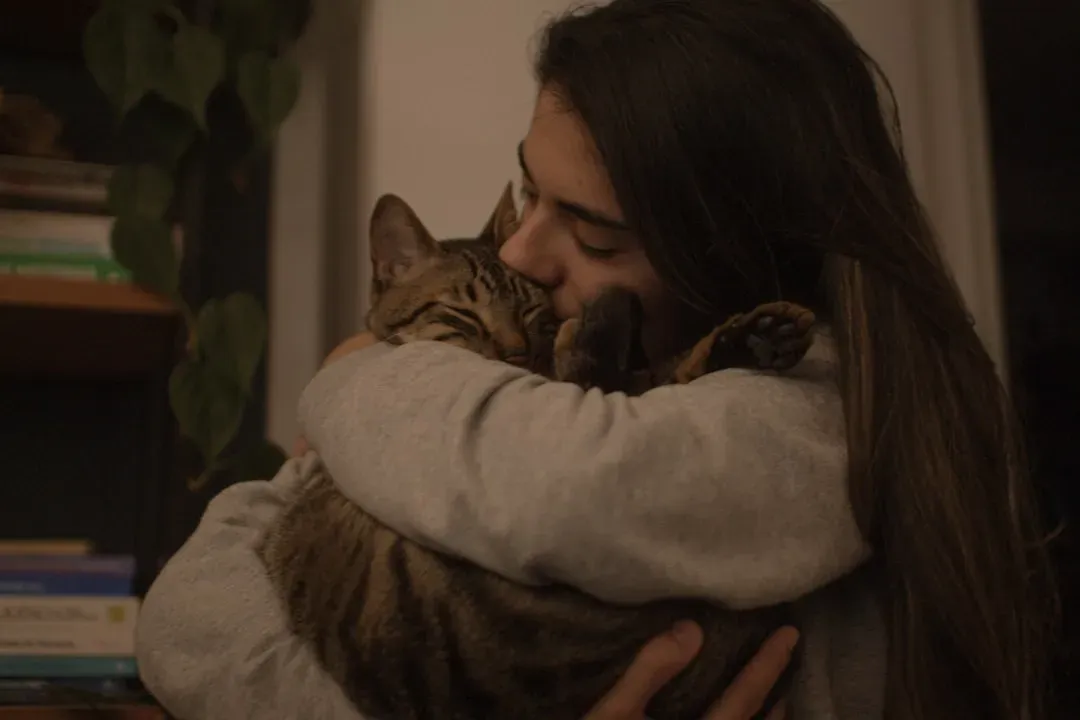
Cats who form close bonds with their owners often become attuned to their human’s feelings. Some cats instinctively respond with comforting actions, such as sitting close or gently nuzzling. There is a reason so many people with anxiety or depression report that their cats seem to know. Recent research suggests that cats may be more attuned to human emotions than previously thought, and studies show that cats react to their owners’ visual and vocal signals and adjust their behavior based on human emotions.
There is evidence that cats comfort humans when sad. When pet parents are depressed, cats rub against them more often. It is likely your cat is responding to your emotional state by trying to comfort you or draw your attention. No words are spoken. No grand gestures are made. Your cat simply moves closer, presses its warm body against yours, and stays. Sometimes that quiet, steady presence is the most powerful comfort of all.
Conclusion
Cats have spent centuries being misread as indifferent. The truth is far more interesting. They speak an entire language of warmth, loyalty, and care without uttering a single syllable. Every slow blink, every gentle head-butt, every deliberate choice to be near you is a complete sentence in a language most people are only just beginning to learn.
The relationship you have with your cat is not one-sided. Cats, merely their presence but of course their behavior, can affect human moods, and human mood differences have been shown to affect the behavior of cats. You two are, in a very real sense, reading each other constantly.
So the next time your cat settles silently next to you on the couch, or fixes you with that long, unhurried blink from across the room, know that something meaningful just passed between you. You just got loved, quietly and completely. Did you ever expect a creature without a single word to say so much? What do you think about it? Share your thoughts in the comments below.