Have you ever tried to finish an important email only to find your cat sprawled across your keyboard, purring and completely unapologetic? Or maybe you’ve been startled awake by a persistent meow at three in the morning, wondering what could possibly be so urgent. Let’s be real, cats have perfected the art of getting our attention, whether we like it or not.
Your feline friend isn’t just being demanding for no reason, though. Behind every paw swat and dramatic yowl is a message they’re trying to communicate to you. Understanding these behaviors can transform those frustrating moments into opportunities to strengthen your bond. So let’s dive into the fascinating world of cat communication and discover what your furry companion is really trying to tell you.
The Persistent Meow That Just Won’t Stop
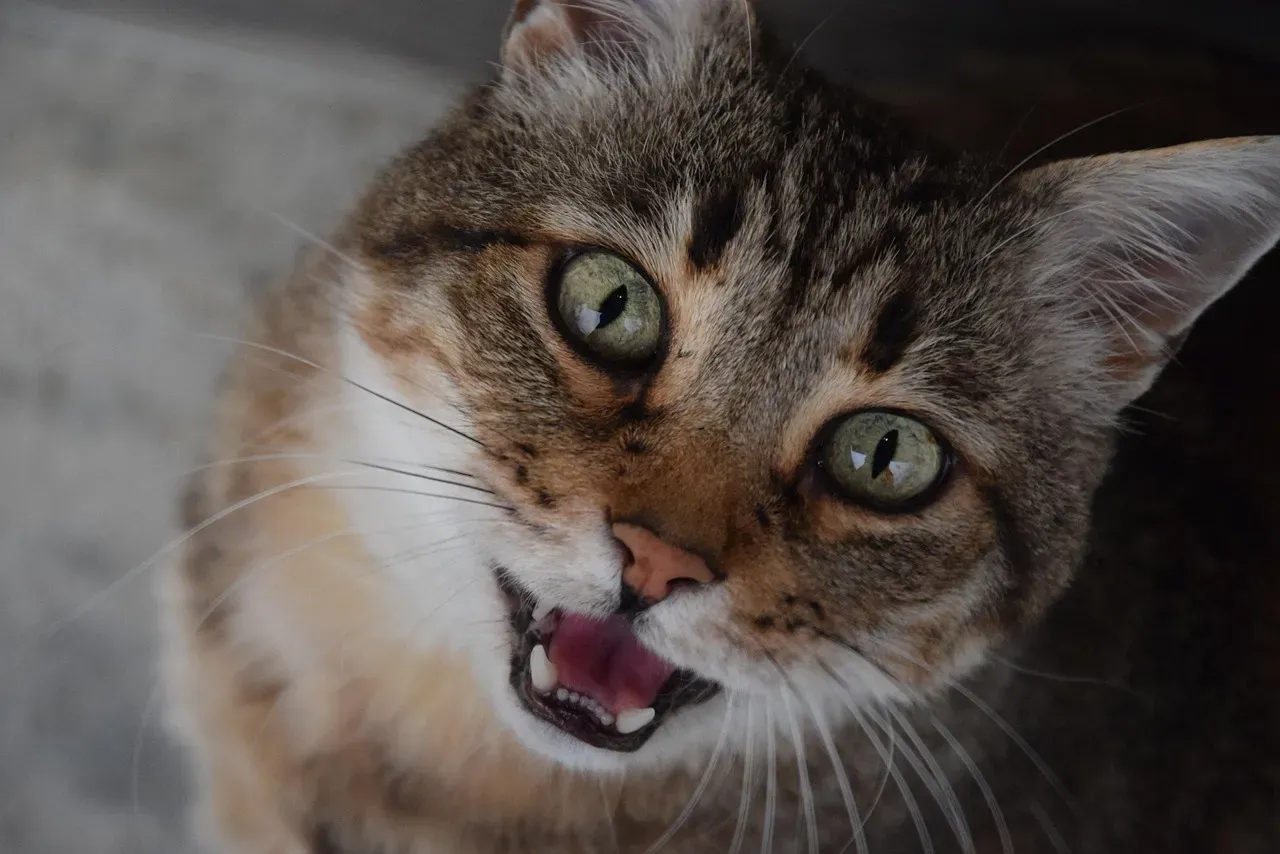
Your cat’s meow changes in pitch and tone depending on what they’re trying to tell you, often starting as a quiet but persistent cry that can escalate to a loud screech designed to get you running. Think of it like your cat turning up the volume on their demands until you finally respond. It’s honestly impressive how they’ve figured out exactly which sounds will break your concentration.
Meowing is what cats do most for attention because it’s incredibly difficult to ignore. The thing is, your cat has learned this behavior works. Cats are creatures of habit who learn through consistency and repetition, and if you give a begging cat a treat, you’re positively reinforcing the behavior. When your cat vocalizes excessively, try waiting for a quiet moment before responding with attention or treats. This teaches them that calm behavior, not persistent noise, gets rewarded.
Pawing and Tapping You for Interaction
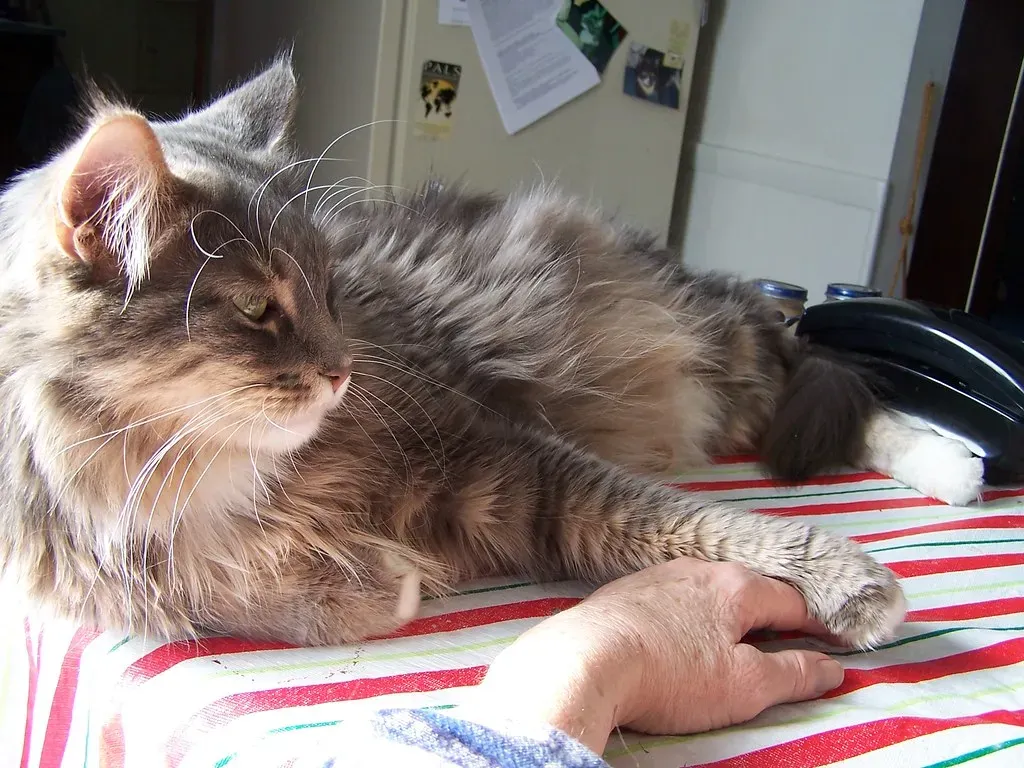
If your cat keeps pawing at your fingers while you type, they could be understimulated and asking for some interactive play. That gentle tap on your arm or face isn’t random. Your cat is deliberately trying to redirect your focus from whatever you’re doing to them instead.
When cats gently tap you with their paw or claws on your face or limbs, they’re signaling they want you to engage with them. Here’s what works: wait until your cat stops pawing before you pay any attention to them. I know it sounds counterintuitive, especially when those soft paws are so hard to resist. Schedule regular play sessions instead so your cat knows when to expect interaction, reducing the need for constant pawing throughout the day.
The Infamous Laptop or Book Sit
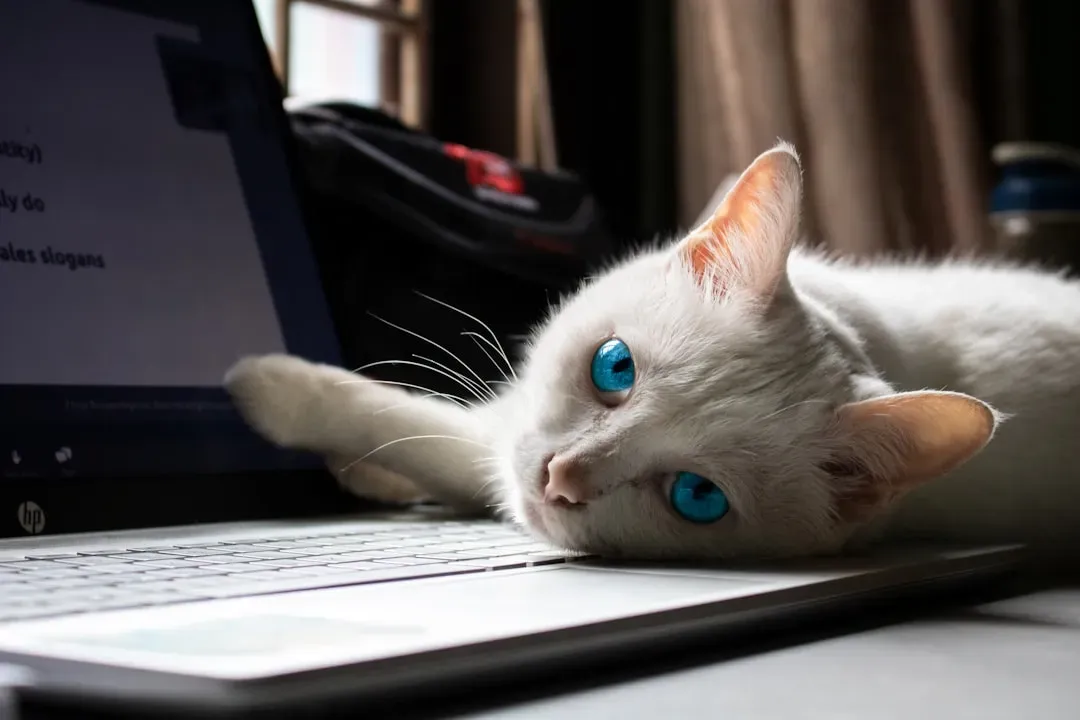
Your cat may choose to nap on your laptop because they want to stick close to you while absorbing heat from an elevated position. It’s hard to say for sure, but there’s definitely some territorial behavior happening here too. This is your cat’s way of saying they’re the most important thing in your life, asserting dominance over the inanimate object that stands in their way.
Cats can become demanding about getting your attention to the point that they lie on top of your work, and while it might be a comfy resting place, it’s also their way of redirecting your attention to them. The solution? Create a cozy spot near your workspace with a heated pad or soft blanket. Give your cat attention during scheduled breaks rather than when they interrupt. Over time, they’ll learn that proximity doesn’t require sitting directly on your stuff.
Knocking Things Off Surfaces with Purpose
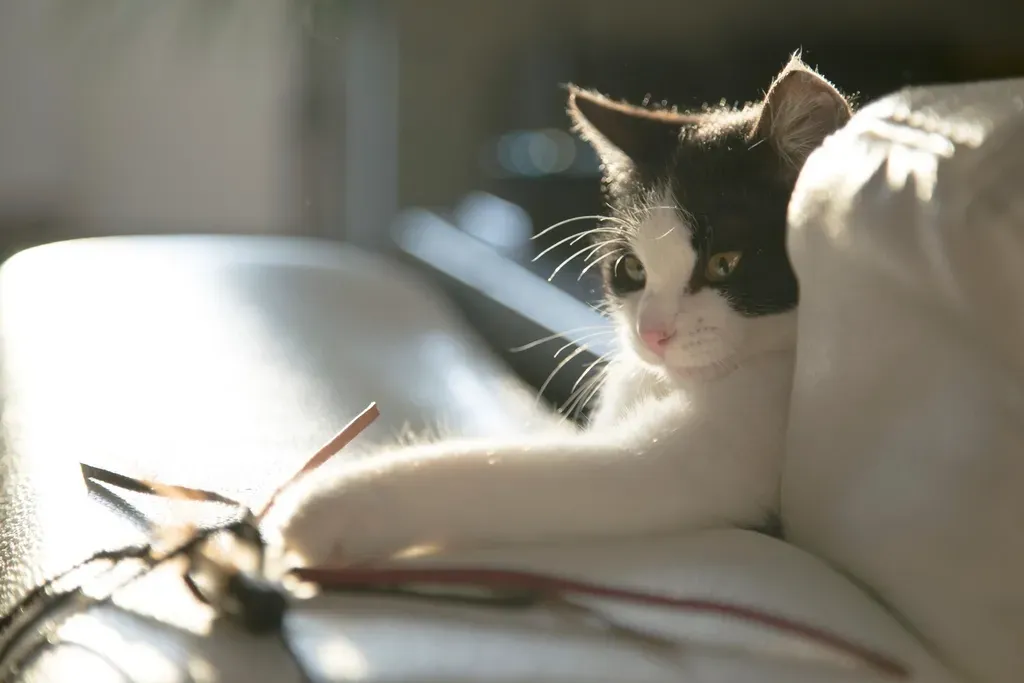
Cats often push something off the countertop with their paw when you’re there to watch it happen, swiping at items to push them to the floor when your attention is focused elsewhere. This isn’t accidental clumsiness. Your cat makes eye contact while doing it because they’ve learned this gets an immediate response from you.
Some cats deliberately knock items off tables or counters to gain attention, often making eye contact as they do this because they’ve learned this behavior gains them a quick response and interaction. To respond lovingly, avoid reacting dramatically when items crash to the floor. Instead, ignore the undesirable behavior to teach your cat it has the opposite effect of their intentions. Secure important items and provide puzzle toys or treat dispensers that give your cat something interesting to bat around without causing chaos.
Following You Around Like a Shadow
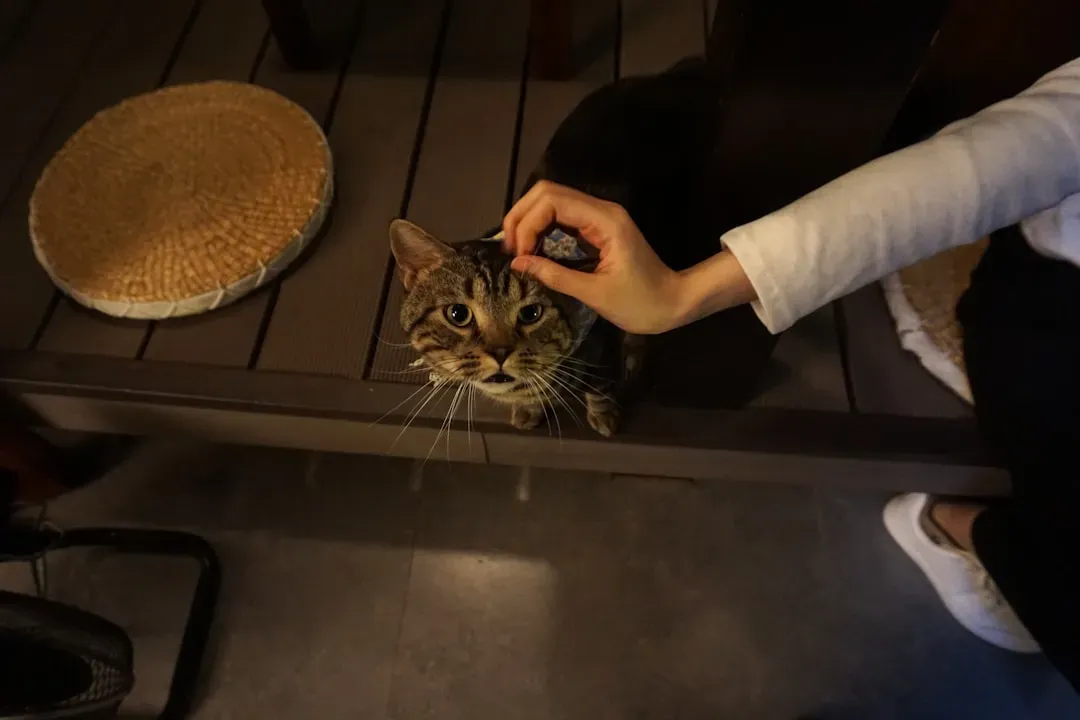
Following you around the home and deliberately strolling in your path, especially when they know you’re busy, is another form of attention seeking that signals your cat notably needs or wants your focus. Some cats are simply more social than others, craving constant companionship throughout the day.
When cats follow you around, it could signal they want your attention, with many doing it around feeding time or because they’ve learned that following you gets your attention when you’re moving around the house. Respond by acknowledging your cat with a gentle head scratch or brief chat as you move about. Provide structured attention rather than more attention by scheduling two or three play sessions daily and short quiet times for cuddling or grooming. This predictability helps reduce clingy behavior.
Begging for Food Beyond Mealtime
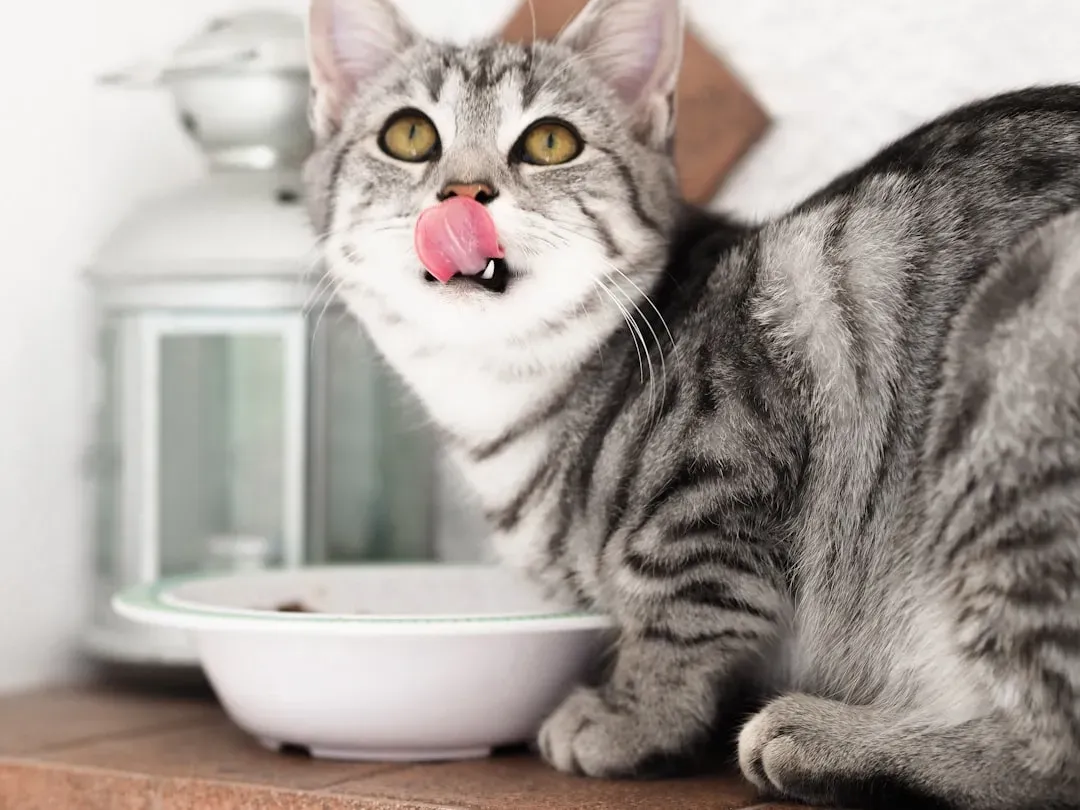
Begging is a very common attention seeking behavior that cat parents seek help for. Your cat sits by their empty bowl, staring up at you with those impossibly large eyes, even though they ate just an hour ago. Hyperthyroidism and diabetes can boost a cat’s appetite and lead to changes in behavior like begging, so sudden increases warrant a vet visit.
Pay attention to unusual shifts in behavior, noting whether begging is associated with feeding times or if your cat suddenly begs when they never did before. If health issues are ruled out, stick to consistent feeding schedules and avoid giving treats in response to begging. Use puzzle feeders to make mealtimes more engaging and mentally stimulating, which can reduce food fixation throughout the day.
Scratching Furniture for Your Attention
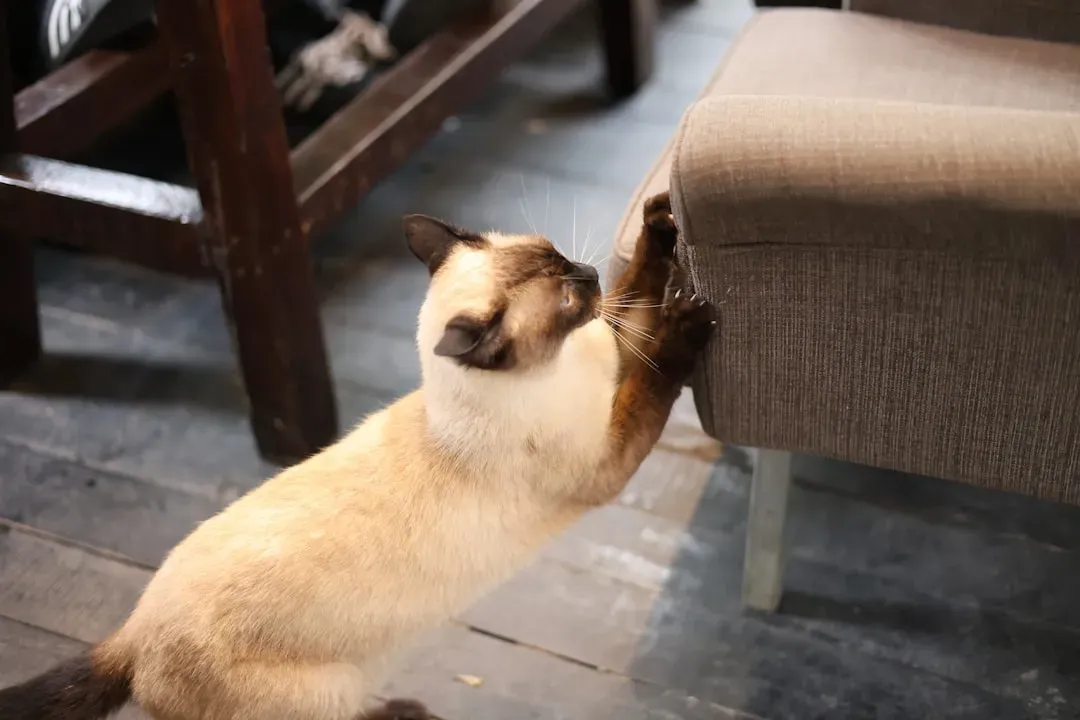
Scratching may become destructive and problematic when cats scratch furniture and inappropriate areas to earn the reward of your attention. Your cat knows exactly which piece of furniture will make you leap from your seat. It’s frustrating, especially when you’ve invested in multiple scratching posts that sit unused.
To address attention seeking scratching, identify your cat’s preferred scratching textures and place new scratchers near the inappropriate object. Scratching is a natural, necessary behavior, so you can’t eliminate it entirely. Be diligent about giving attention when your cat does something you approve of, like scratching the scratching post, so they don’t practice naughty behaviors to get attention. Try different scratcher types including horizontal cardboard, sisal posts, and carpet until you find what your cat prefers.
The Intense Stare That Commands Your Soul
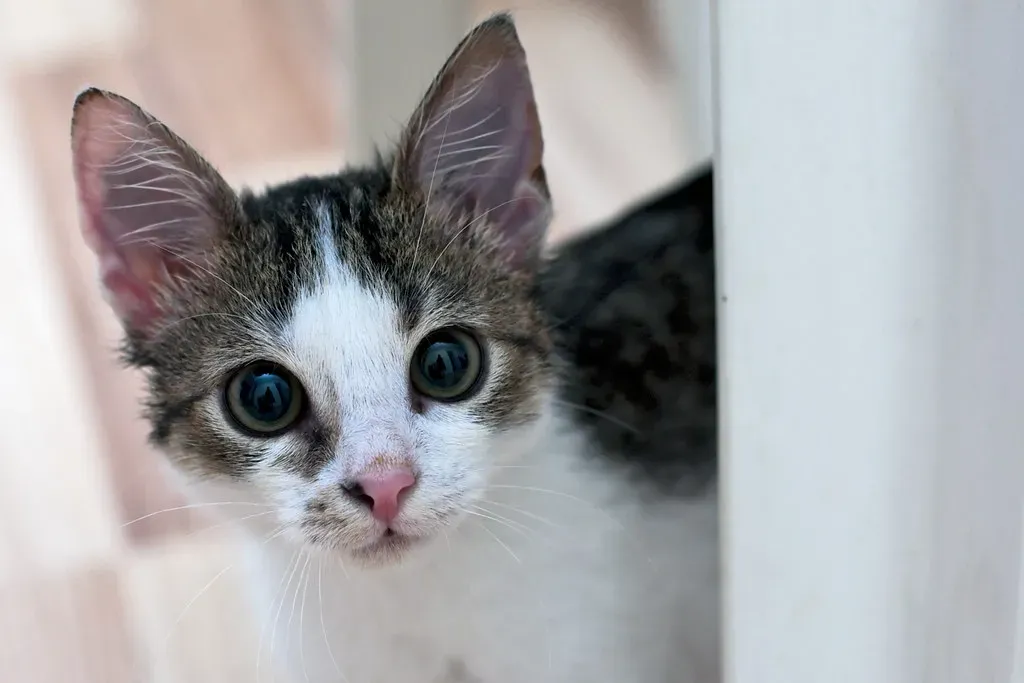
Sometimes all your cat needs to do is look up at you with big, adorable eyes to command your attention, and you simply can’t ignore the intensity of their gaze. Cats have mastered the art of getting our attention by staring intensely at us from across the room because they are observant animals that like to access their environment.
Your cat’s longing gaze could signal they want to be fed, especially if they stare from their feeding area, though some cats will stare until you eventually give them attention in the form of cuddles, toys, or treats. When your cat stares, approach calmly and offer gentle interaction if they seem receptive. Watch for slow blinks, which signal contentment and affection. Return those slow blinks to communicate back in their language, strengthening your bond without rewarding demanding behavior.
Conclusion
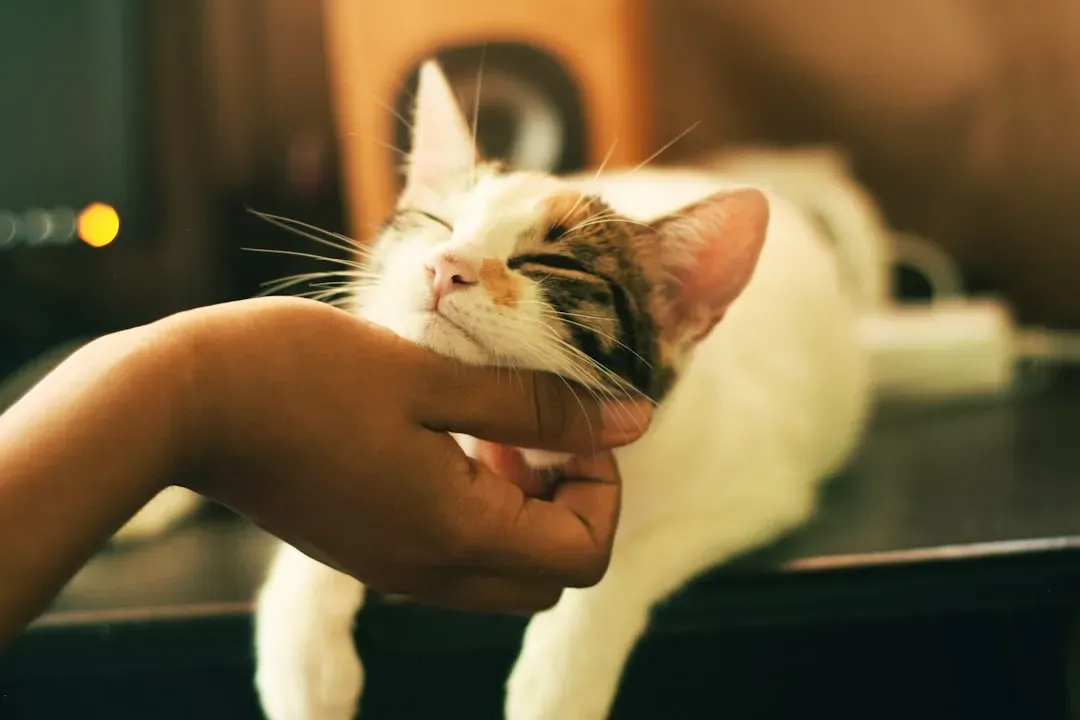
Understanding why your cat demands attention transforms those annoying interruptions into meaningful conversations between you and your feline companion. Your cat may do things to attract your attention to communicate their needs, sometimes asking for more mental and physical stimulation like playtime, or reacting to changes in their routine or responding to pain from underlying medical issues. The key is responding in ways that meet their needs without reinforcing disruptive behaviors.
Cats rely on predictability and consistency in their daily lives, so combining the security of being consistent with the fun of daily reward based activities will likely give you a much happier cat. Remember that patience and consistency are essential. Your cat isn’t trying to annoy you, they’re simply using the communication tools they have to connect with you. What’s your biggest challenge with your cat’s attention seeking behavior? Share your experiences in the comments below!