Understanding your feline companion’s play preferences can transform both your cat’s happiness and your bond together. While cats may seem mysterious in their choices, they actually follow predictable patterns when it comes to what captures their attention and what leaves them utterly disinterested.
The secret lies in recognizing that your cat is still very much a wild hunter at heart. Cats play to mimic hunting behaviors, release energy, and practice the skills their ancestors needed to survive. Even your well-fed indoor kitty carries the instincts of a stealthy predator, and play provides an outlet for those natural drives. So let’s dive into what really makes your cat’s eyes light up with excitement.
Interactive Wand Toys That Mimic Real Prey Movement
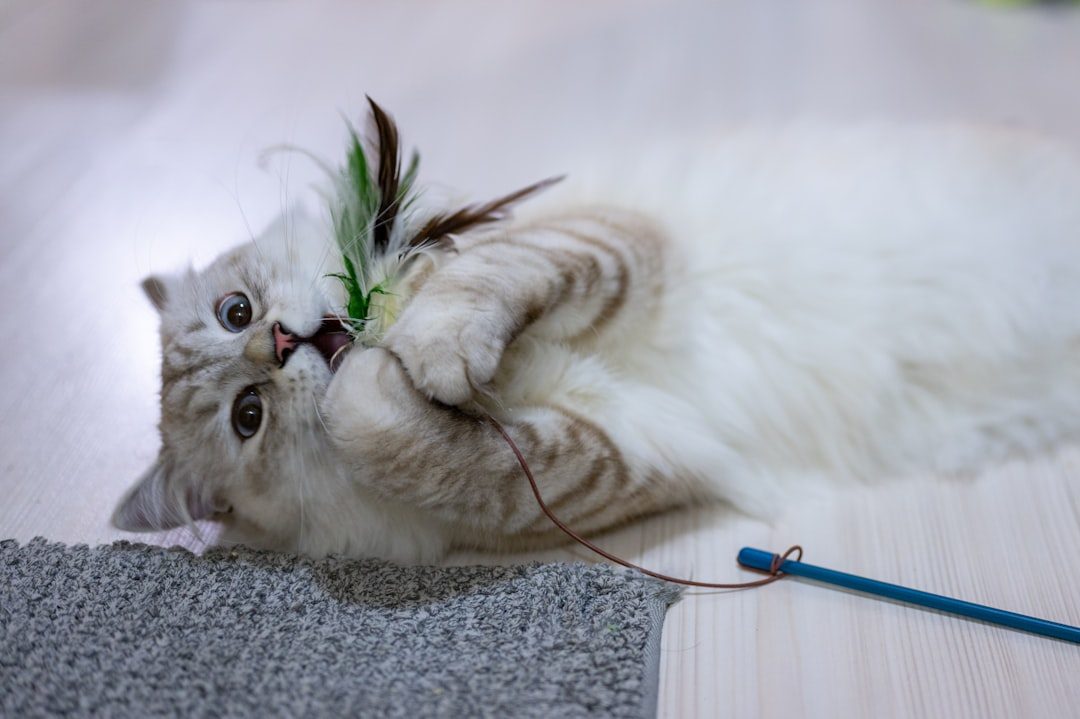
Nothing captures a cat’s attention quite like a feather wand dancing unpredictably through the air. Interactive wand toys reign supreme for engaging natural hunting instincts. Move the toy erratically, quick darts followed by sudden stops mimic prey behavior that triggers chase responses. The magic happens when you make the toy behave like actual prey.
Your technique matters more than the toy itself. Use wand toys or feathers to mimic prey movement. Move the toy in quick, darting motions to trigger hunting responses. Let your cat catch the toy occasionally to build confidence. Think like a mouse or bird, moving the toy away from your cat rather than toward them.
The beauty of wand toys lies in their ability to satisfy your cat’s complete hunting sequence. When your cat crouches, wiggles their hindquarters, and launches forward, they’re not being silly – they’re imitating the precise sequence of a hunt. This instinctive rhythm keeps your feline friend mentally stimulated and physically active.
Hide and Seek Games That Tap Into Stalking Instincts
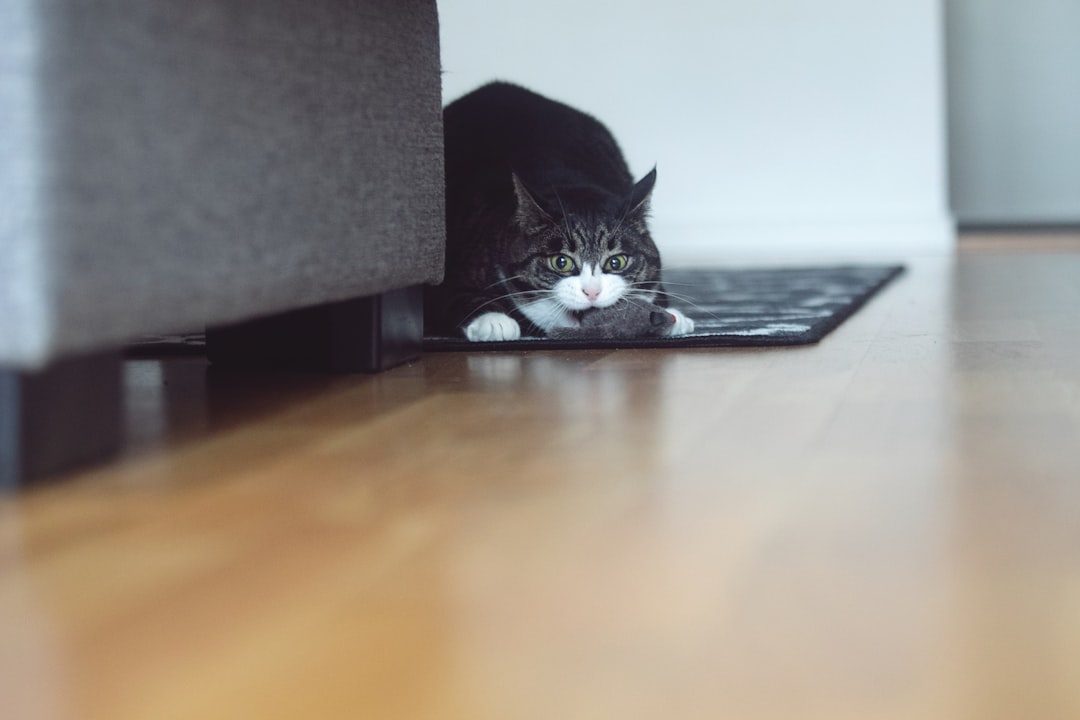
Your cat’s ancestors were ambush predators, and this instinct runs deep in modern house cats. Hide-and-seek is a great game to teach your pet because it encourages instincts such as hiding and stalking. Hide treats or toys around the house for your cat to find. Hide-and-seek taps into your cat’s natural hunting and foraging instincts, stimulating them mentally and physically.
Creating hiding spots throughout your home gives your cat opportunities to practice their natural behaviors. Cats are natural hunters and seek out hiding spots from which to observe their environment or take a nap. Your feline friend will love cozy hiding spots in cat tunnels, cat cubes, open boxes, or covered beds where they can retreat and relax. Cats feel safest when they have privacy and allocated spots just for them.
The anticipation and discovery elements of hide-and-seek provide mental enrichment that many other activities simply cannot match. Your cat gets to use their problem-solving skills while experiencing the thrill of the hunt.
Vertical Climbing and Perching Opportunities
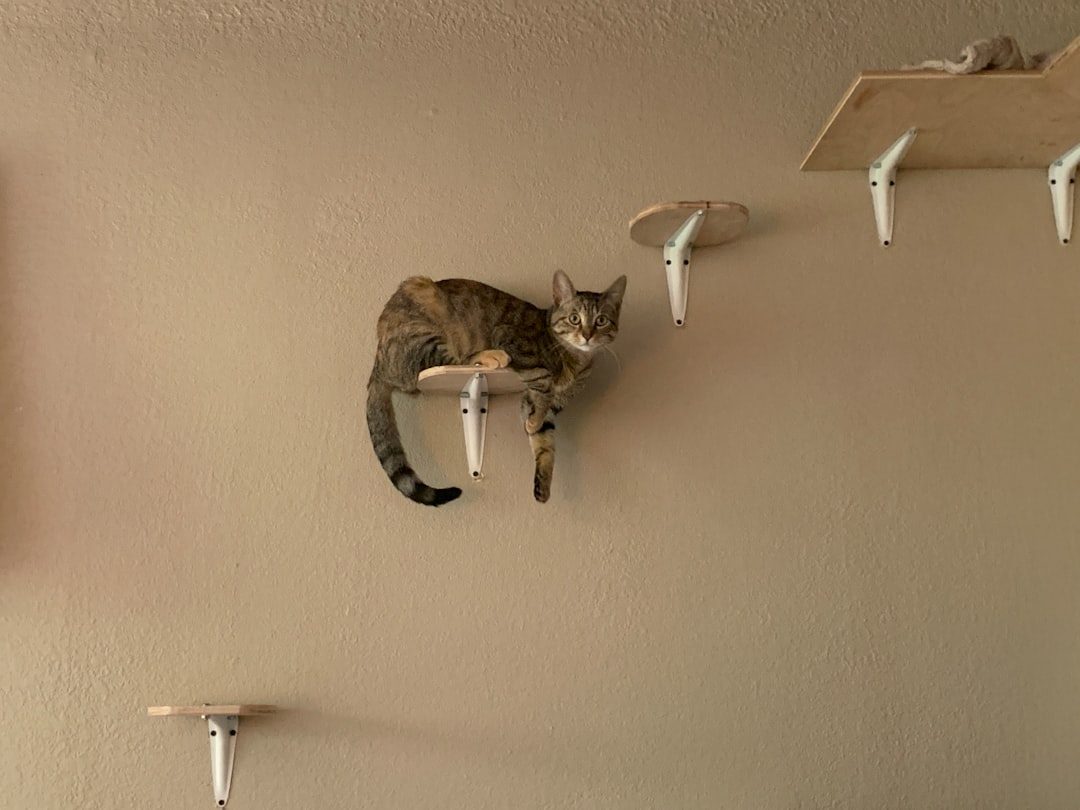
Cats are naturally drawn to high places where they can survey their territory like the apex predators they are. Cats enjoy climbing and perching high above to survey their surroundings. Imagine a mountain lion perched on a cliff or a bobcat resting on a tree branch. Your small “wild cat” loves cat trees, shelves, and window perches that allow them to climb and observe their surroundings from a high vantage point.
Providing vertical space isn’t just about cat trees. Cats love to climb and perch on high vantage points from which they can view their surroundings. Consider providing your whiskered pal with cat trees, shelves, or window perches to provide vertical space where they can explore. These high spaces satisfy your cat’s urge to climb and provide them with a sense of security while observing their territory.
The psychological benefit of height cannot be understated. When your cat can retreat to an elevated position, they feel more confident and secure in their environment.
Puzzle Feeders That Combine Food with Mental Challenge
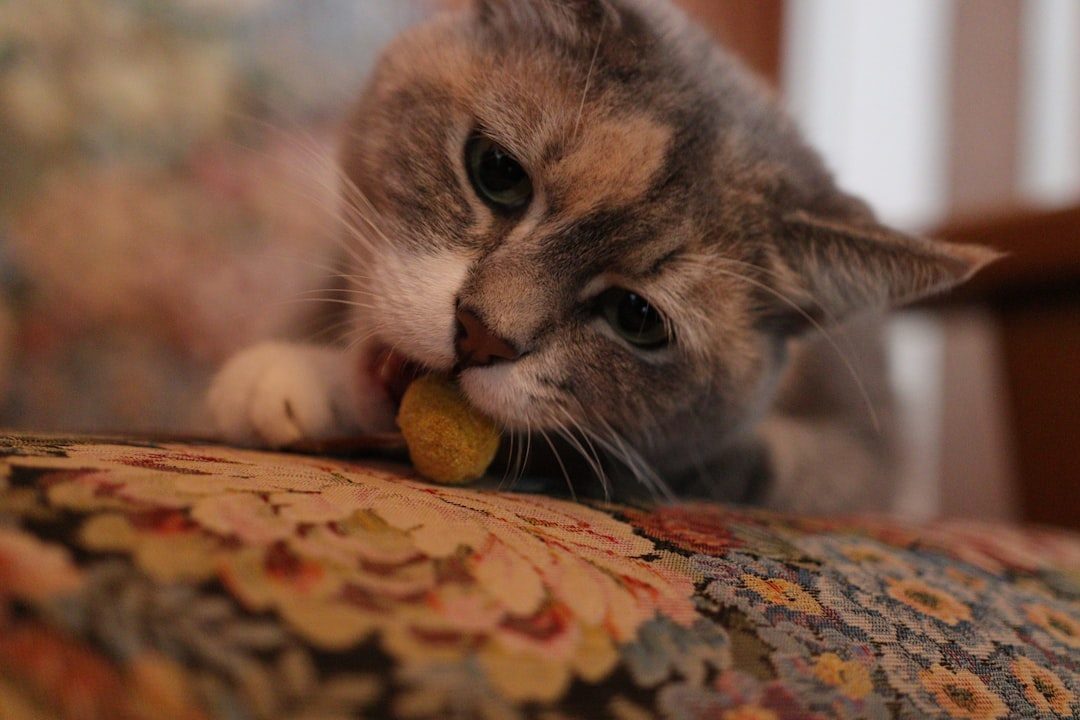
Smart cats crave mental stimulation, and puzzle feeders deliver exactly that while satisfying their natural foraging instincts. Food is a powerful motivator. Puzzle feeders turn snacking into a game – getting their paws moving and their gears spinning! Look for puzzle feeders that offer a variety of challenges and multiple difficulty levels to keep your cat engaged as their skills improve!
Puzzle feeders aren’t just fantastic enrichment – they also slow down eating, making them highly recommended by veterinarians for weight management and digestive health. This makes them a perfect two-in-one solution for both entertainment and health.
The satisfaction your cat gets from successfully obtaining their food reward triggers the same neural pathways as catching actual prey. It’s like giving them a mini hunting victory several times a day.
Tunnels and Enclosed Spaces for Ambush Play
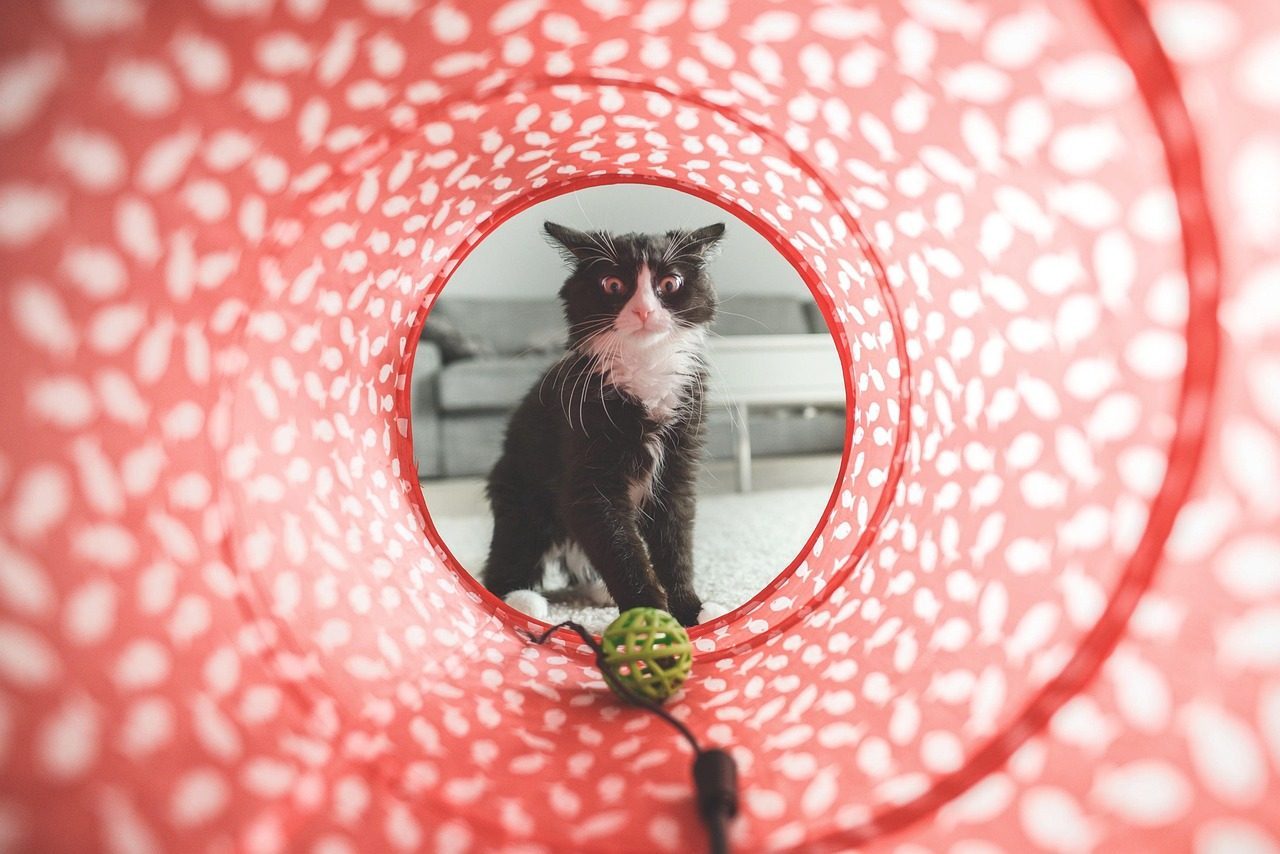
Tunnels are a feline favorite – providing mystery and unpredictability as well as an opportunity to pursue “prey” into a “burrow”. It’s also the perfect place to stage an ambush on an unsuspecting passer-by! The enclosed nature of tunnels triggers deep instinctual behaviors related to both hunting and safety.
Cats have a natural affinity for small, enclosed spaces that stems from their wild heritage. While it is enjoyable to watch your pet cat snuggle into a small space for a nap, there is some ancestral instinct in your cat that makes it attracted to boxes and small spaces – cats in the wild like to seek shelter where they feel safe and protected from predators. When a cat can squeeze into a small space, it knows that all sides are covered, and it can remain hidden.
The versatility of tunnel play means your cat can use them for multiple purposes throughout the day, from active chase games to peaceful nap spots.
Scratching Posts with Different Textures and Materials
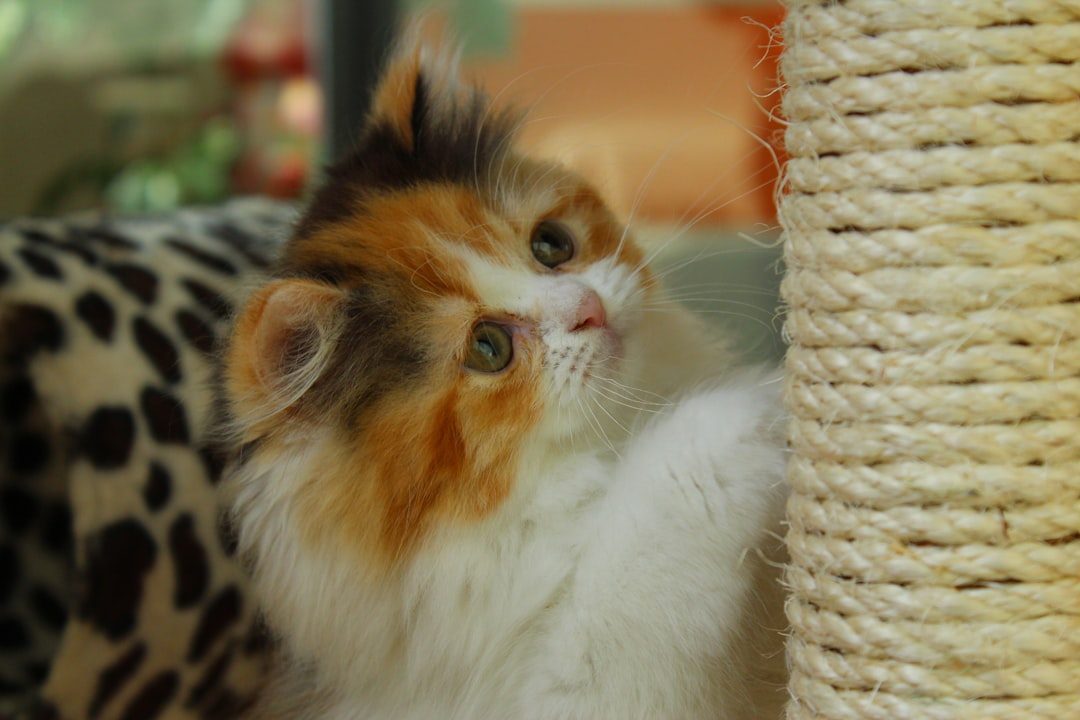
Scratching isn’t destructive behavior – it’s an essential feline need with multiple purposes. Scratching is a natural feline behavior that helps cats stretch their muscles, mark their territory, and maintain their claw health. As you may have observed, outdoor cats often use trees to mark their territory. Your indoor cat has the same biological imperative.
Variety in scratching surfaces is crucial for satisfaction. Offer your whiskered pal multiple scratching posts, including materials, such as sisal, carpet, and cardboard, to satisfy your cat’s scratching preferences. Different cats prefer different textures, and many cats enjoy having multiple options available.
The physical act of scratching also serves as a form of exercise and stress relief. When your cat has appropriate outlets for this behavior, they’re less likely to target your furniture.
Solo Play with Small Moving Objects
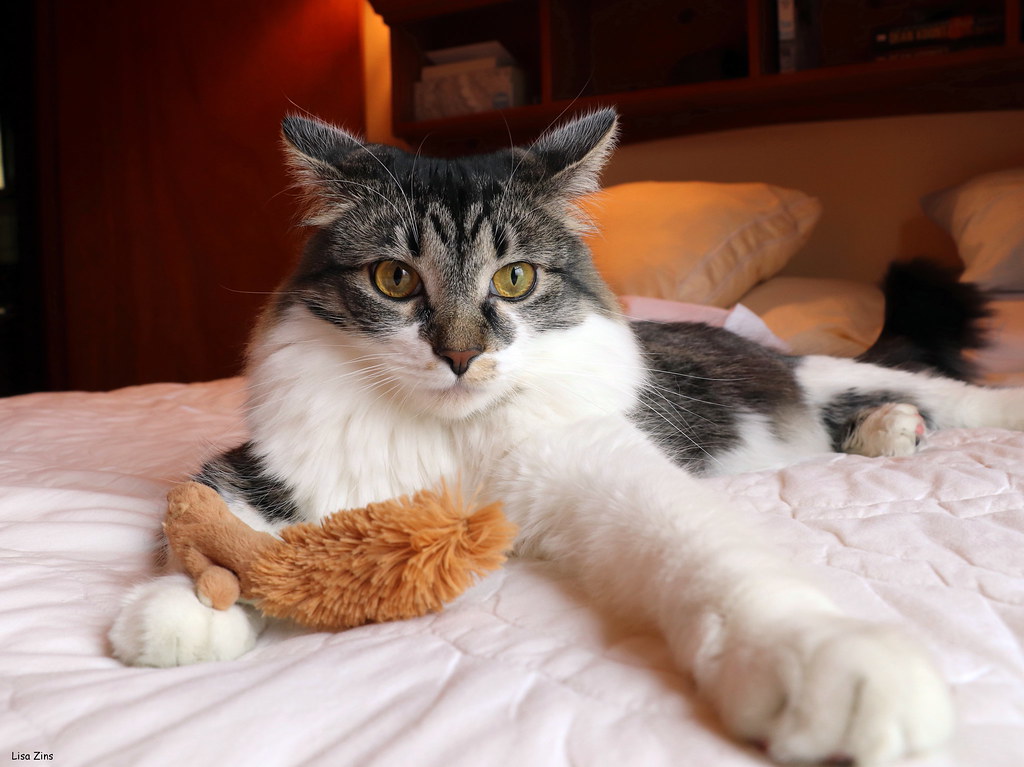
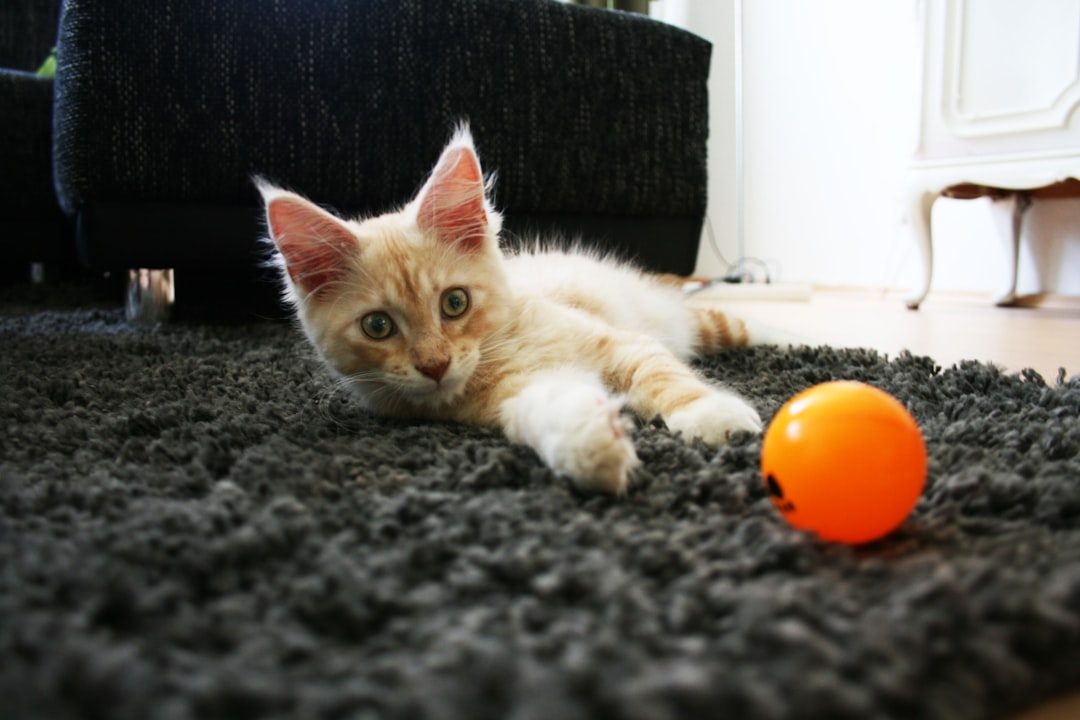
Sometimes your cat wants to be the sole hunter without any human interference. Some love to chase, making wand toys, laser pointers, or rolling balls a great match. Others enjoy solitary play, batting around toy mice or puzzle feeders on their own. These independent play sessions are just as important as interactive time.
Different types of play behavior include attack and defense, the “side-step,” chasing, pouncing, rearing up, boxing, and hunting behaviors such as staring and stalking. Toys that roll, move and get stuck in corners encourage and challenge your kitten to experience and learn new things.
Small toys that your cat can bat around, carry in their mouth, and toss in the air allow them to practice the full range of hunting behaviors independently.
Timed Play Sessions That Match Natural Activity Peaks
Cats aren’t randomly active throughout the day – they follow natural rhythms that smart owners can tap into. Schedule two 5-10 minute sessions daily, ideally before meals when hunting motivation peaks naturally. This timing takes advantage of your cat’s biological programming.
Short, frequent sessions – about 5 to 15 minutes twice a day – work best. This keeps your feline friend stimulated without overwhelming them. Quality matters more than quantity when it comes to playtime.
Understanding your individual cat’s energy patterns helps you maximize engagement. Consider your cat’s daily rhythm too. Morning athletes might need different support than evening prowlers. The key is observing when your cat naturally wants to engage, then ensuring nothing physical or emotional blocks that instinct.
Static Plush Toys That Never Move
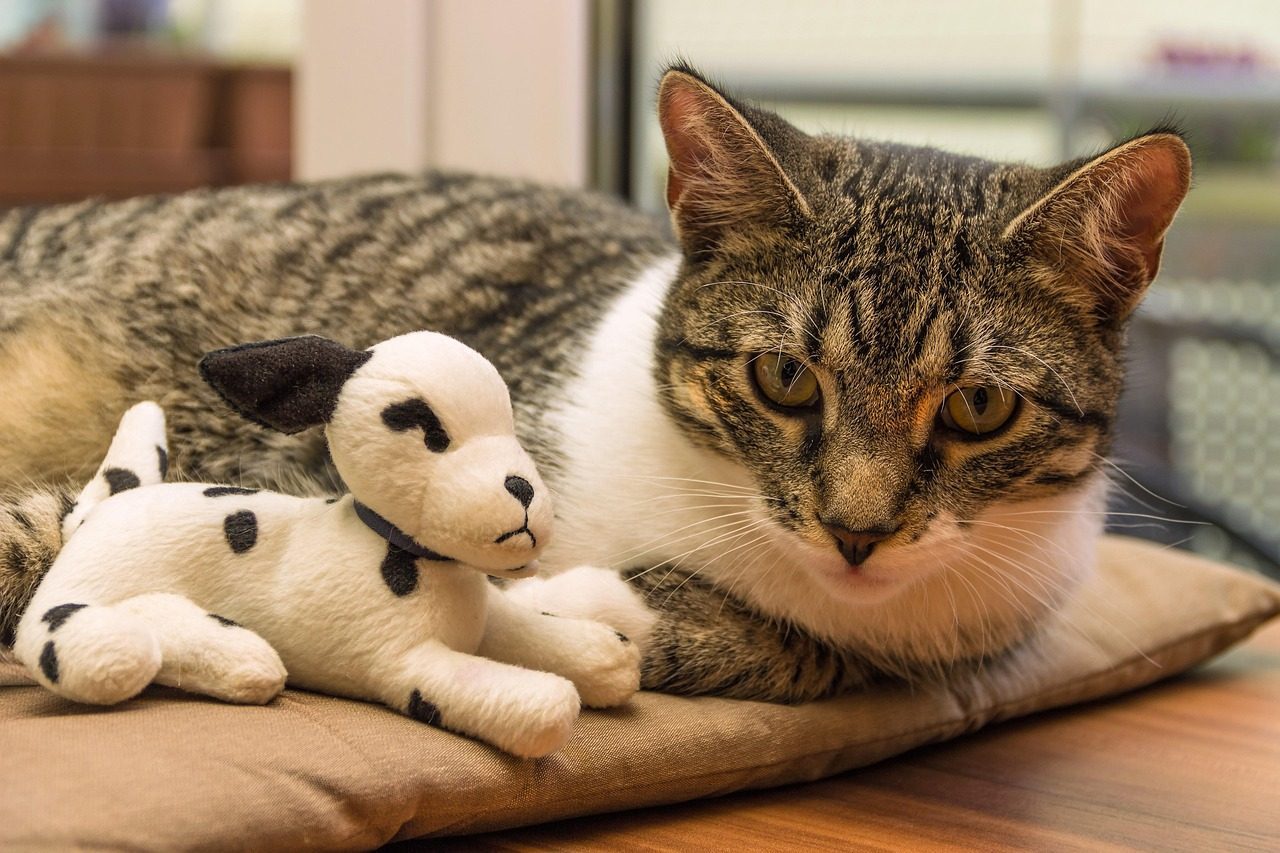
Here’s where we shift to what cats typically ignore. You might already have a lot of cat toys around the house, but unless they’re moving, your cat might start to see them as “dead prey.” Static stuffed animals and plush toys that just sit there rarely capture sustained interest.
Without movement or interactivity, these toys fail to trigger the hunting response that drives most feline play behavior. Your cat’s brain is wired to respond to prey-like movement, not stationary objects.
Overly Complex Electronic Toys with Too Many Features
While some electronic toys work wonderfully, overly complicated gadgets often frustrate rather than engage cats. Cats love this toy, but owners get annoyed faster than the cat can pounce. First, the toy doesn’t work on the carpet. Second, the mouse is smaller than the images portray, so it quickly gets stuck under couches, refrigerators, and ovens.
Owners don’t like how often they have to intervene to clean fur out of the wheels or retrieve the toy from the great unknown. Other owners say the toy isn’t worth the price because you must constantly replace the battery. If the toy requires more maintenance than play, cats lose interest quickly.
Laser Pointers Without Physical Satisfaction
This might surprise you, but many experts have concerns about laser toys for cats. The problem isn’t the chase – it’s the lack of a satisfying conclusion. Cats need to actually catch something to complete their hunting sequence and feel fulfilled.
The endless pursuit without capture can actually increase frustration and anxiety rather than providing the satisfying release that proper play should offer. Your cat’s brain expects the hunt to end with a successful catch.
Toys with Small Detachable Parts or Dangerous Materials
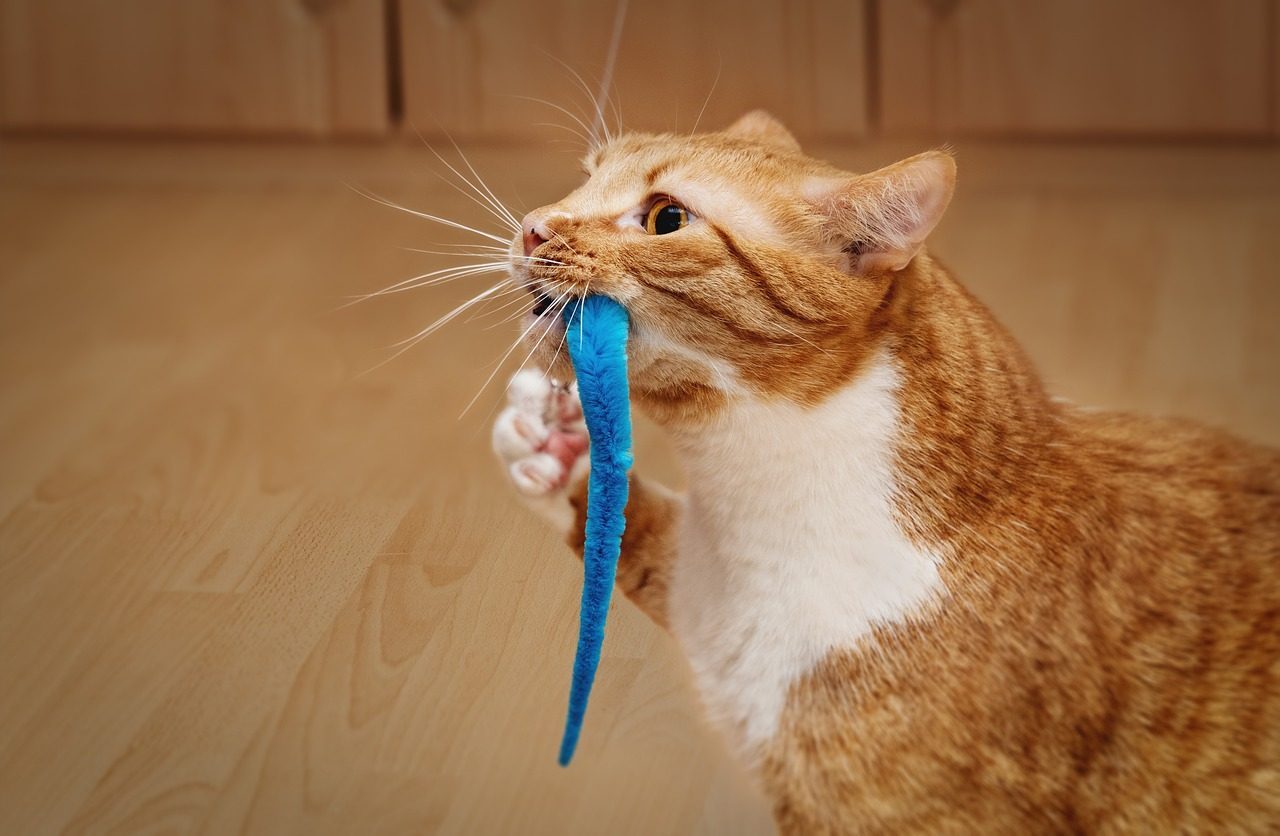
Safety concerns aside, cats often ignore toys with small parts that break off easily. Strings, yarn, ribbon: Can cause fatal gastrointestinal obstructions. Small parts: Detachments can be choking hazards – discard damaged toys immediately. Cats seem to instinctively avoid toys that don’t feel substantial or safe.
You might have wound up at our site today because you Googled, “Are pipe cleaners safe for cats?” and you may have figured out by now that they sadly are not. Pipe cleaners may seem like the ideal toy component as they’re colorful, eye-catching, and bendable, but these should be avoided at all costs. Pipe cleaners are made of wire, so their ends are very sharp, which can cause perforations in your cat’s gastrointestinal tract and lacerations in their mouths.
Catnip Toys for Cats Who Don’t Respond to Catnip
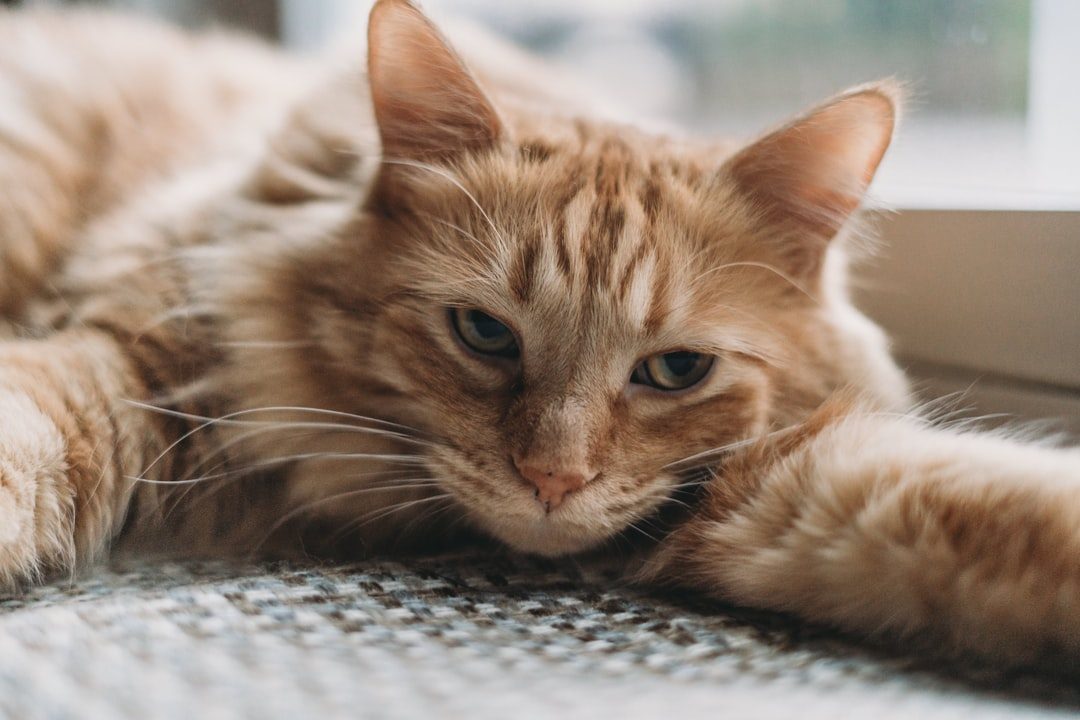
Not all cats are affected by catnip – approximately 25-30% show no response whatsoever. Catnip Sensitivity: If your cat is indifferent to catnip, avoid toys like the Kong Naturals Incline Scratcher. Cats indifferent to catnip may ignore it. For these cats, catnip-infused toys are completely meaningless.
The catnip response is genetic, and cats who don’t possess the right genes will never show interest in these toys no matter how high-quality the catnip is. It’s not a deficiency – just a different genetic makeup.
Toys That Don’t Match Your Cat’s Physical Abilities
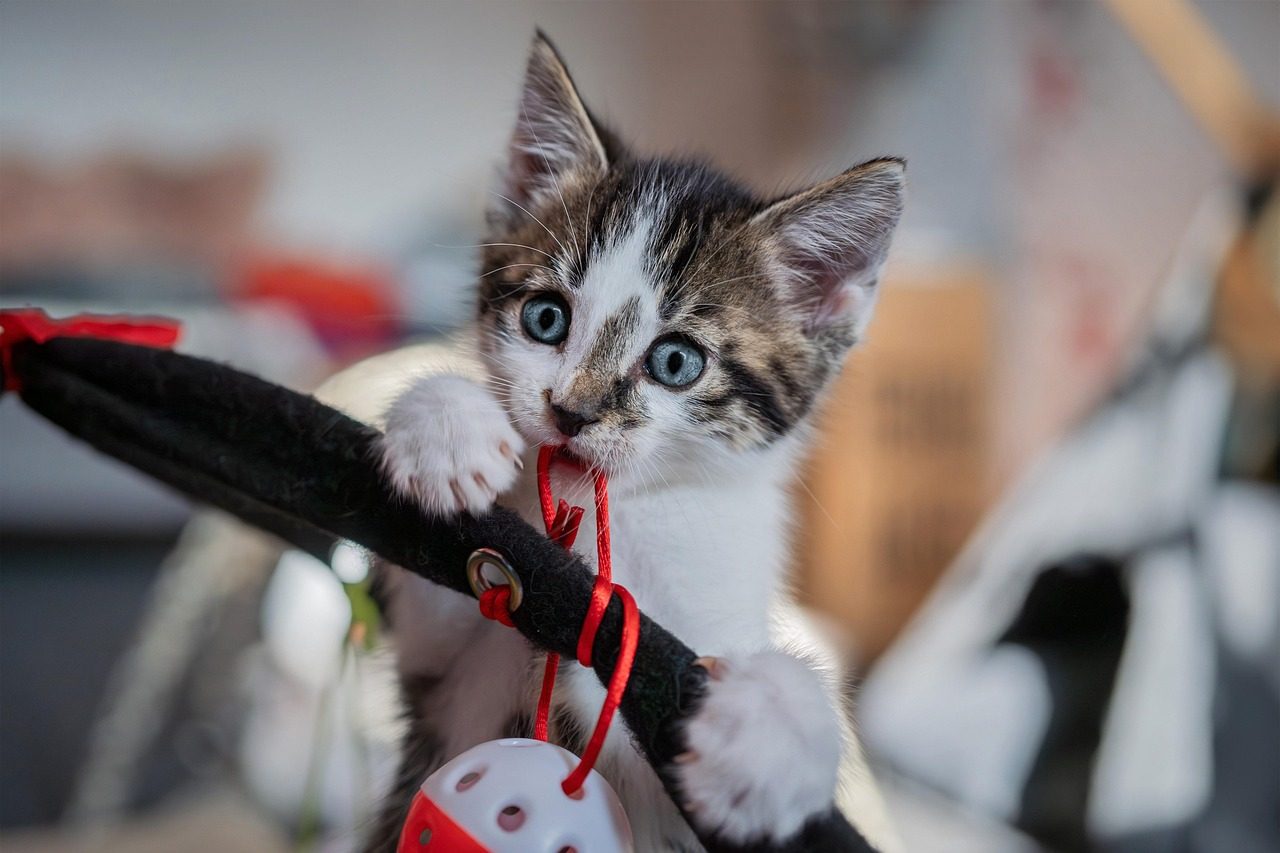
Age and physical condition play huge roles in toy preferences. Fluffy’s age, physical ability, and temperament also play a role. Kittens tend to have high energy and benefit from a variety of toy types, while senior cats may prefer slower-paced games or soft, easily manipulated toys.
Cats with disabilities or mobility limitations may enjoy toys they can interact with from a resting position, such as treat balls or toys that crinkle when touched. Mismatched toys create frustration rather than fun.
Constantly Available Toys That Never Change
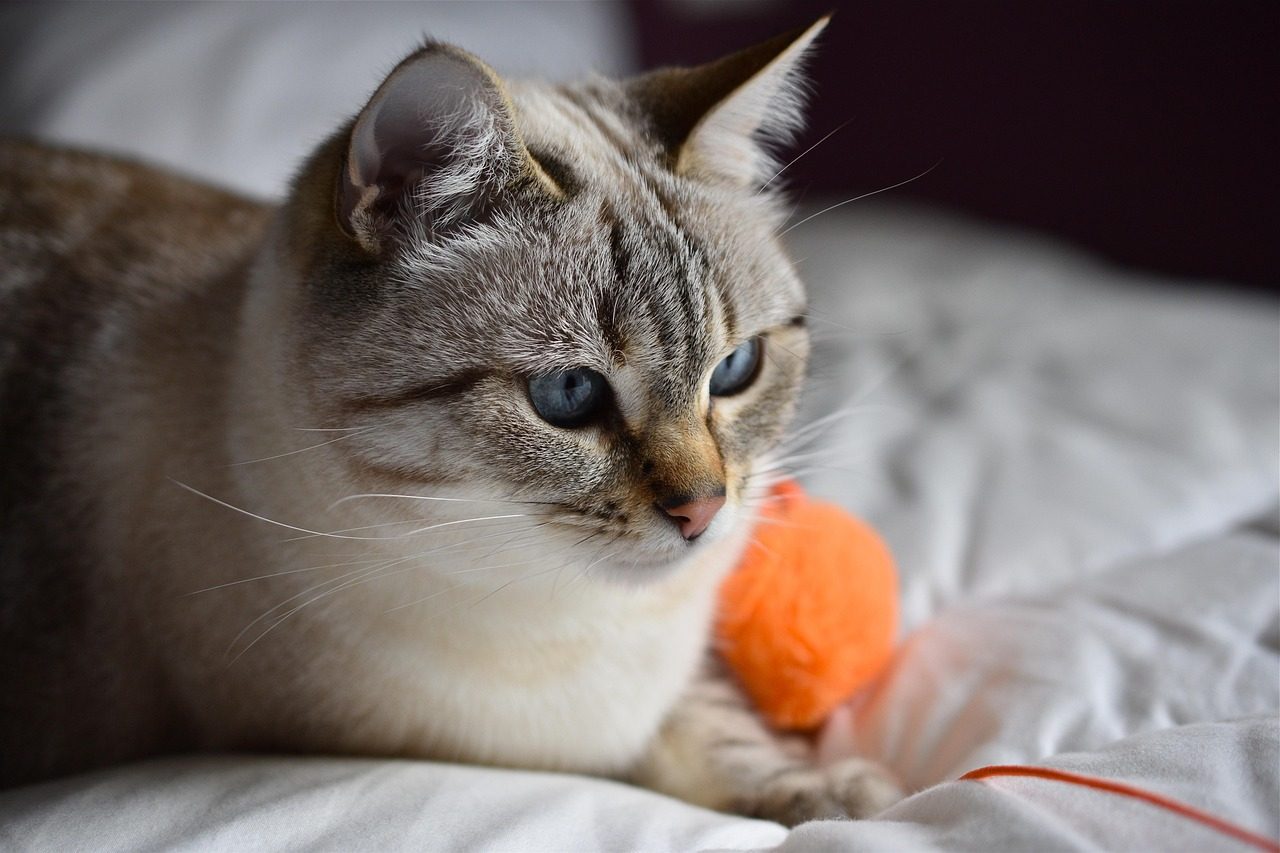
Novelty is crucial for maintaining interest. Rotate 2-3 toys regularly to maintain novelty, cats lose interest in constantly available toys within days. Rotating toys every few days keeps playtime exciting and helps maintain your cat’s interest. The same toy left out permanently becomes invisible furniture.
Rotate the toys. Only give your kitty access to a handful of toys and rotate them out weekly. This will keep them interested in the toys you have and prevent boredom. Even a favorite toy benefits from occasional absence.
Battery-Operated Toys That Break Easily
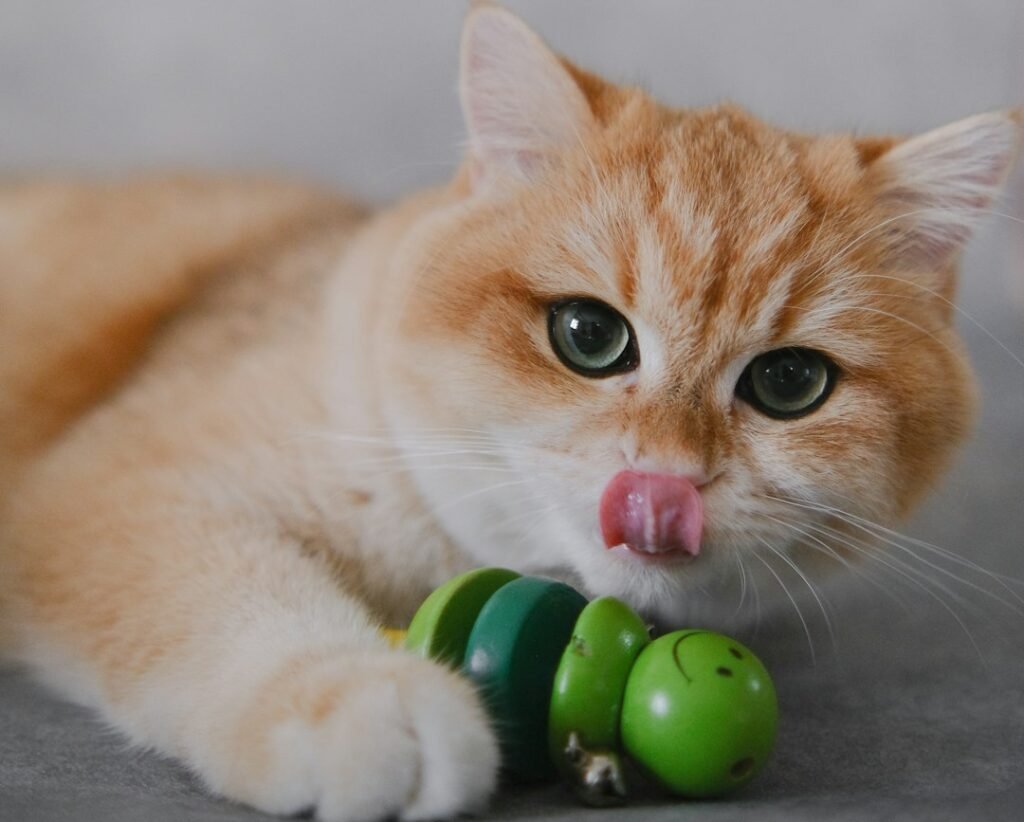
Fragile electronic toys that break after minimal use frustrate both cats and owners. Mostly, it’s a safe toy for the cat, except the pesky tail likes to break. Some cats lose interest when this happens, and some cats were reported to have eaten the tail. Cats seem to sense when toys aren’t built to withstand their play style.
Even the safest toys can break down with the right amount of play-filled pressure, so owners should inspect toys regularly for signs of extreme wear and tear. Durability matters for both safety and sustained interest.
Understanding your cat’s play preferences isn’t just about buying the right toys – it’s about recognizing the wild hunter that still lives within your domesticated companion. By observing what kind of play your cat enjoys most, you can create more enriching routines that fit their personality. Every cat has their preferences. The toys your cat ignores aren’t necessarily bad products; they simply don’t match what your particular cat finds engaging or satisfying.
What surprises you most about your cat’s play preferences? Share your observations in the comments below.