You walk through the front door after a long day, and your cat barely looks up from the couch. Immediately, you think – typical. Independent. Indifferent. That’s the reputation cats carry, right? Except here’s the thing: that reputation is almost entirely wrong.
Cats are deeply emotional animals. They form real bonds, feel genuine attachment, and yes, they absolutely notice when you leave. The tricky part is that their way of saying “I missed you” looks nothing like a dog’s tail-wagging celebration. It’s quieter, stranger, and honestly more fascinating. Some signs are sweet. Some are a little startling. A few might even surprise you.
Let’s dive in.
The Science Proving Cats Actually Bond With You
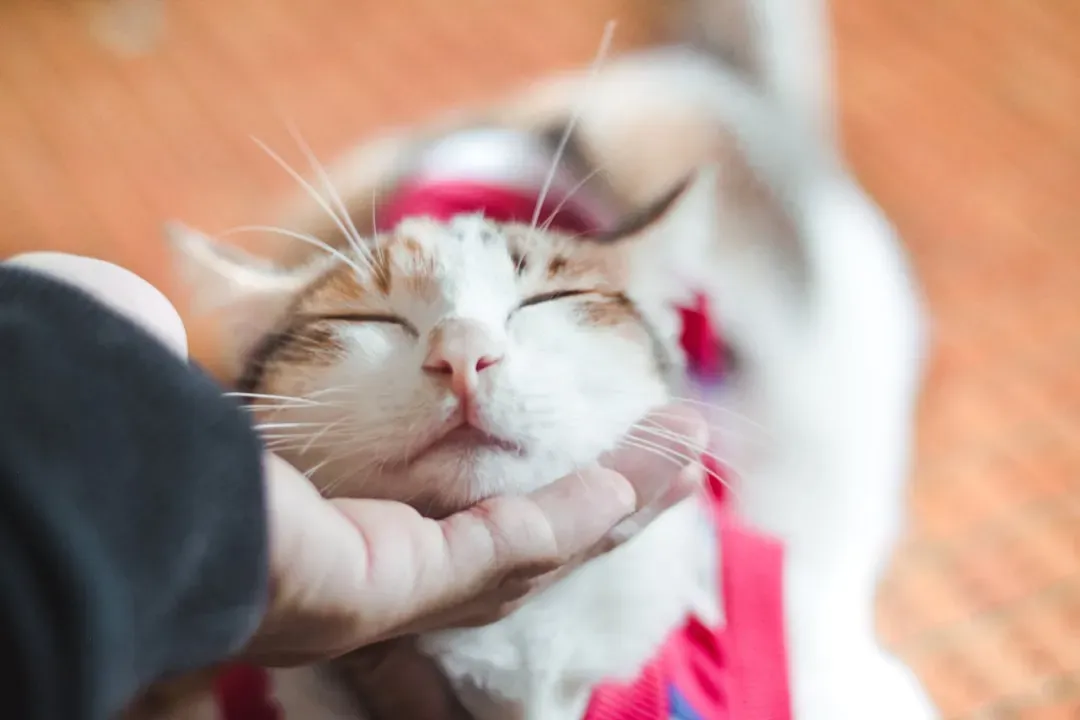
Before you can appreciate how your cat shows it misses you, you need to understand just how strongly cats can bond with their humans in the first place. In 2019, researchers at Oregon State University conducted a study on attachment bonds between cats and humans, observing behaviors displayed by cats placed in a new room with their owner, then left alone before the owner re-entered. The results were striking.
Cats with a secure attachment style displayed a good balance of seeking attention and exploring the room on the caregiver’s return, with their stress levels decreasing – and nearly two thirds of the cats studied displayed this style. Here’s the really fascinating part: studies on the attachment styles of human children found that roughly two thirds displayed secure attachment while about a third displayed insecure attachment – and for dogs, a little over half displayed a secure attachment style, meaning cats actually surpass dogs by around six percent in terms of secure attachment.
So the next time someone tells you cats “don’t care,” you can politely tell them the data disagrees.
They Greet You With a Full Vocal Performance
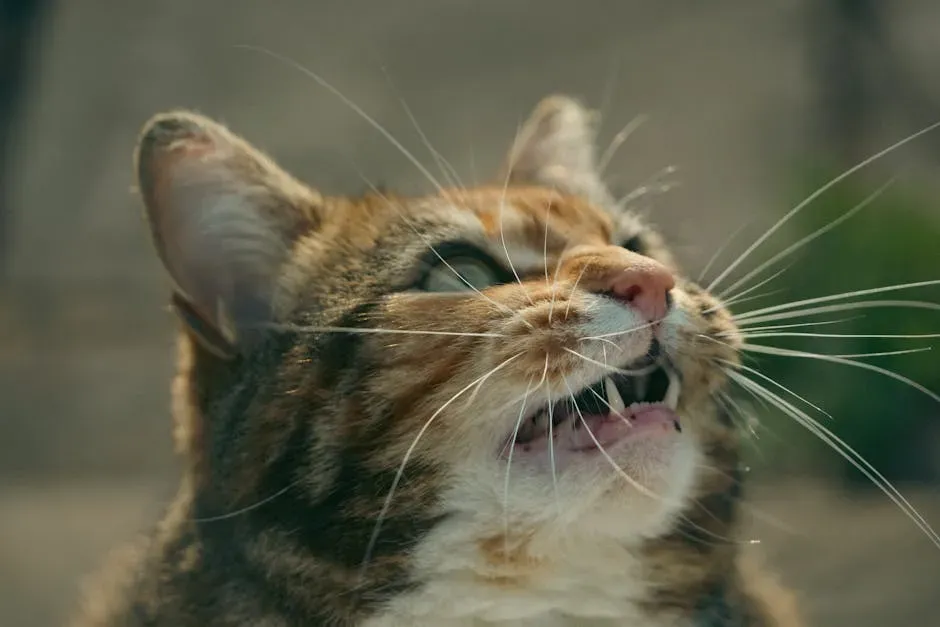
You probably already know the meow your cat saves specifically for you. There’s something distinctly different about it – a pitch, a rhythm, almost like a little monologue you’re not fully fluent in. That’s completely intentional. When you get home, your cat might meow, chirp, and trill, and since cats primarily use verbal communication toward people rather than other cats (as it’s a learned behavior), they’re essentially trying to get your attention and let you know they’re happy to see you.
Your cat may make more sounds, like meowing and trilling, to communicate with you and get your attention when they’ve been missing you. Think of it like someone who’s been waiting all day to tell you about their day. The words might not translate directly, but the enthusiasm absolutely does. The longer you’ve been gone, the more animated that performance tends to get.
They Follow You Everywhere the Moment You Return
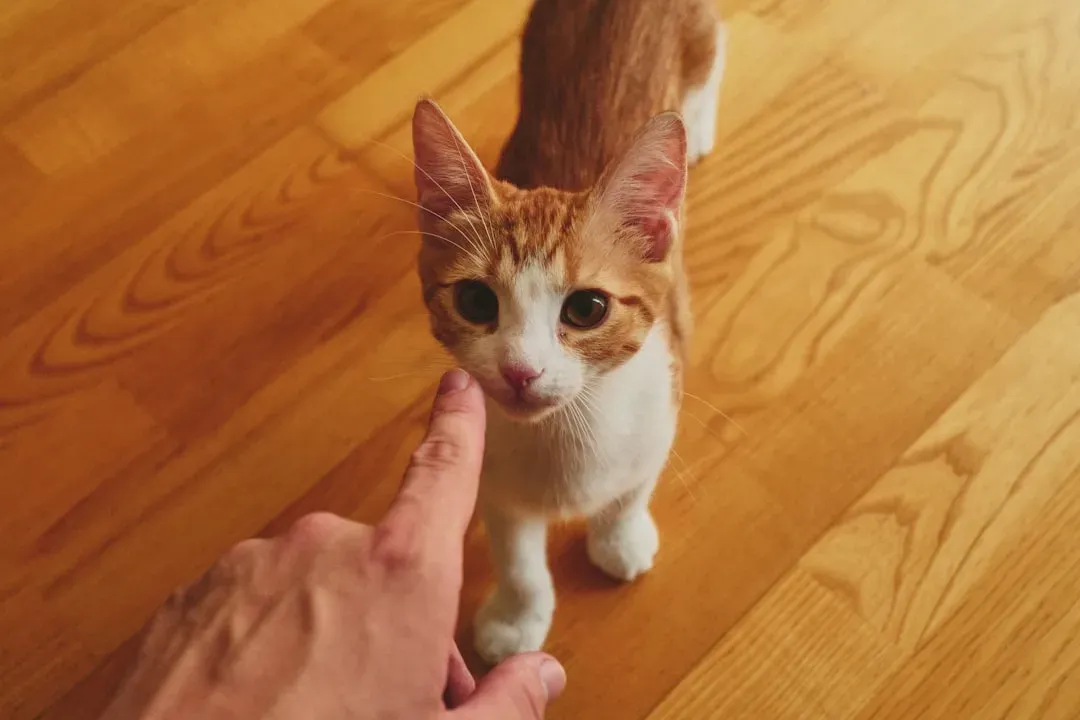
One minute you’re dropping your bag at the door, and the next you’ve got a small furry shadow grafted to your heels. You go to the kitchen – there they are. You head to the bathroom – somehow, they’ve beaten you there. This “shadowing” behavior is one of the most recognizable and endearing signs that your absence was felt.
If your cat is stuck to your side when you return, rubbing up against your legs or meowing, this is their way of seeking your attention, and your cat might well follow you around the house asking for your time and lots of fuss. If they follow you to the door when you pick up your keys and give you that look, weaving in and out of your legs in the hallway while rubbing against you and purring, all of these signs let you know that they care and enjoy your company. It’s basically their version of saying, “Don’t you dare disappear again.”
They Curl Up in Your Spot or Sleep on Your Things
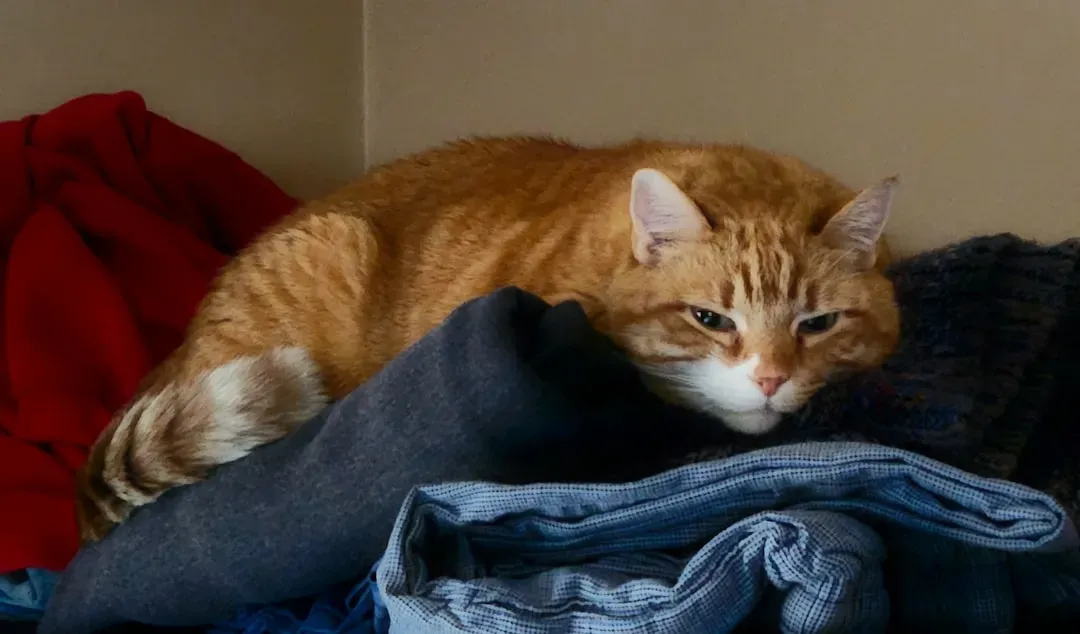
Here’s one that might catch you off guard the first time it happens. You come home and find your cat sprawled across your side of the bed, your favorite sweatshirt, or your pillow. It might look like a simple territorial move. It’s actually something much more touching than that.
If your cat is sleeping in your spot, it can be a sign that they missed you and wished you were there – and even if your cat decides to sleep close to you but just out of reach, they are still showing their love and trust. Your scent is essentially a comfort object for them while you’re gone. Leaving out something that smells like you, such as an unwashed shirt or a pillowcase, can be incredibly comforting for a cat when you’re gone – which makes total sense once you understand why they seek out those items in the first place. They’re basically hugging a memory of you.
They Purr More Intensely or Bring You Unexpected Gifts
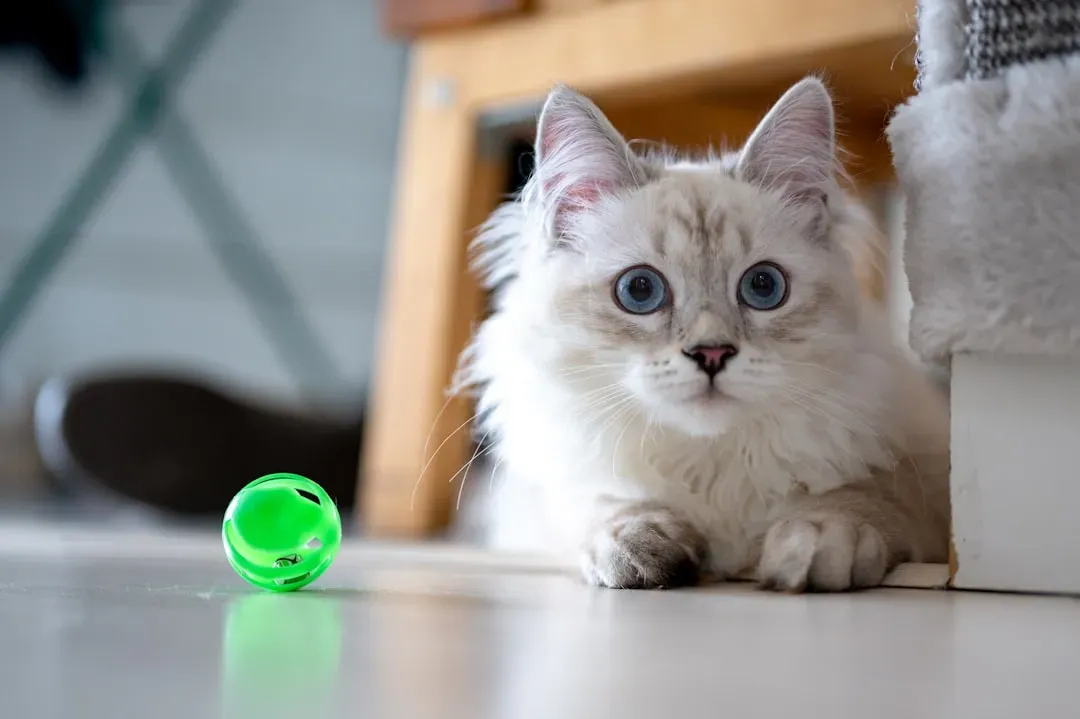
You settle onto the sofa after coming home, and your cat climbs onto your lap, purring loudly enough to rattle the furniture. Or maybe they drop something at your feet – a toy mouse, a crinkled piece of paper, or (if they go outside) something significantly less pleasant. Both of these gestures deserve more credit than they usually get.
Purring is one of the most obvious ways a cat can show they’re happy, so if your cat has missed you, they may purr more than normal when you return – though purring can also be a sign your cat is trying to comfort themselves, so it’s worth paying attention to the context. Your cat may show signs that they missed you with extra affection, vocalizations, and gifts. Honestly, when a cat drags a toy across the house and presents it to you, that’s not random. That’s a welcome-home gesture in the most feline language possible.
They Experience Bursts of Wild, Zoomie Energy
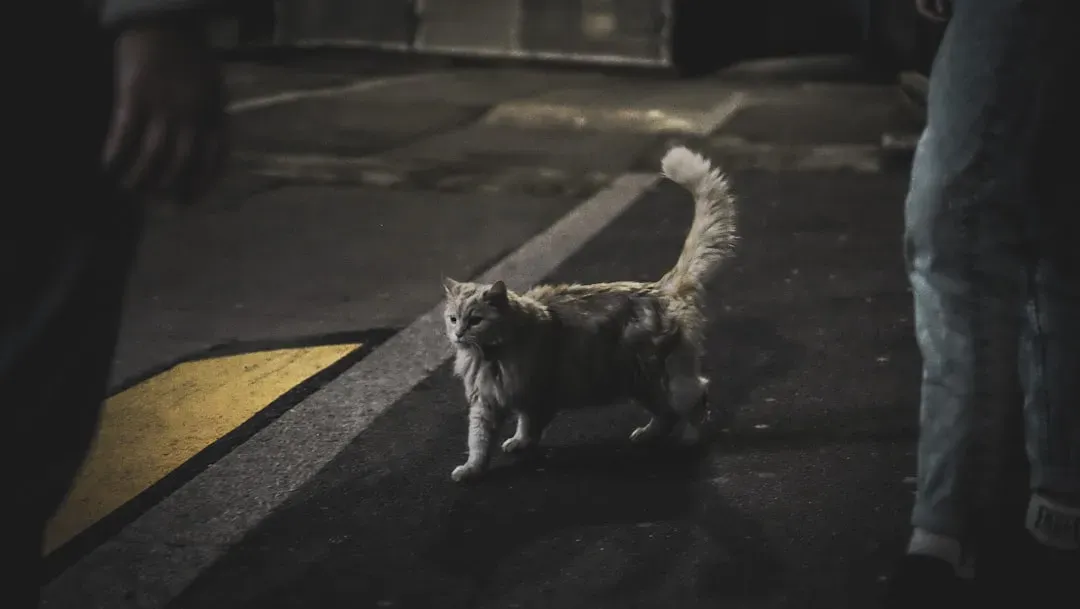
Sometimes the reunion isn’t quiet and tender. Sometimes your cat launches themselves off the back of the couch, sprints through two rooms like they’re being chased by something invisible, and lands in a skidding, wide-eyed heap at your feet. This is not madness. This is a love language.
If your cat is particularly playful, you may find they get the zoomies as soon as you get home, as these bursts of intense energy usually last around 30 minutes and indicate that your cat has plenty of excess energy to burn off, perhaps because they’ve been napping while waiting for you. Your cat has most probably associated your presence with amusement and engagement, and therefore might display heightened playfulness and energy upon your return – and this is a sure sign that you were missed. Think of it like a kid who’s been sitting still in class all day and suddenly gets to run loose on the playground. Pure, barely-contained excitement, finally let free.
They Over-Groom Themselves or Groom You
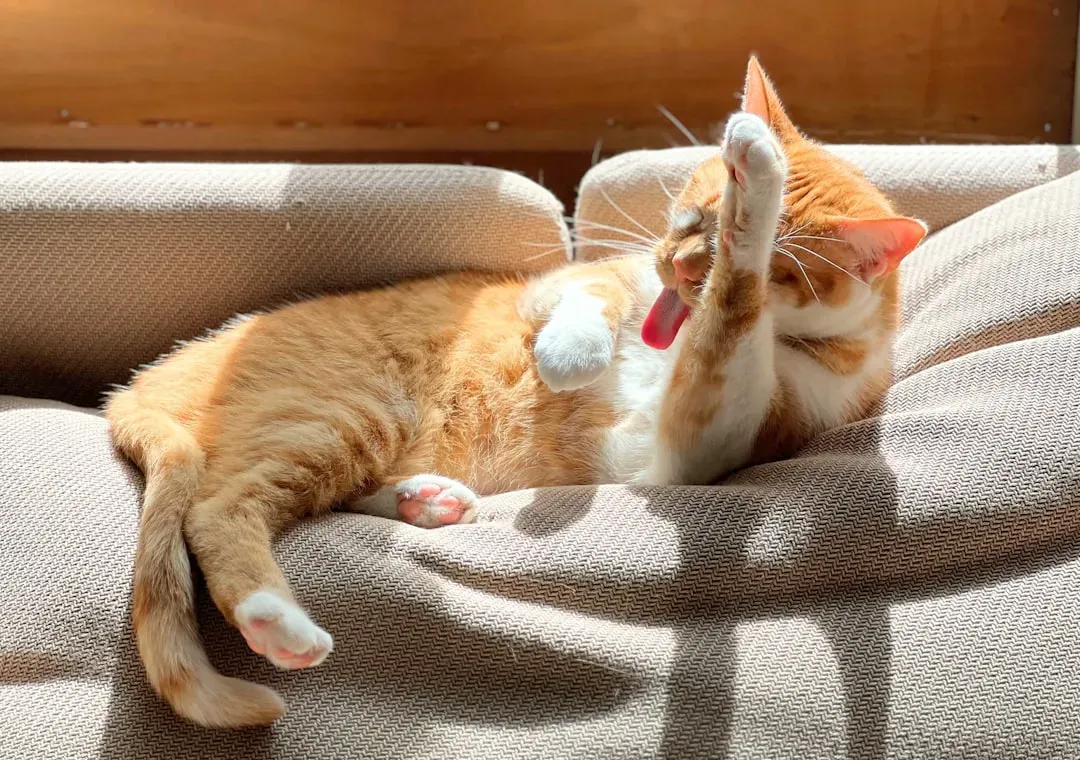
This one is a two-sided coin, and it’s important to know which side you’re looking at. On one hand, a cat licking your hand or nuzzling your hair when you return is an incredibly intimate form of affection – the kind they’d normally reserve for other cats they trust deeply. On the other hand, a cat who has been over-grooming themselves while you were away is telling a different, more anxious story.
Cats groom themselves to maintain cleanliness but may over-groom in times of stress, such as when they miss their owners – and while cats also groom one another as a sign of affection, extending this behavior to their owner after you return home is a kind gesture from a cat that is grateful you’re back. Over-grooming can result in hair loss, skin redness, and damage, and it can be a sign of separation anxiety, serving as a form of stress relief for the cat. So if you notice thin patches of fur or irritated skin, don’t brush it off. That’s your cat literally wearing its loneliness on its body.
They Act Out With Destructive or Unusual Behavior
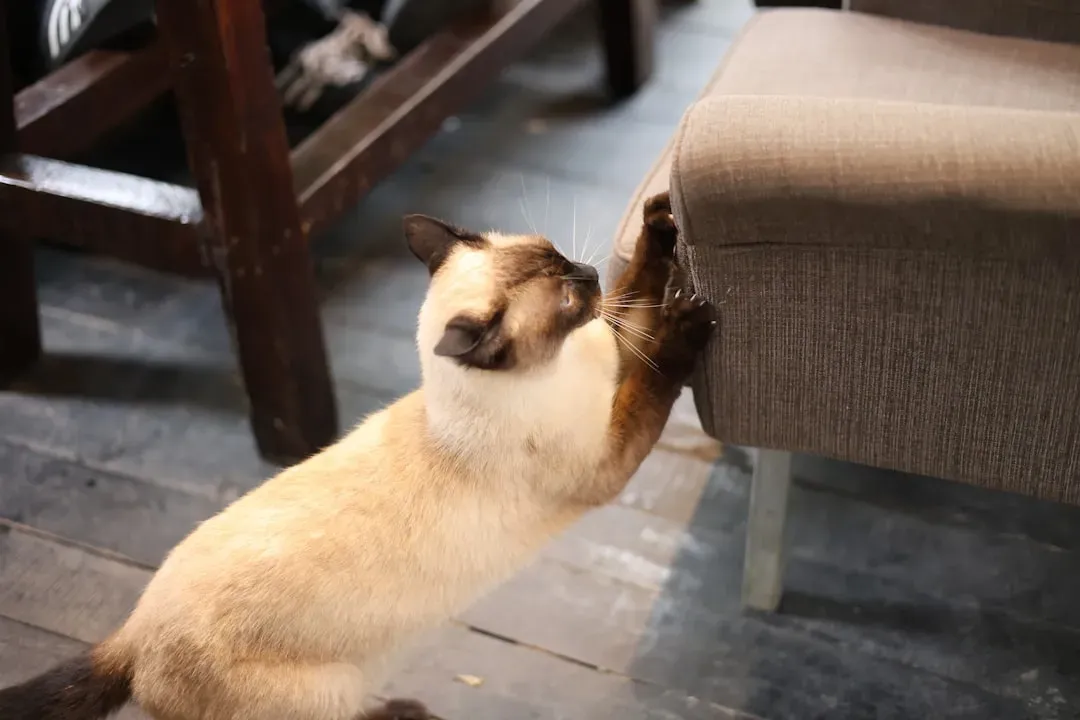
Let’s be real – this is the sign that confuses most cat owners the most. You come home to a knocked-over plant, shredded curtains, or something chewed that absolutely should not have been chewed, and your first instinct is frustration. Fair enough. But before you react, consider what your cat might actually be trying to communicate.
By nature, cats are clever, inquisitive, and athletic creatures that need a lot of mental and physical stimulation – and if your cat is bored or stressed out while you are gone, they may develop destructive behaviors such as clawing at the furniture or getting into things, which can be a cry for attention indicating that your cat missed you. A 2020 study published in the research journal PLOS One found that more than one in ten cats exhibit behavioral issues when separated from their humans. That’s not a small number. The cats observed appeared more likely to experience separation anxiety if they were living in households without female humans, and were also more likely to exhibit destructive behavior if they were the only pet in the household or in a home without pet toys readily available. If this sounds familiar, it might be time to rethink your setup before you leave the house.
Conclusion: Your Cat Has Been Talking. It’s Time to Listen.
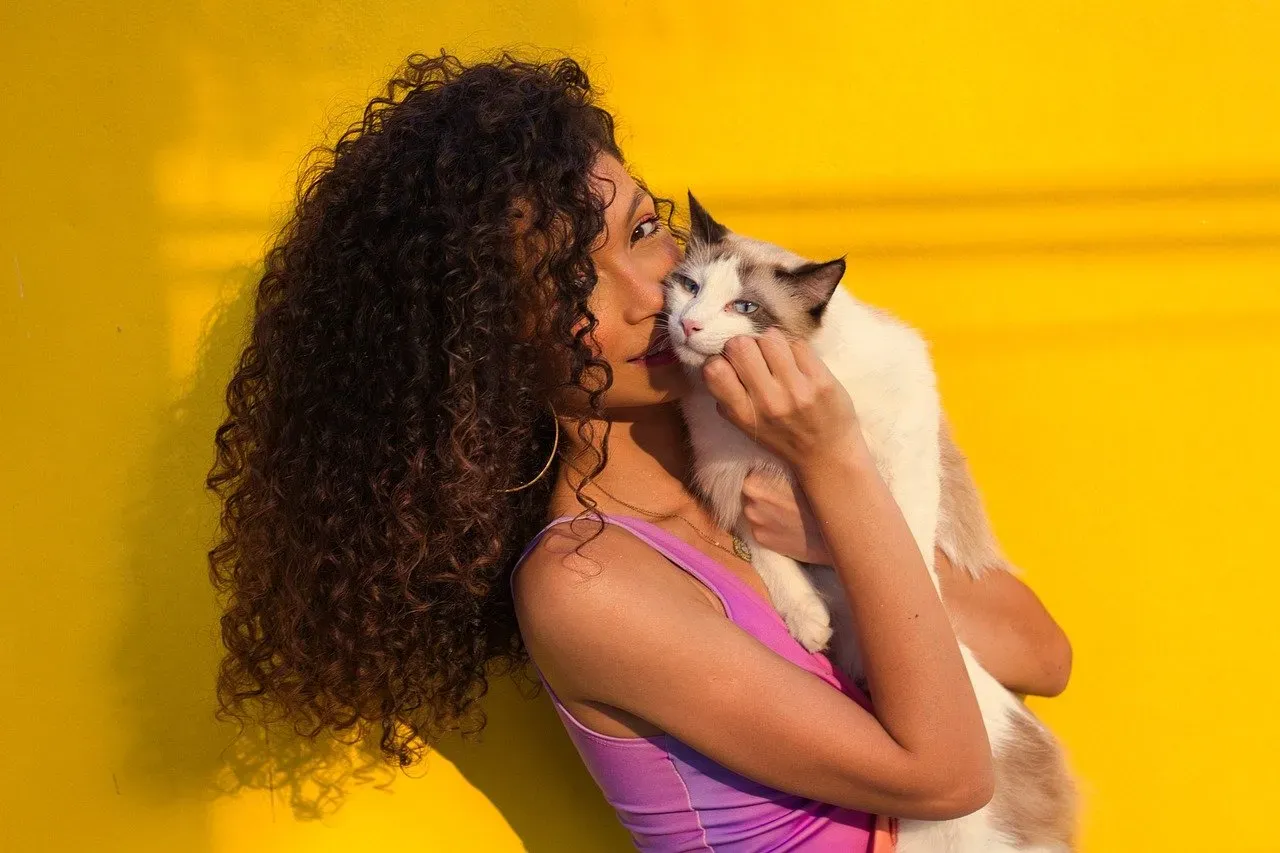
Cats have always had a PR problem. The world decided they were cold, self-sufficient, and emotionally unreachable, and somehow that myth stuck around for decades. The science, the behavior research, and honestly every cat owner who’s paid close attention all point to the same truth: cats feel things deeply, they miss you genuinely, and they’ve been trying to tell you in the only language they have.
Cats are far from the aloof and solitary beings they’re often made out to be – in reality, they can form deep emotional bonds and meaningful connections with their human companions. Given what researchers have discovered about cats’ attachment styles and their similarity to those of dogs and humans, it’s hard to imagine that they don’t miss us when we’re not around – and while the survival instinct certainly plays a part, the desire for companionship, warmth, and affection is just as important a factor.
The zoomies, the shadowing, the suspicious spot on your pillow – none of it is random. It’s all a message. The only question is: how well are you listening to your cat? Share your own experience in the comments below – we’d love to hear how your cat secretly (or not so secretly) shows they’ve missed you.