The lion has long been crowned as the king of the jungle, a majestic symbol of power and dominance across the African savanna. Yet beneath this royal reputation lies a surprising truth that even wildlife enthusiasts might find shocking. Despite their fearsome roar and impressive hunting prowess, lions are far from invincible in the natural world.
What many people don’t realize is that lions face formidable challengers who can match, and sometimes exceed, their legendary strength. From the crushing force of massive herbivores to the surprising tenacity of smaller predators, the animal kingdom harbors creatures capable of turning the tables on these big cats. Let’s explore these remarkable contenders who dare to challenge the supposed king’s throne.
African Elephant: The Gentle Giant with Devastating Power
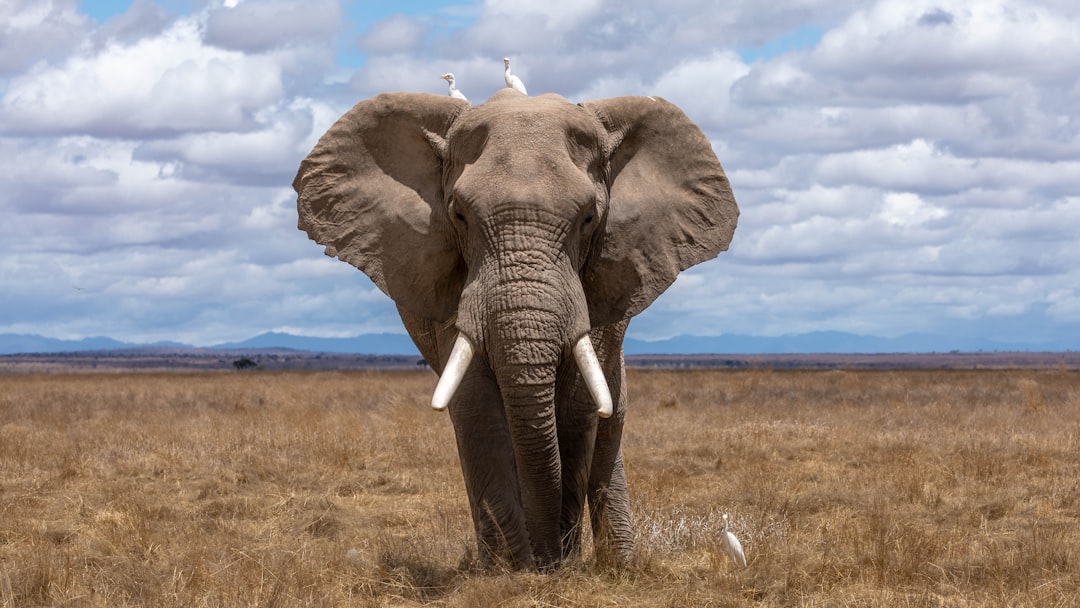
The African elephant can reach up to 13,000 pounds, giving it a significant weight advantage over a lion. The elephant is the largest land mammal, a characteristic that means a pride will need all lions on deck to have a chance at bringing one down with claws and teeth. When confronted by a charging elephant, even the most experienced lion knows to retreat.
Elephants are well equipped to cause deadly harm, with their sharp tusks, powerful trunks, and large feet capable of stomping and trampling. Lions are known to target elephant calves as prey, but this can be a very bad move, and they may end up with a maternally enraged elephant on their tail. A protective mother elephant becomes one of nature’s most dangerous forces, capable of crushing a lion with a single step or impaling it with her tusks.
The sheer size difference makes this matchup almost laughably one-sided. While lions typically hunt in coordinated groups, their teamwork means little against an animal that can simply trample them underfoot.
Hippopotamus: Africa’s Most Dangerous Heavyweight
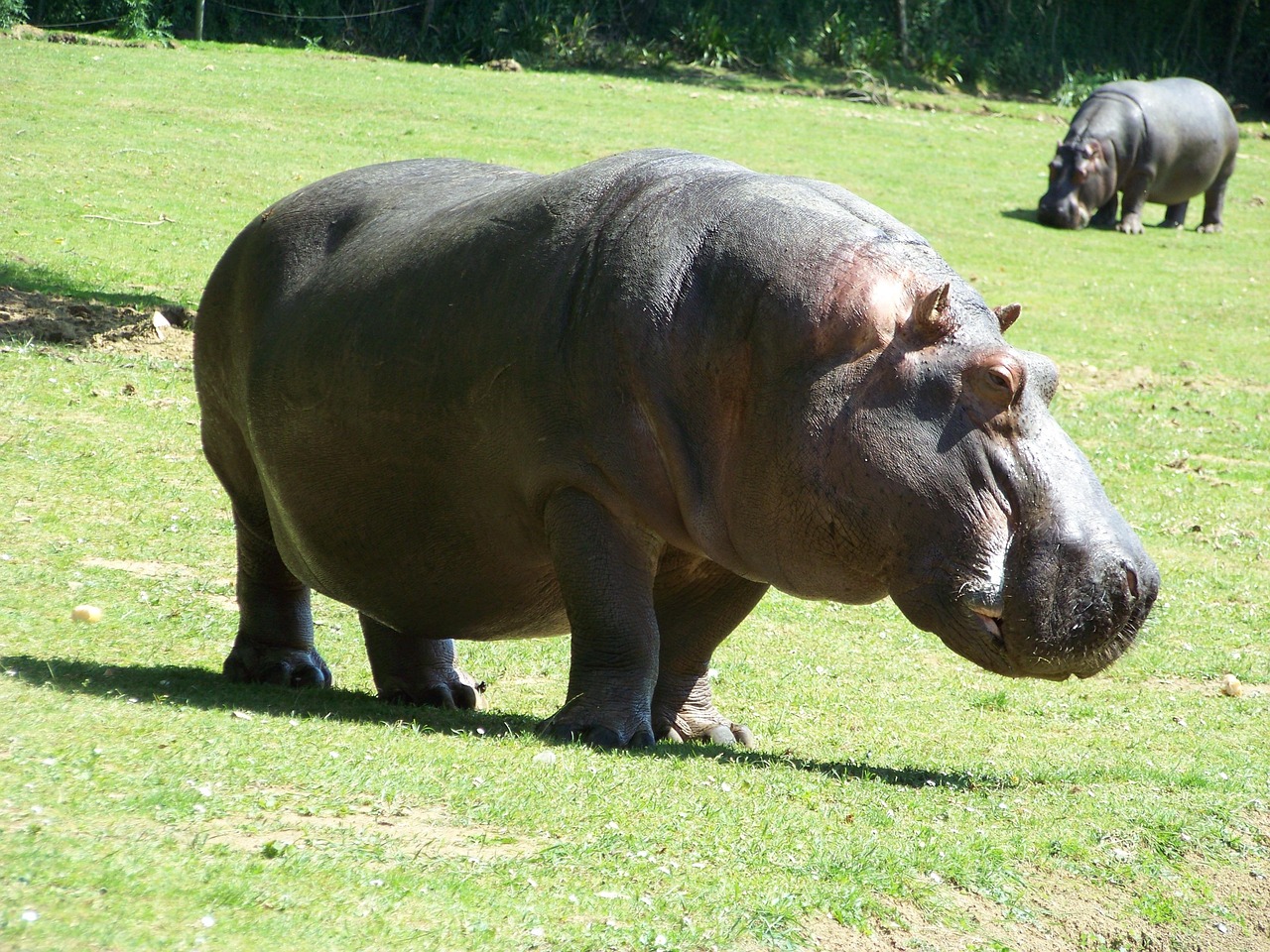
Despite the lion being named ‘king of the jungle’, hippos are in fact much more powerful and dangerous. Hippopotamus’ are the number one deadliest large land mammal, killing an estimated 500 people per year in Africa. These seemingly docile water-dwellers hide incredible aggression beneath their bulky exterior.
The 1,800-psi bite force of a hippo’s jaw – combined with its prominent teeth – can easily pulverize the body of a lion. One wrong move could mean defeat for the lion. A hippo’s bite force is capable of crushing a lion’s skull with ease. Additionally, their thick, virtually impenetrable skin acts as a formidable armor, rendering a lion’s claws and teeth ineffective.
Honestly, watching a hippo move might fool you into thinking it’s slow and harmless. However, these territorial beasts can run surprisingly fast on land and become absolutely ruthless when defending their domain. Lions may also become targets of an angry hippo if they venture into its watery territory.
Nile Crocodile: The Ancient Aquatic Assassin
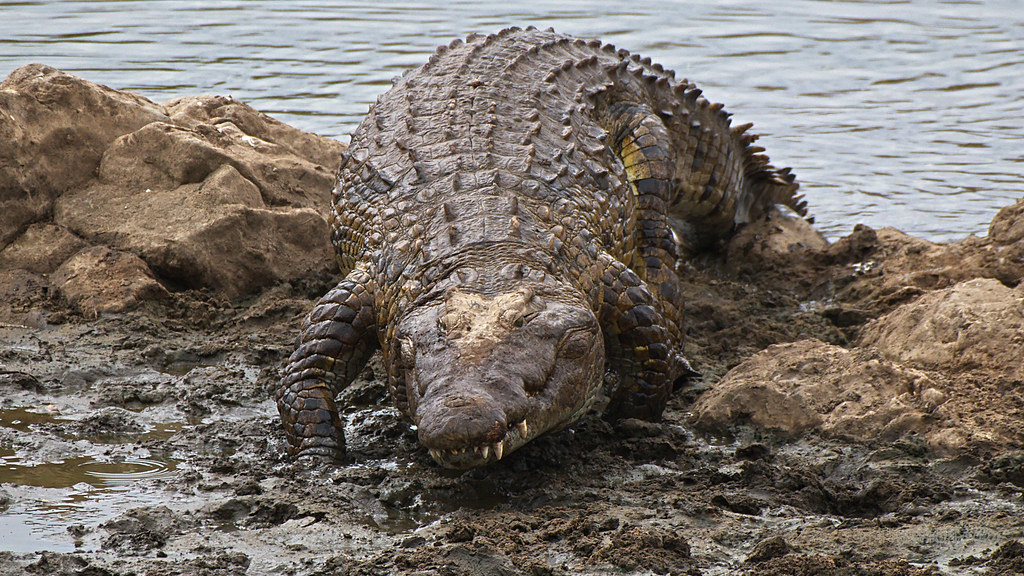
One of the largest reptiles on Earth, the Nile crocodile can reach nearly 20 feet long and weigh over 1,500 pounds. These dangerous predators are protected by incredibly thick skin and bony plates along their backs, and are armed with dozens of bone-crushing teeth. Masters of ambush, Nile crocodiles wait just below the water’s surface before lunging out and dragging their prey to a watery grave.
Crocodiles have an average bite force of 3,700 psi, a distinct step up from the estimated 1,000-psi bite force of a lion. This prehistoric predator has survived millions of years by perfecting the art of aquatic warfare. When a lion ventures too close to the water’s edge for a drink, it might find itself in the jaws of nature’s most patient killer.
The pride tactics of lions give them advantages in many situations, but a crocodile’s method of latching onto a target and drowning it can be a very effective way for this animal to kill a lion. The environment plays a crucial role here – in water, the crocodile reigns supreme.
Rhinoceros: Nature’s Living Tank
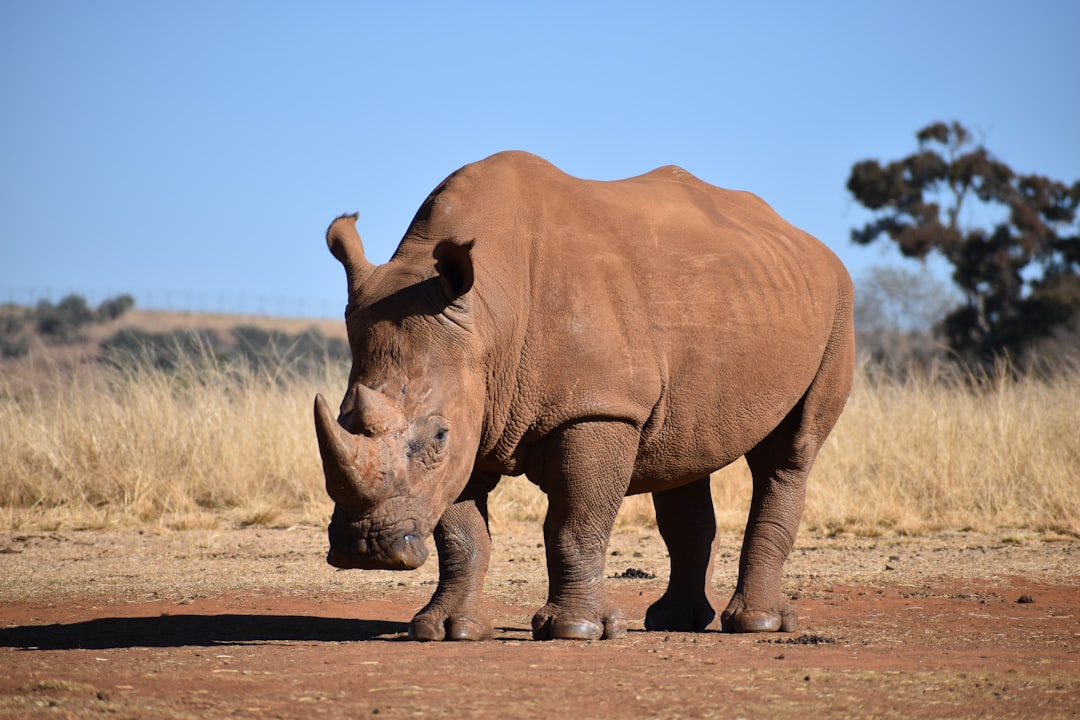
More often than not, the rhino will win. There have been cases of lions preying on rhinos, but that is with a coordinated attack by an entire pride. They are so strong that they can even throw a lion away with a single blow. They appear as a tank on the battlefield in front of the carnivores.
The rhinoceros possesses two formidable weapons that make it nearly untouchable. The rhino’s first line of defense is its thick armored skin. A rhino’s skin can have two layers of collagen and be up to 2 inches thick. Combined with their massive horn, rhinos can charge at incredible force and gore any predator foolish enough to challenge them.
Its most likely that the Rhino knocks the lion out with its large horns. Therefore, we can finally conclude that the Rhino will easily win the battle. Think of it this way – would you rather face an angry rhinoceros or an angry house cat? The size difference between a rhino and lion is nearly as dramatic.
Tiger: The Superior Big Cat
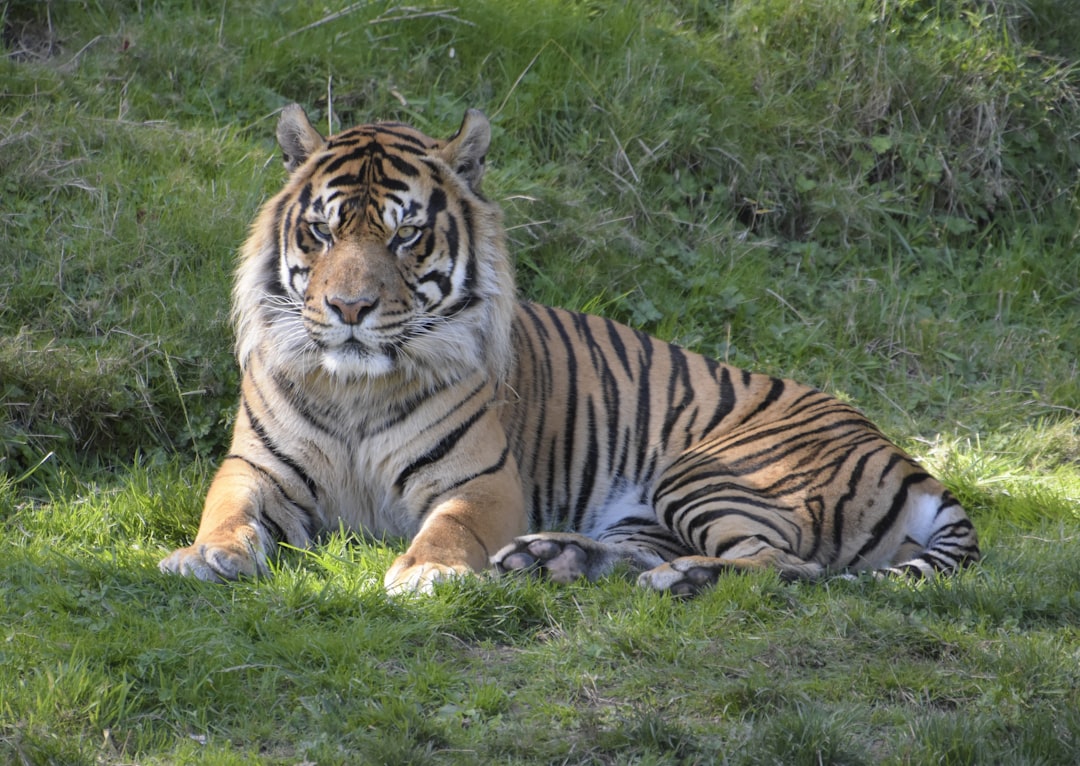
So, the short answer is that in battles between lions and tigers, tigers have generally held the upper hand and won fights. The battle didn’t last long, with a single swipe from the tiger severing the lion’s jugular. The tiger is a formidable feline relative of the lion and the largest of all the big cats in Asia. Some subspecies can grow up to 10 feet long and weigh as much as 660 pounds.
Tigers are generally larger and more muscular, giving them an edge in a one-on-one encounter. The average male tiger outweighs an adult male lion, and its solitary nature means it’s accustomed to taking down prey alone. While lions rely on teamwork, tigers have evolved to be self-sufficient killing machines.
Craig Saffoe, a biologist at the Smithsonian Zoo, also generally favored the tiger, telling LiveScience, “What I’ve seen from tigers, they seem to be more aggressive; they go for the throat, go for the kill.” Tigers fight with a calculated precision that makes them incredibly dangerous opponents even for their fellow big cats.
Cape Buffalo: The Unpredictable Bruiser
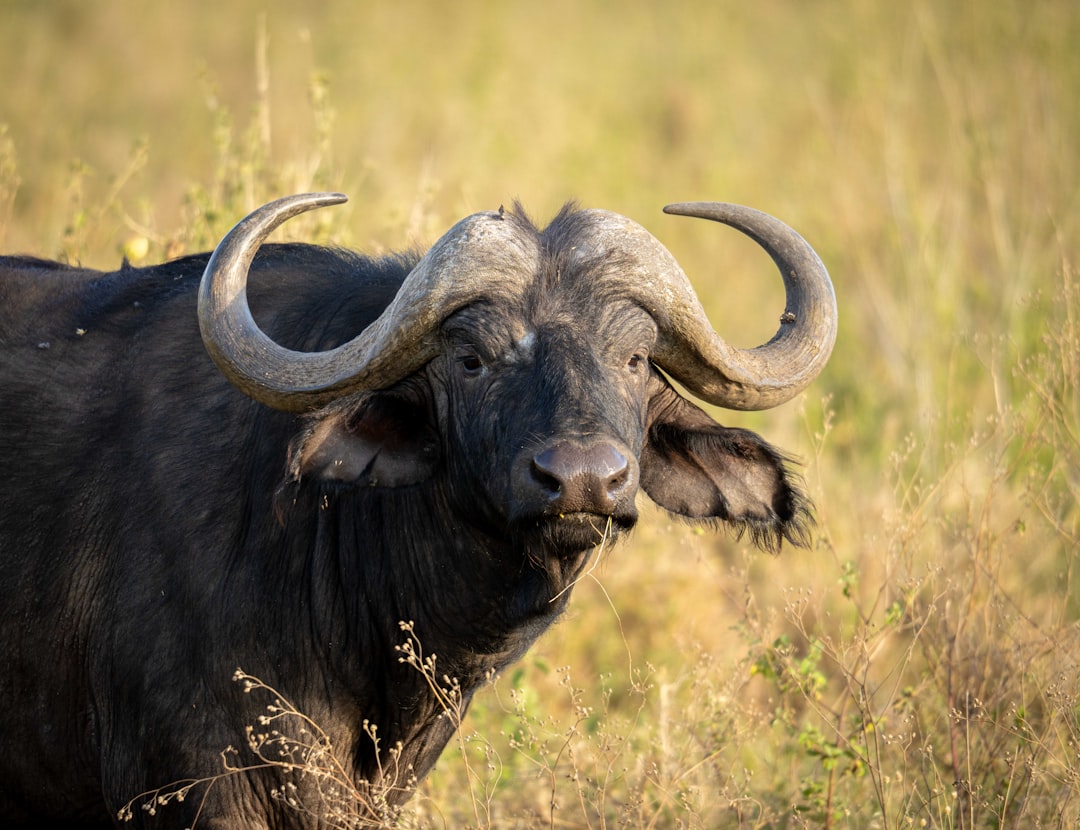
Cape buffalo are a very robust species of bovid, with a very stocky build and standing up to 5 foot 6 inches at the shoulder. As such they are a force to be reckoned with, even by an animal as powerful as a lion. These aren’t your typical farm animals – Cape buffalo are among Africa’s most dangerous creatures.
Lions take advantage of the large herds these animals travel in and strike from behind to avoid their brutally sharp horns. Lionesses will either take a buffalo by surprise or bring down the weakest and slowest when the herd flees, but those same herd tactics can be lethal to lions.
The buffalo’s strength is so great that the likelihood of winning one-on-one combat with an adult lion is 100% certain. The reason for this is because of the weight discrepancies in both animals. When a buffalo decides to stand its ground rather than flee, it can easily gore a lion with its massive curved horns or trample it underfoot.
Giraffe: The High-Kicking Giant
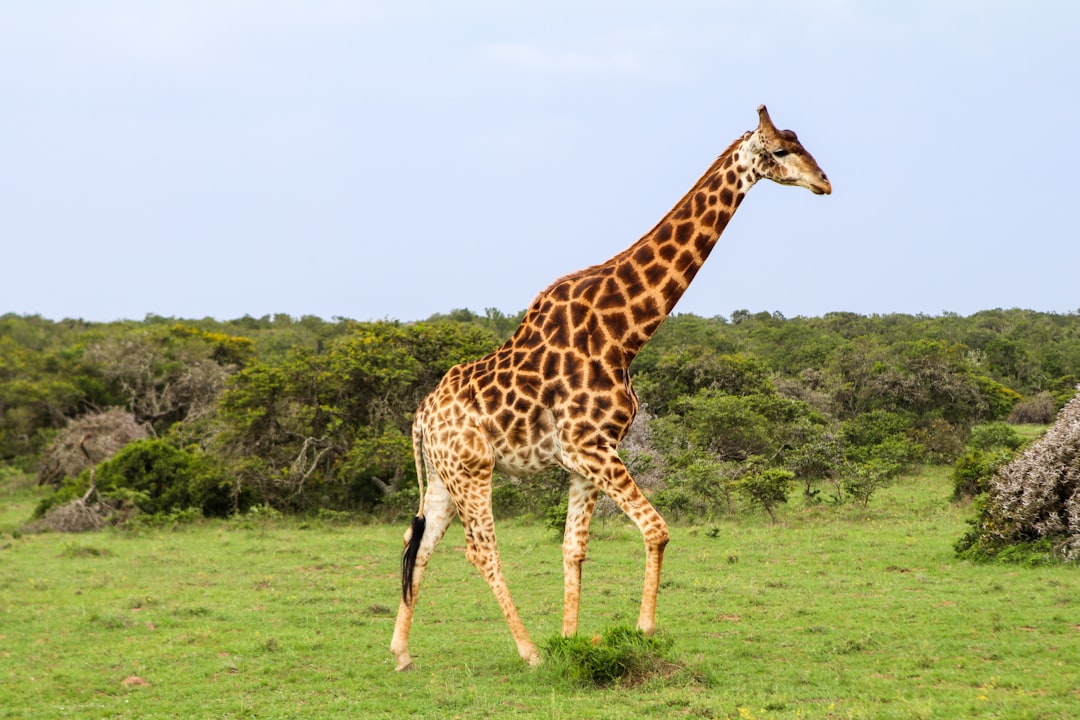
Giraffes can deliver tremendously powerful kicks that can be lethal to predators. Giraffes, on the other hand, utilize their incredible height and powerful kicks to strike from a distance, making it challenging for lions to mount an effective attack. This towering herbivore possesses one of the animal kingdom’s most devastating defensive weapons.
A single well-placed kick from a giraffe can instantly kill a lion, and their height advantage makes them nearly impossible to attack effectively. This tactic of the part of the lion makes sense when you take into account the sheer weight and reach of a giraffe. Lions typically target young, old, or sick giraffes precisely because healthy adults are so formidable.
The giraffe’s strategy is simple yet effective – keep predators at a distance with bone-crushing kicks while using their exceptional eyesight to spot threats from miles away. It’s like having a watchtower with devastating leg weapons attached.
Honey Badger: Small but Absolutely Fearless
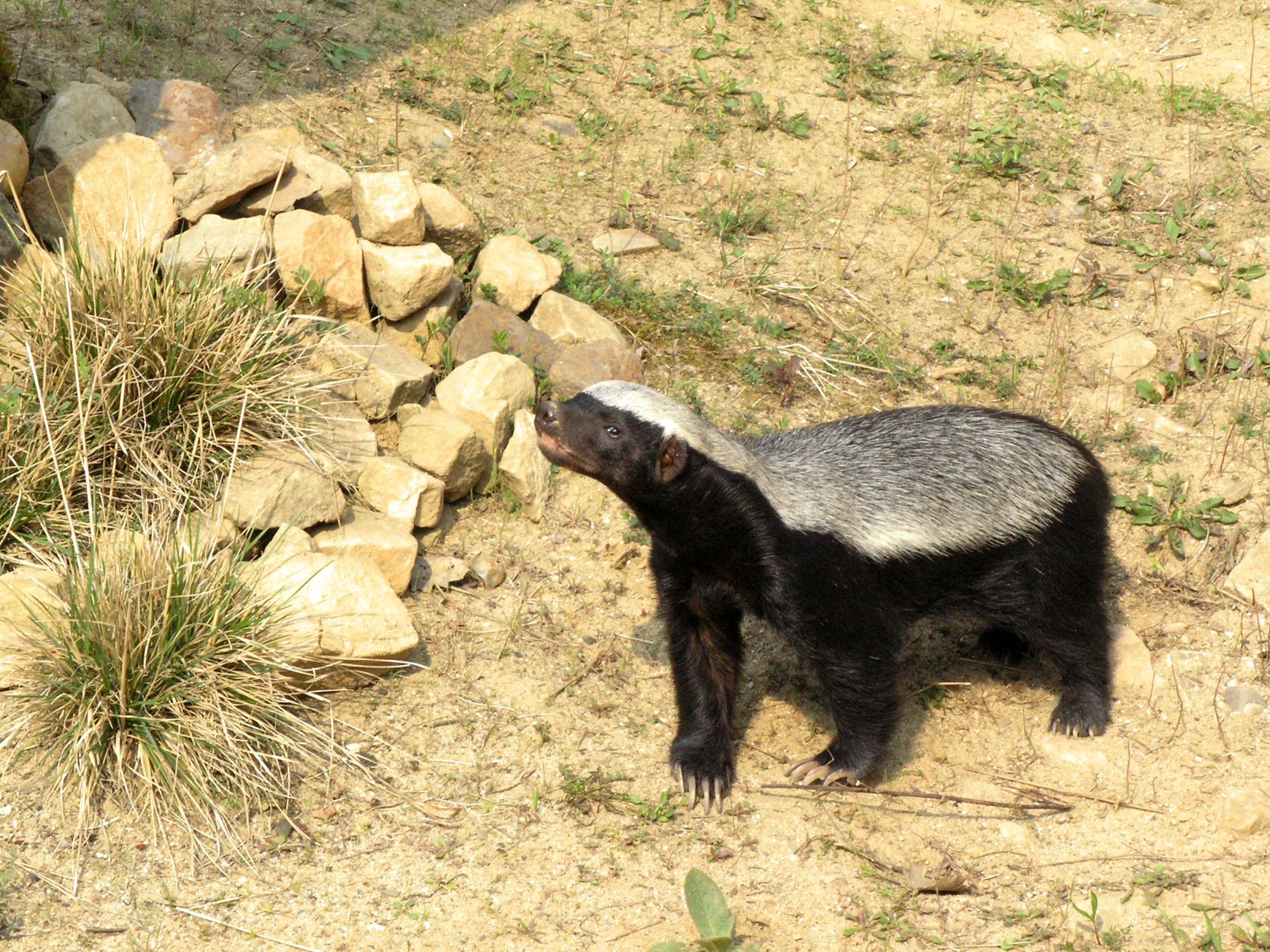
Despite its small stature, the honey badger is a fearless and relentless creature that can hold its own against a lion. With its thick, loose skin and tenacious spirit, this tenacious mustelid is incredibly difficult to subdue or kill. Size definitely doesn’t matter when it comes to this remarkable predator.
Their sharp claws and powerful jaws, combined with their ability to twist and turn in tight spaces, make them a formidable opponent. Additionally, their remarkable pain tolerance and resistance to venom make them exceptionally difficult to defeat. The honey badger’s reputation for ferocity is well-earned and documented across Africa.
What makes honey badgers truly dangerous isn’t just their physical capabilities, but their psychological warfare. Honey badgers are known for their ferocity and resilience, often standing their ground and fighting back against larger predators, including lions. They simply refuse to back down, wearing down much larger opponents through sheer tenacity and an apparent immunity to fear.
Conclusion
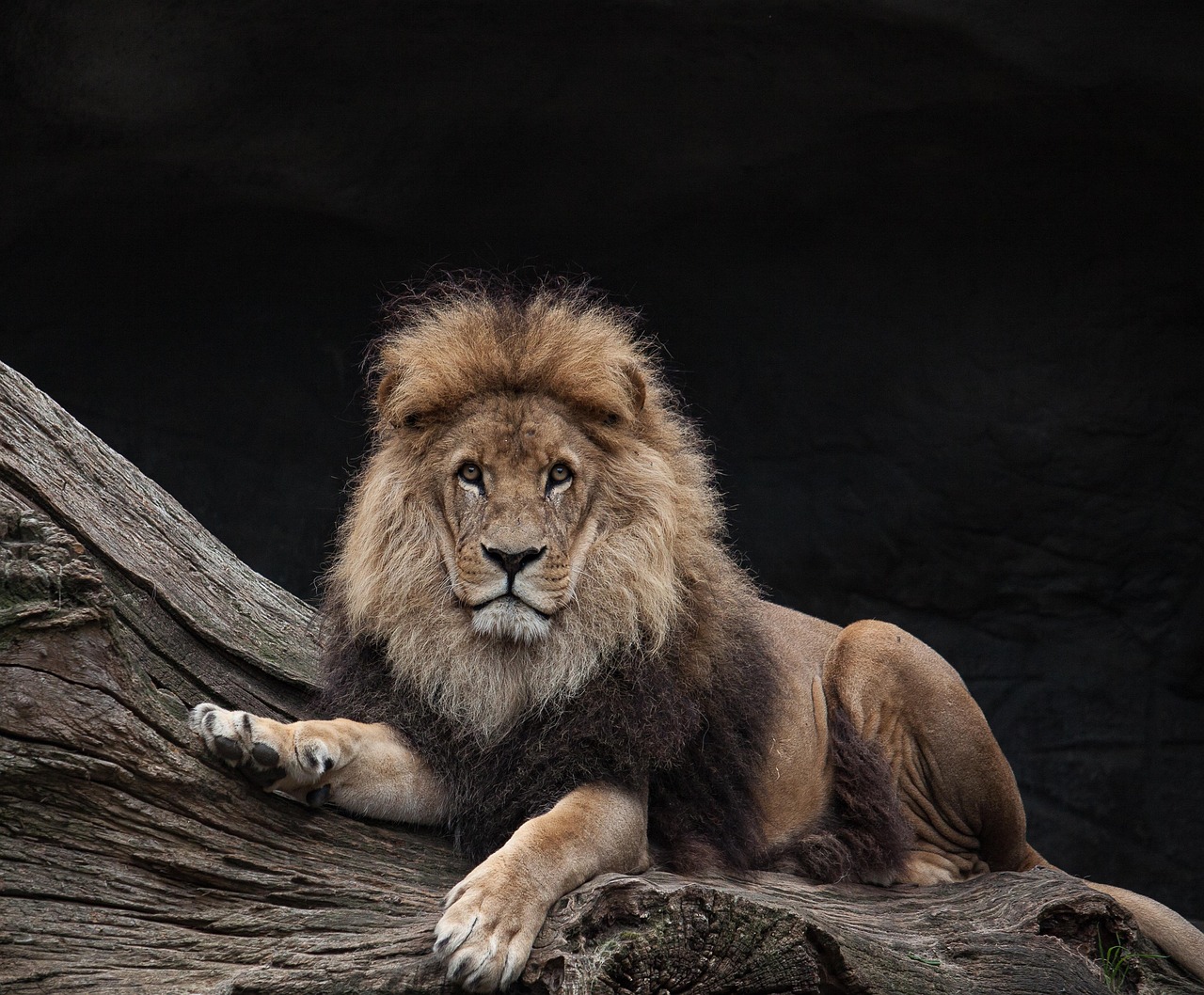
The natural world constantly reminds us that titles like “king of the jungle” are more about human perception than biological reality. These eight remarkable animals demonstrate that strength, size, and survival instincts come in many different packages. From the thunderous charge of an elephant to the relentless spirit of a honey badger, each creature has evolved unique advantages that can overcome even the mighty lion.
Perhaps what’s most fascinating is how diverse these challengers are – some rely on brute force, others on defensive armor, and a few on pure tenacity. Nature has crafted multiple solutions to the same problem: how to survive in a world full of apex predators. What do you think? Did any of these matchups surprise you? Tell us in the comments.