You might think wild cats belong only in nature documentaries filmed on distant continents. That’s not the case at all. Right here in the United States, several species of wild felines are quietly navigating forests, deserts, and even suburban edges. Some are thriving, while others are barely holding on.
These aren’t zoo escapees or exotic pets gone rogue. They’re native predators that have survived against considerable odds. Their stories involve resilience, habitat loss, and a delicate dance with human expansion. Each species has carved out its niche in specific regions, from the frozen northern forests to the scorching borderlands of the Southwest. Let’s meet them where they live.
Bobcat: The Adaptable Neighbor You Never See
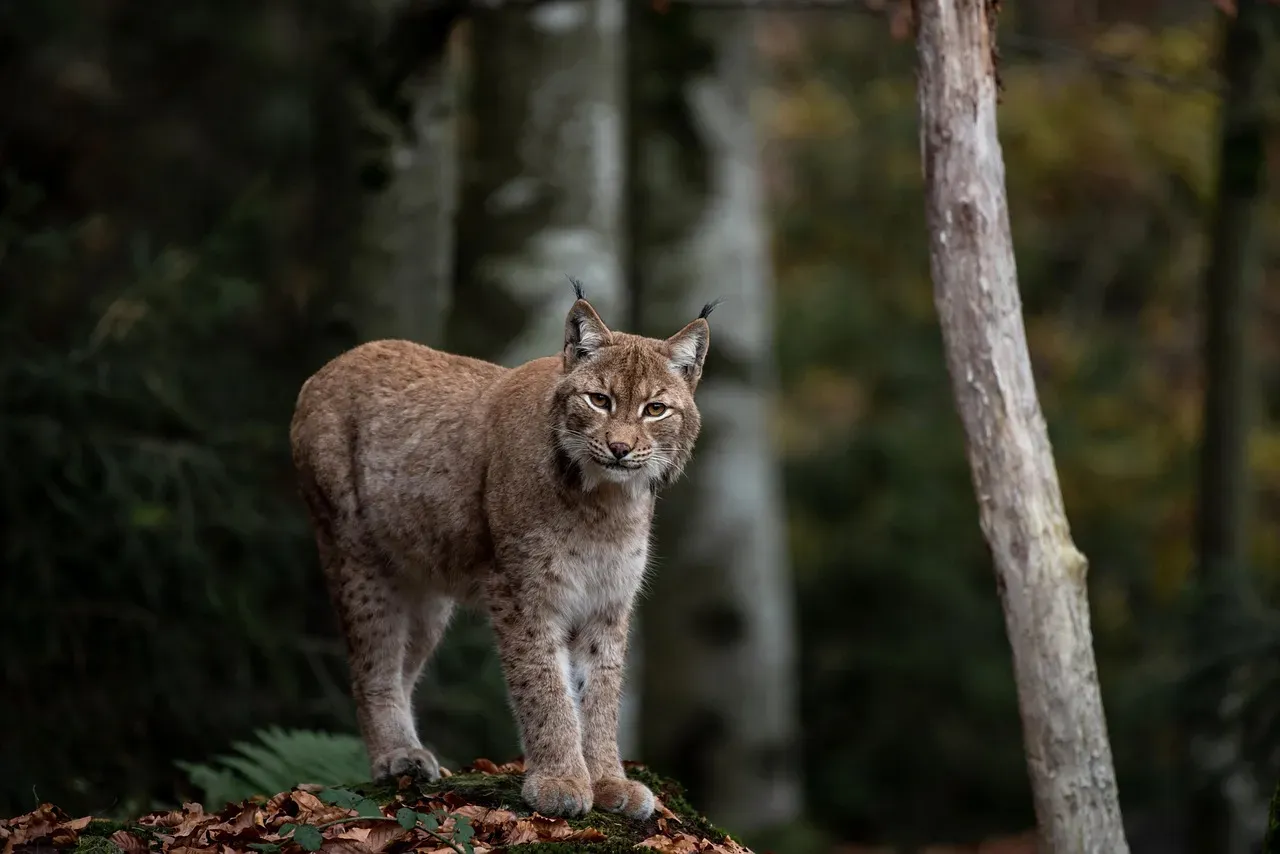
Bobcats live in every U.S. state, but they are mainly present in Florida, Georgia, North Carolina, and Washington. Despite a population of 1 to 2 million bobcats, you won’t usually see one because they are very skittish and will hide from people. These medium-sized cats have spotted coats and distinctive short, stubby tails tipped in black. The bobcat weighs only about 15 to 22 pounds, though its long legs make it appear larger.
They’re masters of stealth and survival. Bobcats can thrive in woodlands, deserts, swamps, and even near suburban areas if there’s enough cover and prey. Your biggest chance of catching sight of a bobcat is on a game cam or while driving on a backroad at night. They hunt rabbits, rodents, birds, and occasionally larger prey like deer. Honestly, you could have one sleeping under your porch right now and never know it.
Mountain Lion: The Ghost of the Western Wilderness
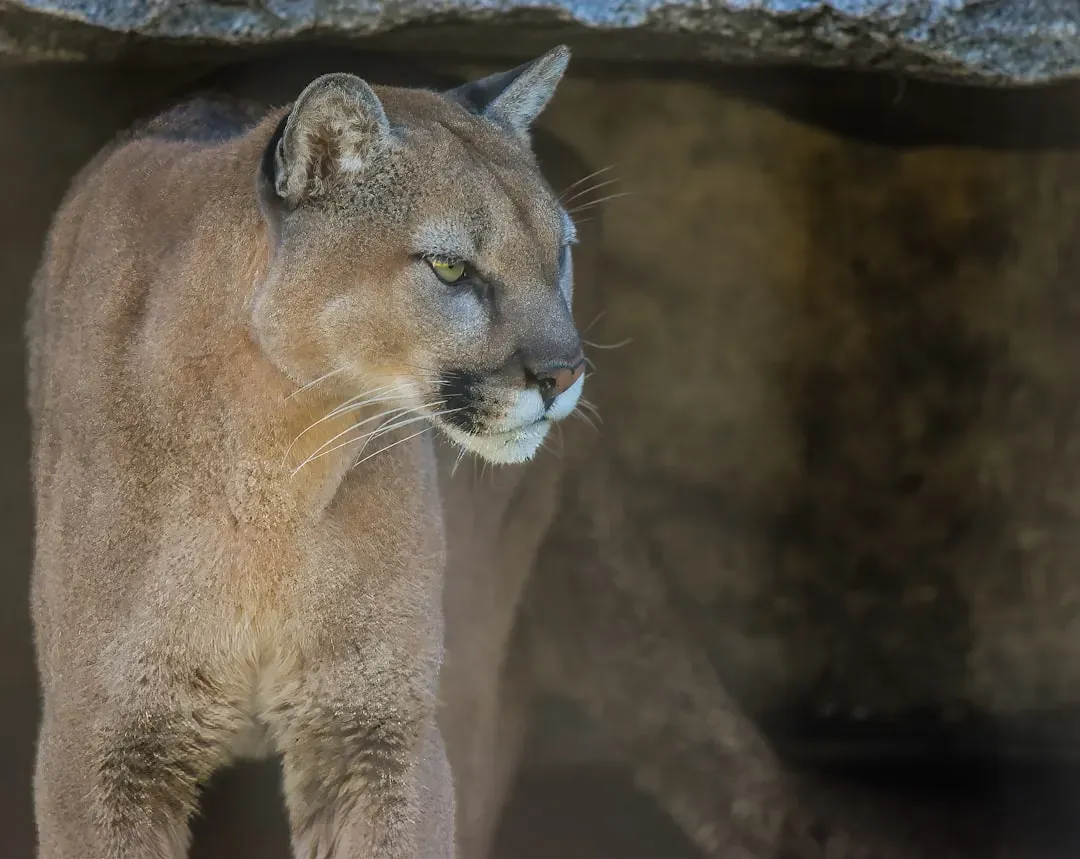
Mountain lions roam mostly in the western U.S., including states like California, Oregon, Washington, Nevada, Utah, Arizona, Montana, Idaho, Colorado, Wyoming, New Mexico, Nebraska, North Dakota, and South Dakota. There’s also a small, endangered group in Florida called the Florida panther. These large predators can weigh up to roughly 145 pounds and stretch over seven feet long, including their distinctive long tail.
They’re flexible and live in forests, mountains, deserts, and even near cities. Still, seeing one is extremely rare. Mountain lions are solitary, secretive hunters that prefer to avoid people entirely. They feed primarily on deer and need vast territories to survive. Lions mainly live west of I-25 and in parts of SE Colorado, with lions living west of the Continental Divide benefiting from large areas of high-quality lion habitat due to severely limited accessibility.
Canada Lynx: The Snowshoe Specialist of the North
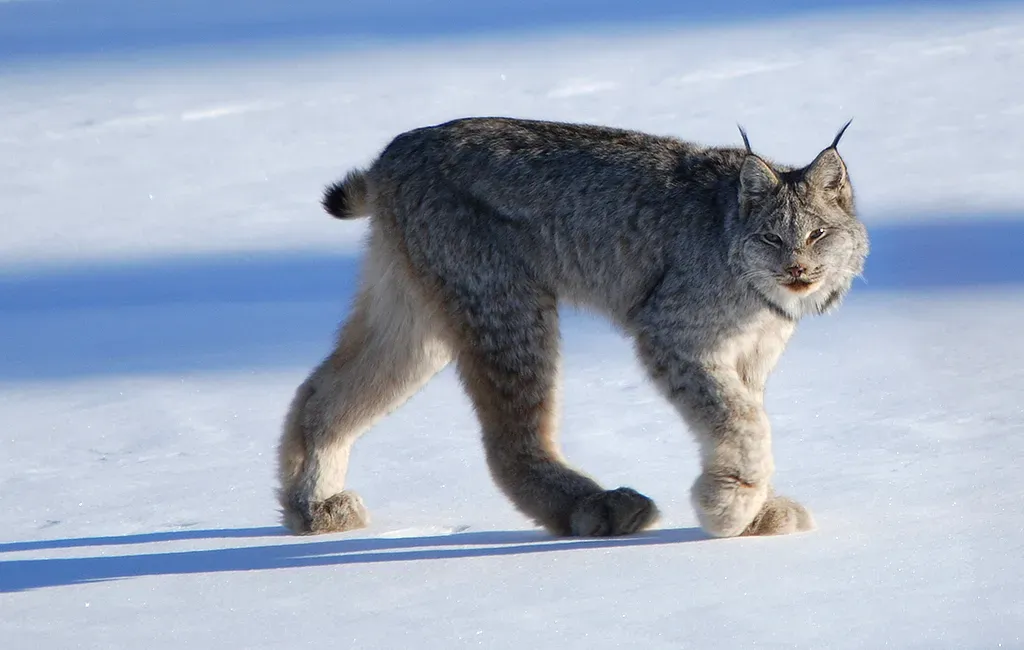
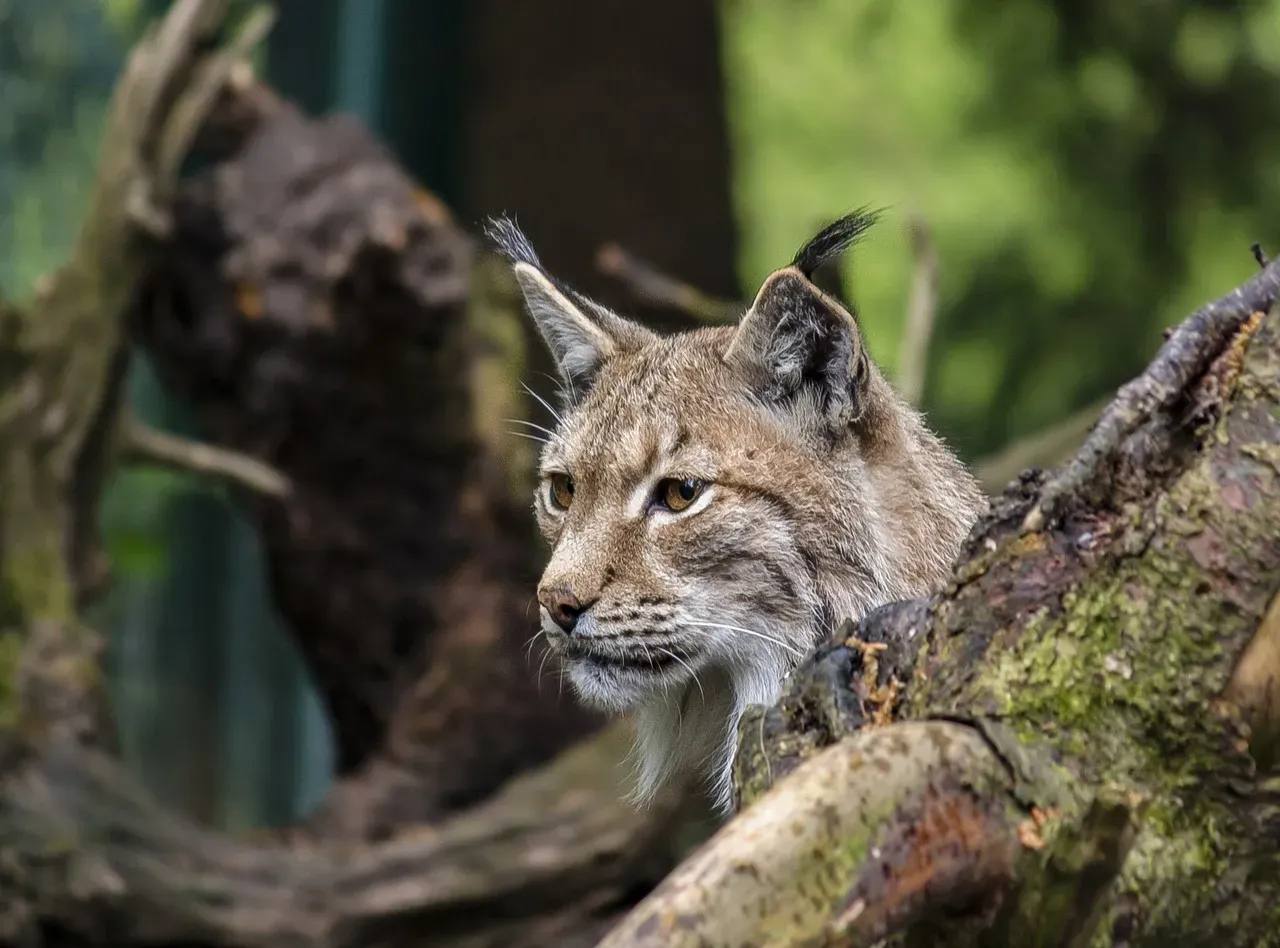
These cats stick to the northern U.S., mostly in Alaska, the Rocky Mountains (like Montana, Idaho, and Colorado), and parts of the Great Lakes region (Minnesota, Wisconsin, Michigan), and also in northern New England (Maine, New Hampshire). They love cold, snowy forests with thick cover, especially where snowshoe hares (their main food) are plentiful. With their tufted ears, oversized furry paws, and short black-tipped tails, lynx are perfectly built for winter.
The large paws serve as snowshoes, allowing the Canada lynx to travel over snow-covered landscapes without sinking into the snow. Their survival is closely tied to snowshoe hare populations, which fluctuate in cycles. When hare numbers drop, so do lynx numbers. Climate change poses a real threat to this species, shrinking their snowy habitat and making survival harder. Canada lynx have been listed as threatened in 14 northern states since 2000.
Ocelot: The Gorgeous Rarity of South Texas
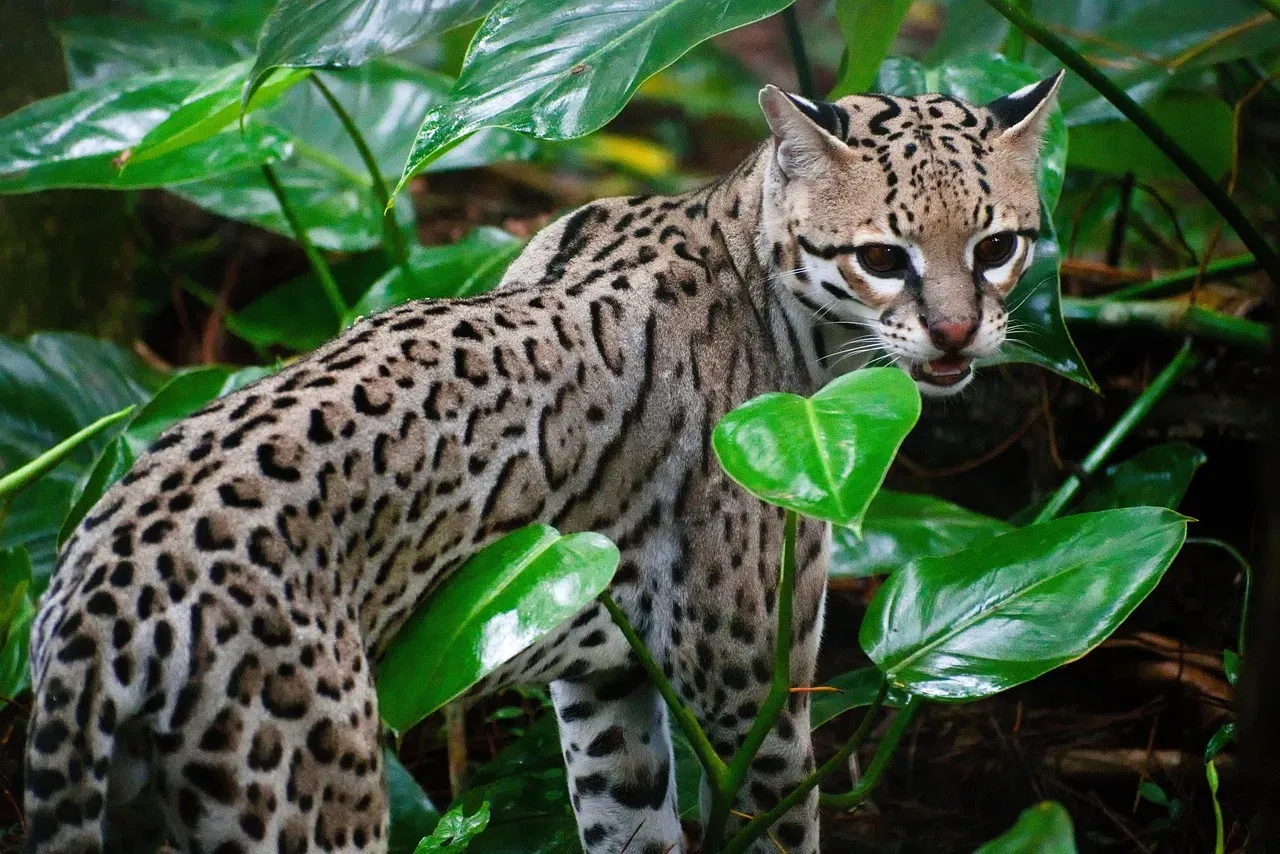
Let’s be real, the ocelot is stunning. The ocelot is a medium-sized spotted wild cat that reaches 40-50 cm at the shoulders and weighs between 7 and 15.5 kg on average, and is native to the southwestern United States, Mexico, Central and South America. Currently found only in extreme southern Texas. Ocelots are only in southern Texas, in thick brush near water, with about 50-100 left.
These nocturnal hunters have beautifully patterned coats covered in rosettes and stripes, making them look like miniature jaguars. It prefers areas close to water sources with dense vegetation cover and high prey availability. Habitat loss has decimated their numbers in the United States. Roads and border infrastructure have made it nearly impossible for ocelots to move between Texas and Mexico, isolating the tiny remaining population. Conservation efforts are working to create wildlife corridors, but the clock is ticking.
Jaguar: The Vanishing King of the Southwest
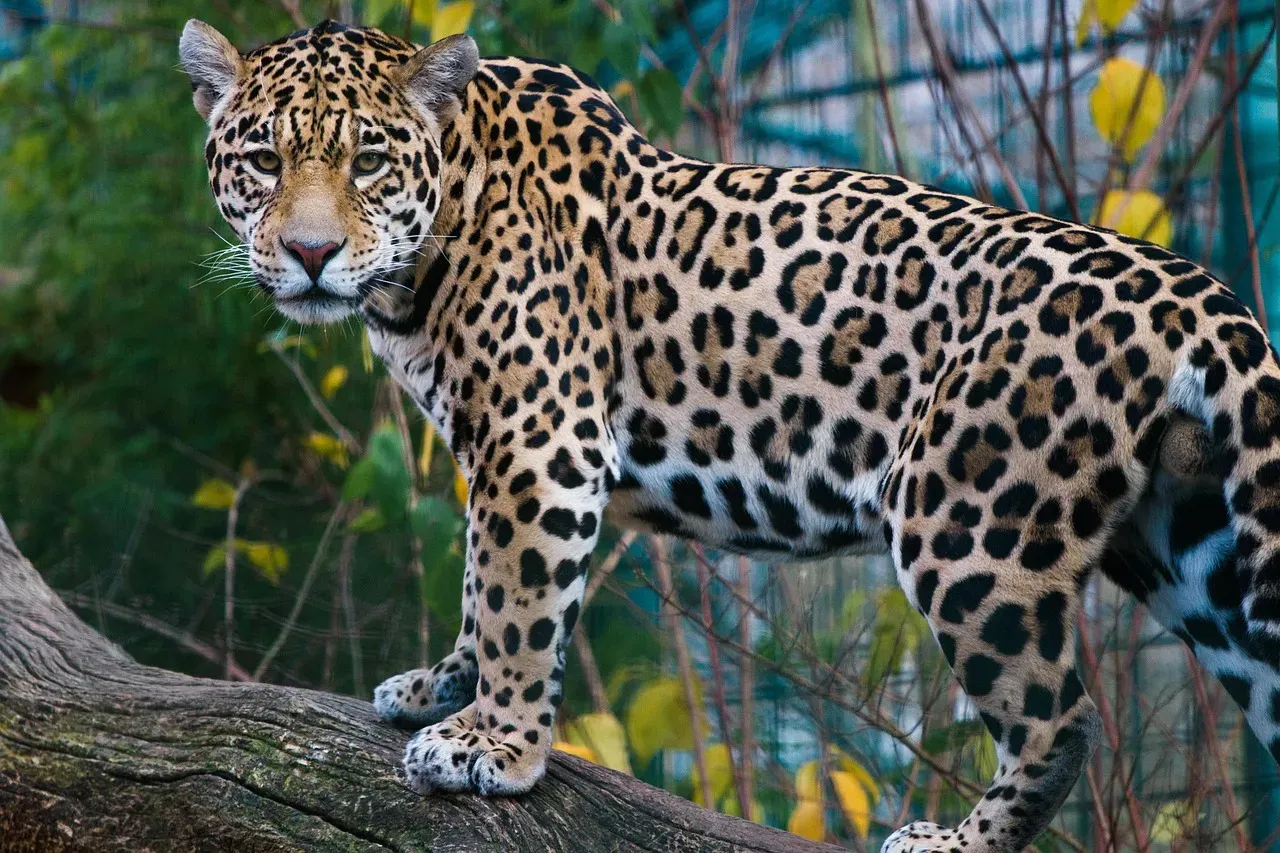
Jaguars are the biggest wild cat in the USA, with adult jaguars easily weighing upward of 200 pounds, while there have been reports of some weighing close to 300 pounds. It’s believed there is only one wild jaguar living in the U.S. Jaguars are rare, found in southern Arizona and New Mexico near the Mexican border, in forests and near rivers.
Here’s the thing: jaguars once roamed much of the American Southwest. Hunting, habitat destruction, and border barriers have pushed them to the brink in the United States. The few that are occasionally spotted are typically males wandering north from Mexico. They have incredibly powerful jaws and a preference for thick forests near water. Seeing one in the wild would be the experience of a lifetime, but it’s also a reminder of what we’ve lost.
Jaguarundi: The Weasel Cat on the Edge
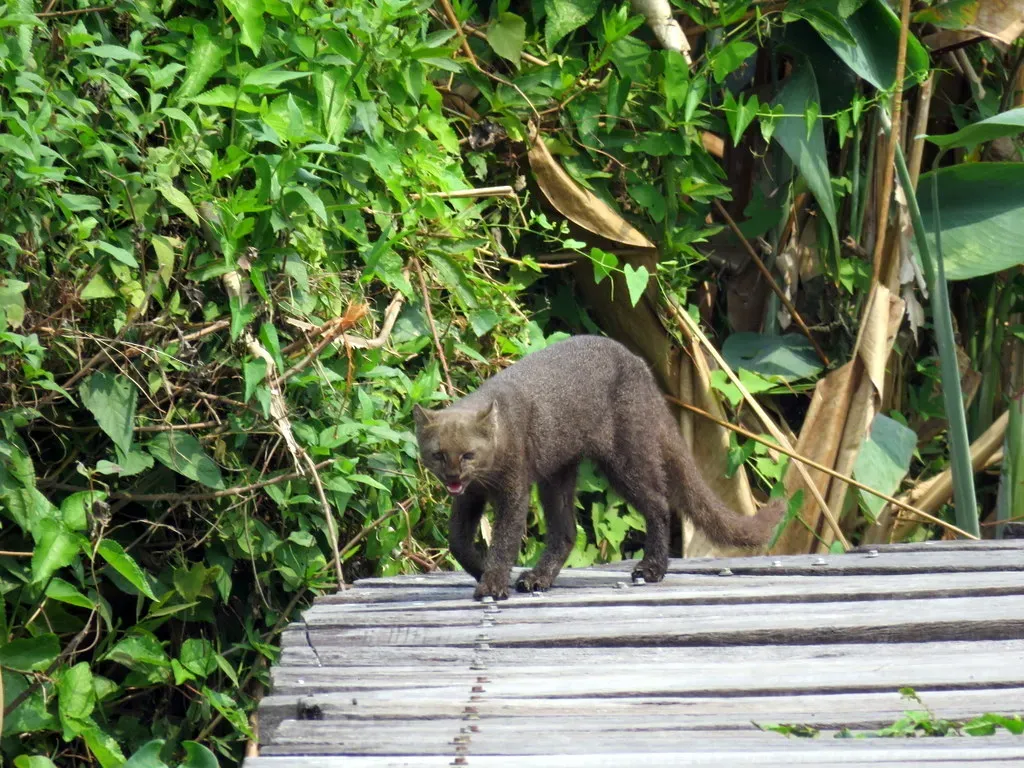
Jaguarundis have an unspotted, elongated body, smaller, rounded ears and shorter limbs relative to body size, and are found in Southern Texas and Arizona. The species is now considered probably extinct in the United States. With their slender bodies, small heads, and long tails, jaguarundis look more like weasels or otters than typical cats.
Unlike most wild cats, they’re active during the day and communicate with unusual chirps and whistles. Their native range extends from northern Mexico, through Central America, and deep into South America as far south as central Argentina. Habitat loss in southern Texas has made sightings extremely rare, if they happen at all. Jaguarundis might not even be in the U.S. anymore, as their Texas habitats were taken over, and no one knows for sure if they’re still around.
Florida Panther: The Southeastern Survivor
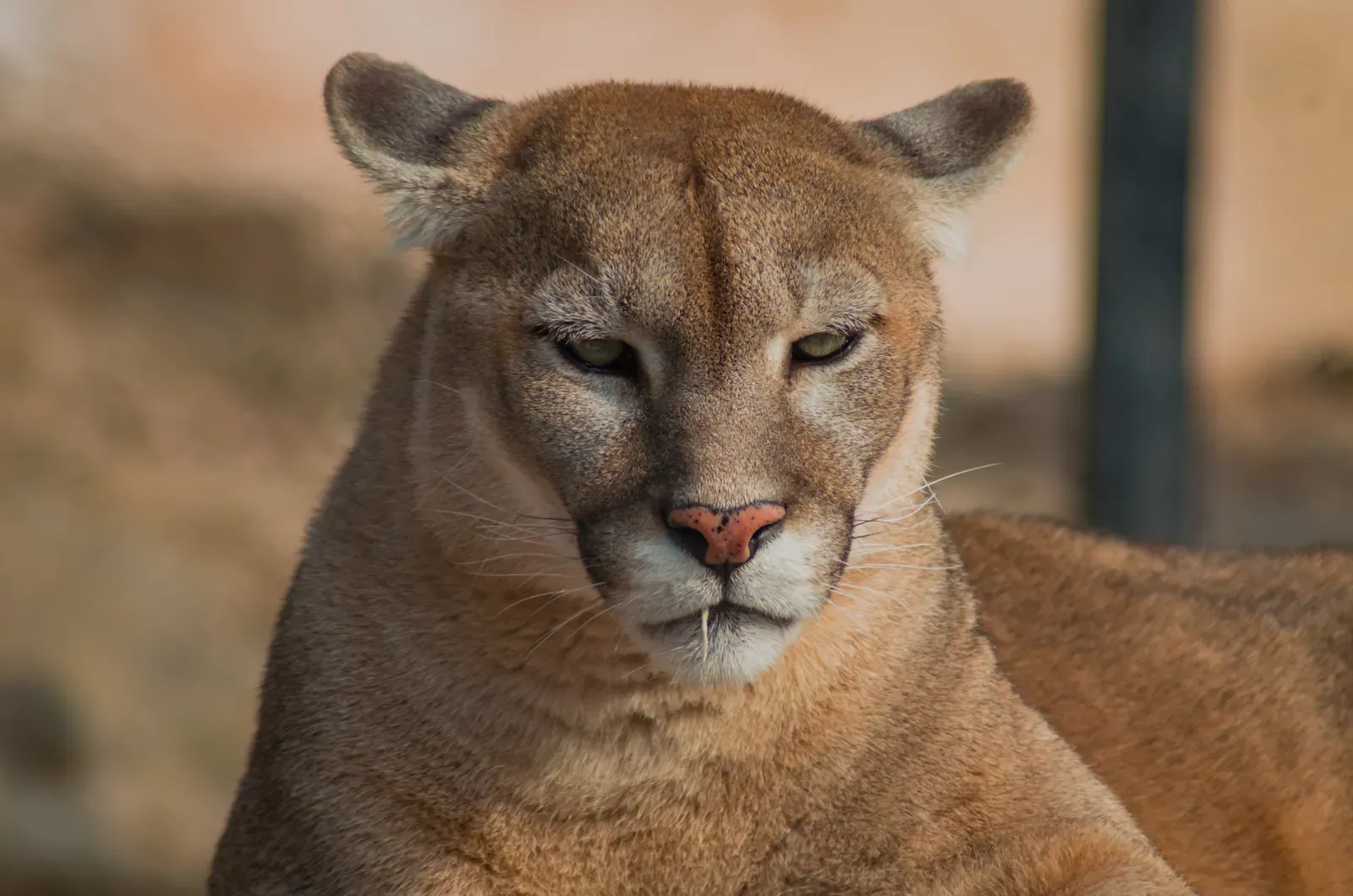
Florida panther is a name given to a member of a population of pumas found in South Florida, and the Florida panthers are the only mountain lions found in the eastern United States. These are not a separate species but rather a distinct population of mountain lions. Once widespread across the Southeast, they were nearly wiped out by hunting and development. By the early 1990s, fewer than 30 remained.
Conservation efforts, including genetic rescue through introducing Texas cougars, have helped the population rebound. Today, roughly around 150 Florida panthers roam the swamps and forests of southern Florida. They face ongoing threats from vehicle strikes, habitat fragmentation, and conflicts with development. Every panther that survives is a small victory in a long battle for recovery.
Margay: The Acrobatic Phantom
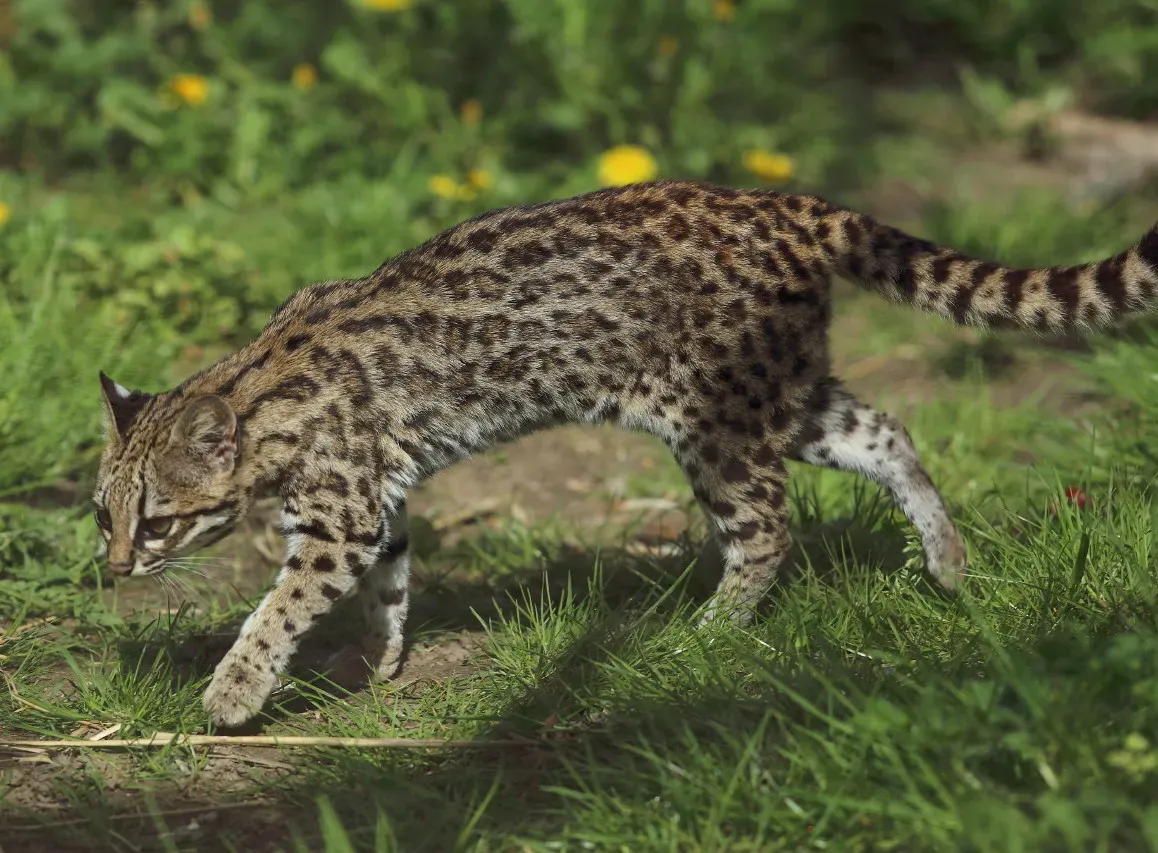
While primarily a Central and South American species, the margay occasionally enters southern Texas. Known as the “monkey cat,” it has the unique ability to rotate its ankles 180 degrees, allowing it to descend trees headfirst. This makes the margay one of the most arboreal cats in the world, spending much of its life in the canopy.
Margays are adept at vocal mimicry to lure prey, highlighting their exceptional adaptations for survival. The margay, along with the jaguarundi, is considered possibly extirpated from the United States. If any margays still cross into southern Texas, it’s exceptionally rare. Their preference for dense forest canopy and small prey makes them incredibly difficult to spot, even where they’re more common.
Conclusion: Sharing the Wild Spaces
These eight wild cats represent a remarkable diversity of adaptations, from the cold-adapted Canada lynx to the tropical ocelot barely surviving in Texas. Some, like the bobcat, have managed to thrive alongside humans. Others, like the jaguar and margay, have been pushed to the very margins. Each species plays a crucial role in maintaining healthy ecosystems by controlling prey populations and shaping the landscape.
Habitat protection, wildlife corridors, and responsible coexistence are essential for their survival. Roads, development, and border infrastructure continue to fragment their territories and cut off vital migration routes. Conservation work is making a difference, but the future of these cats depends on our willingness to share space and resources. Did you realize so many wild cats were still out there, quietly living their lives alongside us? What surprises you most about where they still manage to survive?