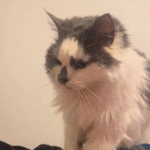
Harrison Township, Michigan – Macomb County Animal Control officers extracted 84 cats from a single-wide mobile home in the Willow Point Mobile Home Community this week. The operation followed a homeowner’s voluntary plea for assistance after becoming overwhelmed by the sheer number of animals. Many of the felines were pregnant or nursing, underscoring the urgency of the situation.[1][2]

Owner Takes Uncommon Step to Seek Aid
Unlike many hoarding cases that require forced intervention, this rescue began with the owner’s initiative. Macomb County Animal Control Chief Jeff Randazzo commended the decision, noting the homeowner admitted they were “in over their heads.”[2] Officials described the scenario as a “large-scale” challenge that started with good intentions but escalated beyond manageable levels.
Neighbors witnessed the removal process unfold. Paul Cote, a local resident, recounted the surprise: “All of a sudden, she was bringing out cat crates; we saw about eight of them. I think it’s sick. I knew she had a couple cats, that was it, then all of a sudden, then they start coming in bringing the crates out.”[1][2] The event drew attention to how quickly such situations can intensify in residential areas.
Swift Action Ensures Cats’ Well-Being
Upon removal, the cats received immediate medical attention. Staff administered vaccinations, snap testing, fecal testing, and flea prevention treatments as standard intake procedures.[3][2] Most animals appeared in good health despite the crowded conditions, a fortunate outcome in hoarding rescues.
Pregnant and nursing mothers among the group will demand extra resources in the coming weeks. Shelters anticipate caring for potential litters, which adds complexity to rehabilitation efforts. The Macomb County team praised their staff’s compassion and professionalism throughout the process.[2]
Rescue Partners Step Up for Re-Homing
A network of organizations collaborated to distribute the cats effectively. Key partners included Oakland County Animal Control, A Rejoyceful Animal Rescue, Friends for Animals of Metro Detroit, and Eastpointe Animal Control.[3][2] A Rejoyceful Animal Rescue alone accepted 38 cats, with volunteers like Rachel Parr fostering several young ones.
Parr shared insights on the kittens, estimated at 6-7 weeks old: “The ones I took are 6-7 weeks old. It’s so sad because a lot of these animals, they can pass away in situations like that, they can get infected, they’re not eating enough.” She added that the cats undergo exams and flea baths before fostering, expressing relief that “these guys are doing pretty good.”[1] Within a week, about 15 could become available for adoption.
- Oakland County Animal Control: Provided assistance in intake and care.
- A Rejoyceful Animal Rescue: Took in 38 cats, including fostering.
- Friends for Animals of Metro Detroit: Offered support for re-homing.
- Eastpointe Animal Control: Helped with distribution efforts.
Preventing Future Hoarding Through Education
Authorities emphasized proactive measures to avoid repeats. Situations like this often arise when pet numbers exceed capacity, they explained. Spaying and neutering, along with early outreach for help, remain critical strategies.[3]
The agency highlighted education programs that connect caregivers with resources before crises develop. Macomb County Animal Control urged donations to spay/neuter initiatives and encouraged sharing the story to amplify awareness. Such steps foster community-wide prevention.[2]
Key Takeaways
- The owner’s voluntary action enabled a smoother, more humane rescue.
- Collaborative networks ensure comprehensive care and faster adoptions.
- Spaying, neutering, and early intervention prevent hoarding escalations.
This rescue operation demonstrates how timely intervention and teamwork can transform a dire circumstance into a pathway for second chances. Communities benefit when individuals seek support rather than suffer in silence. What do you think about the role of spay/neuter programs in animal welfare? Tell us in the comments.