9 Amazing Features That Allow Cheetahs to Turn, Accelerate, and Stop at Incredible Speeds
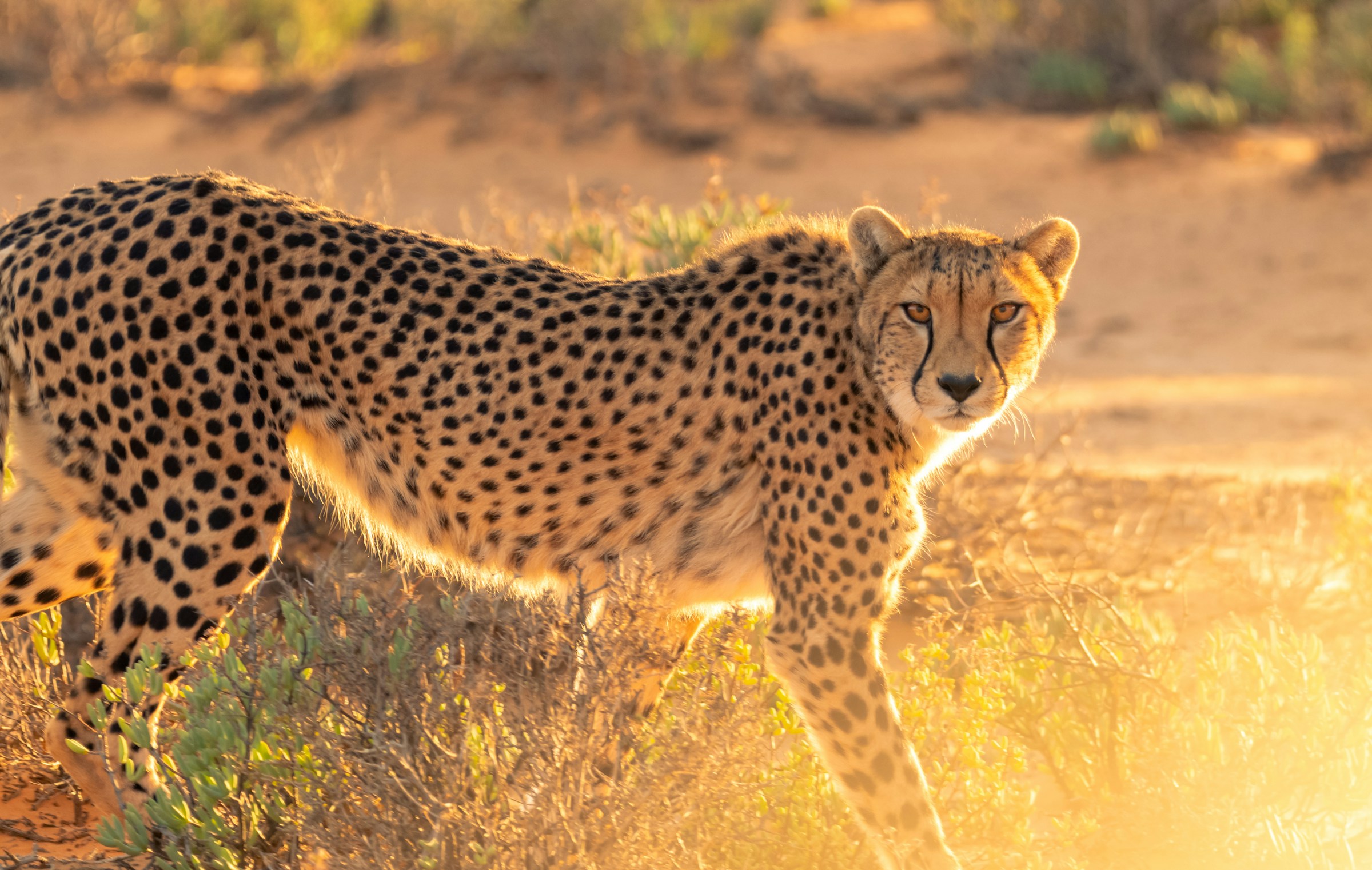
If you’ve ever watched a slow-motion video of a cheetah chasing down prey, it almost looks fake. The cat bends like liquid metal, plants its paws, and slingshots in new directions while somehow not wiping out at highway speeds. It is wild, and it is very real.
What makes this even more mind-blowing is that every part of the cheetah’s body, from its whiskers to its tail, is tuned for sudden acceleration, razor-sharp turns, and brutal stops. Let’s break down the nine features that turn this spotted cat into one of nature’s most extreme sports cars.
#1 An Ultra-Flexible Spine That Works Like a Biological Spring
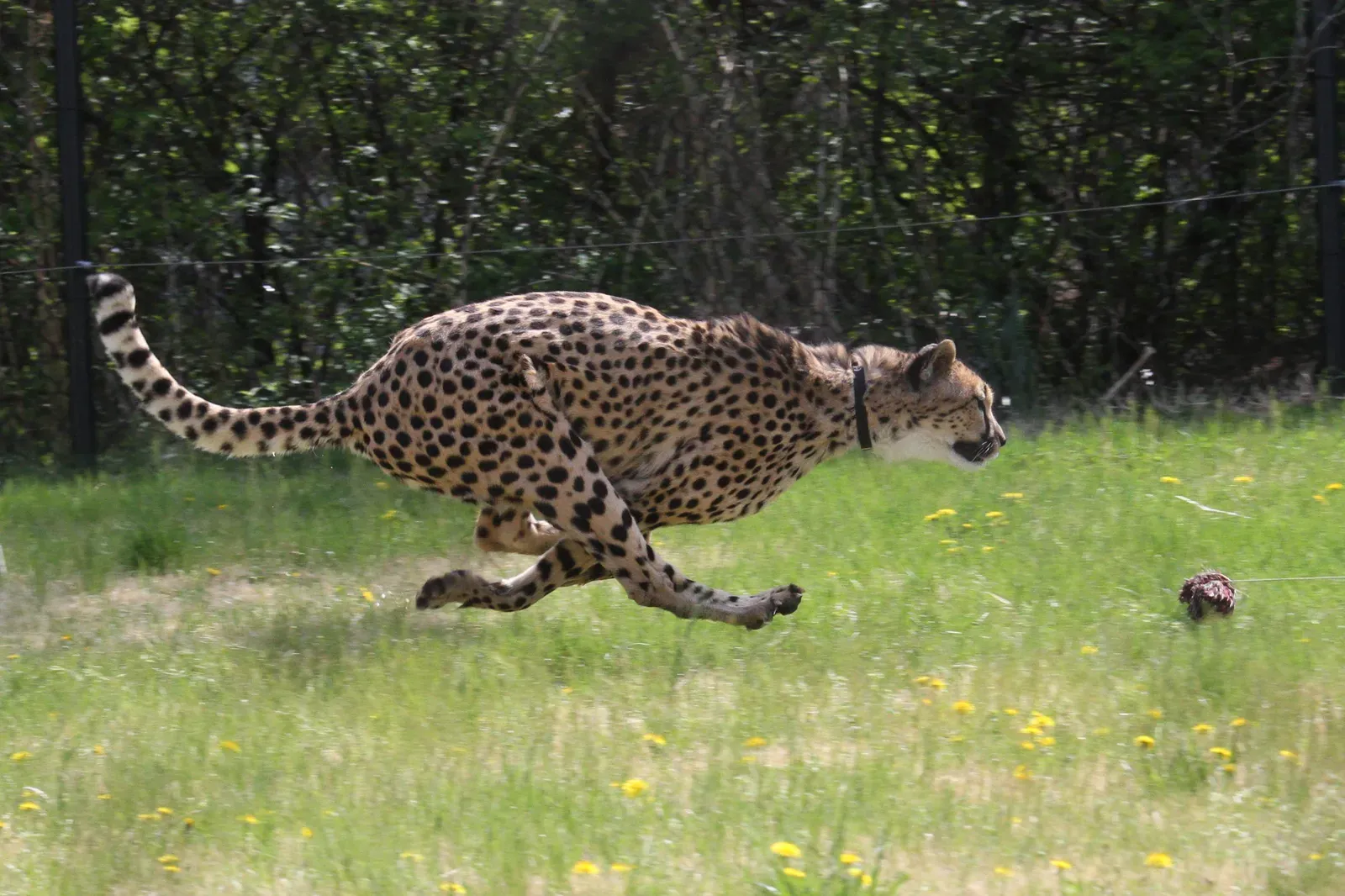
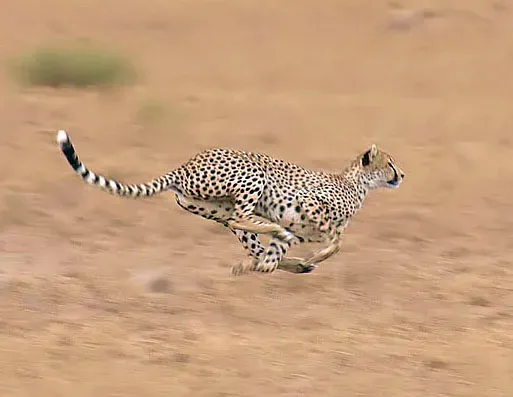
Here’s a shocker: a big part of the cheetah’s speed isn’t in its legs at all, but in its spine. The cheetah’s backbone is incredibly flexible, allowing its body to stretch and contract almost like a coiled spring during each stride. When it runs, the spine arches and then fully extends, letting the hind legs swing far under and then far past the body, dramatically increasing stride length.
This same flexibility helps when turning and stopping. Because the spine can twist side to side as well as flex up and down, the cheetah can subtly shift its center of mass mid-stride, angling its body into a curve like a motorcyclist leaning into a turn. That makes direction changes smoother and more controlled, instead of jerky and unstable. In everyday terms, the spine is the cheetah’s shock absorber, steering column, and turbocharger all rolled into one.
#2 Long, Powerful Limbs Built for Fast Strides and Precision Braking
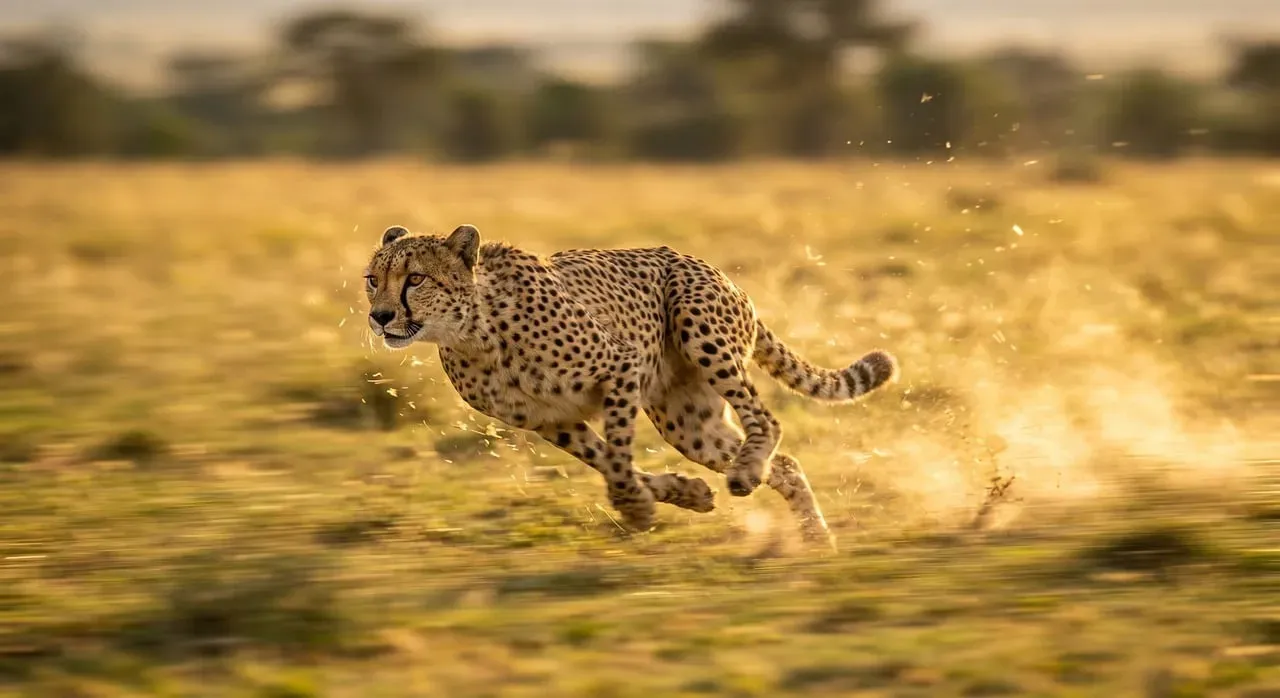
Cheetahs have long, slender legs that look fragile at first glance, but the bones are reinforced and the muscles packed high up near the body. This design reduces the weight at the ends of the limbs, so the legs can swing quickly with less effort, which is perfect for rapid acceleration. Every stride covers a surprising amount of ground, and the light distal limbs help the cheetah cycle through these strides at a blistering pace.
Those same legs double as high-performance brakes. When a cheetah needs to slow down, it can lower its forequarters, spread its forelimbs slightly outward, and dig the paws into the ground to create maximum friction. The longer limb length gives better leverage to resist forward momentum. It’s like having extra-long brake levers on a bike, allowing the cat to apply force more effectively without instantly losing control.
#3 Semi-Retractable Claws That Act Like Cleats, Not Daggers
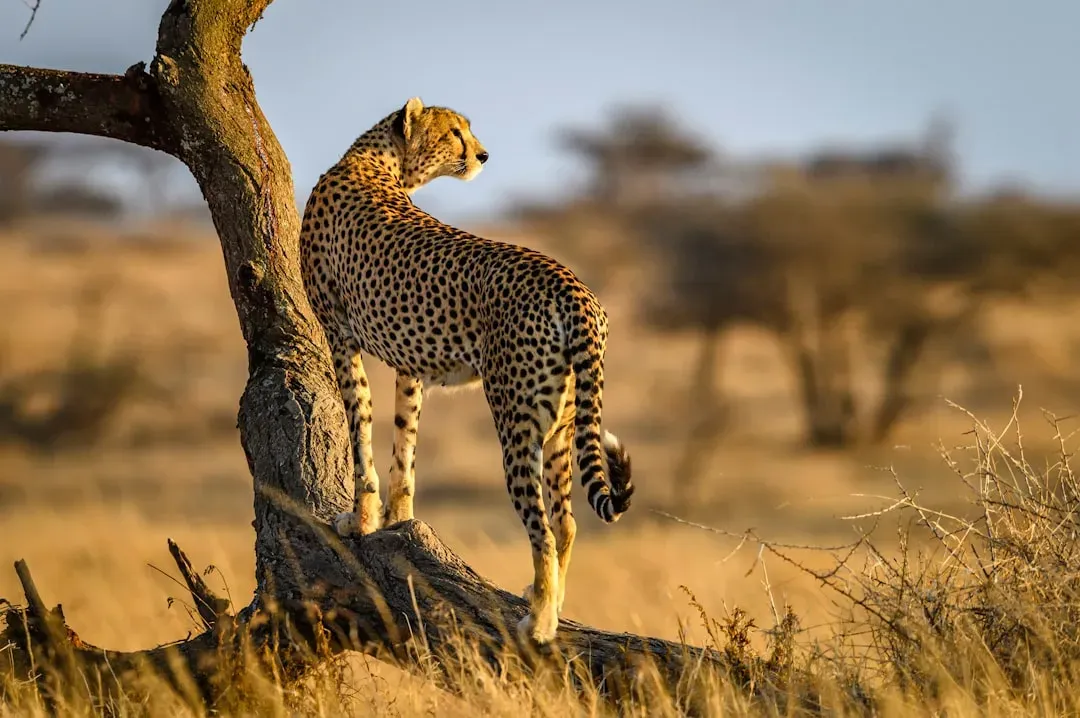
Most big cats rely on fully retractable claws that stay sharp for climbing and grabbing, but the cheetah plays a different game. Its claws are only partially retractable and are more dog-like: blunter, more exposed, and designed for grip over stealth. Think of them less as knives and more as built-in track spikes. As the cheetah accelerates, these claws bite into the ground, cutting down on slipping and turning raw leg power into forward motion.
When cornering or stopping, the claws become even more important. As the cheetah digs its paws in to pivot or brake, those semi-retractable claws help anchor the feet, increasing friction and stabilizing the body during violent directional changes. It’s the same principle that keeps a sprinter in their lane or a soccer player from sliding out when making a fast cut across the field. Without those grippy claws, the rest of the cheetah’s fancy anatomy would be wasted on dust and skid marks.
#4 A Long, Muscular Tail That Works Like a Dynamic Counterweight
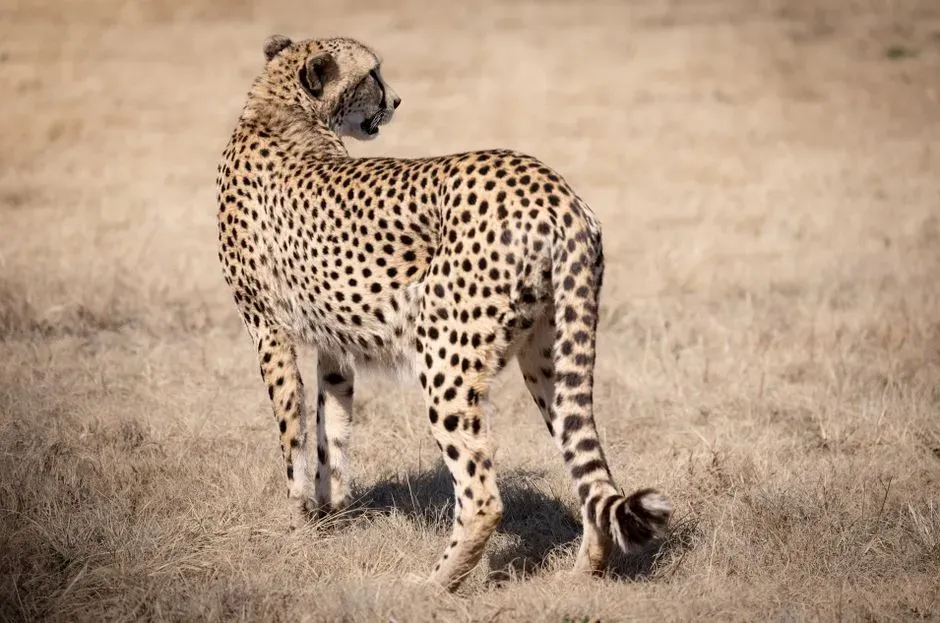
The cheetah’s tail is not just for balance in a general sense; it is a serious steering tool. Long, muscular, and surprisingly heavy, the tail acts like a counterweight or an air rudder in fast turns. When the cheetah swings its tail to one side, it shifts angular momentum, helping the body rotate in the opposite direction. That allows mid-air and mid-stride corrections that would be impossible with legs alone.
This tail-driven steering is most obvious during those dramatic chase clips where the cheetah tracks zigzagging prey like a guided missile. While its feet are barely in contact with the ground, the tail is already making fine adjustments to body orientation so the next paw placement is lined up perfectly. It is a bit like a tightrope walker using a balancing pole, but at insane speed and on rough, unpredictable terrain.
#5 Enlarged Nasal Passages, Lungs, and Heart to Sustain Explosive Effort
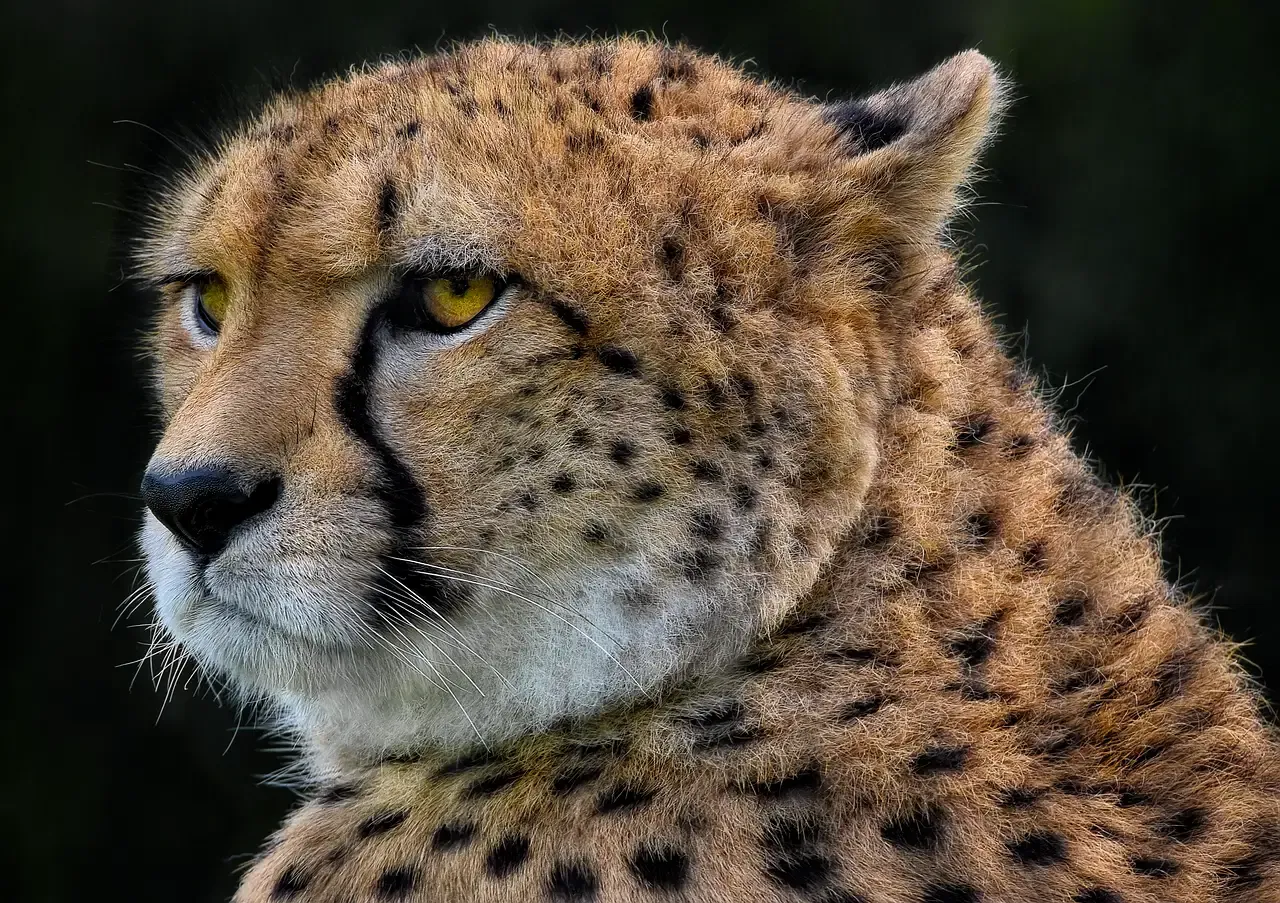
Speed and agility are useless if the engine runs out of fuel too soon. Cheetahs have oversized nasal passages, deep chests, and large lungs and hearts compared to many other big cats. This setup floods their blood with oxygen during high-speed chases and helps clear carbon dioxide quickly. The result is a powerful, if short-lived, burst capacity that matches their physical mechanics.
This internal upgrade matters for turning and stopping, too. Tight turns, rapid re-acceleration, and emergency braking demand intense muscular work. The better the oxygen delivery and blood flow, the more effectively those leg and back muscles can respond in split seconds. The trade-off is that cheetahs can only maintain peak effort for a relatively short time before overheating and tiring, which is why their chases tend to be brief and brutally decisive.
#6 Specialized Paw Pads and Limb Joints for Grip and Shock Absorption
Look down at a cheetah’s feet and you’ll find another clever adaptation. Their paw pads have a rougher, more textured surface than those of many other cats, increasing friction with the ground. This is especially useful on the dusty or sandy terrain where they often hunt. Better grip means more reliable acceleration and fewer disastrous slips when making those harsh lateral cuts.
The limb joints, especially in the wrists and ankles, are tuned for stability rather than tree climbing. The range of motion is somewhat restricted compared to other felines, helping keep the paw aligned under load. Together, the joint structure and paw pads act like high-end running shoes with good tread and built-in shock absorbers, smoothing out landings and reducing the risk of joint-damaging twists when the cheetah throws its weight around at speed.
#7 A Lightweight, Aerodynamic Body That Minimizes Drag
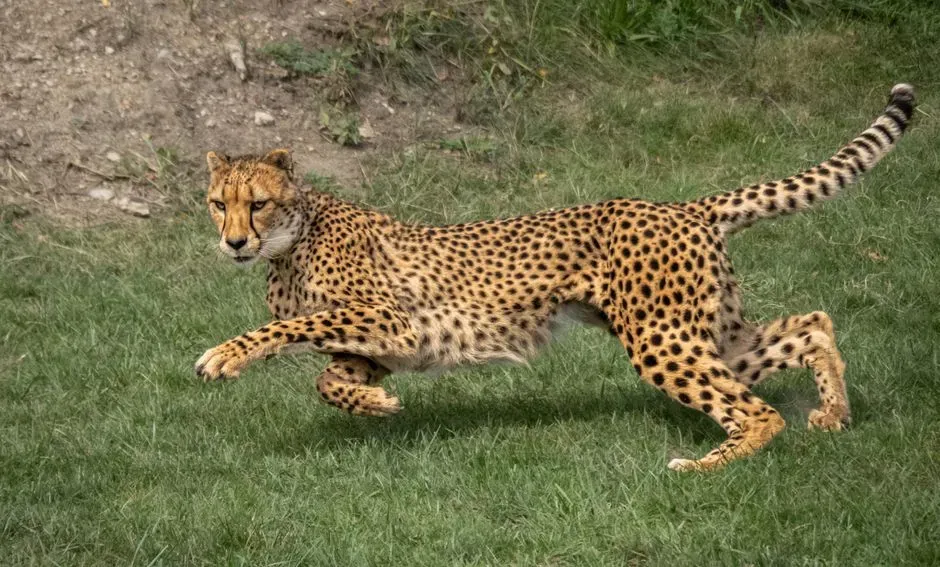
Cheetahs are surprisingly lean, with a lightweight skeleton and relatively little bulk compared to many other big carnivores of similar length. Less mass means less inertia, so it takes less force to start moving, change direction, or come to a stop. Imagine pushing a slim racing bike versus a heavy motorcycle; the lighter frame responds faster to every input.
Their body shape also helps. A small, streamlined head, narrow waist, and smooth contour reduce air resistance when sprinting. While they are not shaped like literal bullets, the overall design reduces drag enough that more of their muscular effort can go into ground interaction rather than just fighting the wind. That makes quick acceleration more efficient and leaves more energy in the tank for those final, crucial changes in direction near the end of a chase.
#8 Highly Tuned Senses and Neural Control for Split-Second Decisions
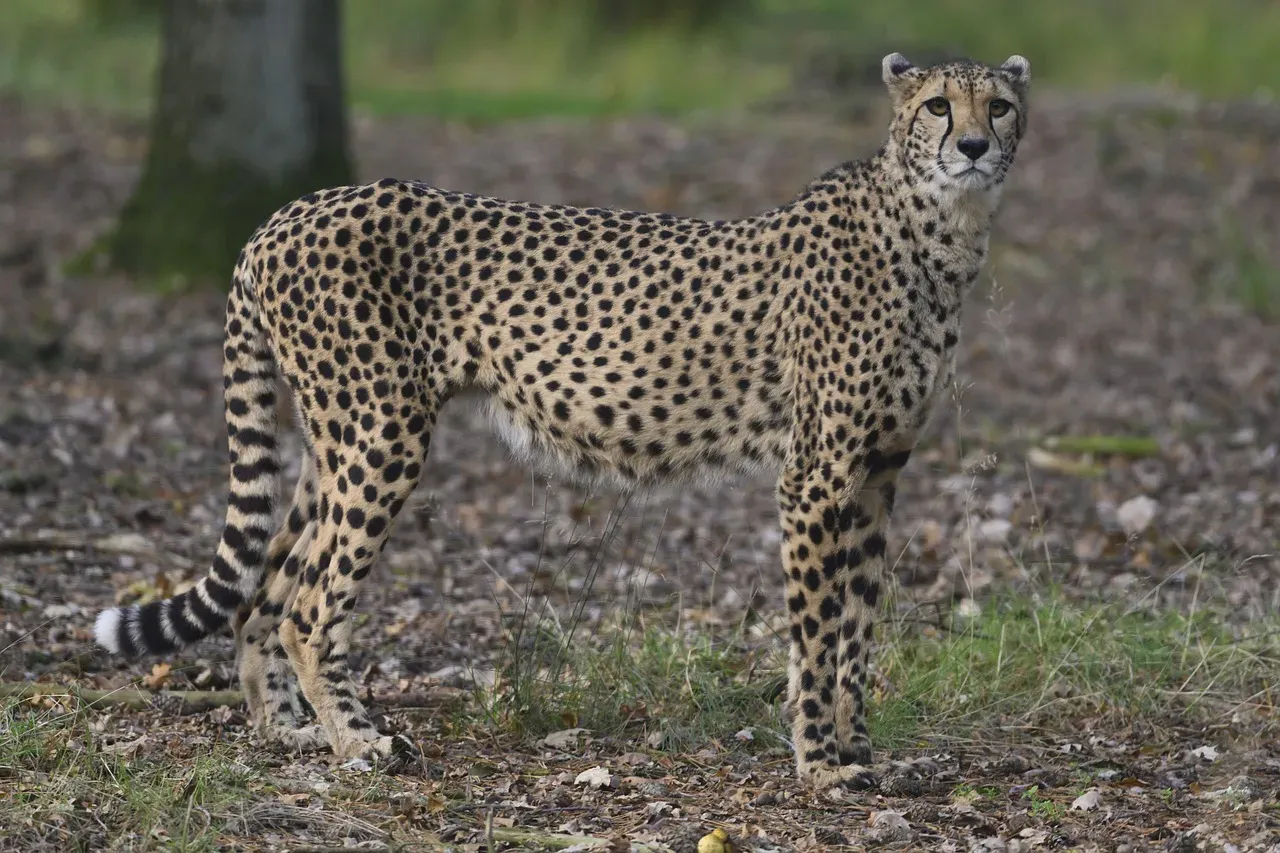
All the physical hardware in the world is useless without a fast, precise control system. Cheetahs have excellent vision tailored for daylight hunting, allowing them to track small, fast-moving prey over distance. Their brains and nervous systems are wired to process visual information quickly and convert it into rapid, coordinated muscle responses. When a gazelle suddenly veers, the cheetah’s body is already reacting before most humans would consciously register the move.
This neural agility is what ties everything together: the spine flexes in just the right arc, the tail swings at the correct angle, the claws dig in at the right moment, and the leg muscles fire in exactly the right sequence. It feels almost unfair, like they are playing the chase on fast-forward while everything else is stuck in normal speed. In that sense, their true superpower is not just their body, but how fast and precisely their brain can run that body.
#9 A High-Risk, High-Reward Strategy Built into Their Entire Lifestyle
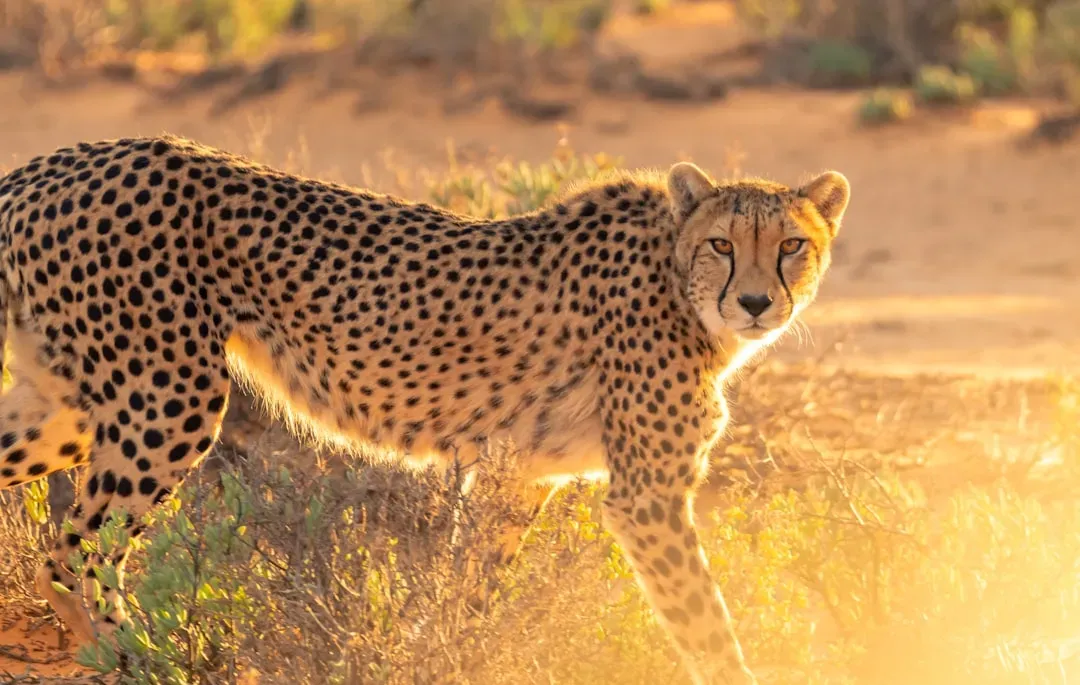
One feature people overlook is behavioral rather than purely anatomical. Cheetahs have evolved a hunting strategy that embraces extreme bursts of effort, sharp turns, and sudden stops as normal, everyday behavior. Their bodies are fine-tuned for this pattern, but the pattern itself is also a feature: short stalks, explosive sprints, rapid adjustments, and an abrupt end, one way or another. They are specialized sprinters, not marathoners or ambush wrestlers like some other big cats.
This lifestyle comes with trade-offs. Cheetahs are relatively fragile compared to bulkier predators; injury from a bad slip or collision can be catastrophic. Yet evolution has essentially doubled down on this high-speed, high-agility approach. In my view, that makes them one of the boldest designs in nature: an animal built not just to survive, but to gamble everything on a few seconds of nearly perfect movement.
Conclusion: The Price and Beauty of Living on the Edge of Physics
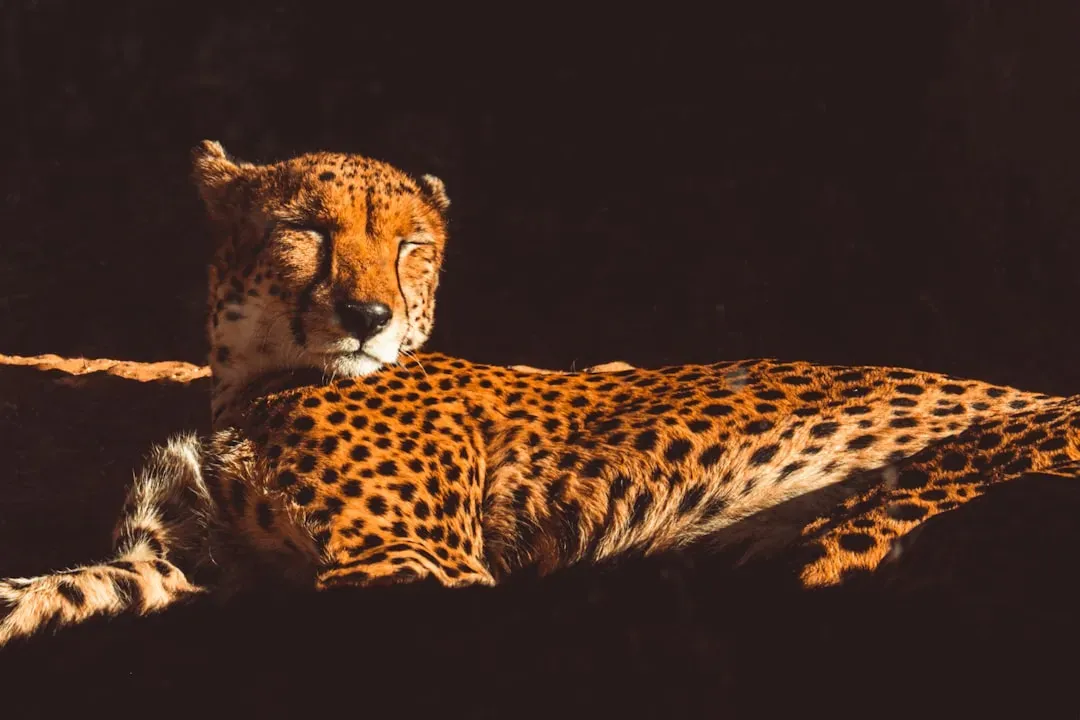
When you put it all together, cheetahs are not just “fast cats” but finely tuned machines living right on the edge of what muscles, bones, and nerves can handle. Their flexible spine, grippy claws, steering tail, and sprint-focused hearts all support a single, ruthless goal: close the gap on fleeing prey in just a handful of seconds. It is stunning, but it is also brutally demanding, with little room for mistakes or second chances.
I find that mix of brilliance and vulnerability weirdly moving. The same features that let a cheetah carve impossible turns and stop on a dime also leave it less armored, more specialized, and more dependent on perfect execution. It is a reminder that every extreme advantage in nature carries a cost. Next time you see a clip of a cheetah in full chase, will you just see speed, or will you see a tightrope act balanced between physics and survival?
- The Relationship Between Big Cats and Scavengers in the Wild
- 9 Incredible Snow Leopard Facts That Explain How They Survive Where Few Big Predators Can't
- 8 Fascinating Caracal Facts That Go Far Beyond Their Extraordinary Jumping Ability
- What It Means When a Bobcat Stops and Looks Back Before Disappearing Into Cover