What It Means When a Bobcat Stops and Looks Back Before Disappearing Into Cover
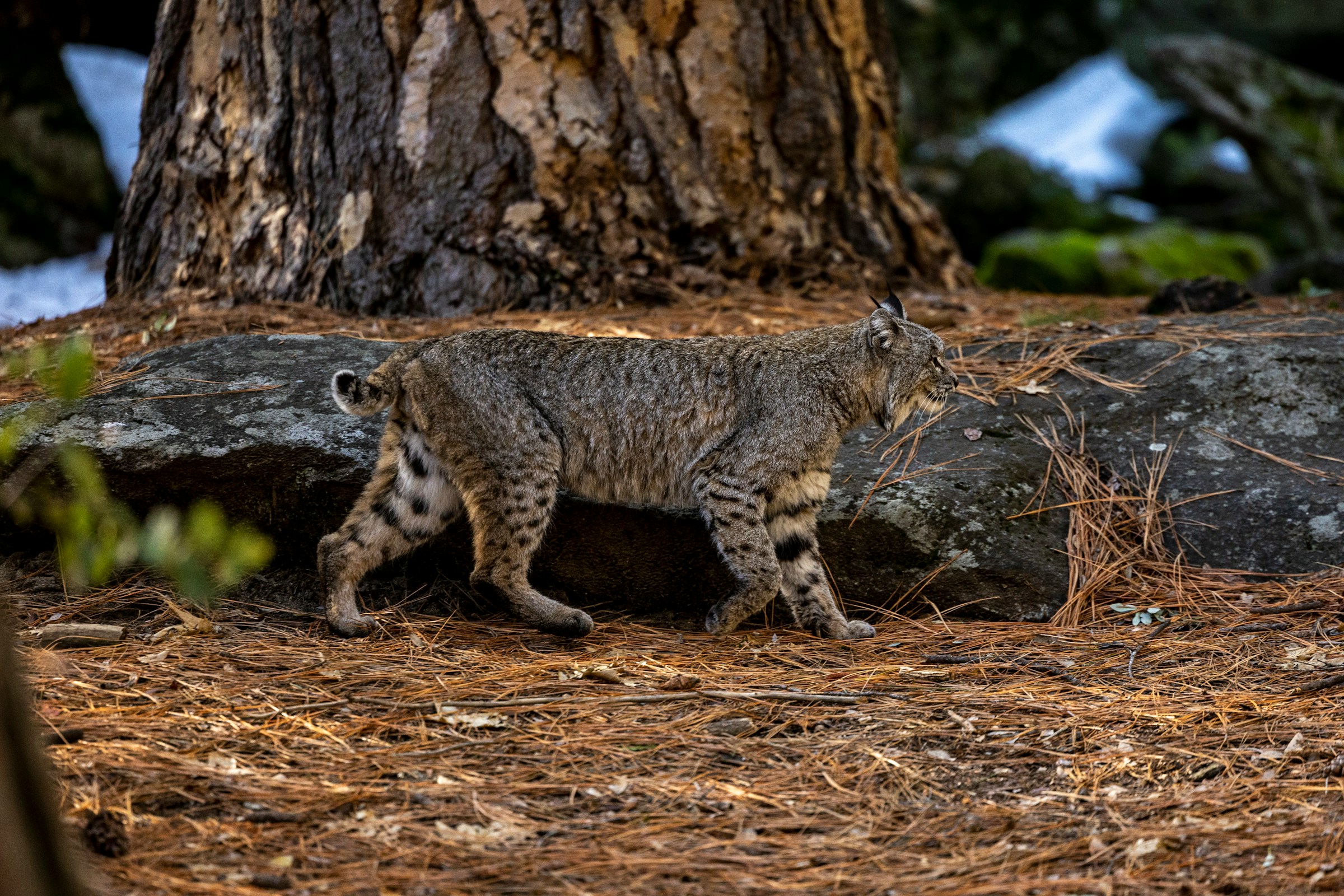
#1 The Pause Is a Sensory Recalibration, Not Hesitation
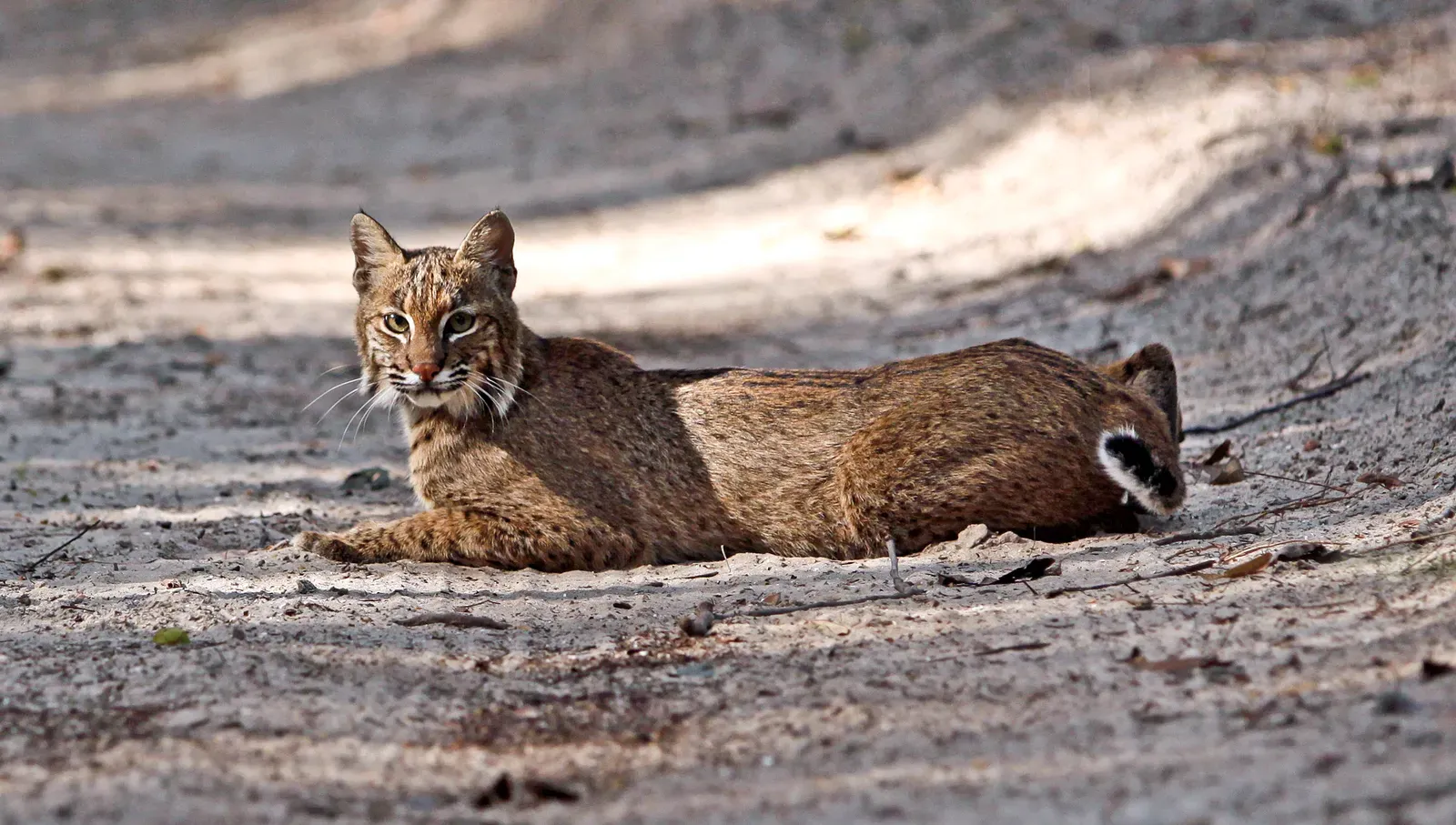
When a bobcat stops mid-retreat, it's often recalibrating its senses rather than freezing in indecision. Bobcats rely heavily on binocular vision tuned for detecting movement, and a quick backward look lets them confirm whether a perceived threat is actually tracking them or has lost interest. Their eyes are built for low-light precision, with a tapetum lucidum that reflects light back through the retina, which is why their eyes sometimes seem to glow in flash photography or at dusk.
This glance also serves an auditory function. Bobcats have highly mobile ear tufts and inner ear structures that help them triangulate sound, and turning the head physically repositions those ears to catch a different angle of the same soundscape. In practical terms, the animal isn't just looking, it's listening one more time before deciding the threat has actually passed.
#2 It's a Calculated Risk Assessment, Not an Emotional Response
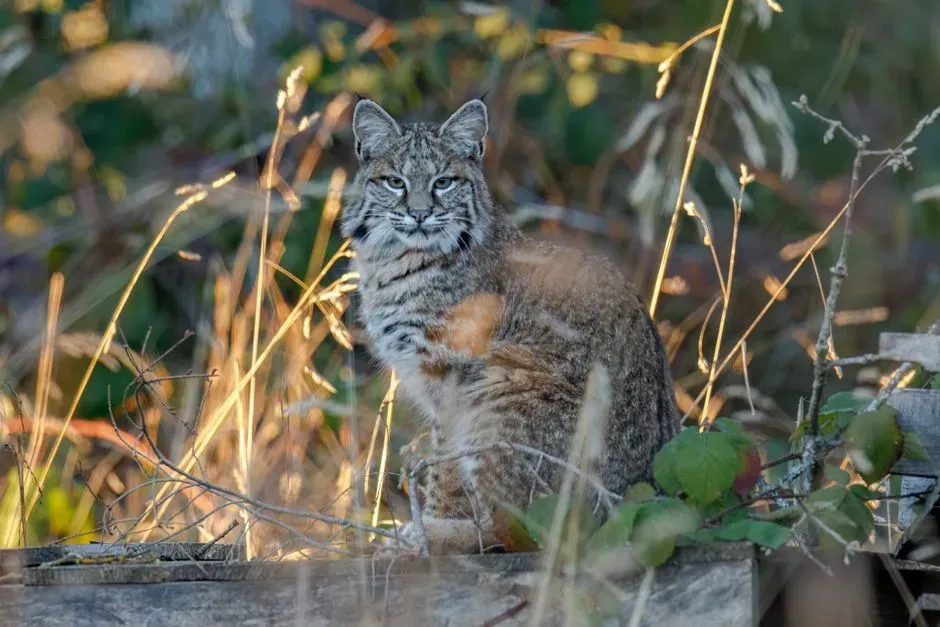
Predators that hunt alone, as bobcats do, cannot afford to make decisions on incomplete information. Every retreat into cover carries a cost, whether that's abandoning a hunting opportunity or losing track of where a competitor or larger predator might be. The pause and glance function as a final data check, a way of confirming that the direction of travel remains safe before committing fully to concealment.
This kind of behavior is consistent with what wildlife biologists generally describe in solitary felids as vigilance behavior, a category of movement that balances energy expenditure against safety. Unlike social animals that can rely on group alertness, a bobcat is its own early warning system. That backward look is essentially the last checkpoint in an internal safety audit before it disappears from view.
#3 Body Language Around the Look Tells the Real Story
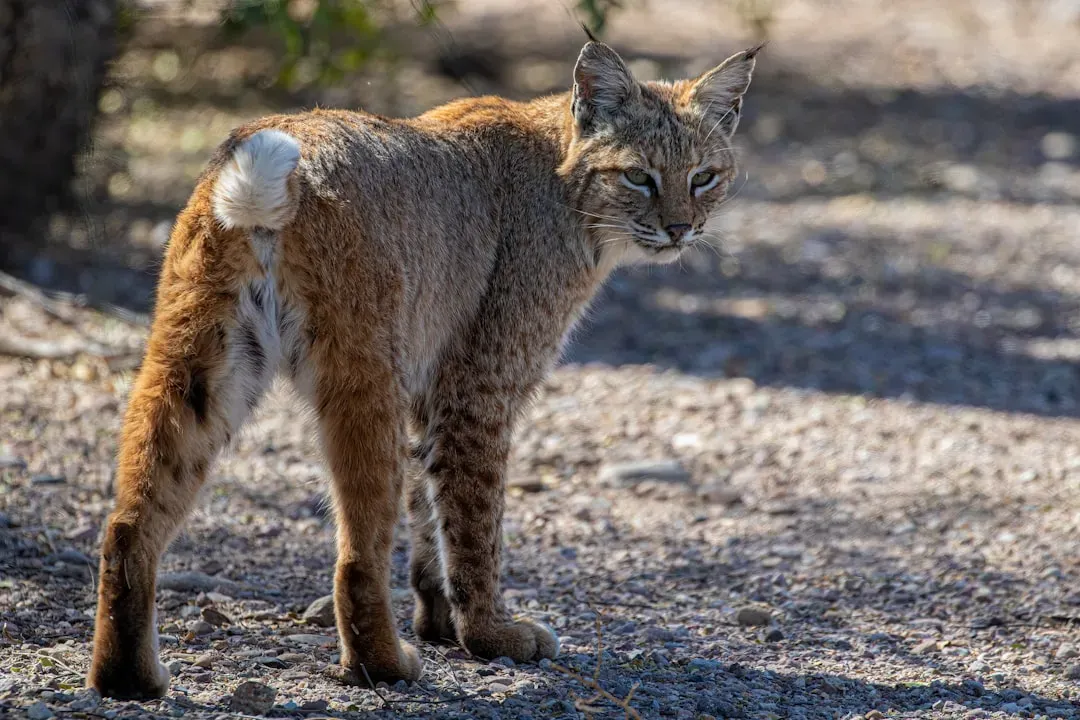
The head turn itself carries less information than the posture surrounding it. A bobcat that pauses with its body still angled toward cover, weight already shifted forward, is signaling that it's essentially already leaving, and the glance is just a formality. Compare that to a bobcat that stops broadside, ears forward, tail held low and still, which suggests genuine uncertainty about whether to continue retreating or reassess the situation entirely.
Tail position in particular offers a readable cue. A twitching or flicking tail during the pause often indicates heightened arousal or agitation, while a still, low tail suggests the animal is calm and simply finishing a routine check. People who spend time reviewing trail camera footage start to notice these subtle differences fairly quickly, even without formal training, because the pattern repeats so consistently across individual cats.
#4 Territorial Familiarity Changes the Behavior
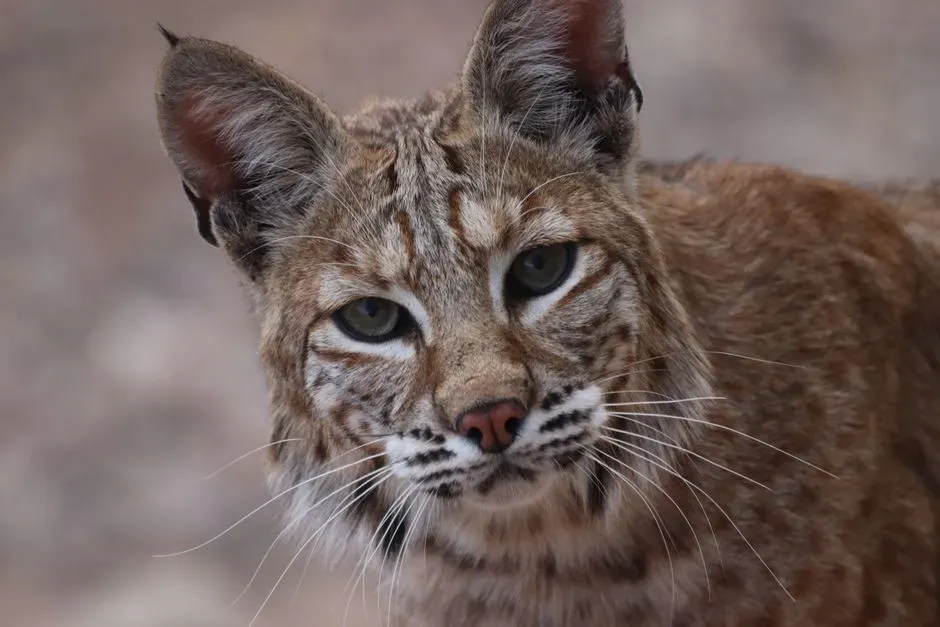
Bobcats maintain home ranges that they know intimately, often revisiting the same trails, den sites, and hunting corners repeatedly. When a bobcat pauses and looks back within its own established range, it tends to move with more confidence, and the glance is shorter, almost perfunctory. It already has a strong mental map of what's behind that cover and doesn't need much reassurance.
In unfamiliar territory, however, or near the edges of overlapping ranges shared with other bobcats, the behavior often stretches longer. The animal may pause multiple times, checking not just for immediate threats but scanning for scent markers, scratch posts, or other signs left by a neighboring cat. This is less about fear and more about information gathering in a landscape it hasn't fully mapped yet.
#5 Human Presence Adds a Distinct Layer of Complexity
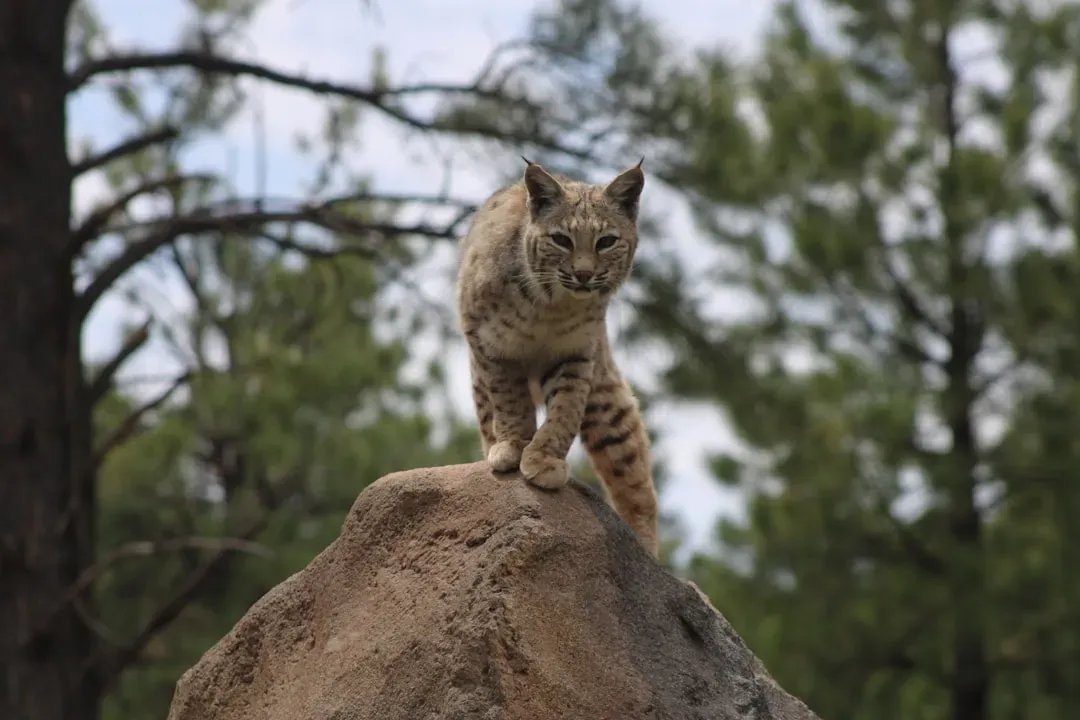
When the observer is a person, the dynamics shift slightly. Bobcats have adapted well to human-altered landscapes, and many populations near suburban edges or agricultural land have grown accustomed to human activity without necessarily fearing it outright. The pause and glance toward a person often reflects a specific evaluation of that individual as a potential threat, rather than a generalized reaction to humans as a category.
Distance, stillness, and eye contact from the observer all factor into how the bobcat responds. A person who remains still and doesn't approach further usually gets a shorter, calmer glance, while sudden movement or direct pursuit tends to trigger a quicker, more committed retreat with barely any pause at all. This suggests the animal is actively reading the human's behavior in real time, adjusting its own response accordingly rather than following a fixed script.
#6 The Behavior Fits a Broader Pattern Seen Across Wild Felids
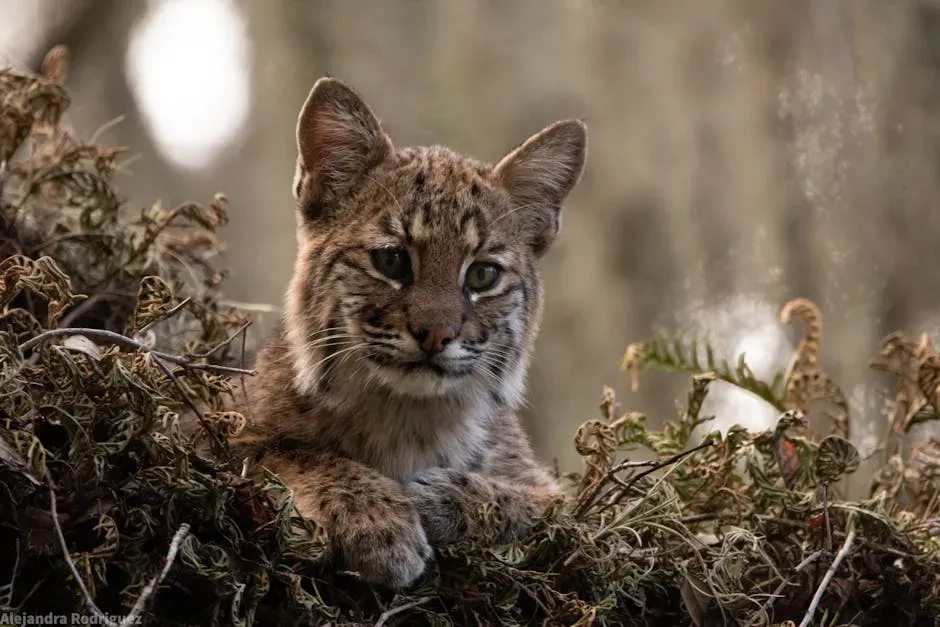
This particular pause-and-look sequence isn't unique to bobcats. Similar behavior has been documented in mountain lions, lynx, and even smaller wildcats, suggesting it's a deeply conserved trait among solitary ambush predators rather than something specific to one species. The consistency across such a wide range of felids points to a shared evolutionary logic, one where a brief visual and auditory check before full retreat offers a survival advantage without costing much in terms of energy or exposure.
What makes bobcats particularly interesting to observe is how often humans get to witness this moment at all, given how elusive the species generally is. Their adaptability to fragmented habitats near towns and farmland means encounters happen more frequently than most people expect, even though actual sightings remain rare and brief. That combination of adaptability and elusiveness is part of why this specific gesture, the pause and the glance, has become such a recognizable and talked-about moment among people who spend time outdoors.
The Takeaway
- 9 Amazing Features That Allow Cheetahs to Turn, Accelerate, and Stop at Incredible Speeds
- 9 Incredible Snow Leopard Facts That Explain How They Survive Where Few Big Predators Can't
- 8 Fascinating Caracal Facts That Go Far Beyond Their Extraordinary Jumping Ability
- The Role of Big Cats in Spirituality and Ancient Rituals