9 Behaviors Kittens Practice Through Play Before They Ever Need Them
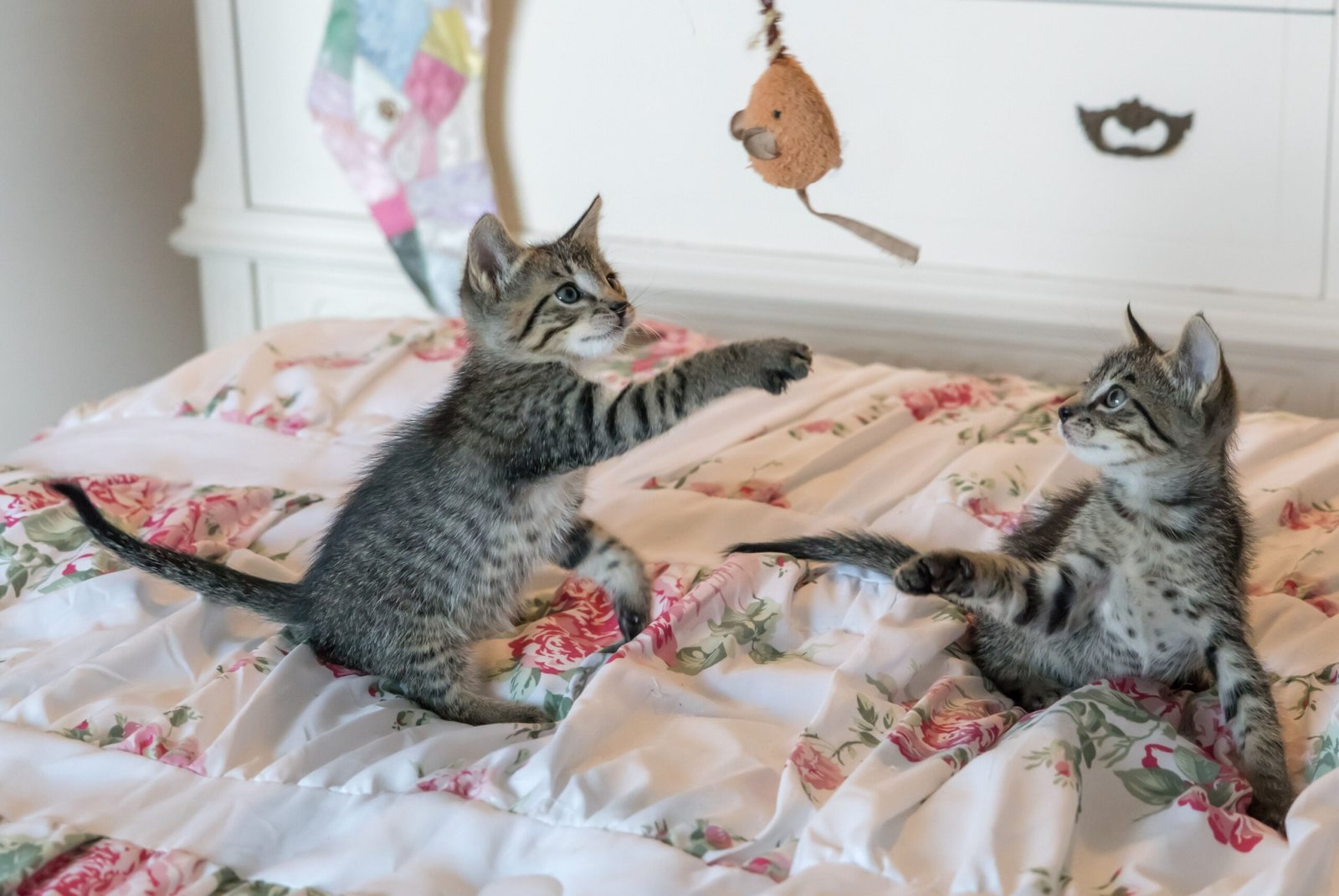
You might think your kitten is just being cute and chaotic, but there’s a lot more going on beneath all that pouncing and wrestling. Every bunny kick, every sideways hop, every sneak attack from behind the couch is actually serious training for real-life skills your cat may one day need. Play is your kitten’s rehearsal studio, and you’re watching a tiny predator in practice mode.
As you live with a kitten, you’re not just a roommate, you’re part of the lesson plan. The way you respond to their games can shape how confident, gentle, and adaptable they become as adults. When you start to see each goofy move as a survival behavior in disguise, your kitten suddenly looks less like a troublemaker and more like a miniature athlete in boot camp.
1. Stalking: Mastering the Art of Silent Movement
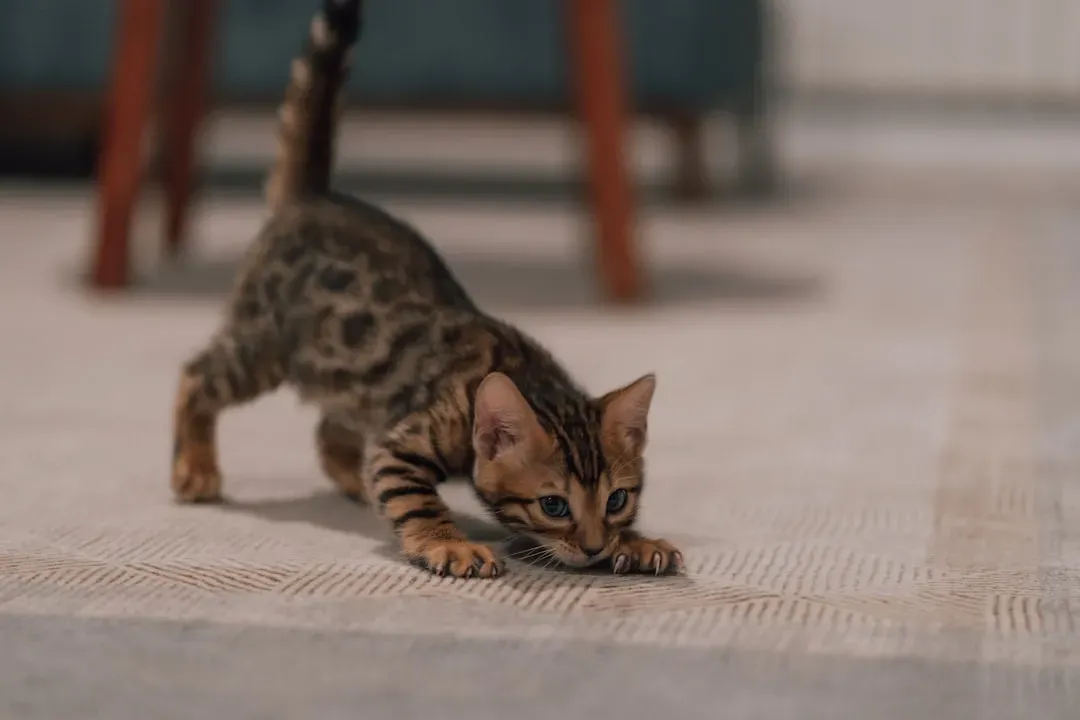
When your kitten lowers their body, wiggles their backside, and creeps toward a toy, they’re practicing the classic stalk. You’re watching a behavior their wild ancestors relied on to sneak up on prey, even if your kitten’s “prey” is a sock or the end of your phone charger. That dramatic pause before they spring forward is not random excitement; it’s your kitten learning how to control their body and timing.
This stalking game teaches your kitten patience, focus, and how to move quietly without wasting energy. You might notice they use furniture, table legs, or even your ankles as “cover,” just like a wild cat would use grass or rocks. When you drag a feather wand slowly along the floor and let them sneak up on it, you’re encouraging that natural behavior in a safe, indoor way and giving their brain the puzzle it craves.
2. Pouncing: Perfecting Precision and Timing
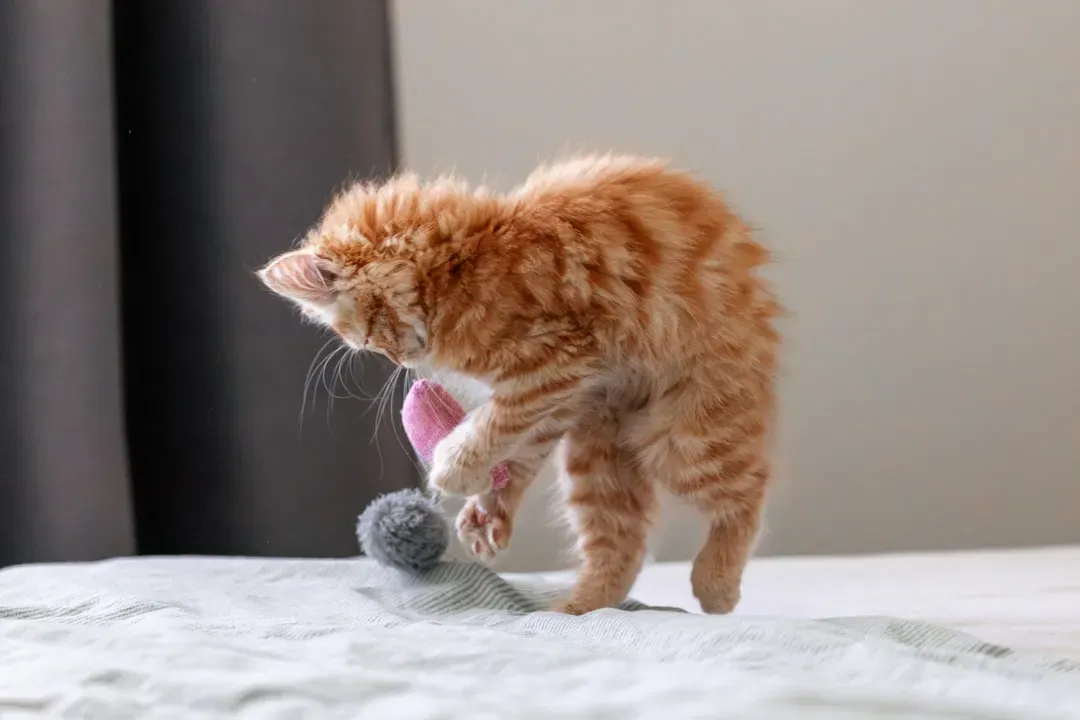
That sudden, explosive jump onto a toy mouse or your moving toes under the blanket is your kitten working on pouncing skills. In the wild, pouncing is what turns a careful stalk into a successful catch. Even if your kitten never hunts anything but catnip toys, their brain is wired to rehearse this move over and over until it’s smooth and accurate.
Through play, your kitten learns how much force to use, how to land without crashing, and how to coordinate their front paws, back legs, and tail. If you toss small toys a short distance or slide them quickly along the floor, you’re giving your kitten the chance to judge distance and speed. Over time, those clumsy, misjudged leaps turn into graceful, controlled pounces that look almost effortless.
3. Chasing: Building Speed, Endurance, and Focus
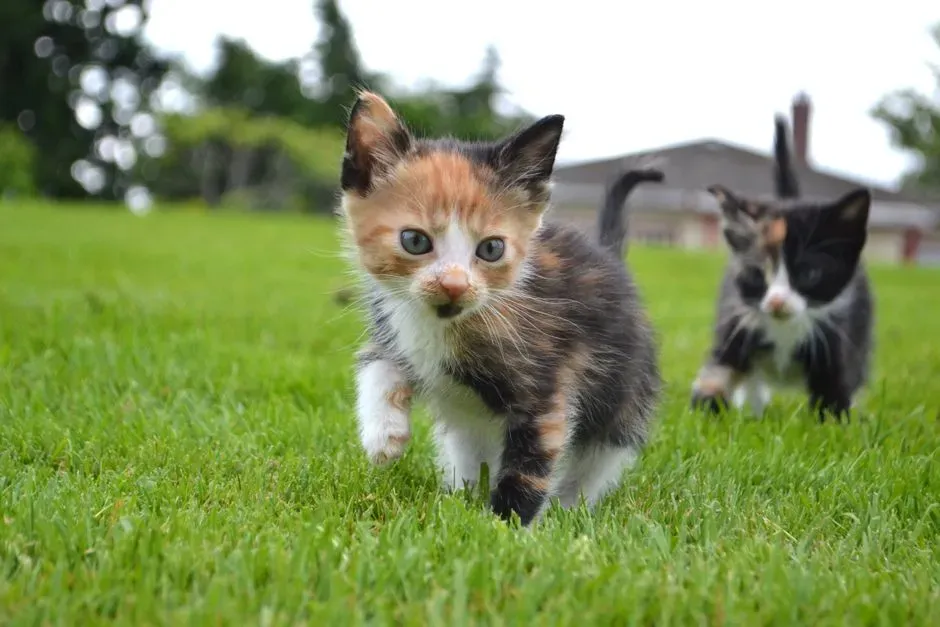
When your kitten tears after a rolling ball or races behind a wand toy like a tiny rocket, they’re not just “zooming for fun.” Chasing games help them practice quick acceleration, sudden turns, and the stamina to keep going. In nature, a cat that wastes energy or gives up too quickly might miss out on food, so your kitten’s body is wired to train for short, powerful bursts of speed.
Chasing also sharpens your kitten’s ability to track a moving target with their eyes and brain, even when it darts unpredictably. When you move toys in a zigzag pattern or let them roll out of sight around a table leg, you’re challenging your kitten to stay locked in and not get distracted. That same mental focus will later help them respond to household changes, new pets, or unfamiliar visitors with more confidence instead of panic.
4. Wrestling and Play-Fighting: Learning Limits and Social Skills
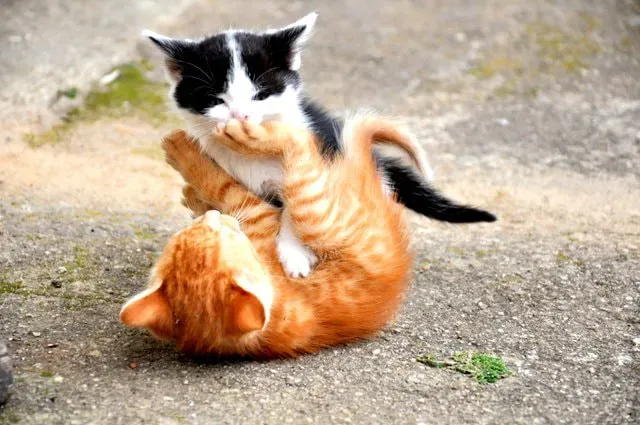
If your kitten has littermates or another friendly cat at home, you’ve probably watched them wrestle, bite, and kick each other nonstop. It can look rough, but this play-fighting is where your kitten learns how far is too far. When they bite too hard and the other cat squeals or walks away, your kitten gets instant feedback that helps them adjust their strength and self-control.
Even if they’re wrestling with your hands or a stuffed toy, they’re practicing how to grab, hold, and defend themselves. This kind of play helps teach them bite inhibition, which is the ability to hold back from biting with full force. If you redirect rough play onto toys instead of your skin and stop the game when they get too intense, you’re helping your kitten grow into an adult cat that knows how to be playful without hurting anyone.
5. Climbing and Balancing: Preparing for Heights and Escapes
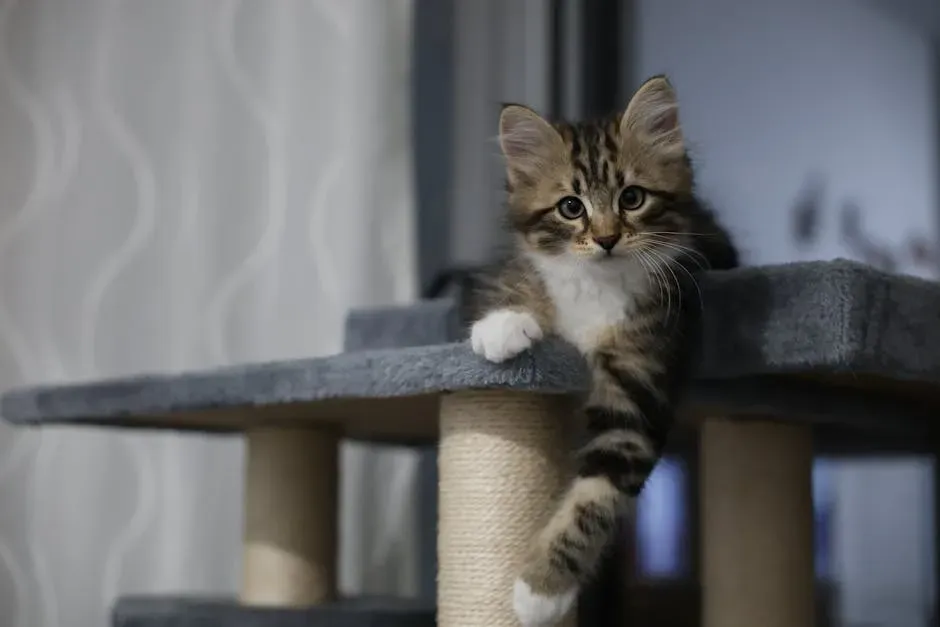
When your kitten scrambles up the back of the couch, scales the cat tree, or tests how far they can reach a windowsill, they’re training their body for life in three dimensions. Cats are natural climbers, and in the wild, height gives them safety, a better view, and sometimes an escape route. Your kitten doesn’t know they might never need to leap from tree to tree; their instincts push them to build those skills anyway.
Climbing and balancing games strengthen your kitten’s core muscles, improve coordination, and refine their sense of what’s stable and what’s risky. When you offer shelves, cat trees, or even a sturdy box tower, you create a safe practice arena that keeps them off unsafe places like curtain rods or your TV. Over time, you’ll see them misjudge fewer jumps, stick landings more often, and navigate narrow ledges like a furry acrobat.
6. Batting and Swatting: Fine-Tuning Paw-Eye Coordination
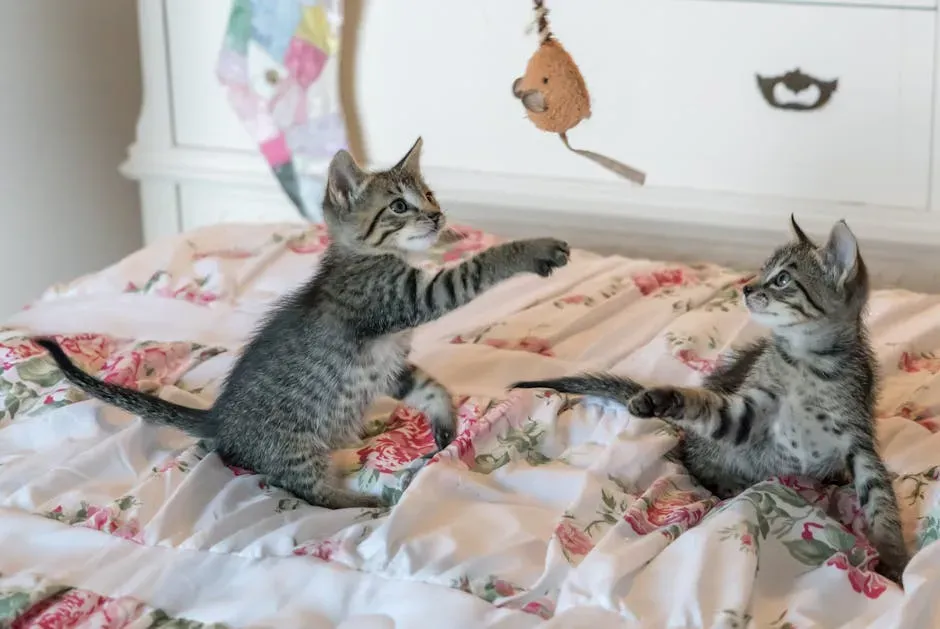
Whenever your kitten sits back and carefully taps at a dangling string, a bug, or a rolling toy, they’re working on precise paw control. Batting and swatting help them learn how hard to hit an object, how to catch it between their paws, and how it moves when they strike it. In nature, that same motion is used to stun prey or test something unfamiliar without getting too close.
These games strengthen the tiny muscles in your kitten’s legs and paws and sharpen their timing in a way screens and gadgets never could. When you use wand toys or toss lightweight balls that bounce unpredictably, you’re challenging your kitten to anticipate movement and react quickly. That practice pays off later when they navigate obstacles, avoid hazards, or even gently tap you for attention instead of using claws.
7. Bunny Kicking: Practicing Self-Defense Tactics
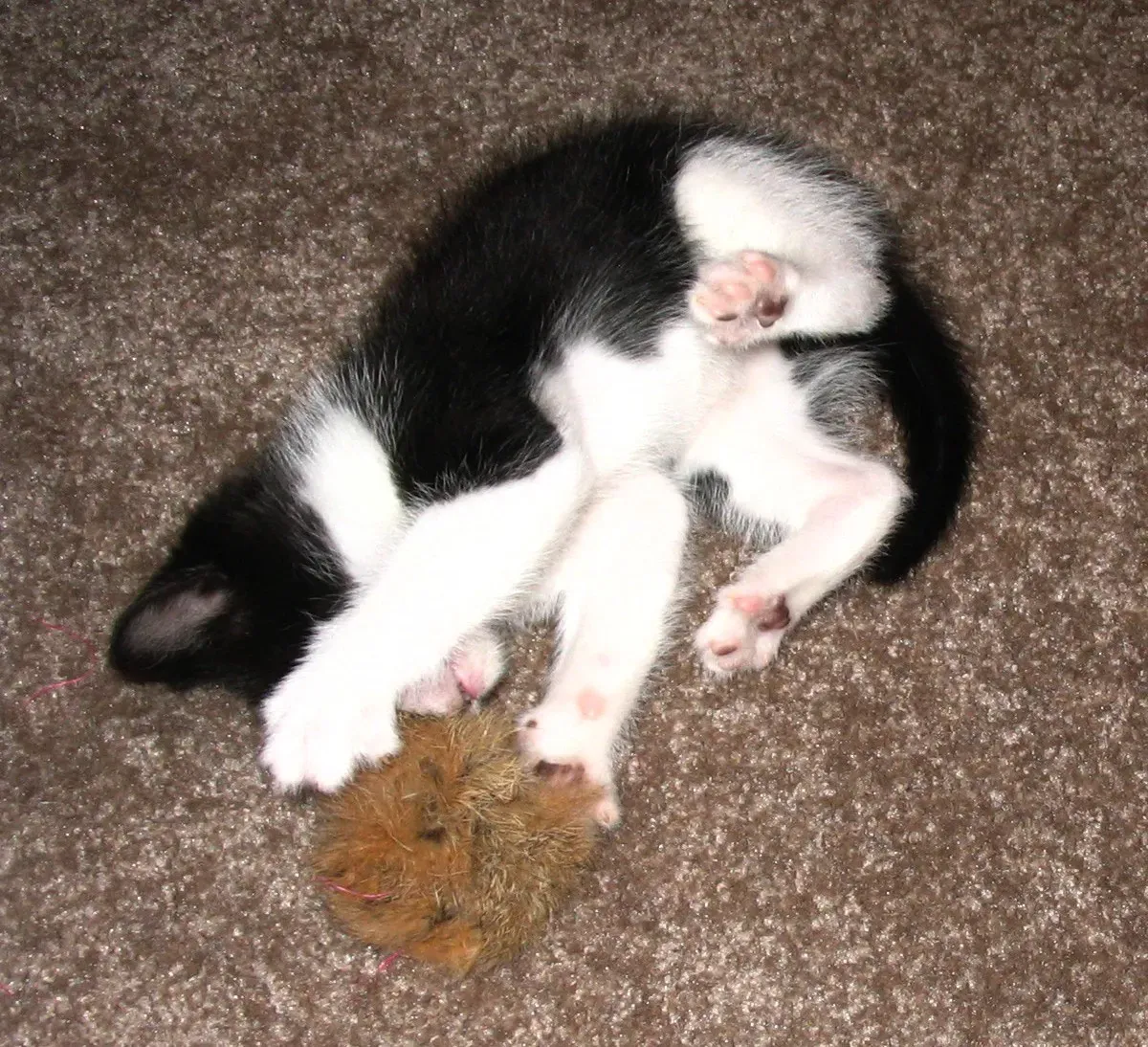
If you’ve ever watched your kitten grab a toy with their front paws and kick it furiously with their back legs, you’ve seen the classic bunny kick in action. This move is a powerful self-defense technique, designed to push away an attacker or deliver strong blows to a vulnerable area. In playful form, your kitten uses it on stuffed toys, blankets, or sometimes your arm if you let them.
Through this kicking practice, your kitten learns how to brace their body, hold on tight, and use their hind legs with accuracy and strength. When you give them long, plush toys they can wrap their body around, you’re offering a safe outlet for this instinct. Guiding that behavior onto toys instead of bare skin teaches your kitten that they can unleash their power without crossing the line into painful territory with their favorite humans.
8. Hiding and Ambushing: Practicing Strategy and Patience
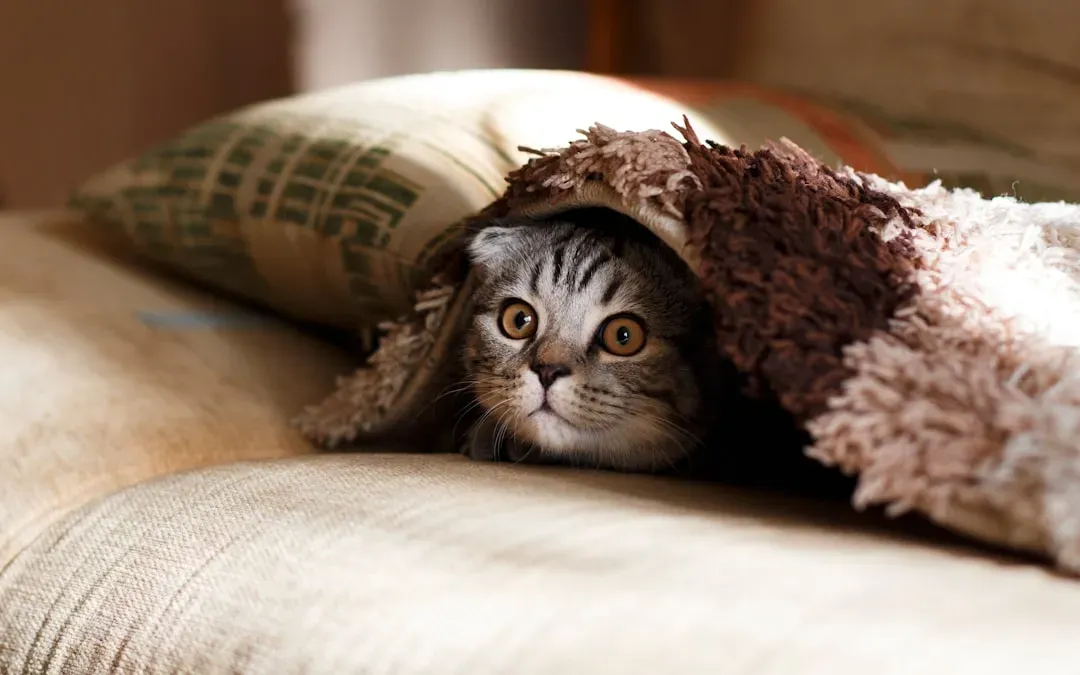
When your kitten slips under the bed, waits behind a door, or lurks inside a paper bag just to spring out at a passing foot or toy, they’re rehearsing ambush tactics. This kind of play is all about patience, timing, and using the environment to their advantage. Even indoors, where food appears in bowls instead of fields, your kitten’s brain still wants to practice setting up the perfect surprise attack.
Hiding games also give your kitten a sense of control and safety, because they’re choosing when to appear and when to retreat. If you toss toys near their hiding spot, crinkle tunnel bags, or play peekaboo around corners, you’re encouraging healthy ambush play that builds confidence. Later in life, that same comfort with hiding and re-emerging can help your adult cat handle stress, visitors, or new environments with a calmer, more strategic approach.
9. Object Carrying and “Killing”: Rehearsing the Full Hunt Sequence
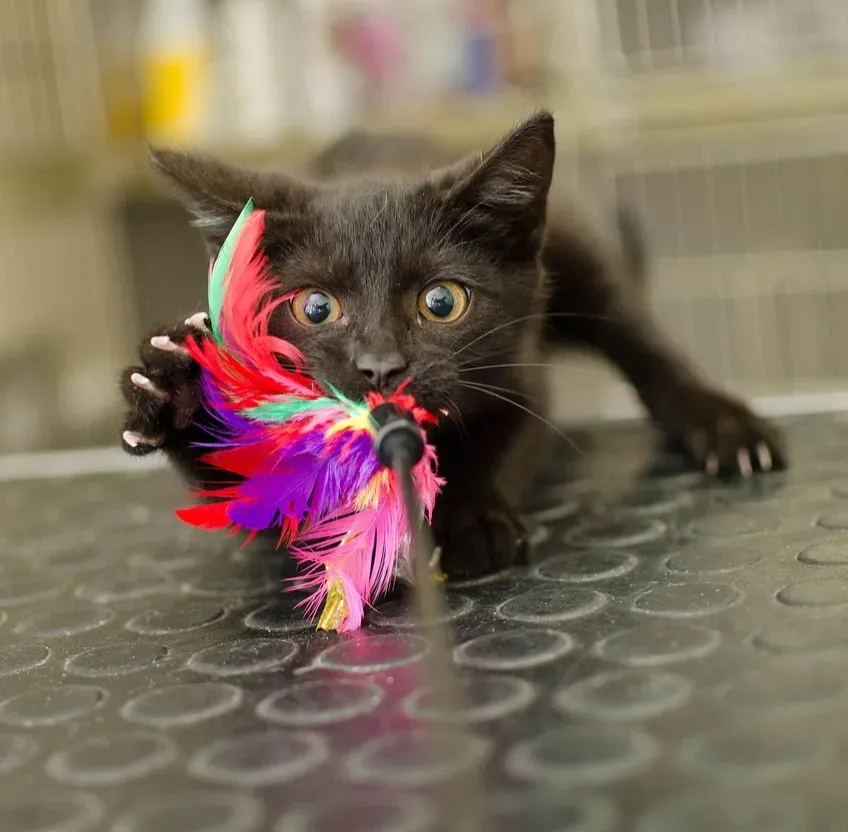
When your kitten grabs a toy in their mouth and proudly trots off with it, they’re not just being adorable, they’re following an ancient script. In the wild, a cat would catch, subdue, carry, and sometimes relocate prey to a safer place before eating. Your kitten may never need to do any of that for survival, but their play often runs through the entire sequence anyway.
You might see them shake a toy, drop it, pounce again, or stash it in a favorite corner as if they’re “storing” it. That behavior helps them feel successful and in control, because they’ve completed the job their instincts told them to start. When you praise them, let them “win” by capturing the toy, and resist always snatching it away too early, you’re rewarding that sense of accomplishment and building their confidence for all kinds of challenges beyond playtime.
Conclusion: Seeing Your Kitten’s Play as Powerful Practice
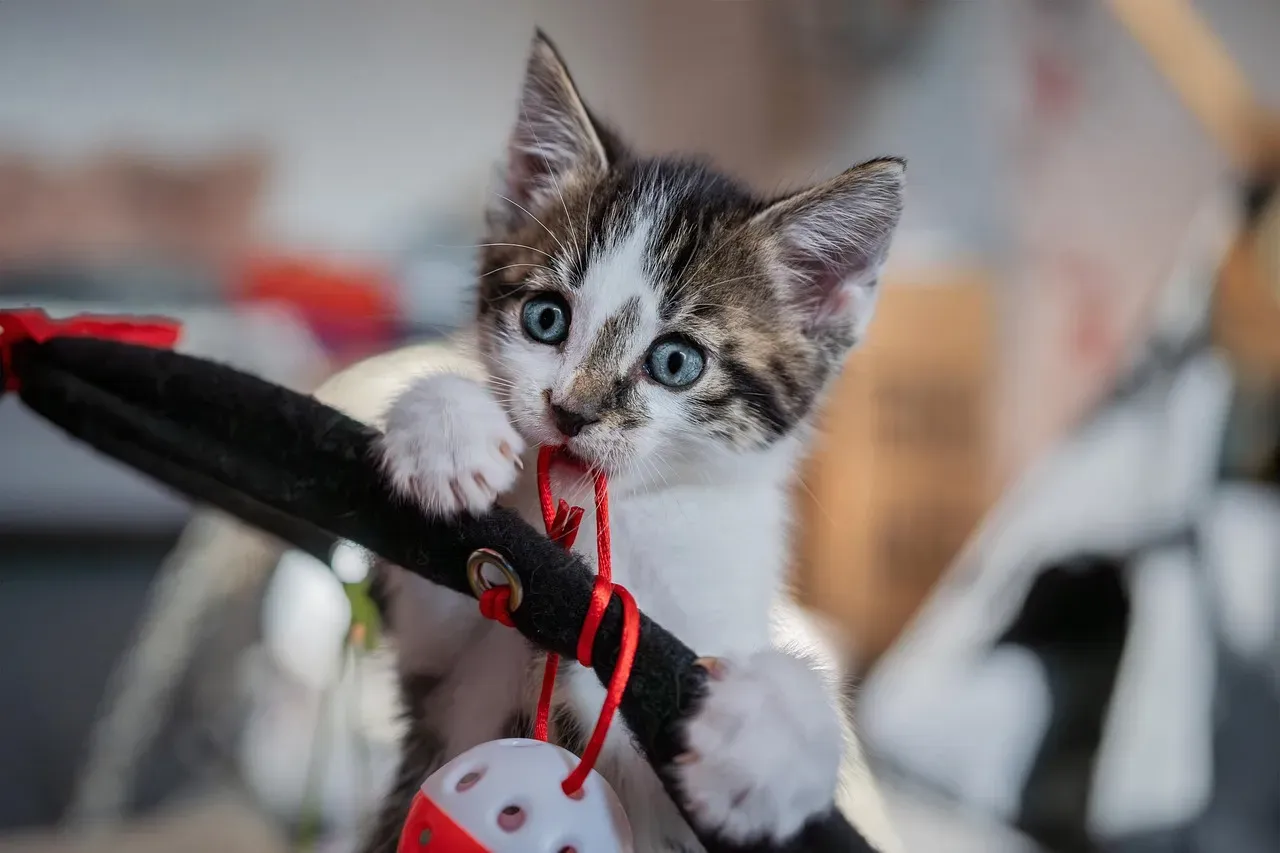
Once you realize every silly move your kitten makes is actually serious practice, their behavior starts to look a lot more meaningful. Stalking, pouncing, wrestling, climbing, kicking, and hiding are not random bursts of chaos; they’re carefully wired instincts that keep your kitten sharp, coordinated, and emotionally satisfied. Even if they spend their whole life indoors, their body still expects this daily training.
By offering the right toys, safe spaces to climb, and gentle rules about how rough is too rough, you turn everyday play into a powerful tool for raising a confident, well-adjusted adult cat. You’re not just entertaining a tiny ball of fluff; you’re coaching an athlete, a strategist, and a survivor wrapped up in one small body. The next time your kitten launches a surprise attack on a crinkle ball, you might catch yourself smiling and wondering: who knew practice could look this adorable?