9 Behaviors That Reveal How Cats Negotiate Shared Territory Without Fighting

#1 Time-Sharing the Same Paths
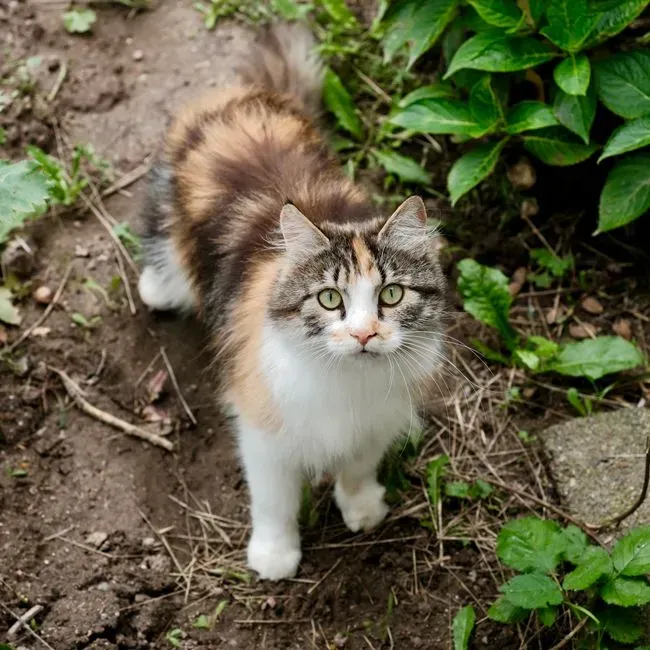
Cats are famously territorial, yet in multi-cat households or neighborhoods with several outdoor cats, direct confrontation is actually rare. One of the biggest reasons is that cats often use the exact same routes, just at different times of day. A cat might patrol the garden fence at dawn, while another uses it at dusk, effectively splitting the schedule instead of the space itself.
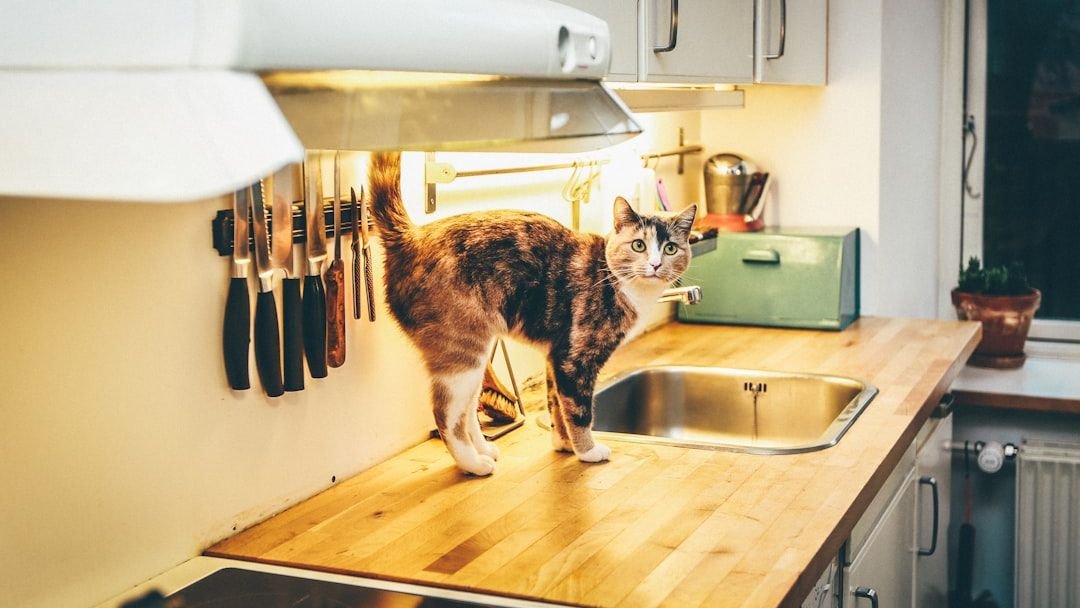
This kind of temporal avoidance is well documented in feral cat colonies, where researchers have noted that overlapping ranges rarely lead to physical clashes because the animals adjust their activity windows. It's less about mapping out borders and more about mapping out time. For house cats, this can look like one cat claiming the kitchen in the morning and another taking over in the evening, almost like shift work nobody signed up for but everyone respects.
#2 Scent Marking as a Silent Message Board
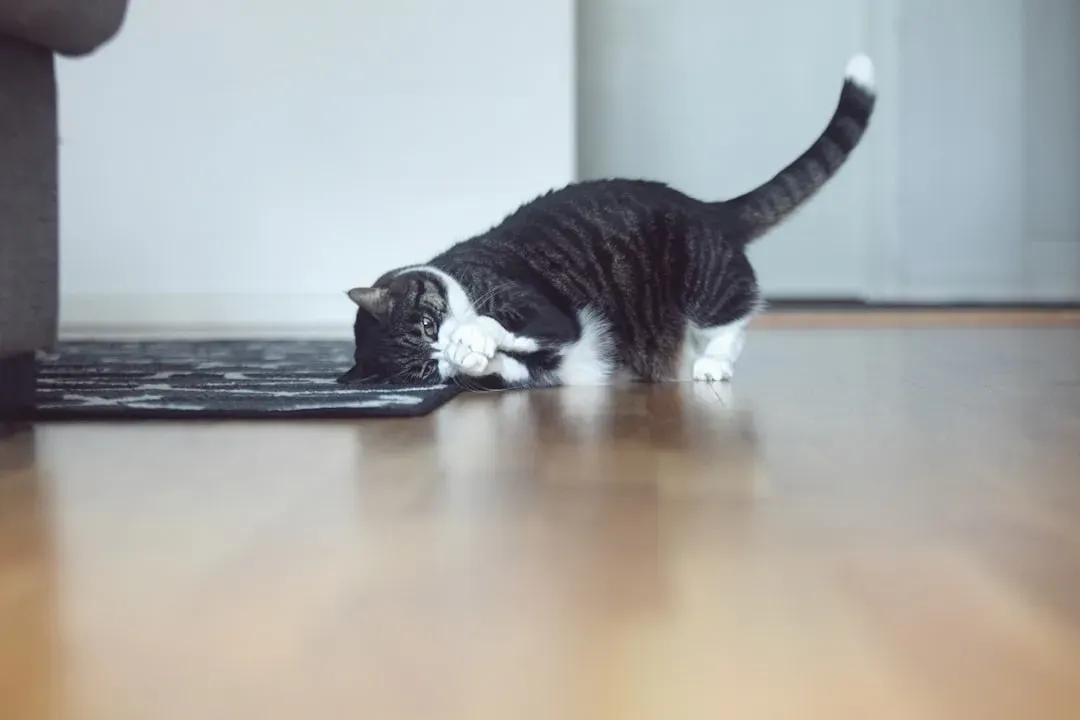
Cheek rubbing, scratching, and even the subtle deposit of pheromones from paw pads all serve as a kind of bulletin board system. When a cat rubs its face against a doorframe or a piece of furniture, it isn't just being affectionate. It's leaving chemical information that tells other cats who has passed through and roughly when.
This scent-based communication reduces the need for face-to-face negotiation because the message has already been delivered before anyone shows up. A cat that smells a familiar scent on a favorite perch might simply choose to wait or move along rather than confront the resident directly. It's a low-stakes way of saying "I was here" without ever needing to escalate things into a standoff.
#3 Vertical Territory Splitting
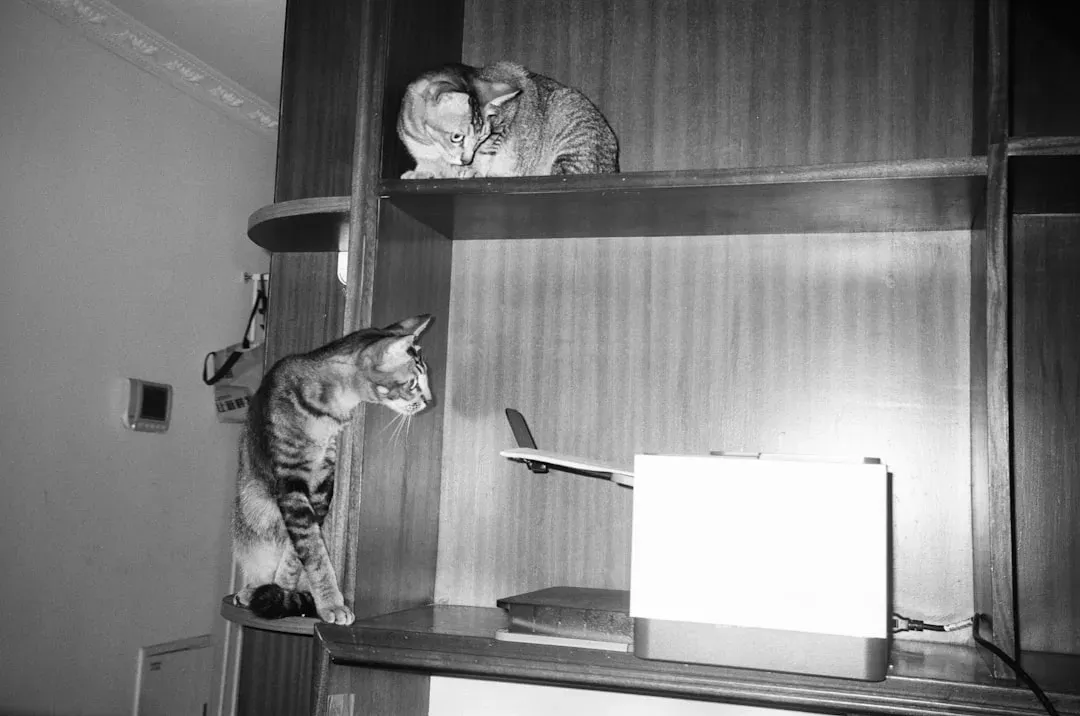
Cats are natural climbers, and that skill turns out to be incredibly useful for keeping the peace. Instead of dividing a room into left and right, cats often divide it into up and down. One cat claims the cat tree or the top of the bookshelf, while another owns the floor level, and both consider the arrangement perfectly fair.
This vertical stratification gives each animal a sense of control over "their" zone without needing to push anyone out of a shared horizontal space. It also explains why so many multi-cat households benefit from adding shelves, perches, or tall furniture. More vertical real estate means more peaceful overlap, since height itself becomes a form of territory that doesn't require confrontation to claim.
#4 Indirect Routes and Detours
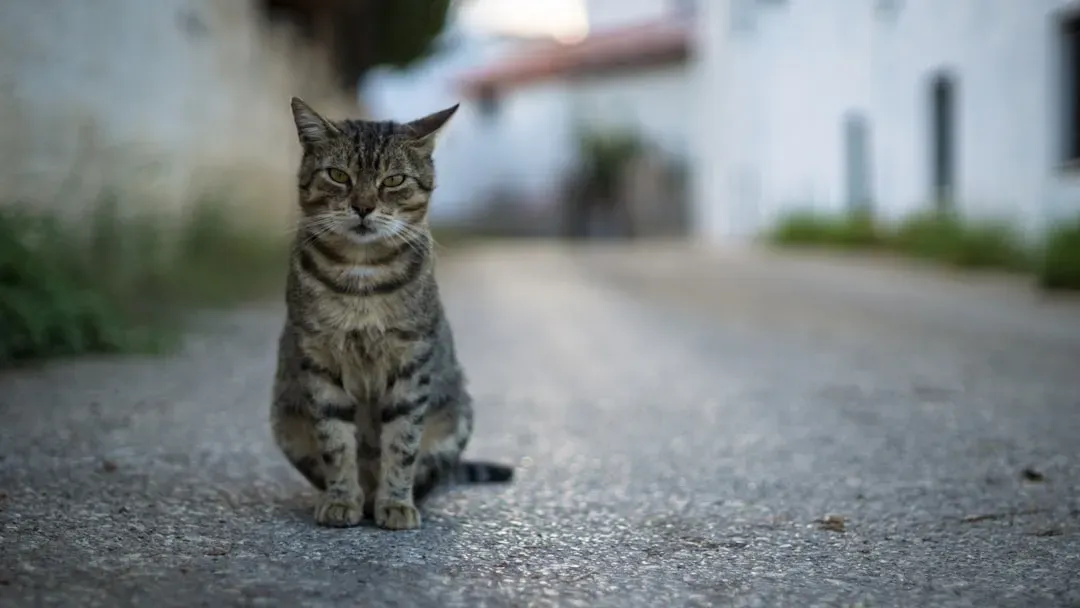
Watch a cat closely as it moves through a house with other cats, and you'll notice something curious. It rarely takes the shortest path if that path means walking straight toward another cat. Instead, it loops around furniture, pauses at doorways, or takes a longer way just to avoid a direct approach.
This detouring behavior is a subtle form of social spacing. Cats seem to understand, on some instinctive level, that walking straight at another cat reads as a challenge, while an indirect approach reads as neutral or even respectful. Over time, households with multiple cats often develop these unspoken traffic patterns, almost like invisible lanes that everyone quietly agrees to follow.
#5 The Slow Blink as a Peace Signal
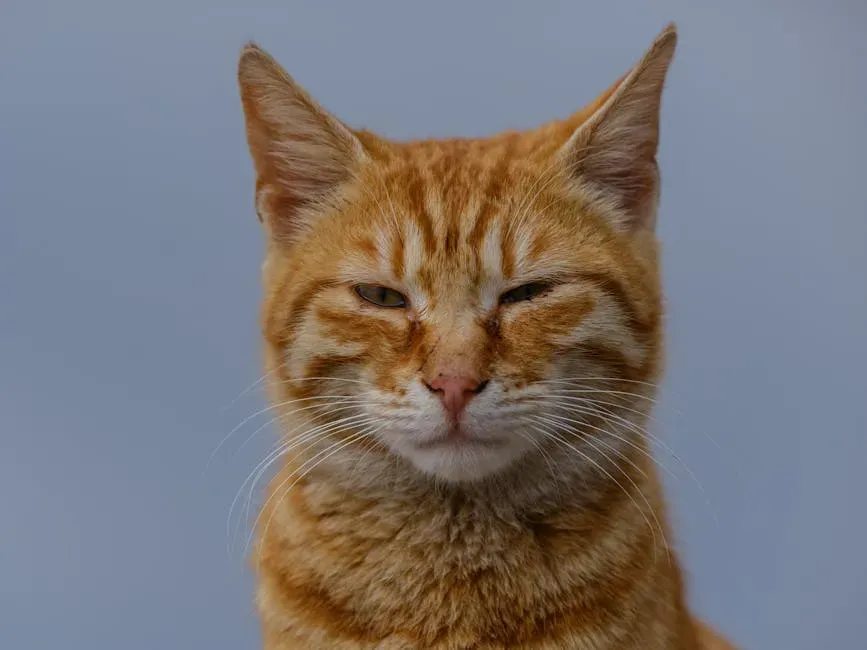
The slow blink has become something of an internet darling in recent years, often described as a cat's version of a smile. But its real function runs deeper than cuteness. When a cat slow blinks at another cat, or at a person, it is signaling relaxed intent and a lack of threat.
In territorial disputes, a slow blink exchanged between two cats can function as a de-escalation tool, essentially communicating that neither party wants trouble. It's a small gesture, barely noticeable if you're not looking for it, yet it carries real weight in feline social dynamics. Two cats meeting at a doorway might exchange a slow blink instead of a hiss, and just like that, the tension dissolves.
#6 The Freeze and Stare Standoff
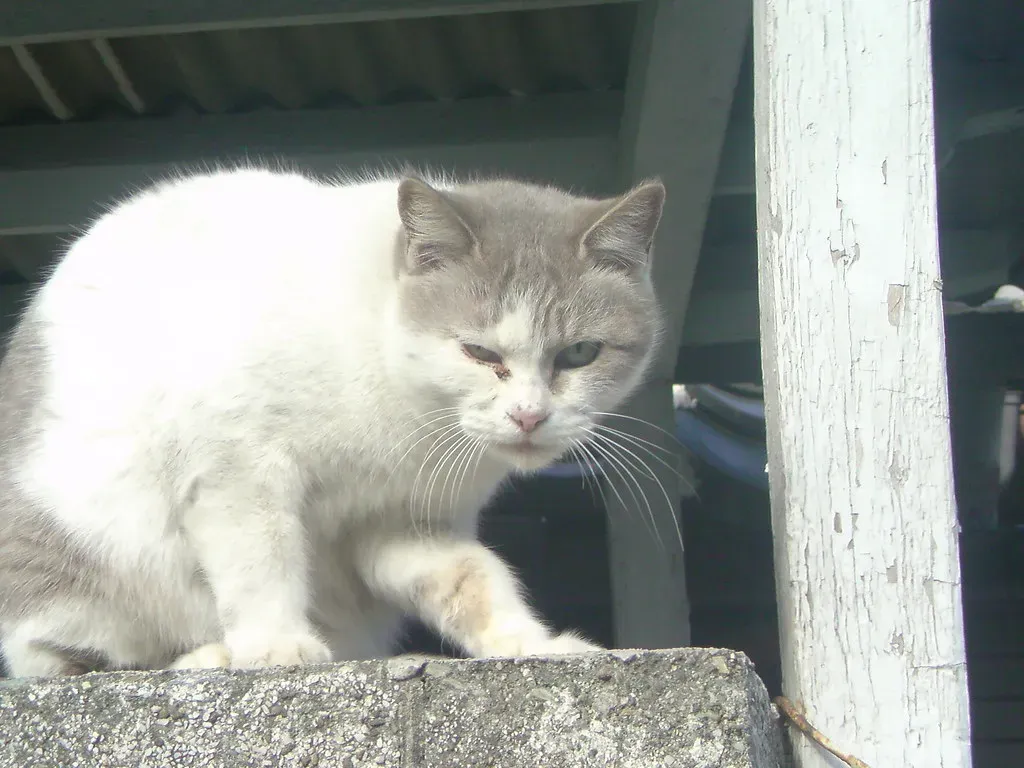
Not every negotiation is subtle. Sometimes cats engage in what looks like a tense staring contest, freezing in place while locking eyes with another cat from a distance. This behavior, often mistaken for the start of a fight, is actually more often a way of assessing the situation before deciding whether to proceed, retreat, or wait it out.
These standoffs can last anywhere from a few seconds to several minutes, and they usually end with one cat simply walking away or shifting its body language to something more relaxed. It's a low-cost way of testing intentions without committing to any physical risk. Think of it as feline poker, where the first one to blink, so to speak, often loses the claim to whatever space is in question.
#7 Allogrooming and Bunting to Smooth Things Over

In households where cats generally get along, mutual grooming and head bunting play an important role in maintaining peace over shared resources. When one cat grooms another around the head and neck, it reinforces a bonded relationship that makes territorial disputes far less likely to escalate. Bunting, or gently headbutting another cat or a person, works similarly by blending scent and reaffirming familiarity.
These affiliative behaviors act almost like social glue, smoothing over the friction that naturally comes from sharing limited resources like food bowls, litter boxes, or favorite napping spots. Cats that regularly groom each other are statistically less likely to engage in aggressive encounters, according to observations from feline behaviorists studying multi-cat households. It's a reminder that some of the peace between cats isn't accidental. It's actively maintained.
#8 Core Territory Versus Shared Range
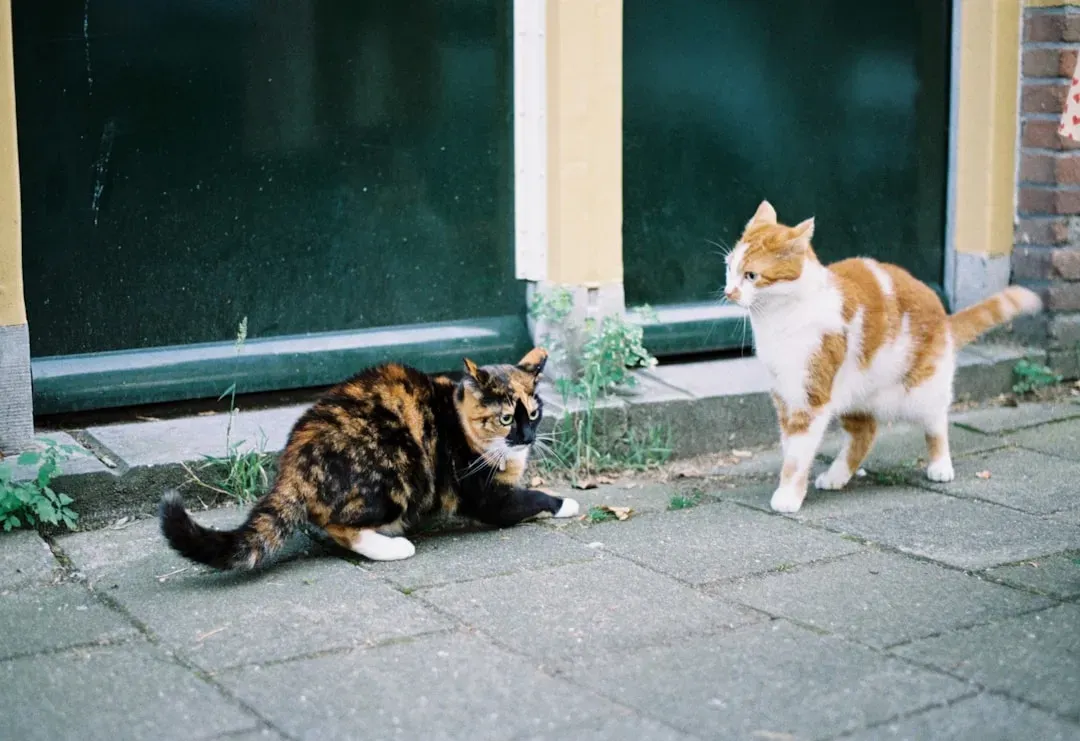
Cats mentally divide space into two categories, even if they've never read a behavioral science paper on the subject. There's the core territory, usually a small, safe area like a favorite bed or a specific corner of a room, and then there's the broader home range, which can overlap significantly with other cats without much issue.
The core territory is guarded closely and rarely shared, while the home range is treated with far more flexibility. This distinction explains why a cat might tolerate another cat wandering through the living room but become noticeably tense if that same cat approaches its sleeping spot. Understanding this difference helps explain a lot of confusing cat behavior, since the intensity of a reaction often depends entirely on which type of space is being crossed.
#9 Displacement Behaviors to Diffuse Tension
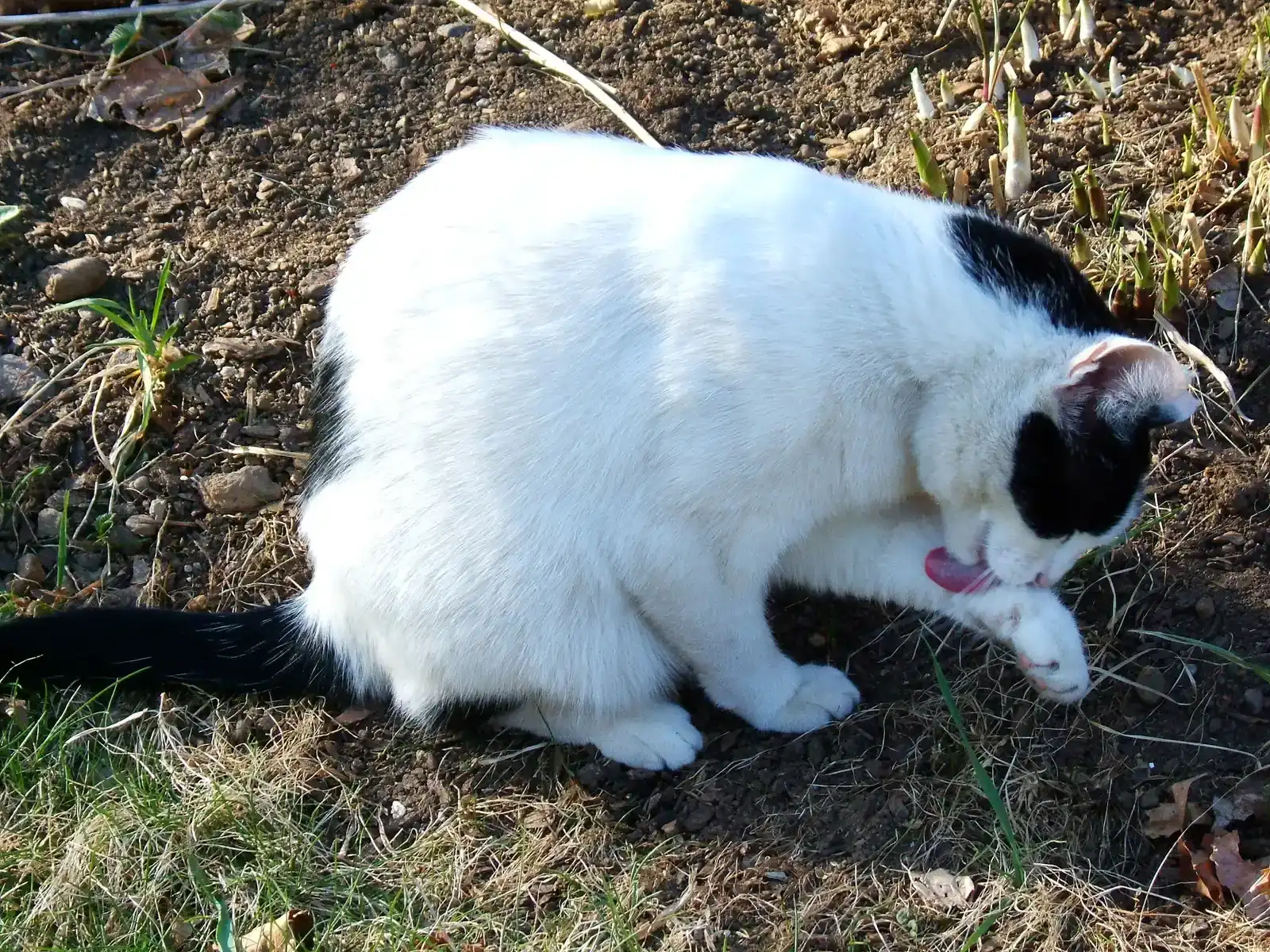
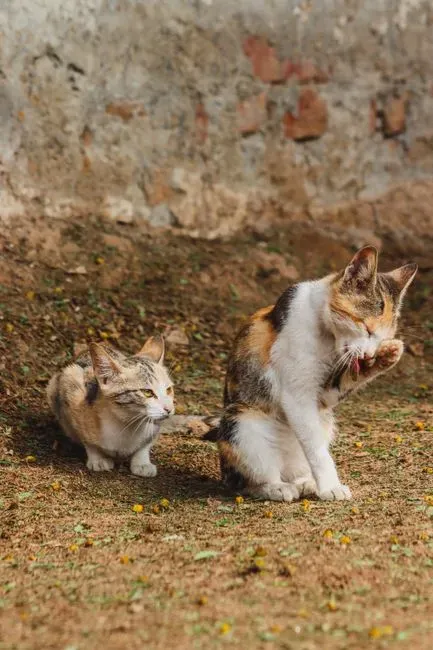
When two cats find themselves in an ambiguous or slightly tense situation, they often redirect their nervous energy into something unrelated, like grooming themselves, yawning, or suddenly becoming very interested in a nearby object. These are known as displacement behaviors, and they serve as a pressure valve during moments of social uncertainty.
Rather than escalating a tense moment into conflict, a cat might sit down and lick its paw as if nothing is happening, even while clearly aware of the other cat's presence. This small act buys time and signals a lack of immediate aggression. It's a surprisingly effective strategy, and it shows just how much subtlety goes into avoiding fights that, on the surface, might have seemed inevitable.
The Diplomacy We Rarely Notice
What strikes me most about all of this is how much quiet intelligence goes into something we tend to write off as simple animal instinct. Cats aren't avoiding conflict because they're incapable of it. They're avoiding it because fighting is expensive, risky, and usually unnecessary when better options exist. That's not luck. That's strategy.
If there's one opinion worth sticking your neck out for here, it's this: we give cats far too little credit for how socially sophisticated they actually are. The next time your cats seem to be ignoring each other in a shared room, look closer. There's a good chance a negotiation is happening right in front of you, and it's working exactly as intended.