You’ve probably noticed it before. That moment when you’re feeling low and your cat suddenly appears beside you, purring softly. Or maybe you’ve got one of those felines who couldn’t care less if you’re crying your eyes out, happily napping in the other room without a hint of concern. Let’s be real, not all cats are created equal when it comes to emotional connection.
Research shows that cats can mimic their owners’ personalities, especially with traits like openness, extroversion, neuroticism and emotional stability. Yet some breeds seem hardwired to pick up on every shift in your emotional state, while others maintain a cool, regal distance no matter what’s happening around them. It’s fascinating how differently these creatures respond to us.
So which breeds are most likely to shadow you when you’re stressed? And which ones prefer watching from afar, content in their own mysterious world? Let’s dive into the empathetic companions and the independent spirits of the feline universe.
The Ragdoll: Your Floppy Emotional Support
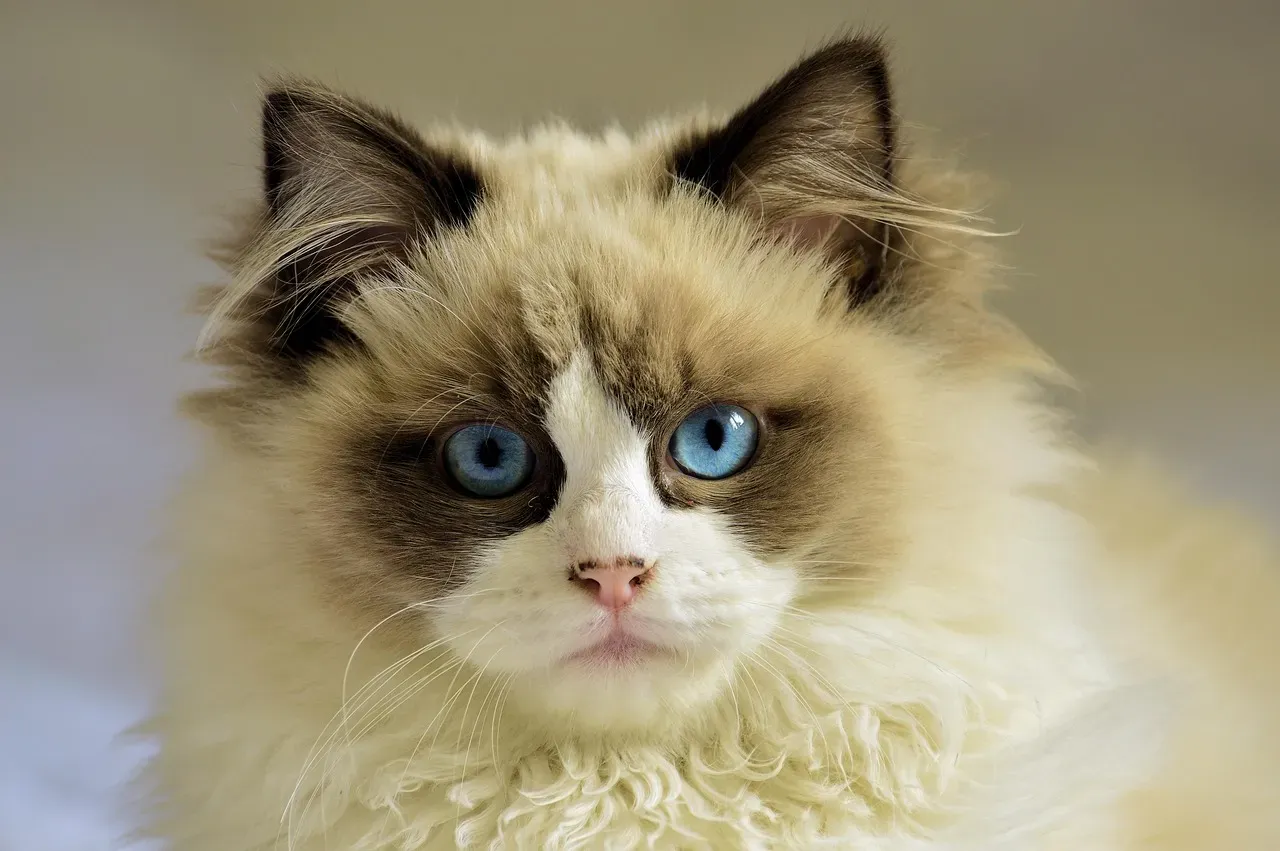
Ragdolls are exceptionally sensitive to human emotions, frequently shadowing their owners from room to room when they sense stress or sadness. You might notice your Ragdoll appearing out of nowhere when you’re having a rough day, settling down next to you with that characteristic limpness they’re famous for. These cats don’t just tolerate being held – they actively relax into it, going completely floppy in your arms like a furry stress ball.
They are highly attuned to tone, routine, and mood changes, responding with calm presence instead of high-energy behavior. If you’ve ever wondered whether your Ragdoll truly understands you, the answer is probably yes. They won’t necessarily perform tricks or show off their intelligence through complicated behaviors, but their emotional intelligence is off the charts. When you’re anxious, they stay close. When you’re calm, they’re content to lounge nearby, keeping that gentle companionship going.
The Siamese: Vocal and Emotionally Tuned In
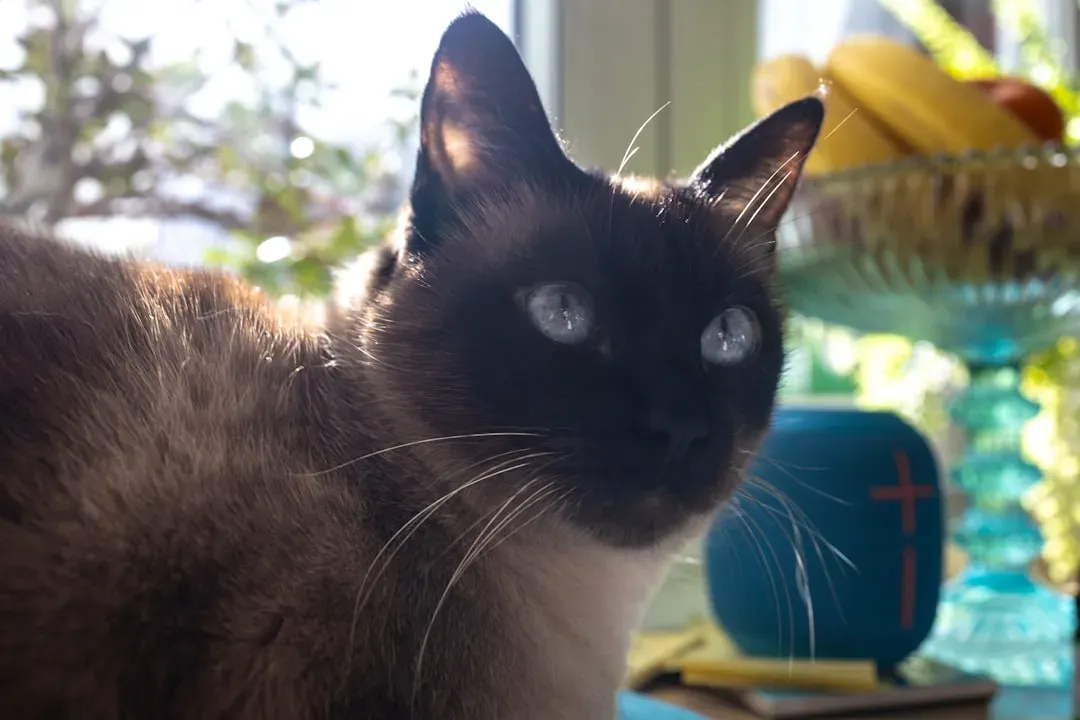
Siamese cats tend to mirror their owner’s mood, staying close during sad or stressful moments and offering comfort through physical closeness and gentle attention. These chatty felines are famous for their “conversations” with their humans, but it goes deeper than just noise. Your Siamese is reading the room constantly, picking up on your tone, body language, and emotional state with surprising accuracy.
Originating from Thailand, this breed is known for its strong attachment to people and expressive personality, and when it comes to understanding human emotions, Siamese cats are remarkably intuitive. Honestly, if you’re looking for a cat that’ll practically act like a therapist in fur, this might be your match. They’re not just hanging around because they’re bored – they genuinely seem to pick up on your feelings and adjust their behavior accordingly. Sometimes it’s a little unsettling how well they know you.
The Maine Coon: Gentle Giant With Emotional Radar
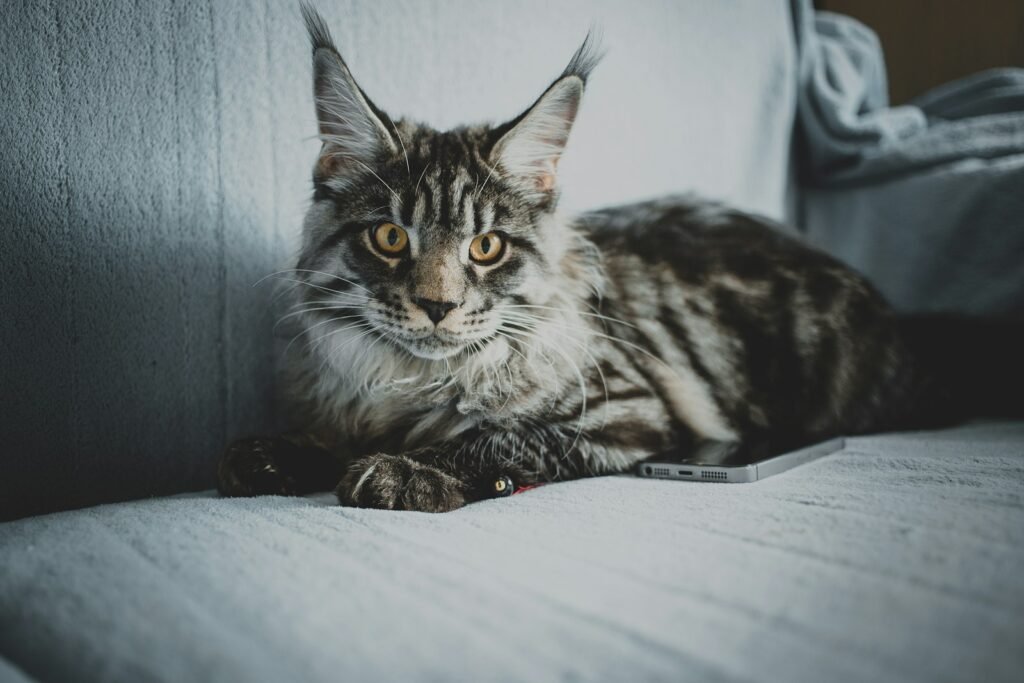
Maine Coons seem to read the room effortlessly, matching their behavior to their human’s mood – playful and energetic during happy moments, calm and soothing when comfort is needed. Despite their massive size and wild appearance, these cats are surprisingly in tune with your emotional landscape. You could be sitting quietly, feeling overwhelmed, and suddenly this enormous fluffball is pressing their head against your hand in the gentlest way possible.
When sensing stress or sadness, a Maine Coon may offer reassurance through gentle head bumps, close proximity, or a steady, rumbling purr. It’s hard to stay upset when roughly fifteen pounds of devoted cat is trying to make you feel better. They follow you around the house not because they’re needy, but because they genuinely care about what’s going on with you. Their loyalty and emotional awareness make them one of the most empathetic large breeds you can bring into your home.
The Burmese: The Intuitive Comforter
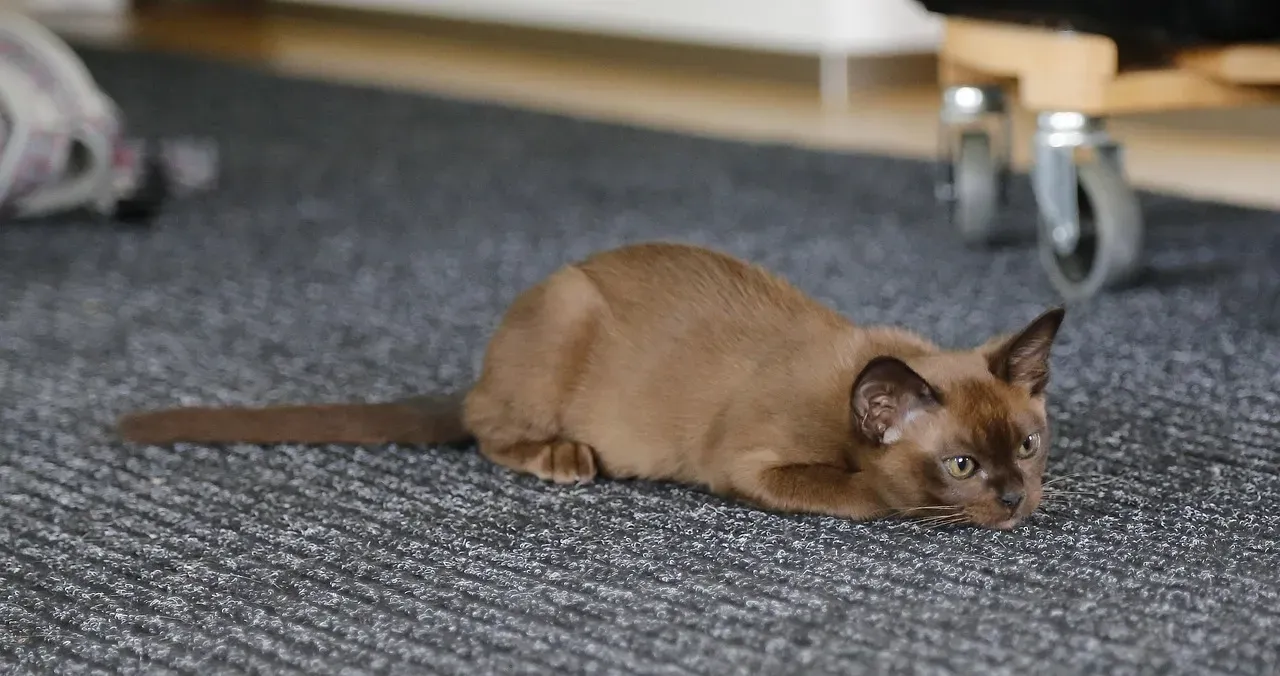
Burmese cats seem remarkably tuned in to human moods, quietly gravitating toward the family member who feels stressed, sad, or overwhelmed. These cats have an almost uncanny ability to know who needs them most at any given moment. If you’re the one having a terrible day in a household of four people, don’t be surprised when the Burmese chooses your lap over everyone else’s.
Their habit of rotating sleeping spots based on who needs comfort most highlights their intuitive sensitivity. They’re not just picking favorite spots randomly – there’s genuine emotional awareness driving their choices. Some owners describe their Burmese as having a sixth sense for distress, appearing during anxiety attacks or moments of grief without being called. That level of emotional attunement is honestly pretty remarkable for any pet, let alone a cat.
The Sphynx: Warm Hearts Without the Fur
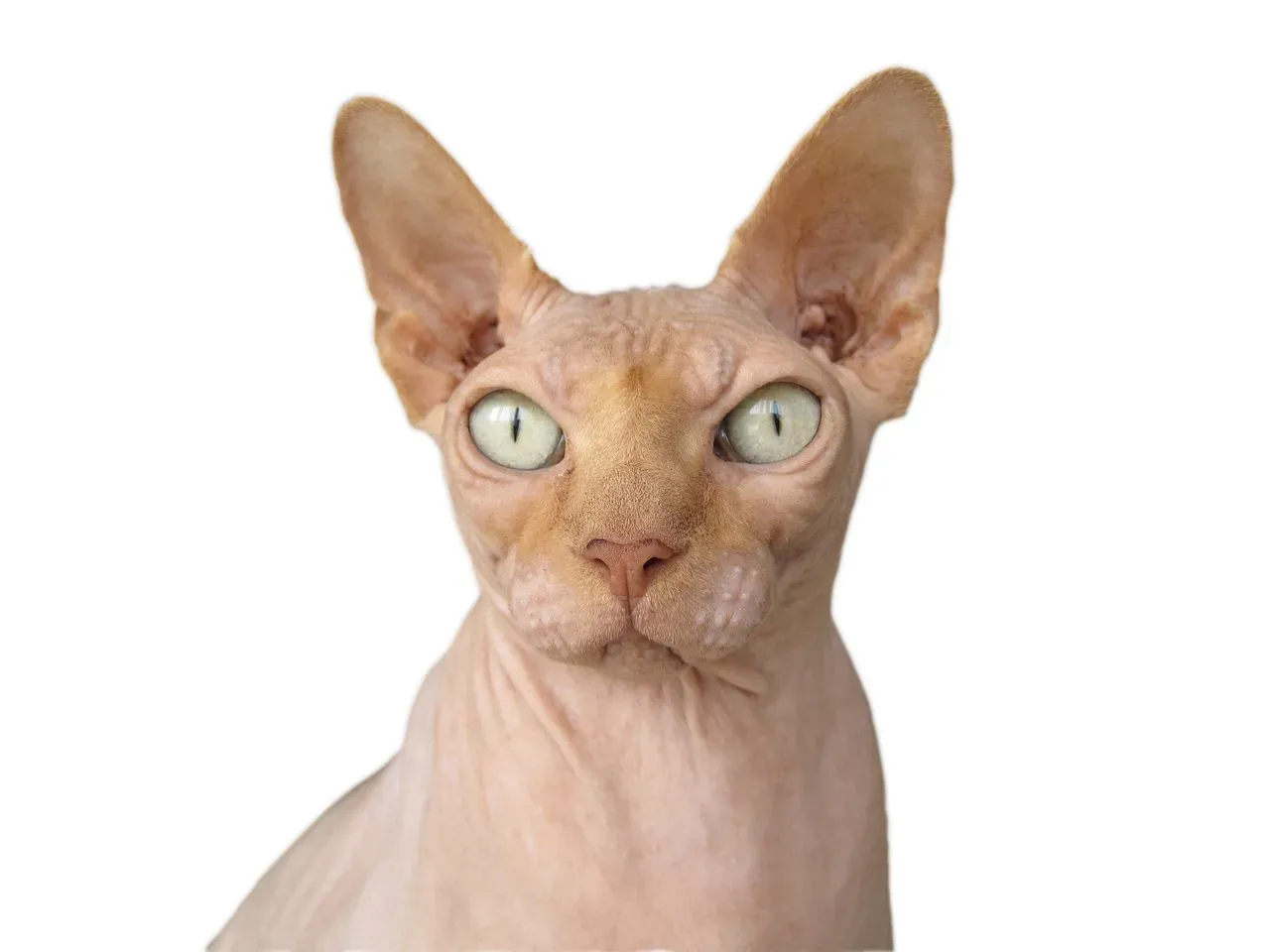
Without fur to insulate them, Sphynx cats seek warmth through closeness – both physical and emotional, and their lack of protective covering seems to extend to their hearts, making them unusually receptive to human feelings. These hairless wonders look alien, but their emotional sensitivity is deeply mammalian. You’ll find your Sphynx pressing against you when you’re upset, their warm skin providing comfort in more ways than one.
Watching a Sphynx interact with a distressed owner reveals their remarkable sensitivity, as they’ll press their warm bodies against you, purring with therapeutic intensity. There’s something about their constant need for warmth that seems to translate into emotional connection. They’re always checking in, always nearby, always aware of your state of mind. It’s like they’ve decided that staying physically close means staying emotionally connected too.
The Scottish Fold: Strategic Emotional Observers

Scottish Folds develop deep, almost telepathic connections with their favorite humans, and as quiet observers of household dynamics, they often position themselves strategically to monitor everyone’s emotional states. Those adorable folded ears frame faces that genuinely seem concerned about your wellbeing. They’re not the loudest or most demanding cats, but they’re definitely paying attention to everything happening in your emotional world.
These cats won’t necessarily come running when you’re upset, but they’ll find their way to you eventually, settling nearby with that signature worried expression. Their approach to comfort is subtle – less about dramatic displays and more about steady, reassuring presence. Sometimes the best emotional support comes from a cat who simply sits with you, quietly acknowledging that something’s off without making a fuss about it.
The Russian Blue: Reserved But Reading You
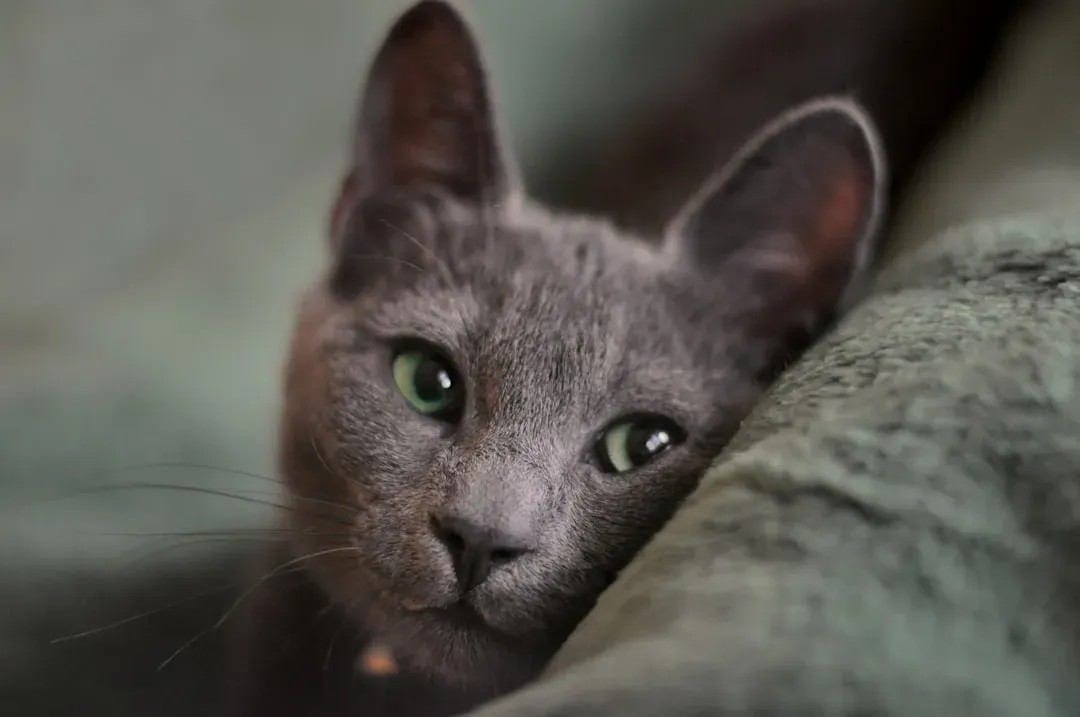
Behind those shimmering silver-blue coats lie hearts finely tuned to human emotions, as Russian Blues excel at reading the room, offering quiet support without overwhelming you with attention. These elegant cats might seem aloof at first glance, but they’re actually incredibly perceptive. They just express their empathy differently than more gregarious breeds.
Perfect for introspective individuals, these cats respect personal space while remaining emotionally available, and their subtle signs of affection – a gentle tail wrap around your ankle or a soft gaze from across the room – speak volumes about their understanding of human emotional needs. If you’re someone who doesn’t want a clingy cat but still craves that emotional connection, the Russian Blue hits that sweet spot perfectly. They know when you need them without crowding you.
The Abyssinian: Companionship Without Demands
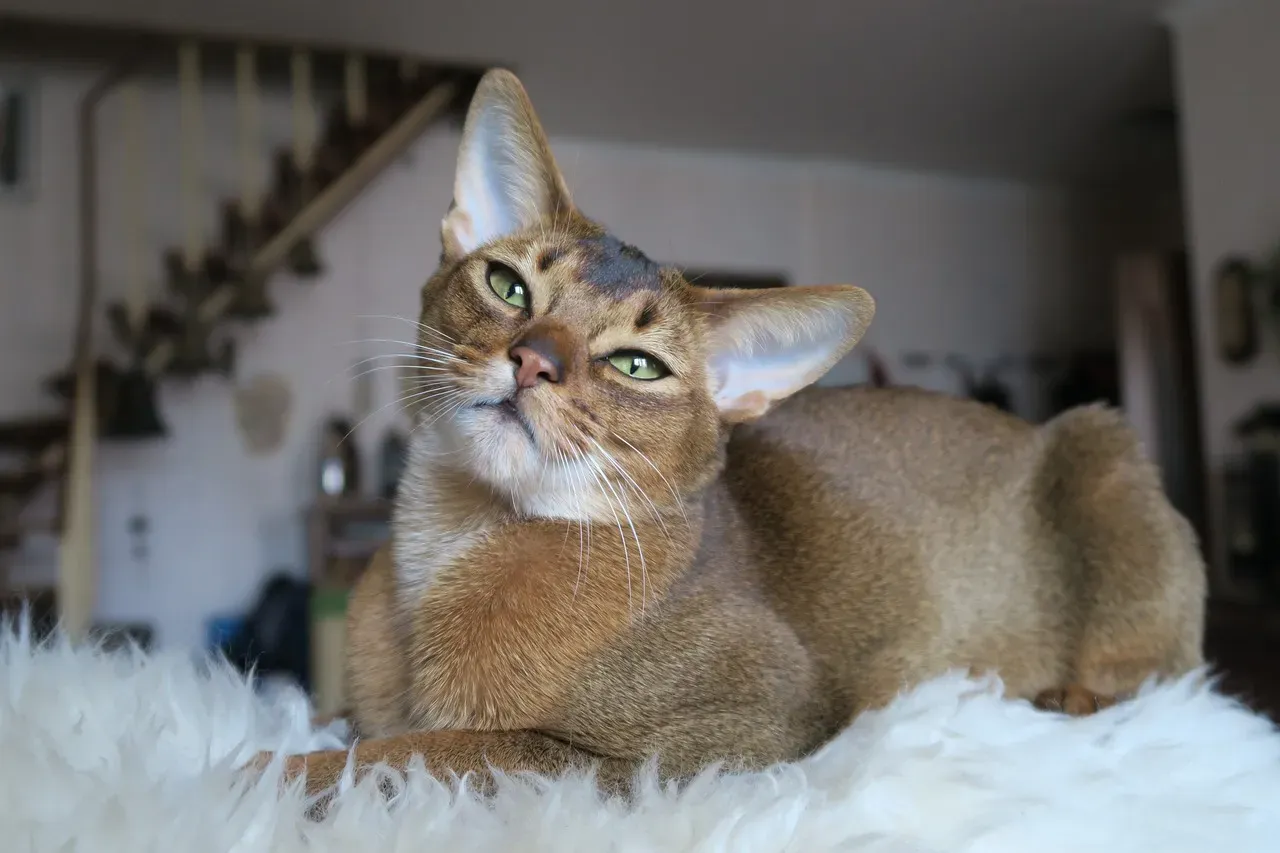
Unlike needier breeds, Abyssinians offer companionship without demands, making them perfect for empathetic humans who value emotional space. These active, intelligent cats have their own agendas, but they’re still aware of yours. You’ll catch them watching you, adjusting their energy to match yours without making it obvious.
Abyssinians are very intelligent and curious cats, and they tend to have a lot of confidence, so rather than demanding your attention, they often prefer exploring their surroundings. They bridge the gap between empathetic and independent beautifully. Sure, they’ll go off and investigate that interesting spot behind the bookshelf, but they’re still checking on you periodically, making sure everything’s okay in your world before returning to their adventures.
The Devon Rex: Quirky Emotional Support
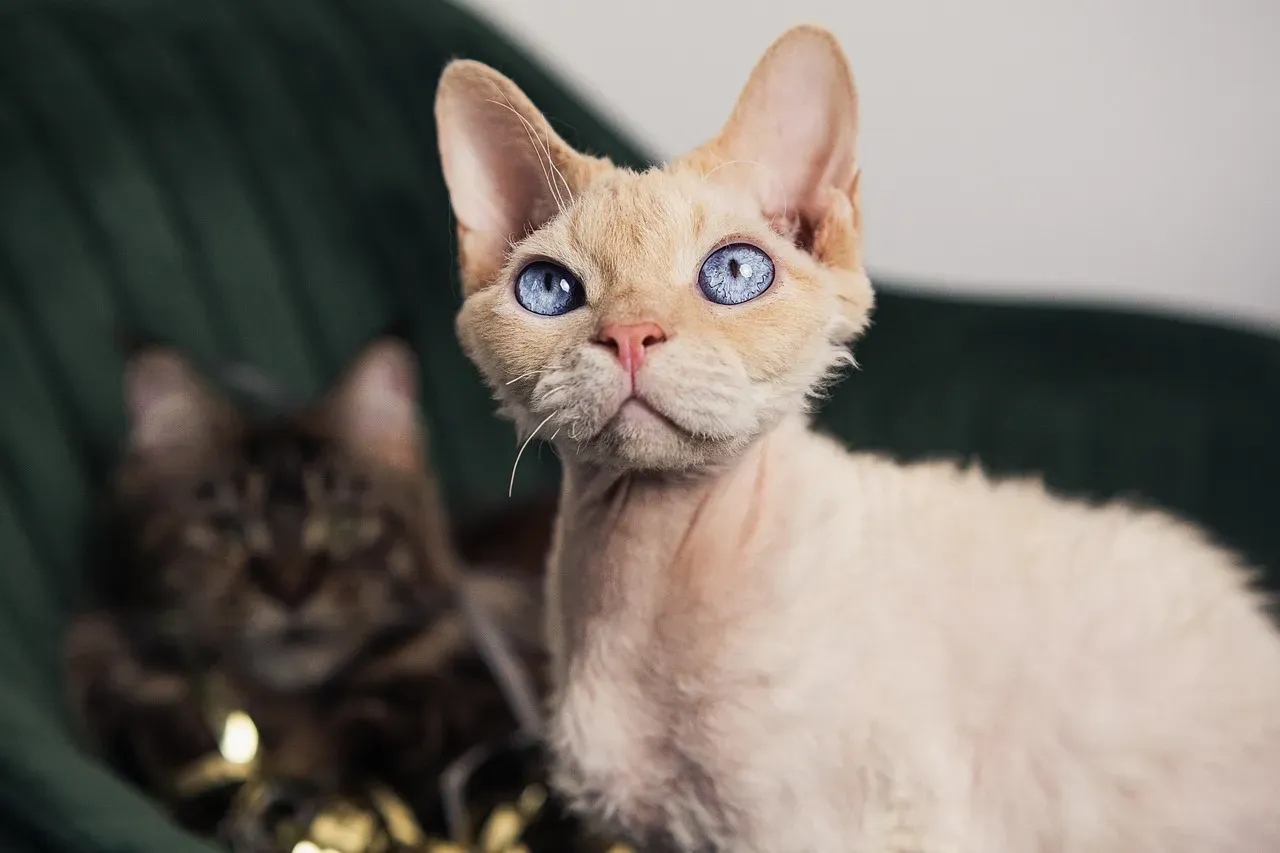
These pixie-faced cats with their enormous ears aren’t just adorable – they’re surprisingly emotionally intelligent. Devon Rex cats form tight bonds with their humans and seem to sense shifts in mood with impressive accuracy. They’ll curl up on your shoulder when you’re stressed, purring directly into your ear like they’re trying to transmit calm straight into your brain.
Their playful nature means they’ll also try to cheer you up with antics when they sense you’re down. You might be crying over something, and suddenly this impish creature is doing backflips off the furniture, determined to get a smile out of you. It’s hard to say whether they truly understand sadness or just know that their silly behavior gets positive attention, but either way, the result is the same – you feel better.
The Persian: Regal and Removed
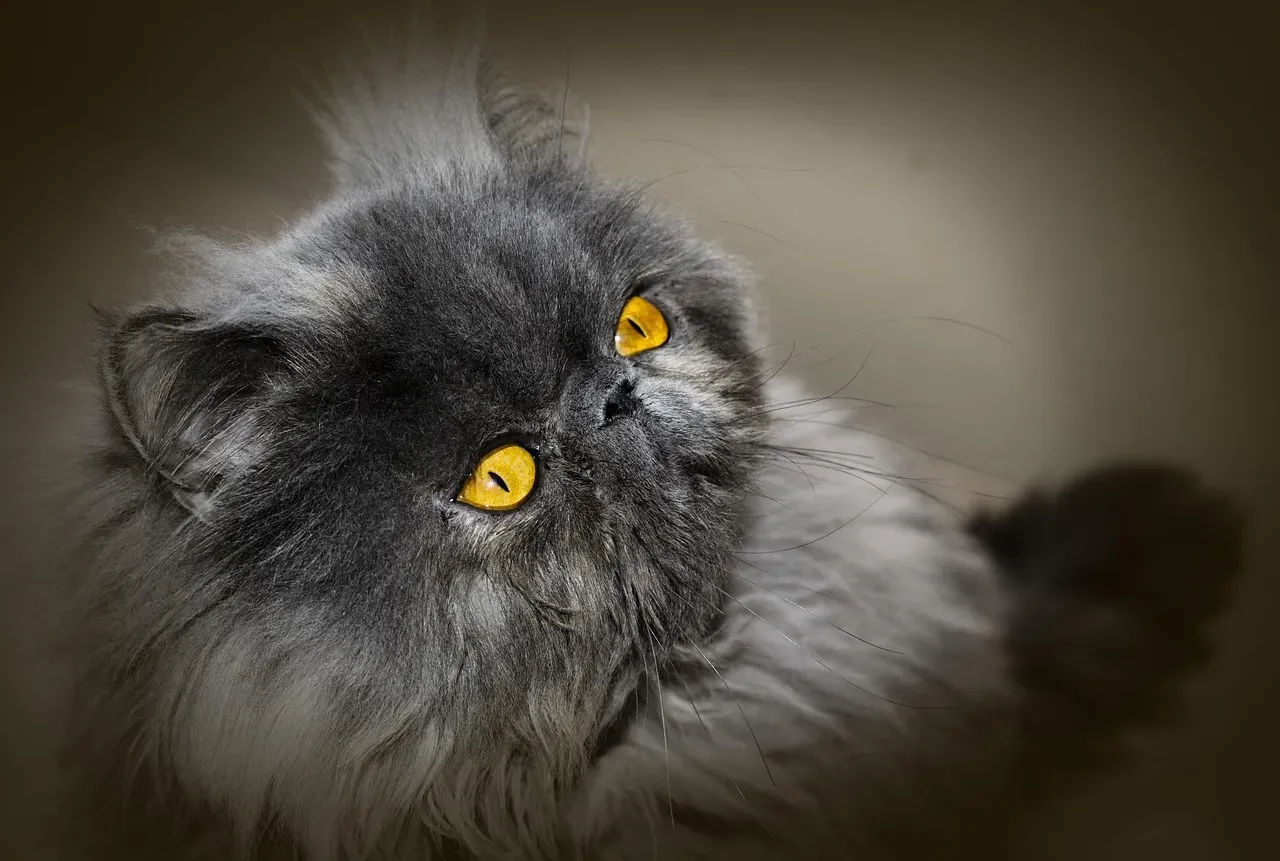
Persians are typically quiet and rather aloof, as they dislike loud noises and enjoy lounging regally upon a cushion or a lap. Don’t expect a Persian to come running when you’re upset. These cats have mastered the art of serene indifference. They’ll observe your emotional meltdown from their favorite cushion with the same calm expression they wear for absolutely everything else.
Persians are shy, sweet cats with loving personalities who enjoy quiet homes and regular routines, and they like playing and interacting with their owners, but do not require too much activity, being just as happy to lounge about the house. Their independence isn’t meanness – it’s just their nature. They prefer predictability and peace over emotional drama. If you’re looking for a cat that won’t absorb your stress but will provide calm companionship, the Persian delivers exactly that.
The Norwegian Forest Cat: Independent Forest Spirit
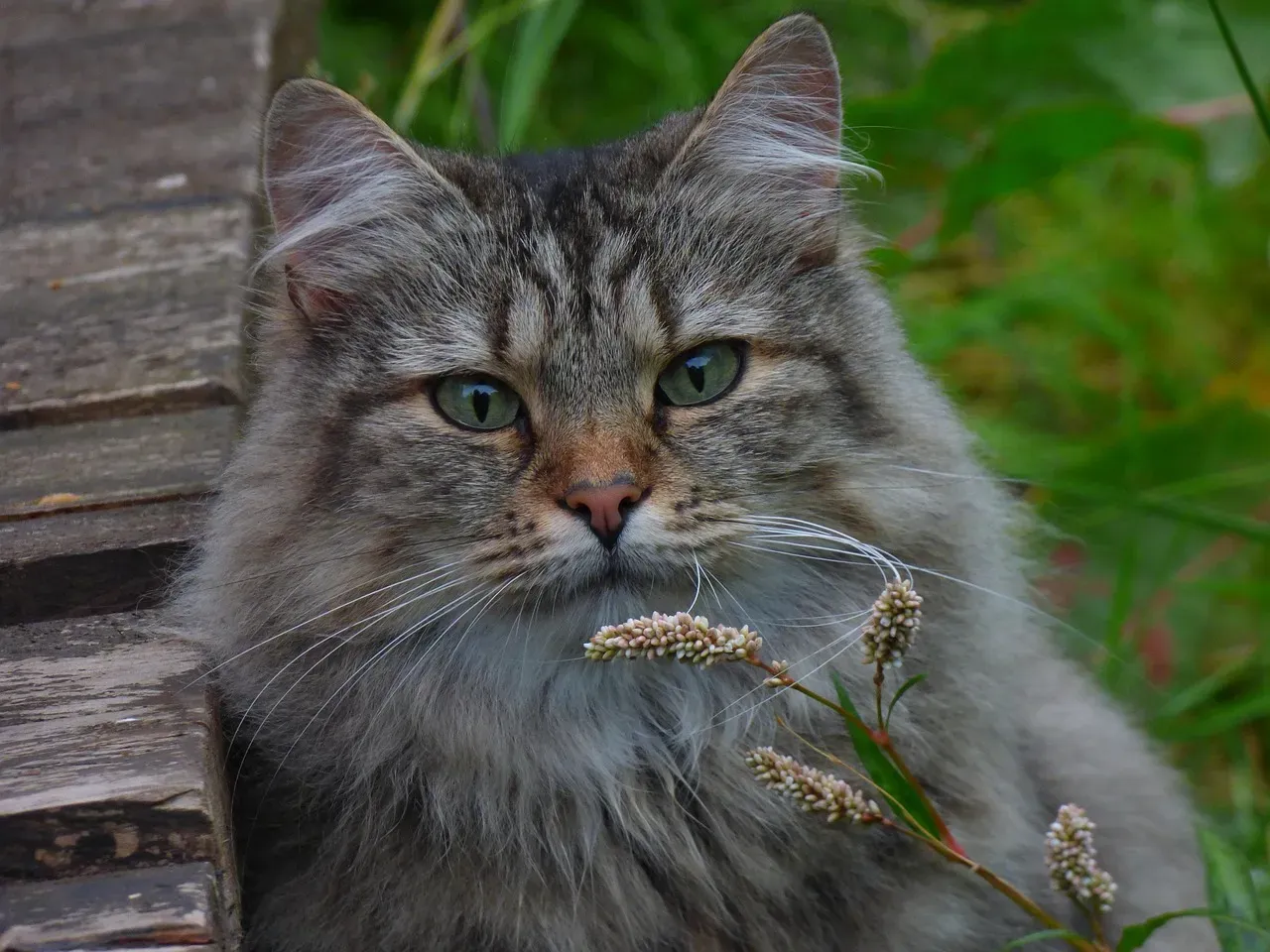
This is an independent, intelligent breed, in keeping with its long history of self-sufficiency, and though Norwegian Forest Cats are not clingy, they will go looking for companionship if left alone for too long. These magnificent cats with their thick coats and wild appearance haven’t forgotten their roots. They’re perfectly content entertaining themselves, climbing to the highest point in your home, and surveying their territory without needing constant reassurance.
Norwegian Forest cats are sociable, playful, and independent, showing you lots of affection – but on their own terms, and while they form strong bonds with their owner, they do like their own space rather than spending lots of time snuggling on someone’s lap. They’ll be in the same room as you, maybe even following you around, but don’t expect them to morph into a lap cat just because you’re sad. Their companionship is quiet, dignified, and distinctly on their schedule.
The British Shorthair: Beside You, Not On You
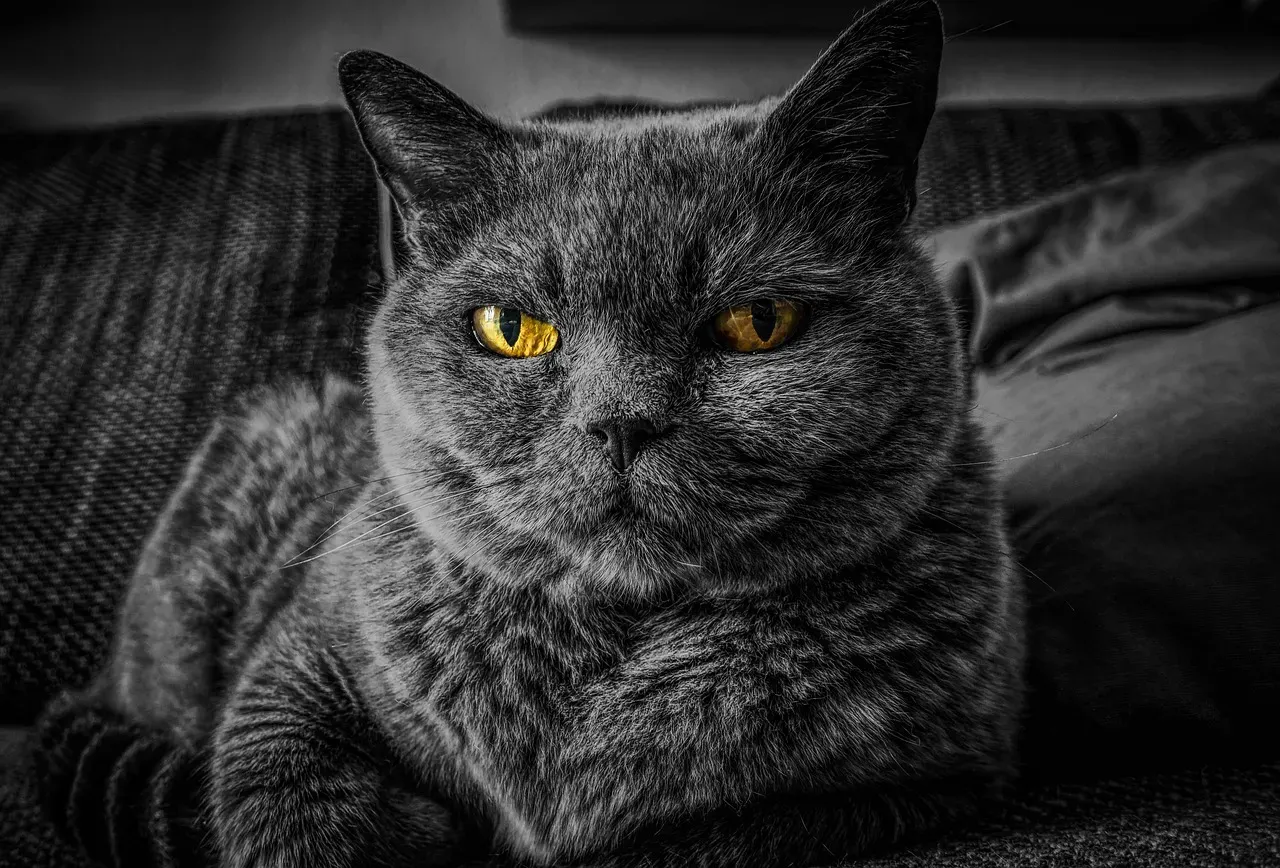
British Shorthairs are easygoing cats considered to be more than content in their own company, making them excellent pets for active families and people who are frequently out of the house, yet despite their independent streak, these cats also enjoy spending time in their owners’ laps when they are at home. These teddy bear-faced cats have perfected the balance between affection and independence.
Independence in British Shorthairs shows up as confidence rather than distance, as they enjoy human company but prefer sitting beside you instead of on your lap, offering quiet companionship without constant demands for attention or reassurance. They’re not going to mirror your moods or rush to comfort you during emotional upheaval. Instead, they’ll maintain their calm, steady presence nearby, which can actually be quite soothing. Sometimes you don’t need a cat that’s frantically trying to fix your feelings – you just need one that remains reliably, peacefully present.
The American Shorthair: Self-Sufficient Companions
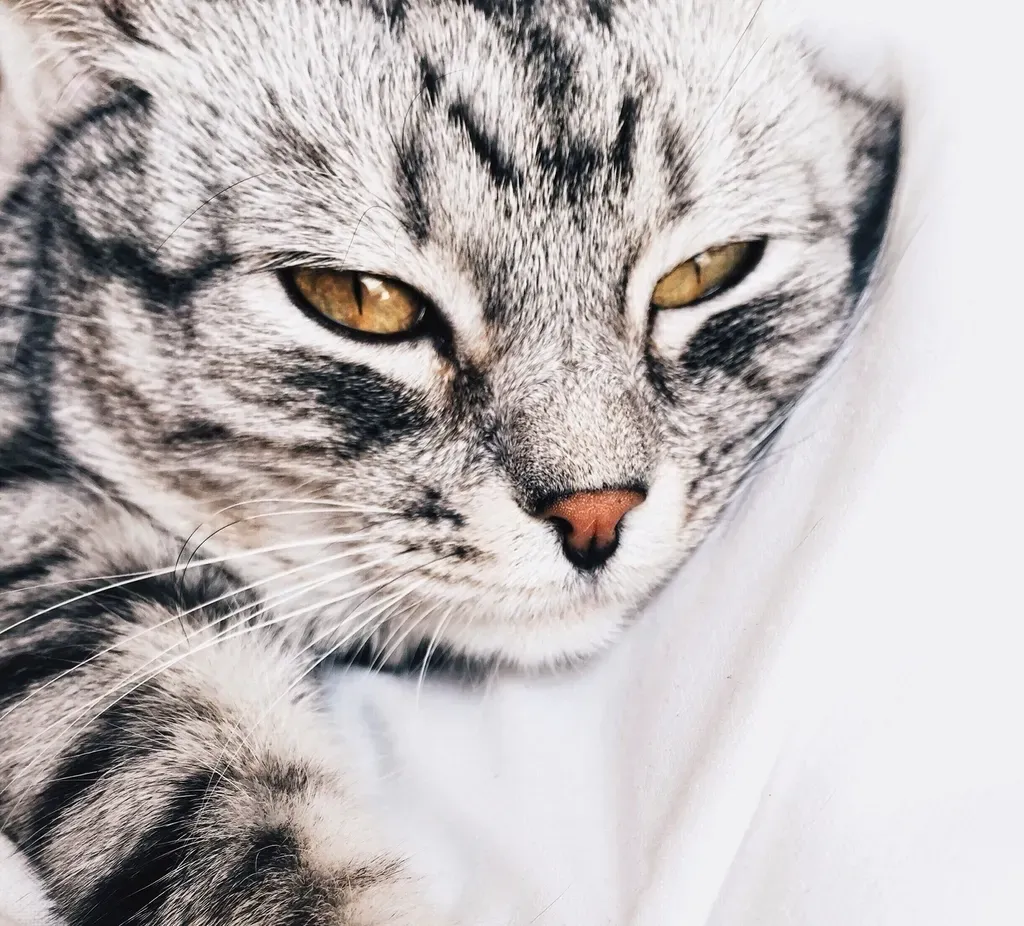
The long history that American Shorthairs have with humans shows that they’re very resilient and independent, and while many are known to be very affectionate with their owners, they do well by themselves and don’t mind spending time alone. These cats descended from working mousers who traveled to America on ships, and that independent streak is still going strong.
They also have relatively low grooming and care needs, so they’re excellent for people with busier lifestyles and novice cat owners. Your American Shorthair isn’t going to fall apart emotionally when you leave for work, and they’re certainly not going to pick up on your bad mood when you get home. They’ve got their own thing going on – napping in sunny spots, playing with their toys, generally living their best feline life without needing constant emotional check-ins.
The Bengal: Athletic and Aloof
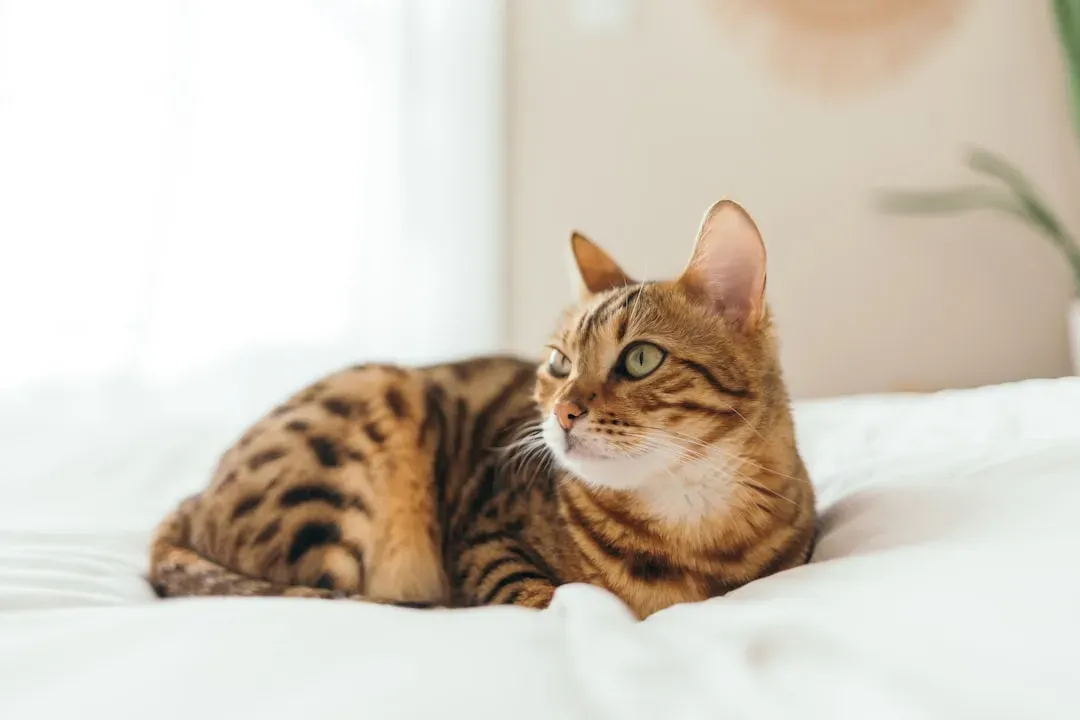
Bengals have an exotic appearance and are very athletic and active, they’re not the most social cats and tend to form a strong bond with one or two people, and in general, Bengals do well being by themselves and playing on their own. These spotted beauties are more interested in climbing, exploring, and hunting imaginary prey than tuning into your emotional state.
It’s important to provide plenty of exercise outlets and mentally stimulating toys to prevent boredom and engaging in destructive behaviors, and as long as you have a cat-friendly, stimulating environment for your Bengal, they’ll be content playing on their own and keeping themselves out of trouble. Don’t mistake their independence for coldness – they just operate on a different wavelength. Your Bengal might walk right past you during an emotional crisis to investigate that fascinating shadow on the wall, and honestly, that’s just how they’re wired.
The Birman: Independent With Silky Indifference
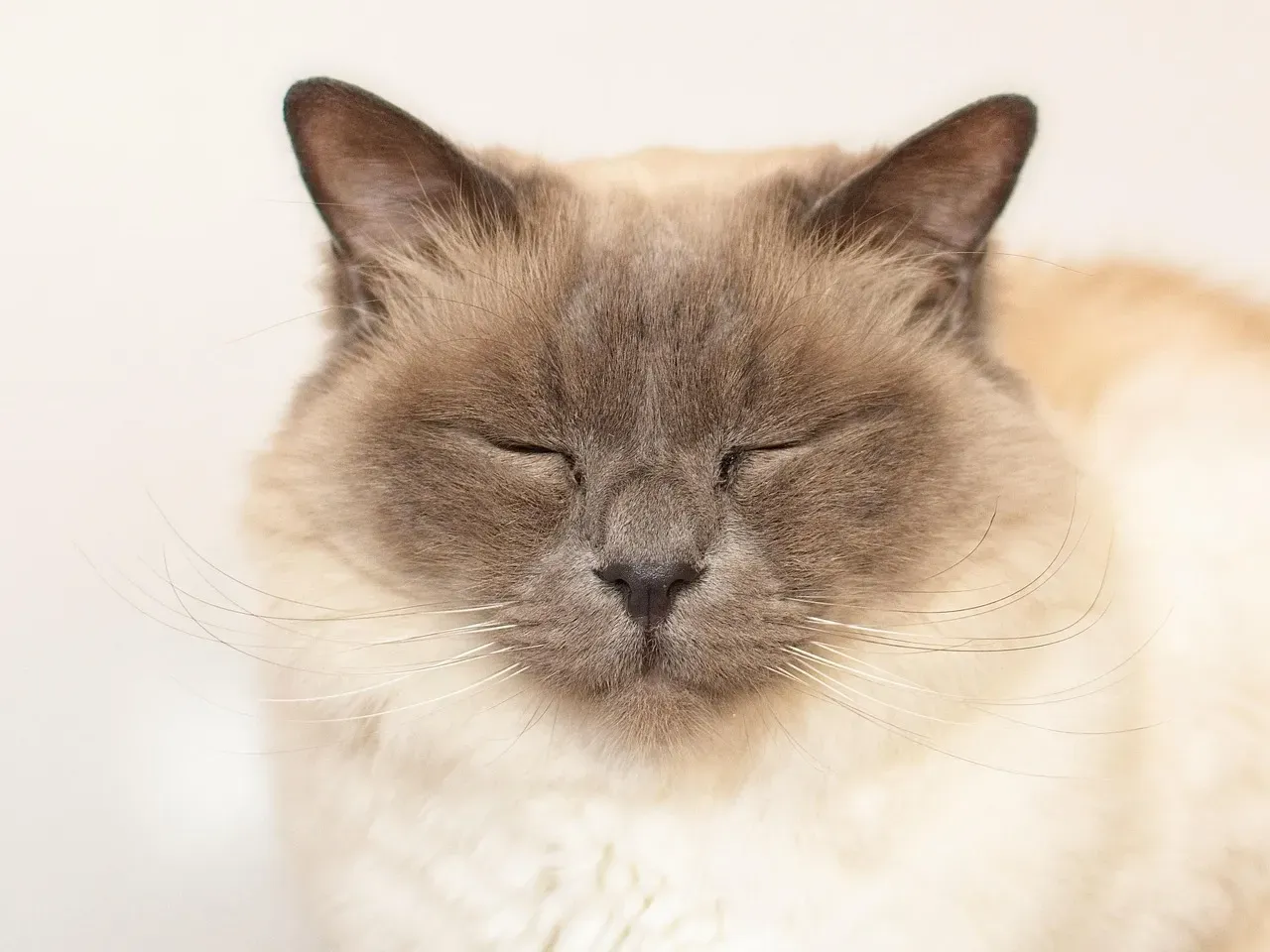
Birmans are beautiful cats with mild temperaments, and they have go-with-the-flow personalities and aren’t known to be demanding. These gorgeous cats with their distinctive white “gloves” and color-pointed coats float through life with serene self-possession. They’re not particularly invested in your emotional journey, preferring instead to maintain their own peaceful existence.
Their laid-back nature means they won’t stress out over your stress, but they also won’t go out of their way to comfort you. They’re content companions who exist alongside you rather than emotionally intertwined with you. For some people, that’s actually ideal – you get a beautiful, loving cat without the pressure of feeling like they’re absorbing all your negative emotions.
The Manx: Loyal But on Their Terms
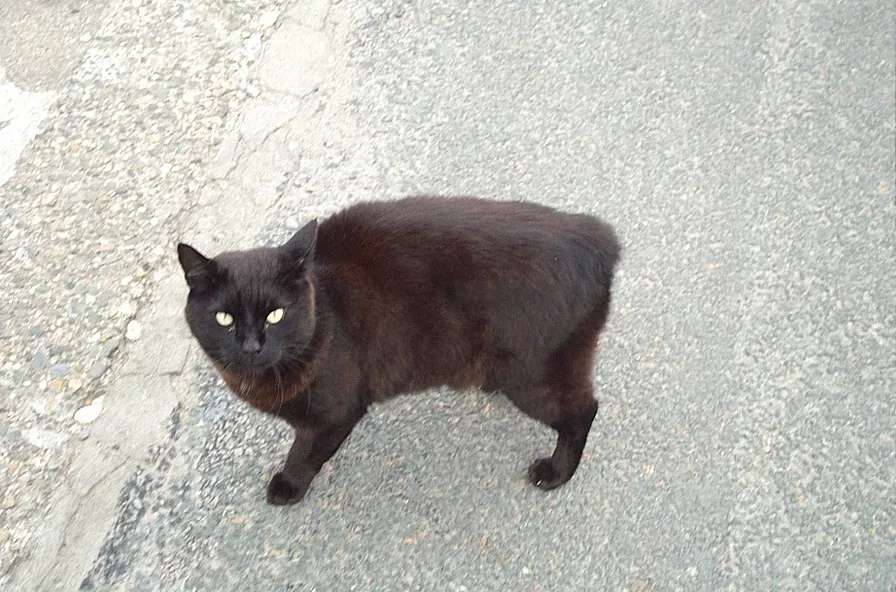
While they’re independent, Manxes are also highly loyal to their families, so don’t be surprised if they follow you around from room to room whenever you’re home. These tailless or short-tailed cats have their own ideas about how relationships should work. They’ll be near you, sure, but they’re not necessarily reading your emotional state or adjusting their behavior accordingly.
The Manx is an affectionate, even-tempered and playful cat that has a lot to offer when it is in the mood, and while this breed is happy to spend time on its own, the Manx cat is also sociable enough to enjoy spending some quality time with their family. The key phrase there is “when it is in the mood.” Your Manx decides when affection happens, when play happens, and when solitude happens. Your emotional state doesn’t factor heavily into those decisions.
The Exotic Shorthair: Relaxed and Self-Contained
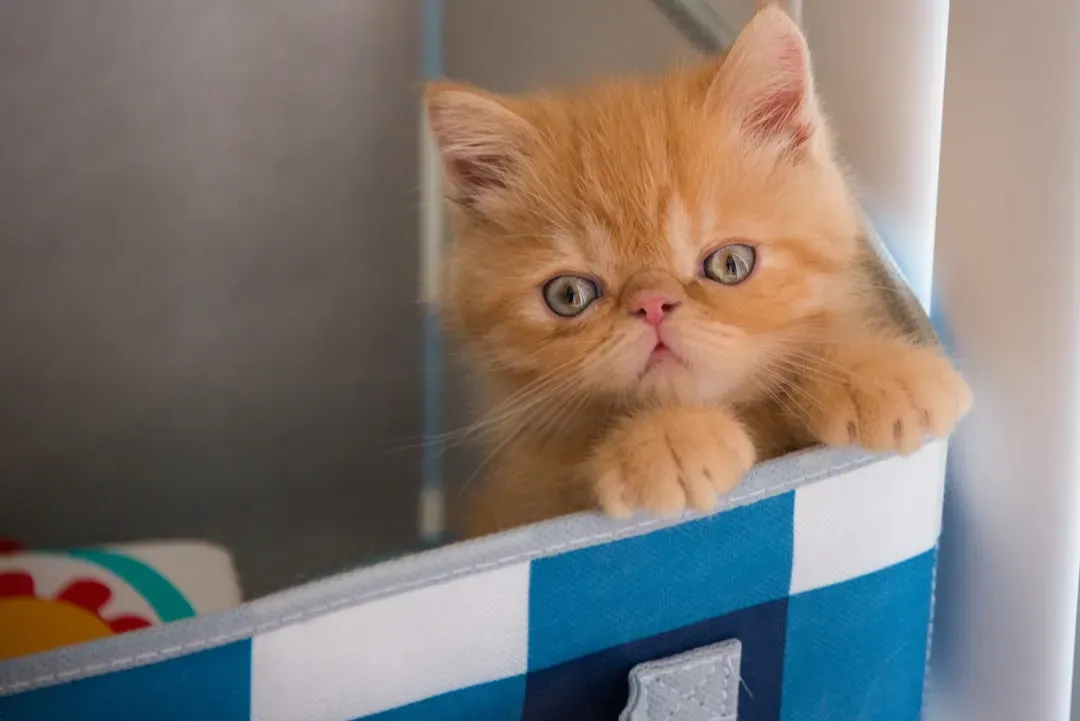
The medium-sized Exotics Shorthair is a cat breed notable for being as playful as it is pretty, and as they age their independent nature can slowly reveal itself, and these cute kitties will settle into their relaxed personalities. These Persian-related cats have the flat faces and gentle temperaments of their long-haired cousins but with easier coat maintenance and a growing sense of independence as they mature.
They’re sweet and affectionate, but they’re not emotional sponges. Your Exotic Shorthair will cuddle when they want to cuddle and wander off when they’re done, regardless of whether you’re in the middle of a crisis or celebrating the best day of your life. Their emotional consistency can actually be quite refreshing – you always know what you’re getting with them, and it’s never dramatic.
The Korat: Intelligent and Reserved
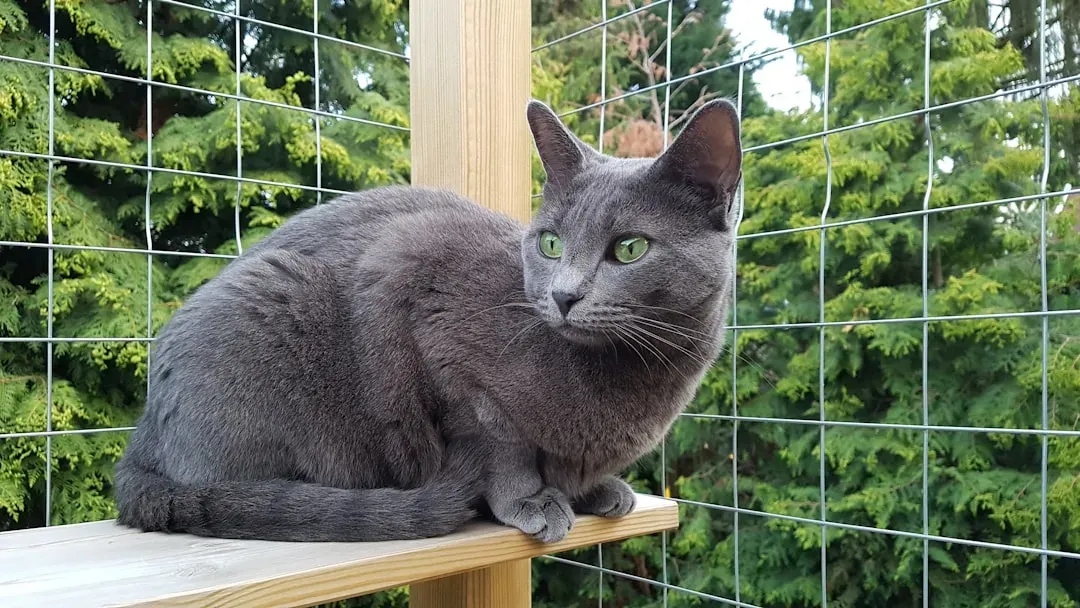
The Korat is a rare cat breed from Thailand known for their gray coat, green eyes, and independent and intelligent personality, and these smart cats are active and love to play with their pet parents, though they may take some time to warm up to new people. These silver-blue beauties from Thailand are more focused on their own interests than yours. They’re affectionate on their terms, playful when they decide it’s time, and generally uninterested in becoming your emotional support animal.
Their intelligence means they’re great problem solvers and engaging companions, but that same intelligence gives them a sense of autonomy. They don’t need you to be happy, and they’re not going to reorganize their day around your feelings. It’s not personal – it’s just the Korat way. They’re confident, self-possessed cats who happen to share your living space rather than cats who define themselves through their relationship with you.
Finding Your Perfect Match
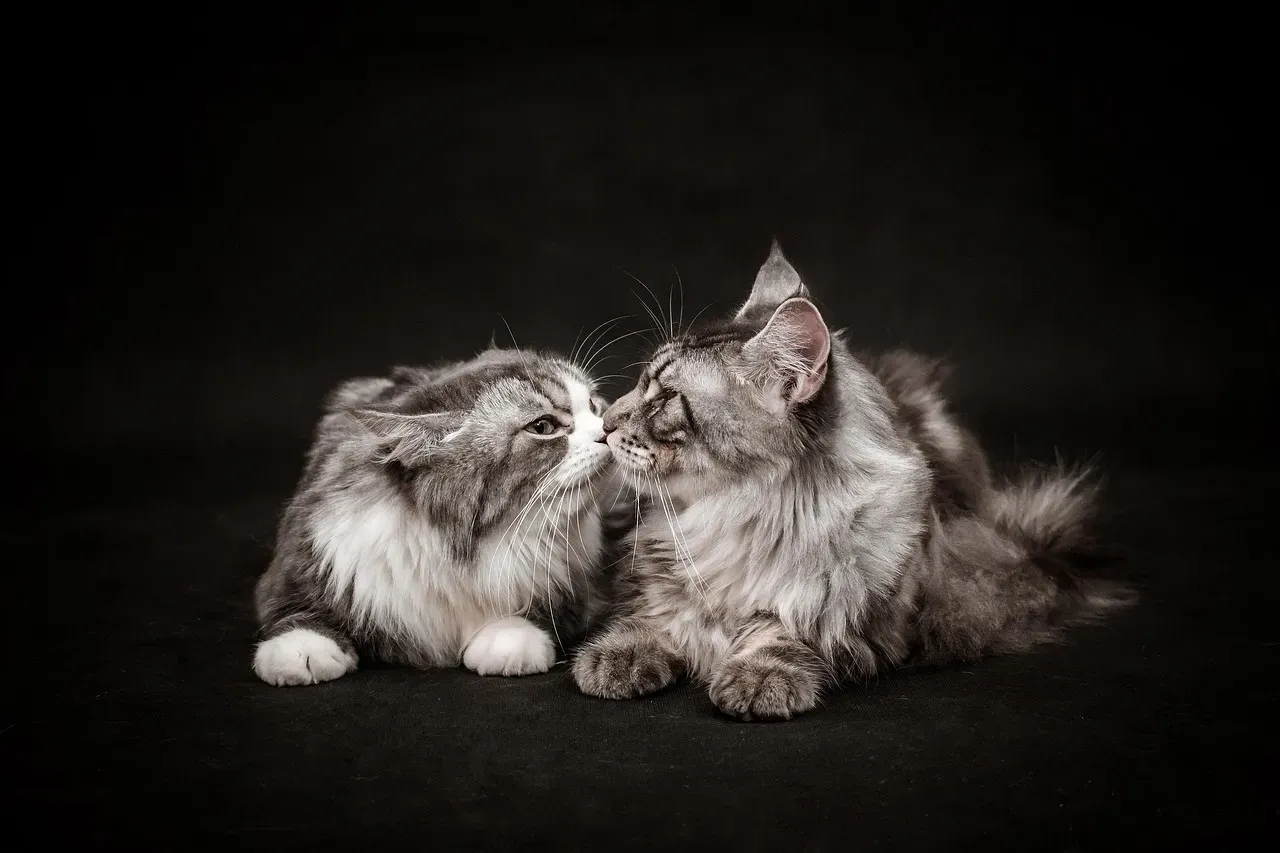
So what have we learned? Some cats are basically furry therapists, picking up on every emotional nuance and adjusting their behavior to support you. Others are roommates who happen to have four legs and whiskers, content to coexist peacefully without getting tangled up in your feelings.
Neither approach is better or worse – it all depends on what you need. Maybe you’re someone who finds comfort in a cat that mirrors your moods and provides active emotional support. Or perhaps you prefer a feline companion who maintains their own emotional equilibrium, offering stability through their very independence. The beauty of cats is that there’s genuinely a personality type for everyone.
What kind of cat matches your lifestyle? Did any of these descriptions make you realize why your current feline friend behaves the way they do? Either way, understanding these differences can help you appreciate your cat for who they are rather than expecting them to be something they’re not.