Winter might leave most domestic cats seeking warm spots by the fireplace, but some feline breeds actually embrace the chill with remarkable confidence. These natural cold weather champions come equipped with extraordinary features that make them perfectly suited for frigid climates. Their ancestors survived harsh winters for centuries, developing thick coats, robust builds, and even water-resistant fur to combat ice and snow.
Many of these remarkable breeds originated in some of the world’s coldest regions, from the frozen forests of Siberia to the mountainous landscapes of Norway. Others developed their cold-hardy characteristics through careful breeding and natural adaptation over generations. So let’s explore these fascinating felines and discover what makes them winter warriors.
Siberian Cat
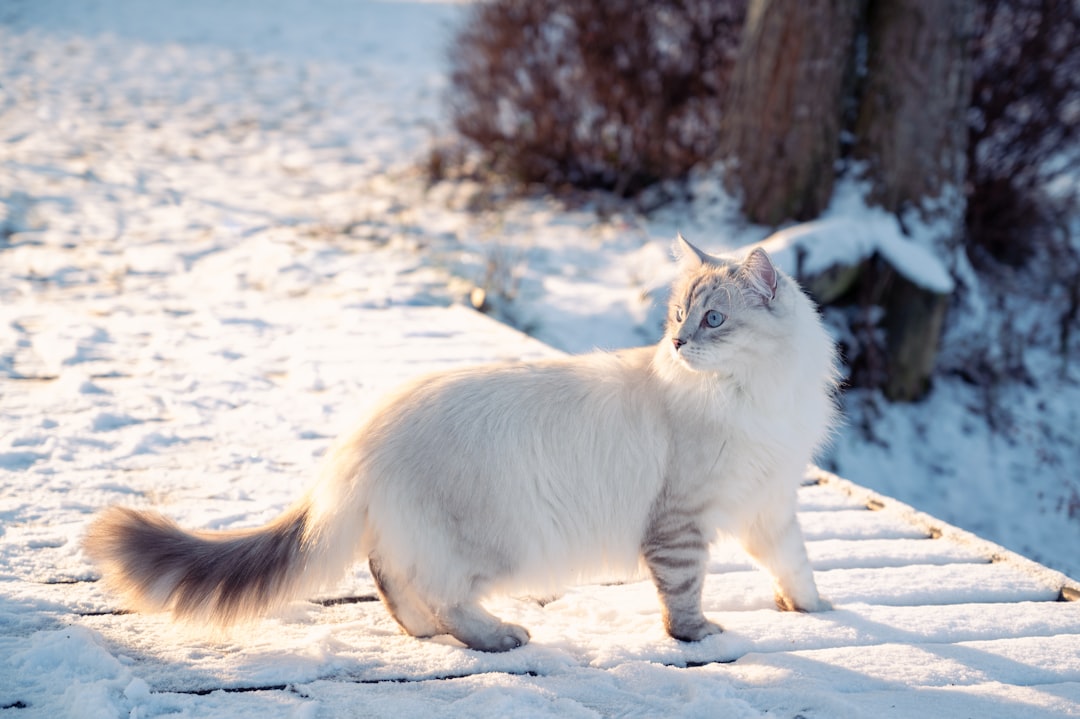
The Siberian cat stands as the ultimate cold weather champion among felines. Named after their homeland of Siberia, these cats are made for handling the intense cold weather with their thick, rich, full, triple coat that protected them from Russia’s cold climate. In the summer, they shed their heavy winter coat for a shorter, less dense coat, showcasing their remarkable seasonal adaptation.
Siberians are one of the oldest cat breeds and may even be ancestors to other long-haired breeds, including the Norwegian Forest cat and Maine Coon. Despite their imposing ancestry, these winter cats are friendly and affectionate, intelligent and people-oriented, enjoying learning new tricks and showing fascination with water, plus they’re hypoallergenic due to lesser production of the allergen-causing protein Fel d 1.
Norwegian Forest Cat
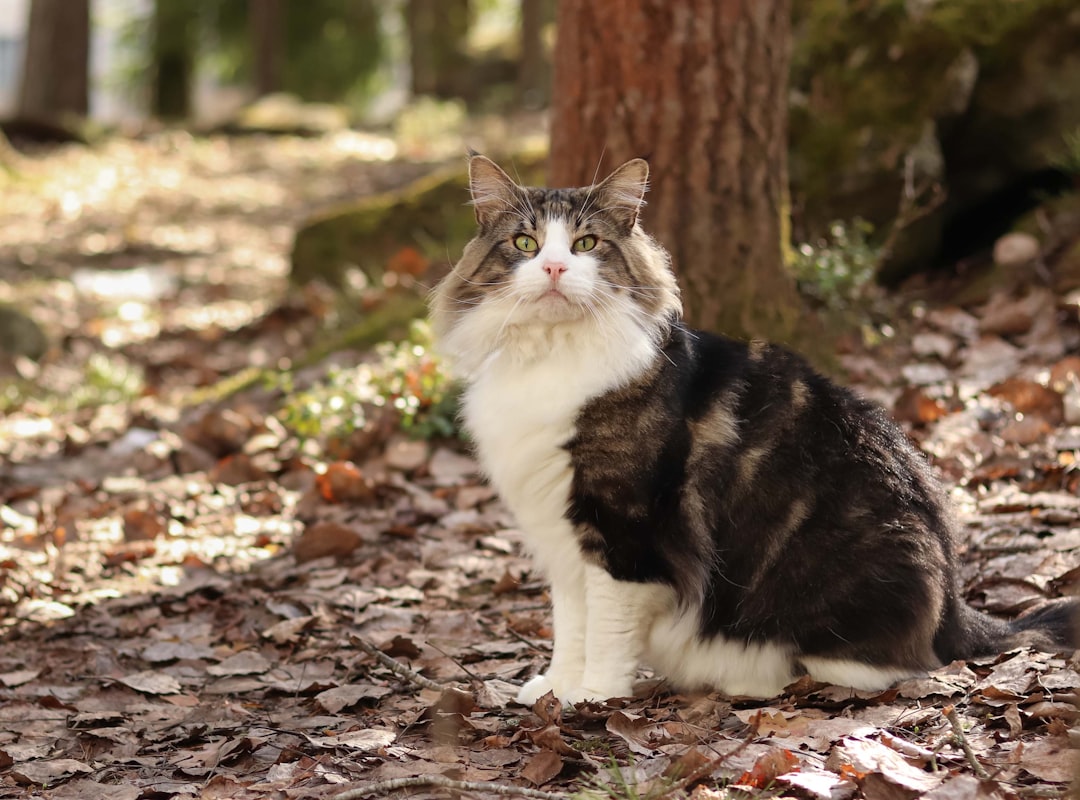
Norwegian Forest Cats were made to love nature and the woods, with coats that are thick and water-resistant, keeping them well-protected against moisture and cold. They have exceptional tree-climbing abilities, including the ability to run down trees headfirst, possessing sturdier claws than most other cats for climbing rocky terrain.
The Norwegian Forest Cat is one of the best cats for winter weather with extremely thick coats that are even thicker around vital areas, plus their outer coat is completely waterproof while their inner coat provides insulation. This breed loves socializing with other cats and people, requiring space and plenty of mental and physical stimulation.
Maine Coon
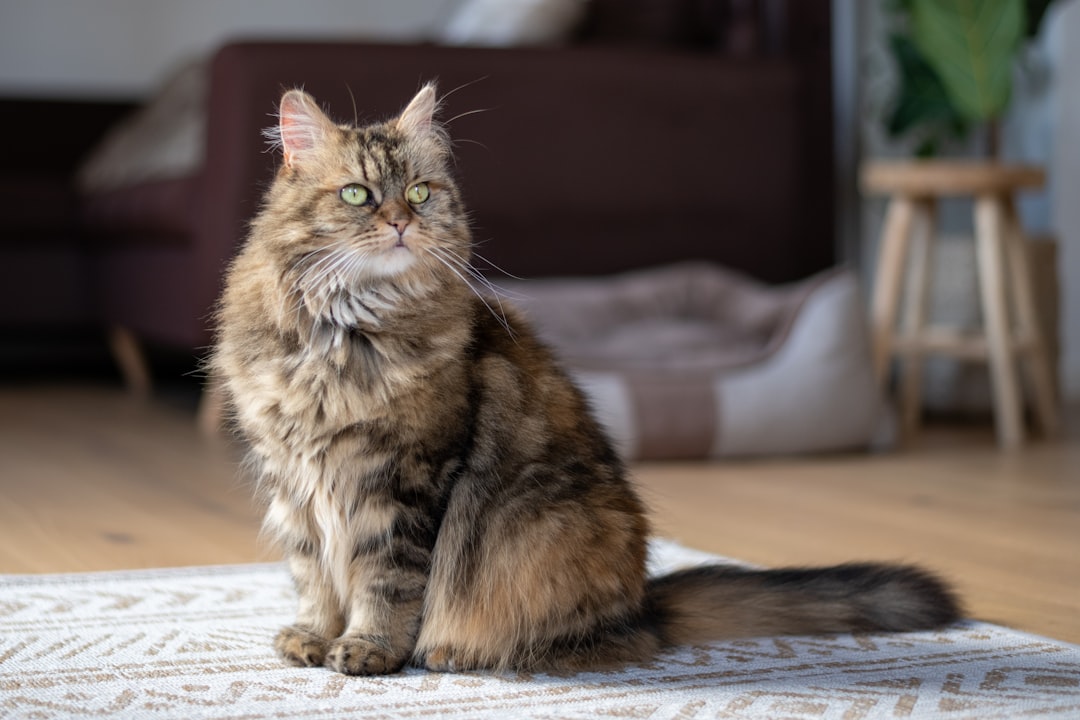
The Maine Coon is a husky breed developed naturally in the state of Maine where they experience average winter temperatures of 15 to 25 degrees Fahrenheit, with many members of this breed loving to spend time outside in winter. Maine Coons have adapted to colder elements by growing thick, luscious, semi-water-resistant coats perfect for repelling snow and staying warm, helping them survive temperatures as cold as 5-14 degrees Fahrenheit.
When adapting to harsher climates, this breed developed a keen ability to think and plan ahead, making them excellent hunters and survivalists, with their high intelligence shining through during play. These cats are easily adaptable and friendly, enjoying hunting games occasionally, and thanks to their heavy water-repellent coats, they’re capable of handling inclement weather while still loving to laze around indoors.
Russian Blue
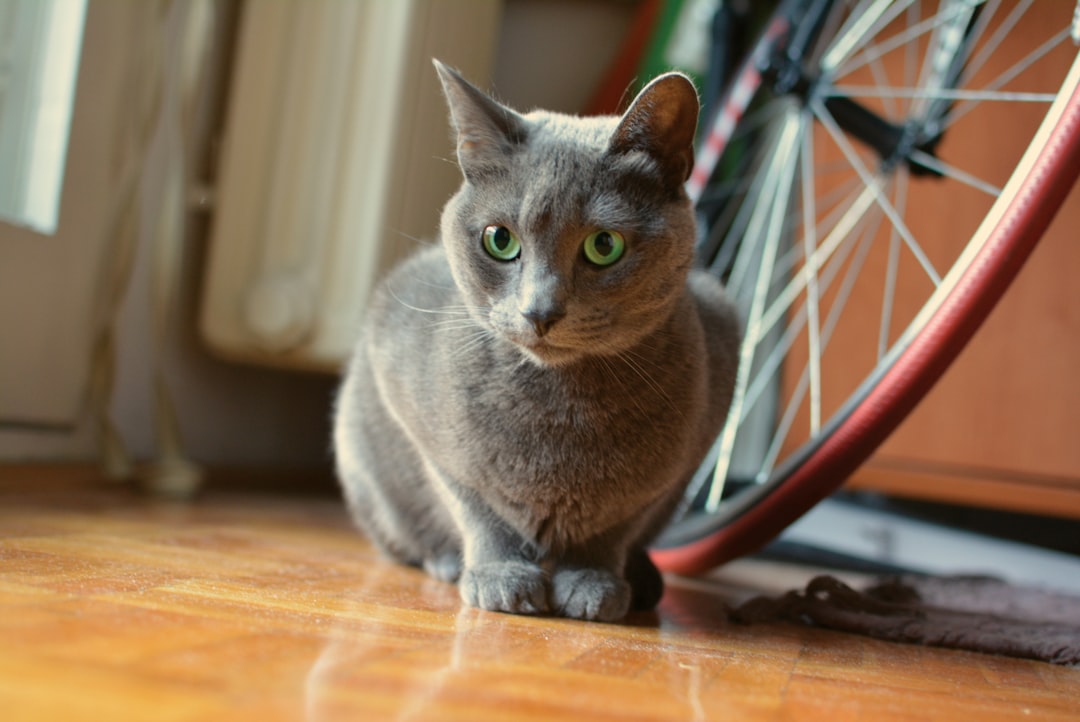
Russian Blue cats are always short-haired but still found their place among cold weather breeds because they have double-coated and extremely thick fur that protects them against winter and makes them perfect for cold climates. The inner fur layer serves as insulation while the outer fur layer is coarser and prevents water, snow, and dirt from reaching the cat’s skin, proving that if these cats can survive in Russia, they’ll be content in any cold climate.
The Russian Blue cat thrives in chilly climates with their double coat that is short and dense, coping well with cold temperatures, though they prefer moderate indoor climates like most domestic cats. Russia is famously cold, so it’s no surprise that cats originating there can handle cold weather, with wild Russian Blues found in the area and as extremely common domestic breeds with thick double coats featuring insulating inner layers and coarse outer coats that keep water and moisture away.
Persian Cat
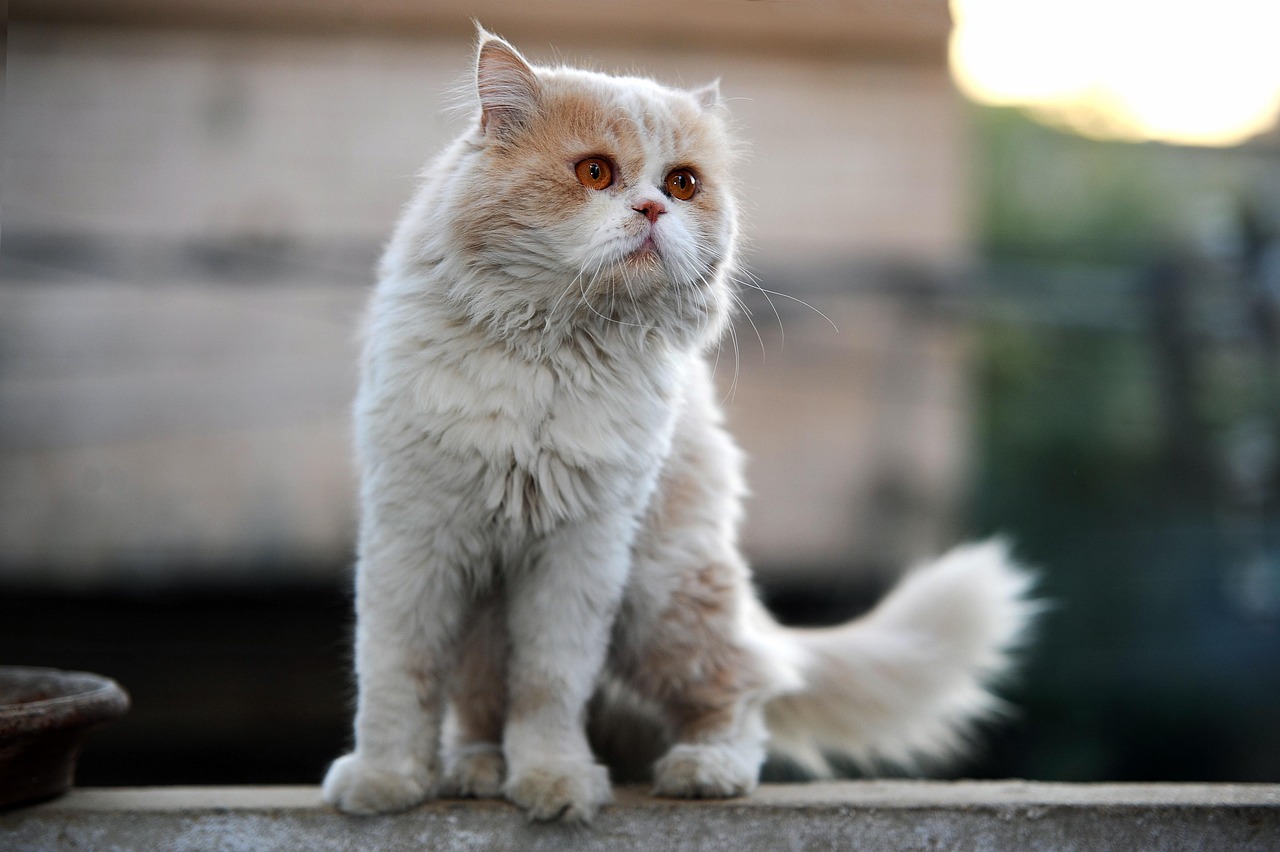
Persian cats have a double coat that makes them perfectly able to withstand the cold, despite most living indoors these days due to their special needs. Persians are among the fluffiest cats in the world, needing attention when grooming as they love being brushed and pampered, though their very long hair may require detangling combs occasionally.
This super-adorable cat is well suited to cold climates with a thick coat that helps insulate them from winter weather, though they only have this outer coat rather than the thick double coat of some breeds, making it still super effective but not the absolute best protection. Their luxurious coats have been warming hearts and bodies for centuries, making them excellent companions for chilly climates.
Ragdoll Cat
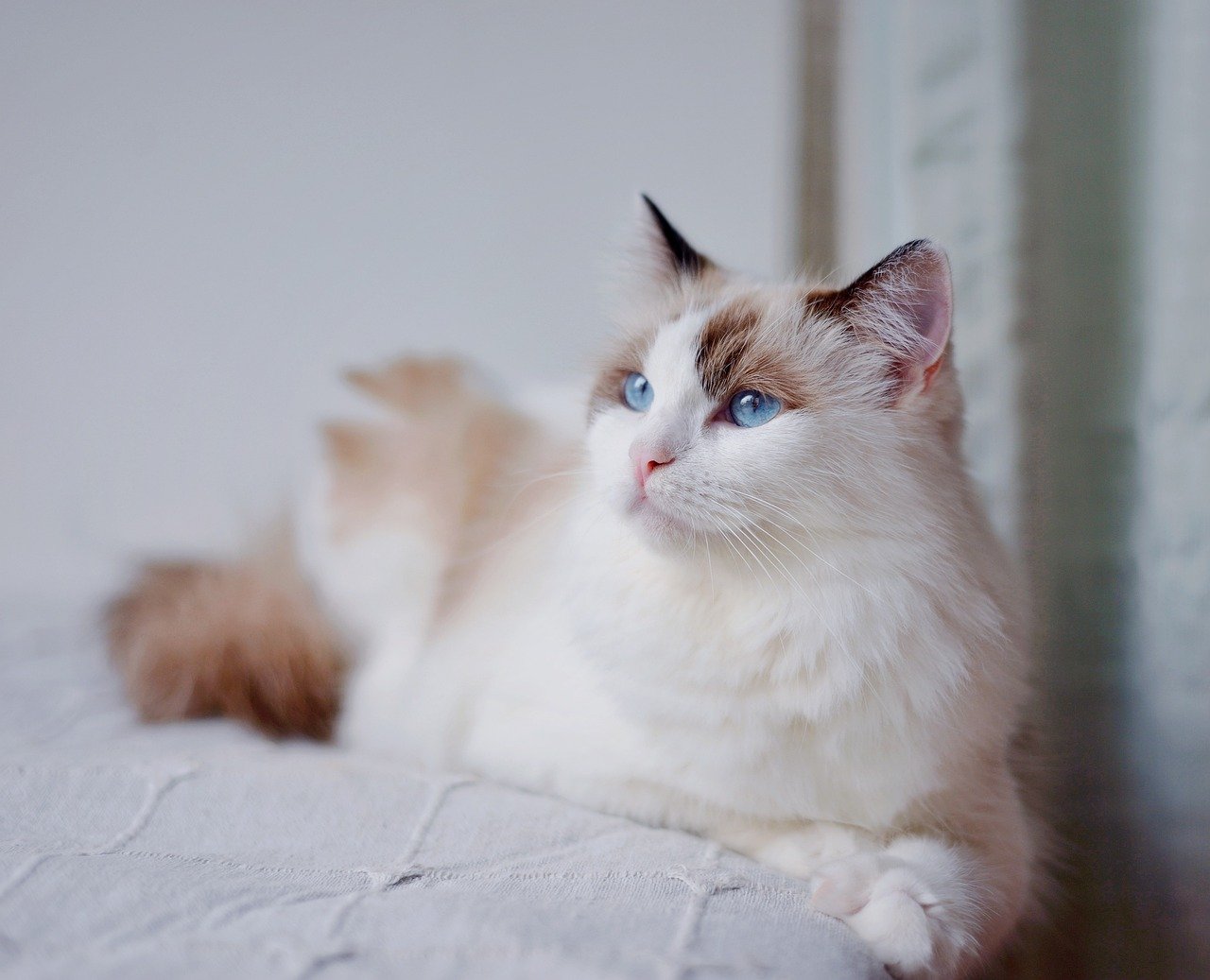
The Ragdoll’s fur is soft, silky, and dense, offering protection from chillier temperatures with coats made up of medium to long undercoats and top layers that offer some protection against the elements, though they do best in moderate climates with occasional cold weather. These cats have thick coats that mostly consist of guard hairs, keeping them nice and dry regardless of weather conditions, enabling them to withstand cold temperatures for longer periods than other breeds.
However, they do not have a dense undercoat and should not stay out for too long. Ragdolls exhibit unusual traits in felines, loving to follow people around and soak up affection while being rarely aggressive towards other pets, including dogs. Their gentle nature and moderate cold tolerance make them perfect indoor companions during winter months.
Turkish Van
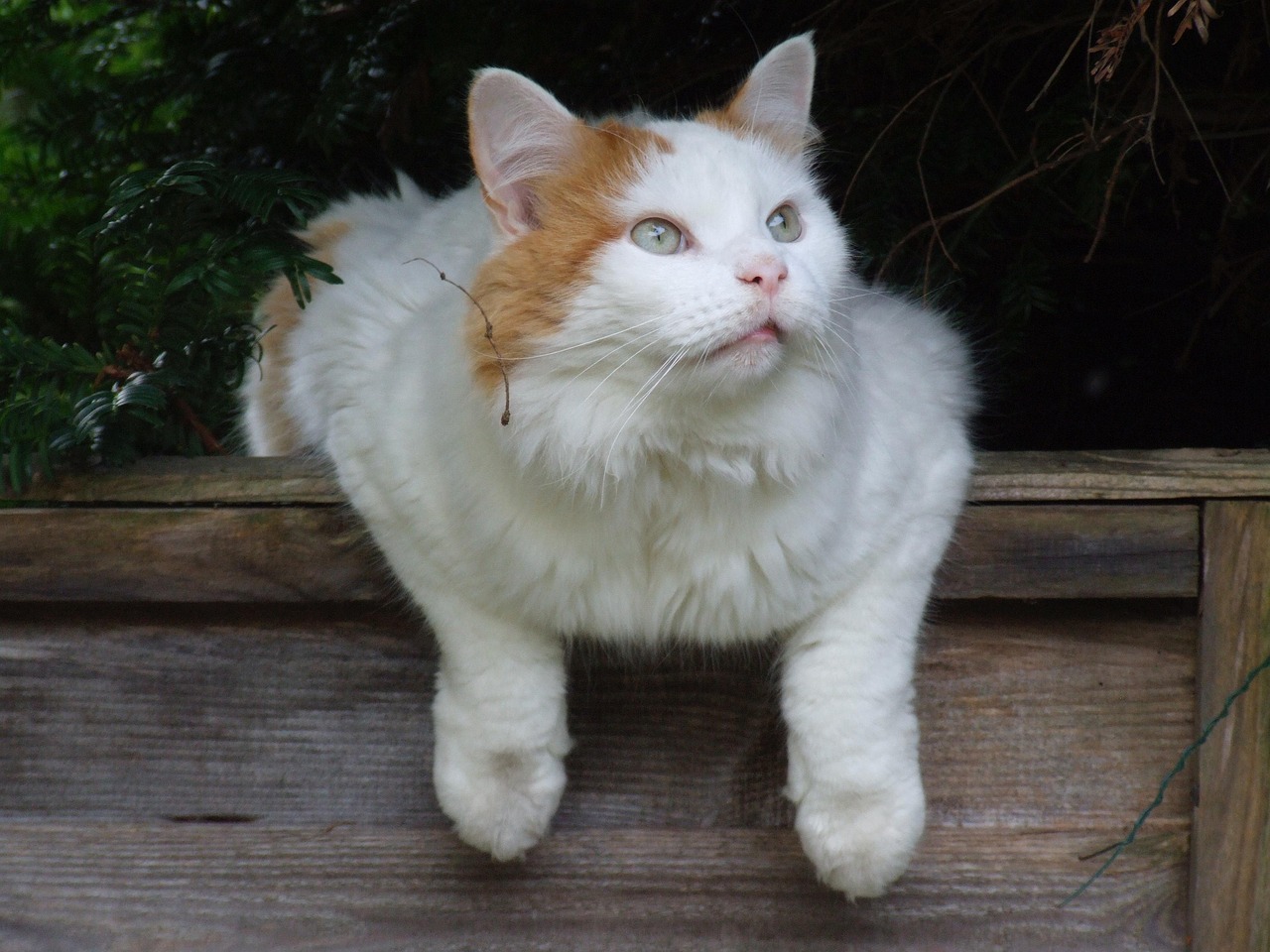
In response to extreme temperature ranges found in mountainous regions around Lake Van, the Turkish Van has adapted by shedding its long coat for a shorter cooler one in hot summer seasons, and in winter, it grows tufts of hair between its paws to protect from cold. The Turkish Van is known for its thick, water-resistant coat that helped it survive in cold and snowy mountains of Turkey, with dense plush fur featuring soft undercoats for insulation and longer guard hairs for cold protection, plus water-resistant outer coats making them well-equipped for wet, snowy conditions.
Another unique characteristic of Turkish vans is their love for water, being strong, capable swimmers. Like its close cousin the Turkish Angora, the Turkish Van is used to experiencing extreme temperatures and has no trouble handling chilly climates with long, thick winter coats and sturdy builds, plus they enjoy being active so there’s little chance of feeling cold.
Himalayan Cat
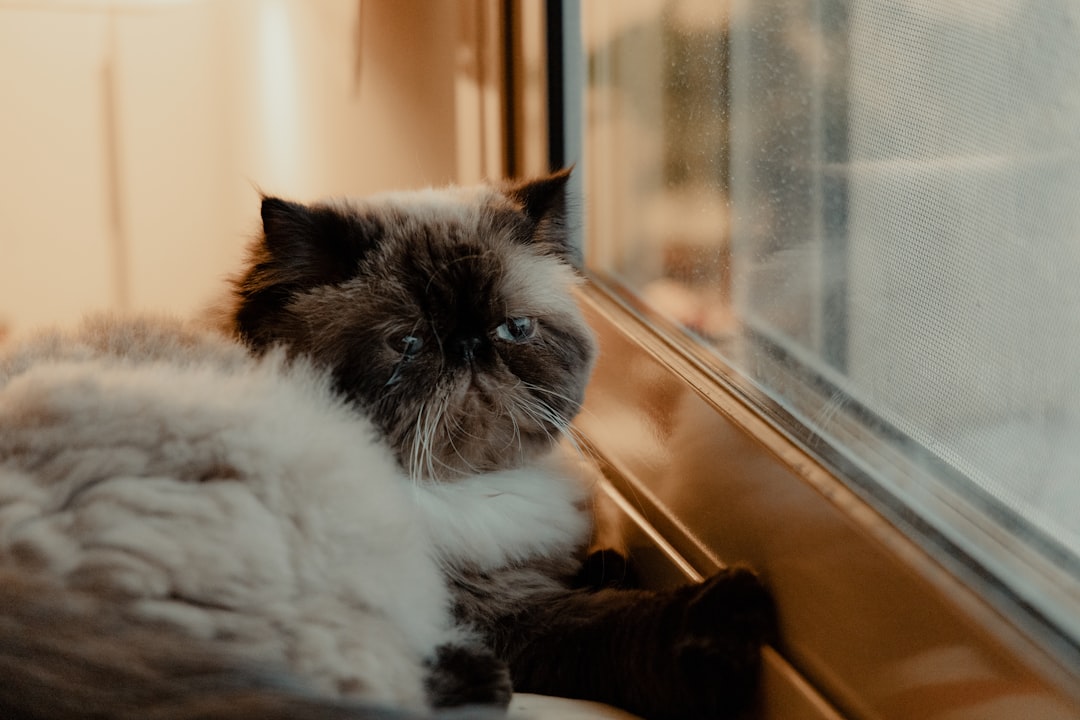
The Himalayan is long-haired, making it a good candidate for winter months, with undercoats that are dense and coats that thicken considerably in winter. Himalayans have thick, long, fluffy coats that provide excellent insulation against cold temperatures, consisting of dense undercoats and longer, silky outer coats. These cats have thick, dual-layered coats perfect for fending off elements, producing fair amounts of skin oil that prevents water from sticking to their fur and freezing in practical situations.
The Himalayan’s shortened muzzle, inherited from Persian ancestors, helps reduce heat loss through respiration, and they’re typically kept as indoor pets, meaning less exposure to harsh weather conditions. Despite their royal appearance, these cats combine beauty with practical cold weather adaptations that served their ancestors well.
Chartreux
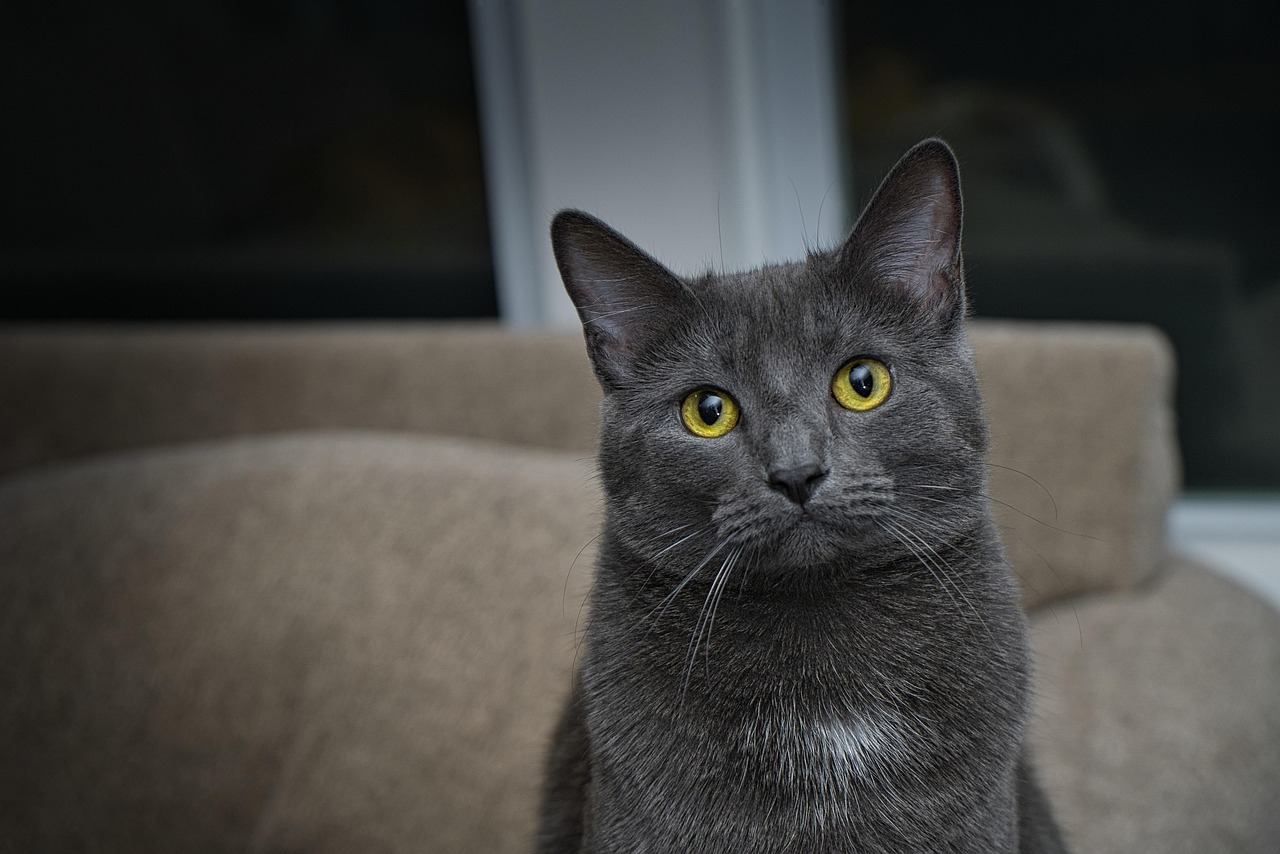
The Chartreux is a rare cat breed but one especially suited for cold weather, having not only a double coat that keeps them warm during colder months, but the coat is water-resistant too. They are well-suited to winter due to their water-resistant double coats with fur that remains dry, keeping them warmer, plus the inner layer provides excellent insulation.
The Chartreux, hailing from France, is known for its thick, short-to-medium-length coat offering excellent cold protection, with dense fur featuring soft undercoats for insulation and longer guard hairs for additional elemental protection, developed to help them survive in cooler, mountainous regions of France as working cats, ensuring their fur remains dense and luxurious for warmth in colder weather. Lovingly referred to as ‘potato on toothpicks’ thanks to their large bodies and short legs, the Chartreux loves its people but is very undemanding and always up for entertaining themselves, being observant cats that prefer watching life from the sidelines.
Conclusion
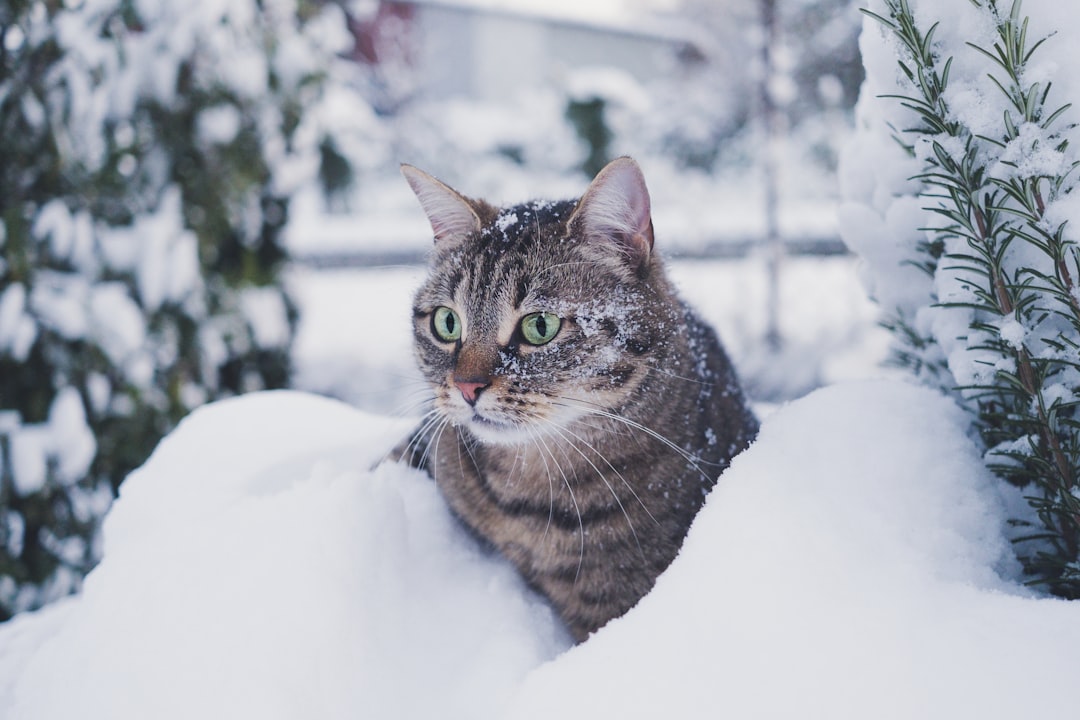
These nine remarkable cat breeds prove that not all felines are fair-weather companions. From the triple-coated Siberian to the water-resistant Turkish Van, each breed brings unique adaptations that helped their ancestors survive in harsh winter conditions. Even breeds from frosty climates aren’t completely immune to the cold, and if you have one of these breeds that usually spends time outdoors during winter, there are health points to consider.
Even though these chill cats originated in cold climates and can typically handle cold weather better than other breeds, they can still develop severe hypothermia and frostbite if out in freezing weather too long, with no cat should being out in temperatures below 45 degrees Fahrenheit for extended periods. Whether you live in a snowy climate or simply want a resilient feline friend, these breeds offer the perfect combination of cold weather hardiness and loving companionship. What do you think about these amazing cold weather cats? Tell us in the comments.