You might think cats are simple creatures. Feed them, give them a cozy spot to nap, maybe toss a toy their way. Easy, right? Well, not exactly. Here’s the thing: some cat breeds come with personalities that’ll make even the most patient person question their life choices. They’re not bad cats, not at all. They’re just, let’s say, spirited. These felines have quirks that demand attention, schedules that must be followed, and grooming routines that’ll have you wondering if you accidentally adopted a high-maintenance celebrity instead of a pet.
Let’s be real, the stereotype that all cats are aloof, independent creatures who barely need you? That’s about to get seriously challenged. So let’s dive in and meet the nine breeds that’ll keep you on your toes.
Siamese: The Drama Queen With a Megaphone
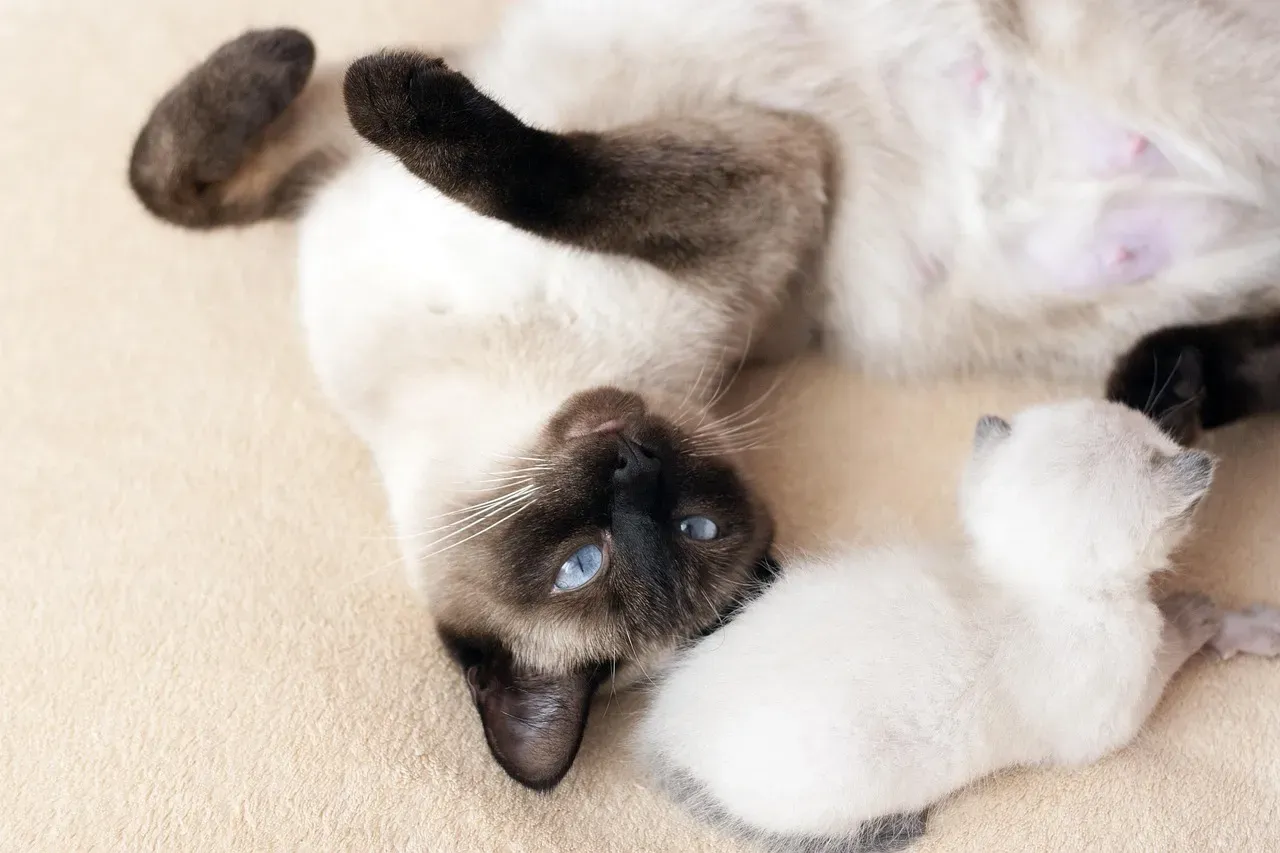
Siamese cats are known to be among the most demanding breeds, becoming very clingy and attached to their favorite human. If you thought having a conversation with a cat was impossible, you’ve clearly never met a Siamese. These cats are extremely vocal and have a high demand for attention, forming strong bonds with their owners but becoming anxious or destructive if left alone too long.
They’re famous for their loud, opinionated nature and strong personalities, becoming territorial and showing fiery tempers when things don’t go their way. Think of them as the toddler who never grew out of the “look at me” phase. If you’re not a fan of loud cats or throaty meows, don’t get a Siamese because they love to talk and will knock over trinkets or turn on faucets to entertain themselves when left alone. Honestly, their intelligence is both a blessing and a curse.
Bengal: The Wild Child Who Never Stops
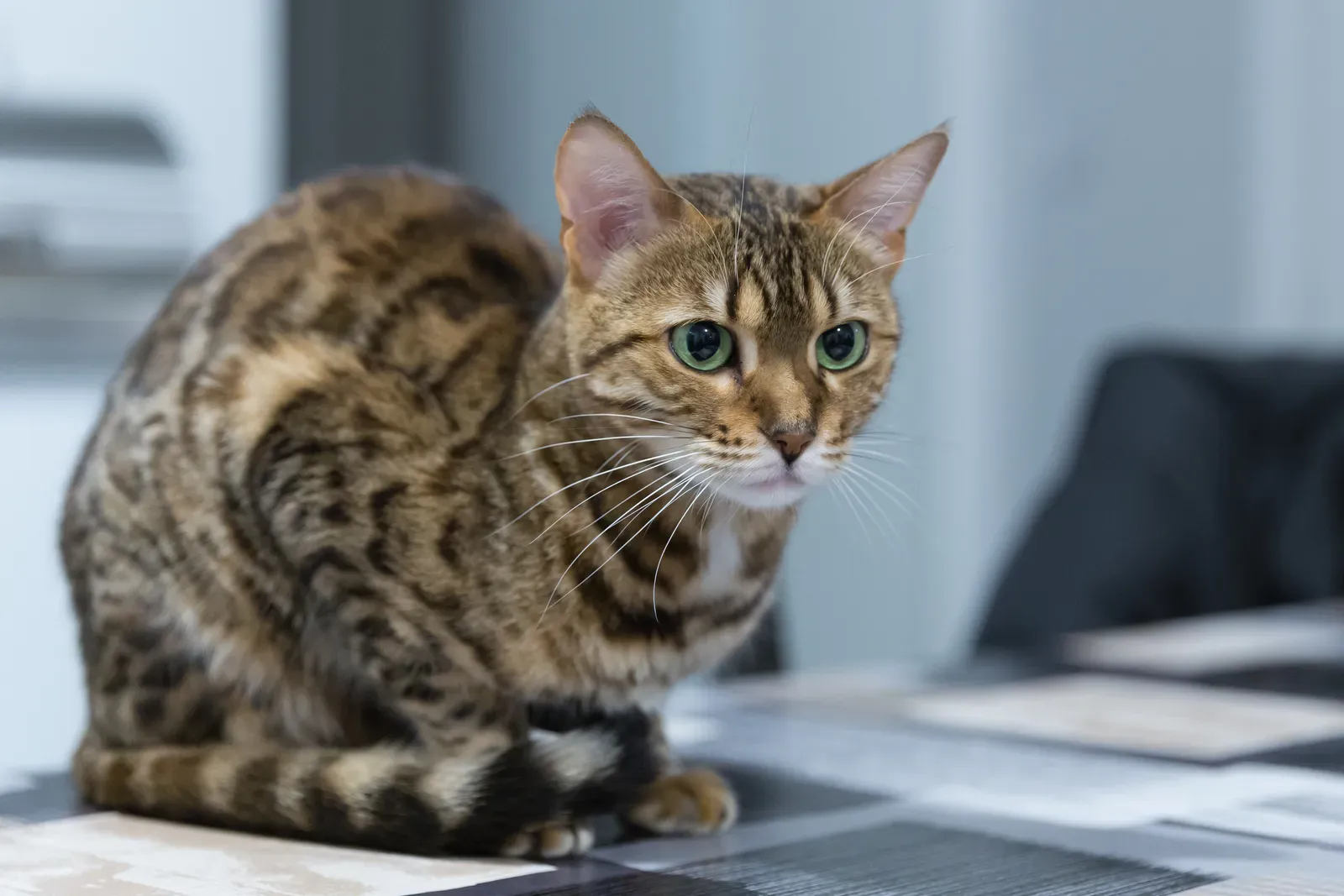
Bengals are strikingly beautiful with wild-looking coats but require constant stimulation and exercise, being highly energetic and intelligent, prone to destructive behavior without enough mental and physical engagement. These cats basically have the energy of three cats combined into one sleek, spotted body. They’re not content to lounge around all day.
The Bengal is large and feels like it still belongs in the wild, with early generation Bengals having significant Asian Leopard Cat ancestry, and even later generations having a destructive streak. The Bengal is notoriously high maintenance, requiring a lot of time to avoid aggressive behavior. If you don’t give them puzzles, climbing structures, and hours of playtime, they’ll create their own entertainment by dismantling your house. What do you think about that?
Sphynx: The Needy Nudist
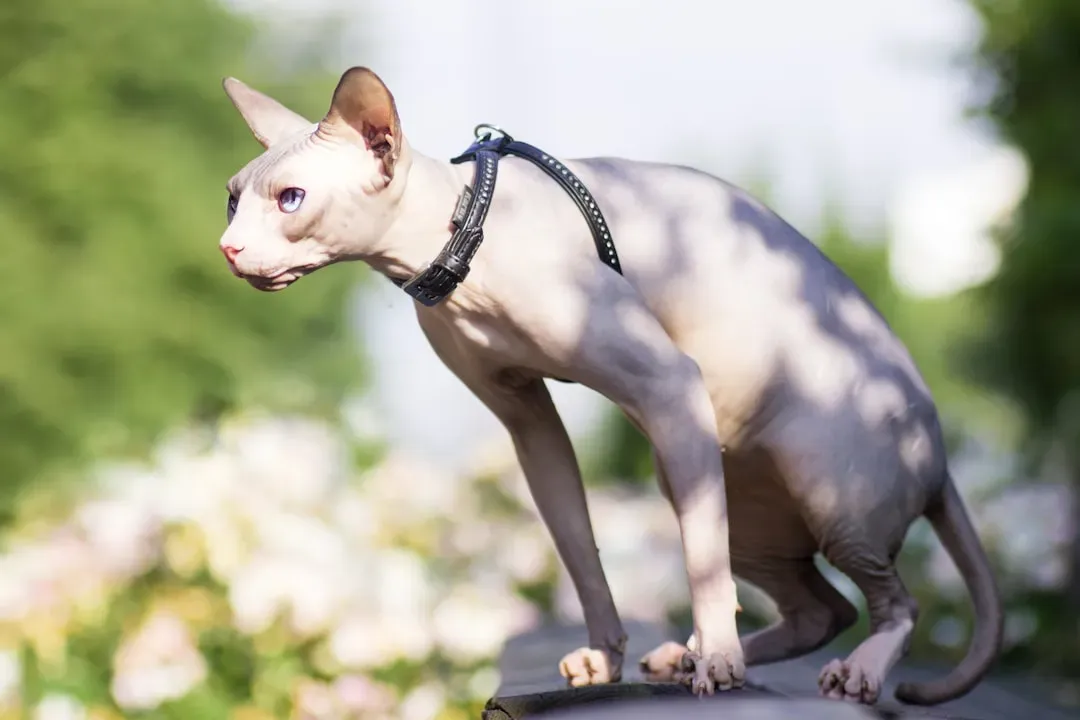
Sure, you might be thinking a hairless cat means less work. Wrong. The Sphynx requires regular bathing to remove oils that would normally be absorbed by fur, as well as protection from cold temperatures. Without fur, Sphynx cats need regular bathing to remove buildup of oils on their skin, which can otherwise cause skin problems.
The Sphynx may not seem aggressive, but these cats are feisty, energetic, and demanding, becoming nippy or hyperactive when not getting enough attention, hating being alone and following their humans everywhere. They’re like that clingy friend who texts you every five minutes. While they have a reputation for being aggressive, they actually love interacting with humans and games, but they have large appetites and demand more food than other breeds. Their temperature sensitivity means you’ll constantly worry if they’re too cold or too warm.
Persian: The High-Maintenance Beauty
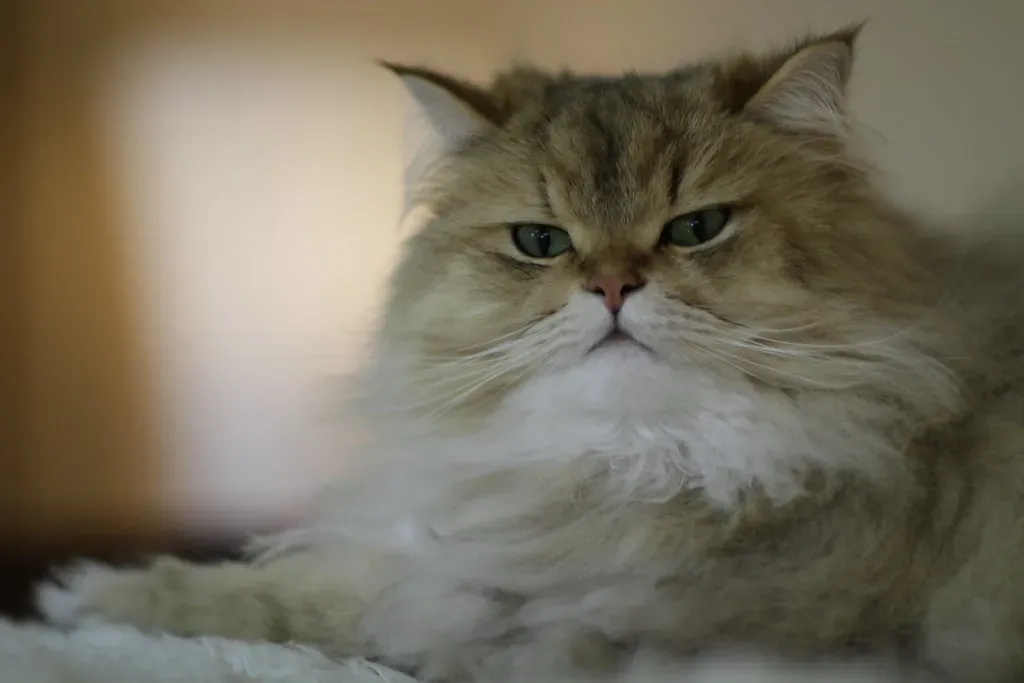
Persian cats are adorable balls of fluff with docile, quiet, sweet temperaments and low energy, loving nothing more than a nap in the sun. Sounds perfect, right? Not so fast. Persians are prone to numerous health issues including kidney and heart conditions, brachycephalic airway syndrome, and struggle to breathe properly due to their short, flatter faces.
Their long, lavish coat with soft, dense undercoat requires daily grooming, and with their short snouts, Persians struggle with keeping clean, requiring close attention to eyes, noses, ears, and hard-to-reach areas. Imagine spending thirty minutes every single day just combing a cat. Some might find that meditative. Others will find it tedious beyond belief. They require daily grooming to prevent matting and excessive shedding, plus they’re prone to respiratory issues due to their flat faces, requiring extra health monitoring.
Devon Rex: The Velcro Cat
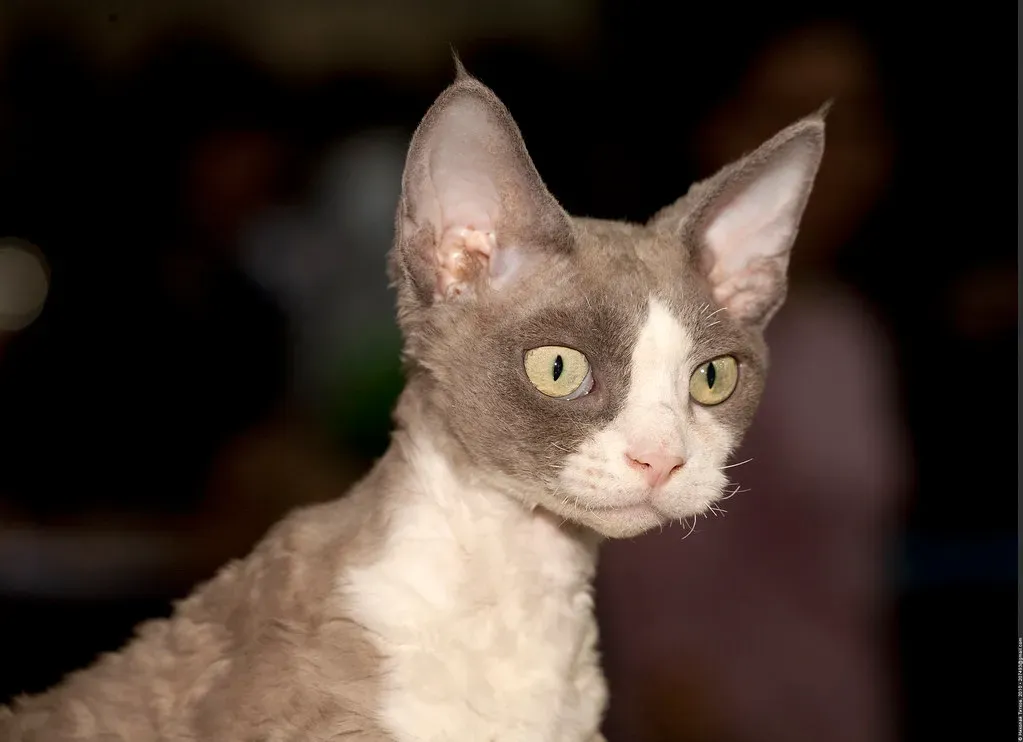
The Devon Rex is incredibly energetic, requiring lots of attention and stimulation, otherwise unwanted behaviors pop up, being tremendously social and needing a lot of time from their owners. Devon Rex cats are incredibly strong-willed and do not stop bothering you until they get what they want, begging forever for food and attention and being very vocal.
A person must be prepared to be owned by a Devon, as they will eat with you, sleep with you, perch on your shoulder while you’re on the computer, follow you around the house, and jump on your lap the minute you sit down, with their social nature making them unsuited for long periods without companionship. They’re basically the definition of “personal space invasion.” If you value alone time, this breed will test that boundary every single day.
Maine Coon: The Gentle Giant With Giant Needs
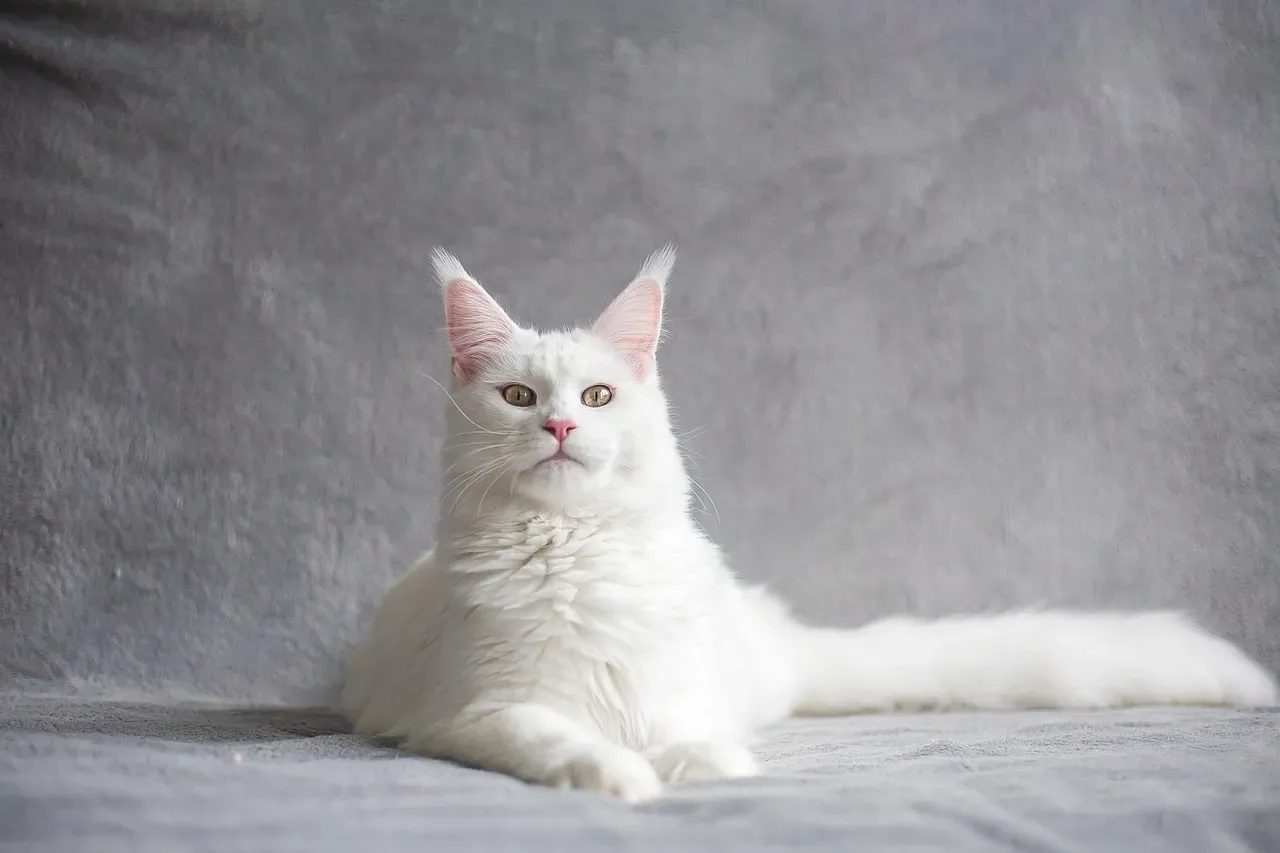
Maine Coons are one of the largest domesticated cat breeds, and while affectionate, their size means they need more space and extra grooming, with their thick fur requiring regular maintenance and their playful nature making them a handful. It’s not just about their size, though that’s definitely a factor when you’re trying to find a litter box big enough.
Maine Coons have high prevalence of heart conditions, hip dysplasia, and other genetic issues, shed quite a bit due to being long-haired, and some have high maintenance coats needing daily combing with regular grooming started from kitten age. Their grooming needs alone can feel like a part-time job. You’ll find fur everywhere, and I mean everywhere. Plus, their intelligence means they get bored easily and need constant engagement.
Scottish Fold: The Moody Sweetheart

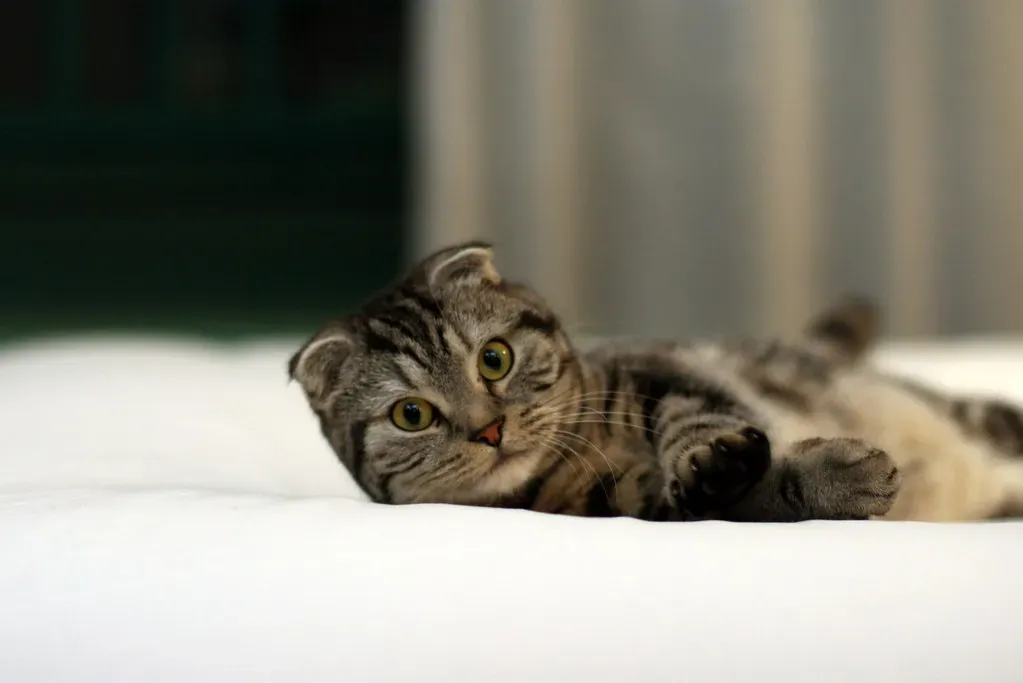
With their adorable folded ears and round expressions, Scottish Folds look like innocent charms, but they can be moody and unpredictable, being generally affectionate yet stubborn and independent. Scottish Folds are prone to genetic health issues, particularly joint and cartilage problems, leading to expensive vet bills and extra care needs.
If they’re in a bad mood, they might swat your hand away as warning, and if they feel irritated or their personal space is invaded, they won’t hesitate to make their feelings known, being selective about their favorite humans. It’s surprising to see Scottish Folds on this list with their plump faces and chubby cheeks, but they’re quite sensitive to change, may become aggressive when new pets are brought home, and aren’t the friendliest toward babies and children. Their health issues combined with their selective affection make them challenging companions.
Oriental Shorthair: The Attention Addict
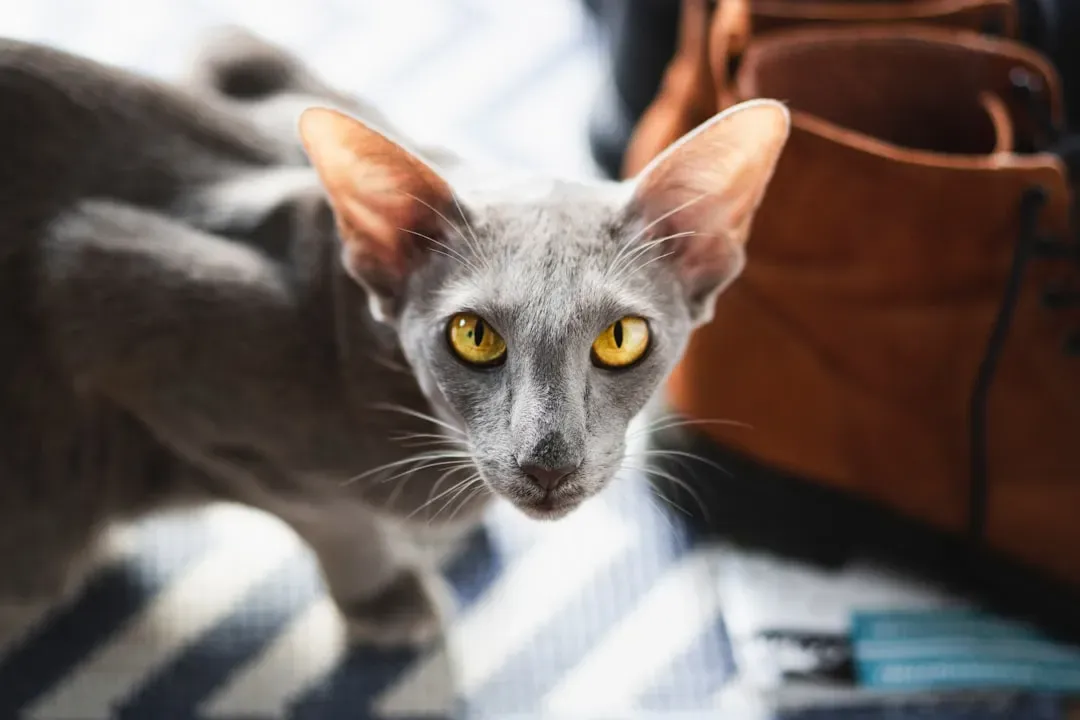
Oriental Shorthair cats come in just about any color, thrive when surrounded by family members, and if not around enough, these cats happily become destructive until you get home and play with them. They’re like having a perpetual shadow. Like their Siamese ancestors, Oriental Shorthairs will meow, chirp and trill often, interrupting your activities and even opening drawers to get your attention.
These cats have zero chill when it comes to being ignored. Siamese cats are close relatives of Oriental Shorthairs and Balinese, with all three known for their energetic antics and need to be included. If you work long hours or prefer a more independent pet, this breed will loudly protest your life choices. They want to be involved in everything, and silence is not their forte.
Balinese: The Demanding Chatterbox
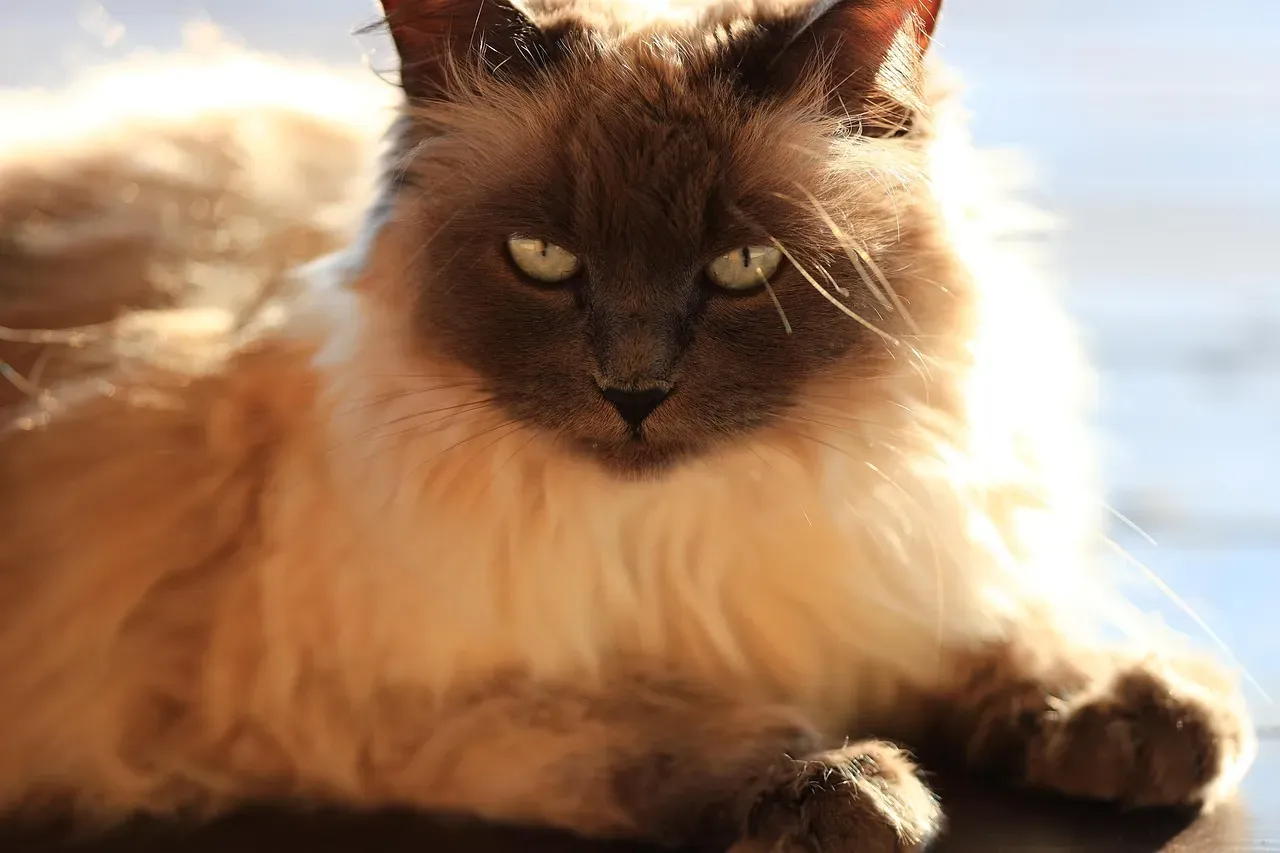
The Balinese is a vocal cat that enjoys talking with family, demanding a lot of attention and getting into mischief, and should not be left alone for long periods. This breed demands a lot of attention and will follow you everywhere, being very vocal and liking to talk with their human friends, but lack of attention will drive them to cause destruction around the house.
Think of them as the Siamese’s fluffy, equally demanding cousin. Balinese are prone to progressive retinal atrophy, asthma, mediastinal lymphoma as well as systemic amyloidosis. They combine beauty with relentless neediness. If you’re someone who values quiet evenings alone, a Balinese will make sure that never happens again. They have opinions about everything, and they will share them loudly and frequently.
Conclusion
Challenging cat breeds aren’t for everyone. They , your schedule, and sometimes your sanity. These nine breeds each bring their own unique flavor of demanding behavior, whether it’s constant vocalization, endless grooming needs, or an insatiable appetite for attention. The truth is, though, their demanding natures often stem from intelligence, loyalty, and a deep bond with their humans.
If you’re considering one of these breeds, go in with eyes wide open. Research their needs thoroughly. Make sure your lifestyle can accommodate their quirks. These cats aren’t impossible to live with, but they do require commitment beyond the average feline. What do you think? Are you ready to take on the challenge, or would you rather stick with a more laid-back breed? Let us know your thoughts.