You might think a feline companion is the perfect solution for your golden years. After all, cats seem like such relaxed, independent creatures. They groom themselves, sleep most of the day, and don’t demand walks in the rain. Sounds ideal, right?
Here’s the thing, though. Not all cats are created equal when it comes to care requirements. Some breeds demand far more attention, grooming, and veterinary oversight than others. For you as a senior, these differences can mean the line between a soothing companion and an overwhelming responsibility. Veterinarians who work with aging pet owners have strong opinions about which breeds present serious challenges. Let’s be real, some of these gorgeous felines might look stunning in pictures, but they come with baggage that could quickly become exhausting. So let’s dive in and discover which breeds vets are warning you about.
Persian Cats Demand Daily Grooming and Bring Breathing Troubles
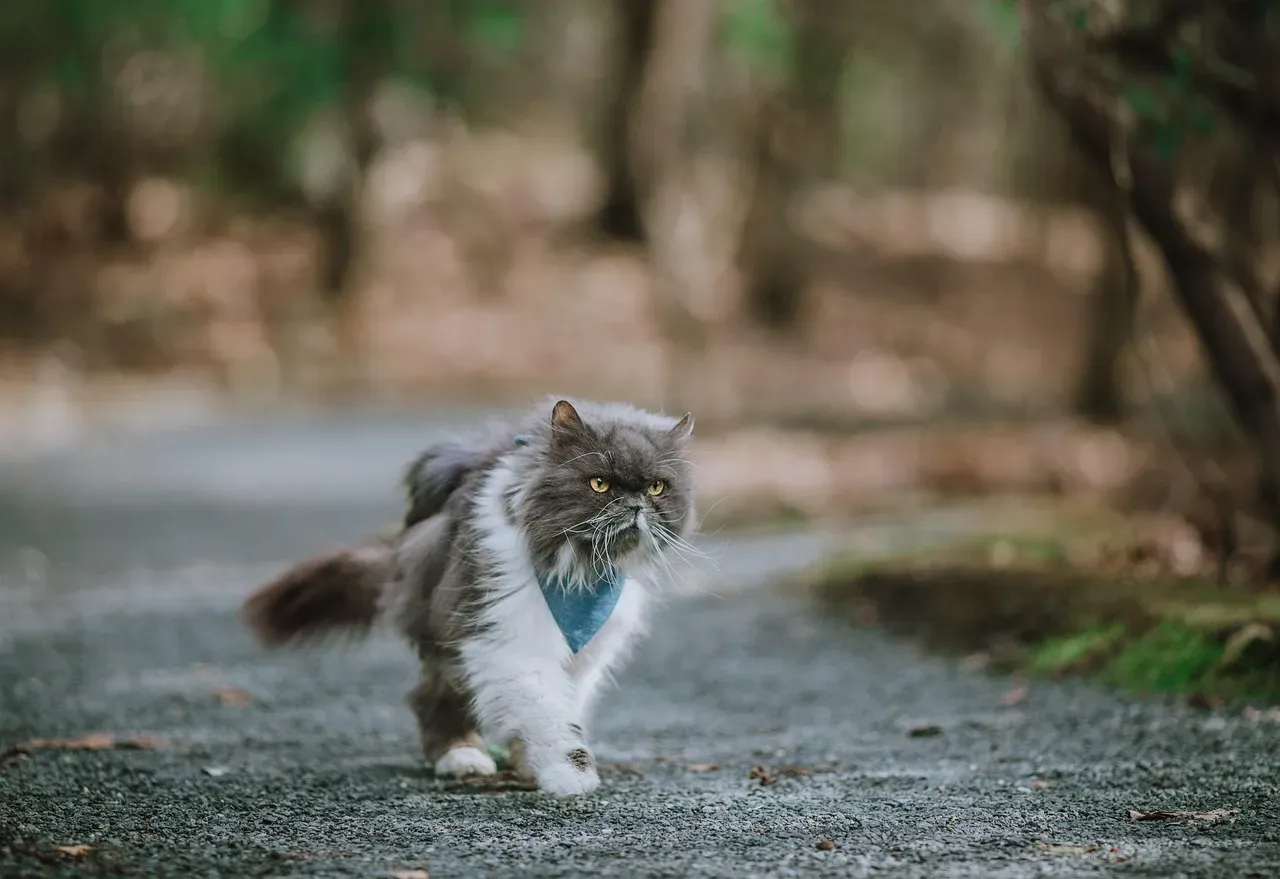
Those luxurious coats might make Persians look like royalty lounging on a velvet cushion, but the reality is far less glamorous. Persian cats combine high maintenance grooming with serious health concerns, as flat-faced Persians often have breathing problems due to deformed nasal passages. You’ll need to groom them every single day without fail.
Daily grooming is required for their stunning coat, and with their short snouts, Persians struggle with keeping clean, so you must pay close attention to their eyes, noses, ears, and all the hard-to-reach areas. Their facial structure causes chronic respiratory issues that require constant monitoring. Honestly, it’s hard to say for sure whether the companionship offsets the daily commitment, but many seniors find themselves quickly overwhelmed by the demands.
Himalayan Cats Require Constant Maintenance and Health Monitoring
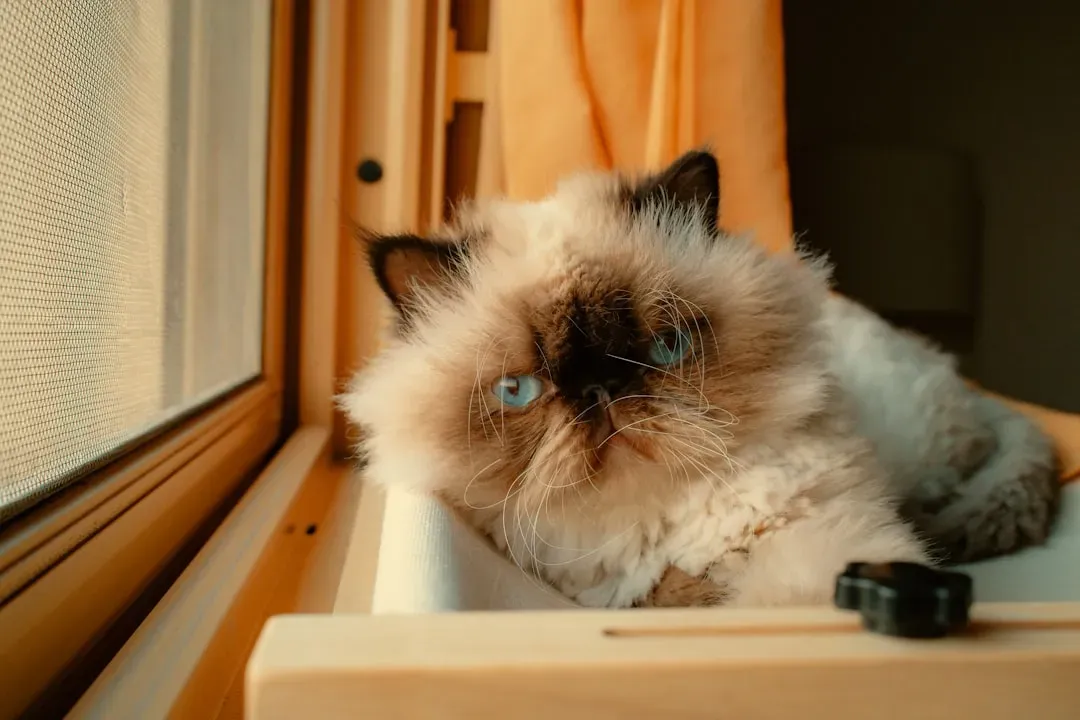
Think of Himalayans as Persians with extra complications. Himalayans need regular daily grooming to remove mats and tangles from their long fur, combining the worst aspects of high maintenance grooming with serious health concerns. That’s not just a quick brush while you sip your morning coffee.
The daily grooming requirements alone make Himalayans unsuitable for seniors with arthritis or limited mobility, and their flat facial structure requires constant monitoring for breathing difficulties and eye infections. If you’re dealing with stiff joints or reduced stamina yourself, adding this level of care can feel like a second job. The breed also faces polycystic kidney disease risks that pile on additional veterinary expenses and worry.
Sphynx Cats Need Weekly Baths and Specialized Skin Care
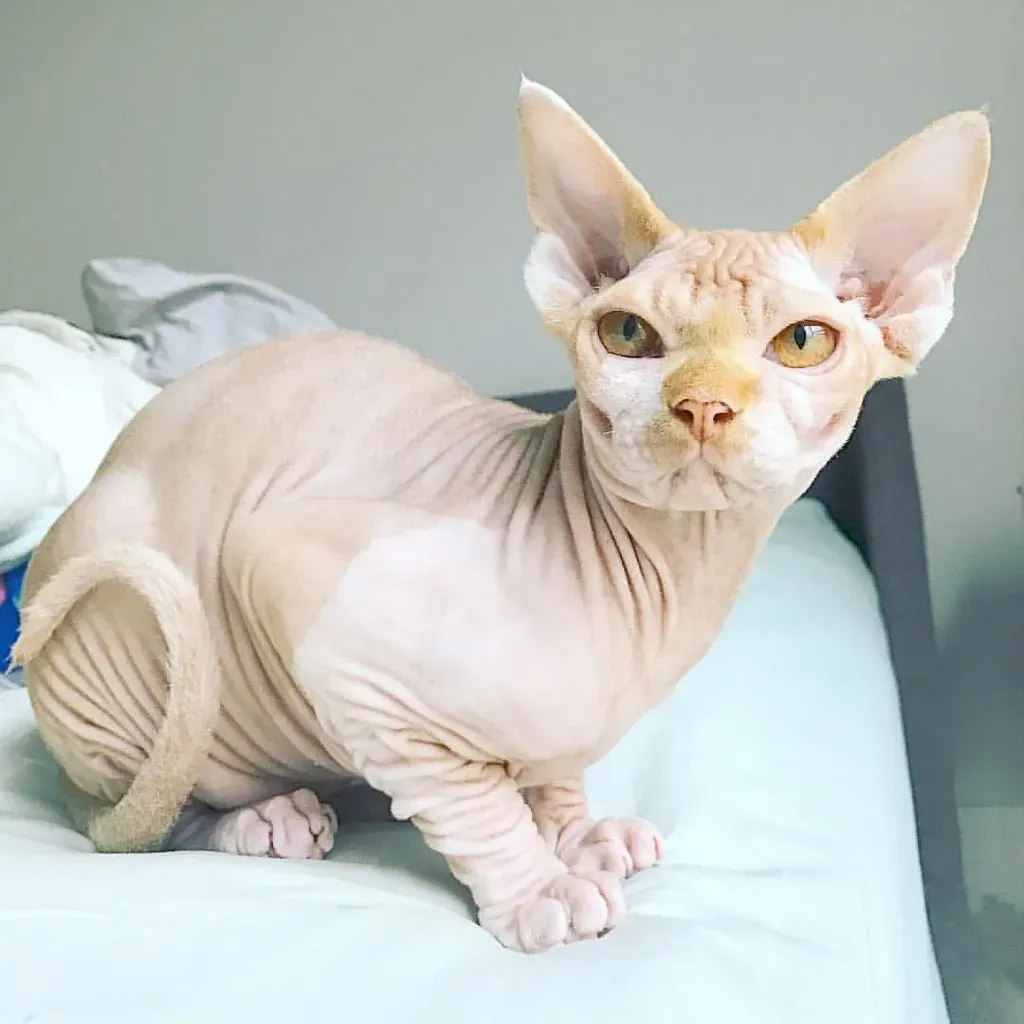
You might assume a hairless cat means less work, but that’s where you’d be completely wrong. Sphynx cats commonly have issues with their lack of fur, including yeast or bacterial skin infections, sunburn, hypothermia and ear infections. Their exposed skin becomes a magnet for problems.
These hairless felines require extensive skin care that can prove challenging for seniors with arthritis or limited mobility, as you must apply sunscreen and moisturizer regularly and maintain proper hygiene. The weekly bathing routine isn’t negotiable. Their delicate skin demands constant vigilance, and one missed week can spiral into infections requiring vet visits. Let’s be honest, that’s a lot of hands-on work when your hands might already ache.
Maine Coon Cats Are Heavy Giants with Serious Heart Risks
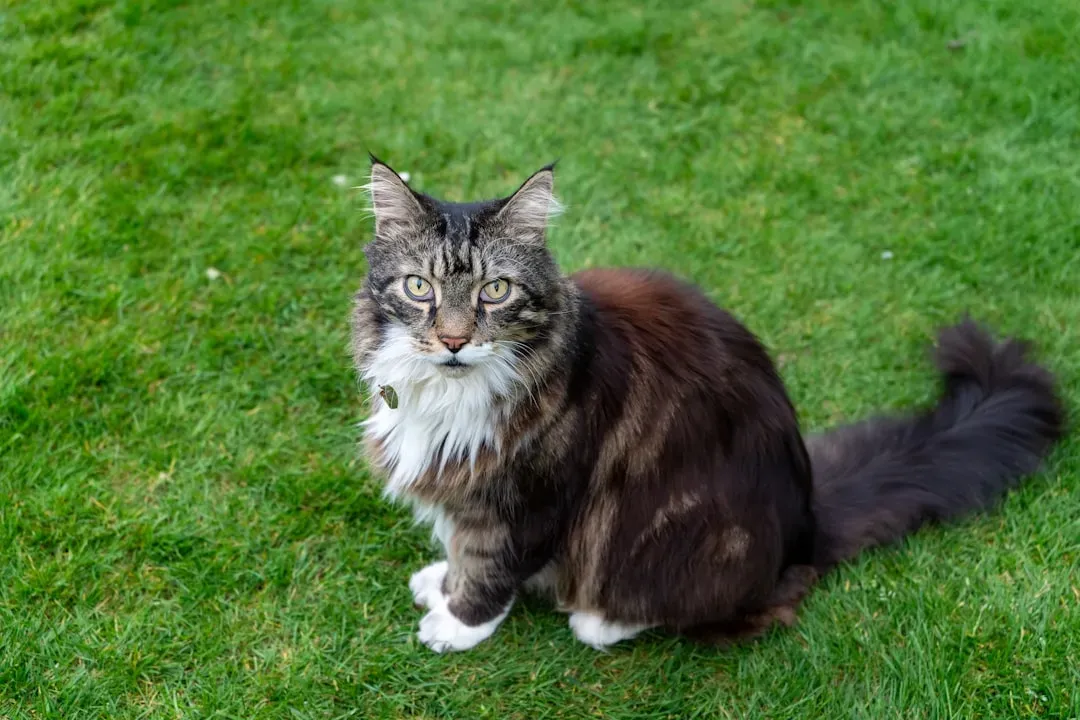
Maine Coons are the largest breed of domestic cats, and these big cats can mature to weigh 15 to 25 pounds, although their long coats can make them look bigger! Try lifting that when you need to get them into a carrier for a vet appointment.
Their substantial size creates challenges for seniors who need to transport them to veterinary appointments or handle them during emergencies. On top of the physical burden, Maine Coon cats can develop hypertrophic cardiomyopathy, hip dysplasia, spinal muscular atrophy, and obesity, with cats suffering from HCM being at high risk for congestive heart failure and saddle thrombosis from blood clots. These aren’t minor inconveniences. They’re potentially life-threatening conditions requiring ongoing monitoring and emergency readiness.
Ragdoll Cats Are Large, High-Maintenance, and Cardiac-Prone
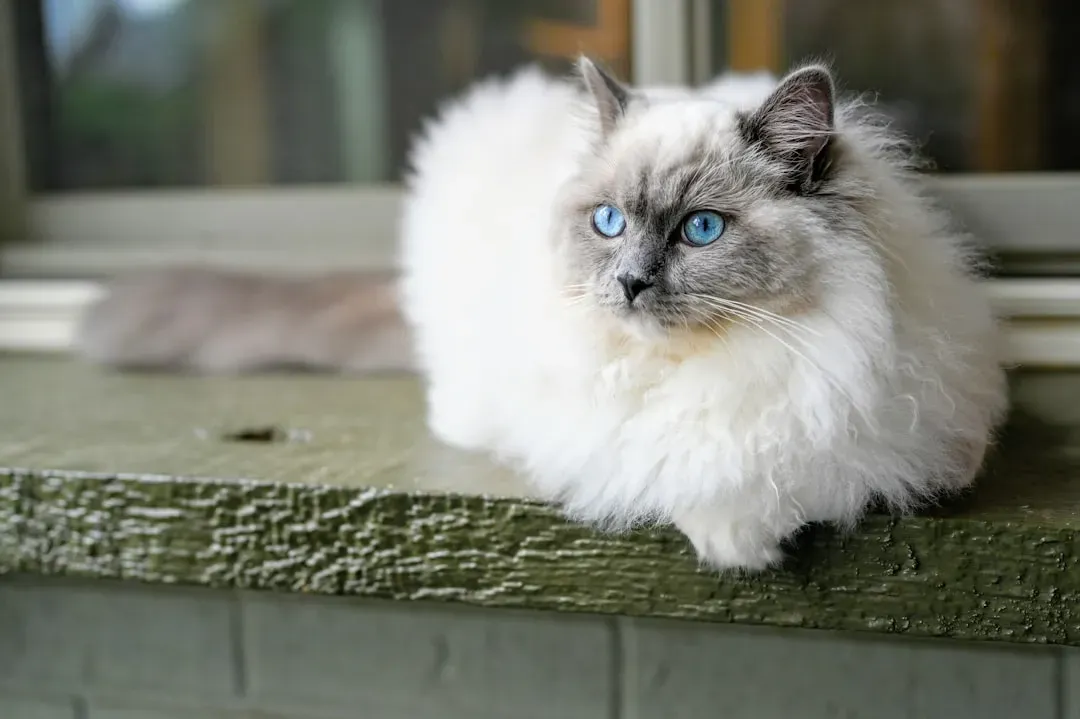
Despite their gentle temperament, Ragdolls present several challenges for older adults. Ragdoll cats are on the larger side and may require more space and be difficult to carry for some seniors, with their substantial size creating practical challenges. The regular brushing requirement (several times weekly) for their semi-long coat adds up quickly over time.
Ragdoll cats are especially prone to hypertrophic cardiomyopathy, and cats with HCM are at high risk for congestive heart failure and saddle thrombosis from the formation of blood clots, making the combination of size, grooming needs, and serious cardiac risks challenging for senior owners. You’re looking at regular cardiology appointments and potentially expensive medications. I think that’s more stress than most people in their later years want to handle.
Scottish Fold Cats Suffer from Painful Joint Disorders
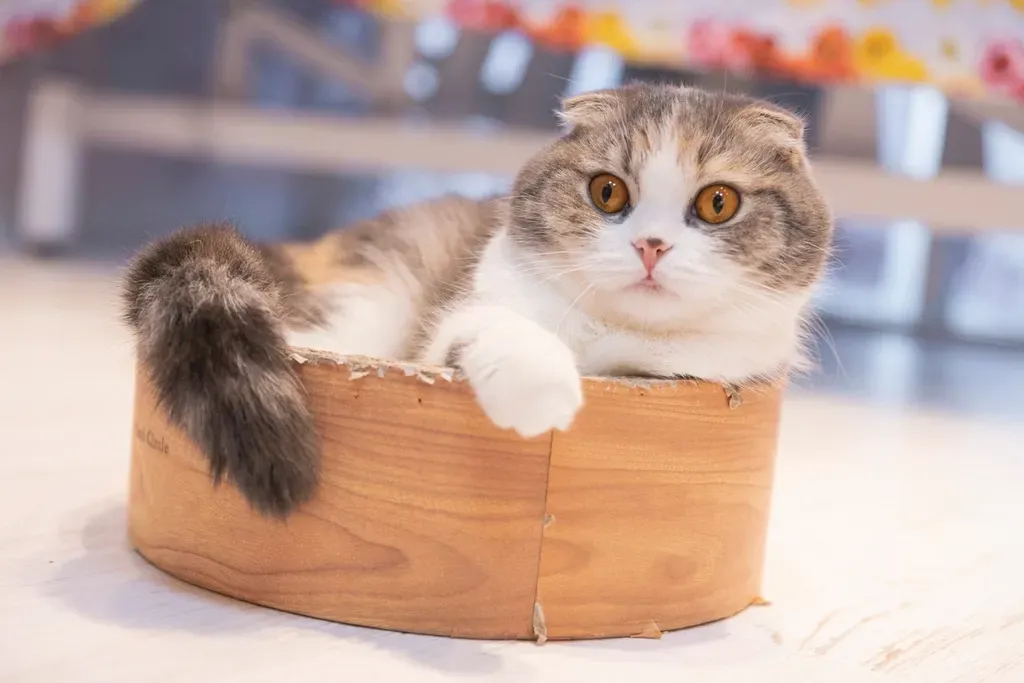
Those adorably folded ears come with a devastating price. Veterinarians consider Scottish Folds among the most problematic breeds because the genetic condition responsible for their signature ear fold is osteochondrodysplasia, a cartilage and bone development disorder that affects not only the ears but joints throughout the entire body.
This condition leads to progressive, painful arthritis that often becomes debilitating as the cats age. Can you imagine caring for a cat in chronic pain when you might be dealing with your own arthritis? The emotional toll of watching your companion suffer, combined with the physical demands of administering pain medication and managing mobility issues, makes this breed particularly unsuitable for seniors seeking peaceful companionship.
Bengal Cats Demand Constant Stimulation and Display Wild Behaviors
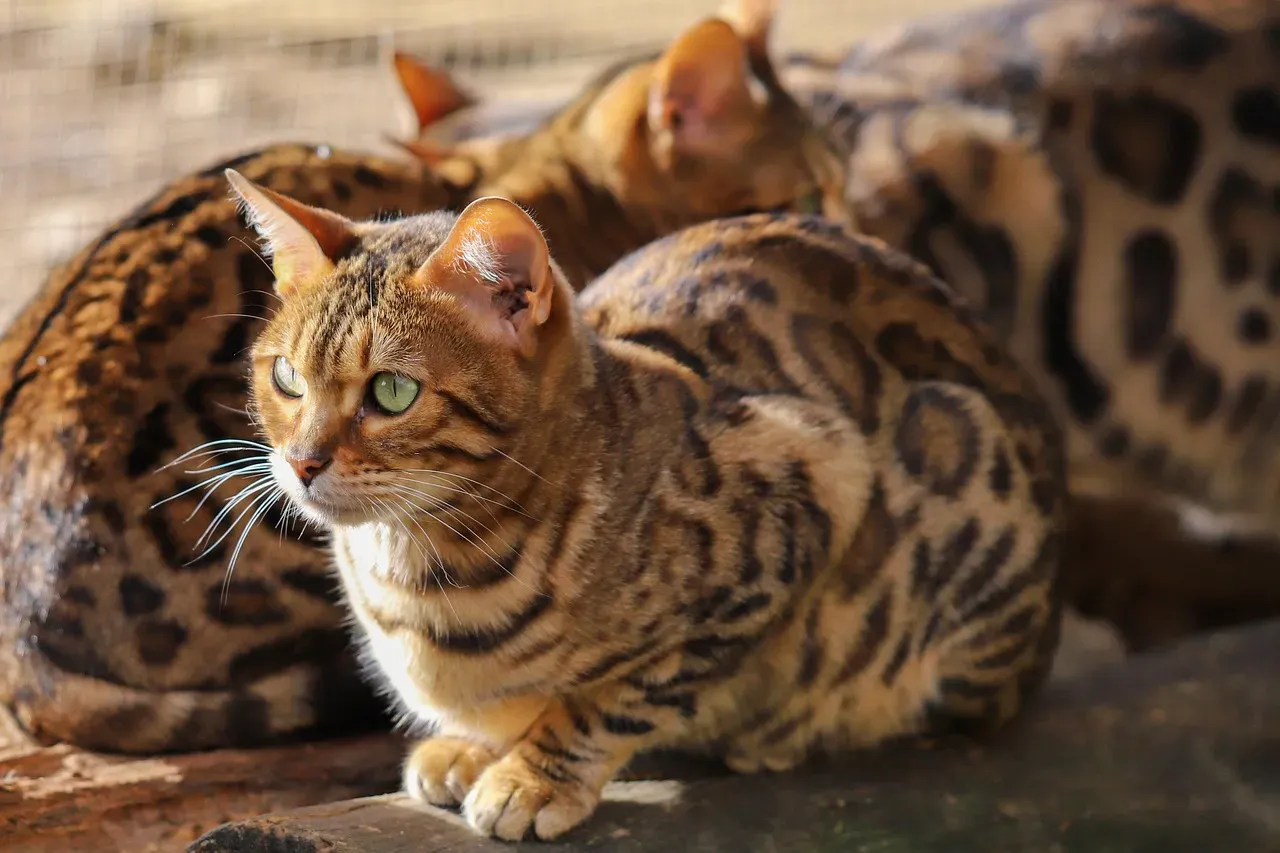
Bengals stem from their hybrid nature as crosses between domestic cats and wild Asian leopard cats, bringing significant behavioral and care challenges, as Bengals are known for their high energy levels and need for extensive activity, often displaying more aggressive tendencies than typical domestic cats. They’re basically small leopards with attitude problems.
Their wild ancestry manifests in behaviors that can be problematic in home environments, including territorial marking, destructive scratching, and difficulty with standard litter box training, with this high-energy breed requiring constant stimulation and engagement that many seniors cannot provide. Honestly, these cats need someone who can match their energy and tolerate their occasional tantrums. That’s probably not you if you’re hoping for quiet afternoons with a purring companion on your lap.
Burmese Cats Develop Severe Separation Anxiety and Need Constant Attention
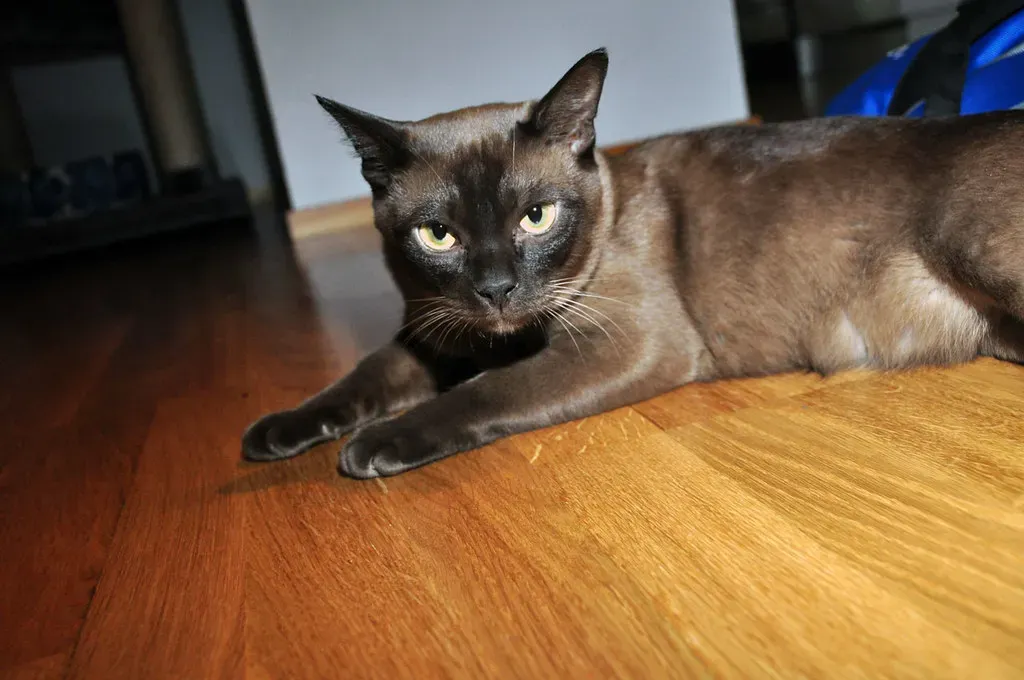
Burmese cats are extremely people-oriented and can develop severe separation anxiety when left alone, with their clingy nature meaning they follow owners constantly and demand attention throughout the day. If you value any independence or have medical appointments, this becomes problematic fast.
These cats are also prone to a condition called Burmese Head Defect, which can cause facial deformities and breathing problems, with their high maintenance personalities combined with potential genetic health issues creating ongoing care demands that can be particularly challenging for seniors who value independence and quiet companionship. You’re essentially signing up for a needy roommate who never gives you space and might develop serious health complications.
Exotic Shorthair Cats Have Breathing Issues and Need Daily Interaction
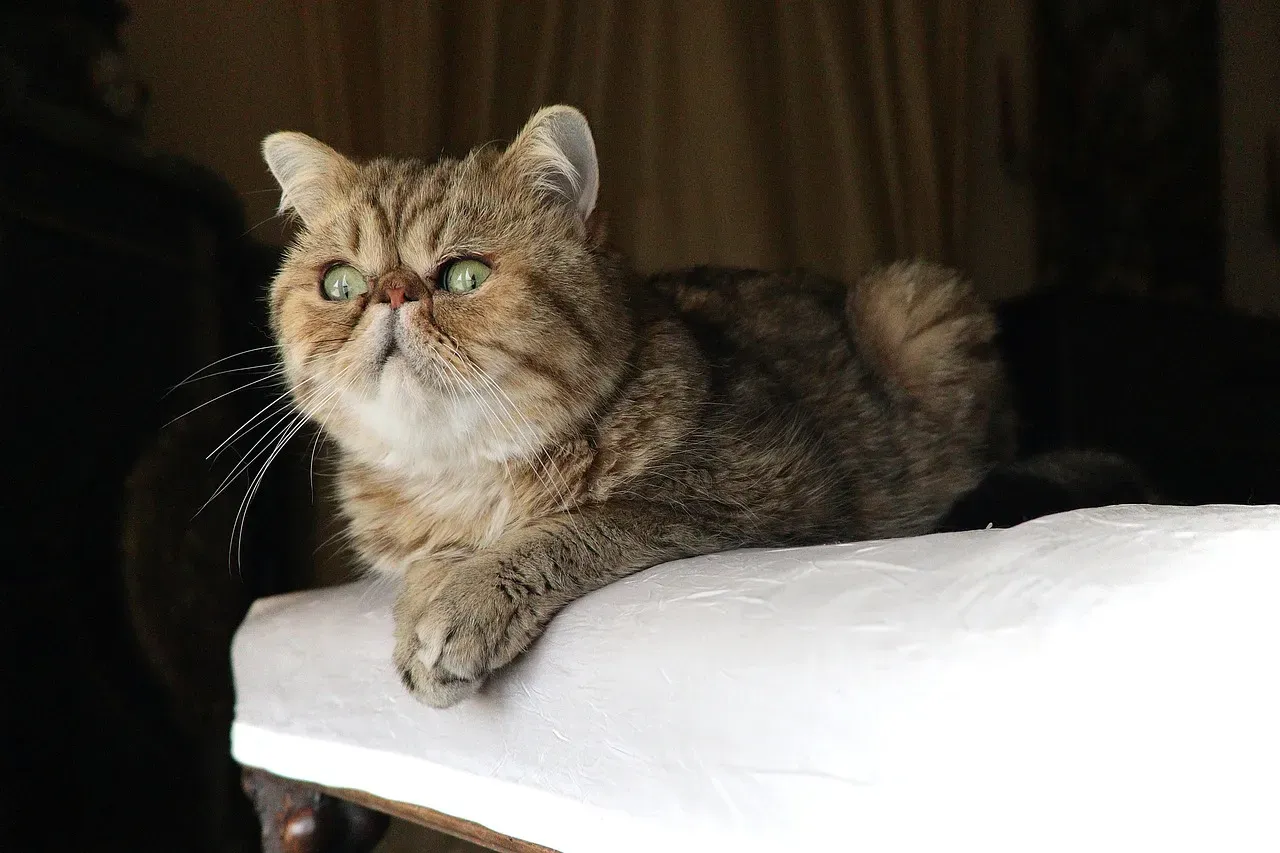
Exotic Shorthairs maintain the same problematic facial structure as their long-haired Persian cousins, suffering from the same brachycephalic airway syndrome that affects Persians and requiring constant monitoring for breathing difficulties. The shortened face creates lifelong respiratory struggles.
Their need for constant interaction and mental stimulation, combined with their potential health issues, creates care requirements that can quickly become overwhelming for seniors who prefer quieter, more independent companions. These cats crave engagement and don’t do well being left alone. For seniors who need flexibility or have fluctuating energy levels, this dependency can transform from endearing to exhausting.
The journey through these nine breeds reveals a consistent pattern. What looks beautiful in photos often translates to daily struggles in real life. Grooming demands pile up. Health complications require vigilance and expense. Behavioral needs clash with the peaceful lifestyle you deserve in your senior years.
Your golden years should be about comfort and companionship, not about wrestling with daily grooming marathons or managing complex medical conditions. While every cat deserves love, matching the right breed to your capabilities isn’t selfish, it’s responsible. Perhaps a more independent, lower-maintenance breed would serve both you and your future feline friend far better. What surprised you most about these breeds? Did you expect that some of these popular cats would be so demanding?