You’ve probably heard it a thousand times: “Oh, I got a cat because they’re so independent.” People genuinely believe this. They picture a creature that feeds itself emotionally, doesn’t need cuddles, and basically runs its own life. Sound familiar?
Here’s the plot twist, though. Science has been quietly dismantling that image for years, and your cat has been running a masterful con the entire time. The more you learn about feline behavior, the more you realize you’ve been beautifully, brilliantly deceived. Let’s dive in.
The “I Don’t Need You” Stare Is Actually a Lie
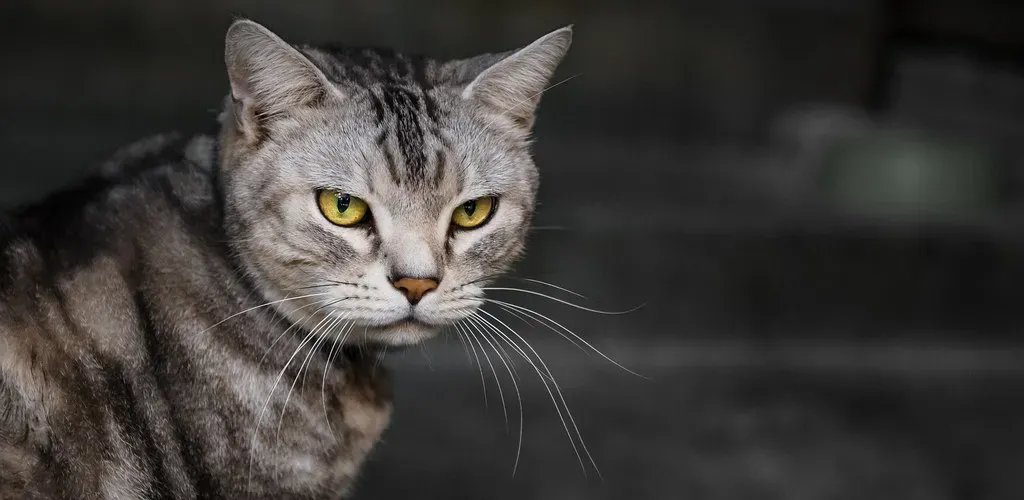
Let’s be real. When your cat sits across the room looking deeply unbothered, it feels like they’ve completely forgotten you exist. What you’re actually witnessing isn’t aloofness at all. Your cat is simply exquisitely designed to be aware of its environment, and just because your cat doesn’t jump to immediate attention when you call their name doesn’t mean they’re ignoring you.
Research has shown that cats spend less than twenty percent of a testing period interacting with an inattentive human, but when that same human becomes attentive, cats spend over sixty percent of their time seeking proximity to them. So the cold-shoulder routine? It’s entirely on you. Give them your attention, and watch that “independence” evaporate faster than a puddle in July.
They Domesticated Themselves on Purpose (And Never Stopped Being Clever About It)
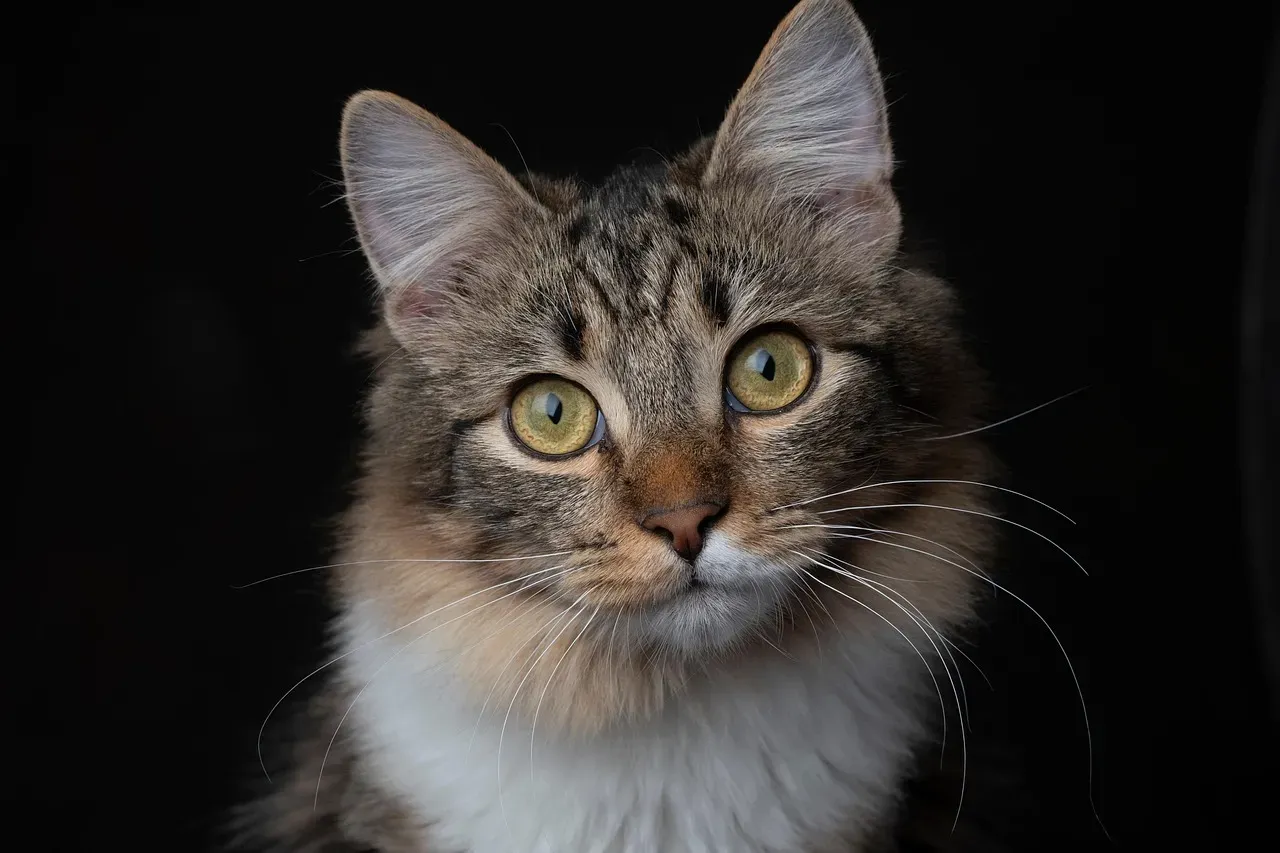
Cats are actually the only species to have domesticated themselves, adapting into household pets as a deliberate survival strategy. Think about that for a second. They made a calculated decision to hang around human settlements, enjoy the perks, and still keep total control of the relationship. That’s not independence. That’s genius-level negotiation.
Wherever humans went, small vermin followed, and that meant cats could hunt and eat well. Over time, cats figured out that humans would simply do the hunting for them, providing food on a regular basis and shelter to boot. So your cat didn’t stumble into your home by accident. You were selected. Congratulations, you passed the audition.
The Head Butt Move Is Not Random Affection
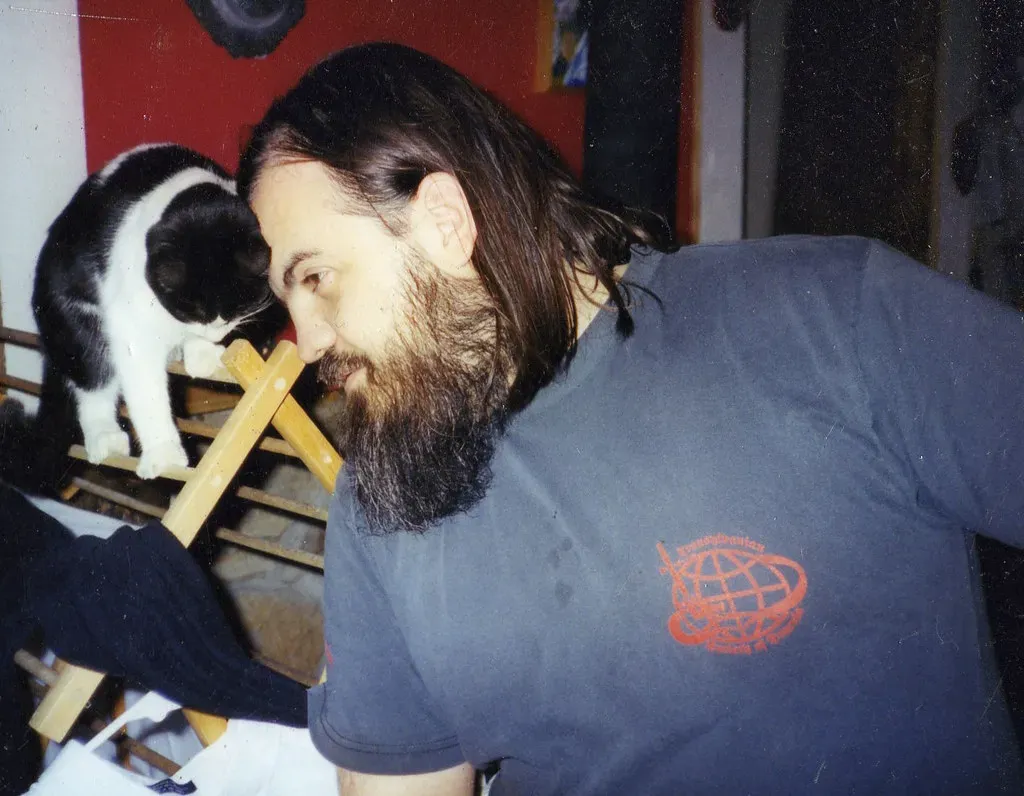
Cat headbutting, also called bunting, is a friendly behavior where cats mark you with their scent to show bonding, comfort, and familiarity. Your cat isn’t just being cute and spacey. They’re actively claiming you as part of their territory, which is actually one of the most intimate things a cat can do. Ironic, isn’t it, that the ultimate sign of “I own you” gets mistaken for independence?
Bored cats also engage in bunting as a form of attention-seeking behavior, and they do it because they know it works. You reinforce this behavior every time you talk to them, pet them, or give them toys when they bunt you. So you’ve both been trained here, and honestly, the cat started training first.
The Slow Blink Is Their Version of a Hug They Pretend Not to Need
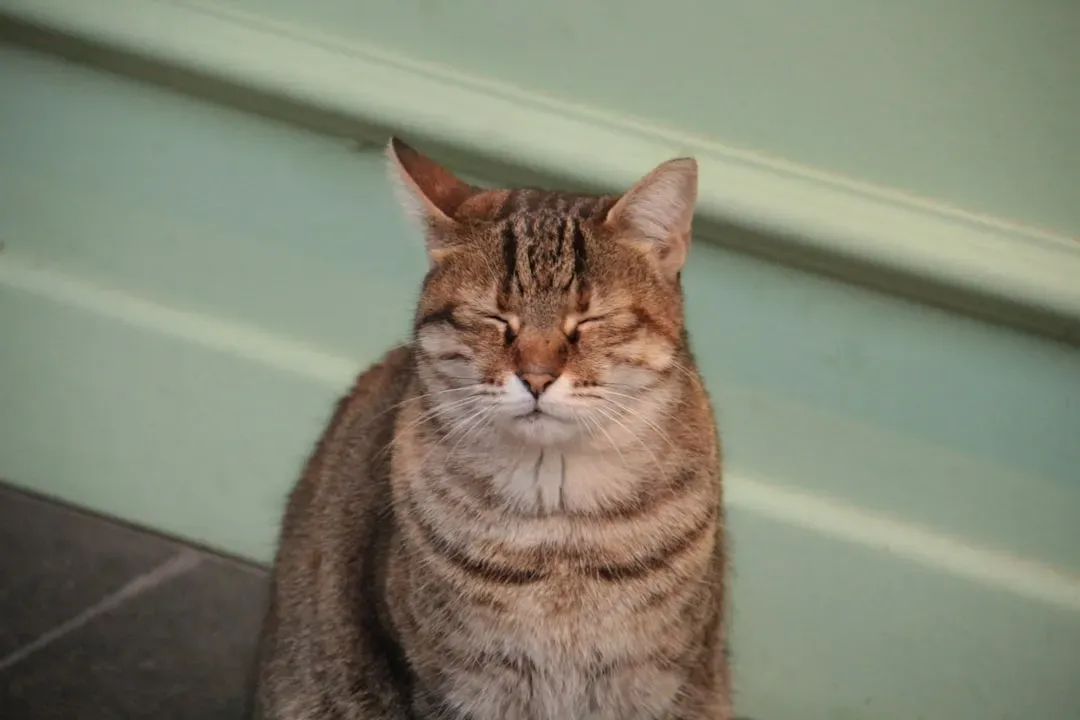
“A slow blink is one of the most intimate ways a cat shows love, often called a ‘cat kiss.’ When your cat looks at you deliberately and softly closes and opens their eyes, they are communicating that they feel safe and at ease with you.” That dreamy, half-asleep look is not laziness. It’s a love letter written in eye language.
Research has shown that cats engage in slow blink-matching, opening and closing their eyes in a series of slow blinks more frequently when their owners blink at them than when no social interaction is taking place. In other words, your cat is waiting for you to speak their language. Try it tonight. Look at your cat, blink slowly, and watch what happens. You might feel a little ridiculous, but your cat will feel completely seen.
They Actually Form Attachment Bonds Comparable to Dogs and Human Infants
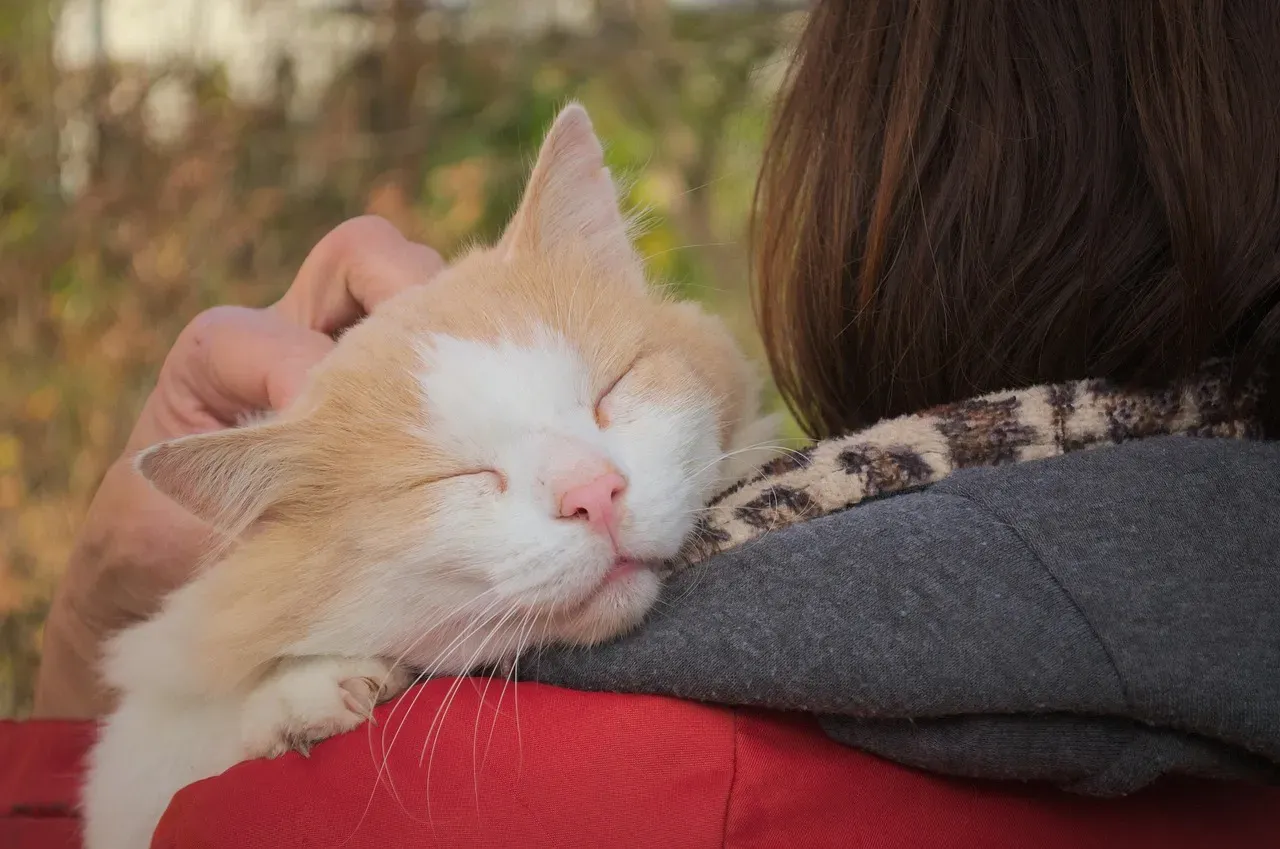
This one surprised me, honestly. Cats have long been painted as the cold, transactional pet, but the science says something dramatically different. An increasing number of studies demonstrate that cats have the capacity to form strong social bonds with humans. One notable study by Vitale et al. in 2019 showed that sixty-eight percent of cats studied were securely attached to their owners.
Pet cats form attachment bonds to human caretakers, forming secure attachments at roughly the same rate as has been observed in dog-human bonds and human infant-caregiver bonds. So the next time someone tells you that cats don’t actually care about their owners, you can politely point them to the science. Your cat chose you. That’s not nothing. That’s actually everything.
Kneading You Is a Kitten Behavior They Never Outgrew
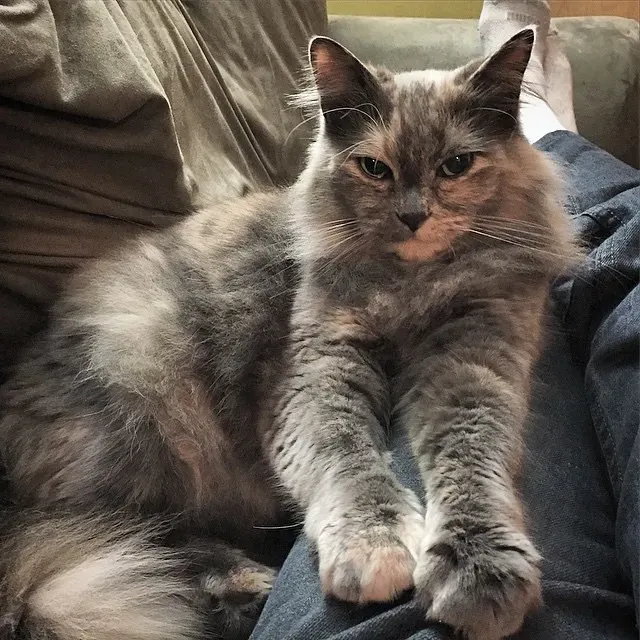
Kneading is a comforting behavior rooted in kittenhood, and when cats knead on you, it is a strong sign that your cat is bonded to you, showing that they feel secure. This “making biscuits” motion was originally used by kittens against their mother to stimulate milk flow. Your independent adult cat is reverting to one of its most vulnerable, tender states specifically because of you.
When your adult cat kneads you, especially while purring with that blissful half-closed expression, they are essentially reverting to kitten behavior and treating you like their mother. Each knead is your cat’s way of showing trust, comfort, and deep affection. Hard to call that creature independent when it’s literally treating you like home base.
Your Cat Monitors Your Emotional State More Than You Think
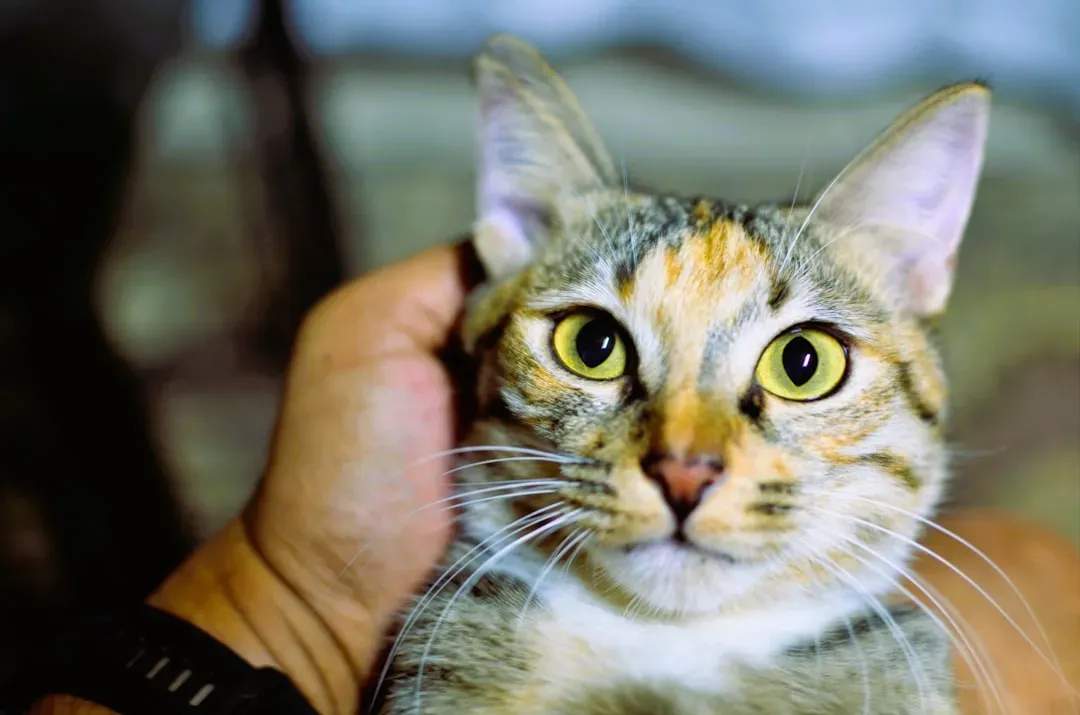
In uncertain or novel situations, cats frequently look to their owners and gauge their reaction, adjusting their behavior accordingly. That’s called social referencing, and it’s the exact same behavior human toddlers use when they look to a parent for cues. Your cat, who supposedly needs nothing from you, is actually using you as an emotional compass in new or stressful situations.
Cats, merely through their presence and behavior, can affect human moods, and human mood differences have also been shown to affect the behavior of the cats in return. The emotional current runs both ways. Your cat picks up on your stress, your sadness, your distraction. They process all of it. Independence? More like quiet, constant attunement.
Separation Anxiety in Cats Is Real – They Just Hide It Cleverly
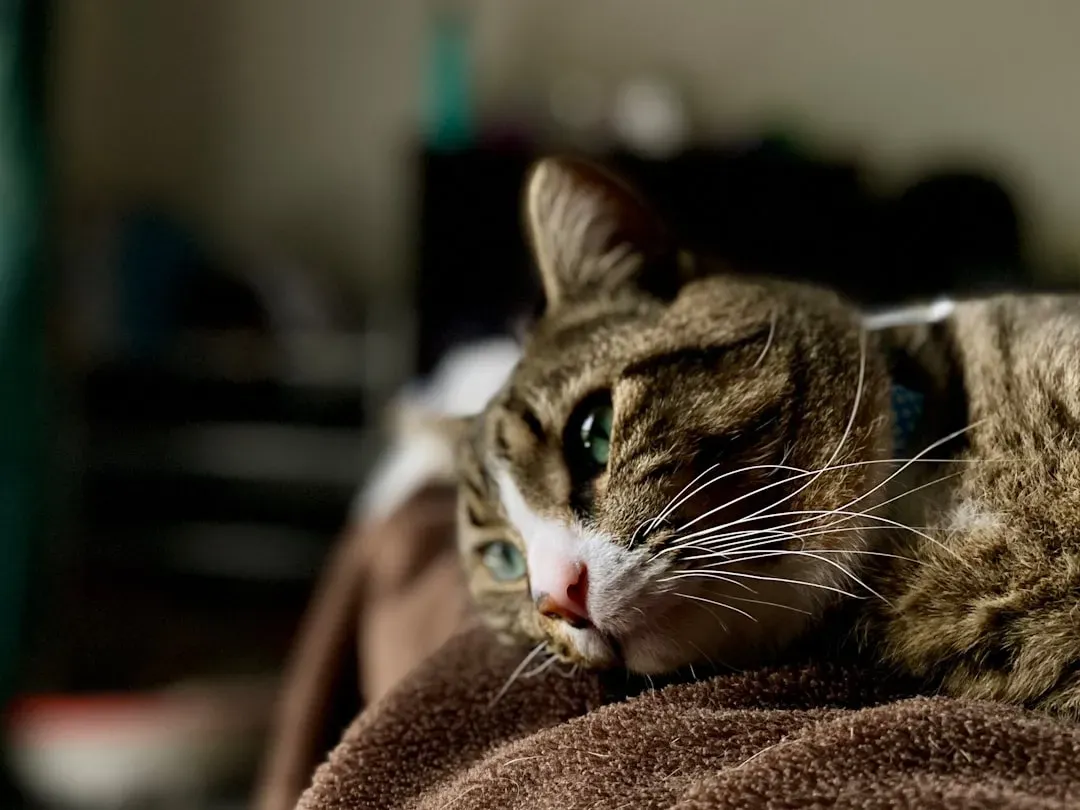
Cats can experience separation anxiety, though it often manifests differently than in dogs. Instead of whining or destructive chewing, anxious cats display more subtle yet persistent signs when left alone. So while your dog is dramatically howling at the door, your cat is suffering in silence, which somehow makes the whole thing even more heartbreaking.
Separation anxiety is much less likely to be diagnosed in cats than in dogs, even though there is evidence to suggest that cats can suffer from this condition. In attachment tests, cats show almost identical search patterns, vocalizations, and other signs of separation distress to dogs upon an owner’s departure. The classic independent cat is missing you deeply. They’re just far too dignified to admit it out loud.
The Purr Is a Social Tool, Not Just a Mood Indicator
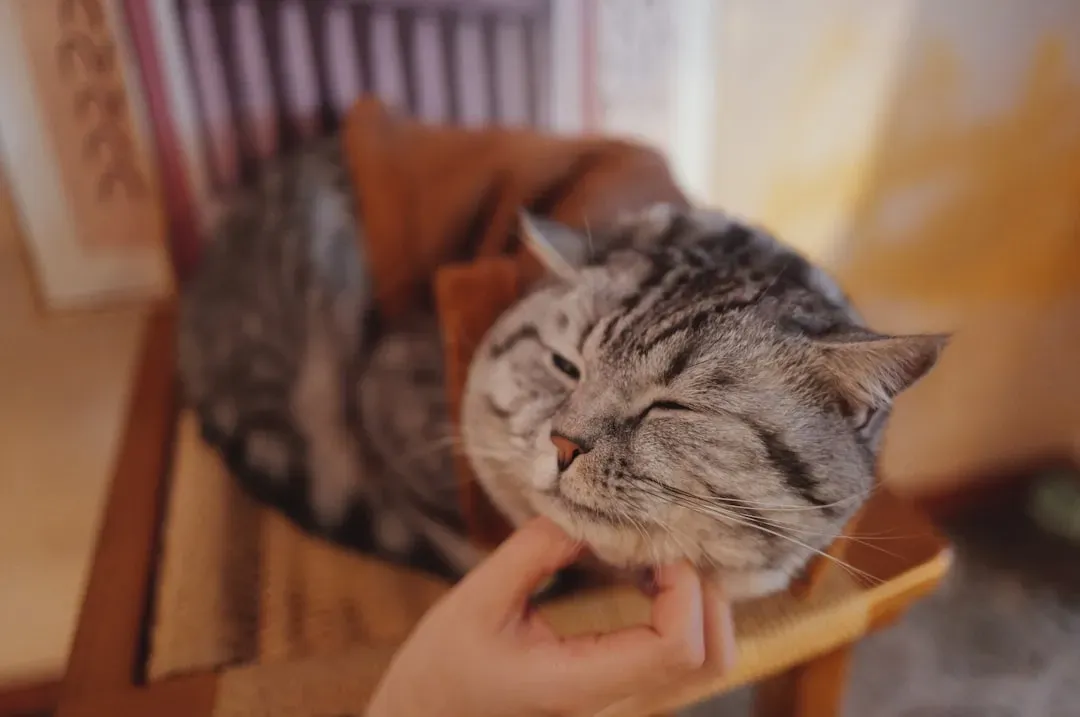
Purring often signals contentment and trust, and it is a key cat bonding behavior. It’s a way for cats to express comfort and strengthen emotional connections, rooted in their kitten-mother interactions. That low, rumbling vibration is one of the most socially complex signals in the animal kingdom. It is not a simple default setting switched on when a cat is comfortable. It is directed communication.
Purring is primarily a kitten behavior used to communicate with the mother cat. An adult cat purring in your lap is not being aloof or self-serving. They are reaching back into their deepest, most emotionally open behavior and directing it at you. Although a socialized cat has the ability to care for themselves, they rely on you for affection, mental stimulation, and good health. The purr is your cat’s way of saying all of that without words. And honestly, it’s far more eloquent.
The Truth Behind the Great Feline Deception
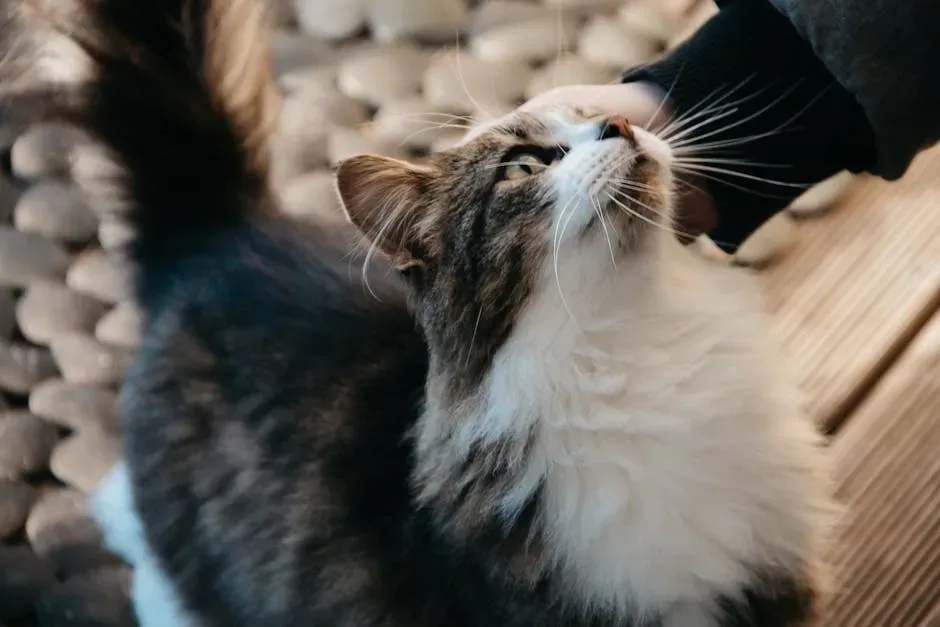
Here’s the thing: cats are extraordinary illusionists. They’ve spent thousands of years perfecting a composed, regal exterior while quietly building deep emotional bonds on the inside. The narrative review of scientific literature highlights that the perception of cats as independent and non-social animals incapable of forming emotional bonds is one of the most recurrent and persistent myths about domestic cats. Yet people still buy into it completely.
These beliefs are neither trivial nor inconsequential. They shape how you treat your cat and your relationship with them, which in turn directly affects their health and wellbeing. So the next time your cat struts past you like you don’t exist, remember what you now know. They slow-blink when they love you. They knead you like a kitten. They track your moods. They miss you when you leave. They chose you.
Your cat isn’t independent. They’re just too clever to let you realize you’re wrapped around their paw. So, what do you think – did your cat fool you all along? Tell us in the comments, we’d love to know how your feline has been running the show.