Have you ever wondered who really runs your household? You might pay the bills, but let’s be real, your cat has orchestrated the entire operation from their favorite sunspot on the couch. These furry little strategists have spent thousands of years perfecting their techniques, and honestly, they’ve gotten pretty good at it.
While we like to think we’re making all the decisions, science reveals something different. Your feline companion has been quietly training you all along, adjusting their approach based on what gets results. It’s not evil, though it might feel that way when they wake you at five in the morning. They’ve simply evolved alongside us, learning exactly which buttons to push.
The Special Purr That Sounds Like a Crying Baby
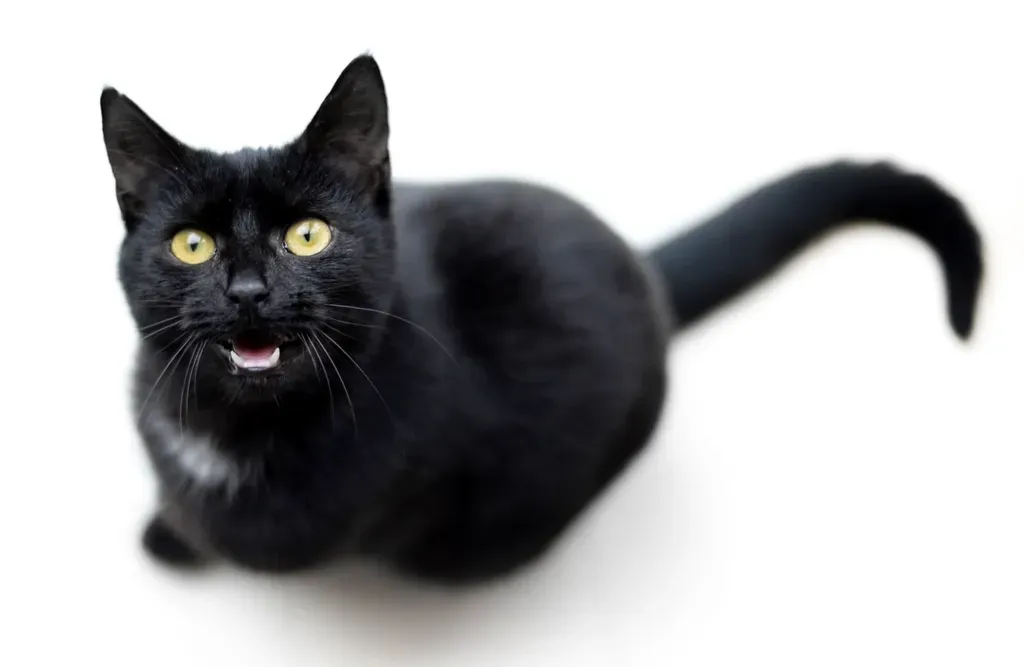
Cats embed a high-pitched cry within their normal purring, creating what researchers call solicitation purrs. This isn’t your typical contented rumble. The embedded sound sits at around 380 Hz, remarkably similar to a human infant’s cry. Think about that for a moment. Your cat has weaponized one of the most powerful sounds designed to trigger nurturing instincts in humans.
Cats learn to dramatically exaggerate this cry when it proves effective, and it develops most often in cats with one-on-one relationships with their owners. Here’s the thing, not every cat does this. Some never figure it out, while others become absolute masters. Even people who have never owned cats find these purrs more urgent and less pleasant than regular purring. Your biology basically forces you to respond, which is precisely what they’re counting on.
Tailored Meowing Just for You
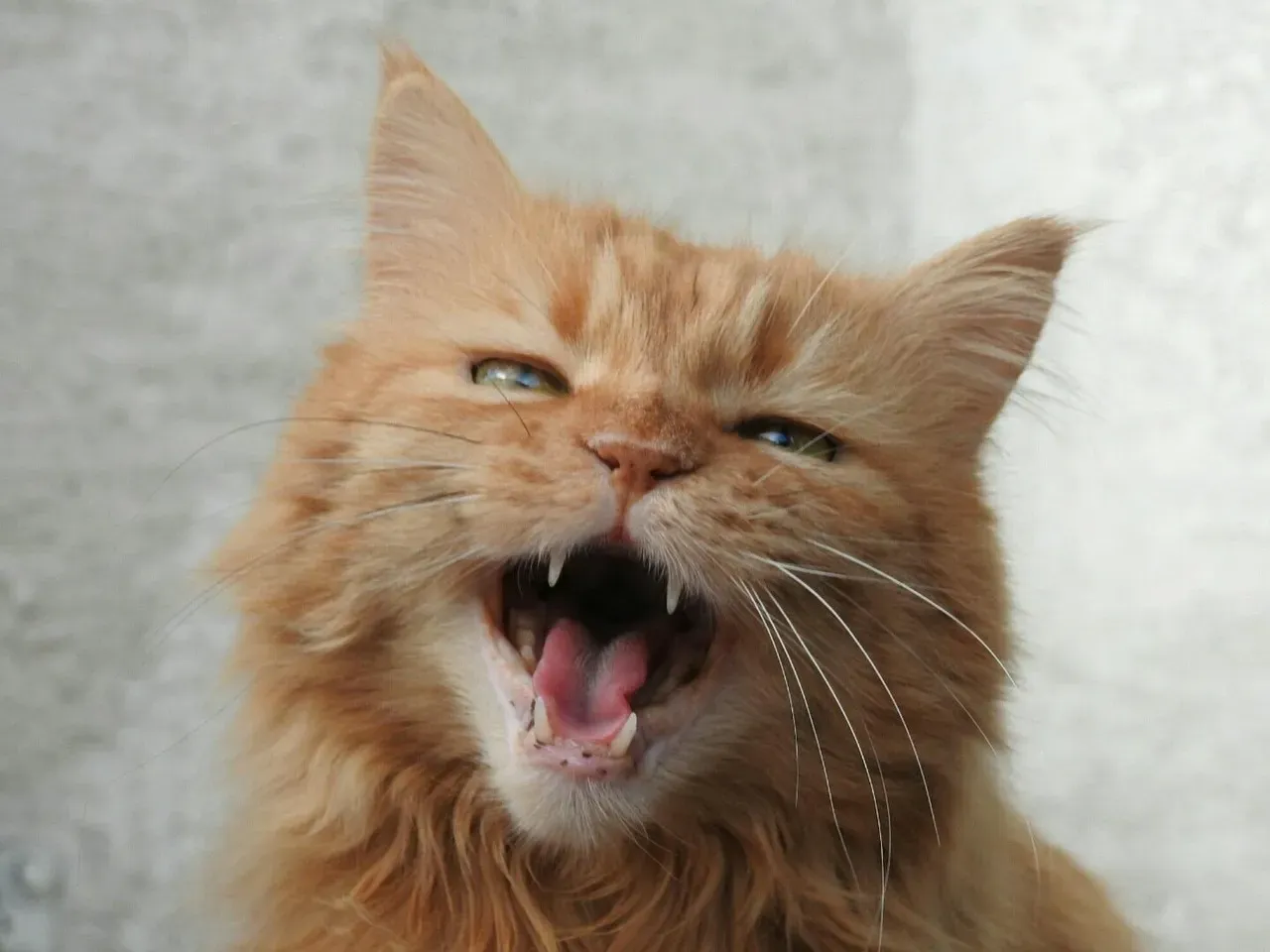
Wild cats rarely meow at each other as adults. Meows are directed at people rather than other cats, and people often reinforce the meow, which helps shape it to take many forms. Your cat has developed a whole vocabulary specifically designed for human ears. Clever, right?
Cats adjust their meows depending on context and how their owners respond, with some calls growing sharper for food and softer meows appearing during friendly moments. They’re reading the room constantly. If a particular pitch or duration gets you to open the treat jar faster, they’ll remember that. The most urgent meows are longer and vocalized at lower frequencies. They’ve essentially created a communication system from scratch, and you’re the one being taught.
Targeting the Human Most Likely to Cave
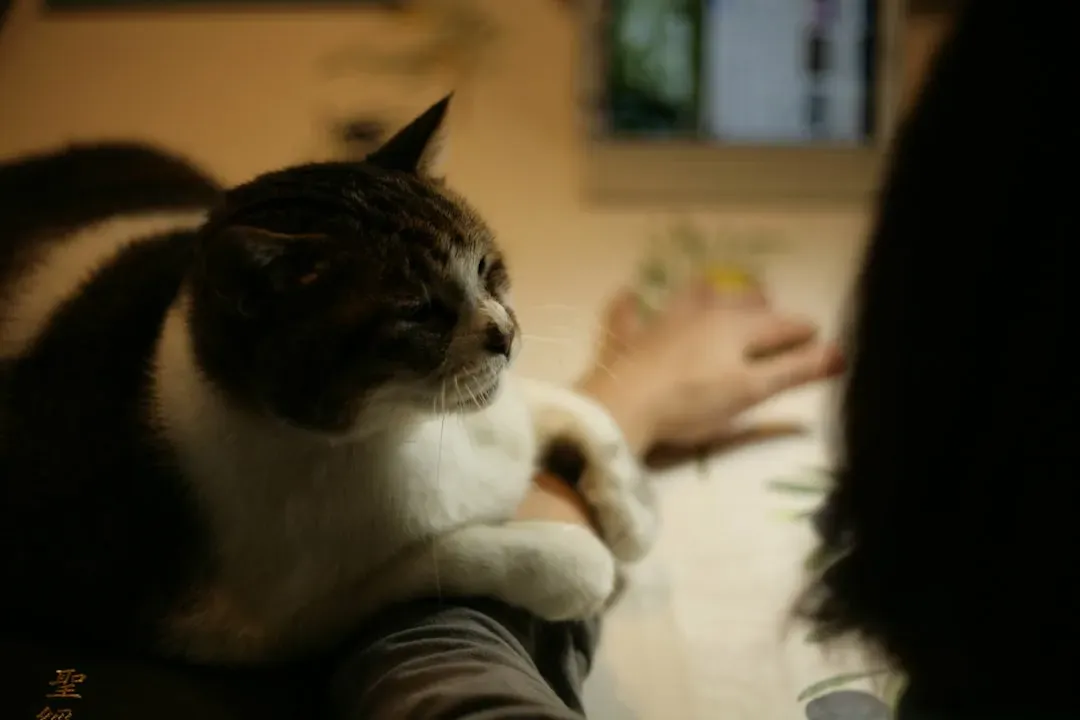
Meowing is a learned, human-directed behavior, and many cats focus on the person who consistently responds to them. Does your cat always wake up the same person for breakfast? That’s not random. They’ve done the research.
Some owners become the preferred listener because they’ve proven most reliable at acknowledging the sound, and over time the cat builds a pattern of seeking out the human who delivers the best results. They’re strategic thinkers, identifying the weak link in your household defenses. Honestly, you have to respect the efficiency. Why waste energy on the person who ignores them when someone else will immediately spring into action?
The Irresistible Slow Blink
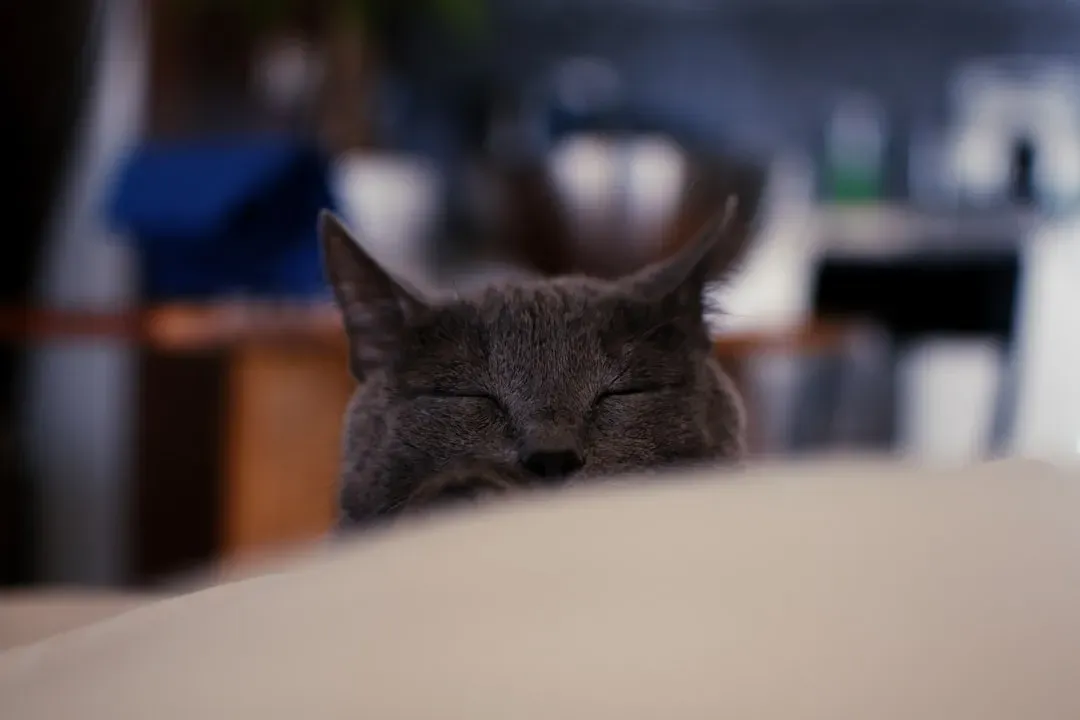
Researchers studying feline eye movements found that a half-closed, lingering blink encourages people to lean in and offer affection, and the relaxed expression conveys warmth. Those slow blinks your cat gives you? They’re not just adorable, they’re calculated.
When cats give you a slow blink, they’re manipulating you into feeling loved, using it as a way to bond with humans while ensuring more attention and care. The best part is that it works both ways. When humans slow blink at cats, the cats are more likely to approach and return the gesture. They’ve created a feedback loop where both parties feel they’re initiating the affection. Genius, really.
Strategic Keyboard and Laptop Invasion
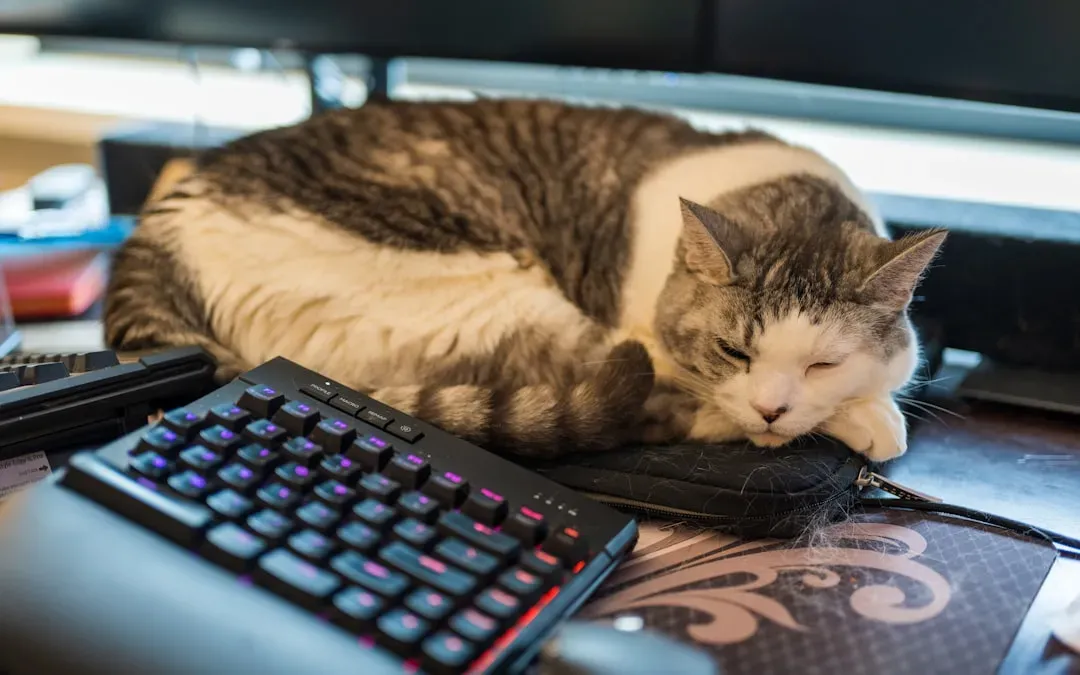
When a cat strolls across a keyboard or settles on a book, it’s because they’ve noticed how intensely their human focuses on the object, and by placing themselves in that space, cats redirect your focus back toward them. Your laptop becomes valuable simply because you’re staring at it.
This isn’t random attention-seeking behavior. They understand competition for your focus, and they’re not willing to lose to a glowing rectangle. The warmth of the device is a bonus, sure, but the real prize is interrupting whatever has captured your attention. The device becomes a high-value spot due to your attention, warmth, and predictable reactions. They know exactly what they’re doing when they plop down right on your keyboard during that important video call.
The Soothing Power of Kneading
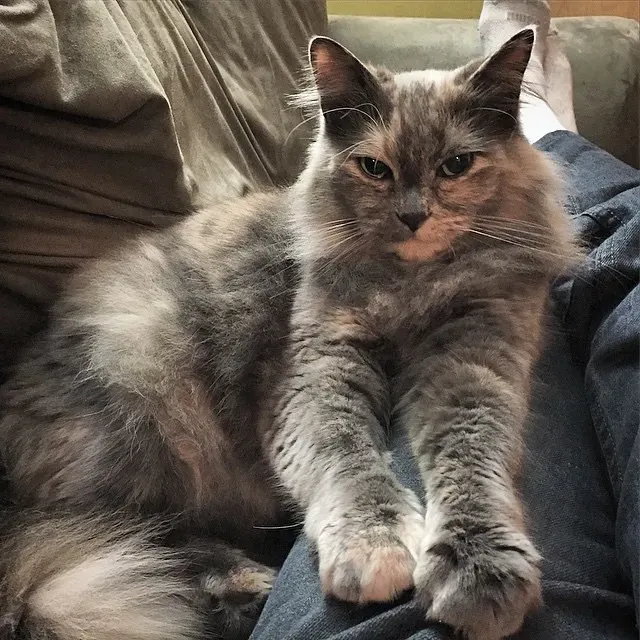
When a cat settles in and starts kneading, people instinctively relax, remain still, or gently stroke the cat, and the slow movement signals comfort. Those little paw pumps turn you into putty in their paws.
The behavior originates from kittenhood, when they kneaded their mother to stimulate milk flow. The response from humans reinforces that calm exchange. You’re essentially trapped once they start. Who can disturb a kneading cat? They know you won’t move, won’t get up to do that chore you’ve been avoiding, and will probably stay put for the next hour. It’s hard to say for sure, but it seems like they understand human psychology better than most therapists.
Head Bunts and Scent Marking Disguised as Affection
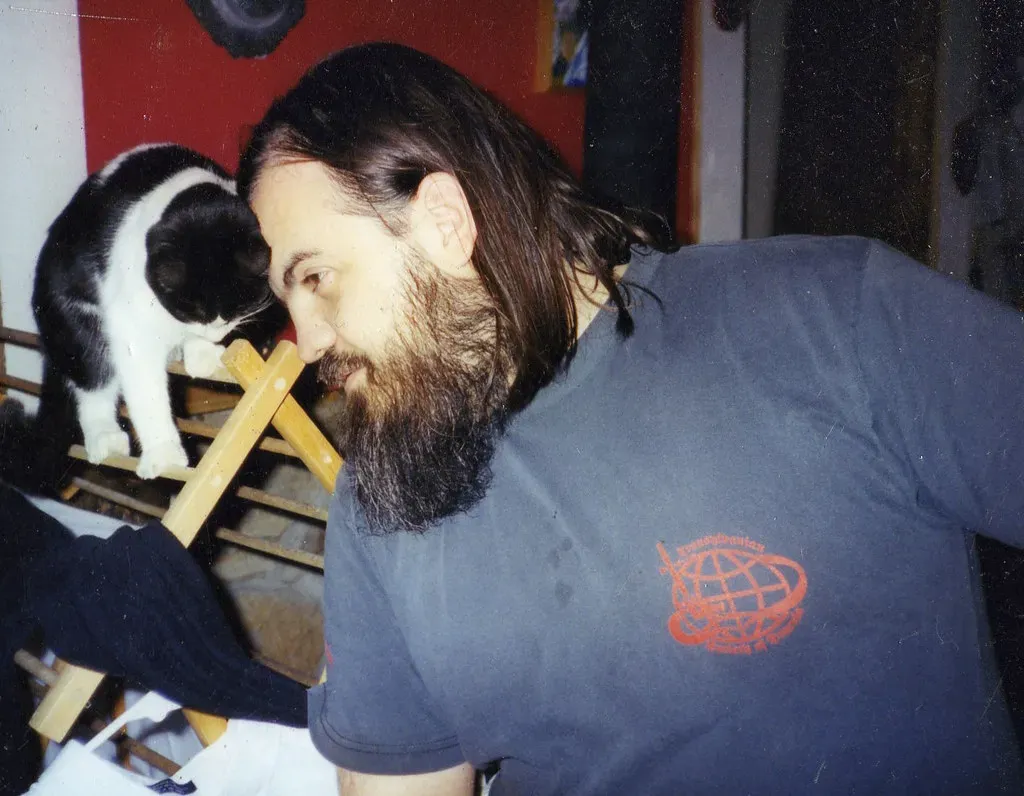
A soft nudge to the face or chin may feel affectionate, but behavioral studies show it also leaves scent markers, and people usually respond by petting, holding, or staying nearby. When your cat bonks their head against yours, they’re claiming ownership as much as showing love.
Headbutting and rubbing allow cats to mark their territory by transferring scent from glands around their cheeks and jaw, and these behaviors signal comfort, affection, and familiarity. You walk around branded as their property, and you probably think it’s cute. The move builds a routine where proximity becomes expected, and the cat ends up directing where everyone settles. They’re literally herding you through scent marking and positive reinforcement.
Using Baby Schema to Trigger Your Nurturing Instincts
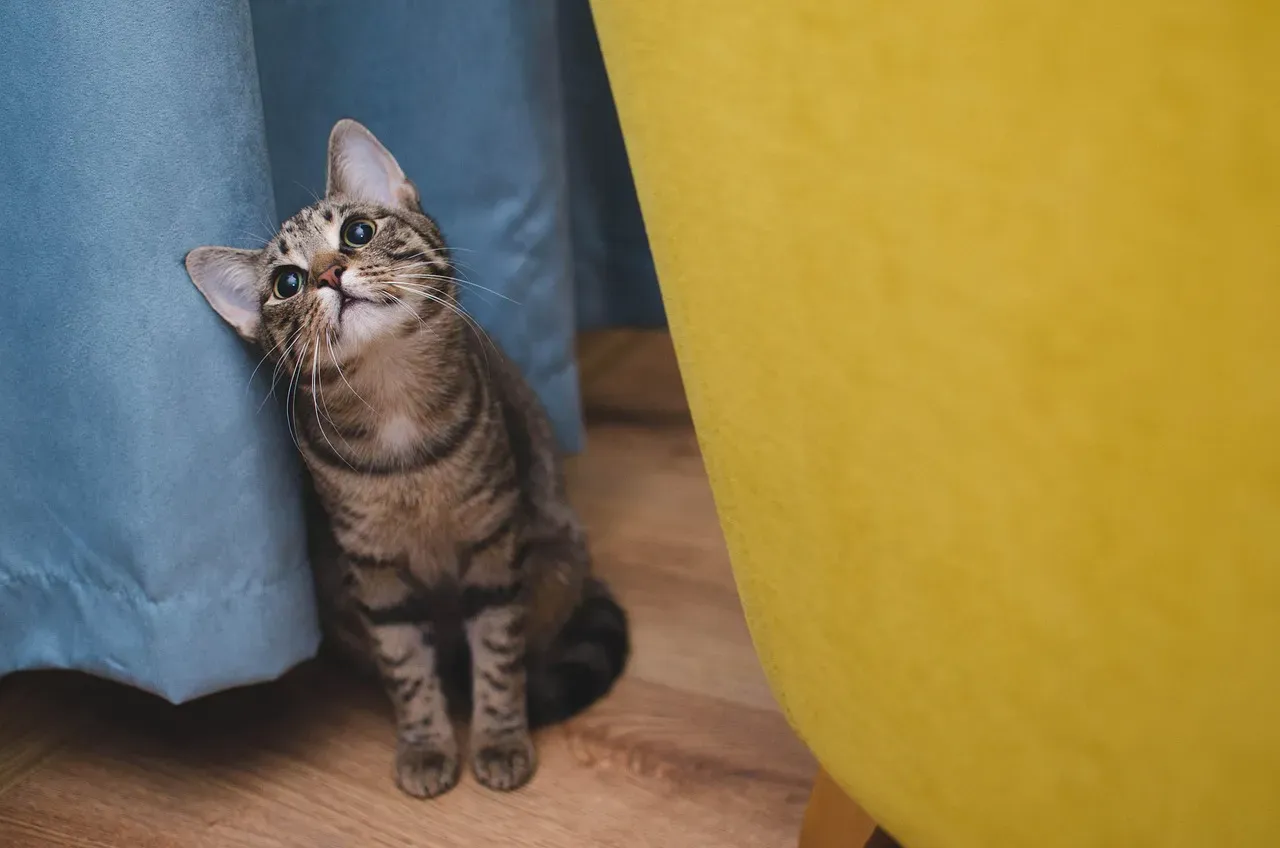
Cats have physical traits that resemble infants, including a large head, round face, and big eyes, and these traits increase cuteness, motivating adults to take care of them and give them more attention. Evolution gave them the ultimate evolutionary advantage: adorableness.
Cats elicit nurturing behavior in humans through these baby-like features. You look at those big eyes and round face, and your brain interprets them the same way it would a human baby. Let’s be real, that’s why you forgive them when they knock your favorite mug off the counter. Science provides proof that cats are adorable through their baby schema characteristics. They’ve essentially hacked human biology to guarantee care and protection.
Social Referencing and Learning Your Behavior
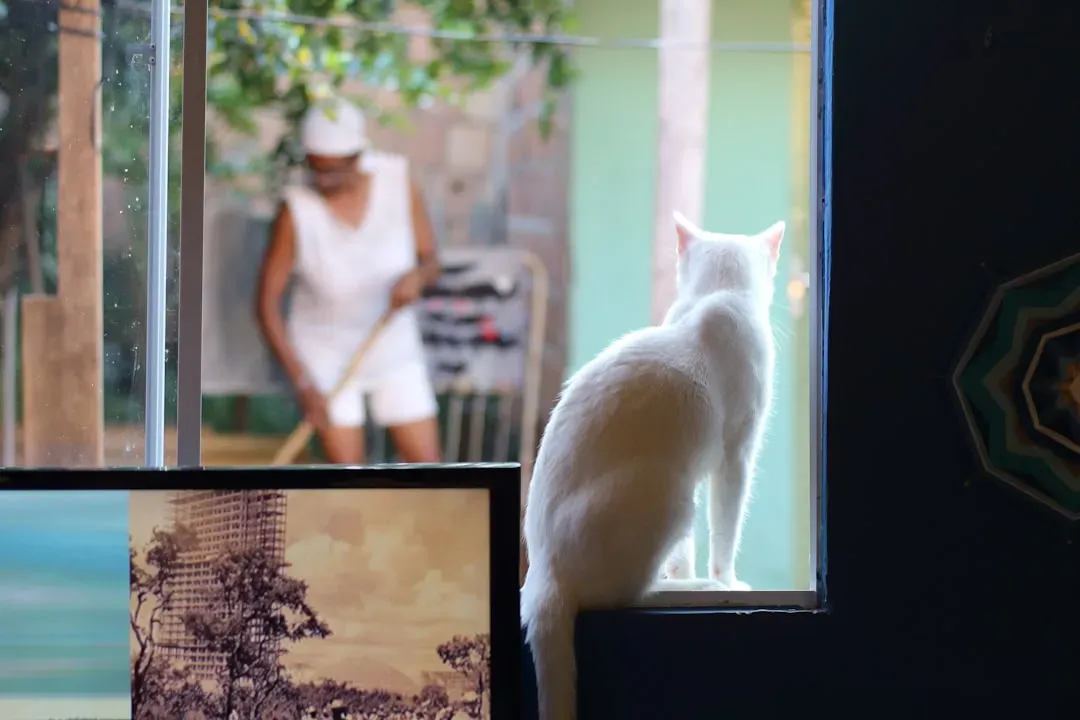
Cats observe our behavior using social referencing, which is something children learn to do, and it occurs when you’re in an unfamiliar situation and look to people around you to learn how to react. Your cat watches you constantly, studying your patterns and reactions.
Cats have evolved alongside people, allowing them to observe human behaviors and use these observations to develop manipulative behaviors that get desired results. They’re learning from you every single day. Which voice tone gets the fastest response? What time do you typically wake up? Which rooms do you visit most often? Cats have evolved around humans, permitting them to observe our actions and use these observations to develop habits that get them the results they want. They’ve had roughly four thousand years to perfect these techniques, and honestly, they’ve earned their mastery.
Conclusion
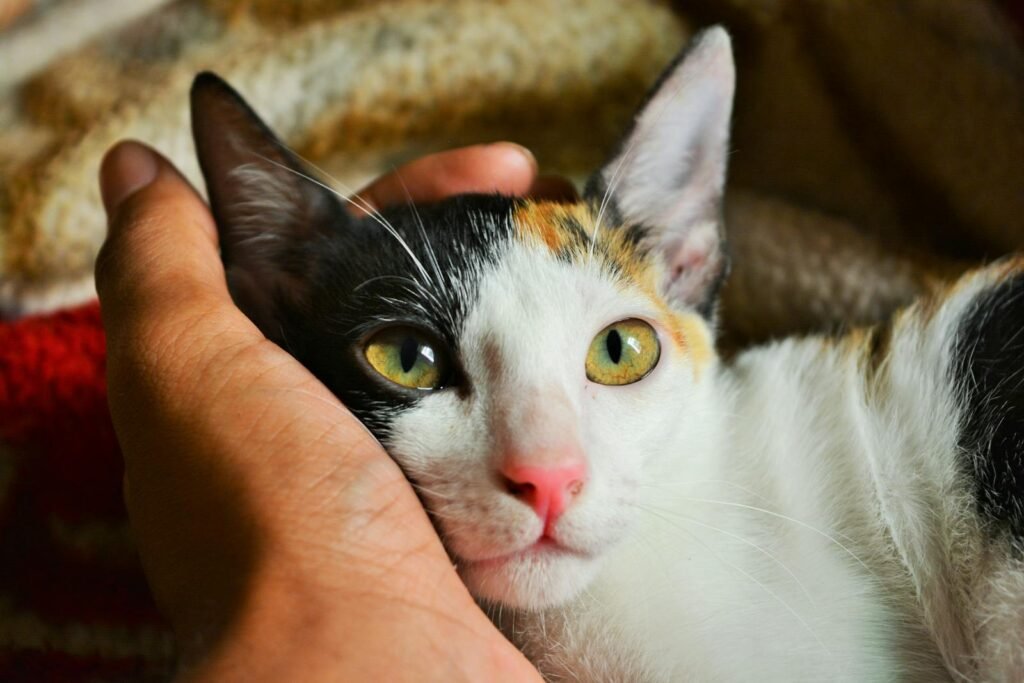
Your cat isn’t just a passive pet lounging around the house. They’re active participants in your relationship, constantly adjusting their strategies to get exactly what they need. Scientific studies have determined that cats can manipulate and control humans in small and subtle ways, using techniques like special purrs to signal urgency and encouraging beneficial behavior.
The fascinating part? This manipulation isn’t malicious. Half of cats chose to interact with humans despite not being fed for hours, suggesting they value human company beyond just food. They genuinely enjoy your presence, even while training you to meet their demands. These little strategists have perfected the art of getting what they want while making you feel like it was your idea all along. So next time your cat gives you that slow blink or starts that insistent purring at dawn, remember you’re dealing with thousands of years of evolutionary refinement. What do you think about your cat’s manipulation tactics now? Share your experiences in the comments.