You love your cat. You’d do almost anything for your cat. You’ve rearranged your schedule for your cat. So here’s a question worth sitting with: who’s actually in charge in your home? If you live with a feline, the honest answer might be a little humbling.
Cats have spent thousands of years refining their ability to read humans, test our responses, and nudge us into doing exactly what they want. It’s not malicious. It’s not some tiny furry villain plotting world domination. It’s something far more fascinating, and honestly, a little genius. Get ready to look at your beloved companion with completely fresh eyes. Let’s dive in.
The Solicitation Purr: Their Secret Sonic Weapon
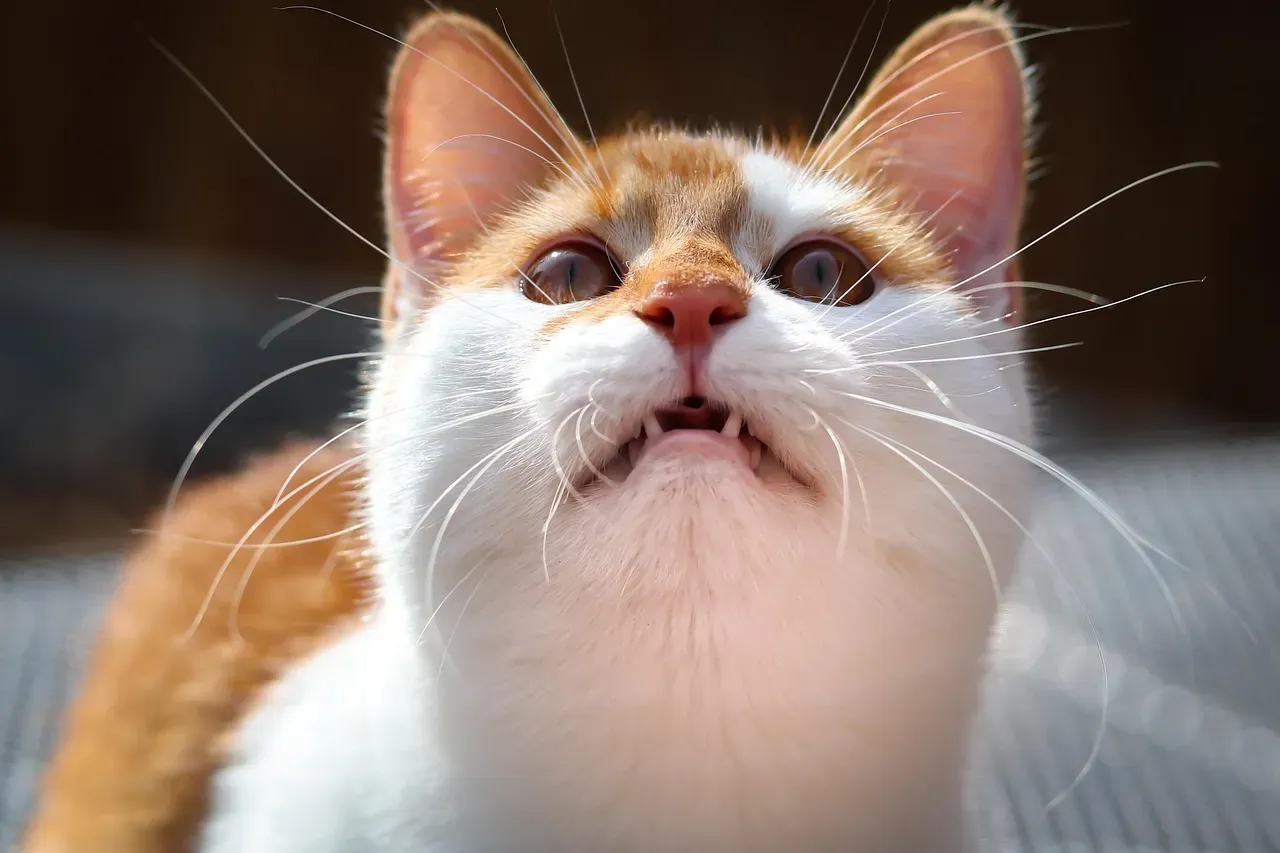
Here’s the thing: not all purrs are created equal. When your cat wants food, it will often purr in a strangely plaintive way that you find difficult to ignore. That’s not a coincidence, and it’s definitely not an accident.
On the surface, the “solicitation purrs” are based on the same low-pitched sounds that contented cats make, but embedded within them is a high-pitched signal that sounds like a cry or a meow. The frequency is actually very similar to that of a crying infant, so small wonder that it tugs on the human heartstrings. You’re not weak for responding to it. You’re just human, and your cat figured that out long before you did.
The Custom Meow: A Vocabulary Built Just For You
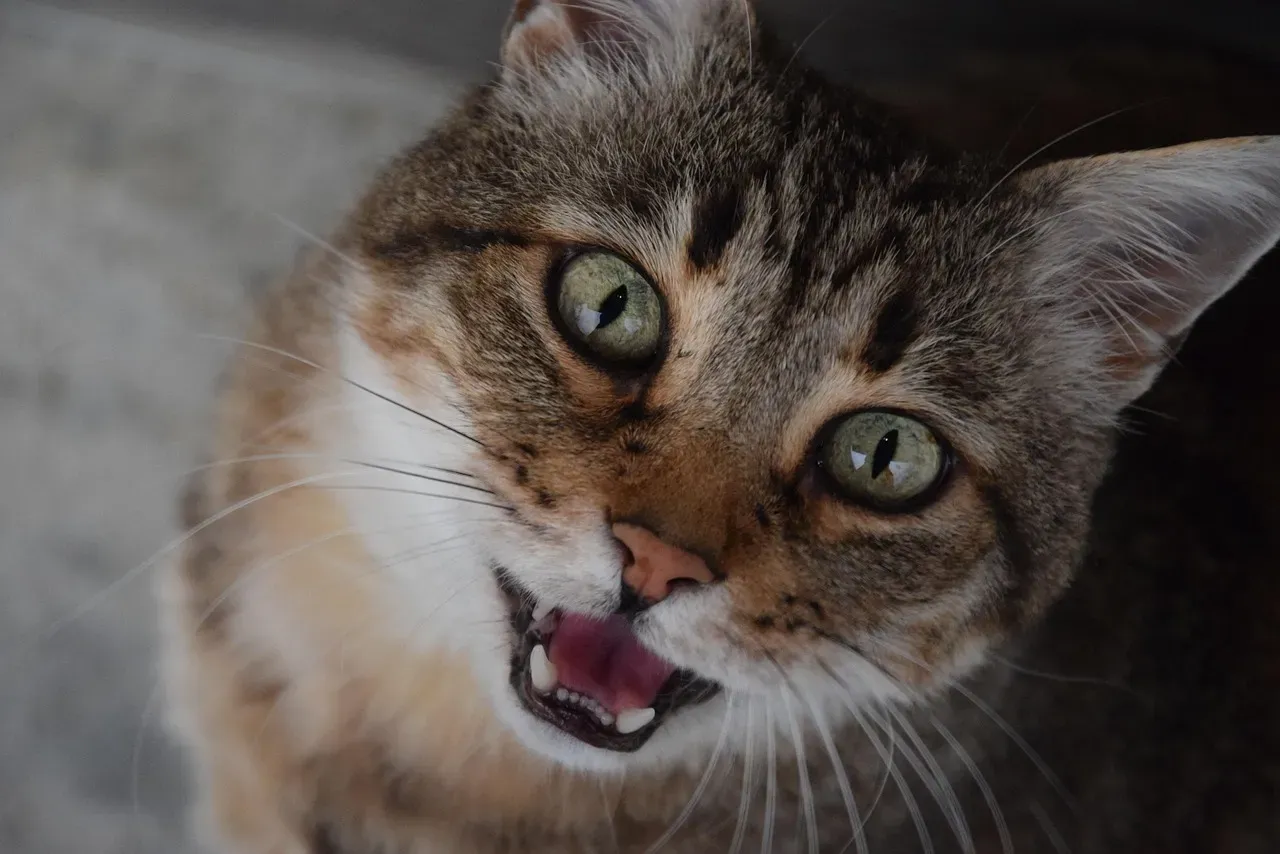
Your cat doesn’t meow at other cats. Think about that for a moment. A study from Nature found that cats developed unique vocalizations to communicate with humans, while wild cats rarely meow at each other. Meowing, in the way your cat does it, is essentially a language invented specifically to get a reaction out of you.
Ever noticed how your cat has different meows for different situations? Research shows that cats modify their vocalizations based on their owners’ responses, meaning they actually “train” humans to respond in specific ways. Since meowing is a learned, human-directed behavior, many cats focus on the person who consistently responds to them. Some owners become the preferred listener simply because they’ve proven to be most reliable at acknowledging the sound. Over time, the cat builds a pattern of seeking out the human who delivers the best results. So yes, you’ve been trained. Masterfully.
The Slow Blink: Emotional Manipulation in Slow Motion

It feels romantic, doesn’t it? Your cat gazes at you from across the room, slowly closes their eyes, and opens them again. You melt. You feel chosen. You feel loved. If your cat has ever given you a slow blink, you’ve just been manipulated into feeling loved. Studies show that cats use slow blinking as a way to bond with humans, signaling trust and affection while also ensuring more attention and care.
Researchers studying feline eye movements found that a half-closed, lingering blink encourages people to lean in and offer affection. The relaxed expression conveys warmth. Owners often interpret it as a sweet gesture, not realizing they’ve been gently cued to participate. To spot it, watch for the slow blink appearing right before your cat wants something, like a treat, lap time, or your immediate attention. The timing is rarely a coincidence.
Head Bunting and Scent Marking: You’ve Been Claimed

Your cat bumps their head against your chin, your cheek, your hand. It feels impossibly sweet. You feel bonded. You feel special. What you might not realize is that you’re also being actively marked as property. A soft nudge to the face or chin may feel affectionate, but behavioral studies show that it also leaves scent markers. People usually respond by petting, holding, or staying nearby. The move builds a routine where proximity becomes expected, and the cat ends up directing where everyone settles.
Think of it like a cat putting a little invisible sticky note on your forehead that reads “mine.” A head boop is a sign of affection, but also a way for your cat to mark you as “theirs.” Honestly, it’s hard to be annoyed about this one. It’s charming, it’s clever, and it works every single time.
Strategic Attention Theft: The Laptop Takeover
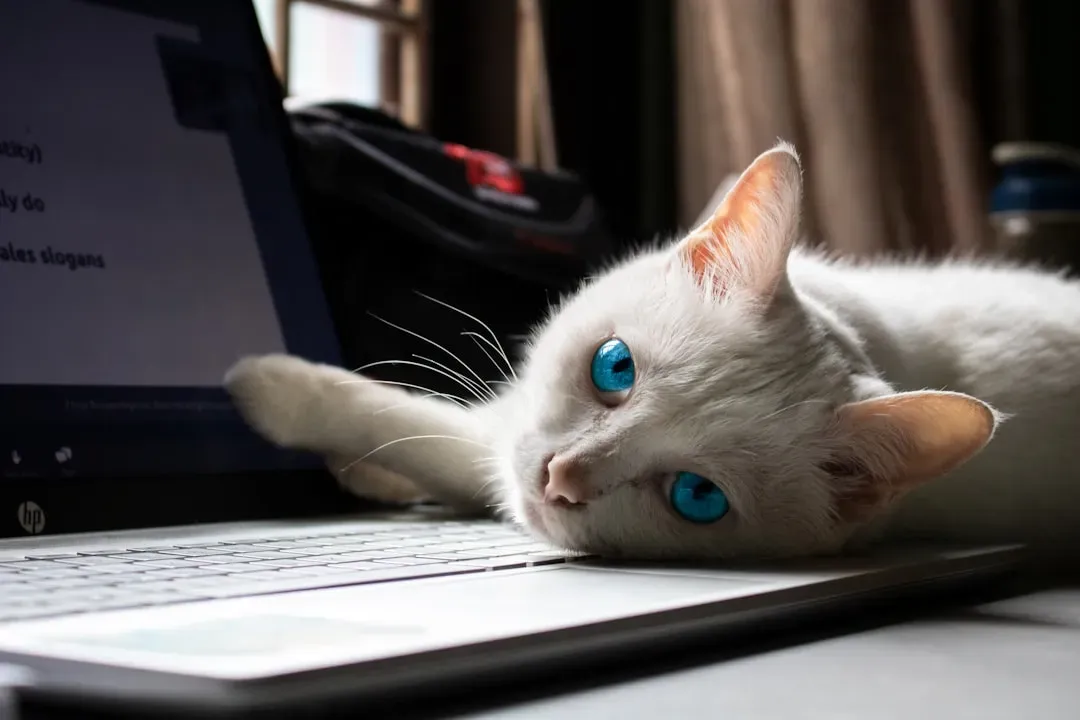
You open your laptop and your cat is on it within sixty seconds. You pick up a book and your cat sits directly on the page you’re reading. It’s maddening and endearing at the same time. When a cat strolls across a keyboard or settles on a book, it’s usually because it has noticed how intensely their human focuses on the object. The device becomes a high-value spot simply due to your attention, warmth, and predictable reactions. By placing themselves in that space, cats redirect your focus back toward them.
Let’s be real: it works. You stop typing. You look at the cat. You sigh in a loving, defeated kind of way and start petting them. Felines have evolved around humans, permitting them to observe our actions. Cats use these observations to develop habits that can get them the results they want. Your attention is the prize, and they’ve learned exactly how to win it.
The Routine Enforcer: Waking You Up on Their Schedule
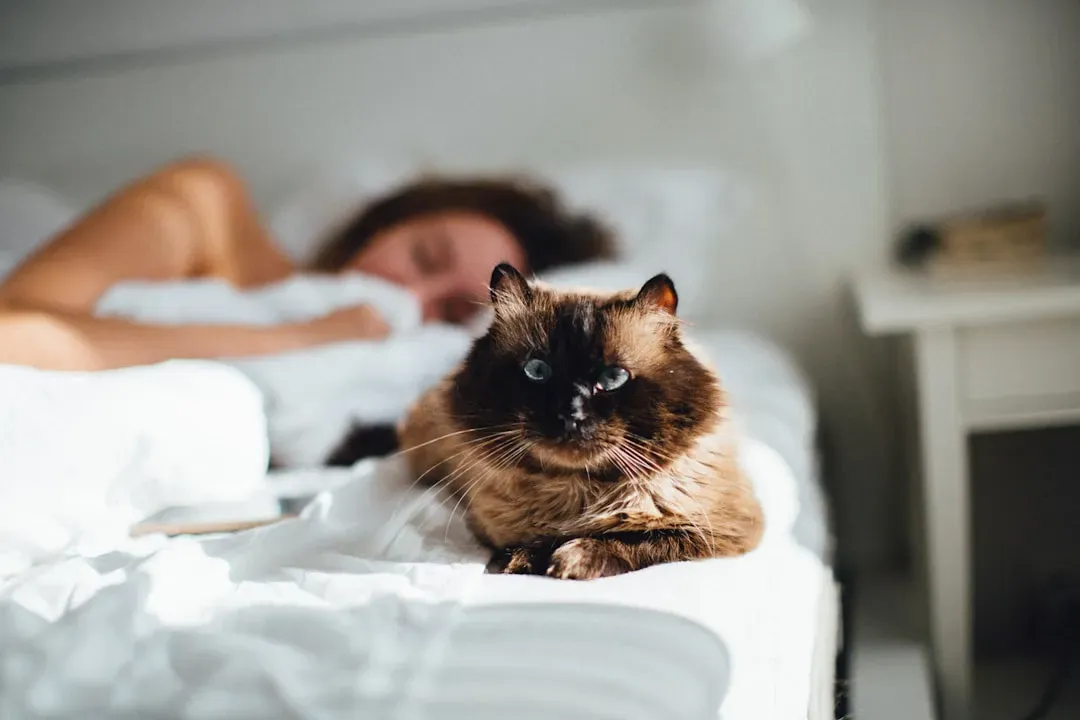
You set your alarm for 7am. Your cat has other plans, starting at 5:30. Cats are perfect alarm clocks and always stick to their schedule because they live for routine. If your cat wakes you up at the same time every morning and demands to be fed at the same time every day, then congratulations: you have a small tiger-like boss at home.
The mechanism is straightforward and a little humbling. While cats might not grasp the long-term consequences in the same way humans do, they are certainly capable of associative learning. They learn that certain actions lead to specific outcomes and adjust their behavior accordingly. Translation: your cat figured out that meowing at 5:30am gets them fed. You trained them to expect it, and now you’re stuck with an alarm you cannot snooze.
Kneading and Purring: The Mood Reset Button

There is something almost hypnotic about a cat that settles into your lap and starts kneading. Your shoulders drop. Your breath slows. Whatever stress you were carrying a moment ago softens around the edges. When a cat settles in and starts kneading, the whole mood usually softens. People instinctively relax, remain still, or gently stroke the cat. You’re essentially being emotionally regulated by a small mammal with zero qualifications.
It’s hard to say for sure whether cats consciously understand what kneading does to us, but the behavioral outcome is always the same: you stay put, you keep petting, and the cat gets exactly the sustained contact it wanted. In a study reported in Science Daily, researchers determined that petting cats for as little as 10 minutes reduced cortisol, a major stress hormone. The cat benefits, you benefit, but your cat definitely had a goal in mind.
Social Referencing: Reading Your Reactions Before Acting
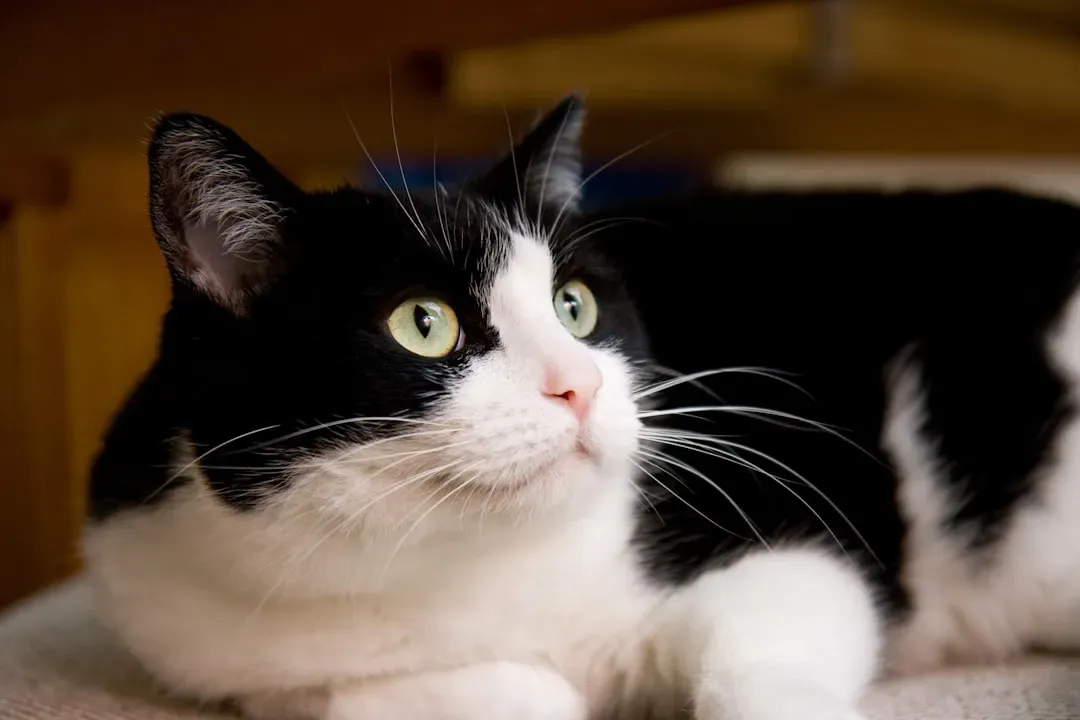
Your cat walks into a room, hears something unfamiliar, and does something surprising: it looks at you. Not at the sound. At you. It’s checking your face for information about whether it should be worried or not. Cats have been observed looking at their owners. Sensing their owners’ calm behavior, a cat’s fear of an unfamiliar object can disappear entirely. This ability to social reference can explain how cats manipulate humans. As they’re smart enough to put our behavior into context, they can train themselves to behave in ways that trigger those behaviors.
This matters because it works in reverse too. Your cat learns what expressions, tones of voice, and body postures of yours predict something good, like food or playtime, and starts nudging you toward those states. Researchers determined that cats and their owners strongly influence each other, such that they are often each controlling the other’s behaviors. Extroverted women with young, active cats enjoyed the greatest synchronicity, with cats in these relationships only having to use subtle cues, such as a single upright tail move, to signal desire for friendly contact. It’s a two-way system, and your cat is usually the better strategist.
Targeting the Softest Human in the Room
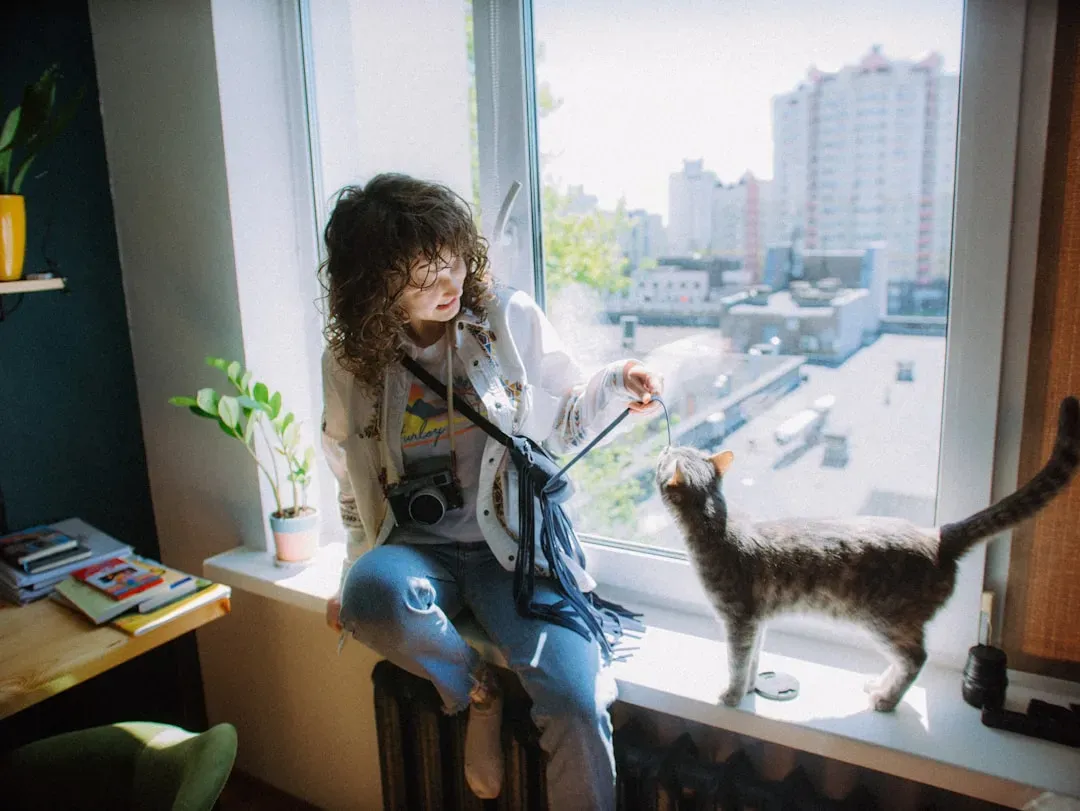
Cats quickly learn which individuals are more susceptible to their tactics. If someone consistently gives in to their demands, the cat is more likely to target that person. Consistent responses from all members of the household are crucial. If you’re the one who always caves, congratulations: you’ve been selected as the primary target.
If owners comply with their feline’s wishes to interact, then the cat will often comply with the owner’s wishes at other times. The cat may also have an edge in this negotiation, since owners are usually already motivated to establish social contact. It’s a beautifully lopsided deal. You think you’re building a bond. You are, genuinely, but the cat is also very quietly and very effectively running the show.
Conclusion
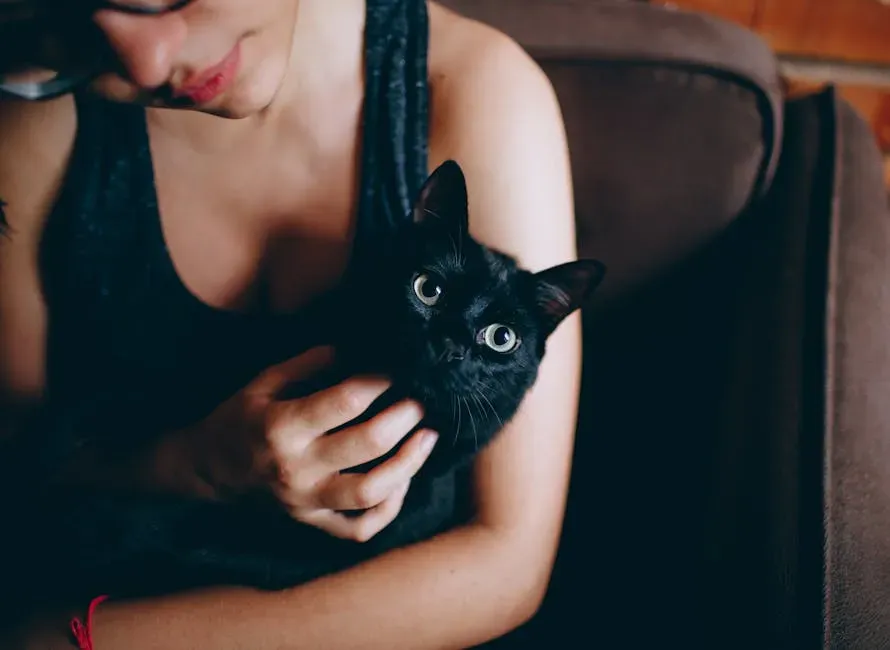
Here’s what’s genuinely fascinating about all of this: none of it is malicious. The word “manipulate” doesn’t have favorable connotations. In the case of cats, it doesn’t necessarily imply bad intent. Scientists believe that this manipulative behavior is how cats interact with humans, and it’s deeply ingrained in how cats form relationships with humans and us with them.
Your cat isn’t plotting against you. It’s communicating in the only language it knows has ever worked. Over many years, cats have been with us, and they have evolved and learned how to use clever manipulation techniques without us noticing. They are incredibly smart and they will always find a way to get what they want from their human. Knowing these tricks doesn’t make them less effective. If anything, it makes the whole relationship more impressive.
So the next time your cat slow-blinks at you from across the room, just know: you’re witnessing thousands of years of evolutionary refinement aimed directly at your heart. The real question is, would you actually want it any other way? Tell us in the comments what manipulation trick your cat has perfected on you.