You’ve probably looked at your cat a hundred times and thought, “What on earth are you trying to tell me?” Cats are famously mysterious, but here’s the thing – they’re actually talking to you all the time. You’re just not fluent in the language yet.
Cat tails are marvels of nature, featuring a complex structure of bones, muscles, and nerves, and they play a crucial role in feline communication, serving as a visual indicator of a cat’s mood and intentions. Think of it like a real-time emotional display, running silently on a loop, right in front of your eyes. Once you learn to read it, your whole relationship with your cat changes. Let’s dive in.
1. The High, Straight-Up Tail: “Hey, I’m Happy to See You!”
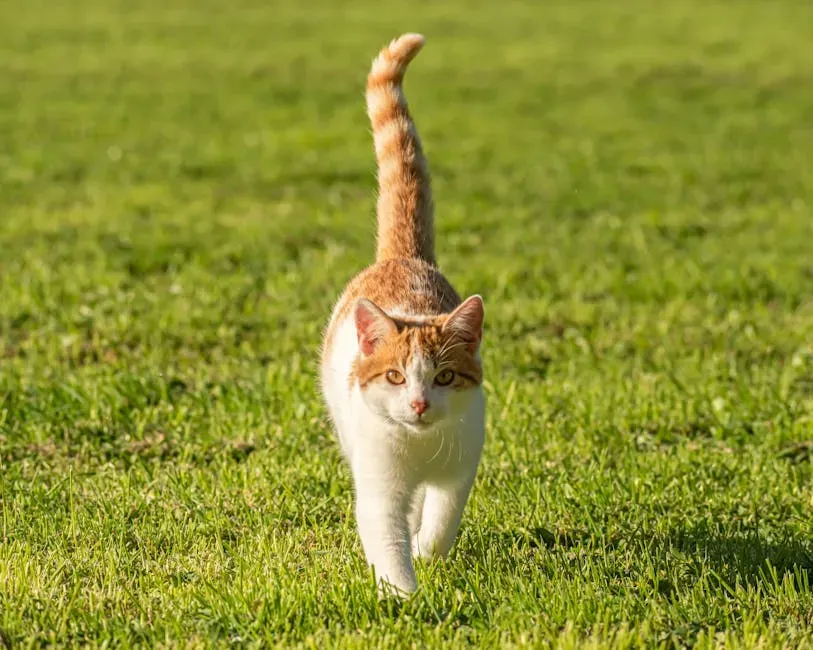
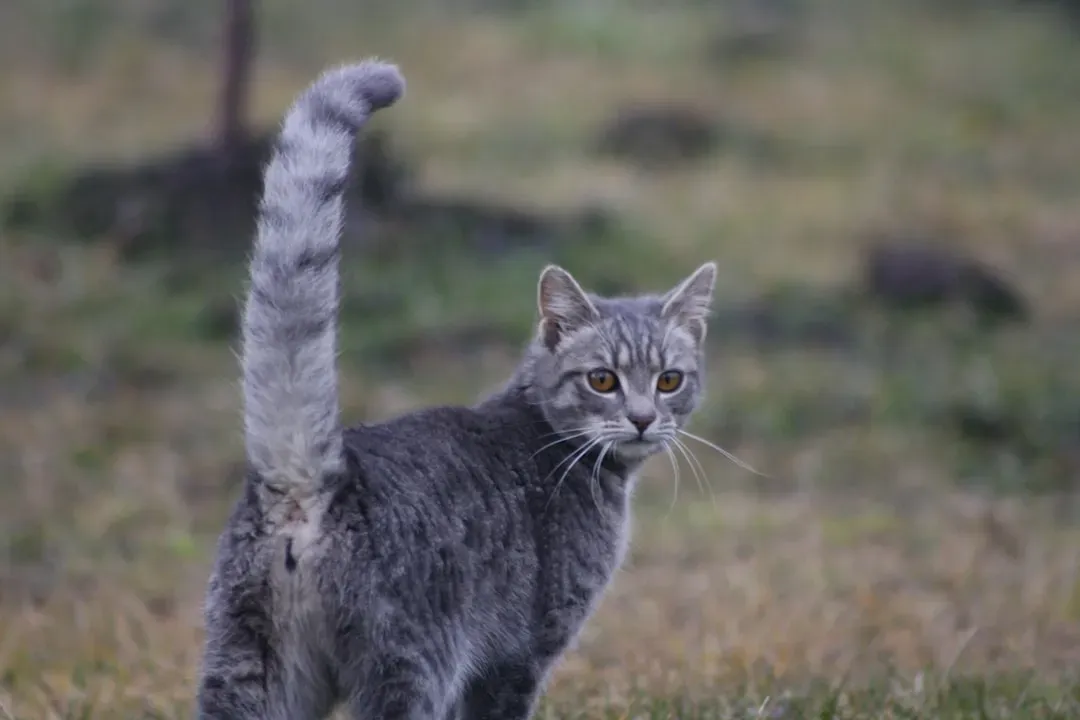
Imagine walking into a room and your cat’s tail shoots straight up like a tiny flagpole. That’s not a coincidence. When a cat’s tail is upright, they are feeling social and confident, and are approaching in a friendly manner – and this tail language actually indicates a friendly greeting between cats, and it’s how kittens greet their mothers. It’s one of the most universally positive signals your cat can send you.
What’s fascinating is that this behavior may actually be unique to domesticated cats. A doctoral study on communication in domesticated and wild cats found that while wild cats displayed many of the same social behaviors as domestic cats, they did not use the “tail up” signal commonly seen in domestic cats during friendly interactions – suggesting that this signal likely developed during the process of domestication. So when your cat greets you with that upright tail, you’re witnessing a behavior your cat essentially evolved just for you.
2. The Question Mark Tail: An Invitation to Play
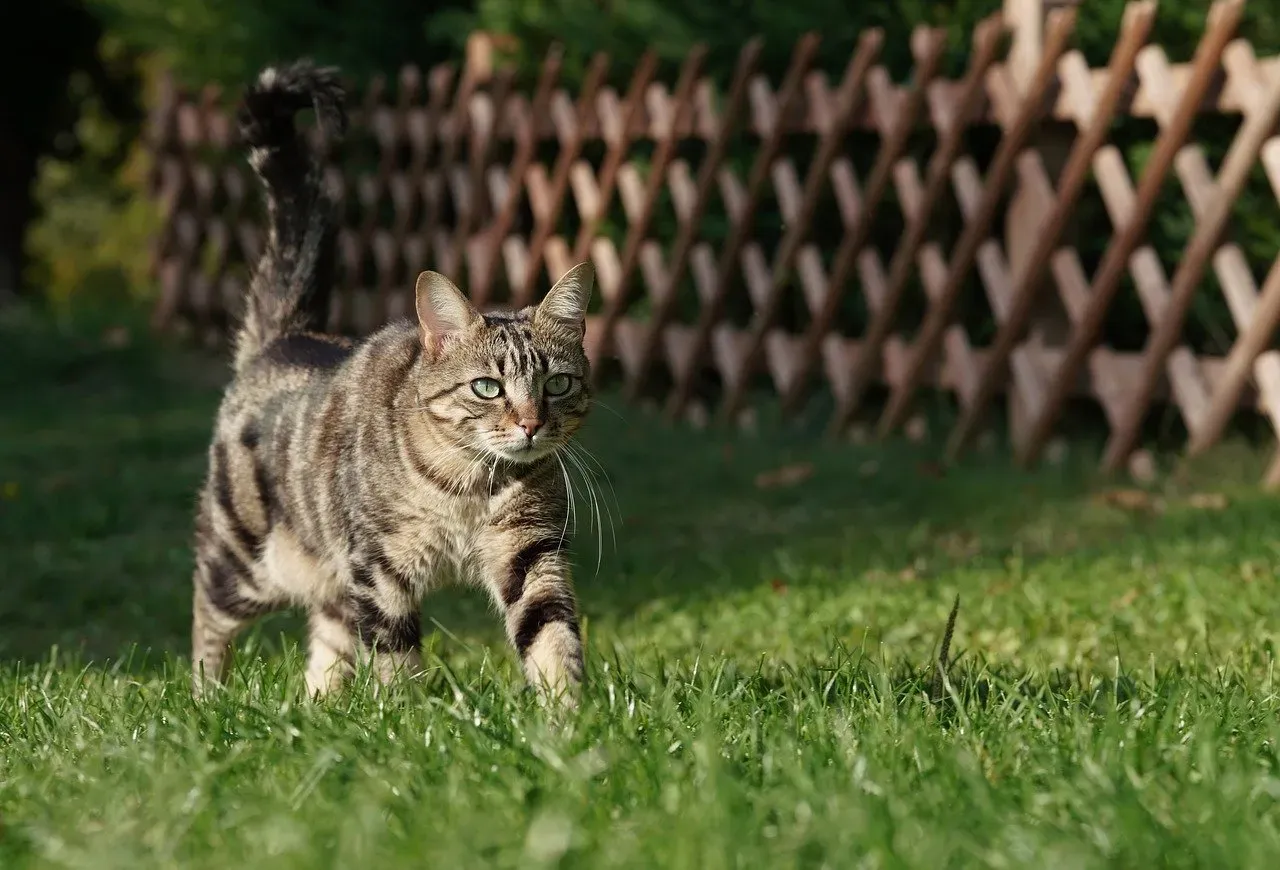
You’ve seen it before – that adorable little curl at the top of your cat’s upright tail, bending like a punctuation mark. It looks almost cartoonish, but it’s packed with meaning. When your cat bends their tail into the shape of a hook or question mark, this is a very positive sign. According to veterinary behaviorist Dr. Lilly, this “question mark tail” is a pro-social behavior – it’s like walking up to another person with a huge smile on your face and your arms open wide. In other words, it’s your cat’s way of giving you a friendly greeting.
The question mark-shaped tail position is a cat’s way of asking you, “Would you like to play?” Cats may also move the tip of their tails back and forth with the question mark changing orientations, which is an even more intense play signal. Honestly, this one is my favorite. It’s basically your cat saying, “I’m here, I like you, and I want to have some fun.” Don’t leave them hanging – grab that wand toy.
3. The Quivering, Vibrating Tail: Pure Excitement
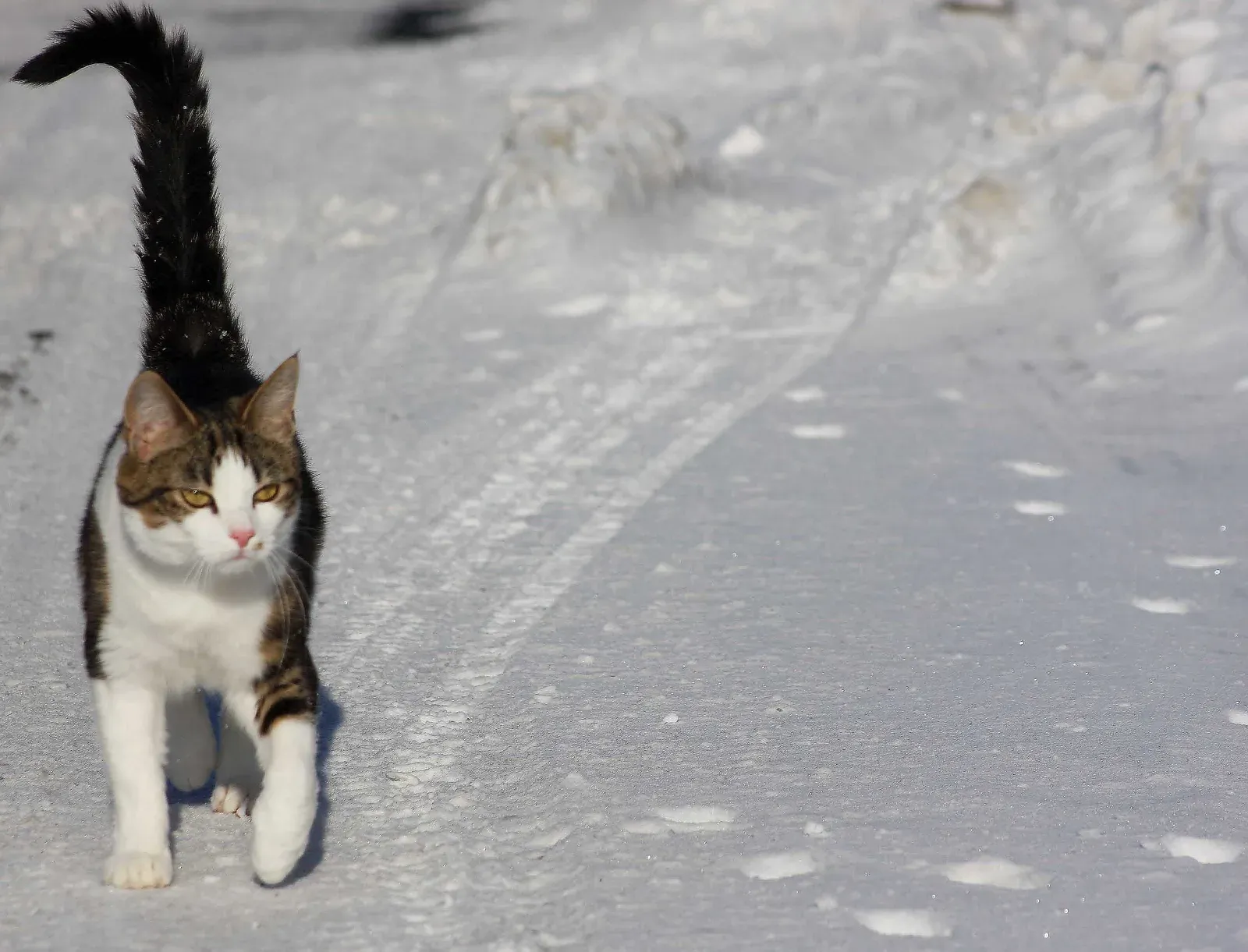
Sometimes your cat’s tail doesn’t just go up – it trembles. It shivers. It vibrates like it has its own little heartbeat. Your cat may quiver their tail when they are especially excited to see you or another cat. It’s one of the most endearing signals in their entire emotional vocabulary, and it almost always means you’re someone they genuinely love being around.
A tail that points up accompanied with a quiver at the base of the tail is often an indication your cat is especially excited to see you or to be getting a tasty bowl of cat food. It’s the feline equivalent of a happy dance, just a lot more subtle and dignified. If your cat’s tail quivers when you walk through the door, you’re doing something right. That moment is as real as love gets.
4. The Puffed-Up Tail: Fear in Full Display
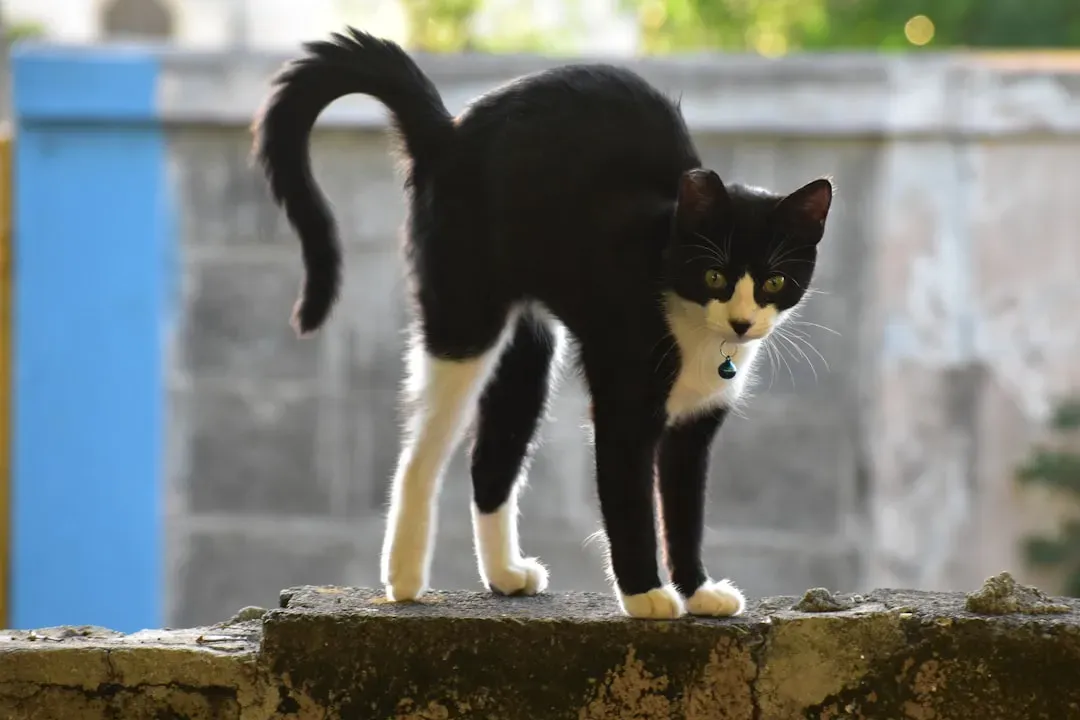
Picture a cat that looks like it stepped straight out of a Halloween decoration. Arched back, wide eyes, fur standing on end – and that tail, inflated like a bottle brush. If your cat assumes the quintessential Halloween-cat posture with a puffed tail and arched back, they are startled or frightened by a sudden, severe threat. Your cat’s hair stands on end so they can appear to be larger – and this is a defensive reaction indicating that your cat wishes to be left alone.
Here’s something most people don’t realize: this reaction isn’t voluntary. Most tail movement is voluntary, but some aspects of a cat’s tail body language are involuntary. For example, the cat’s tail puffing out is caused by the sympathetic nervous system and is involuntary. So your cat isn’t being dramatic – their body is literally reacting to fear without their conscious control. Give them space, remove the stressor if you can, and let them calm down naturally.
5. The Tucked Tail: “I’m Scared, Please Leave Me Alone”
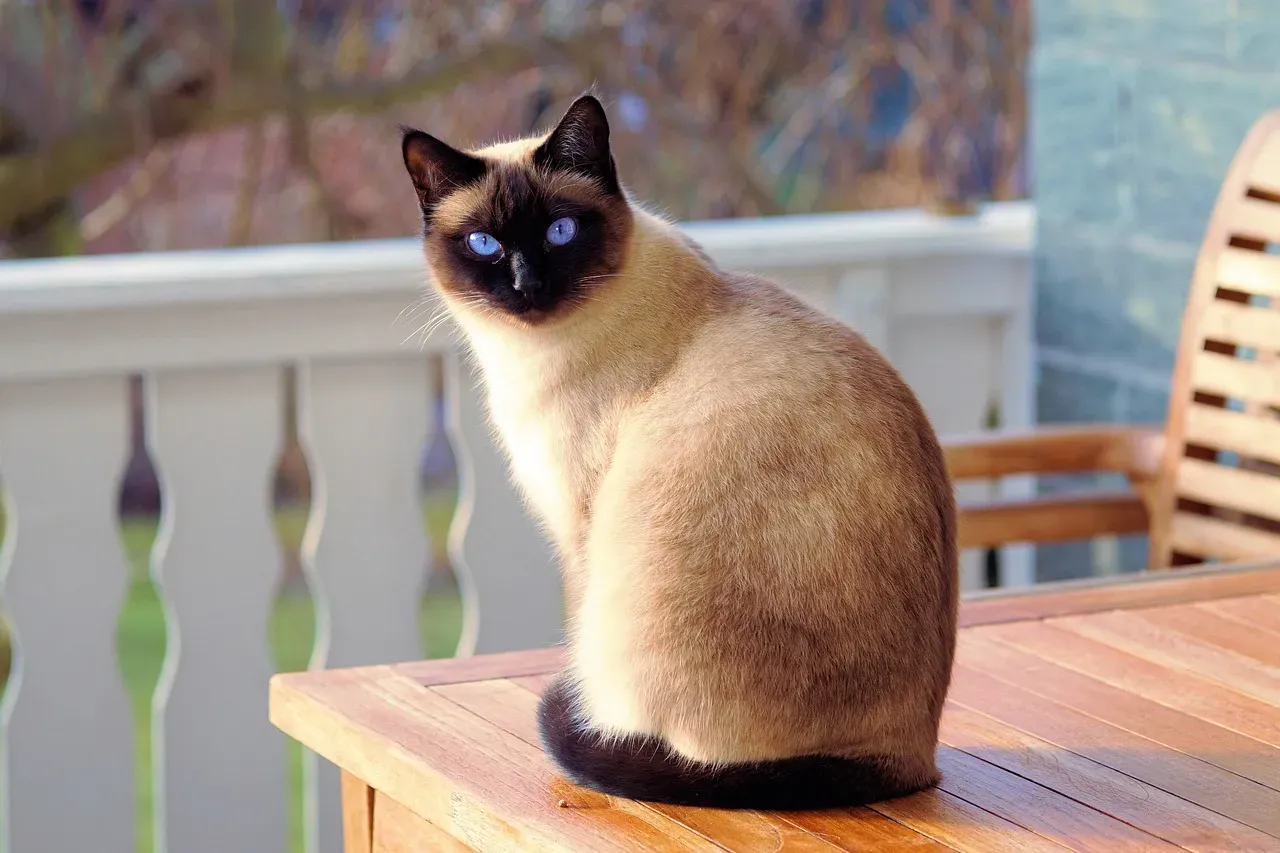
A tucked tail is one of the clearest distress signals a cat can send, and it often gets overlooked by well-meaning owners who assume their cat is just being shy. A cat may lower their tail below the level of their back if they are frightened or anxious. If your cat’s tail is tucked between their legs, they are really scared or may be experiencing pain. Pain is worth repeating here – sometimes this signal isn’t emotional at all, but physical.
Scared or submissive cats convey their nervousness and uncertainty by positioning their tails beneath their bodies. These cats are communicating that they do not feel safe and are trying to make themselves smaller to hopefully go unnoticed by a real or perceived threat. If you notice your cat frequently tucking their tail, it’s worth checking in with your vet. If your cat frequently crouches with their tail curled tightly around their body for more than a few days, an evaluation by your veterinarian is warranted to rule out pain or illness.
6. The Slow, Fluid Swish: Calm and Curious
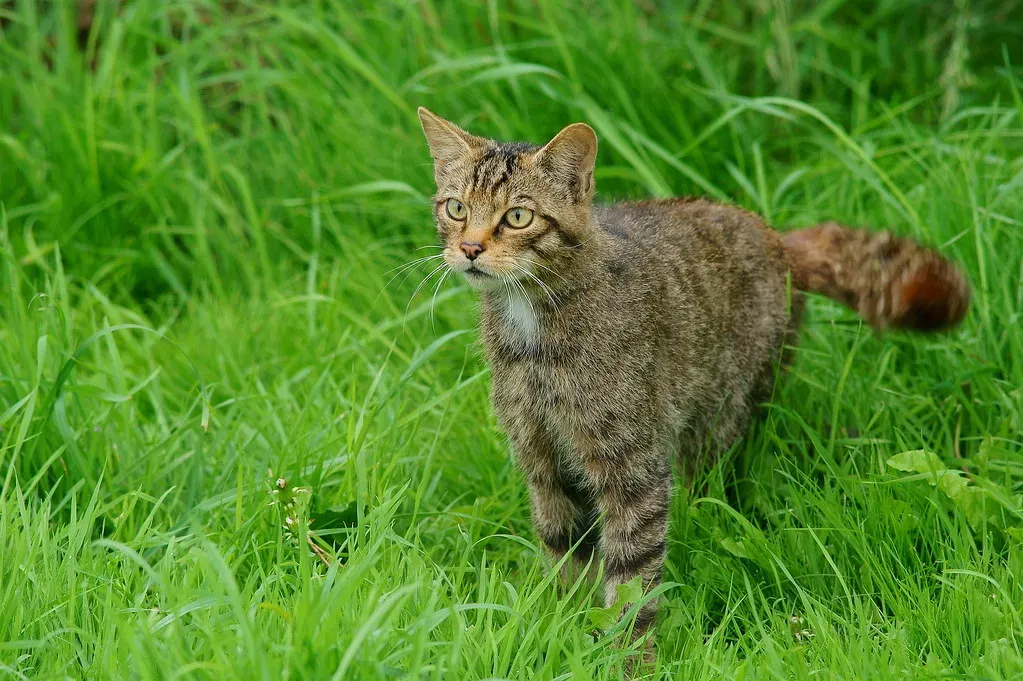
Not every tail movement is a dramatic statement. Sometimes it’s just a soft, lazy side-to-side sway – almost like a gentle pendulum. When a cat’s tail is in motion and looks fluid and soft, it’s “swishing,” and generally this indicates a cat who’s relaxed or calmly interested in what’s happening. At this point, no alarm bells are going off in the cat. Think of it as your cat being in their version of a comfortable Sunday morning mood.
Swishing tails slowly from side to side in a soft, fluid manner indicate cats who are relaxed, calm and perhaps mildly interested in something. You can just let these cats hang out and enjoy life. If that swishing changes to just the tip of the tail flicking, your cat is ready to play with you or a toy. It’s a nuanced transition – slow swish means relax, tip-flick means game on. Learning to tell the two apart makes a real difference.
7. The Tail Thrash or Thump: Back Off, Right Now
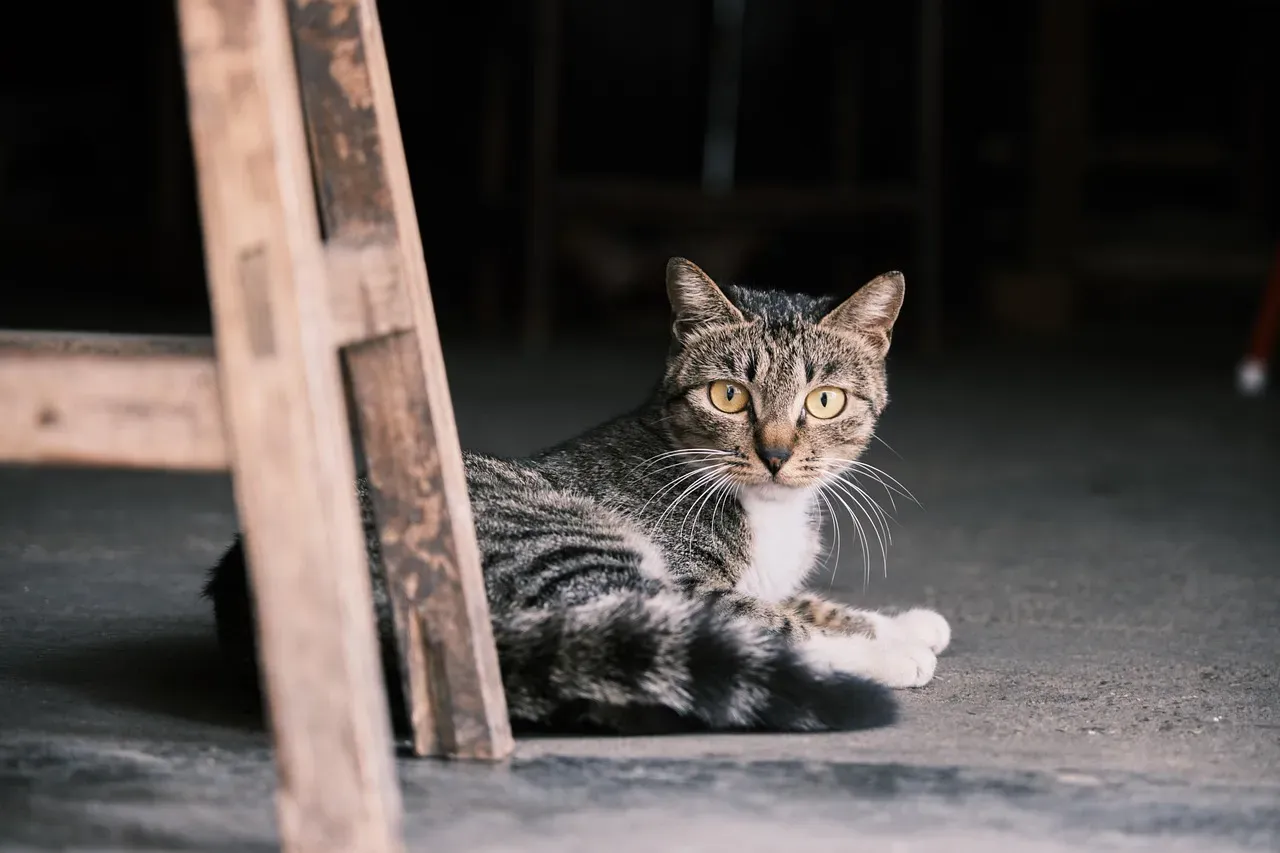
This one is a warning sign many cat owners misread, sometimes at the cost of a scratch or a bite. When your cat’s tail starts slamming the floor like a gavel, that’s not playfulness – that’s a clear signal of frustration. When your cat thrashes their tail or is thumping it on the ground, they are irritated, annoyed, or angry. This tells you that something is bothering your cat and is a distance-increasing behavior. If you are petting your cat and they start thrashing their tail, they are trying to tell you to stop. If you don’t, then the thrashing tail may be a prelude to hissing, growling, swatting, or biting.
A tail thumping rhythmically against the floor is another clear form of cat communication. While it might look playful or casual, it typically signals that your cat is bothered – or that they’re highly alert. Cats will often thump their tails when lying in a seemingly relaxed position but reacting to something they see, hear, or smell. I know it sounds crazy, but a cat lying completely still while quietly thumping their tail is essentially sending you a ticking-clock warning. Respect it.
8. The Tail Wrap: The Feline Version of a Hug
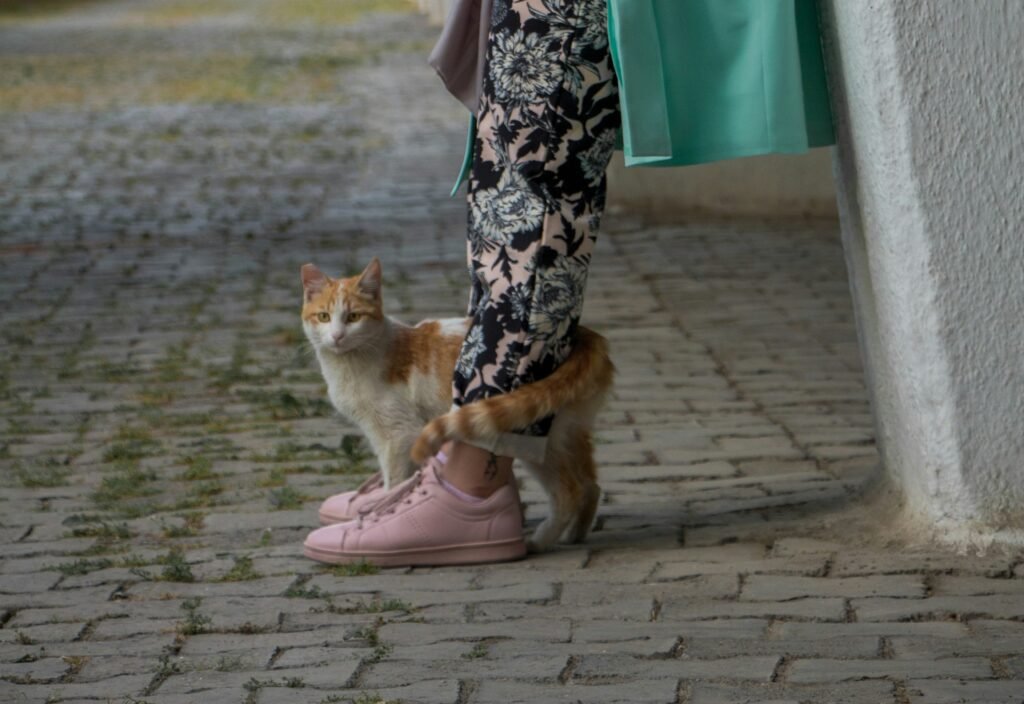
When your cat curls their tail around your leg, your arm, or even another cat, something special is happening. This isn’t an accident, and it isn’t a habit. Just as we greet one another with handshakes or hugs, cats may greet by curling their tails around people and by intertwining their tails with other cats. Tail wrapping is an affiliative behavior that demonstrates a willingness to interact. It’s one of the warmest things a cat can do.
If a cat uses their tail to wrap around your leg, or perhaps another cat’s tail, this is a sign of close affection. At a biological level, a cat’s tail includes scent glands, so the tail is being used to swap scents with the other creature. This is similar to head-pressing and cheek-rubbing – it’s as if the cat is petting you, in the same way as you pet them when you want to engage. So the next time your cat does this, know that you’ve been claimed – in the best possible way.
9. The Tail Tucked Around the Body: A Layered Signal Worth Watching
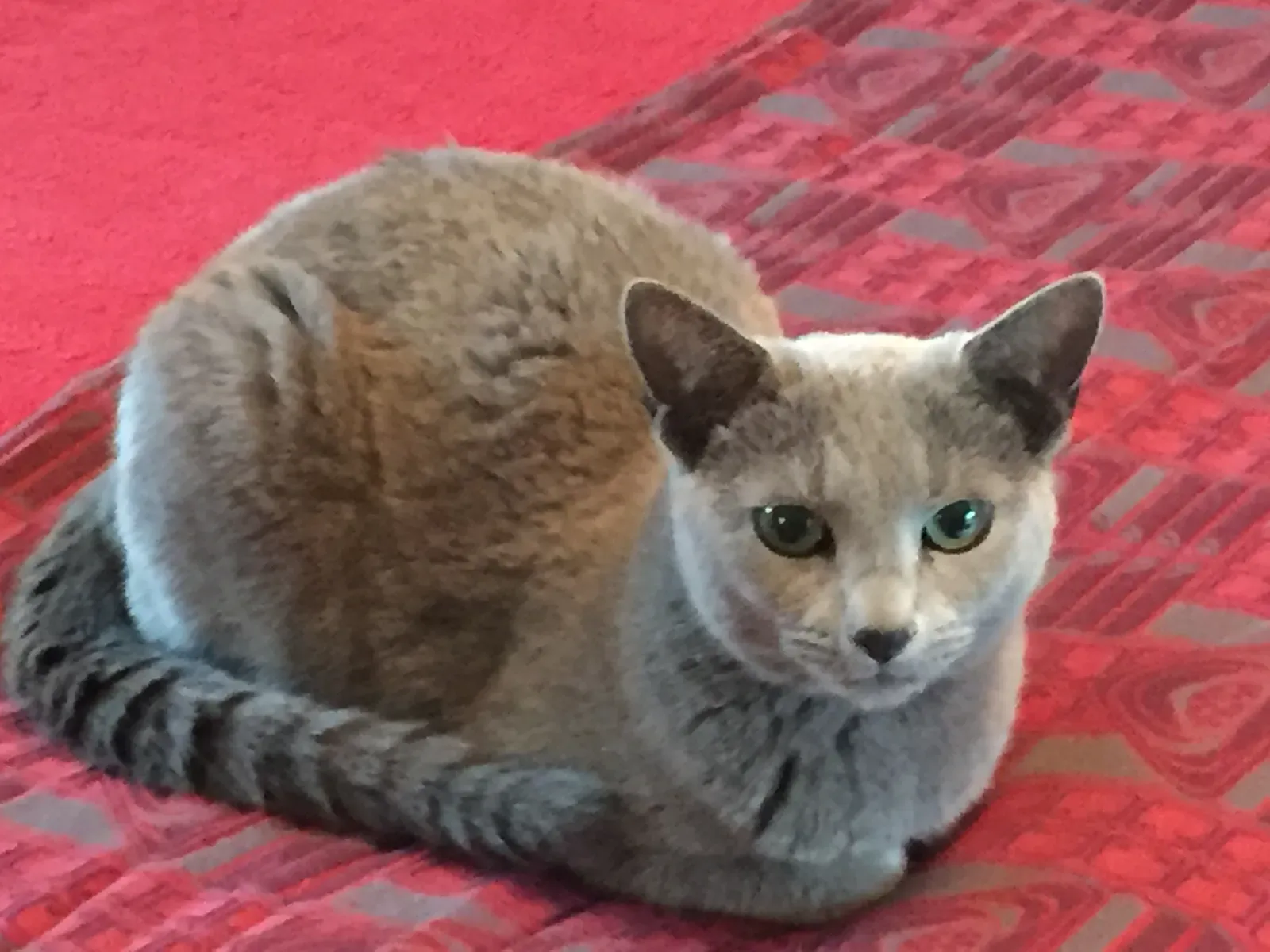
When your cat sits or crouches and wraps their tail tightly around their own body, it can mean several different things – and that’s what makes it so worth paying attention to. If your cat is sitting or lying down with their tail wrapped around their body, they are frightened, defensive, in pain, or feeling unwell. When you see this, it’s best to end your interaction with your cat and ensure that your cat’s environment is free of stressors. Context here is everything, like reading a sentence without its paragraph.
While tail positions can help you better read your cat’s inner life, it’s best to avoid jumping to conclusions based solely on tail movements alone. Consider the full picture to most accurately decode your elusive feline. Certain behaviors may have common interpretations, but each cat is unique and context is king. To strengthen your bond with your cat and communicate better with them, pay attention to your cat’s body language holistically, not just their tail. Facial expressions, ear positions, and vocalizations can all provide valuable context.
Conclusion
Your cat has been speaking to you all along. Every quiver, thump, swish, and curl is a word in a language that takes only a little patience to learn. Once you start reading those tail signals, you stop guessing and start genuinely connecting.
The tail is like a live emotional ticker tape – constantly updating, constantly honest. A cat’s tail is one of their most expressive features, and they use it to let you in on a world of feelings and emotions. Once you better understand feline body language and know what your cat is trying to convey, you can respond to them when they’re feeling happy or assist them when they’re stressed. All this knowledge can help you form a deeper bond with your furry friend.
The next time your cat walks into the room, take a moment before you reach out to pet them. Look at that tail first. You might be surprised by how much has been going on in those quiet, mysterious conversations you didn’t even know you were having. What does your cat’s tail tell you most often? Share your thoughts in the comments!