You think you’re the one running the household. You set the feeding times, you choose the furniture, you pay the bills. Yet somehow, at 5:47 AM, you’re stumbling to the kitchen to fill a bowl because a small furry creature gave you a look. Sound familiar? Cats are many things – mysterious, majestic, occasionally chaotic – but one thing they absolutely are is strategic.
The truth is, while you think you’ve been training your cat, the game has quietly been running in reverse. Science backs this up more than most cat owners would care to admit. Let’s dive in.
The Irresistible Purr That Gets You Every Time
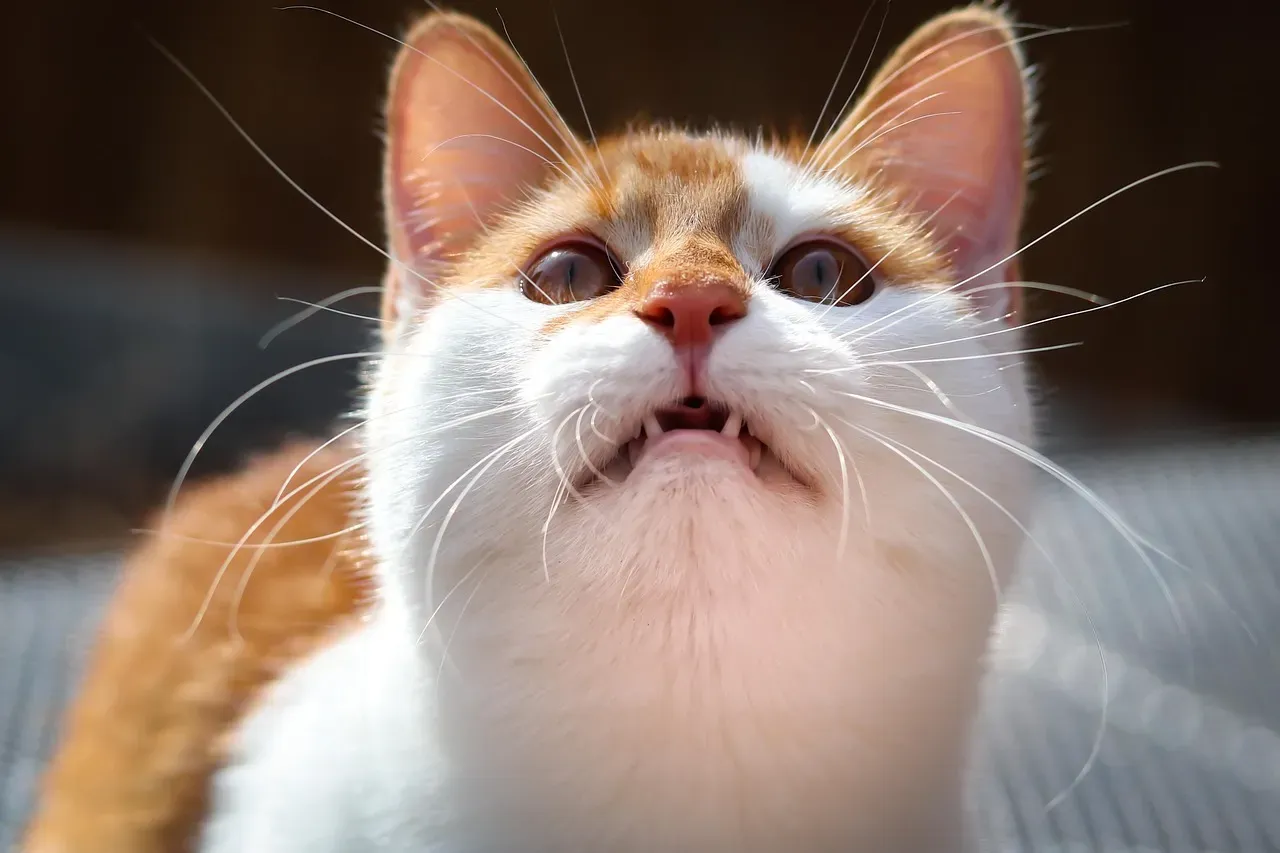
Here’s the thing: not all purrs are created equal. Cats exercise control over their humans with a certain type of urgent-sounding, high-pitched meow that is actually a purr mixed with a high-pitched cry. It’s one of nature’s sneakiest audio tricks, honestly.
While you normally think of cat purring as a sign of happiness, some cats make this purr-cry sound when they want to be fed – and studies have shown that humans find these mixed calls annoying and deeply difficult to ignore. So the next time your cat “asks” for breakfast, understand that you’re responding to a finely tuned acoustic weapon.
Researchers believe cats learn to dramatically exaggerate this cry when it proves effective in generating a response from humans, and it seems to develop most commonly in cats that have a one-on-one relationship with their owner rather than those living in large households. In other words, the more time you spend alone with your cat, the more personalized their manipulation becomes. Congratulations – your cat has a custom ringtone just for you.
Teaching You the Language of the Slow Blink
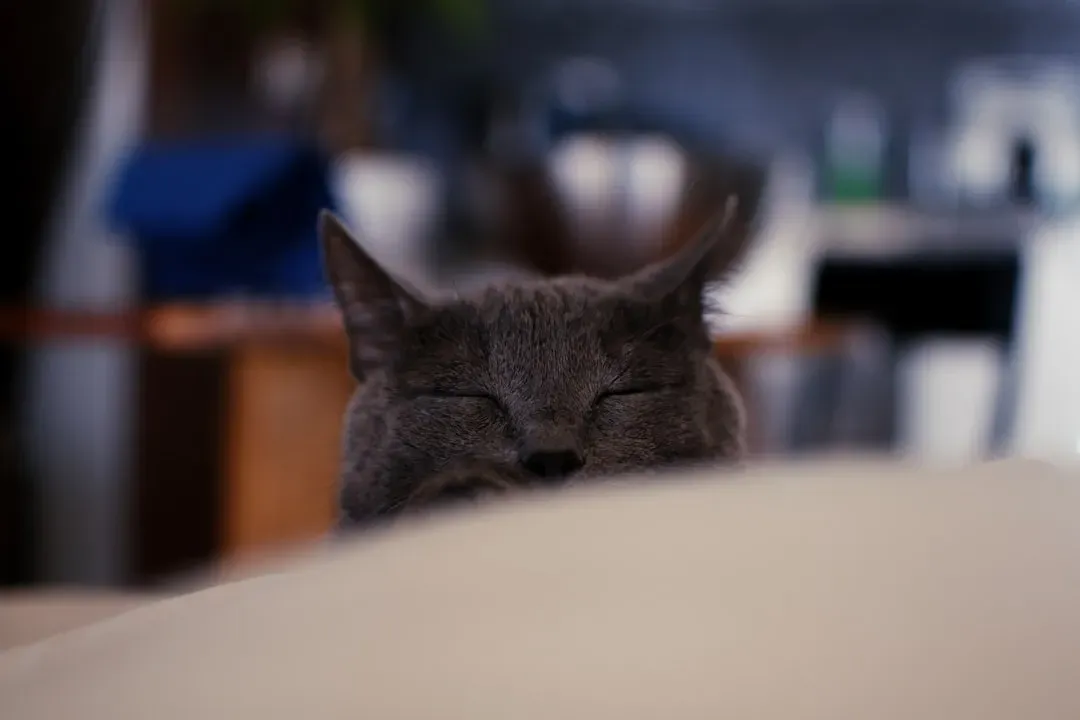
Domestic animals are sensitive to human cues that facilitate inter-specific communication, including cues to emotional state. The eyes are important in signalling emotions, with the act of narrowing the eyes appearing to be associated with positive emotional communication across a range of species – and this is precisely what the cat slow blink is all about. I know it sounds a little out there, but your cat has genuinely been teaching you a new language.
Research revealed that cat half-blinks and eye narrowing occurred more frequently in response to owners’ slow blink stimuli toward their cats, and in a second experiment, cats had a higher propensity to approach an experimenter after a slow blink interaction than when the human had adopted a neutral expression. Think about that for a second. Your cat has conditioned you to communicate through eyelids. When you slow-blink back at your cat, that’s them winning.
When a cat slow blinks at you, they are often expressing trust, contentment, and affection. In the feline world, closing their eyes in the presence of another creature makes them vulnerable, as they are unable to detect potential threats. By slow blinking at you, your cat is demonstrating their trust and signaling that they feel safe and relaxed in your company. The moment you learned to blink back gently instead of staring intensely? That was your training session paying off – for them.
Turning You Into a Reliable Alarm Clock
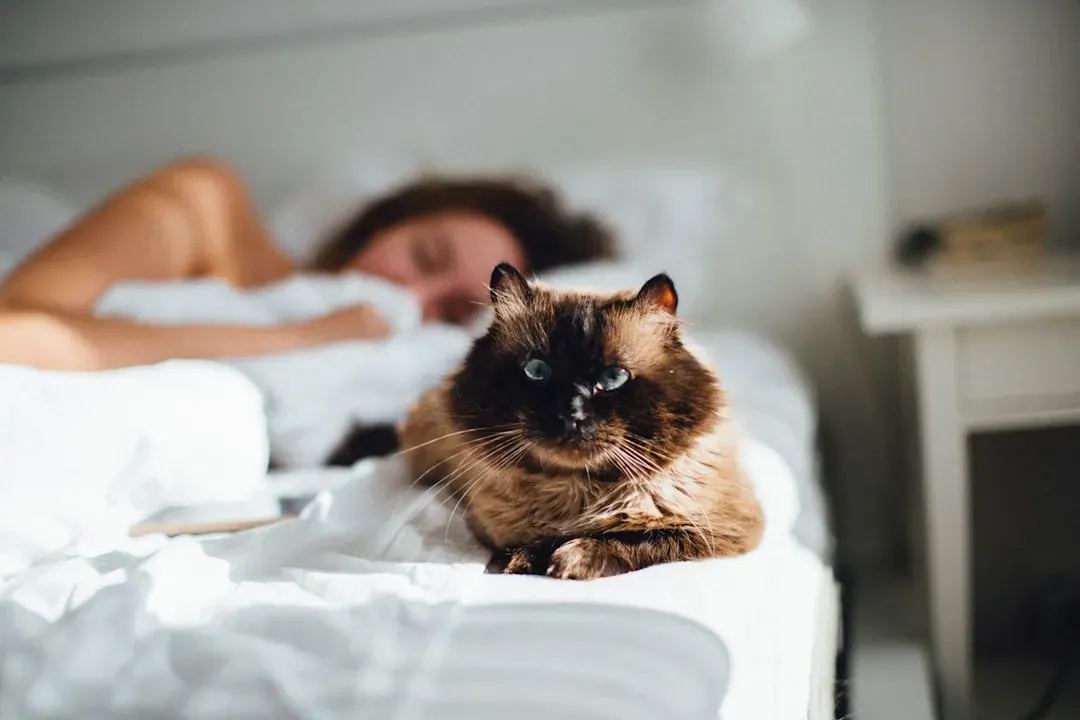
Cats are crepuscular, which means they are most active at dawn and dusk. This biological reality has a direct and often sleep-depriving effect on your daily schedule. Your cat isn’t being cruel when they pounce on your face at 5 AM. They’re just being a cat – and they’ve learned that you respond.
Cats are smarter than we give them credit for: they learn what works with what person. They know if one member of the family is prone to get up at 4 AM and give them some treats. Slowly, without you noticing, your morning routine has been restructured around your cat’s internal clock. You didn’t set that alarm. Your cat did.
Some cats ask for food dozens of times a day, including at night, with rubbing, pacing, meowing, or sometimes loud purring. Every single time you got up and fed them, you reinforced that behavior. In behavioral science, we’d call this operant conditioning. In cat science, we’d just call it Tuesday.
Marking You as Theirs Through Head Bunting

That adorable moment when your cat presses their forehead firmly into your chin? It’s genuinely sweet – but it’s also a territorial claim. Bunting is generally considered to be a form of territorial scent-marking behavior, where the cat rubs the scent glands on its cheeks and forehead on the object being marked. And yes, you are the object.
When cats bunt, they release pheromones that mark their territory, communicating ownership and familiarity and signaling to other animals that the area or person has been claimed. Bunting is also a sign of trust and affection, and when cats bunt their owners, they are reinforcing their bond and expressing a sense of belonging. So your cat isn’t just loving on you. They’re also leaving a very clear message for any other cats in the vicinity: this human is taken.
Bunting can also be a way for cats to get their owner’s attention, with a cat bunting their human companion to initiate petting, play, or feeding, effectively communicating their needs in a gentle and affectionate manner. What starts as an adorable little headbutt trains you, over time, to immediately respond with affection or action. Smooth, right?
Using Meowing Exclusively on You
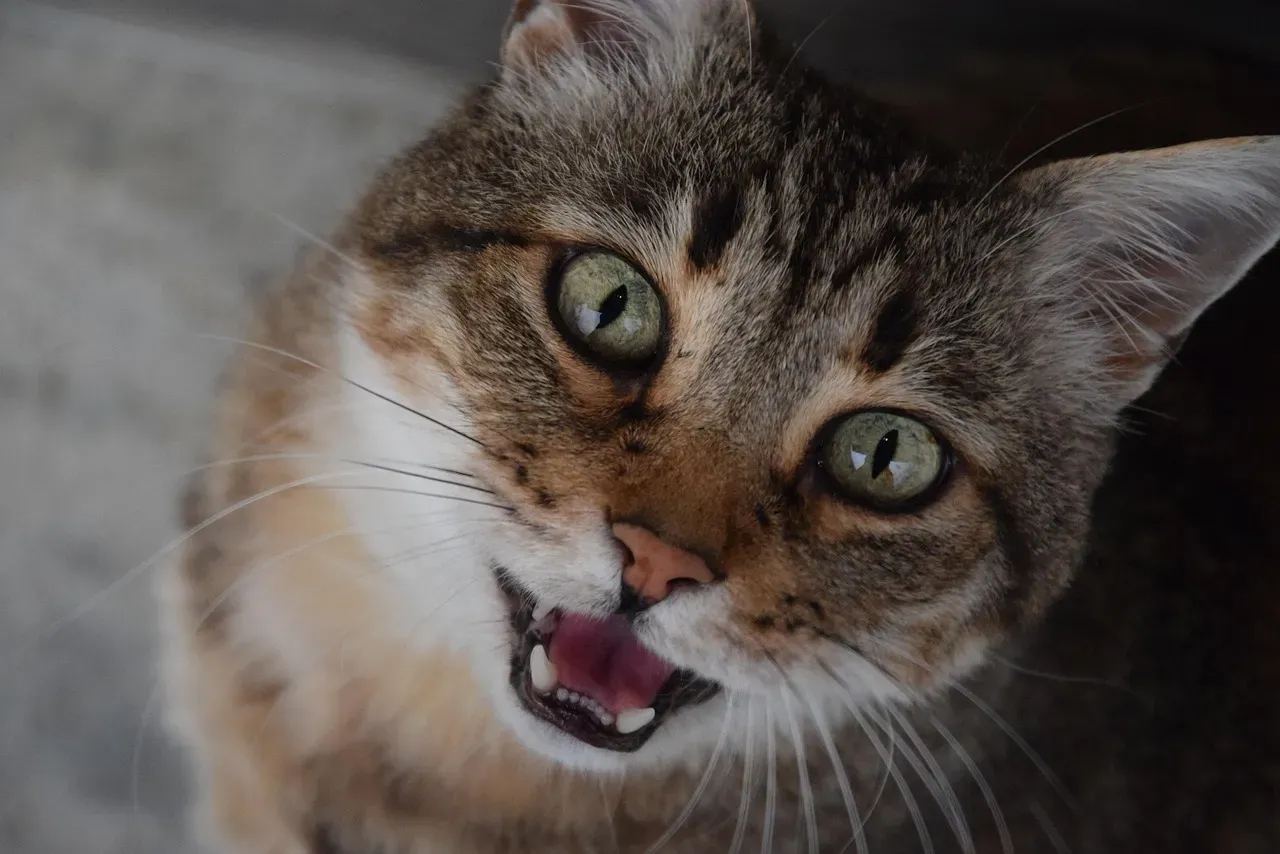
Here’s a fact that genuinely blew my mind when I first read it. Scientists have identified more than a dozen different meows that cats make, each with its own meaning. Kittens use meows to communicate with their mothers, but grown cats employ them solely to communicate with humans. Adult cats essentially don’t meow at other cats. They invented an entire vocal system just for us.
Cats learn specifically how their owners react when they make particular noises. So if the cat thinks they want to get their owner from the other room, it works to vocalize. They use straightforward learning. The more you respond to a specific meow, the more your cat deploys that exact meow. You’ve been co-authoring this vocabulary together, whether you realized it or not.
Researchers found that male caregivers may require more explicit vocalizations to notice and respond to the needs of their cats, which in turn reinforces cats’ tendency to use more directed and frequent vocal behavior to attract their attention. Honestly, it’s hard to say for sure whether this is endearing or just deeply calculated – but either way, it works.
Kneading You Into a State of Submission
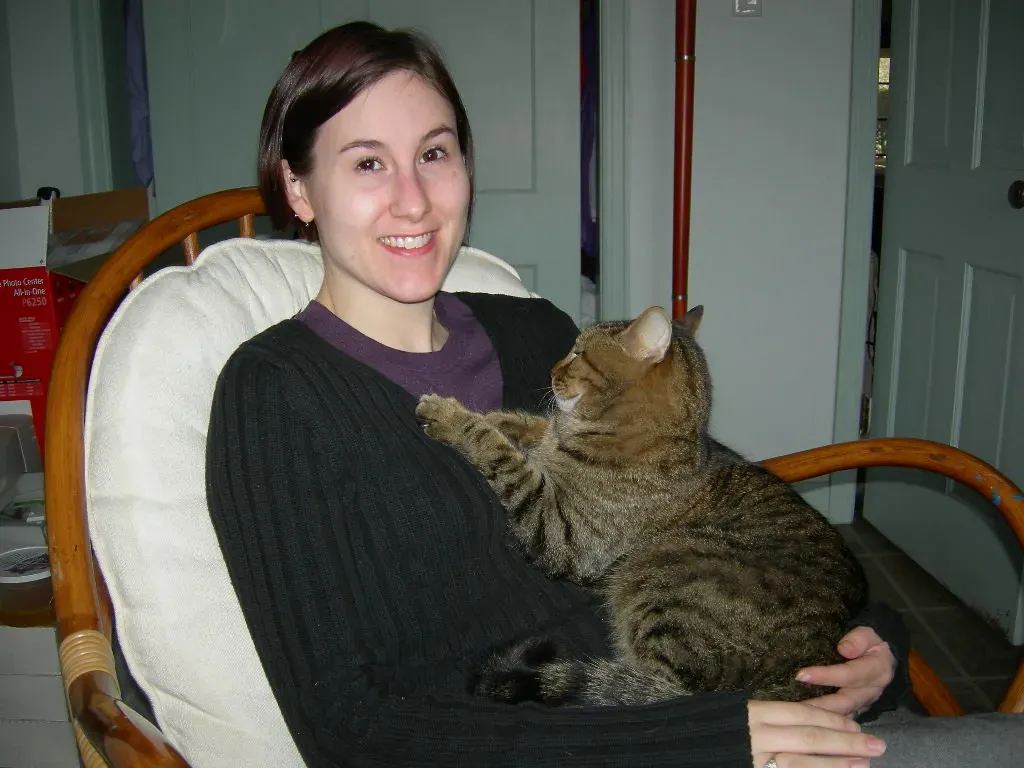
That rhythmic, biscuit-making motion your cat does on your lap? It feels adorable. It feels like love. It is love – but it’s also something more layered. Kittens knead to stimulate the production of milk from their mothers, but the contentment from the action means many cats continue to knead throughout their lives, helping them feel calm and relaxed. By doing this on you specifically, your cat is placing you in the role of caregiver and safe space.
A kneading cat may press their paws into your lap in order to mark you with their pheromone glands, claiming you with their unique scent. Since kneading is a behavior from a young age, your cat may be kneading your lap as a sign of affection, building the bond between pet and owner. The moment you stopped moving, stopped checking your phone, and just sat still while your cat kneaded you? That was your cat training you to be present and calm on demand.
When a cat kneads their owner, it can be a sign of trust and affection, demonstrating that the cat feels safe and comfortable in the presence of their human companion. It’s almost like a mutual meditation session – except your cat scheduled it without asking.
Using Social Referencing to Read (and Shape) Your Reactions
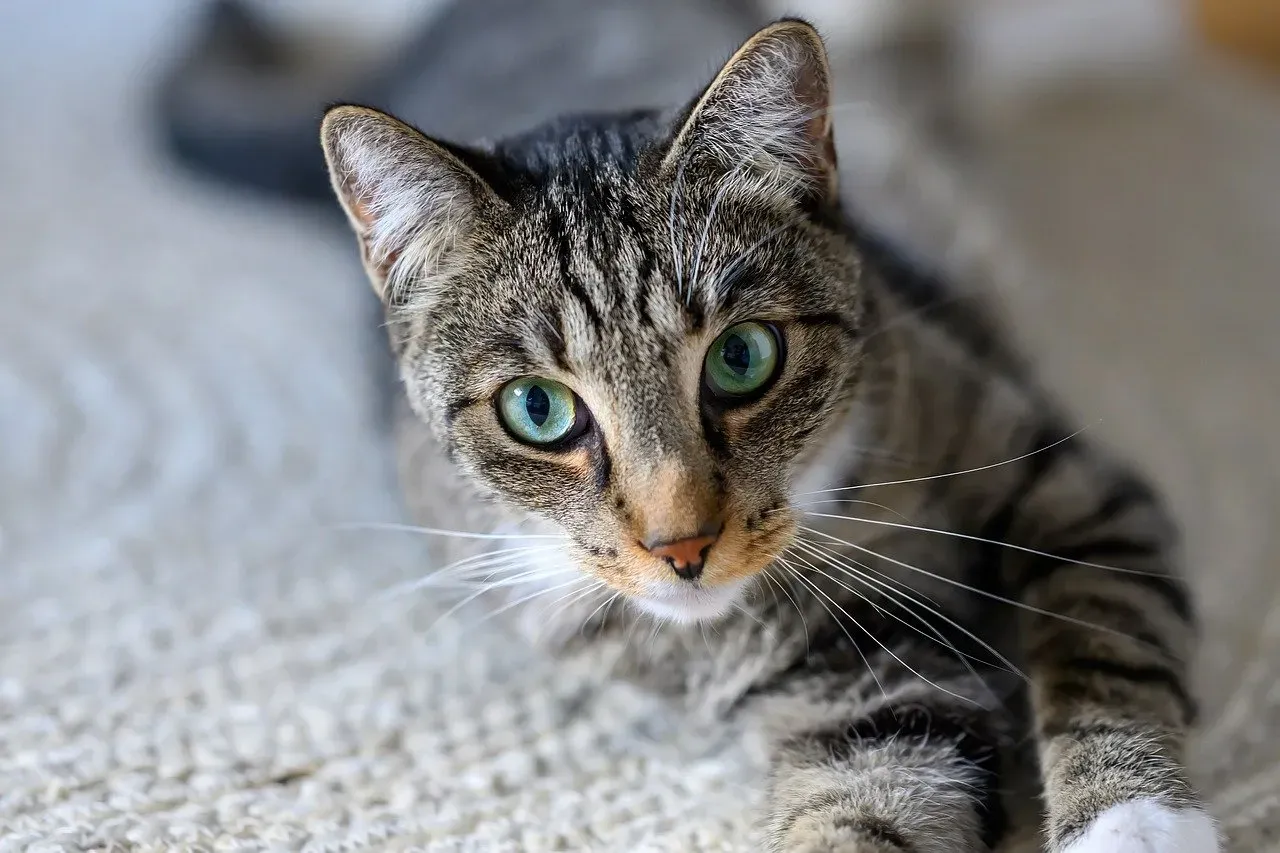
Let’s be real – cats are far more emotionally intelligent than the “aloof loner” stereotype suggests. Cats observe our behavior using a process called social referencing. This is something that children learn to do and continue into adulthood. It’s the behavior of being in an unfamiliar situation and looking to the people around you to learn how to react. Your cat watches you constantly, cataloguing your moods and your patterns.
A study in Animal Cognition exposed cats to a frightening situation involving a fan with streamers attached. When the fan was turned on and produced a crackling noise, the cats were observed looking at their owners. Sensing their owners’ calm behavior, the cats’ fear of the fan disappeared, with some choosing to lay beside it. Your cat doesn’t just react to you – they use your emotional state as a navigation tool.
This ability to social reference explains how cats manipulate humans. As they’re smart enough to put our behavior into context, they can train themselves to behave in ways that trigger those behaviors. Think of it like this: your cat is a tiny behavioral scientist, and you are the subject of their ongoing study.
Rewarding You Just Enough to Keep You Hooked
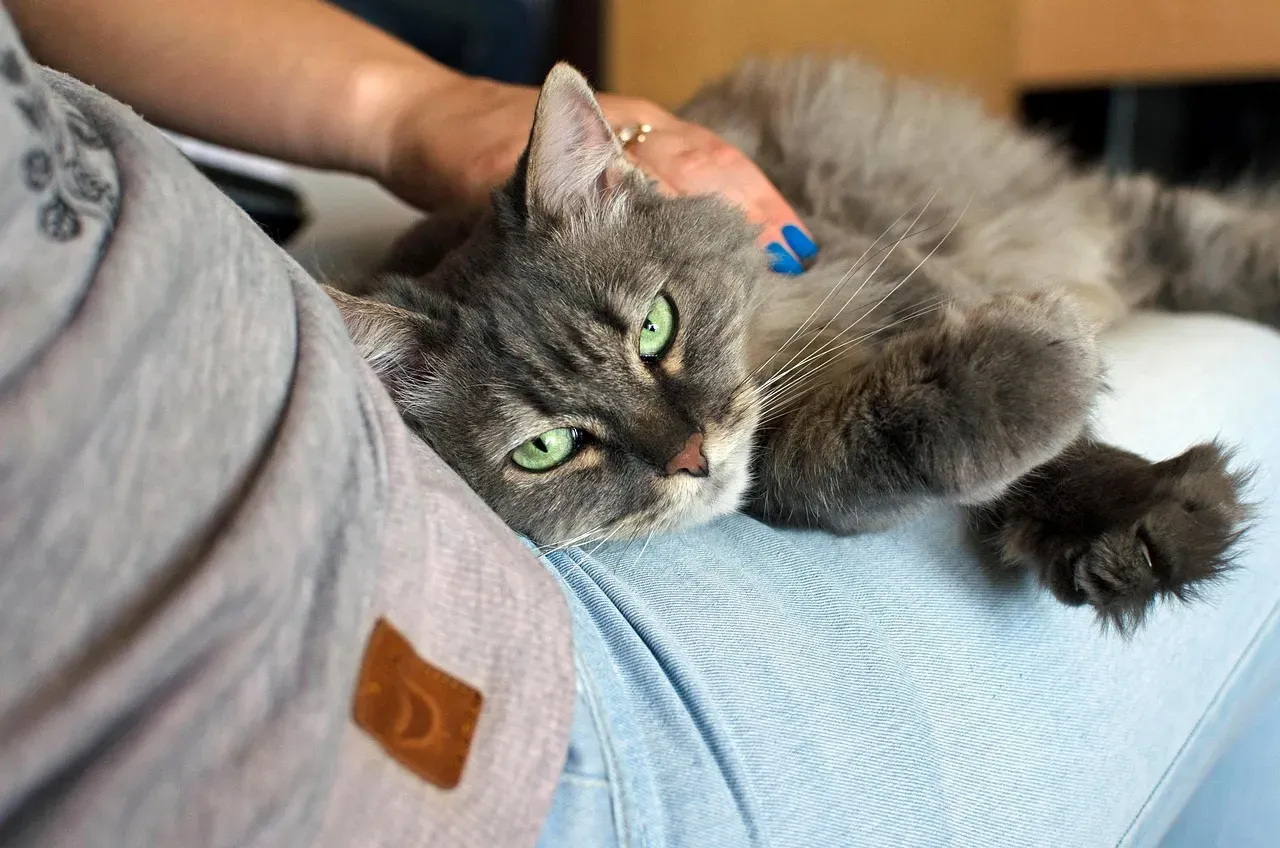
Anyone who has loved a cat knows the particular thrill of earning their affection. That’s not a coincidence. The initiation and the initiator of social interactions between cats and humans have been shown to influence both the duration of the interaction and total interaction time in the relationship. Compliance with the interactional “wishes” of the partner is positively correlated between cats and their humans. In simpler terms: when your cat chooses to come to you, it means so much more than when you try to go to them.
Cats – merely their presence but also their behavior – can affect human moods, and human mood differences have been shown to affect the behavior of the cats in return. This is the feedback loop your cat has been building all along. Your happiness depends on their approval. The purr, the slow blink, the lap-sit – these are all positive reinforcements, distributed on your cat’s schedule, not yours.
Studies have shown that cats provide many physiological and psychological benefits for their owners. The warmth, the calm, the sense of being chosen by a creature that answers to no one – all of that keeps you loyal, attentive, and eager to please. Your cat figured this out long before any researcher put it in a journal.
Training You to Respect Their Boundaries (Or Else)
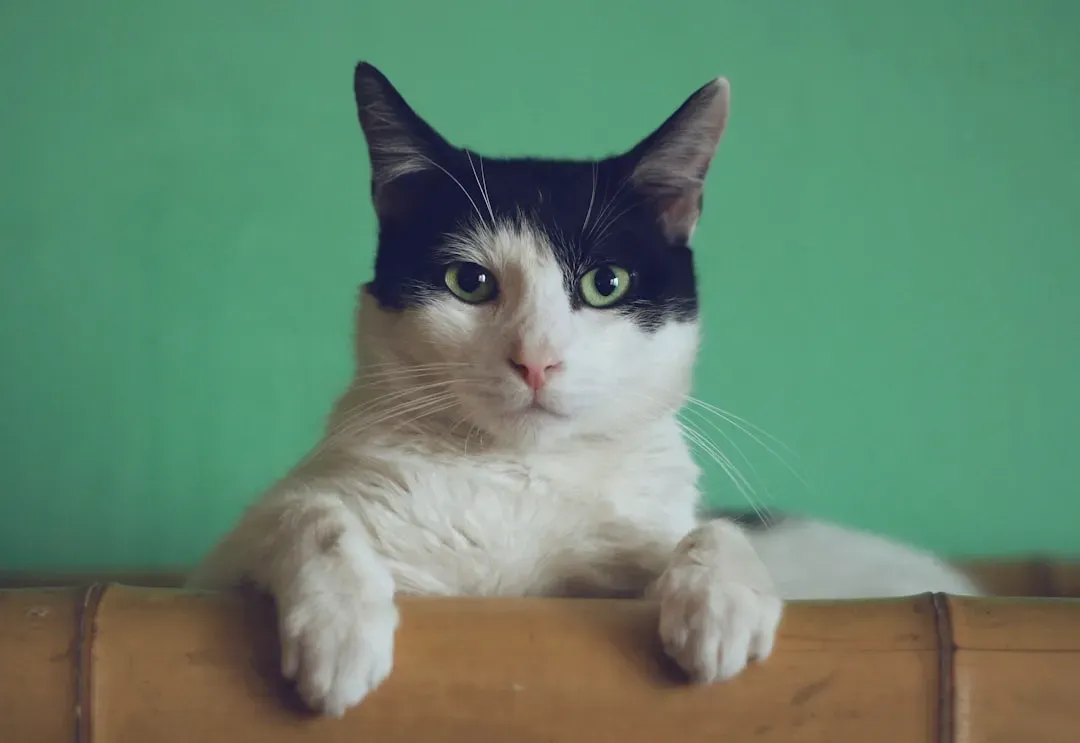
If you’ve ever reached for your cat’s belly only to receive a swift swat, you’ve had your first lesson in feline boundary enforcement. Positive and predictable interactions with people greatly benefit cats. A positive emotional interaction between the human family and the cat depends on the cat’s perception of what is positive, not on what the human family deems positive. Your cat has very specific rules – and they’ve been teaching you those rules through trial, error, and the occasional claw.
Cats have evolved alongside people, allowing them to observe human behaviors. They use these observations to develop behaviors that get the desired results. Over time, you learned exactly how your cat likes to be touched, when they want to be left alone, and which spots are strictly off-limits. You adjusted your behavior. They didn’t adjust theirs. Who’s training whom?
A predictable and consistent routine is important for cats. An inconsistent routine can be a source of chronic stress for cats, which in turn can have detrimental effects on their physical health over time. Without even realizing it, you’ve structured your whole day to maintain consistency for a creature who will absolutely let you know when something is off. You’ve been beautifully, expertly trained – and honestly, the relationship is better for it.
Conclusion
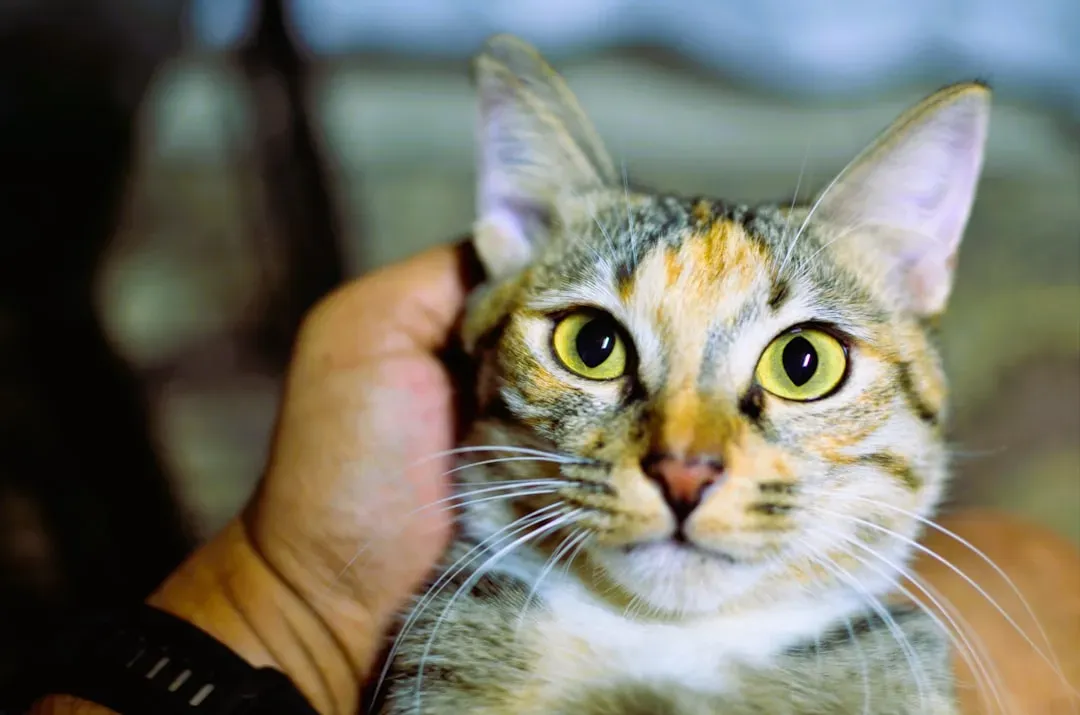
There’s something genuinely wonderful about the fact that the most independent, seemingly indifferent creature in the animal kingdom has found ways to quietly, cleverly, and completely reshape your behavior. Your cat hasn’t just adapted to your home – they’ve remodeled you to fit their world. The meow, the slow blink, the kneading, the headbutt – each one is a tiny masterclass in behavioral influence.
The relationship between you and your cat isn’t one of owner and pet, not really. It’s a co-created dynamic, one that has been negotiated in a thousand small daily moments. You both benefit deeply from it, even if one of you was always a few steps ahead in the planning. The real surprise? Knowing all this probably won’t change a thing. You’ll still get up at 5 AM. You’ll still sit still for the kneading. You’ll still melt at the slow blink.
So here’s the question worth sitting with: now that you know your cat has been training you all along, are you going to do anything differently – or has the training already stuck too deep? Tell us your most ridiculous cat-trained habit in the comments. We’re all in this together.