You’ve probably found yourself on the receiving end of some peculiar feline habits and wondered what on earth your cat is thinking. Maybe you’ve been woken up by sandpaper kisses or discovered a random toy at your feet. Here’s the thing: your cat is actually declaring their love for you, just in their own mysterious way.
Cats express affection quite differently from dogs, which makes it easy to miss these tender moments entirely. While a dog practically throws a parade every time you walk through the door, felines are masters of subtlety. Their body language and peculiar habits speak volumes if you know what to look for. So let’s dive into these behaviors you might have been misinterpreting and discover what your furry companion is really trying to tell you.
1. The Slow Blink: Your Cat’s Version of a Kiss
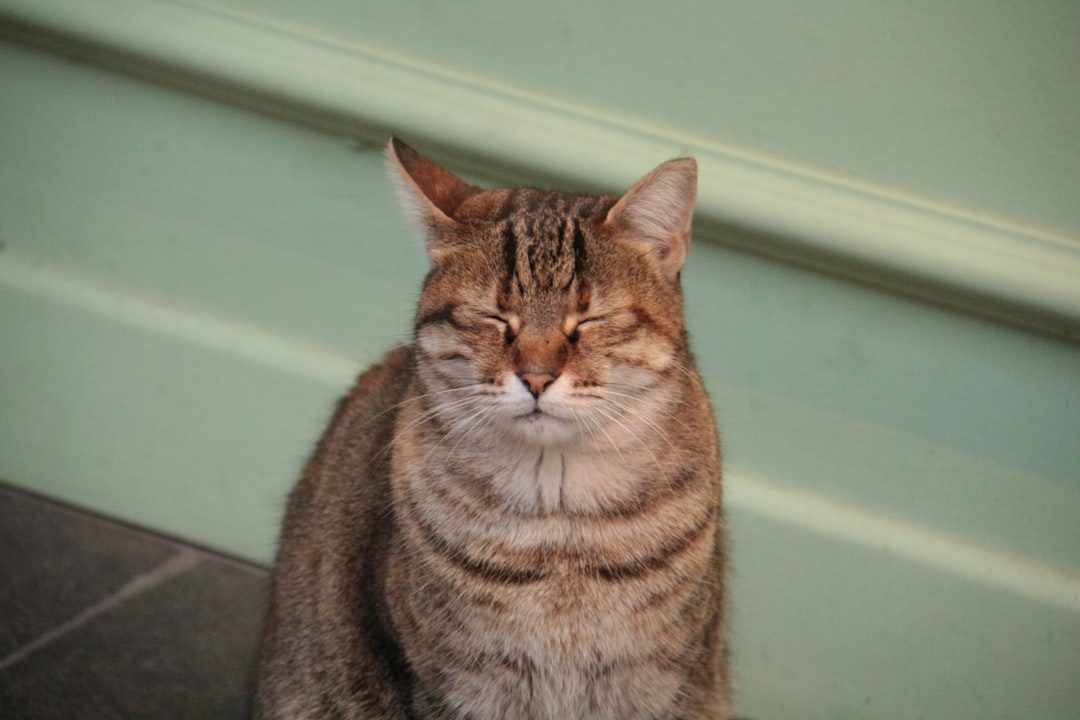
When your cat looks at you with half-closed eyes and gives you a slow, deliberate blink, they’re actually giving you what’s known as a “cat kiss”. This intimate gesture is often called a kitty kiss and shows that your cat feels safe and at ease with you. Think of it as their way of saying “I trust you completely” without words.
If a cat blinks slowly at you, it means they trust and love you, and you can blink slowly back to show them that you love them too. The beauty of this gesture is that it’s a two-way street. Next time your feline friend gives you that languid blink, try returning it. You might be surprised at how this simple exchange strengthens your bond.
2. Kneading: Making Biscuits on Your Lap
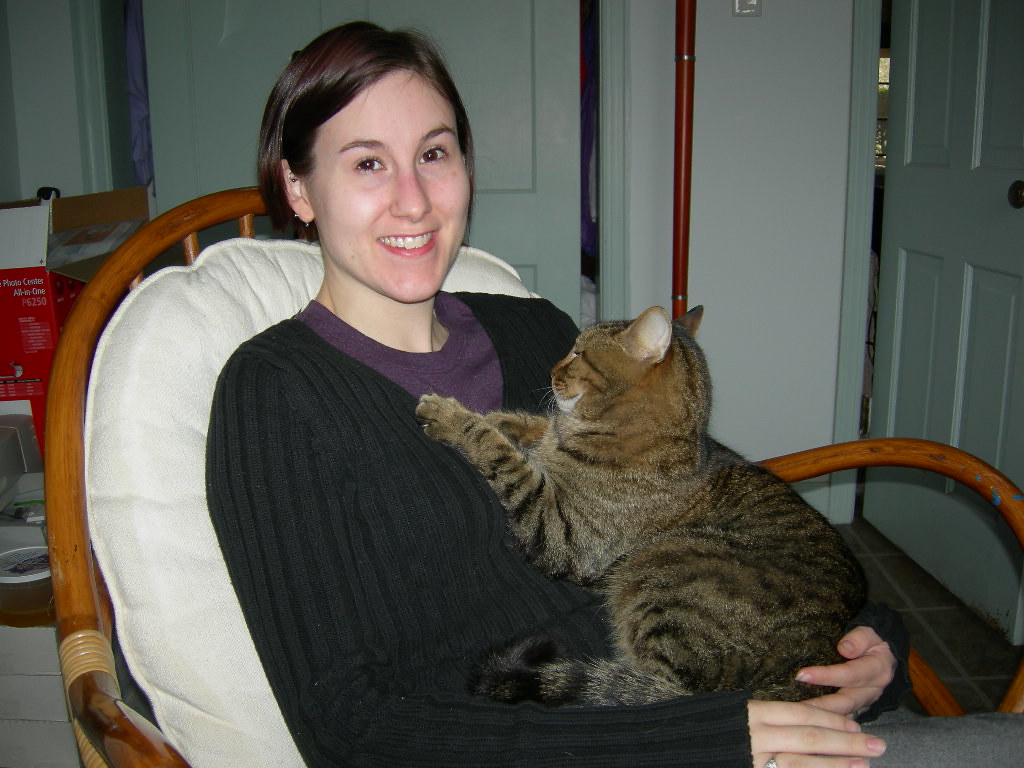
That rhythmic pushing motion your cat does with their paws, commonly called “making biscuits,” is one of the most endearing signs of affection. Kittens knead their mother’s stomach to stimulate milk production while nursing, and as a kitten this signals they want milk. Grown cats tend to knead when they are around a special person that makes them feel safe and loved.
When a cat is kneading, it’s pretty safe to assume they’re feeling calm, content and ready to settle down. Honestly, when your cat kneads you, they’re essentially regressing to that blissful kittenhood state. Even if those claws dig in a bit, remember this is their ultimate compliment to you.
3. Head Bumps and Cheek Rubs: Claiming You as Their Own
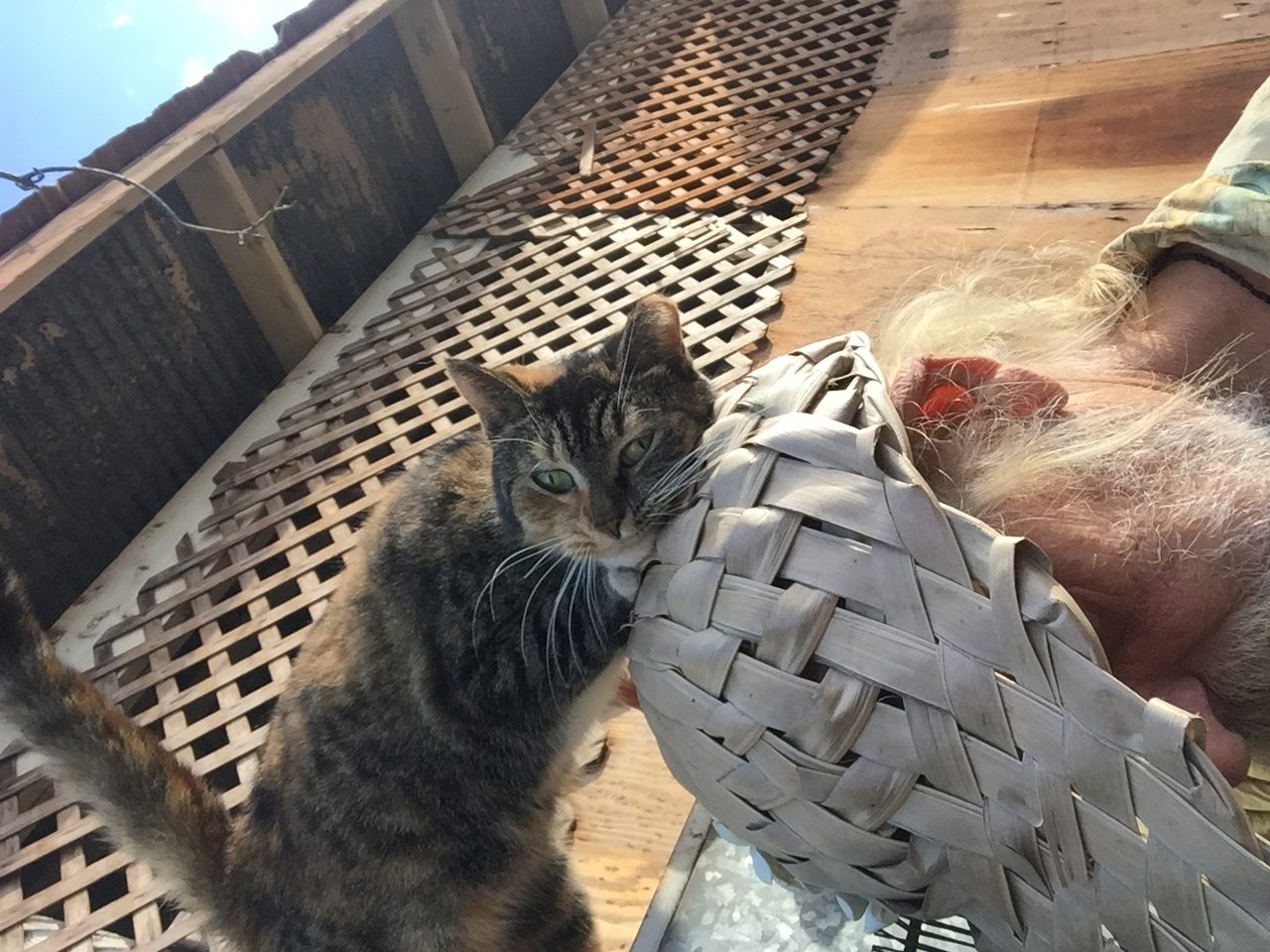
Your cat may bump their head against you or rub their cheeks against you to show affection, and headbutting is often an attempt to mark you with their scent to claim you as one of their own. This behavior, also called bunting, isn’t just cute, it’s deeply meaningful. Cats have scent glands on their heads, so when they headbutt you, they’re leaving their scent on you.
They’re claiming you as part of their social group, and you should take it as a compliment since they won’t do it to everyone – you’ve made it into the inner circle of cat love. It’s like they’re putting a little invisible stamp on you that says “mine.” Let’s be real, if your cat considers you worthy of their scent, that’s serious approval.
4. Following You Around: Your Furry Shadow
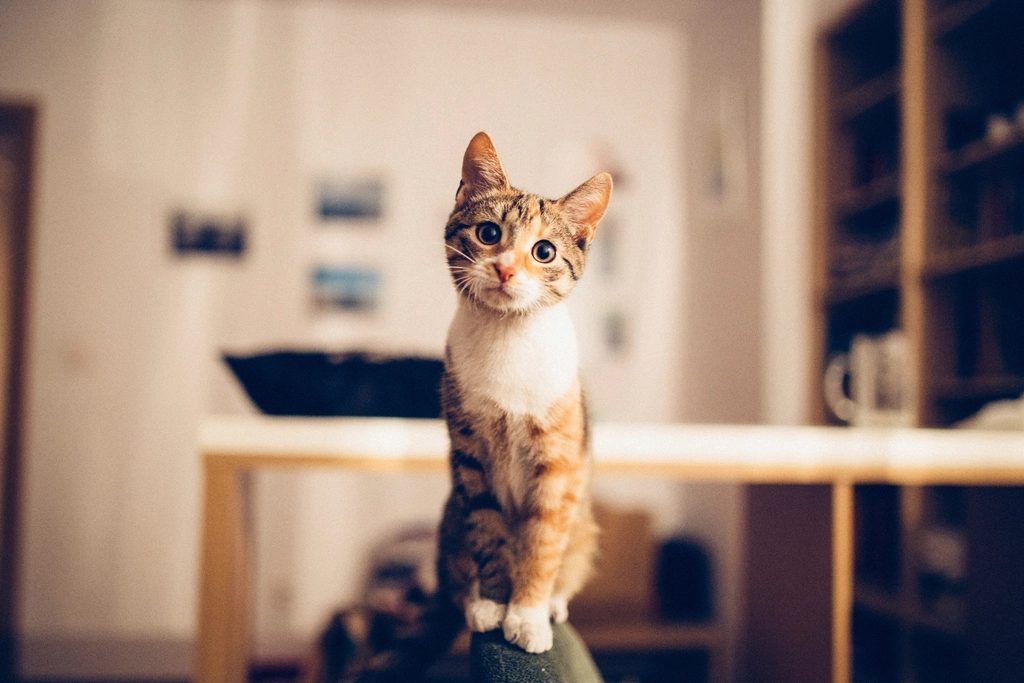
Cats often follow those they love and trust around the home. You might think your cat is just being nosy when they trail you from room to room, even into the bathroom. There can be many reasons for this, from wanting food to being anxious, but there are many cases in which your cat simply enjoys your company and wants to be with you – if it’s not close to feeding time and your cat isn’t acting like they want anything, chances are they are just trying to bask in your presence.
This just means that your cat wants to spend more time with you, and a cat that enjoys your company and feels comfortable around you is going to follow you around the house and cling to you like glue. Some cats are more independent, while others become your permanent shadow. Either way, that constant presence is their way of staying connected to their favorite human.
5. Purring: The Ultimate Sound of Contentment
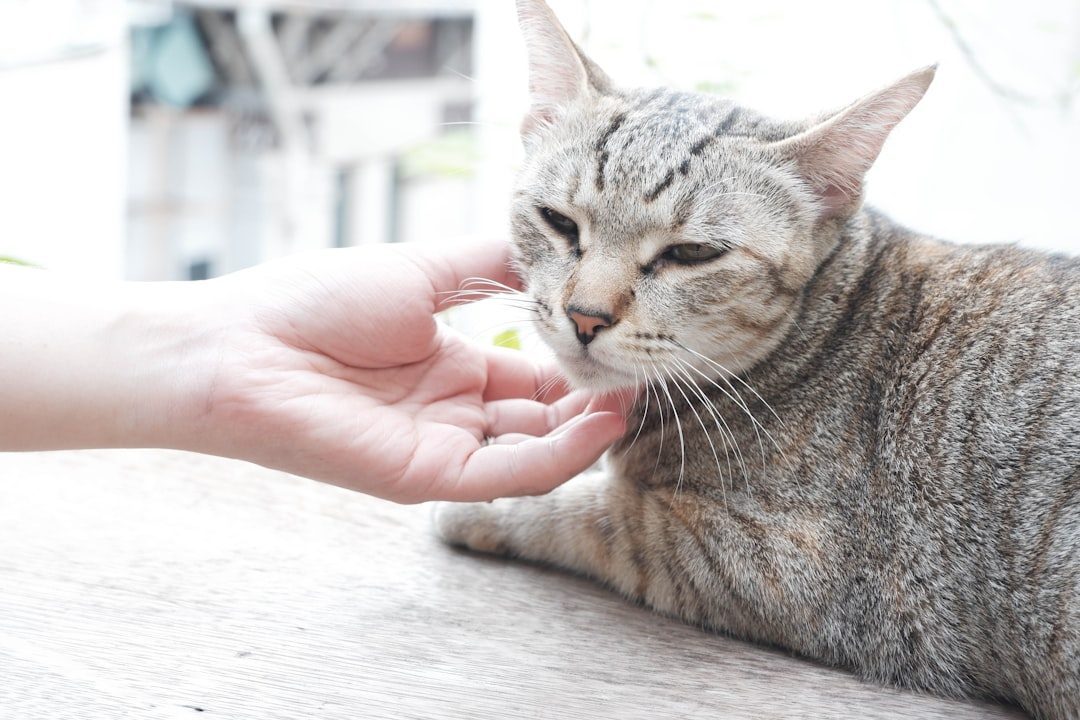
Cats often purr to show contentment when they are resting near you or when you’re petting them. That rumbling vibration is one of the most recognizable sounds of a happy cat. If your cat purrs contently when they are around you, there’s a good chance they also feel bonded with you and are relaxed in your presence.
Though it’s worth noting that context matters here. They may also purr when they’re nervous, but this is often paired with different body language such as holding their ears back, putting their head down, fast tail-swishing, or hiding. Most of the time, however, that steady rumble while they’re curled up next to you is pure bliss. I know it sounds crazy, but studies have even suggested that the frequency of a cat’s purr has therapeutic effects for humans too.
6. Grooming You: You’re Part of the Family
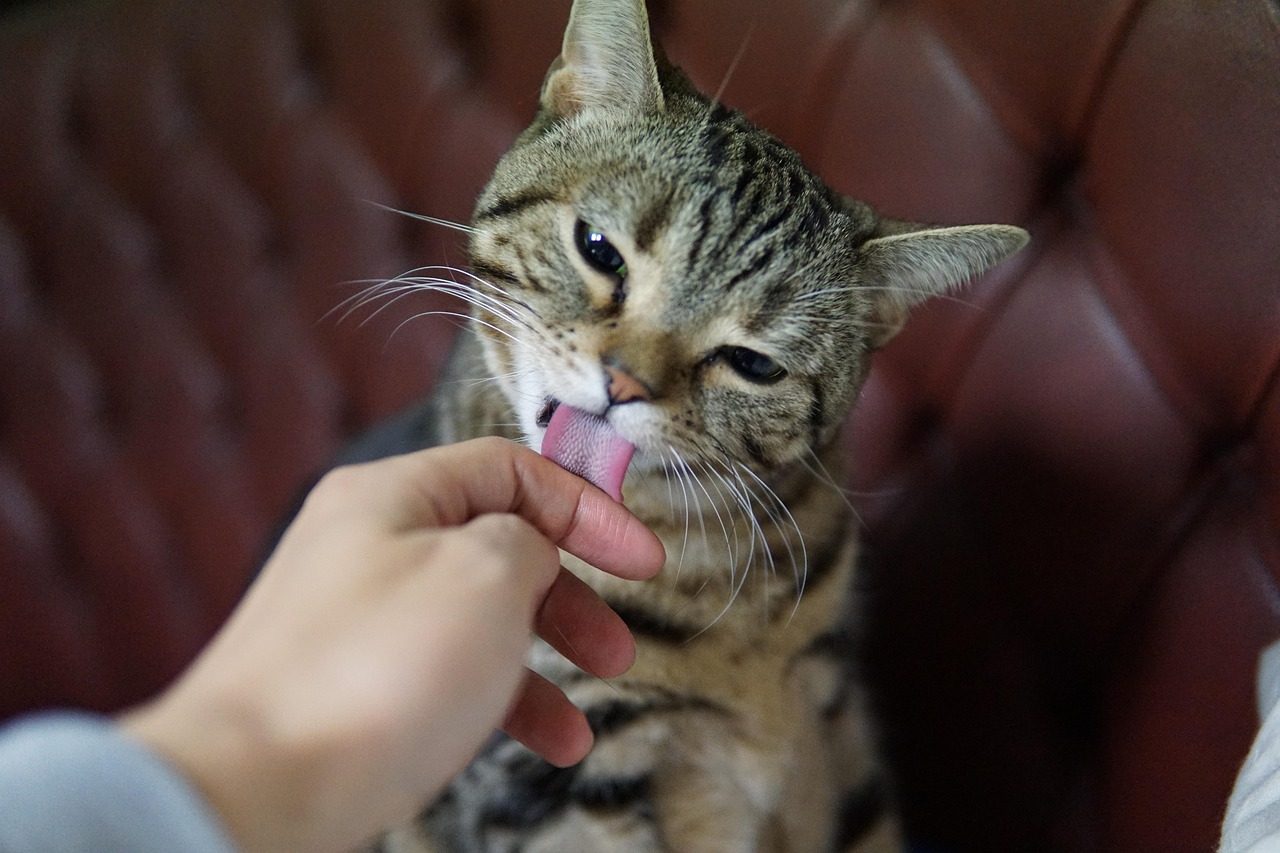
Cats groom each other as a display of affection, and this behavior will extend to humans when trust is built – licking is similar to the grooming cats perform on their feline friends, allowing them to mark each other and build their bond. When your cat licks your hand, face, or hair, they’re treating you like a fellow feline. They lick their humans because they want to groom them – they view you as one of their own.
Sure, that sandpaper tongue might feel a bit weird on your skin, especially at three in the morning. When your cat licks your skin or hair, they are performing allogrooming, which is a social bonding behavior they typically reserve for other cats in their colony. It’s actually one of the highest honors your cat can bestow upon you.
7. Bringing You Gifts: Sharing the Hunt
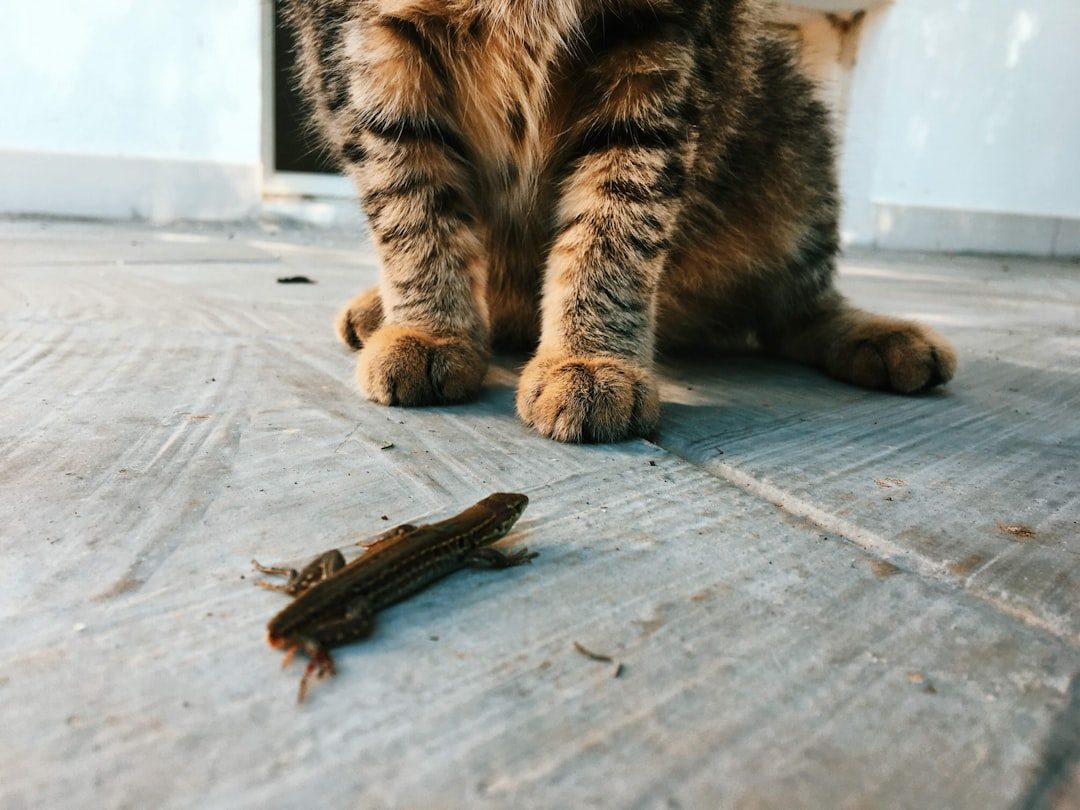
Cats are natural hunters, so when your kitty brings you freshly caught prey, they’re actually offering you a delicious meal – you don’t want to touch it with your bare hands, but keep in mind they mean well and this behavior really is a sign that they care deeply for you. This might be the least popular expression of cat love, especially when that “gift” is a mouse or bird left on your doorstep.
Cats are natural hunters, and they only share their prey with someone they trust – so if your cat brings you a present, think of it as a sign of love. Indoor cats sometimes mimic this behavior with toys instead. Either way, your cat is essentially saying “Look what I caught for us!” It’s hard to say for sure, but they might genuinely think you’re a terrible hunter who needs help.
8. Showing Their Belly: The Ultimate Trust Fall
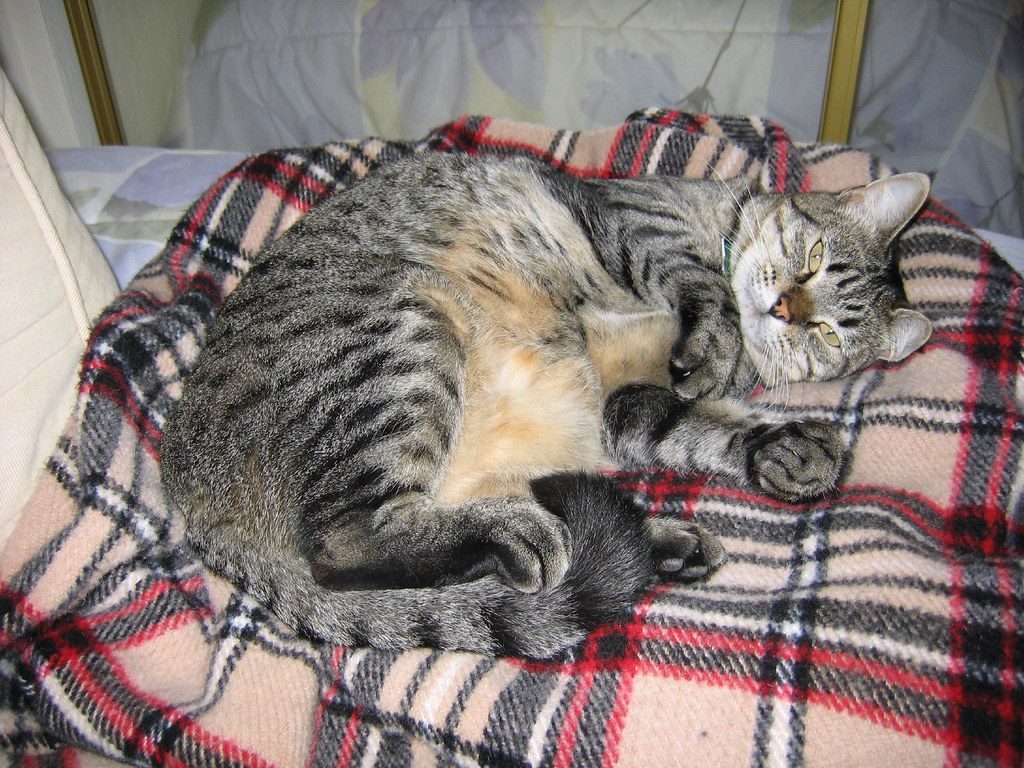
Cats are most vulnerable while sleeping and choose places that are safe and secure – there is no better compliment to you than a cat who chooses to fall asleep on you, which means they are completely comfortable with you and trust they are in safe and loving hands. When your cat rolls over and exposes their belly, they’re displaying incredible vulnerability.
This position leaves your cat very exposed and vulnerable, so for them to come up to you and greet you in such a manner shows that they trust and love you. However, here’s a fair warning: showing you their belly doesn’t always mean they want it rubbed. Many cats will happily trap your hand with their claws if you try. The exposed belly is more about trust than an invitation.
9. Greeting You at the Door: You’re Home!
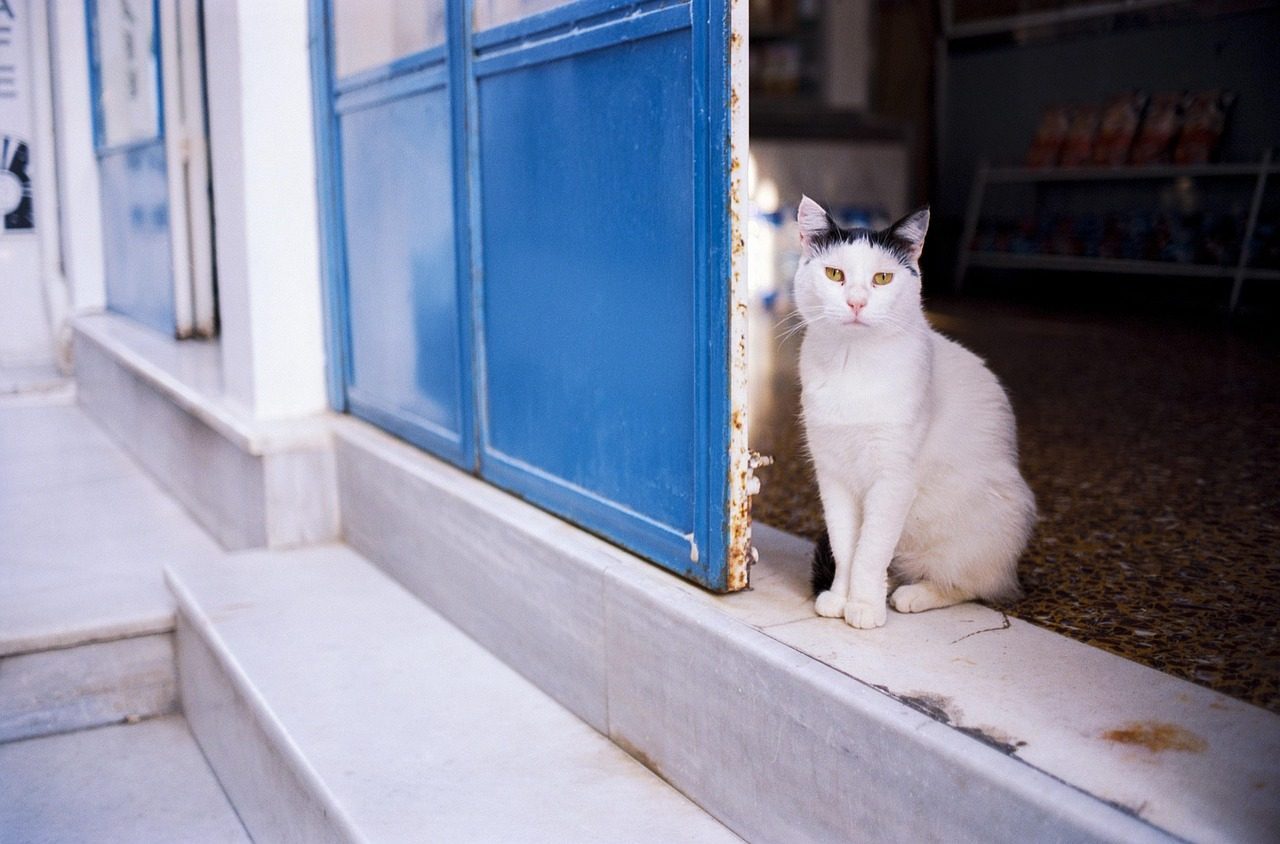
Your cat is trying to show you that they missed you when they greet you at the door, which is often followed by walking in between your legs and curling their tail around your legs – sometimes it’s also accompanied by meowing and rattle-tail behavior, where your cat will shake their tail quickly, and this is your cat’s way of welcoming you home.
That enthusiastic greeting might seem simple, but it’s actually a big deal in cat language. Your feline friend could be anywhere in the house doing important cat things like napping or staring at walls, yet they choose to meet you at the door. They may also be telling you something more important, like they’re ready to eat, they need fresh water, or their litter box needs to be cleaned, so be sure to check these things. Still, that initial rush to see you is genuine affection.
Conclusion
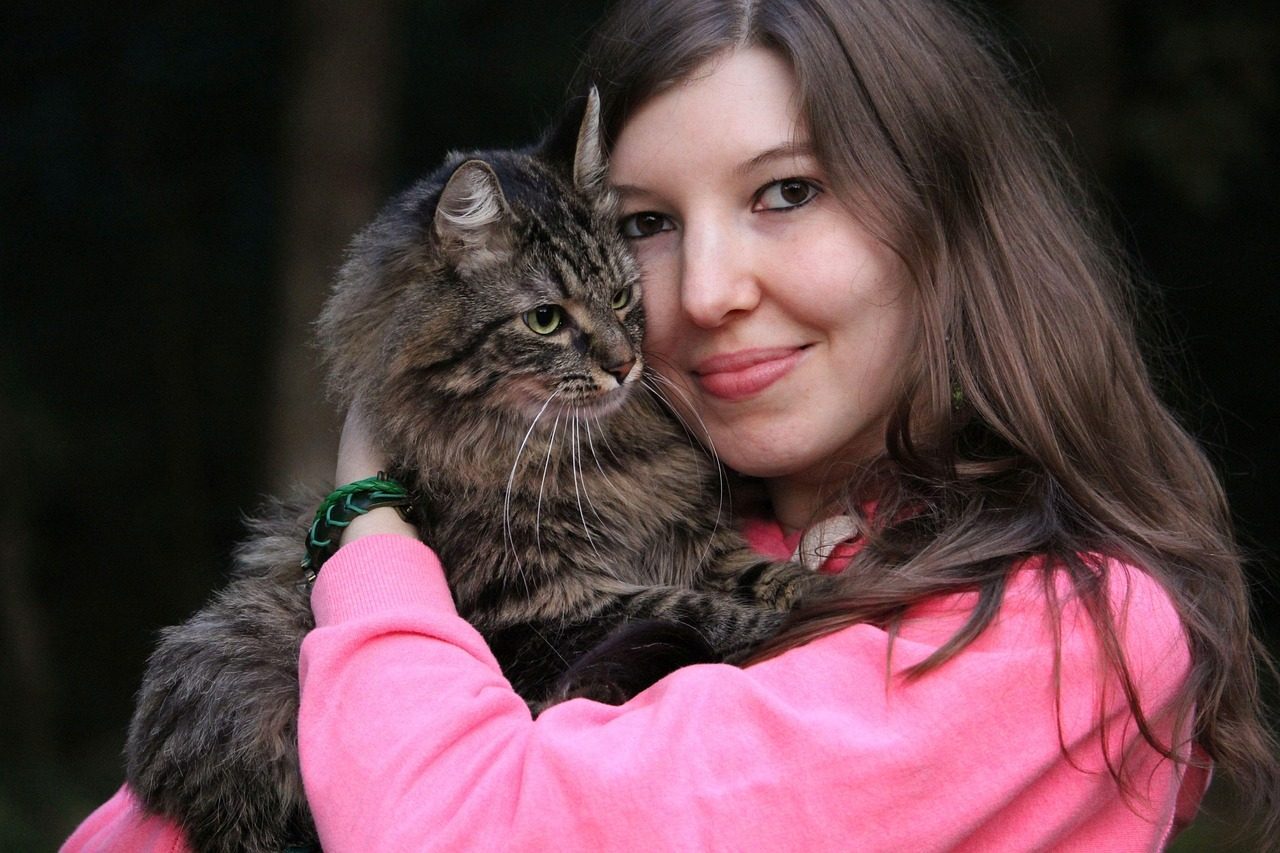
Your cat’s love language might not look like what you expected, but it’s every bit as genuine as a dog’s exuberant greeting. From those slow blinks to the slightly painful kneading sessions, each behavior is your feline’s way of saying they trust you, feel safe with you, and genuinely care about you. The beauty of cats is that they make you earn their affection, which makes these gestures all the more meaningful when they happen.
Next time your cat displays one of these behaviors, take a moment to appreciate the depth of feeling behind it. You’re not just a food dispenser or a warm lap; you’re part of their chosen family. What signs of love does your cat show you most often? Pay attention, and you might discover even more ways your furry companion is telling you how much you mean to them.