Cats have a reputation for being mysterious, aloof, and sometimes downright baffling. One moment your cat is curled up purring on your lap, and the next it’s knocking your coffee mug off the counter with a completely unbothered look on its face. Sound familiar? If you’ve ever wondered what on earth your feline friend is actually trying to tell you, you’re not alone.
The truth is, most of what we label as “weird” or “bad” cat behavior is actually deeply rooted in instinct, communication, and trust. The problem isn’t your cat. Honestly, the problem is that most of us were never taught to speak “cat.” There’s a whole language going on right in front of you, and once you know what to look for, it changes everything. Let’s dive in.
1. Kneading: Your Cat Isn’t Just Being Weird With Your Lap
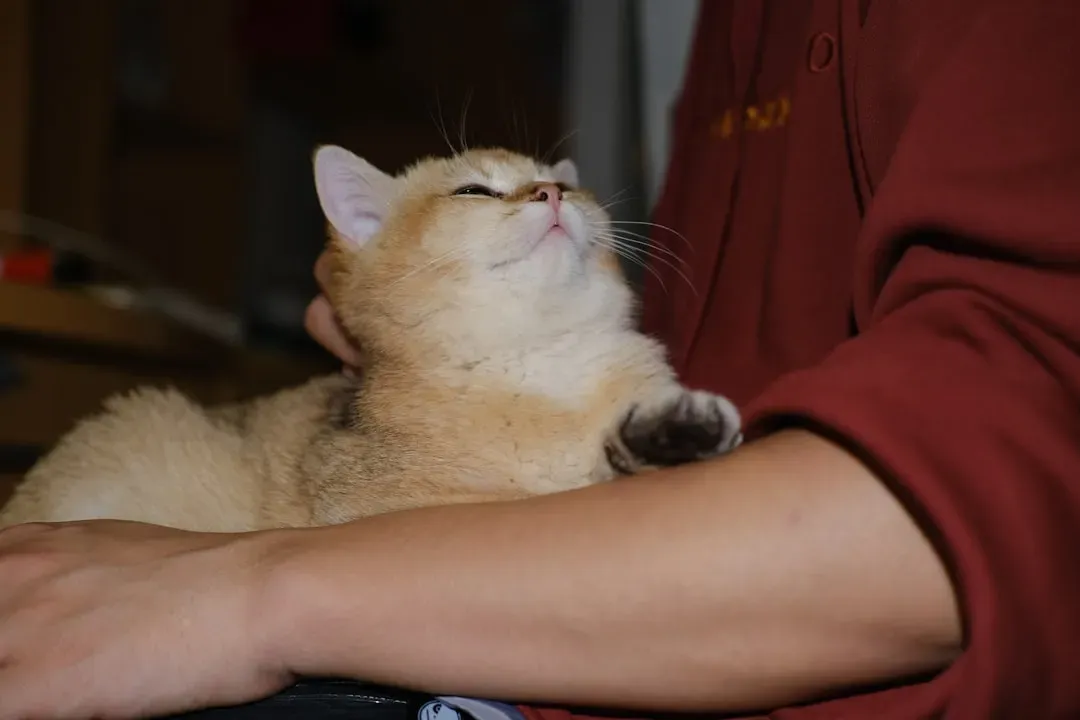
You’ve probably experienced this one. Your cat climbs onto your lap, looks you in the eye, and starts rhythmically pressing their paws in and out like a tiny, furry baker preparing dough. It can feel strange, maybe even a little uncomfortable if those claws are out. But here’s the thing – it’s actually one of the biggest compliments your cat can pay you.
Kneading begins in kittenhood, long before your cat ever claimed your lap as their favorite spot. Nursing kittens instinctively press their paws against their mother’s belly to stimulate milk flow, creating a powerful association between kneading and comfort. That early memory doesn’t disappear as cats grow up. Instead, it becomes a deeply ingrained behavior tied to safety, warmth, and emotional security. Think of it like how some adults still sleep with a childhood blanket – pure, unfiltered nostalgia and comfort.
Cats do not knead just anywhere. When they choose you, it is intentional. Your lap offers warmth, softness, and familiarity, all of which trigger positive emotional responses. Kneading you is a sign of trust and affection, not dominance or misbehavior. It can also be a subtle form of scent marking. So next time those little paws start working, try not to squirm. You’ve earned that honor.
2. The Slow Blink: A Love Letter Written in Eye Contact
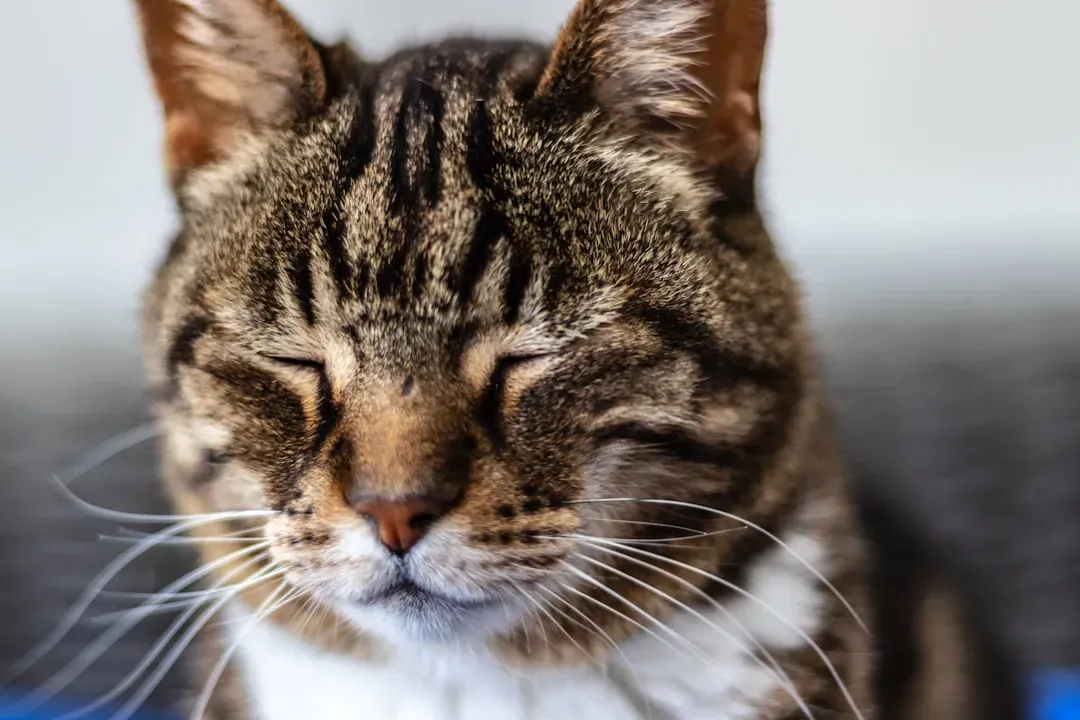
If you’ve ever caught your cat staring at you and then very slowly closing and opening their eyes, you might have felt a little unsettled. Is something wrong with them? Are they sleepy? Are they plotting something? None of the above. As theorized by animal behavior experts, the slow blink is how a cat tells her human family that she feels safe. It’s genuinely one of the most tender things your cat can do.
When your cat looks at you and slow blinks, they are relaxing their guard; after all, a cat in the middle of a slow blink is vulnerable at that moment. In a 2020 study, researchers found that cats were more likely to slow blink after their owners slow blinked at them. They took it a step further by leaving the cat alone with a researcher whom the cat didn’t know. The researcher slow blinked at the cat, which led to the cat approaching the researcher’s outstretched hand. When humans initiate the slow blink, we are telling the cat that we trust them. So try it right now – look softly at your cat and slow blink back. You might just be surprised.
3. Purring: It Doesn’t Always Mean Happy
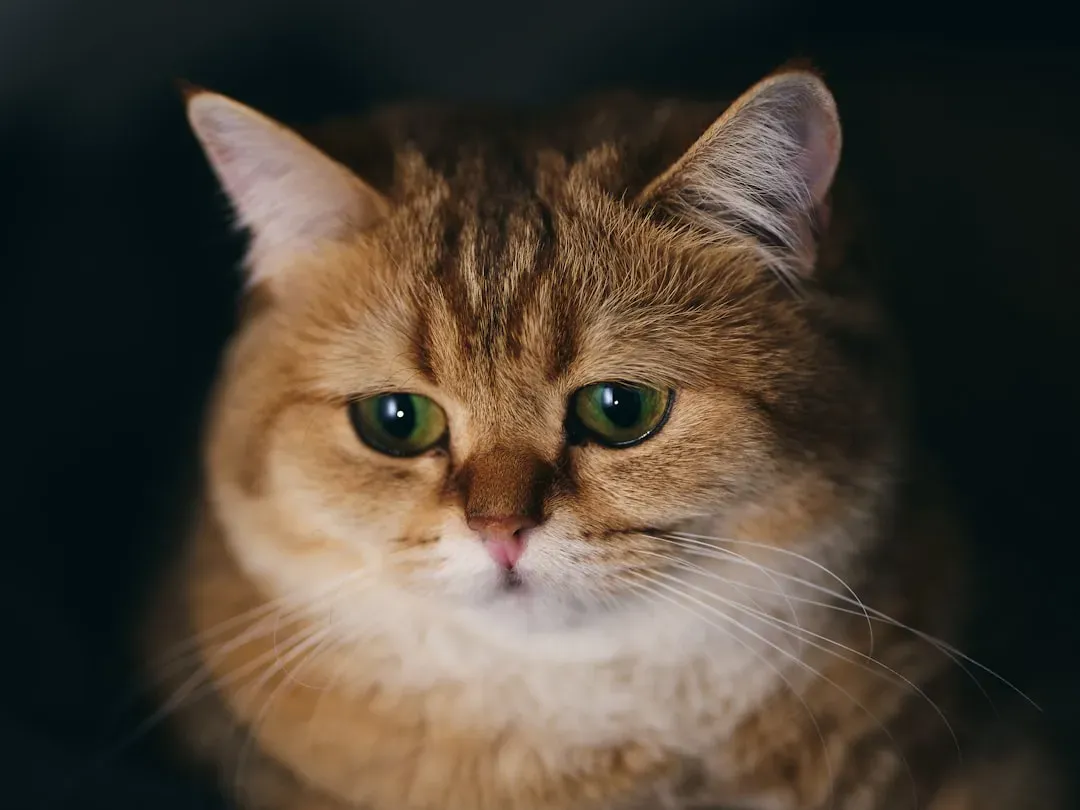
This one surprises a lot of people. Most of us grow up assuming a purring cat is a happy cat, full stop. It’s one of the most widespread misconceptions in the world of feline behavior. One of the most common misconceptions about cats is that they purr only when they’re happy. While purring is usually a sign of contentment, cats have also been observed to purr when they are injured or dying. That’s a pretty significant caveat.
The reality is that purring has many different meanings. Cats often purr when they’re feeling relaxed, but they may also purr to self-soothe if they are feeling stressed or are injured. It’s a bit like how some people laugh when they’re nervous. The behavior looks the same on the outside, but the internal driver is completely different. So pay attention to context – if your cat is purring while relaxed and kneading, it’s pure bliss. If they’re purring during a vet visit or while hiding, it might be comfort-seeking.
4. Showing Their Belly: Trust, Not an Invitation
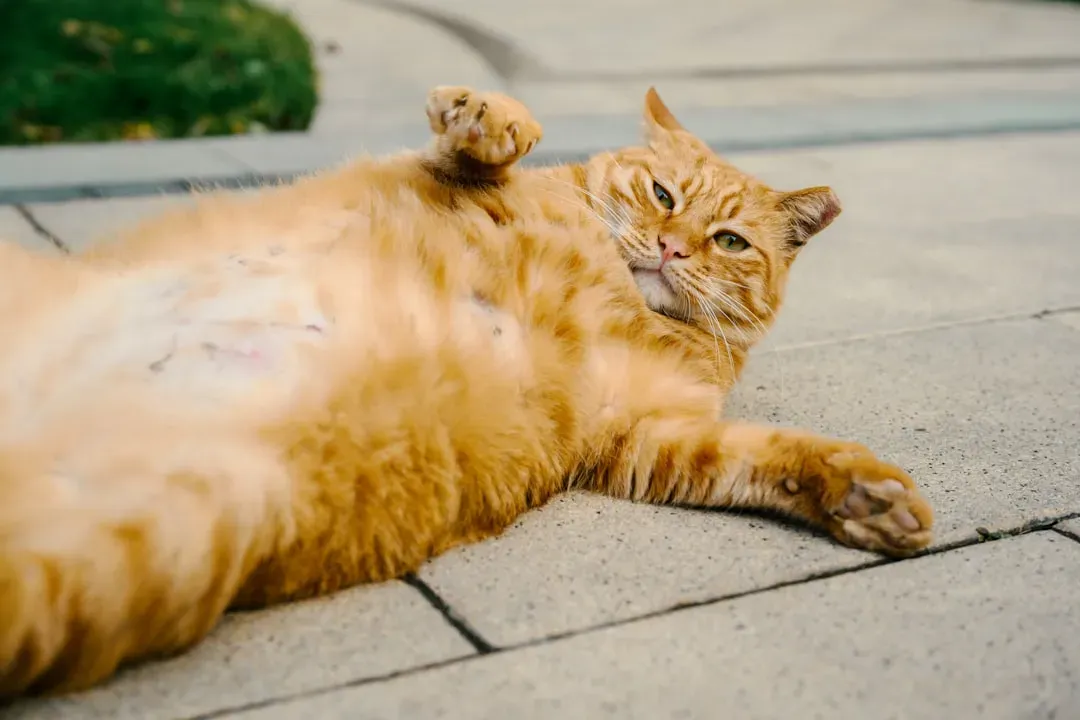
Raise your hand if you’ve ever reached for a cat’s fluffy belly, only to be met with claws and a surprisingly aggressive bunny kick. You are definitely not alone. This is perhaps the most universally misunderstood cat behavior of all, and it happens to nearly every cat owner at some point. A cat’s belly is a vulnerable area, filled with many vital organs, so cats instinctively cover it to protect themselves. It’s thought that domestic cats only show their bellies to people they trust. It’s like saying, “Look, I trust you so much I’m going to show you my belly because I know you aren’t a threat.”
A cat’s typical response when its belly is touched is to go into defensive mode – they swat or scratch and may even gently bite. Your cat’s not being mean; it’s simply a natural reflex of protection. This stems from their natural instincts as both predators and prey. The hair follicles on the belly and tail area are hypersensitive to touch, according to an animal behaviorist at the University of Pennsylvania School of Veterinary Medicine, so petting a cat on the belly can be overstimulating for our feline friends and cause them irritation. Appreciate the belly display for what it is – a gift of trust – and resist the urge to touch.
5. Scratching Everything: It’s Not Personal
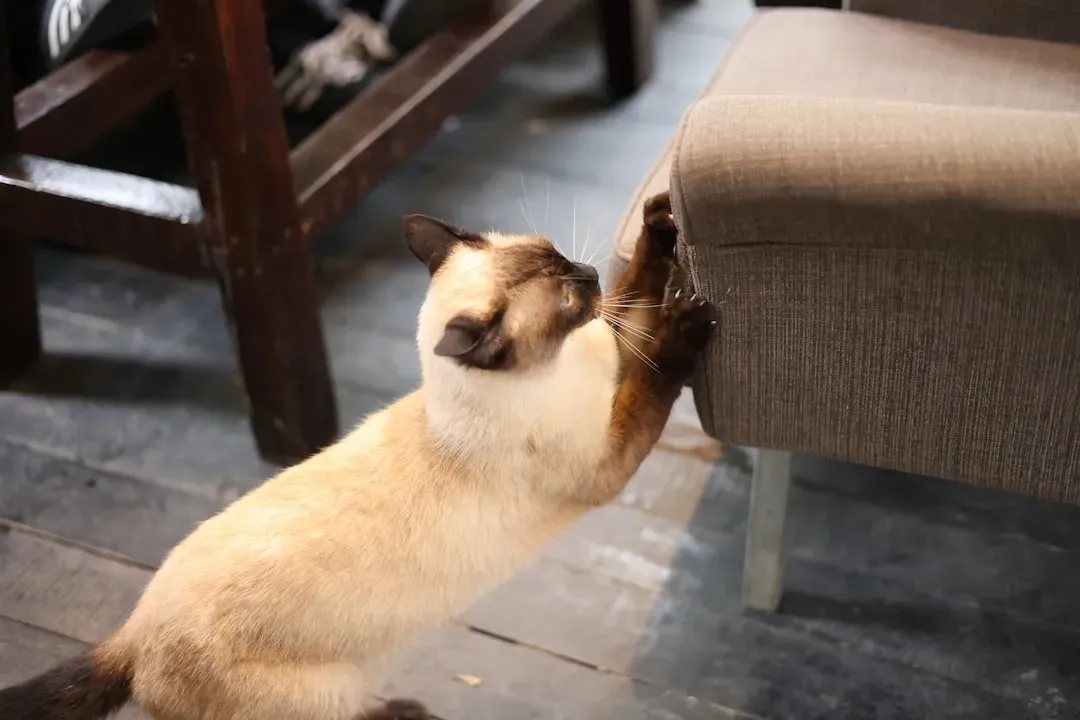
Your brand new sofa. The corner of your favorite armchair. The very expensive curtains you just hung last week. If you share your home with a cat, you’ve probably watched helplessly as they turned your furniture into abstract art. It feels deliberate. It feels personal. Let’s be real – it feels like a personal attack. It isn’t.
Cats engage in scratching behavior for several reasons. Scratching helps them maintain the health of their claws by removing the outer sheath and keeping them sharp. Additionally, scratching allows cats to stretch their muscles and maintain their flexibility. It also serves as a way for them to mark their territory, as they leave both visual and scent marks through the glands in their paws. To prevent your cat from scratching furniture or other undesirable surfaces, it’s important to provide them with appropriate scratching posts or boards. These should be sturdy, tall enough for the cat to fully stretch, and covered in a material that mimics the texture of tree bark or sisal rope. Once you understand that scratching is a biological need and not a behavioral complaint, you can redirect it far more effectively.
6. The Zoomies: Midnight Madness Has a Logical Explanation
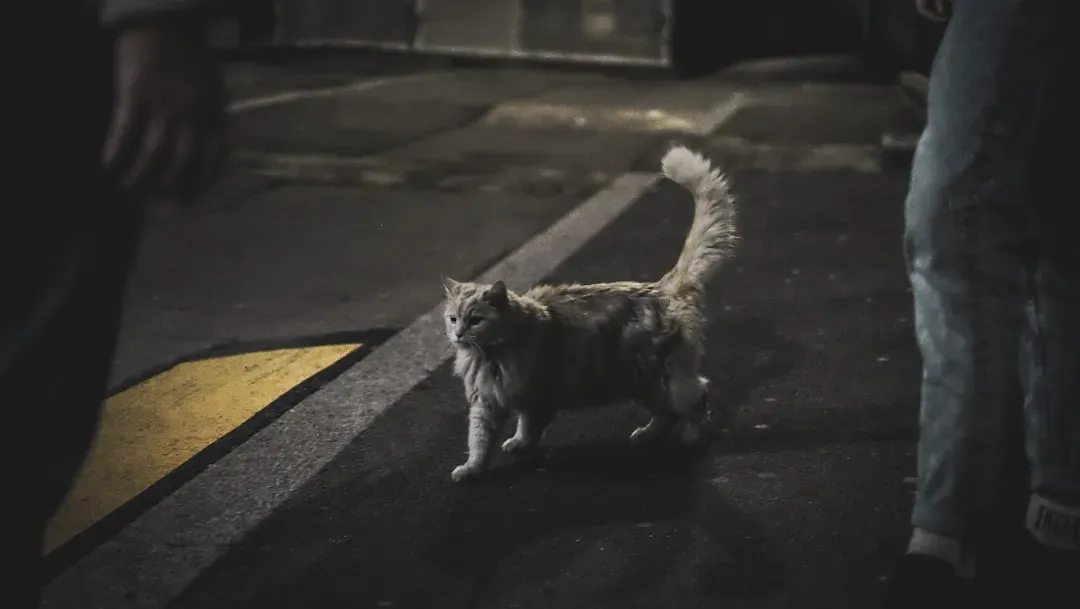
It’s 2 AM. You’ve finally drifted off to sleep. Then suddenly, a furry missile launches off your chest and begins sprinting laps around the house like something has set its tail on fire. Welcome to the zoomies – one of the most entertaining and startling cat behaviors there is. The infamous “zoomies” refer to sudden bursts of energy when cats sprint around the house, often accompanied by playful antics. This behavior is completely normal and is a way for cats to release pent-up energy.
Zoomies mimic hunting behavior. Your cat is pretending to chase a mouse, rabbit, or bird. Adult cats sleep for an average of fifteen hours a day to conserve energy for their natural hunting activities, which are more likely to occur during dawn and dusk. Cats are not strictly nocturnal but are actually crepuscular, which means they are most active during dawn and dusk when their prey is typically more active. So those 3 AM sprints aren’t random chaos – they’re your cat’s ancient hunting clock going off right on schedule. Providing more playtime during the evening can genuinely help dial this back.
7. Bringing You “Gifts”: The Most Misunderstood Act of Love
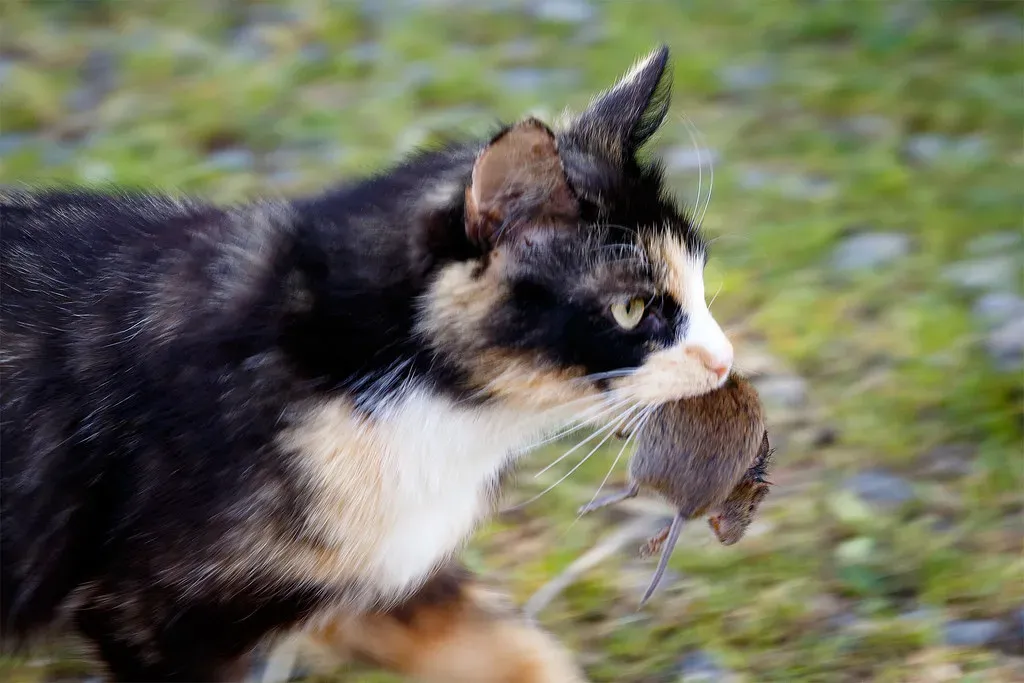
There are few things more alarming than waking up to find a dead mouse placed carefully on your pillow. Or a limp bird on the doorstep. Or, if you’re lucky, just a toy dragged across the floor to your feet. It’s enough to make anyone question their cat’s loyalty. I know it sounds crazy, but this might actually be the most loving thing your cat does for you.
Mother cats will bring their kittens dead or severely maimed prey as a way of getting them used to hunting when they’re a few weeks old. This allows kittens to practice on an easy target and hone their hunting skills. So, when your cat brings you dead animals, it might be because they think you’re a terrible hunter and want to help you practice. While that might sound a bit insulting on the surface, it’s one of many ways cats show you their love. Hunting behavior is not simply driven by hunger; it’s a strong natural urge for cats. The key takeaway? Never punish your cat for this. It’s instinct, not malice.
8. Knocking Things Off Tables: Chaos With a Purpose
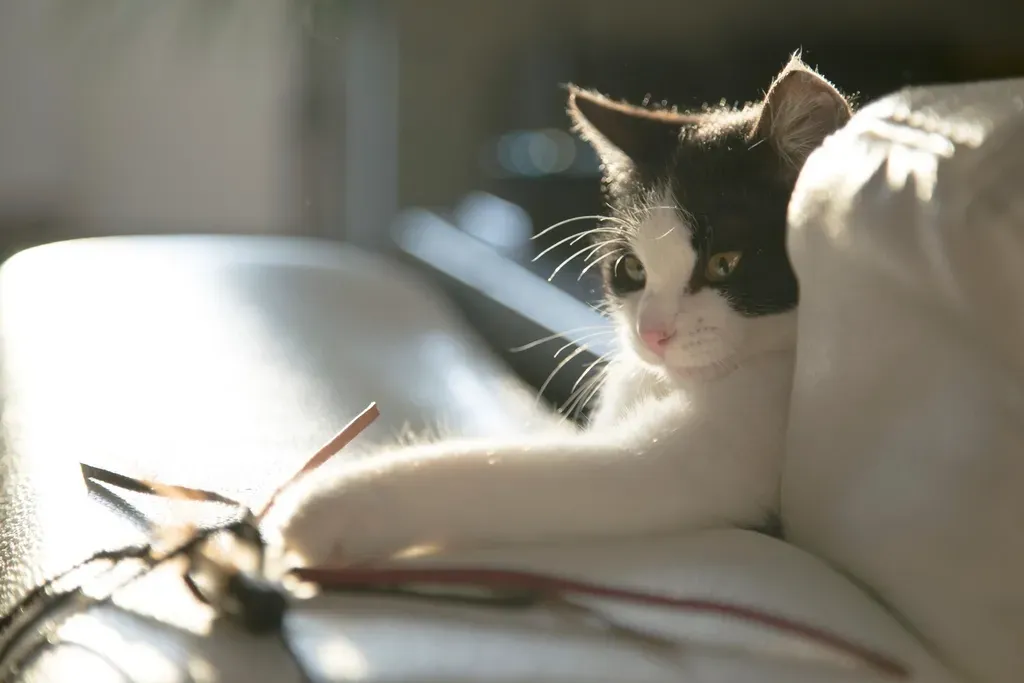
There’s a specific kind of helplessness that sets in when you watch your cat make deliberate eye contact with you, then slowly – so slowly – push your phone off the edge of the counter. They know what they’re doing. They just don’t think it’s a problem. Cats knock things over due to instinct, boredom, or because it’s a learned behavior. Pet parents may unintentionally reinforce this behavior by responding when their cat knocks something over. Boredom is a major trigger, and environmental enrichment can help curb the behavior.
Cats are quick learners; it doesn’t take long for them to figure out that when they begin pushing a glass closer to the table’s edge, their favorite people respond and give them attention. Bored cats who have little stimulation in their environment may find ways to entertain themselves. And when kitties are left alone for hours with nothing to do and no one to interact with, your trinkets will end up on the floor. It’s also worth noting that while it may seem that cats are trying to type on the computer or enjoy pushing objects off a table or shelf, this behavior is common in many cats simply as a form of play. The fix is usually more enrichment, more play, and less unattended trinkets within reach.
9. Head Butting and Rubbing Against You: You’ve Been Claimed
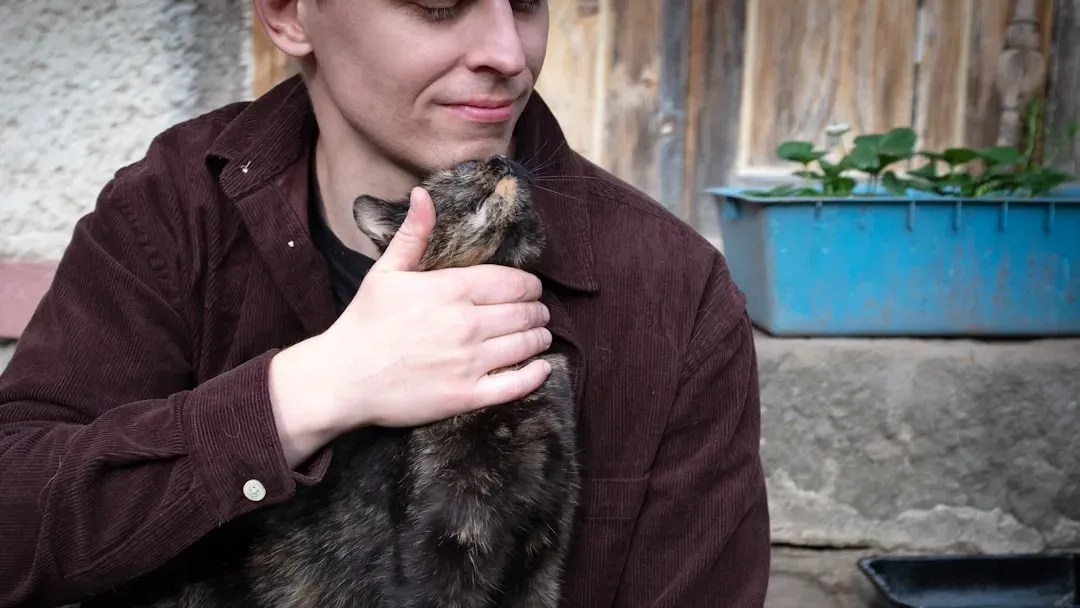
Your cat walks over, presses their head firmly against your leg, or rubs their face from cheek to ear along your shin. To most people, this reads as a sweet, affectionate greeting. You’re mostly right about that – but the full picture is even more fascinating. When your kitty rubs their head on you, they’re doing more than just showing you affection and saying hello. They are actually performing what behaviorists call “bunting.” Pheromones are actually being released from the cat’s head, and it is their way of showing ownership over you. Just as a cat would rub on furniture to leave their scent to mark their territory – they are showing pride in that you are theirs.
Head butting is an over-the-top version of face rubbing. If the cat knows you already, or is just really enthusiastic about people, they may not wait for a polite greeting. Kind of like that friend of yours who skips handshakes and goes in for a big hug when they meet a new person, some cats head straight for a snuggling relationship by headbutting and twisting their heads against you. So the next time your cat claims you as their property, take it as a compliment. You’ve passed the ultimate feline vetting process.
Understanding Your Cat Changes Everything
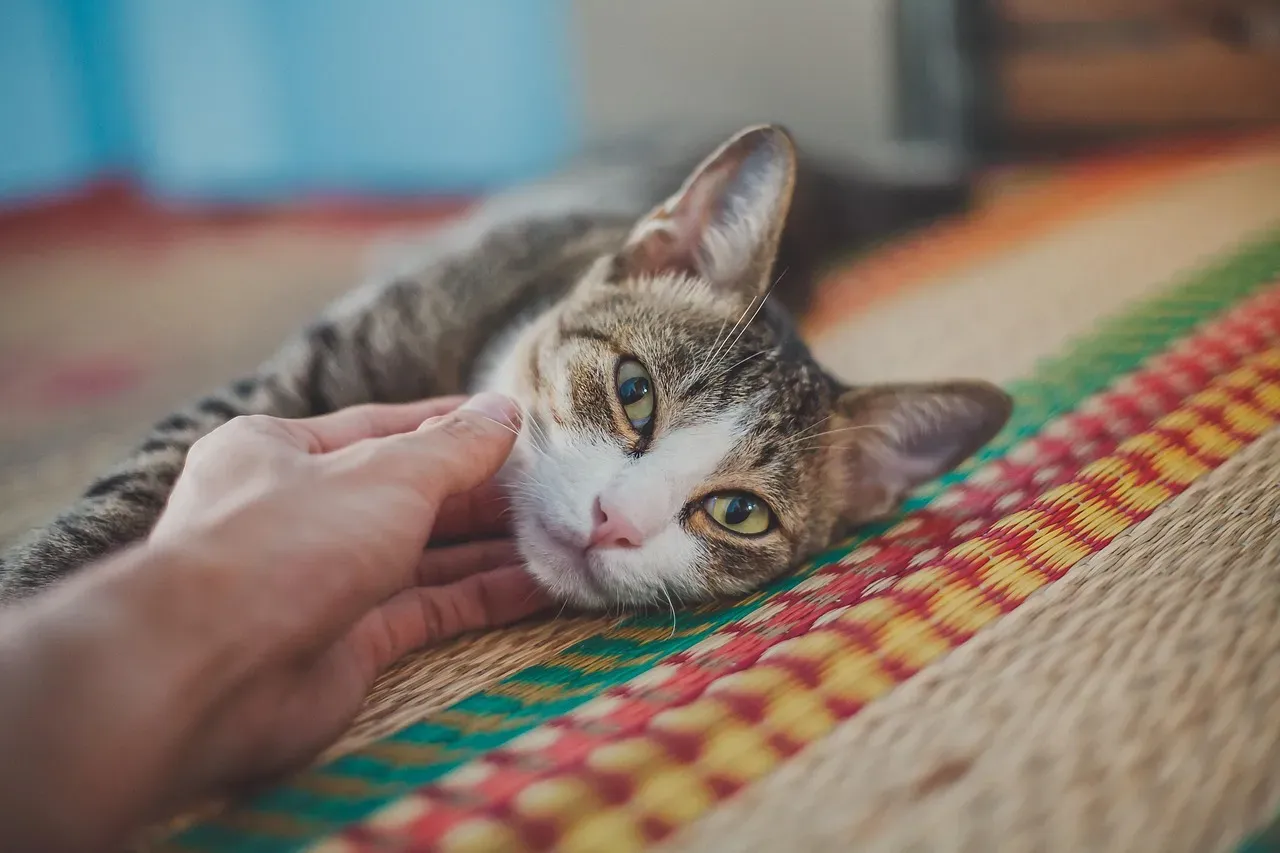
Here’s the thing about cats – they’re not distant, cold, or indifferent. They’re just speaking a language most humans were never taught. Once you start recognizing the slow blink as a love letter, the kneading as a comfort ritual, and even the dead mouse as a deeply misguided but heartfelt gift, your entire relationship with your cat shifts.
As a cat owner or lover, it’s important to understand what a kitty’s actions actually mean. Not only will this help you develop a better relationship with your cat, but it could also help you to keep them safe, healthy and happy. Every quirk, every sprint at 3 AM, every headbutt and territorial chin rub – it all means something. Your cat has been trying to talk to you all along.
The more you observe, the more fluent you become. And once you truly start understanding your cat, you’ll realize they were never the mysterious, aloof creatures they’re made out to be. They were just waiting for you to learn their language. Did you ever think a slow blink could mean “I love you”? What would you have guessed?