You’ve probably caught yourself thinking your cat is moody, calculating, or just plain strange. You watch them knock a cup off the counter with cool indifference and assume they’re doing it out of spite. Or your cat brings you something unspeakable from the backyard and you wonder what on earth you did to deserve this. Honestly, most of what cats do is wildly misunderstood, and you’re not alone in getting it wrong.
The truth is, your cat is communicating with you constantly. Every slow blink, every kneading session, every spine-tingling midnight zoom through your hallway has a real, fascinating reason behind it. Once you start seeing the language beneath the behavior, your whole relationship with your feline companion changes. Let’s dive in.
1. Purring Does NOT Always Mean Your Cat Is Happy
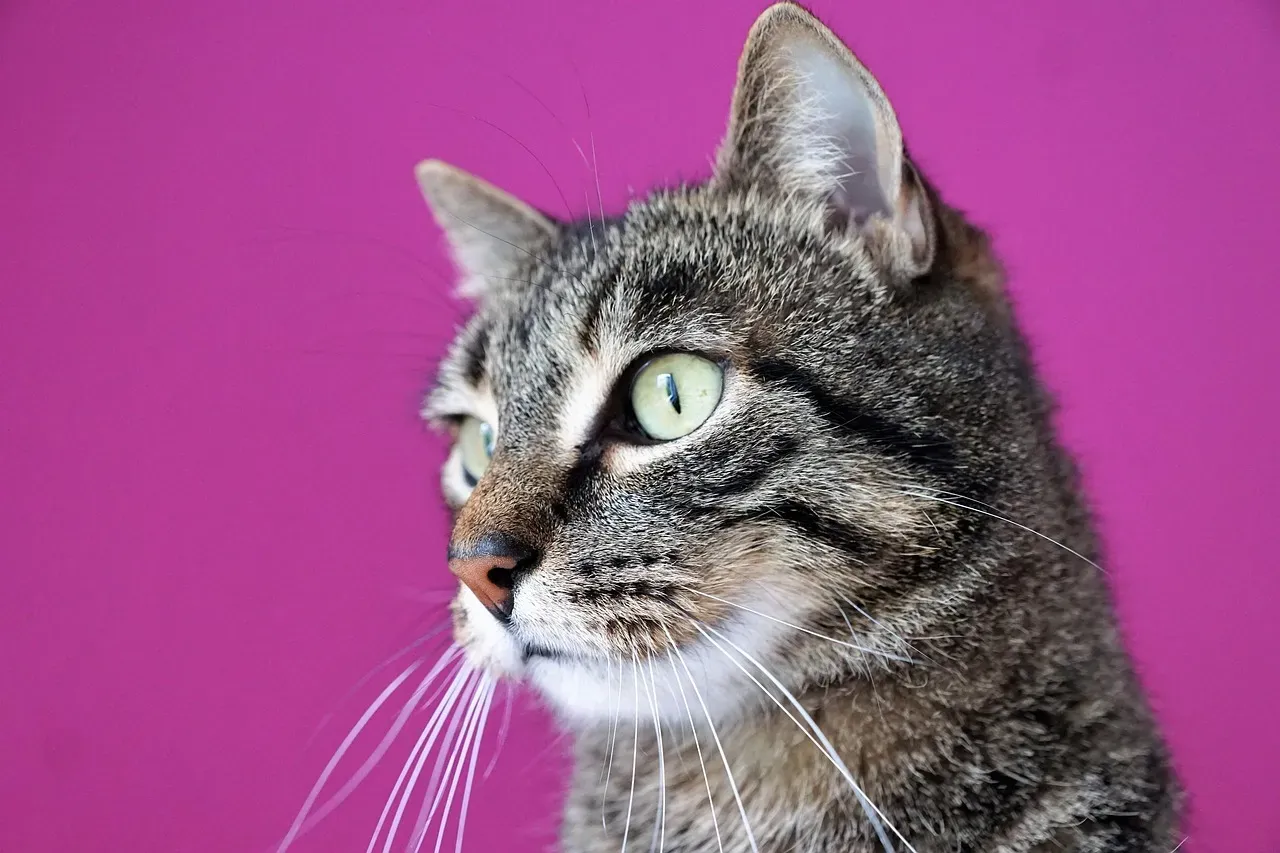
Let’s be real, this one surprises almost everyone. You’ve been hearing your cat purr and assuming all is right in their fluffy little world. One of the most common misconceptions about cats is that they purr only when they’re happy. While purring is usually a sign of contentment, cats have also been observed to purr when they are injured or dying.
Purring can also be a self-soothing behavior when a cat is stressed, injured, or sick. Think of it like humming quietly to yourself during a turbulent flight. It isn’t always a sign of joy. It’s often a coping mechanism. Purring is believed to be another function of soliciting care, attention, comfort, or help from a social companion. So if your cat is purring while also looking tense or hiding away, pay closer attention to the full picture, not just the sound.
2. Kneading You Isn’t Just Cute – It Goes Much Deeper Than That
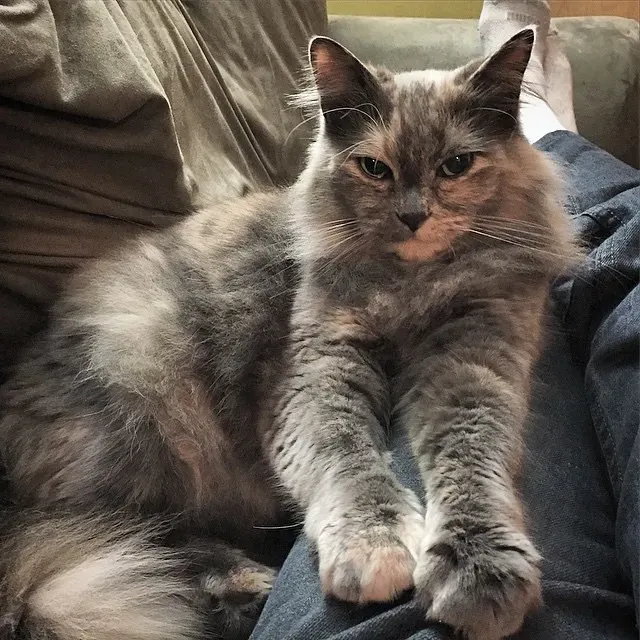
Kneading is a common behavior in cats where they rhythmically push their paws against a soft surface. It signifies contentment and relaxation, and stems from their kittenhood when they stimulated milk flow from their mother’s mammary glands. Think of it as your cat regressing to one of the most comforting memories they’ve ever had. It’s not random at all.
It can also be a sign of affection and territorial marking through scent glands in their paws. Yes, when your cat kneads your lap, they’re doing two things at once: bonding with you emotionally and essentially saying “this human is mine.” Kneading is often a sign of cat-owner bonding, trust, and emotional attachment, especially when your cat kneads on you, a blanket, or a favorite resting spot. Not bad for something that kind of feels like free acupuncture.
3. Showing You Their Belly Is a Compliment, Not an Invitation
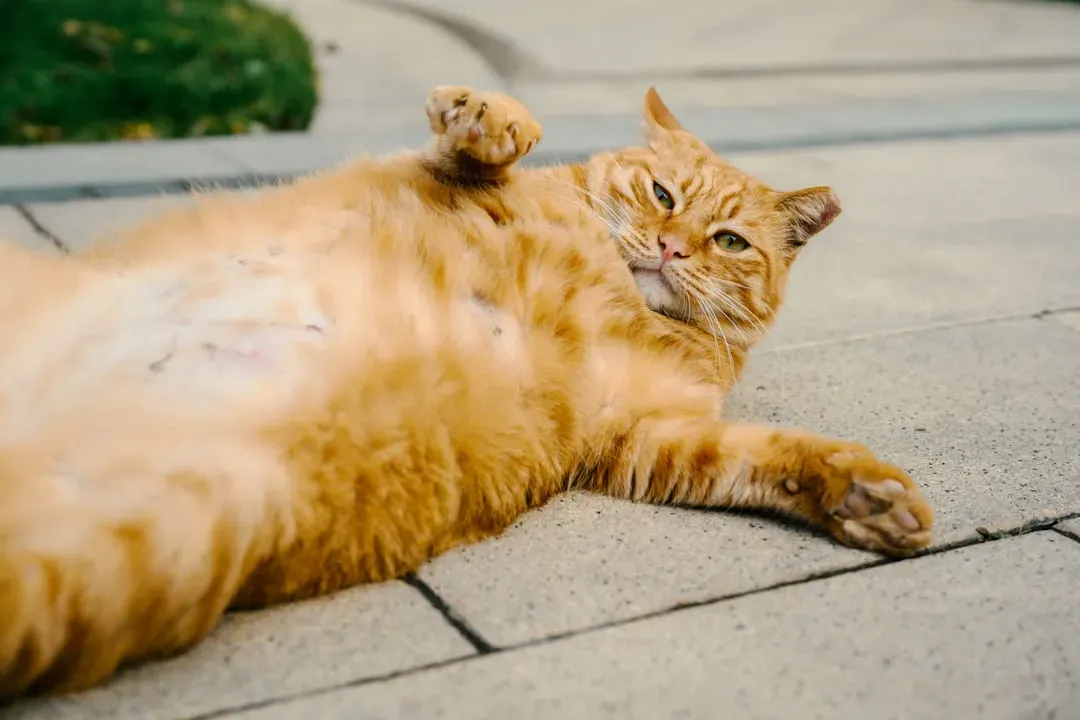
Here’s the thing: almost every cat owner has made this mistake. Your cat rolls over, belly exposed, looking adorable. You reach out for a scratch. Big mistake. Cats know their stomachs are their most vulnerable areas, which is why they guard them so fiercely. By exposing their stomach to you, they’re saying “I am comfortable with you and I trust you.”
It’s a sign of trust, not an invitation to touch. Some cats like belly rubs, but many don’t. Respecting the gesture matters more than testing your luck. It’s a bit like someone showing you their journal. They trust you enough to show it to you, but that doesn’t mean they want you to read it out loud. Take the compliment and leave the belly alone.
4. Slow Blinking at You Is a Feline “I Love You”
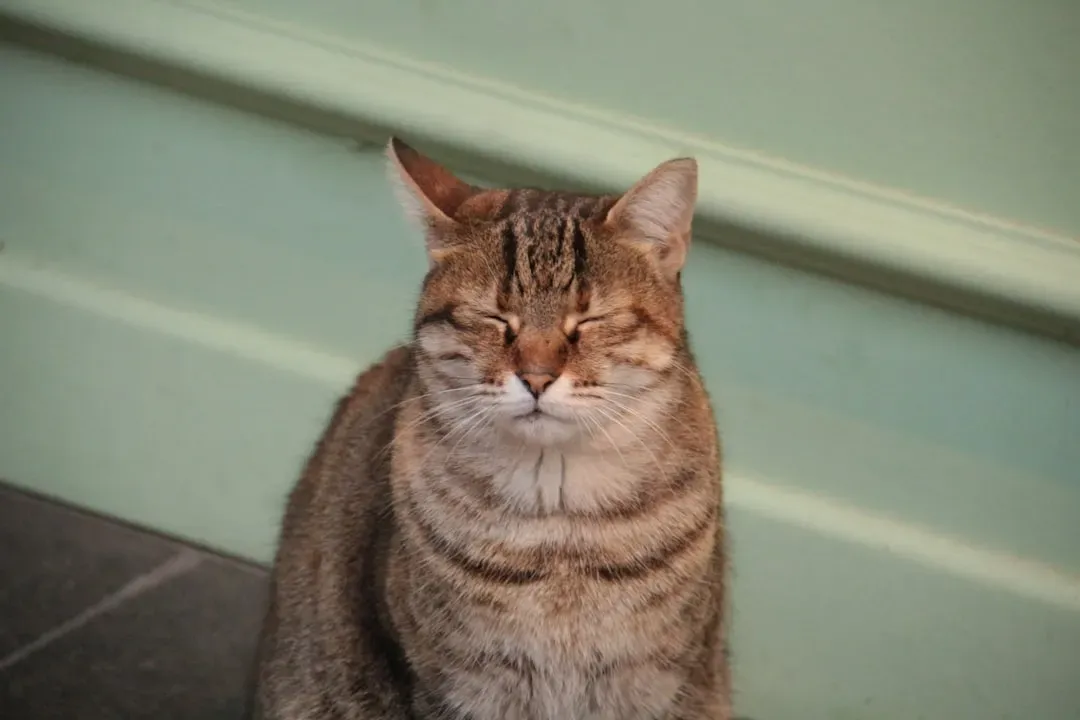
You’ve probably noticed your cat gazing at you and doing a long, lazy blink that almost looks like they’re falling asleep mid-stare. This isn’t boredom. Behaviorists call this act “kitty kisses.” These slow blinks are your cat’s way of showing affection and telling you that they like and trust you. If you blink slowly back at them, they most likely will continue to blow “kitty kisses” your way.
In a study of 18 cats, the cat behavior of several half-blinks followed by a prolonged eye narrowing or eye closure was found to be a positive emotional response. When a familiar human slow-blinks towards a cat, the cat tends to approach the human more frequently than if the human has a neutral expression that avoids eye contact. This behavior may share features with the “genuine” human smile that involves the corners of the eyes narrowing. Honestly, that’s one of the sweetest things science has ever confirmed about animals.
5. Chattering at Birds Isn’t Frustration – It’s Pure Predatory Instinct
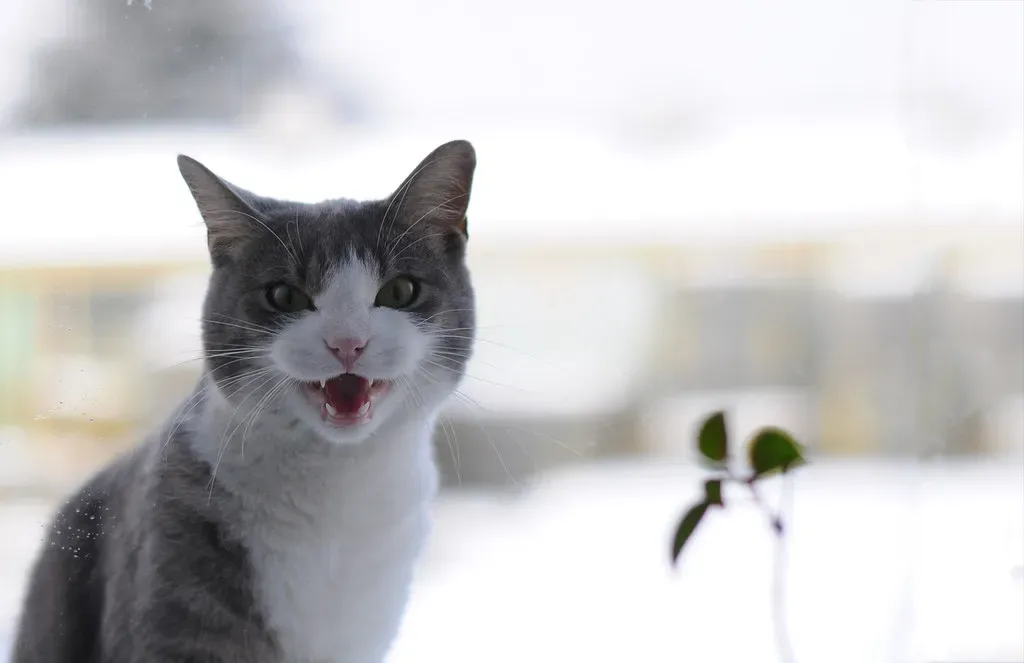
You’ve heard it. That bizarre, rapid-fire clicking sound your cat makes while watching a bird outside the window. It sounds almost mechanical. Many people assume their cat is frustrated. Although the exact reasoning behind the occasional chirps from cats when they watch prey is unclear, animal behaviorists believe the sound reflects their excitement, particularly when they see prey they cannot catch.
Others say that this strange jaw movement may be your cat’s natural instinct that allows their muscles to prepare for the act of killing prey. So it’s not a tantrum at all. It’s closer to a fighter shadow-boxing before a match. Either way, this behavior is completely normal for your feline. Your cat isn’t melting down. They’re in full-on predator mode, warming up from the safety of your living room sofa.
6. Head-Butting You Is One of the Highest Honors a Cat Can Give
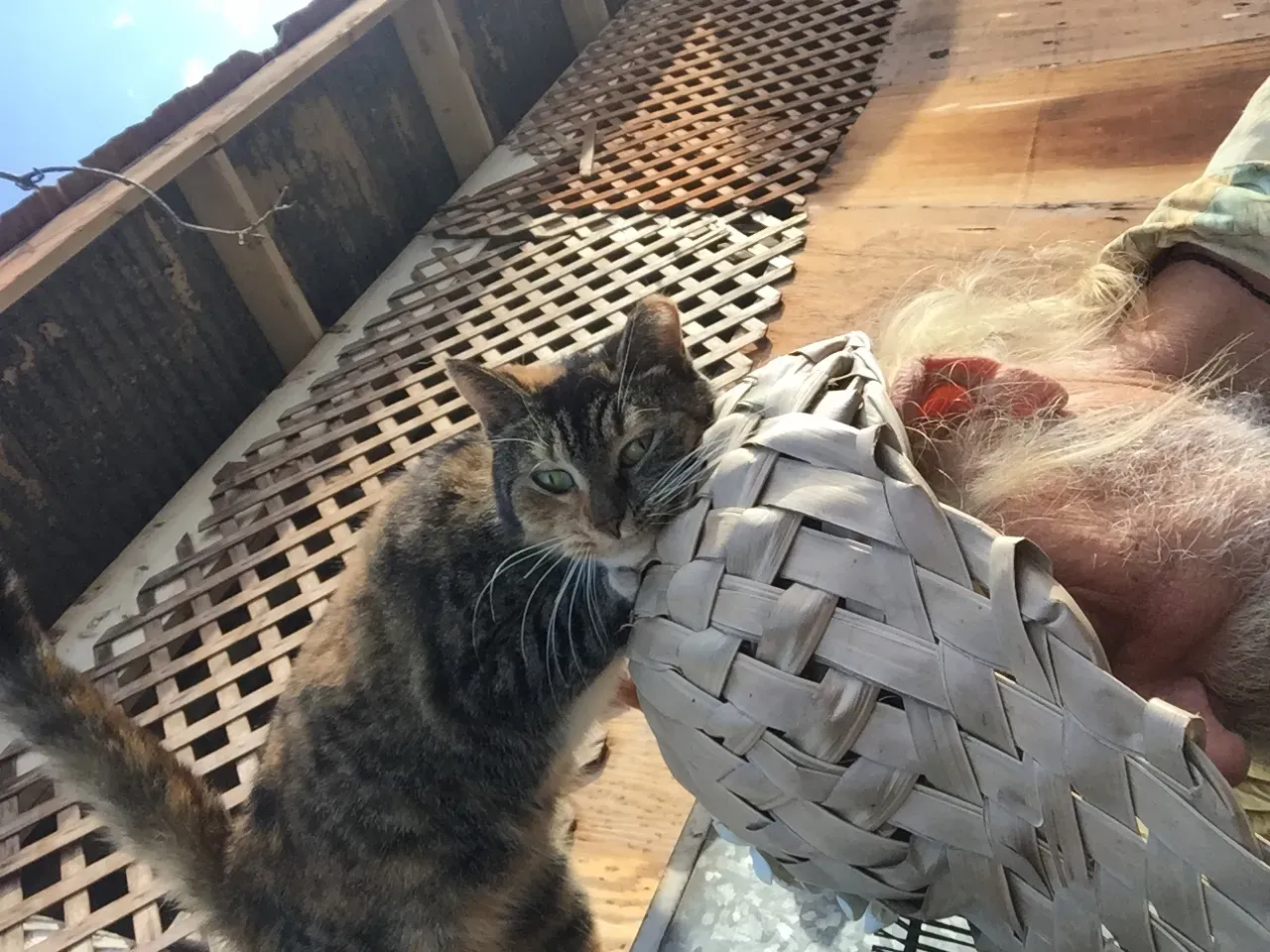
When your cat rubs their head on you, they’re doing more than just showing you affection and saying hello. They are actually doing something that behaviorists call “bunting.” Pheromones are actually being released from the cat’s head, and it is their way of showing ownership over you. Just as a cat would rub on furniture to leave their scent to mark their territory, they are showing pride in the fact that you are theirs.
A cat head butt isn’t strictly a territorial thing, though. “Cat bunting,” as it is actually called, is more complex than that. It’s a sign of respect and familiarity. I think of it as the feline equivalent of a handshake combined with a hug. Facial marking behavior is used to mark their territory as “safe.” The cat rubs its cheeks on prominent objects in the preferred territory, depositing a chemical pheromone known as a contentment pheromone. You’re not just being claimed. You’re being labeled as safe.
7. Bringing You “Gifts” Is Their Way of Taking Care of You
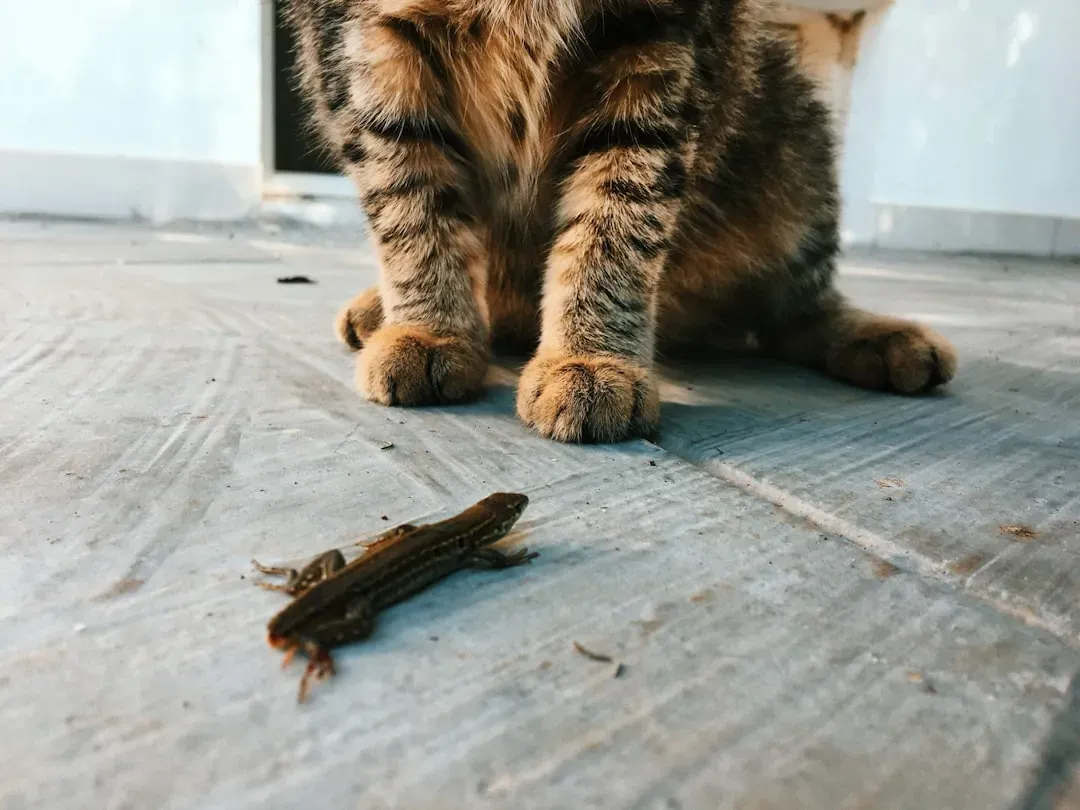
You wake up, stumble to the kitchen, and find a small deceased creature on the floor. Congratulations. Cats have an innate hunting instinct, which can sometimes manifest in them bringing their humans dead birds, rodents, or bugs. This behavior is a way for cats to show their affection and regard their human family as part of their pack. By presenting these items as gifts, cats are demonstrating their desire to contribute to the group’s wellbeing and ensure that their humans are well-fed.
It sounds disturbing, but it’s genuinely one of the most caring things your cat knows how to do. Your cat just brought you a serious prize and wants praise for their “kill.” Think of it like a small child proudly handing you a drawing they worked hard on. The motivation is love. The execution is, admittedly, a little alarming. Still, next time it happens, try to appreciate the intention behind the offering, even if you’re reaching for rubber gloves at the same time.
8. The Midnight Zoomies Are Not a Sign of Madness
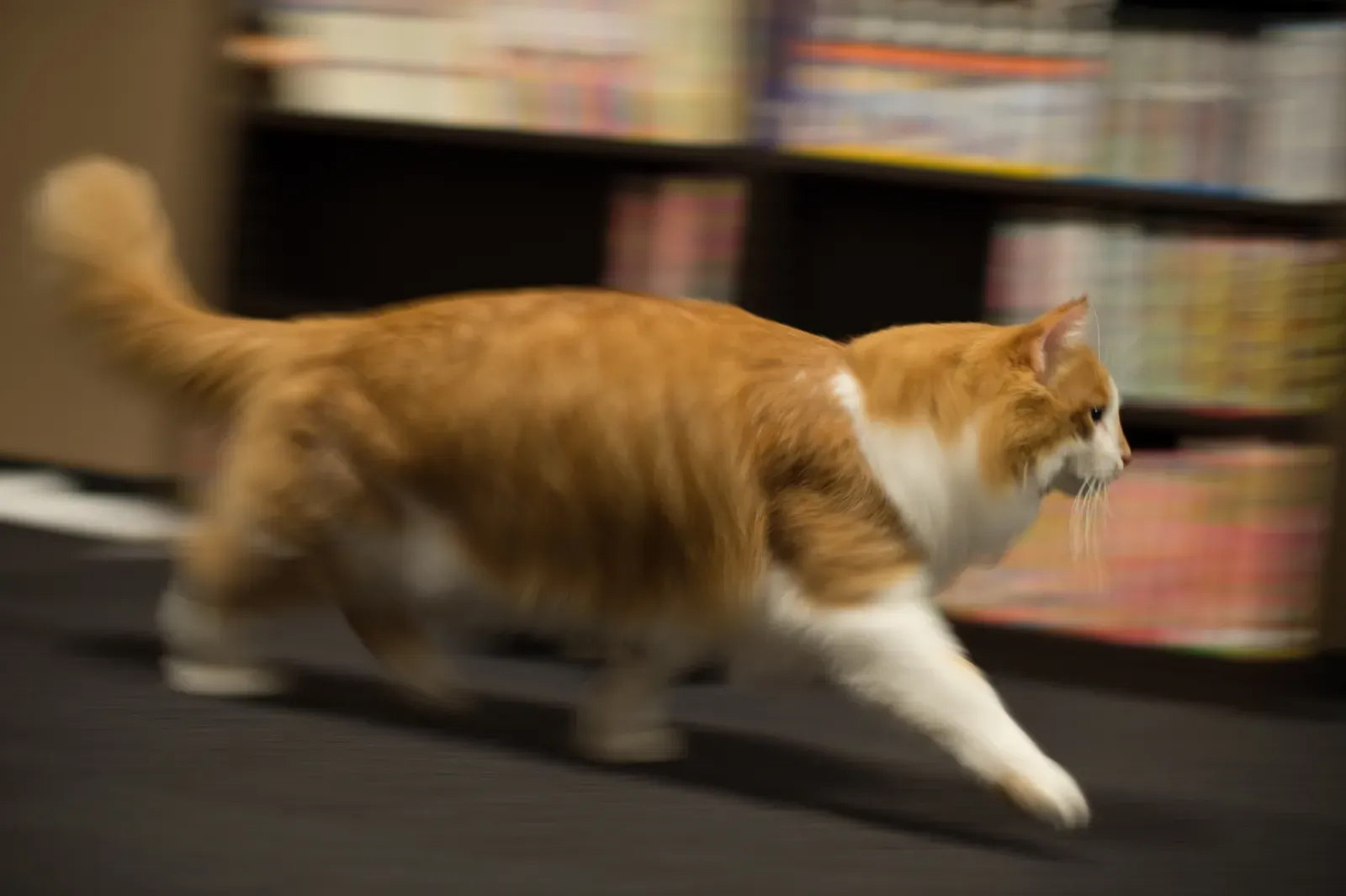
Uploaded by SunOfErat, CC BY-SA 2.0)
The infamous “zoomies” refer to sudden bursts of energy when cats sprint around the house, often accompanied by playful antics. This behavior is completely normal and is a way for cats to release pent-up energy. Picture it like a pressure valve releasing. Your cat has been lounging for roughly fourteen hours, so of course that stored energy has to go somewhere, and it usually goes everywhere at 2am.
Cats are crepuscular, which means they are most active at dawn and dusk. More than half of cats sleep between 12 and 18 hours a day, sometimes even more. So the zoomies aren’t random. They’re perfectly aligned with your cat’s biological clock, even if that clock is at total war with yours. To help channel their energy in a positive way, provide interactive playtime with toys that mimic prey, such as feather wands or laser pointers. Engaging in play sessions with your cat can help tire them out and provide mental stimulation while reducing the frequency and intensity of the zoomies.
9. Excessive Grooming Is a Warning Sign, Not Just Vanity
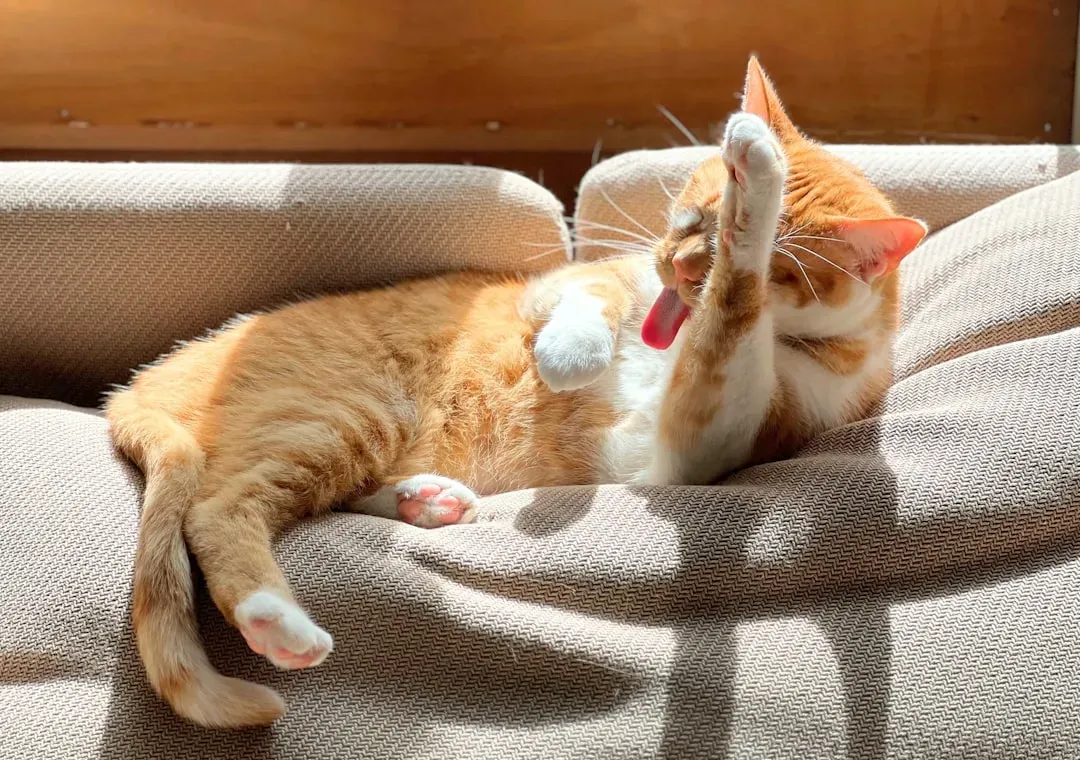
Your cat grooms themselves. A lot. You’ve probably glanced over, watched them lick the same patch of fur for fifteen straight minutes, and thought nothing of it. Oral grooming for domestic and feral cats is a common behavior, with studies showing they spend about 8% of resting time grooming themselves. Grooming is extremely important not only to clean themselves but also to ensure ectoparasite control. Normal grooming is a sign of a healthy, confident cat.
However, when it tips over into something obsessive, that’s a different story entirely. Excessive grooming may indicate stress or medical issues and can cause cats to have a buildup of hair in their gastrointestinal tract, commonly referred to as a hairball. Some concerning cat behaviors include excessive grooming, hiding more than usual, not eating, and changing their litterbox habits. If your cat does any of these, it’s worth making an appointment with the vet. Your cat isn’t just being extra clean. They might be telling you something important, and it’s worth listening.
The Real Language Your Cat Has Been Speaking All Along
Here’s the bigger picture: your cat is communicating with you constantly, in a language that most people spend years missing entirely. Cats are among the most popular pets worldwide, but there are still major gaps in the public’s general understanding of their social behaviors and related needs. In addition to these knowledge gaps, people often have negative or ambivalent attitudes about cats, which can directly impact their welfare outcomes. Insufficient attention to the behavioral ecology of cat sociality can lead them to experience distress that undermines both their welfare and the human-animal bond.
The more fluent you become in your cat’s behavior, the richer your relationship with them becomes. Understanding cat behavior can be extremely beneficial for cat owners. People who know more about their cats and understand cat behavior better tend to have better bonds with their cats. This enables us to really appreciate them more for who they are. Every little quirk, every odd ritual, every dramatic flop onto the floor is a message. You just need to learn how to read it.
So the next time your cat slow-blinks at you from across the room, blink back. They just told you something you’ve probably been waiting to hear. What’s the behavior your own cat does that you’ve been misreading all this time?