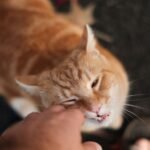
Ever wonder why your cat does those weird things? You know, the pouncing, the hiding, the relentless scratching of your favorite couch. Here’s the thing: Your feline friend isn’t being quirky just for the sake of it. Those seemingly random behaviors are actually deeply rooted in ancient survival strategies that helped their wild ancestors thrive for thousands of years. From the African wildcat to the tabby lounging on your couch, cats have retained a remarkable connection to their primal past.
Let’s be real, understanding these instincts can completely change how you view your pet. It’s not mischief or stubbornness, it’s biology. These habits were essential for survival in the wild, and even though your cat has never had to hunt for dinner a day in its life, those instincts remain hardwired into its brain. So let’s dive in and discover what your cat is really trying to tell you through these fascinating behaviors.
The Kneading Behavior: Making Biscuits With a Purpose
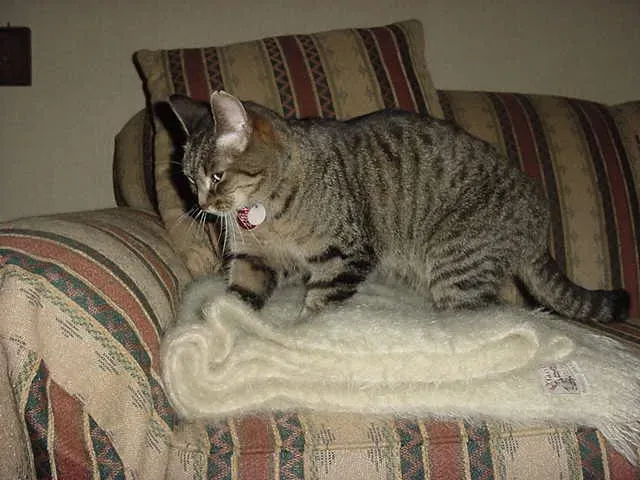
You’ve probably watched your cat rhythmically push its paws in and out on your lap, and it’s often referred to as making biscuits. This behavior mirrors the movements kittens make when nursing on their mother. Kittens use a kneading action to stimulate milk production from their mother cat when nursing. The connection between kneading and that early feeding experience creates such powerful positive associations that many cats carry the habit into adulthood.
The behavior may have an origin going back to cats’ wild ancestors who had to tread down grass or foliage to make a temporary nest in which to rest. Alternatively, the behavior may be a remnant of a newborn’s kneading of the mother’s teat to stimulate milk secretion. Cats have scent glands tucked between their toes that are stimulated by kneading movements. When your cat kneads you, it’s marking you with its scent, essentially claiming you as part of its territory. It’s both a comfort mechanism and a clever territorial strategy all rolled into one adorable package.
Hiding in Small Spaces: The Ultimate Security System
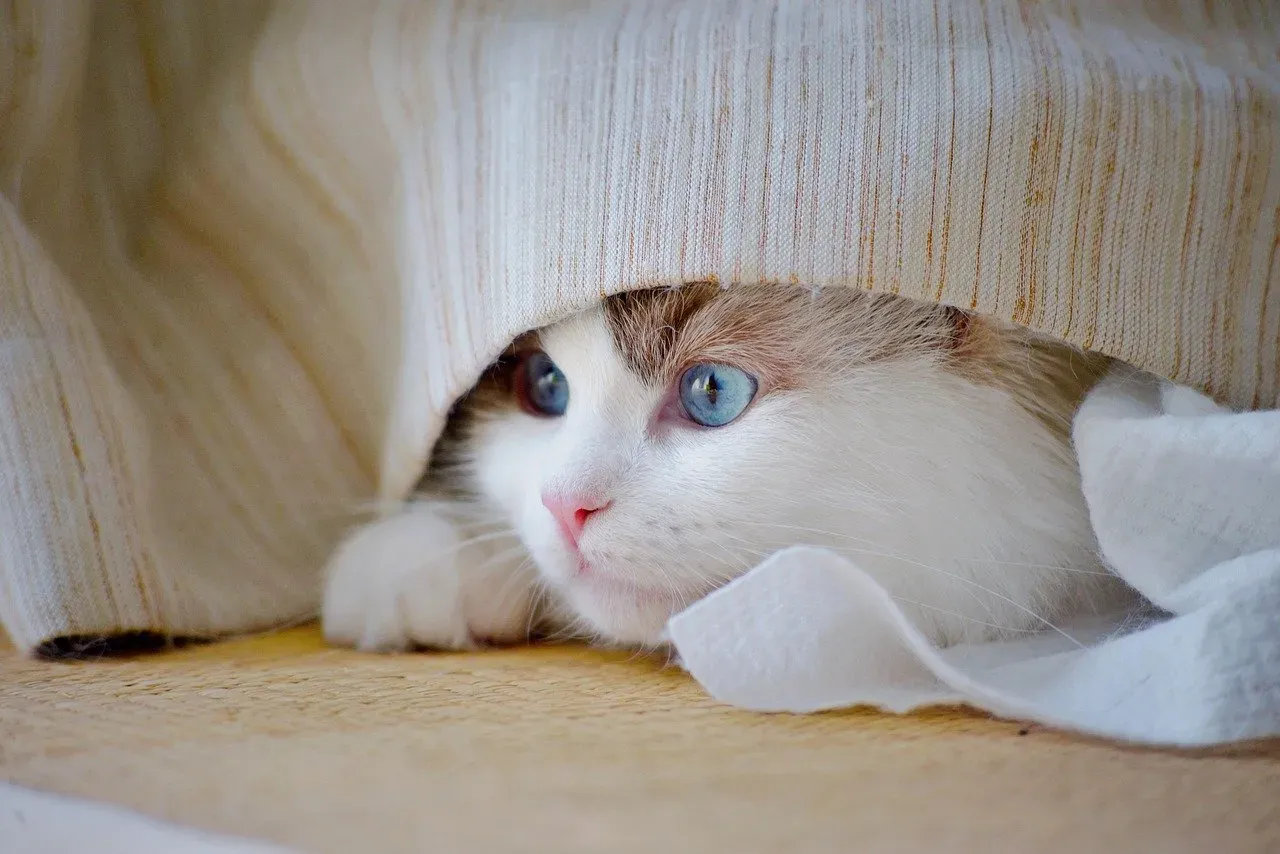
Cats in the wild like to seek shelter where they feel safe and protected from predators. When a cat can squeeze into a small space, it knows that all sides are covered, and it can remain hidden. That explains why your expensive cat bed sits empty while your furry companion prefers a cardboard box or the space under your bed. Small, enclosed areas offer protection from multiple angles, which was crucial for survival when wild cats needed to rest without being vulnerable to attack.
Cats may also hide to avoid their own predators. Cats are often hunted by wolves, foxes, large birds of prey (think hawks or owls), and even other cats. Hiding from those predators is an important survival instinct in and of itself. Even though your house cat faces no real threats, the instinct to find secure resting spots where they can monitor their surroundings remains incredibly strong. It’s not antisocial behavior; it’s ancient wisdom at work.
Covering Their Waste: Masking the Evidence
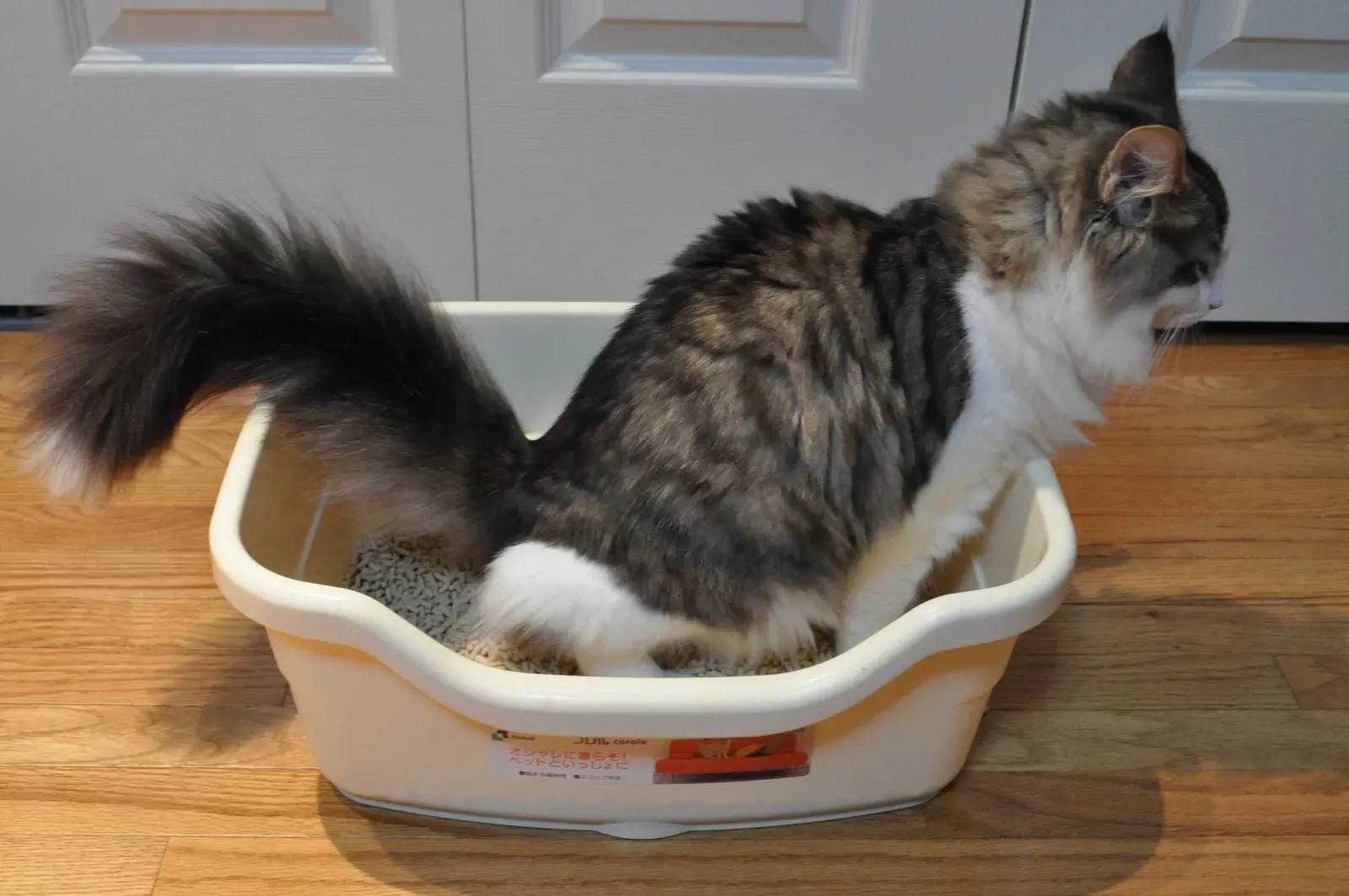
In the wild, a cat will instinctively cover their droppings to avoid possible detection from predators. This is why cats naturally take to litter boxes so easily without much training. While wild cats don’t have the luxury of sandy litter boxes, they instinctively bury their waste in sand, dust, or loose soil to hide their scent from both predators and prey.
This is a skill passed on through generations of wild cats over centuries of survival. At home, your cat doesn’t have many predators but still mimics this same pattern of behavior that has been imprinted onto them through generators with savvy survival skills. This habit was so critical to survival in the wild that it became deeply ingrained in feline DNA. Think about it: A cat that left evidence of its presence was more likely to be discovered and attacked, so the ones who covered their tracks lived longer and passed on those genes.
The Midnight Zoomies: Hunting on the Clock
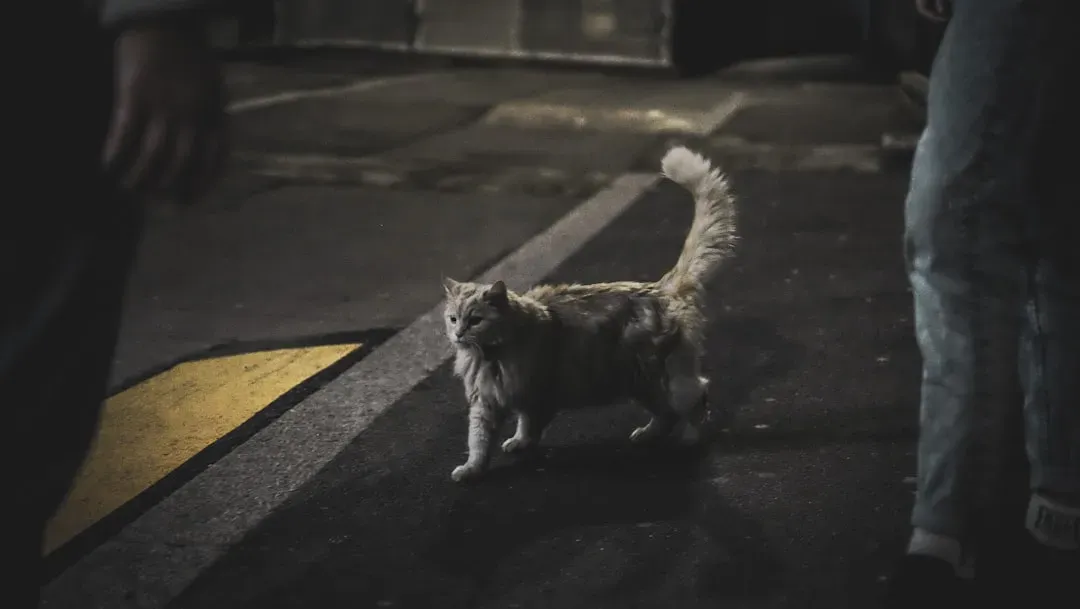
In the wild, cats will have to conserve energy and hunt at any opportunity, even if they are not hungry. Cats in the wild have the best chance to hunt after a nap when they are well-rested. Even though your cat at home doesn’t have to hunt for its dinner, it still has this behavior imprinted into its daily routine. Those random bursts of energy, often happening at dawn or dusk, are actually your cat’s crepuscular nature kicking in.
Cats are naturally most active during twilight hours when their prey would be most vulnerable in the wild. Cats are crepuscular, meaning they’re most active at dawn and dusk. The midnight madness is just mistimed instincts. Your cat isn’t trying to annoy you by racing through the house at three in the morning. It’s simply responding to biological programming that tells it this is prime hunting time. Those sudden sprints, sharp turns, and playful pounces are all practice for the hunt, even if the only prey is a rogue sock.
Playing With Their Prey: Not Cruelty, But Strategy
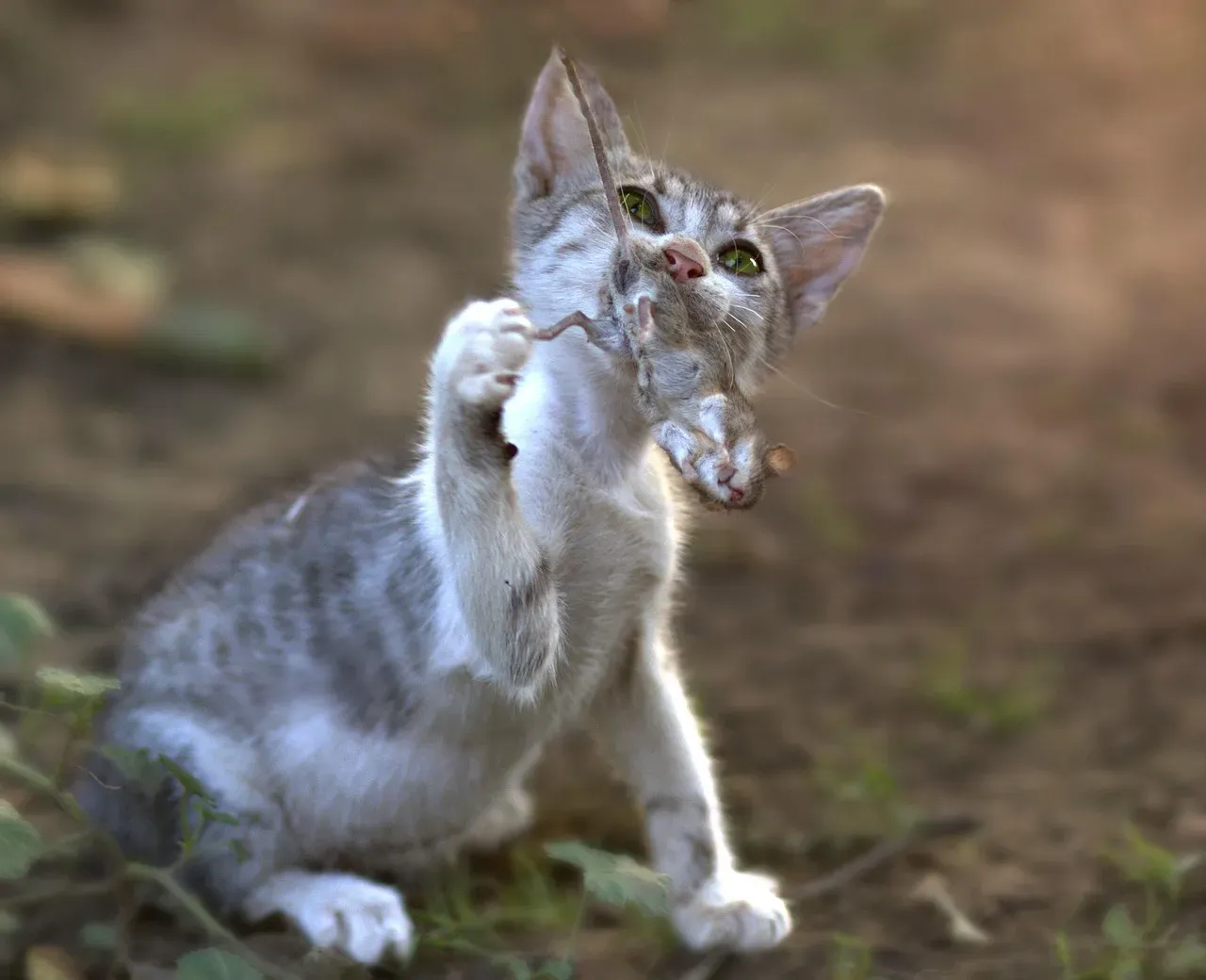
Cats who rely on hunting to survive have learned that playing with prey and disorienting it before killing it reduces the chance of injury. When cats bat around toys or even bring you presents they’ve caught, they’re demonstrating an ancient hunting technique. This behavior isn’t sadistic; it’s tactical.
A cat’s motivation to hunt is only partially caused by hunger. Because cats hunt alone, their survival instincts drive them to hunt long before they are hungry, to ensure that they are never caught short and starve. Wild cats needed to be opportunistic hunters, catching prey whenever it was available rather than waiting until they were hungry. The playing behavior exhausts the prey and reduces the risk of a dangerous bite or scratch during the kill. Even well-fed domestic cats retain this instinct, which is why they’ll enthusiastically stalk and pounce on toy mice with the same intensity their ancestors used on real rodents.
Scratching Everything: Marking Territory and Maintaining Weapons
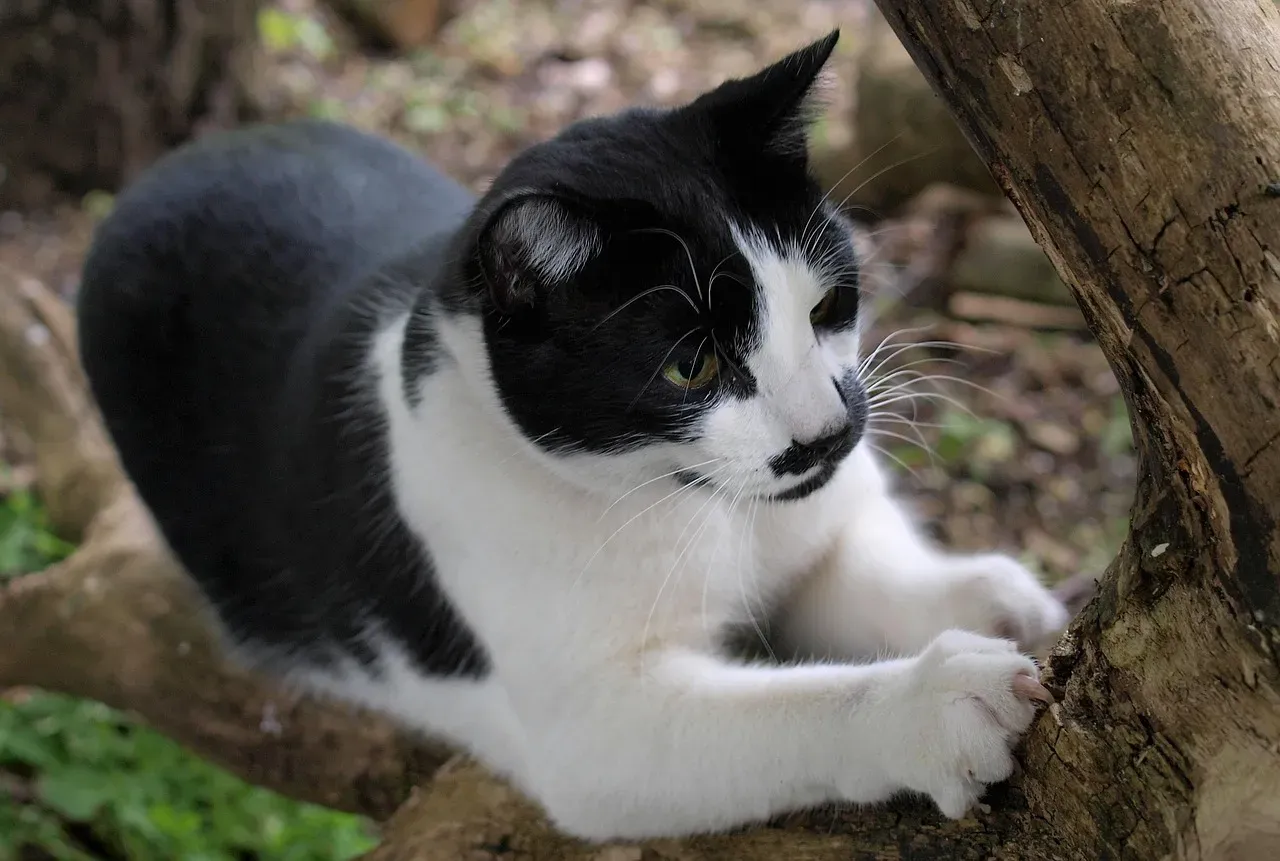
Scratching helps cats maintain the health of their claws by removing the outer sheath and keeping them sharp. Additionally, scratching allows cats to stretch their muscles and maintain their flexibility. It also serves as a way for them to mark their territory, as they leave both visual and scent marks through the glands in their paws. That’s right, when your cat destroys your furniture, it’s not being spiteful. It’s performing essential maintenance on its hunting tools.
In the past and the wild, many cats would scratch at trees to mark their territory. Both male and female cats will put their markings on the trees to tell other cats in the area more about themselves. The wider and taller the scratches, the more intimidating the message to rival cats. Your domestic cat is doing the same thing, communicating its presence and claiming ownership of its space. It’s honestly fascinating when you think about it: Every scratch post session is your cat saying, “This is mine, and I’m big and strong enough to defend it.”
Head Rubbing and Body Bumping: Scent Claiming
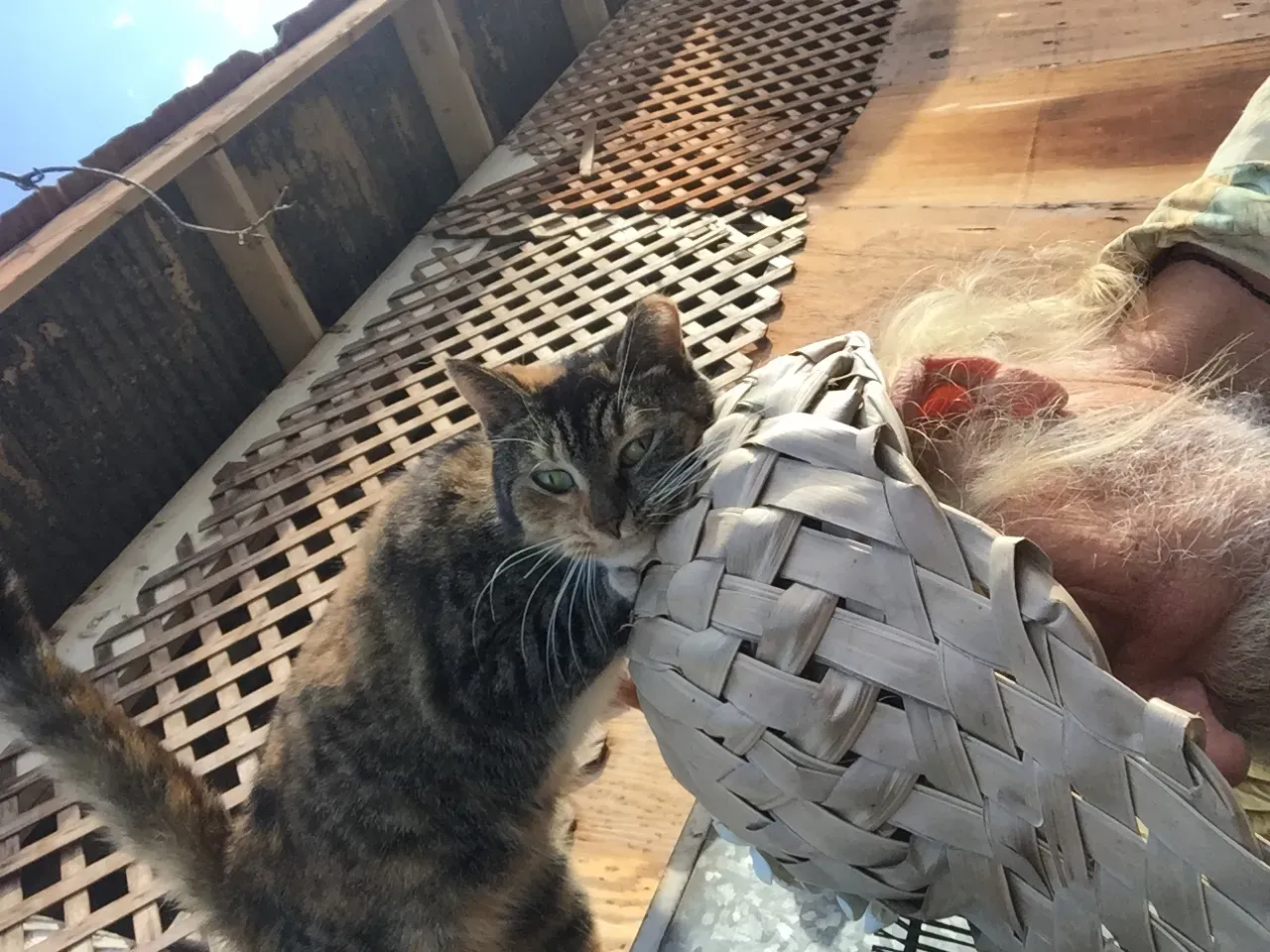
Many pet cats will rub on their owners to give a proper greeting. They may bump their head or push their cheeks into your hand. While this behavior is certainly enough to melt your heart, there is some ancestral drive to this action. Cats can rub their scent onto those they love, and in the wild, will regularly rub against each other to claim their family and partners. Rubbing actions between cats transfer some smell from their glands to one another, allowing them to stake their property correctly.
This adorable gesture is actually one of the most important territorial behaviors cats possess. Marking with urine, rubbing their face or body on objects, and sniffing new environments all stem from their ancestors’ need to map out and defend their territory in the wild. Cats have scent glands on their cheeks, paws, and tail base. When your cat rubs against you, it’s not just showing affection. It’s claiming you as part of its family group and marking you with its signature scent. In the wild, this behavior helped cats recognize members of their social group and warn off potential intruders.
Seeking Quiet Eating Spots: Vulnerability Management
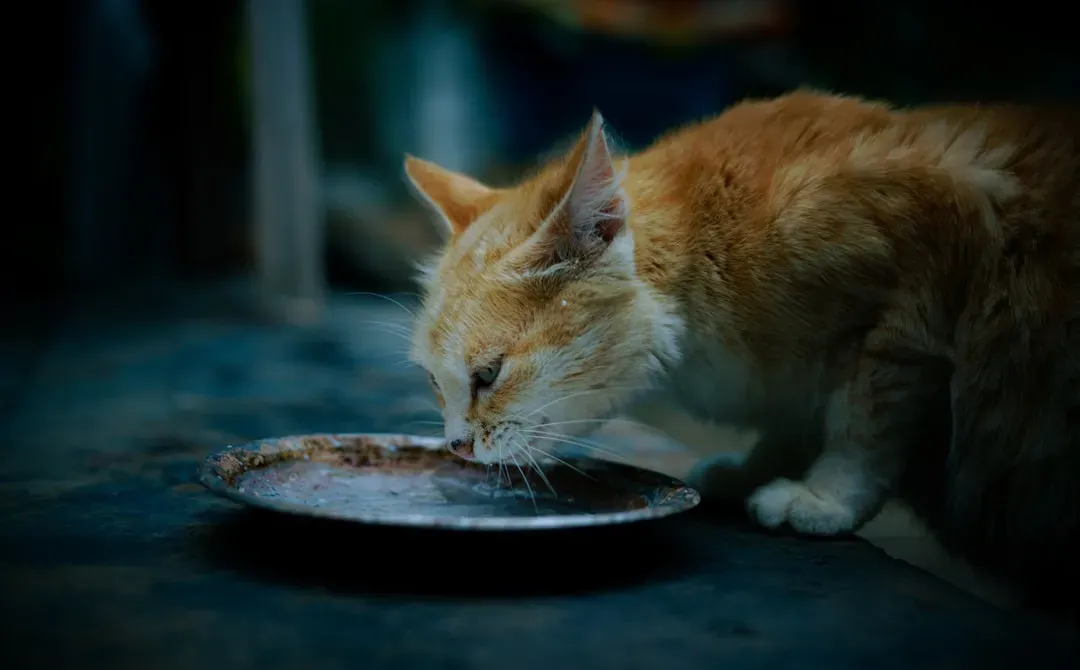
Your cat’s refusal to eat in busy areas isn’t attitude, it’s survival instinct. Wild cats are both predators and prey, making mealtime a vulnerable moment when their guard is down. This is why many cats prefer to eat in quiet, secluded areas where they can maintain awareness of their surroundings. When cats are focused on eating, they can’t easily defend themselves or escape from threats.
Seeking quiet, protected spaces to eat reduces exposure to larger threats. Notice how they often position themselves facing outward while eating? This maintains vigilance even during meals. Their preference for fresh food also stems from avoiding potentially spoiled prey that could cause illness in the wild. If your cat seems picky about where it eats, it’s not being difficult. It’s following programming designed to keep it safe during one of the most vulnerable activities of its day.
Excessive Grooming: Removing the Evidence

Those hours your cat spends licking themselves serve multiple survival functions beyond cleanliness. Grooming removes scent trails that could attract predators or alert prey to their presence, essential for hunting success. Wild cats needed to be virtually undetectable to successfully ambush prey, and any lingering scent could mean the difference between a successful hunt and going hungry.
The rough tongue also distributes natural oils that waterproof fur and regulate body temperature. Additionally, grooming removes parasites that could cause disease. Your cat’s meticulous grooming routine is actually a multi-purpose survival strategy. It keeps them clean, regulates their body temperature, maintains their coat’s waterproofing, and eliminates scent markers that could give away their position. What looks like vanity is actually a sophisticated maintenance program refined over thousands of years.
Conclusion: Respecting the Wild Within
Understanding these survival instincts completely changes how we see our cats. They’re not quirky little weirdos; they’re sophisticated predators carrying ancient wisdom in their DNA. Every strange behavior, from hiding in boxes to scratching furniture, serves a purpose rooted in survival strategies that kept their wild ancestors alive.
The next time your cat does something that seems odd or frustrating, pause for a moment. Remember that you’re watching thousands of years of evolution in action. These habits helped wild cats thrive in harsh environments, avoid predators, and successfully hunt prey. Your pampered house cat may never face those challenges, but the instincts remain as strong as ever.
By respecting and understanding these behaviors, you can create a better environment for your feline companion. Provide scratching posts, safe hiding spots, interactive toys, and quiet eating areas. You’re not just indulging your pet; you’re honoring its wild heritage. What do you think about it? Does seeing your cat’s behavior through this lens change how you feel about those midnight zoomies or that shredded couch? Tell us in the comments.