You’ve probably heard them all before. Your grandmother swears by them. Your neighbor repeats them with absolute confidence. These age-old beliefs about cats have been passed down through generations, accepted as gospel truth without question. Here’s the thing though – most of what you think you know about your feline companion might actually be wrong.
Some of these myths are harmless quirks of cultural storytelling. Others? They can genuinely affect how you care for your cat, impacting their health and happiness in ways you never imagined. Let’s be real, cats are mysterious creatures, which is probably why so much misinformation swirls around them. So let’s dive in and separate the fiction from the fascinating facts.
Myth 1: Cats Always Land on Their Feet

You’ve seen it in cartoons and heard it your whole life, but here’s the truth: cats don’t always land on their feet, and when they do, it’s not always without injury. Sure, cats have an innate righting reflex that begins at three to four weeks of age and is perfected by six to nine weeks, but that doesn’t make them invincible.
The reality gets more complicated when you consider the height. When dropped from a height of just one foot, cats don’t have enough time to rotate into position. Overweight, uncoordinated or arthritic cats may not be able to move quickly enough to right themselves, and they may land on their side, back or head, sustaining serious injuries. Even when they manage that graceful flip, injuries to the chin, nose, jaw, lungs, legs, teeth, and pelvis are common in cats who have fallen from a height. So much for invincibility, right?
Myth 2: Cats Love Drinking Milk

That iconic image of a contented cat lapping up a saucer of milk? It’s dangerously misleading. After weaning, around six to twelve weeks of age, kittens stop producing the enzyme lactase, required to digest lactose in milk. This means the majority of cats are lactose intolerant, turning that sweet treat into a recipe for digestive disaster.
Your cat might absolutely adore the taste of milk because it is high in fat, but that doesn’t mean it’s good for them. The excessive water drawn into the intestines can result in diarrhea, and bacteria in the colon consuming the influx of sugars results in gas. In some cases, chronic diarrhea can even be life threatening. Honestly, stick to fresh water for your furry friend.
Myth 3: Cats Are Nocturnal Creatures

If your cat is racing around your bedroom at three in the morning, you might assume they’re nocturnal. Actually, that’s not quite accurate. Cats are actually crepuscular, meaning they are most active at the beginning and end of the day. They sleep both at night and during the day.
This behavior pattern goes back to their hunting instincts. Birds and mice are very active at dawn, and cats evolved to take advantage of this by developing the ability to see in low-light conditions and get the bulk of their hunting done while it’s mostly, but not entirely, dark. So when your cat wakes you up before sunrise, they’re just following millions of years of evolutionary programming. Maybe not comforting when you’re trying to sleep, but at least now you understand why.
Myth 4: Purring Always Means Happiness

You scratch your cat behind the ears, they start purring, and you assume everything’s perfect in their world. Not so fast. Purring can express contentment but can also mean a number of other things. It’s way more complicated than just being happy.
In some cases cats purr when they’re stressed as a way of self-soothing, and cats also purr when they’re in pain. The frequencies that cats purr may be healing and help the cat feel less pain. You can’t assume that a purring cat is a happy cat – you’ll have to pay attention to the other ways cats communicate, like body language, to understand what’s going on. Think of purring as just one word in a much larger vocabulary.
Myth 5: Cats Are Aloof and Don’t Bond With Their Owners
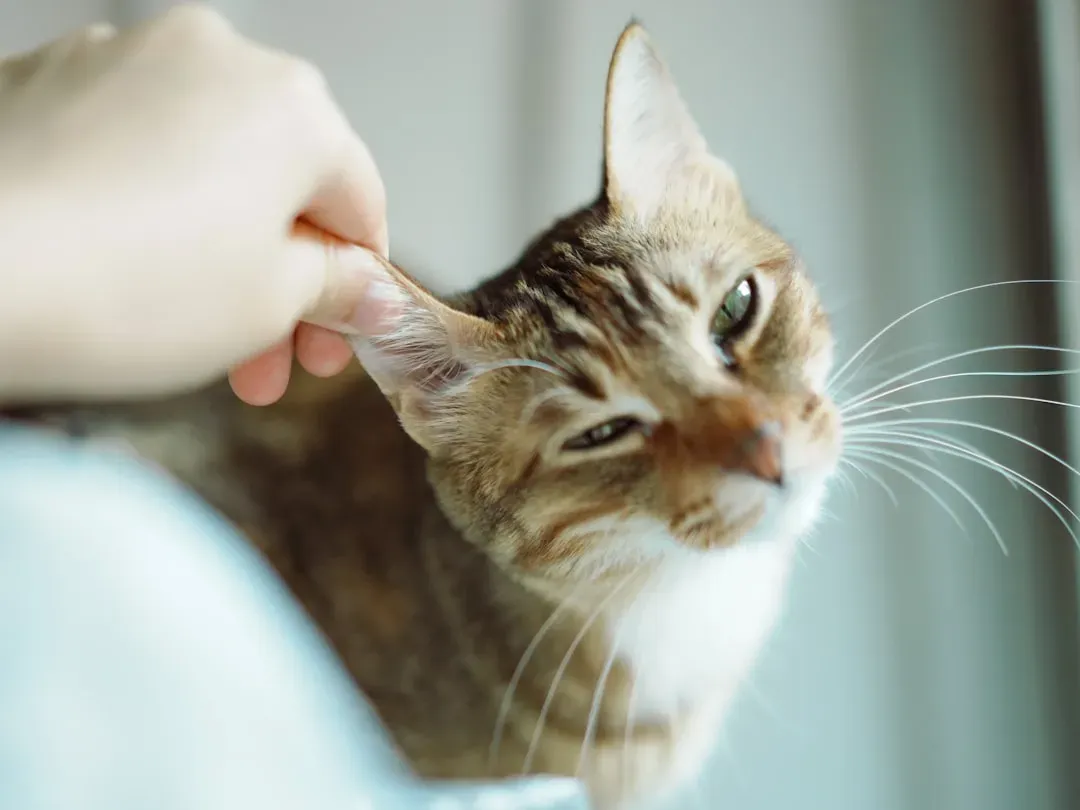
This one really bothers me because it sells cats so short. The stereotype of the cold, indifferent feline is deeply ingrained in popular culture, but cats bond with their people, often just as much as dogs do, and studies show that most cats create strong attachments to their guardians and experience feelings of comfort and safety by being around them.
The problem is that cats show affection differently than dogs, so we sometimes miss it. Cats show their love in many ways, like purring, kneading, slow blinking, rubbing up against your legs, and following you from room to room. Just because your cat isn’t jumping all over you doesn’t mean they don’t adore you. Beliefs that cats are independent and have less social needs than other animals are not supported by scientific data and may result in failure to meet cats’ individual social or environmental needs.
Myth 6: Black Cats Bring Bad Luck
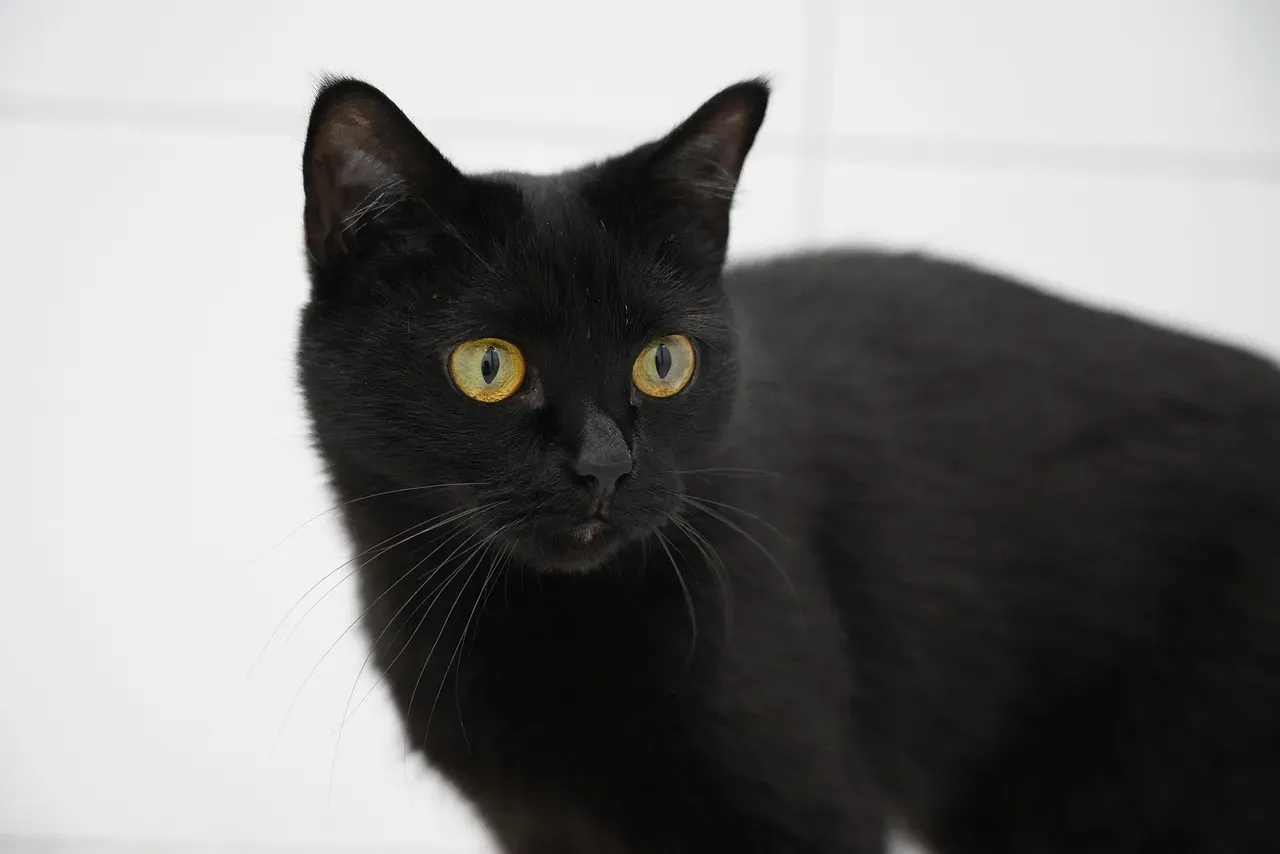
The superstition surrounding black cats remains to this day, but while in some countries they are considered unlucky, they are said to bring good fortune in other parts of the world. In Japan, a black cat crossing your path is good luck, while it’s bad luck in the U.S. and Europe. Seems pretty arbitrary, doesn’t it?
The consequences of this myth are heartbreaking. Black cats are less likely to be adopted and more likely to die in shelters that apply euthanasia policies, and healthy black cats are sometimes killed simply because no one wants to adopt them, with beliefs specifically associated with black cats remaining a major concern. The only supernatural powers that black cats possess are ones of unconditional love and affection, just like any other cat. Maybe it’s time we let this ridiculous superstition die once and for all.
Myth 7: Cats Can’t Be Trained

Think cats are too stubborn or independent to learn tricks? Cats are just as trainable as dogs, and most people do not train their cats because they don’t know how or have heard the myth that cats don’t listen or learn – nothing could be further from the truth, and cats love training and learning just like dogs.
The key is using the right approach. With some patience and positive reinforcement, your cat can learn all sorts of tricks and good manners, and just like with dogs, short, fun training sessions work best, with rewards like treats or toys when they display the behavior you ask for. The difference isn’t ability – it’s that we’ve simply expected less from cats and put in less effort. Your cat might just surprise you if you give training a shot.
Myth 8: Cats Are Low-Maintenance Pets

Let’s bust this one wide open because it leads to genuine neglect. Cats are not low-maintenance pets; each has unique physical, mental, and social requirements. The perception that you can just leave out some food and water and ignore your cat is harmful nonsense.
While cats have a reputation for being independent, they need just as much care as dogs do, including regular vet visits, daily exercise and mental enrichment, and plenty of positive attention from their guardians. Cats that are housed exclusively indoors need a lot of enrichment in order to stay happy and healthy. Your cat isn’t a decorative houseplant – they need engagement, stimulation, and your genuine attention to thrive.
Myth 9: Cats Have Nine Lives
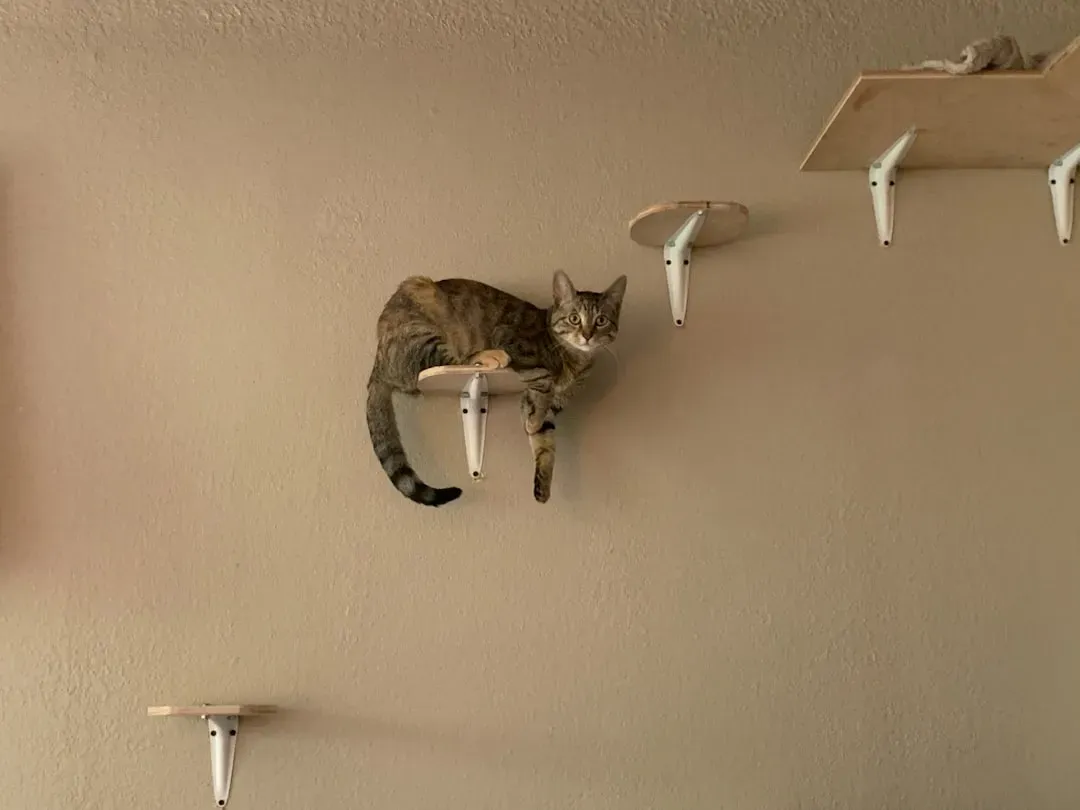
Like the rest of us, cats only have one life. This persistent myth probably arose because cats possess remarkable ability to survive dangerous situations due to their agility, quick reflexes, and flexible spines. Their resilience in surviving falls from high places and long confinements seemingly without sustenance continue to amaze, but that doesn’t mean they’re immortal.
Cats only have one life and can be seriously injured or killed from falls, which makes proper safety measures, such as securing windows and balconies, essential for responsible cat ownership. The nine lives myth can actually be dangerous because it creates a false sense of security. Your cat depends on you to keep them safe because they definitely don’t have eight backup lives to spare.
Conclusion
Understanding the truth behind these common myths isn’t just about being factually correct – it’s about giving your cat the best possible life. When you recognize that your cat needs social interaction, proper nutrition, mental stimulation, and genuine care, you become a better cat owner. When you stop expecting them to be invincible or low-maintenance, you can appreciate them for what they actually are: complex, fascinating creatures with real needs and feelings.
These myths have stuck around for centuries, passed from person to person like folklore. Now that you know better, you can do better. Your cat will thank you for it, probably with a slow blink and a head bump – which, as you now know, is genuine affection. What myths about cats surprised you the most? Share your thoughts in the comments below.