Cats are one of the most beloved creatures on the planet, yet they are also one of the most misunderstood. For centuries, humans have wrapped these fascinating animals in folklore, superstition, and half-truths that somehow managed to survive well into 2026. From quirky old wives’ tales to surprisingly convincing modern misbeliefs, the myths surrounding cats have a stubborn way of sticking around.
Here’s the thing – some of these myths are completely harmless. Others, though, can genuinely affect how you care for your cat, sometimes even putting their health at risk. Whether you’ve had cats your entire life or you’re thinking about welcoming one into your home, it’s worth setting the record straight once and for all. Let’s dive in.
Myth 1: Cats Are Nocturnal Creatures
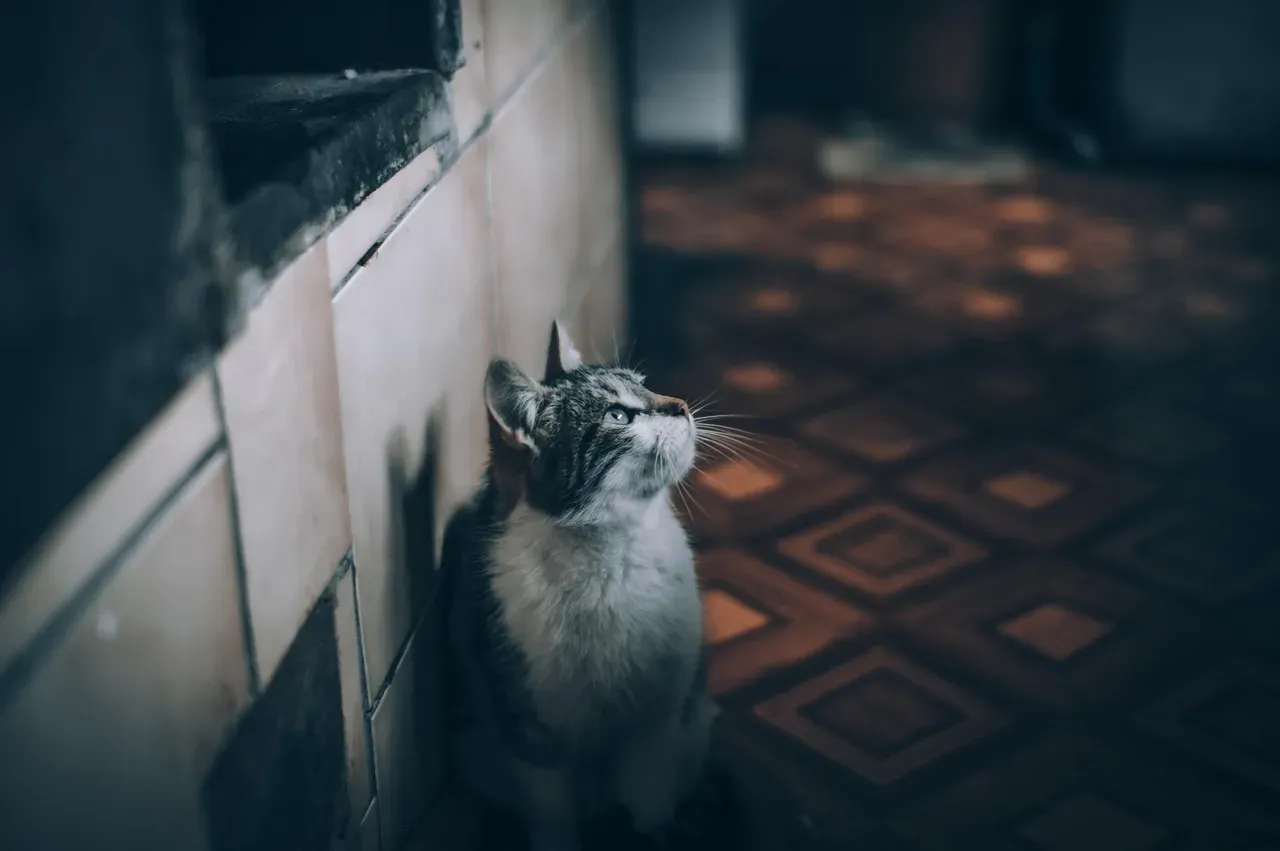
If you’ve ever been jolted awake at 3 a.m. by your cat doing zoomies across your face, you’d be forgiven for assuming they’re night owls. But that assumption is wrong. Being nocturnal means sleeping during the day and staying awake at night – and that’s actually not what cats do. Cats are crepuscular, meaning they are most active at the beginning and end of the day.
The reason for this has to do with hunting patterns. Birds and mice are very active at dawn, and cats evolved to take advantage of this by developing the ability to see in low-light conditions. Think of it like this: your cat isn’t a night owl, they’re more of an early bird who also loves sunsets. If your cat’s evening antics are a problem, consider a play session right before bed and feeding them a small amount – this can re-create the natural hunting cycle, allowing them to ease into the evening.
Myth 2: Purring Always Means a Happy Cat
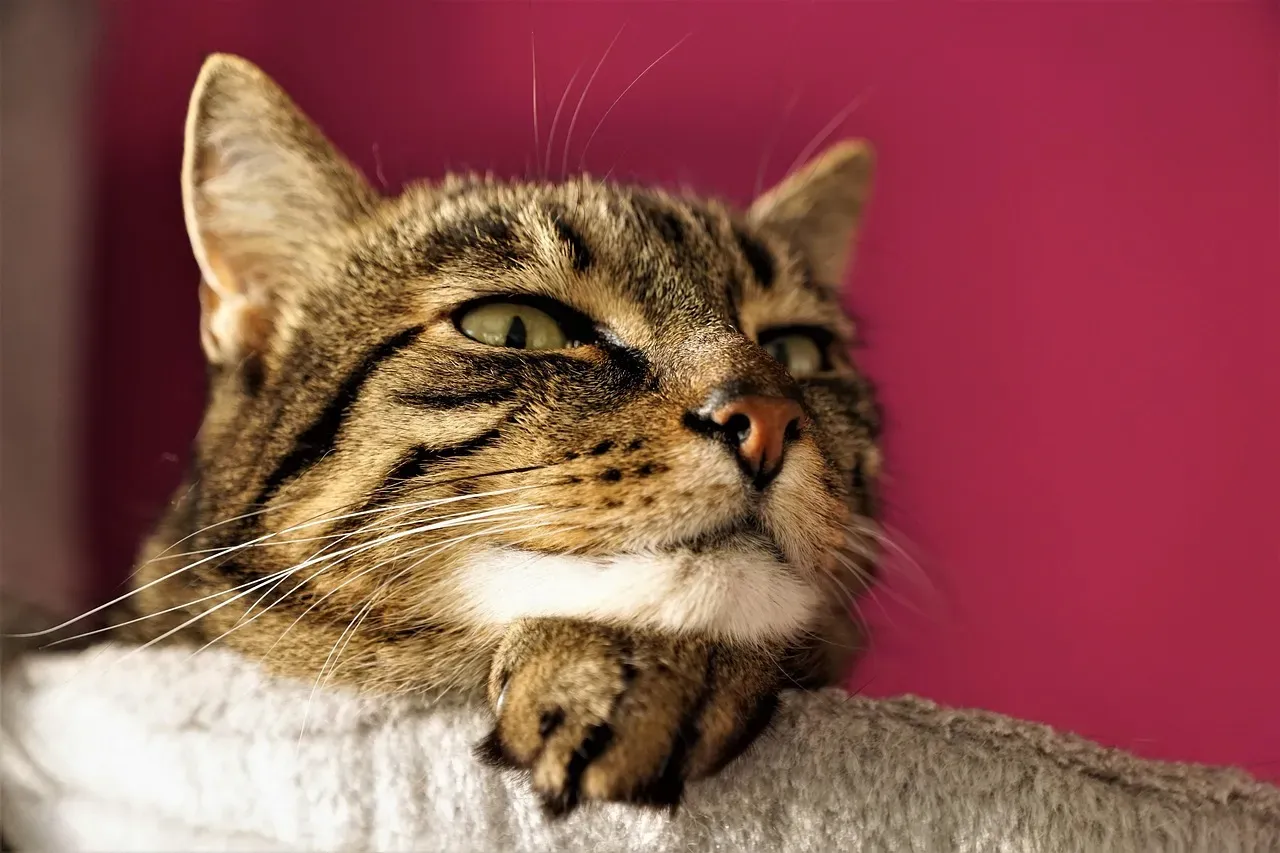
There’s something deeply satisfying about hearing a cat purr while you scratch behind their ears. It feels like proof that everything in the world is okay. Honestly, it’s one of life’s small pleasures. We all imagine that purring means a happy cat, which makes sense – it’s the most common reason for purring. It’s not the only one, though: according to the American Animal Hospital Association, purring can express contentment but can also mean a number of other things.
In some cases cats purr when they’re stressed – it can be a way of self-soothing. Cats also purr when they’re in pain for the same reason. Cats have also been known to purr as a way to ask for food, or as a way to help themselves fall asleep. So the next time your cat purrs, don’t just assume it means bliss. Pay attention to the full picture – their body language, posture, and overall behavior all tell a much more complete story.
Myth 3: Cats Should Drink Milk
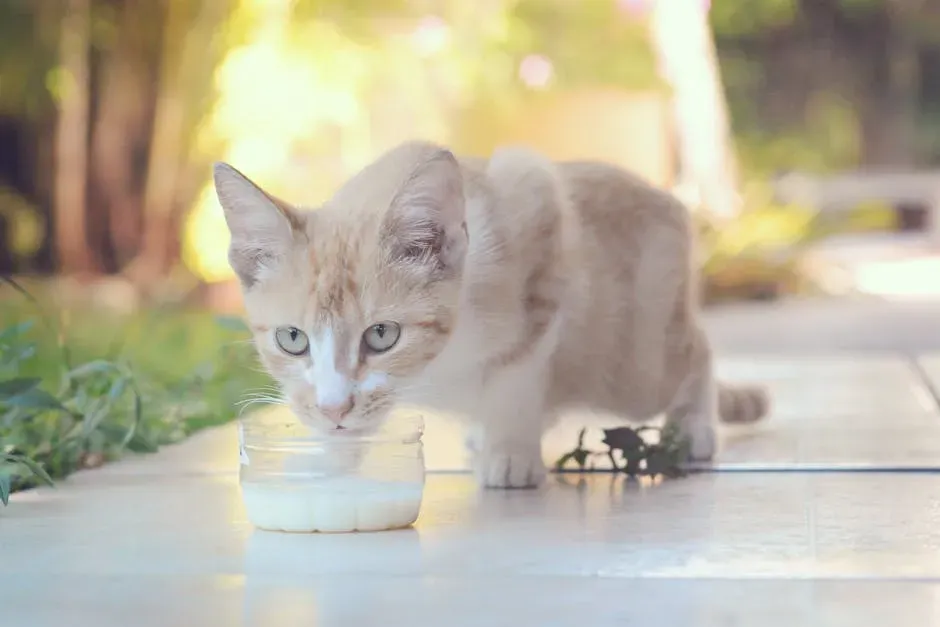
You’ve seen it in paintings, cartoons, and old movies. A sweet little cat lapping contentedly from a saucer of milk. It’s iconic. It’s also a terrible idea. The majority of cats are lactose intolerant, as Julia Henning, PhD Candidate in Feline Behaviour at the University of Adelaide, has explained. The image feels so wholesome that it’s hard to believe it could cause real harm.
After weaning, around 6 to 12 weeks of age, kittens stop producing the enzyme lactase, required to digest lactose in milk. For the vast majority of cats, this means they are lactose intolerant. Dairy can cause all kinds of problems for cats, from diarrhea to bloating to vomiting – and it can even be life threatening in some cases. Fresh water is always the better choice, and if you truly want to give your cat something special to drink, ask your vet about specially formulated cat milk products instead.
Myth 4: Cats Are Cold, Indifferent, and Don’t Bond With Humans
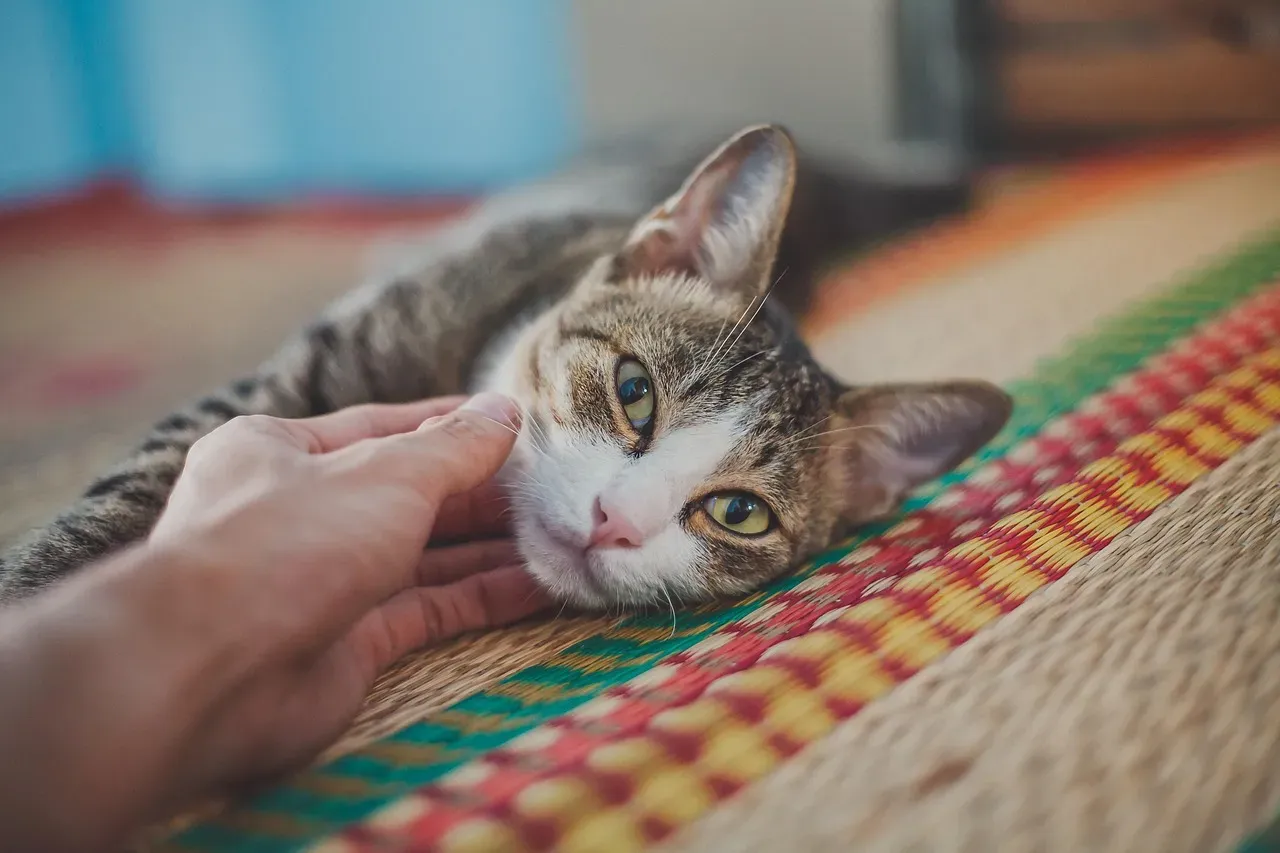
Let’s be real – this is probably the most unfair reputation cats have ever been handed. Dogs get labeled as loyal and loving, while cats get dismissed as aloof loners who simply tolerate humans for the food. Cats may have a reputation for being indifferent and standoffish, but cats bond with their people, often just as much as dogs do. In fact, studies show that most cats create strong attachments to their guardians and experience feelings of comfort and safety by being around them.
Cats show their love in many ways, like purring, kneading, slow blinking, rubbing up against your legs, and following you from room to room. Each cat is unique, so even if your feline friend isn’t a lap cat, they may show you affection in a different way. The truth is, cats are deeply emotional animals – they just don’t wear their hearts on their sleeves the way dogs do. If you pay attention, you’ll see it clearly.
Myth 5: Cats Have Nine Lives
This one is perhaps the most enduring feline myth of all time. It’s poetic, charming, and completely untrue. Like the rest of us, cats only have one life. Nobody really knows the origin of this myth, but there are a number of possibilities – from William Shakespeare to ancient Egypt. In the play Romeo and Juliet, the bard refers to the nine lives of cats.
It’s more than likely that the myth has developed over time due to cats’ ability to get themselves out of sticky situations. Cats have survived falls from great heights and even earthquakes, so it’s not surprising they have earned their nine lives title. Still, their resilience isn’t a superpower. It’s essential to remember that cats do not truly have nine lives and should not be left without food and water for long periods. Lack of sustenance can lead to serious health issues, so always provide them with what they need.
Myth 6: Black Cats Bring Bad Luck
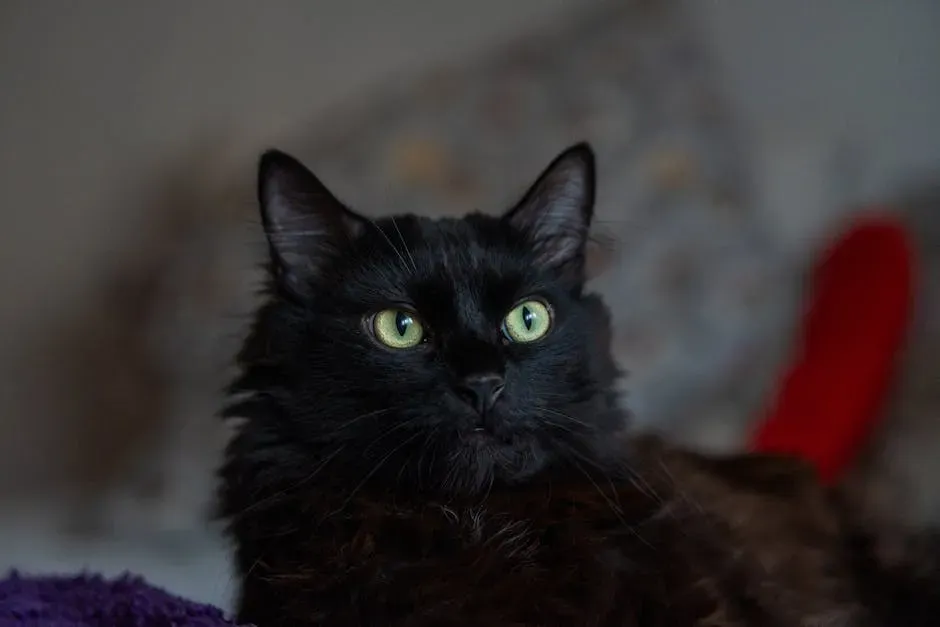
Few myths have caused as much real-world harm as this one. Perhaps no cat myth is more pervasive or damaging than the belief that black cats bring bad luck. This superstition has deep historical roots, stemming from medieval associations between black cats and witchcraft. It’s a belief rooted purely in fear and misunderstanding, not in any shred of reality.
Interestingly, black cat superstitions vary dramatically across cultures. In Japan, a black cat crossing your path is considered good luck, while in much of Europe and the United States, it’s viewed as a bad omen. Germany takes this cultural variation even further – the direction a black cat walks may predict either good or bad fortune depending on local beliefs. Unfortunately, these unfounded superstitions have real-world consequences. Black cats are statistically harder to rehome from shelters, leading to higher euthanasia rates for these beautiful animals. The only thing a black cat brings is companionship.
Myth 7: Declawing Is Harmless and Just Like Trimming Nails
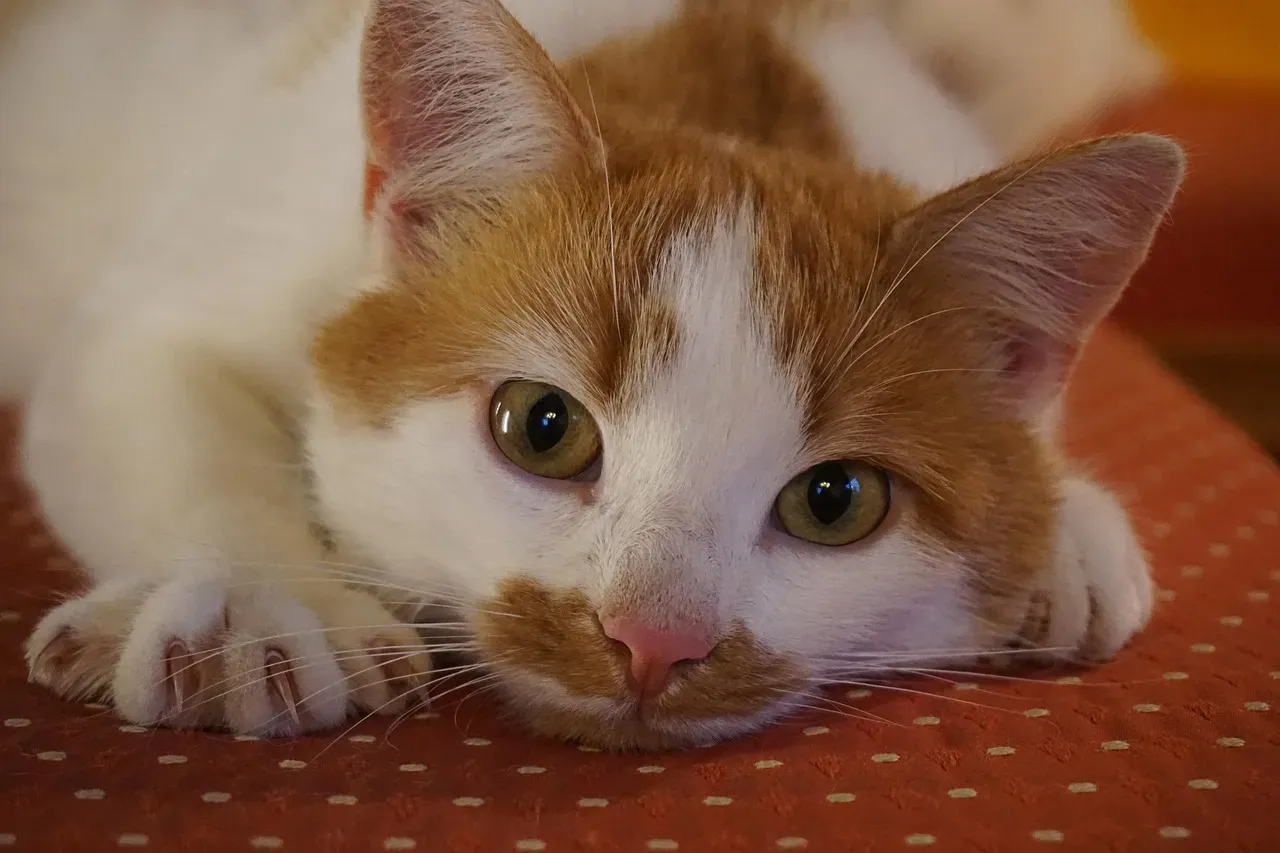
This myth isn’t just wrong – it’s dangerous. Many cat owners genuinely believe that declawing is a minor cosmetic procedure, something roughly equivalent to getting a manicure. Some people are under the impression that declawing a cat doesn’t hurt any more than trimming fingernails, but this is a grave misconception. Declawing is a surgical procedure done under anesthesia, and involves amputating the third digit, which contains the nail. Many cats go on to develop chronic pain from arthritis, and many cats develop aggression because of this pain.
Among the most egregious feline myths out there is the idea that declawing cats by amputating the top knuckles of their toes is an acceptable, harmless norm. In reality, this excruciating procedure robs cats of vital mobility and self-defense abilities. Without claws for grasping, pain-free walking is impaired long-term. Behavior issues frequently arise post-declaw as well. There are humane alternatives for directing scratching activity, making amputation absolutely unnecessary. A simple scratching post can save both your furniture and your cat’s wellbeing.
Myth 8: Cats Can See Perfectly in Complete Darkness
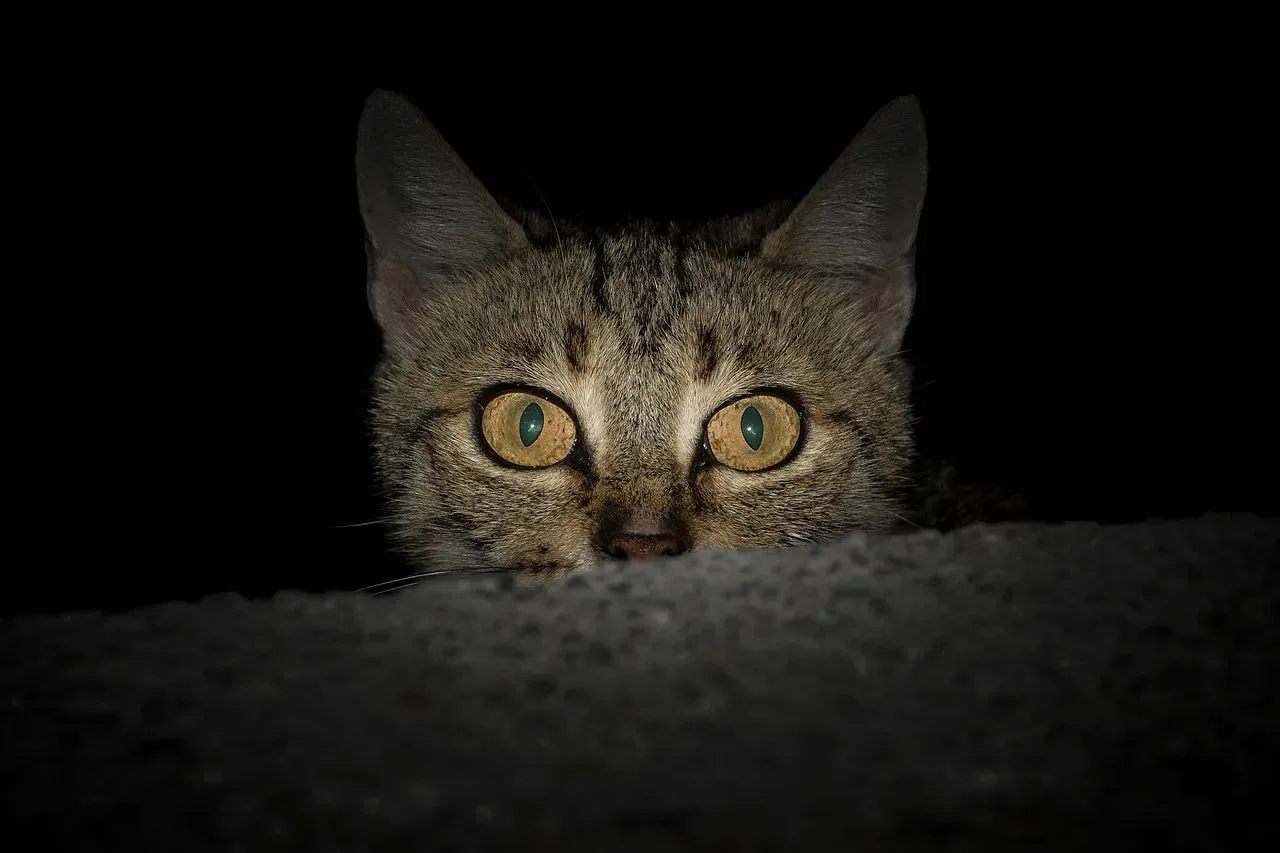
Cats are undeniably gifted when it comes to vision. Those wide, luminous eyes seem like they could cut through any shadow, which has fueled the popular belief that cats can see in total darkness. It’s an impressive idea, but it’s not quite accurate. The construction of cats’ eyes allows them to see well in low light. Cats only need one-sixth of the light humans do to decipher shapes. However, they cannot see in absolute darkness.
Think of it this way: your cat’s eyes are like a camera with an extraordinary wide-aperture lens. They perform brilliantly in dim conditions, but even the best camera goes blind in a pitch-black room. The construction of cats’ eyes allows them to see well in low light. Cats only need a fraction of the light humans need to make out shapes. However, they cannot see in absolute darkness. Their night vision is a genuine biological advantage, just not the superhero ability many people imagine it to be.
Myth 9: Cats Don’t Need Regular Vet Visits Because They’re Self-Sufficient
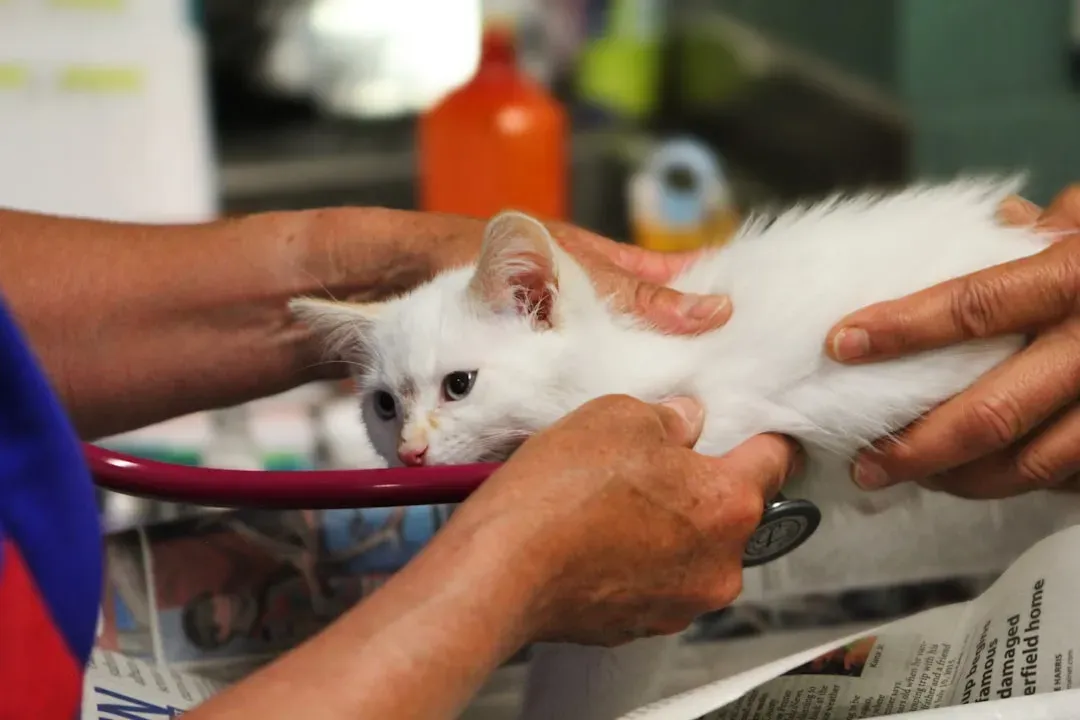
Cats have a reputation for being deeply independent, and honestly, they lean into it. They groom themselves, entertain themselves, and seem to handle most situations without asking for help. It’s easy to assume this means they don’t need much medical attention either. That reasoning, however, is flawed. While many cat owners don’t take their cats to the vet every year like they should, that doesn’t mean they don’t need those visits. Cats need just as many vet visits as dogs, and because cats are so adept at hiding their illnesses, they might be sick and you don’t even realize it. That’s why it is usually best for cats to get a checkup at least once a year, but it should be every 6 months for seniors.
Cats are very good at hiding discomfort because, in the wild, showing weakness would make them a target for predators. That survival instinct is admirable, but it means your cat could be suffering quietly while appearing perfectly fine on the surface. While cats have a reputation for being independent, they need just as much care as dogs do. Regular vet visits, daily exercise and mental enrichment, and plenty of positive attention from their guardians are all essential to a cat’s well-being. Don’t let their stoic nature fool you into neglecting their health.
Conclusion: Your Cat Deserves the Truth

Myths about cats have been circulating for centuries, passed down through folklore, old movies, and well-meaning but misinformed advice. Some of them are charmingly harmless, like the idea that a black cat whisker in your glove box keeps you from getting speeding tickets. Others, like the declawing misconception, have caused genuine suffering to real animals.
The more you understand your cat’s actual behavior and needs, the better equipped you are to give them a life they truly deserve. They’re not cold. They’re not supernatural. They’re not invincible. They’re complex, intelligent, emotionally rich beings who happen to be very good at keeping secrets. The least you can do is see through the myths and meet them where they really are.
So next time someone tells you that purring always means happiness or that cats see perfectly in the dark, you’ll know exactly what to say. What myth surprised you the most? Drop your thoughts in the comments below – we’d love to know!