You’ve bought your cat every toy imaginable. Fancy feather wands, expensive catnip mice, even that elaborate cat tree that cost more than your monthly grocery bill. Yet what does your feline friend actually play with? Your hair tie. A crumpled receipt. That empty cardboard box you left by the door.
If you’ve ever wondered why your cat ignores all those pricey toys in favor of random household objects, you’re not alone. Cats have a peculiar knack for finding fascination in the most ordinary things around your home. Their behavior might seem quirky or downright bizarre, but there’s actually some pretty interesting science behind these preferences. Let’s dive into the mysterious world of feline obsessions and discover what makes these everyday items so utterly irresistible to your whiskered companion.
Cardboard Boxes: The Ultimate Feline Fortress
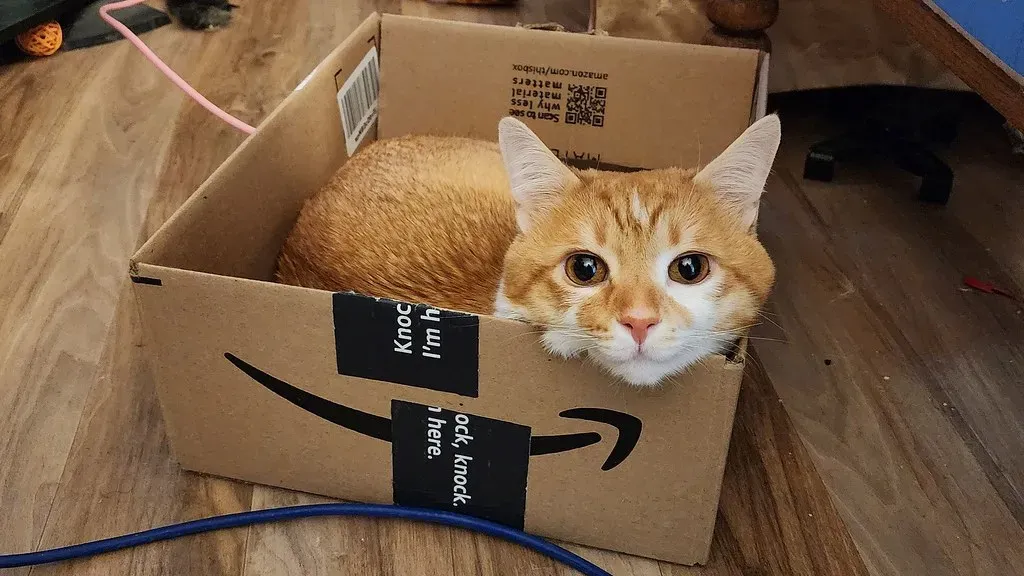
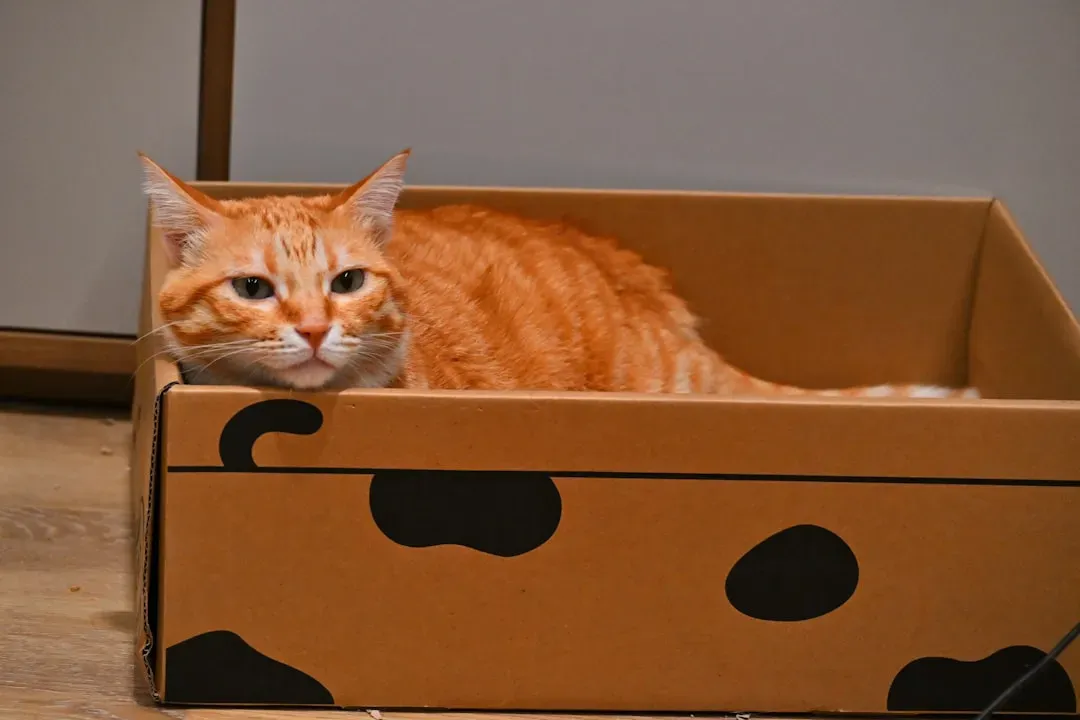
Here’s the thing about cats and boxes. It doesn’t matter if you just splurged on a luxury cat bed with memory foam and heating elements. That Amazon shipping box sitting on your floor will win every single time. Cats like to squeeze into small spaces where they feel much safer and more secure, preferring to huddle in smaller, more clearly delineated areas instead of being exposed to wide open spaces.
The close contact with a box’s interior releases endorphins, causing pleasure and reducing stress. Think about it from your cat’s perspective. Inside that box, nothing can sneak up from behind or the sides. Cats are most comfortable in temperatures between 86–97 degrees Fahrenheit, and boxes help keep things toasty since the cardboard acts like a cozy blanket, trapping body heat. Plus, the texture of cardboard allows them to scratch on it, which helps them maintain their claws and mark their territory.
Running Water From Faucets: Nature’s Drinking Fountain
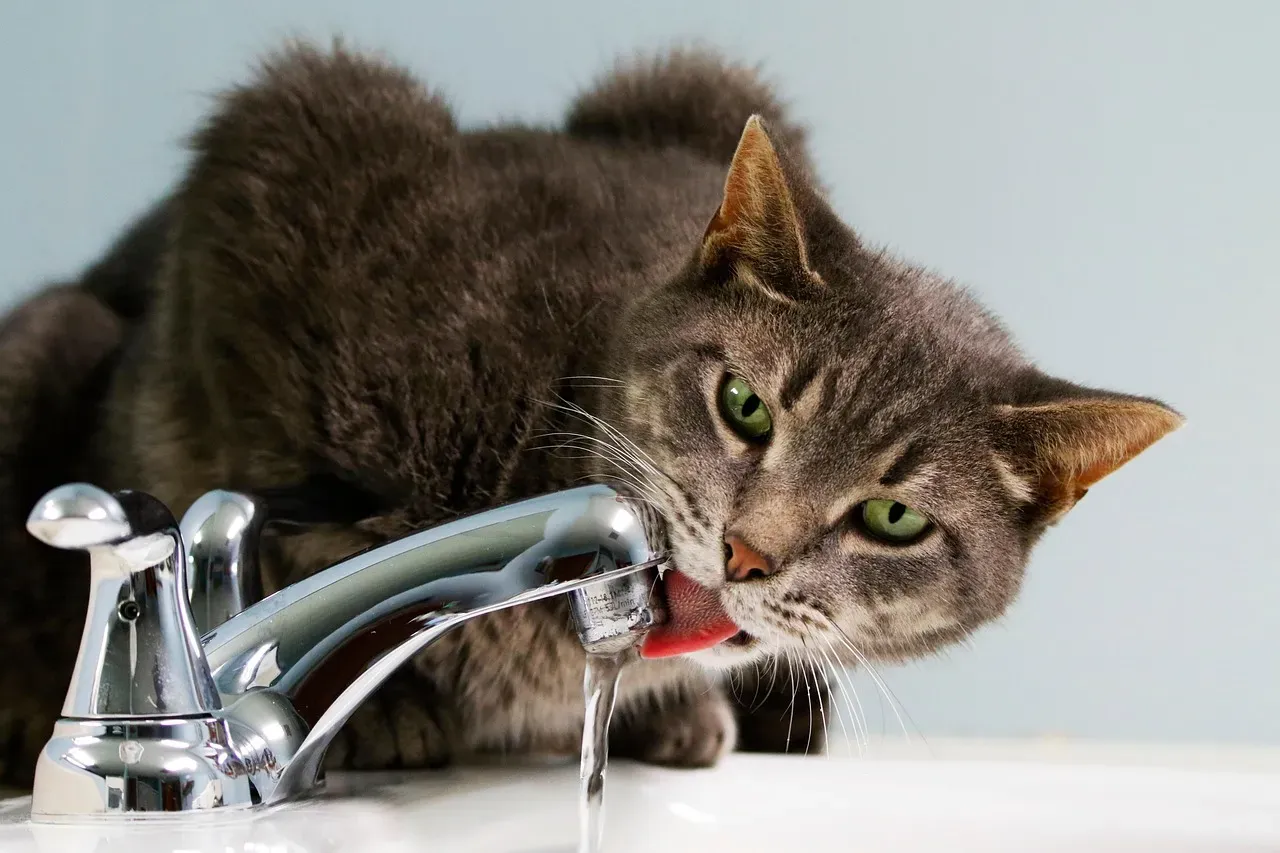
Your cat has a perfectly good water bowl sitting on the floor. Fresh water. Clean bowl. Yet the moment you turn on the bathroom faucet, your feline friend comes sprinting from wherever they were napping. Their ancestors were wild animals drinking from rivers and streams, and those wild animal instincts tell them that standing water isn’t always safe.
In the wild, stagnant water can be a breeding ground for bacteria and parasites, making running water often fresher and cleaner. Honestly, can you blame them? Running water from the faucet may tickle your cat’s tastebuds more than the stale water in their bowl, and cats prefer fresh cool water. The elevated position of sinks also makes them feel safer, giving them a better vantage point. Some cats even find the sound and movement of flowing water mentally stimulating, turning hydration into entertainment.
Hair Ties and Rubber Bands: The Perfect Prey Substitute
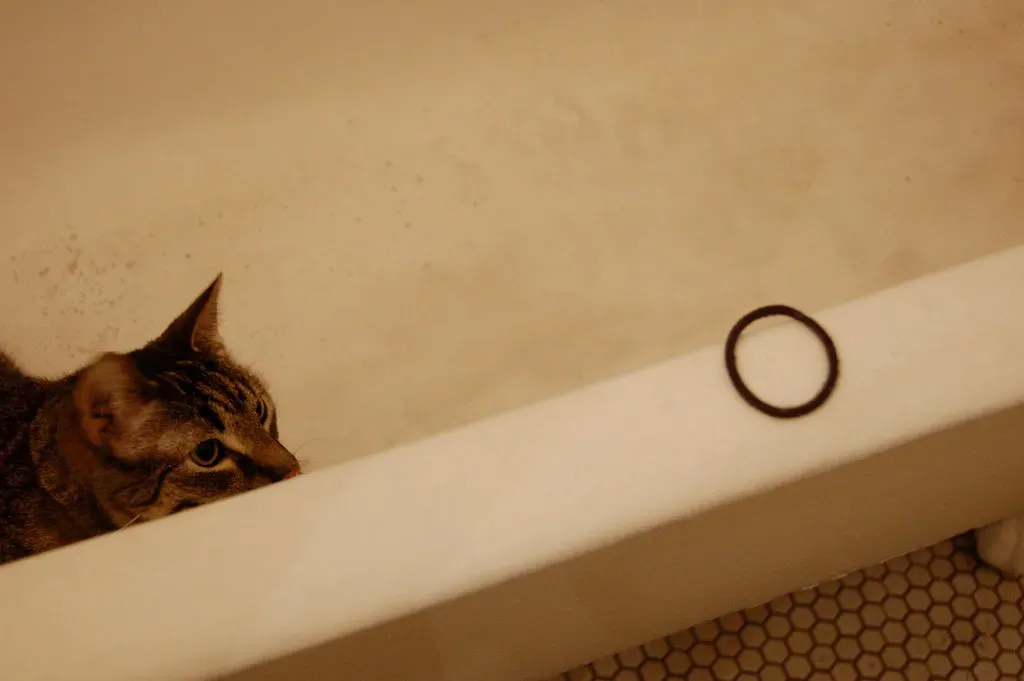
Let’s be real. If you’ve ever lived with a cat, you know the struggle of mysteriously disappearing hair ties. One day you have a full pack, the next week you’re lucky to find two. Where do they all go? Check under your couch, because that’s probably where your cat has been stashing their treasure trove. A cat’s instinct to exhibit predatory behavior is so strong that even inanimate objects are treated as prey, and hair ties are a common choice because they are lightweight and move readily when batted.
Cats are hardwired to chase things that move like prey, and rubber bands stretch and snap back while hair ties dangle and swing, triggering the same hunting instincts that make them stalk toy mice. The small size and bouncy texture make them seem like captured prey. Cats have an extremely well-developed sense of smell with far more olfactory receptors than humans, and a cat’s nose is almost 40 times more sensitive than ours, so even brand-new hair ties offer intriguing smells. Keep in mind though, these items can be dangerous if swallowed, so supervision is key.
Plastic Bags: The Crinkle Factor
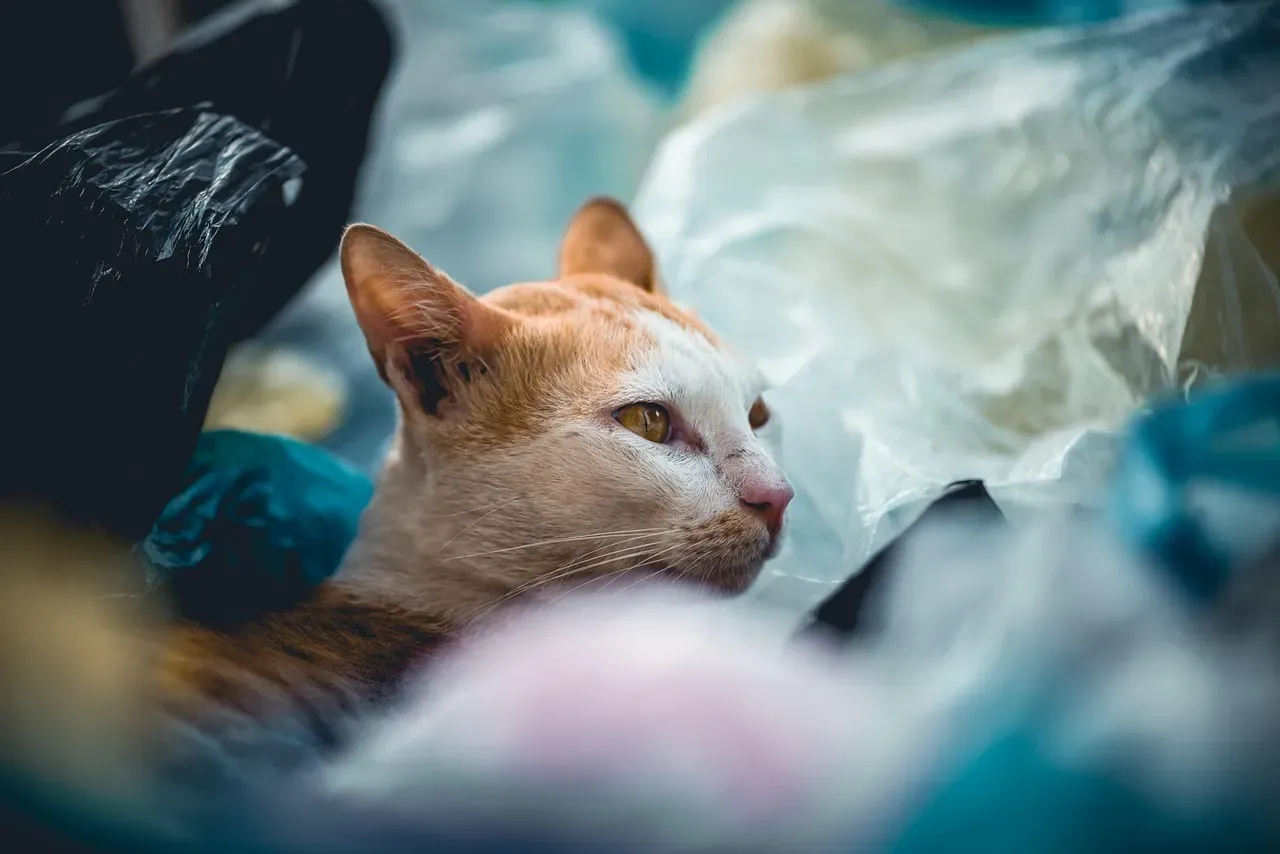
Some cats absolutely lose their minds over plastic bags. They’ll sit in them, chew on them, or bat them around like they’ve just discovered the world’s most entertaining toy. Cats are drawn to plastic bags for many different reasons, like the crinkling sound of the material or the scent and taste of food the bag may have carried. That distinctive crinkle sound is apparently feline ASMR.
Plastic bags are made of polyethylene, a substance derived from petroleum products, and some cats might pick up the faint scent of hydrocarbons on the bags, plus the smorgasbord of scents the bag may have picked up at the grocery store. Their powerful sense of smell detects things we can’t even begin to appreciate. I know it sounds crazy, but your cat might genuinely be interested in what that bag smells like. That said, plastic bags pose serious choking and suffocation risks, so it’s vital to keep them out of reach and offer safer alternatives instead.
Your Laptop Keyboard: The Attention Magnet
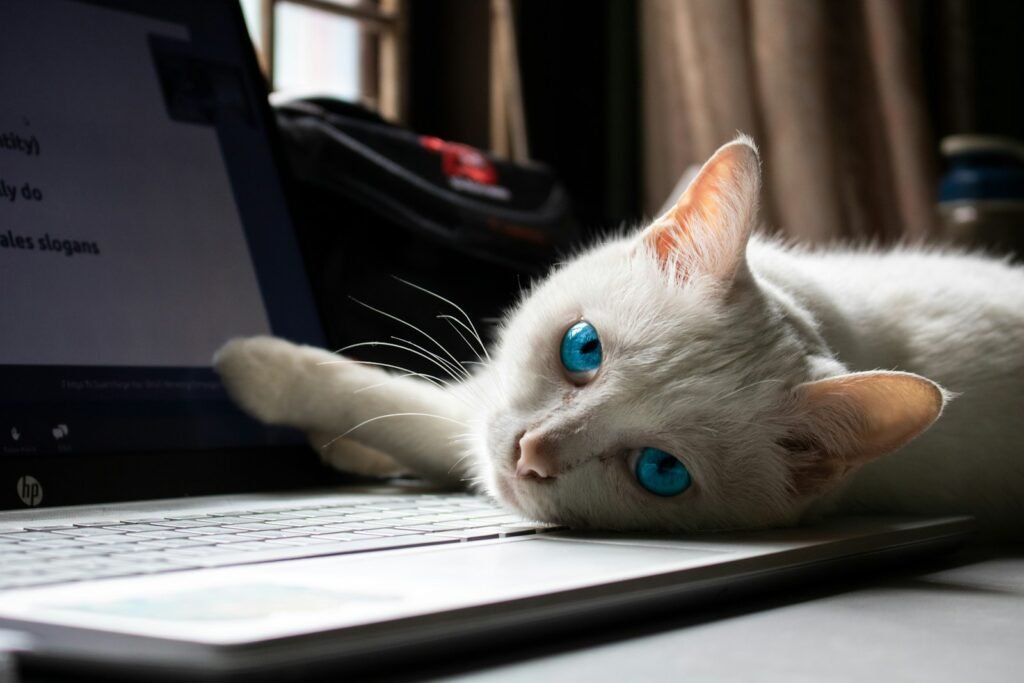
Working from home? Good luck getting anything done when your cat decides your keyboard is the perfect napping spot. Cats lie on laptops due to the warmth they provide, and this behavior is a social bonding behavior. By lying on our possessions, cats are simultaneously drawn to items that smell like us while also marking their scents on our belongings as part of their territory.
Think about the timing too. Your cat probably ignores you when you’re trying to give them attention, but the second you hop on a Zoom call, they’re all over you. Cats will walk on keyboards sometimes just to hear the noises the keys make, similar to when they hear paper crinkle or leaves rustle, and these sounds capture their attention and make them feel playful. The combination of warmth, your scent, your attention being focused elsewhere, and interesting clicking sounds makes your laptop basically irresistible.
Paper and Crinkly Materials: Sound Triggers Hunting Instincts
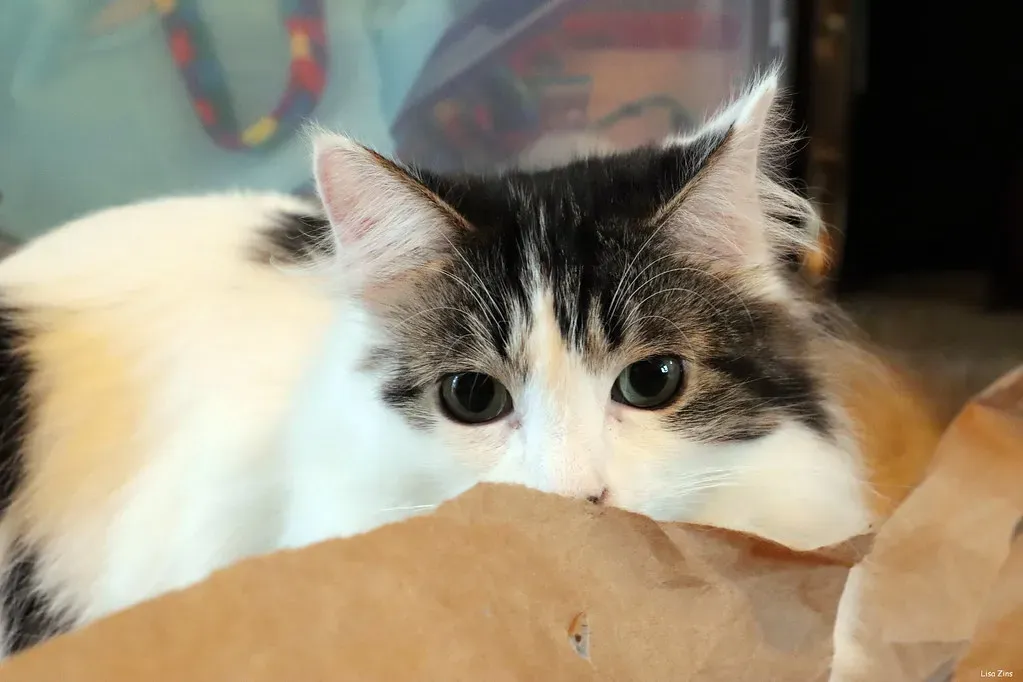
Ever left a piece of paper on the floor and watched your cat go absolutely wild? There’s a method to this madness. Cats use sound as part of their hunting strategy, and the crinkly sound can mimic sounds that prey might produce such as moving over dried leaves in a forest. That innocent sheet of paper suddenly becomes a rustle in the underbrush that demands immediate investigation.
Cats prefer temperatures between 86–97 degrees Fahrenheit, and since most homes sit around 72–76 degrees, many felines seek out warmer areas, with paper being a good insulator that can help warm a cat’s paws or body. Paper bags, wrapping paper, and packing materials all trigger that same curiosity. Your cat’s ears are finely tuned to pick up high-pitched sounds, making that crinkle noise particularly captivating to their predatory brain.
Your Personal Belongings: Scent Comfort Objects
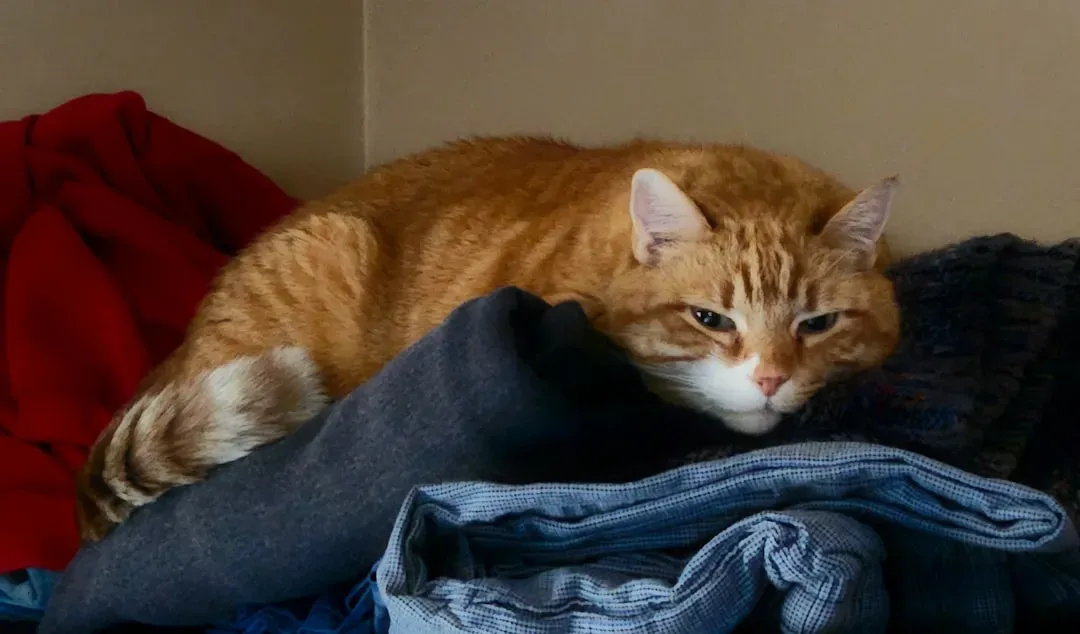
Clothes fresh from the dryer? Your cat wants to sit on them. Your gym bag? Prime real estate. That book you were reading? Now it’s a cat bed. Cats have a highly developed sense of smell and are comforted by their owner’s scent, making items you frequently use attractive resting spots for cats seeking comfort and connection. It’s actually quite sweet when you think about it.
When cats sit on your clothes or laundry, they’re showing affection by seeking out your scent while also marking these items with their own scent to create a shared scent profile, which is a sign of bonding in the feline world. Your favorite sweater isn’t just cozy. It smells like you, and that makes your cat feel safe and connected. They’re essentially creating a scent blend that says “we belong together.” Who knew your dirty laundry was such a declaration of love?
Small Objects They Can Bat Around: The Hunt Never Ends
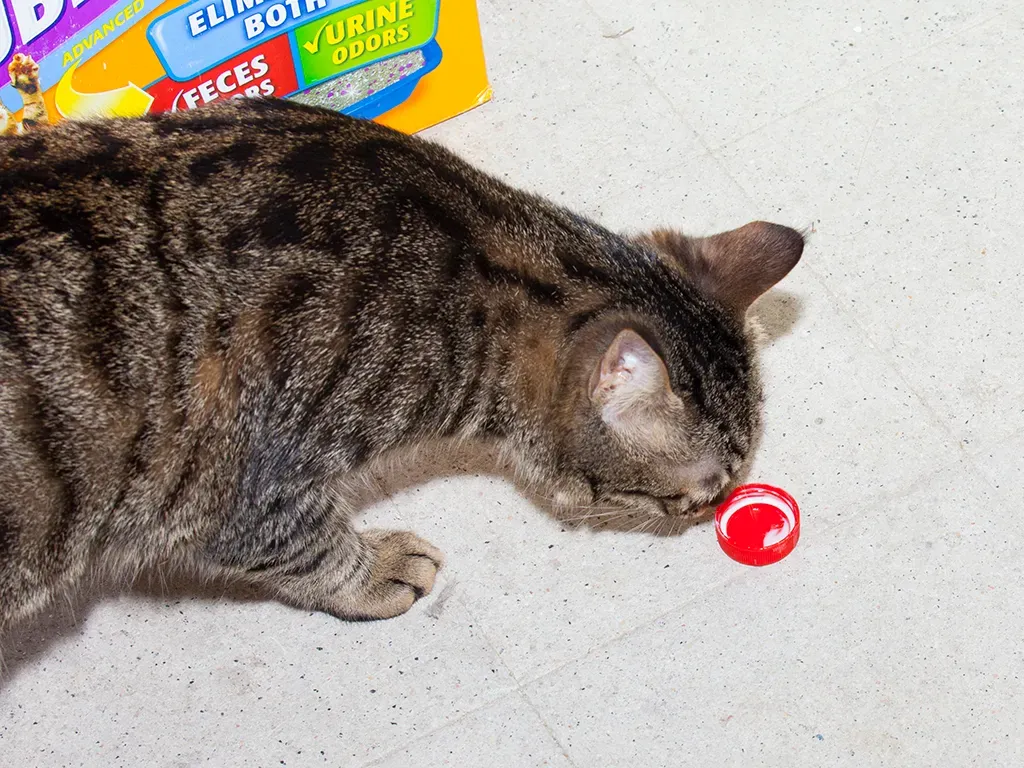
Bottle caps, pen caps, twist ties, and other tiny household items mysteriously vanish on a regular basis. If you’re wondering where they went, I’d suggest looking under your furniture. Cats may develop a habit of collecting everyday household items like floss picks, jar lids, and pen caps because they may enjoy playing with small pieces of plastic due to their softer texture and fun noises, plus they’re relatively light and easy to carry around.
Cats might like these items because they enjoy the sounds they make when dropped or slid across the floor, and these sounds may sound similar to insects that cats may enjoy hunting, like cicadas and crickets. It’s possible that cats are attracted to the shine and light reflecting off items like jewelry, treating sparkly objects like tiny prey animals. Your cat isn’t being destructive. They’re just practicing their hunting skills on whatever moves, shines, or makes interesting noises.
Warm Electronics: Heat-Seeking Missiles
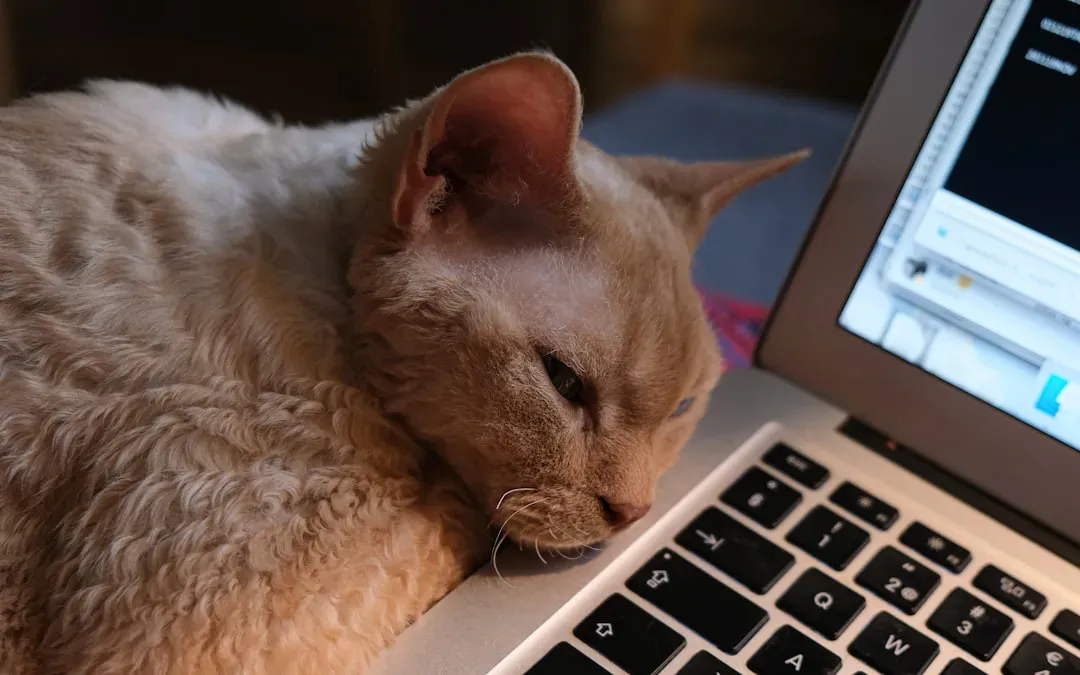
Your cat will abandon the softest, most expensive bed in the house to lie on your warm laptop, cable box, or gaming console. The reason is surprisingly simple. Domestic cats today are descendants from the North African/Southwest Asian wildcat, meaning cats are quite adapted to environments that are much warmer than the average household. Your home temperature feels chilly to them.
Cats are relatively small creatures who lose proportionally more warmth to their surroundings, making body temperature regulation more difficult, so smaller animals like cats maintain a higher metabolic rate with higher operating temperatures. That PlayStation warming up? Perfect cat bed. Your laptop running hot from too many browser tabs? Cat magnet. They’re not trying to sabotage your electronics. They’re just cold, and your devices put out exactly the kind of warmth they crave. It’s hard to argue with biology.
The Conclusion: Understanding Your Cat’s Quirky Preferences
Your cat’s fascination with these ordinary household items isn’t random or meant to drive you crazy. Every bizarre behavior has roots in their evolutionary history, sensory capabilities, and natural instincts. From boxes that provide safety and warmth to hair ties that mimic prey, these everyday objects fulfill deep-seated feline needs that expensive cat toys sometimes miss entirely.
The next time you catch your cat ignoring their fancy toys in favor of a cardboard box or hair tie, remember that they’re just being cats. Their ancestors were solitary hunters who needed to stay safe, warm, and alert. Those instincts haven’t gone anywhere, even if your pampered house cat has never caught anything more threatening than a dust bunny. Understanding why your cat loves these items can help you provide a more enriching environment while keeping them safe from potential hazards. What’s the strangest household item your cat has claimed as their own? We’d love to hear about it.