Cats are probably the most misunderstood creatures ever welcomed into a human home. They’ve been worshipped, feared, memed into oblivion, and still – after thousands of years of living alongside us – we somehow keep getting them wrong. And honestly, it’s not entirely our fault. Popular culture has painted such a stubborn picture of the aloof, self-sufficient, emotionally unavailable cat that many of us just… believed it.
The problem is, these myths aren’t just harmless misunderstandings. They can genuinely affect how you care for your cat, how you read their emotions, and whether your furry companion is actually thriving or quietly struggling. If you’re a cat owner or are thinking about becoming one, what you’re about to read might genuinely change the way you see your pet. Let’s dive in.
Misconception #1: Purring Always Means Your Cat Is Happy
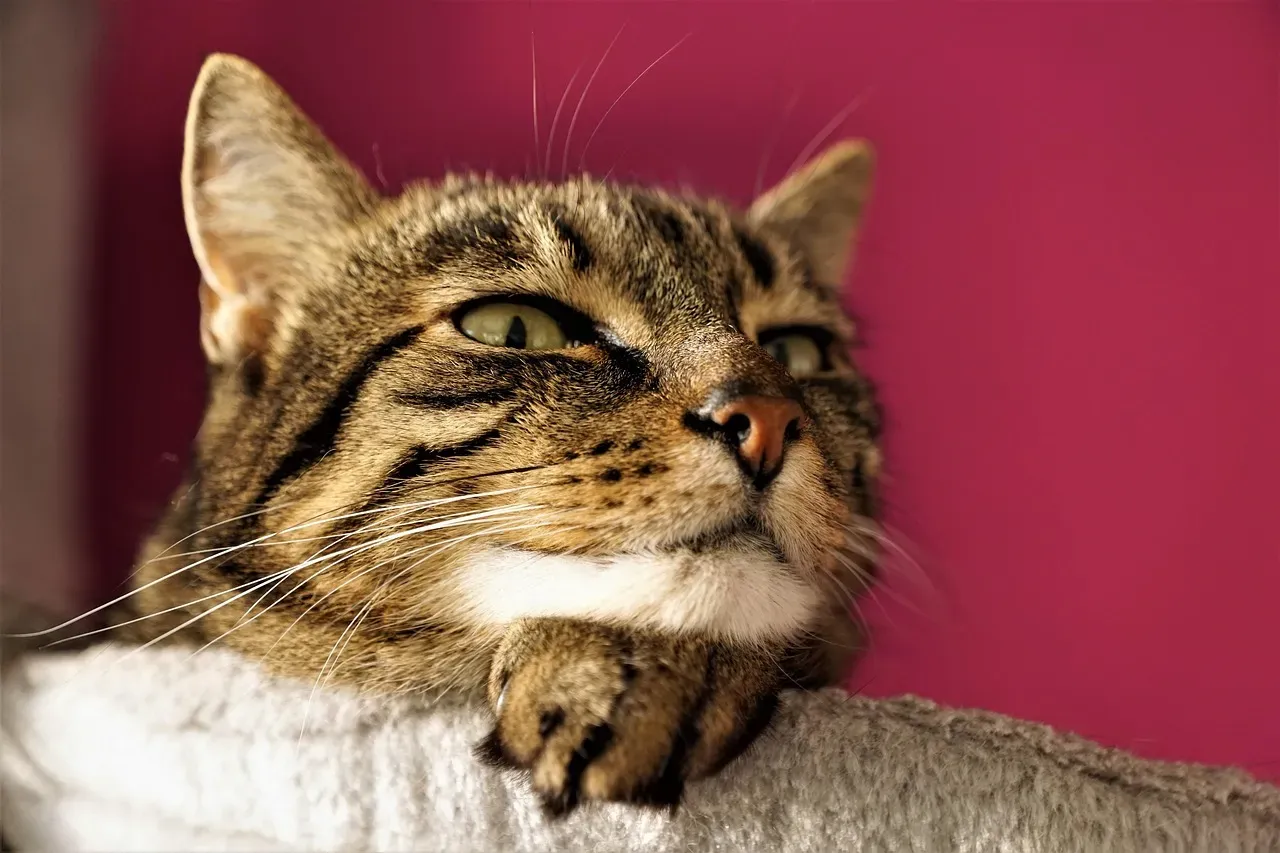
This is probably the most widespread myth in the entire cat world, and it deserves to be tackled head-on. You hear that gentle rumble, and your heart melts – your cat must be blissfully content, right? Not necessarily. Purring is a hallmark of cat behavior often associated with feline contentment and happiness, but this perception is a significant simplification of a more complex behavior. Purring can actually signify a range of emotions and physical states, including pain, fear, and stress.
Think of purring less like a smile and more like a sigh – it means something, but you need the full picture to understand what. In some cases, cats purr when they’re stressed as a way of self-soothing. They also purr when they’re in pain for the same reason. Cats have even been known to purr as a way to ask for food or to help themselves fall asleep. So next time your cat purrs, take a moment to read the room – and the rest of their body language too.
Misconception #2: Cats Are Completely Independent and Don’t Need Your Attention
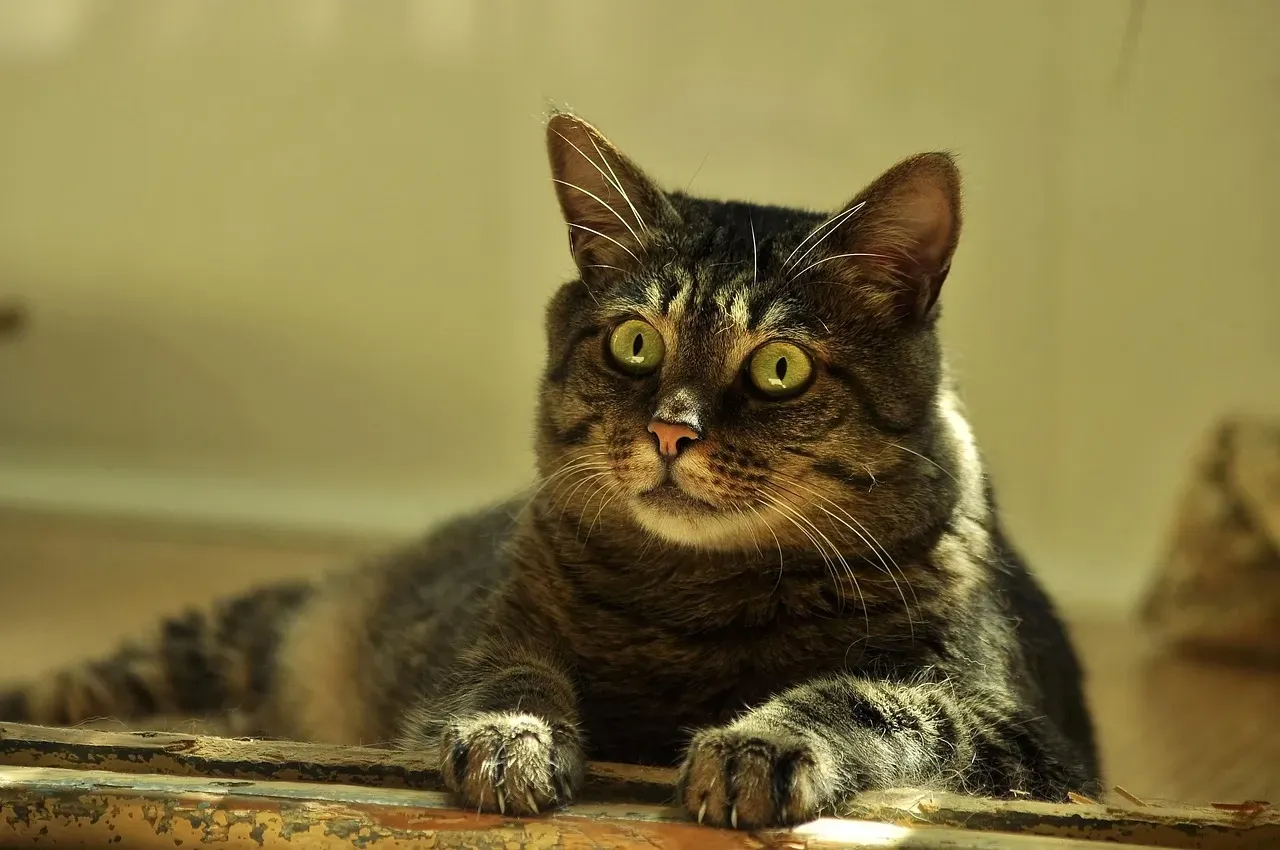
Here’s the thing – the “low-maintenance cat” idea is one of the most damaging myths out there. Research has found that owners were inclined toward the belief that cats are independent and have fewer social needs than other animals, but such beliefs are not supported by scientific data on cat social behavior and may result in failure to meet cats’ individual social or environmental needs. That’s a real welfare problem, not just a philosophical debate.
While cats have a reputation for being independent, they actually need just as much care as dogs do. Regular vet visits, daily exercise and mental enrichment, and plenty of positive attention from their guardians are all essential to a cat’s well-being. Playing, snuggling, and spending time with your cat also increases the bond between you and your furry friend. Neglecting that connection doesn’t make you a hands-off, respectable cat owner – it just makes for a lonely cat.
Misconception #3: A Quiet Cat Is a Happy Cat
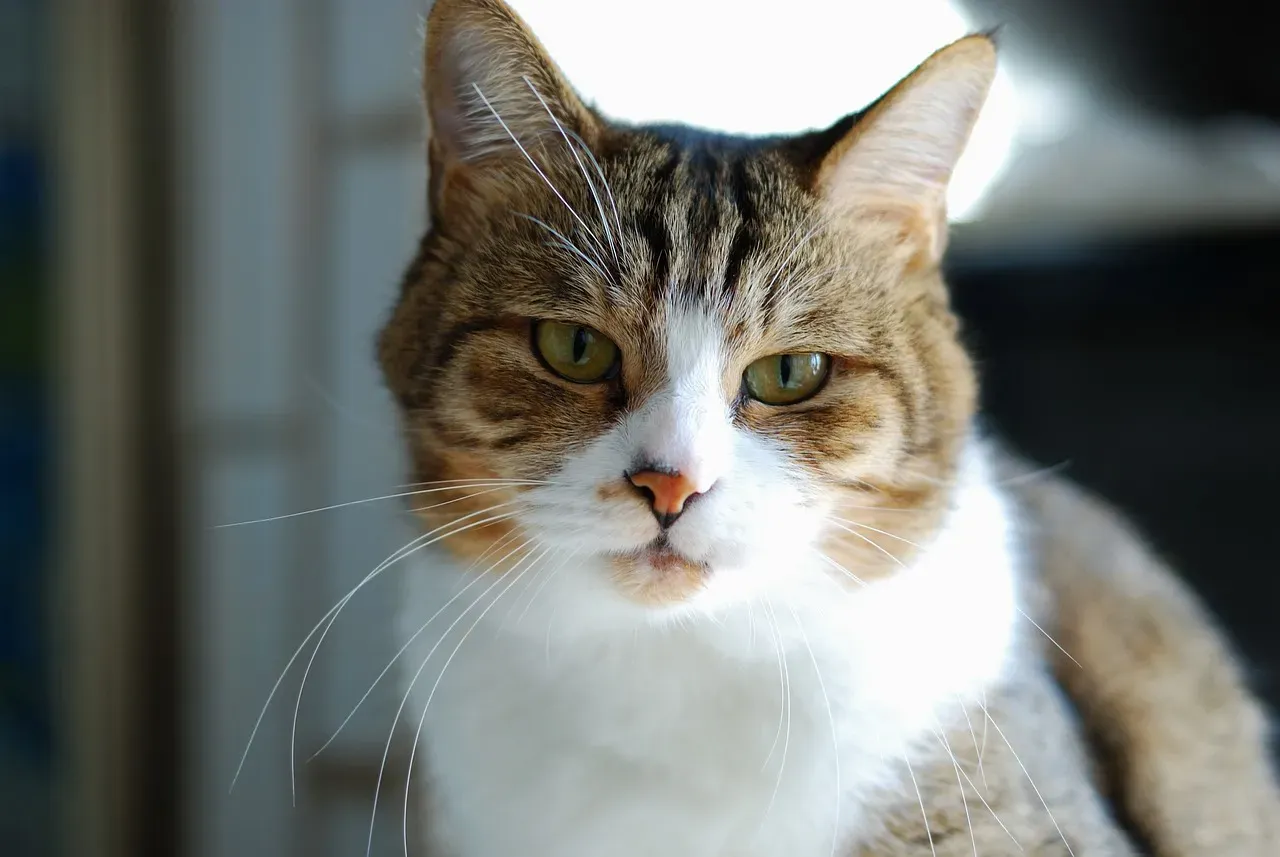
You might think that because your cat isn’t meowing or crying, everything must be just fine. Honestly, that logic doesn’t hold up under scrutiny. Cats are actually very good at hiding discomfort because, in the wild, showing weakness would make them a target for predators. So your cat’s silence could simply be their survival instinct kicking in – not a gold star review of their living conditions.
Separation and stress can be very real for cats. Separation anxiety may manifest in behaviors such as urination and defecation outside of the litter box, vocalization, vomiting, excessive grooming, lack of appetite, or an exuberant greeting when you return. The signs of distress in cats are subtle, wildly different from those of a dog, and easy to miss if you’re not paying attention. Train your eye to notice the small things.
Misconception #4: Cats Don’t Bond With Their Owners Like Dogs Do
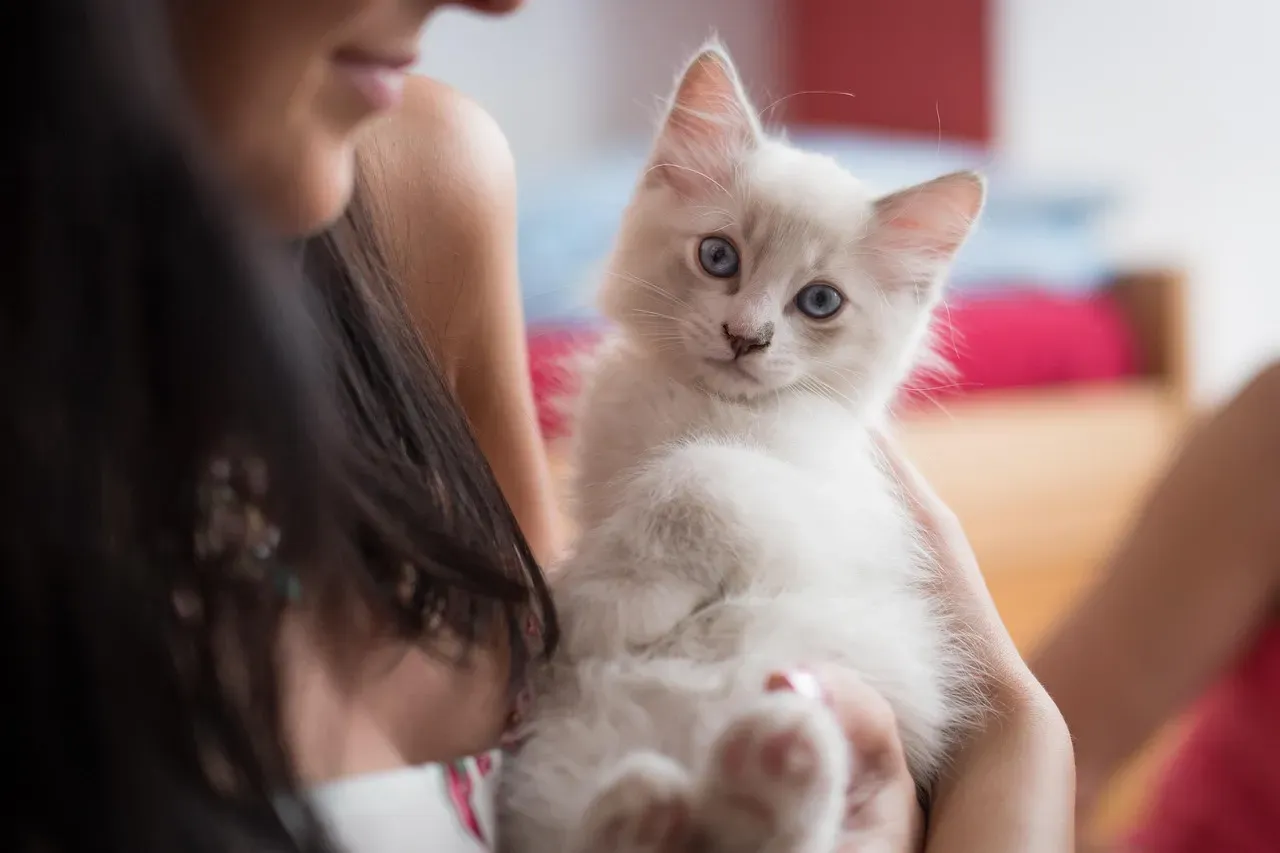
This one really gets under my skin, because it’s just so deeply unfair to cats. Cats may have a reputation for being indifferent and standoffish, but cats bond with their people, often just as much as dogs do. Studies show that most cats create strong attachments to their guardians and experience feelings of comfort and safety by being around them. They just express it differently – which doesn’t make it less real.
Cats show their love in many ways, like purring, kneading, slow blinking, rubbing up against your legs, and following you from room to room. Each cat is unique, so even if your feline friend isn’t a lap cat, they may show you affection in a different way. It’s a bit like comparing love languages between people – just because your cat doesn’t slobber on your face doesn’t mean the feelings aren’t there.
Misconception #5: Outdoor Cats Are Happier Than Indoor Cats
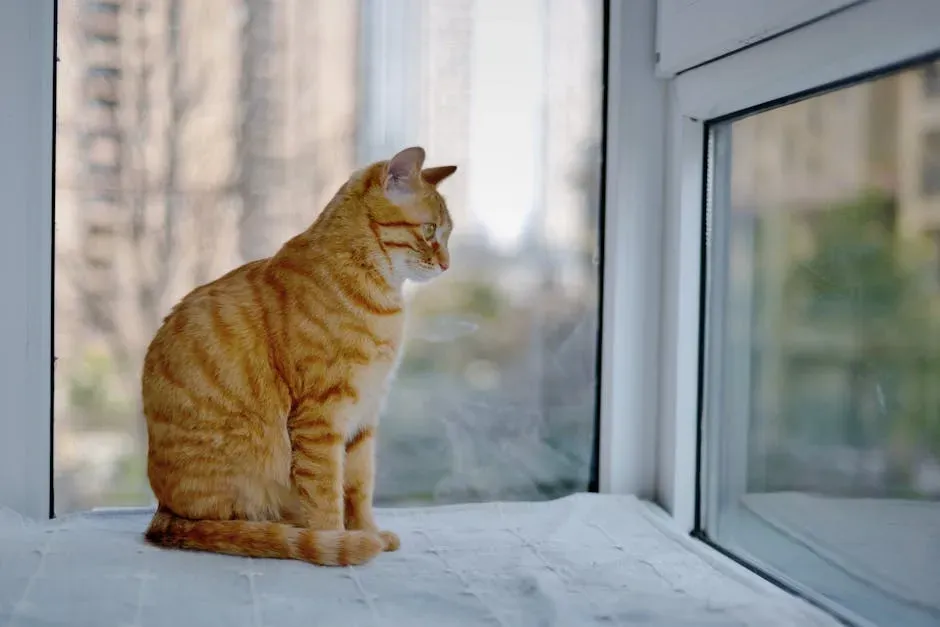
A lot of well-meaning people genuinely believe that keeping a cat indoors is cruel – that they’re somehow being deprived of their true calling. The science, though, tells a very different story. Despite what a well-meaning cat person may say, outdoor cats are not necessarily happier than indoor ones. In fact, letting a cat outside unsupervised drastically shortens its lifespan – the average lifespan of an outdoor cat is reportedly ten to twelve years shorter than an indoor cat’s. That’s a staggering difference.
Many cats thrive indoors, enjoying long and robust lives without the risks the outdoors pose to their health and safety. It all comes down to providing opportunities for your feline friend to express their normal behaviors, such as hunting and exploring. Think puzzle feeders, climbing towers, window perches, and interactive toys. You can bring the wild indoors without the traffic, predators, and disease.
Misconception #6: Cats Don’t Need Play or Mental Stimulation
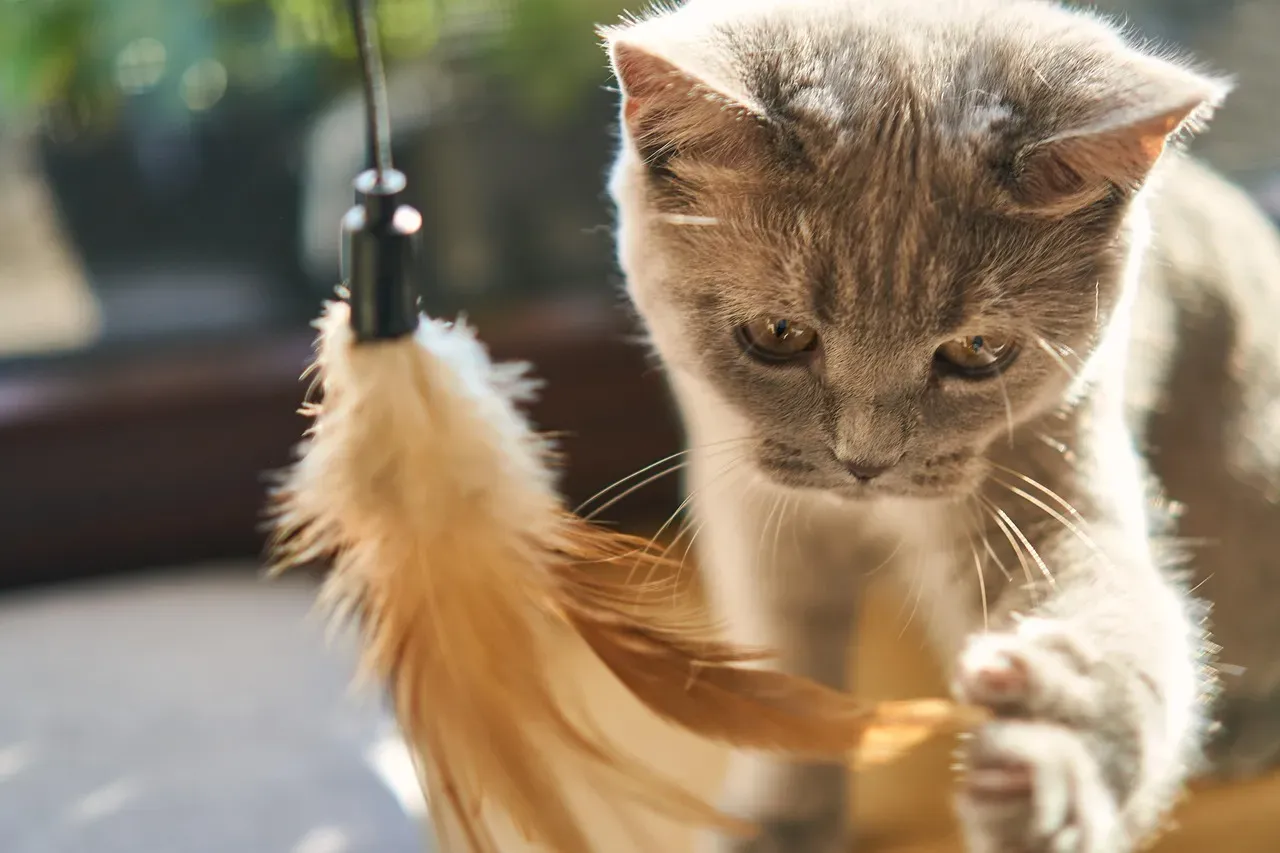
Some people set up a food bowl, a litter box, and call it a day. Let’s be real – that’s not enough. Without exercise for their bodies and minds, cats can develop behavioral problems that include litter box issues. Some exercise-deprived cats will react by tearing things up around the house. But when you give them things to do, they find joy – a busy cat is a happy cat.
Cats thrive when they are given daily activities. Sharing playtime with your cat for a few minutes several times a day will cut down on nuisance behavior such as your cat waking you up early in the morning. Many cats even enjoy going out on walks and can be taught to walk on a leash. Play isn’t just fun – it’s essential for your cat’s psychological health. Think of it like going to the gym, except your cat has absolutely no intention of skipping leg day.
Misconception #7: Cats Are Perfectly Fine Being Left Alone for Long Periods
It’s a persistent image – the self-sufficient cat, perfectly content to lounge solo for days on end while you’re away. Many people misjudge cats as loners and think that if you set them up with an automatic feeder and enough water, you can leave them home alone for a few days. However, cats can get separation anxiety just like dogs, and they crave attention and love having their family around, even though they may not show it in the most obvious way.
To keep your cat happy, it is essential to limit their time alone and provide them with stimulation and interaction in the form of play, petting, food toys, and perches. A cat left alone too long isn’t living their best life – they’re coping. There’s a major difference between those two things, and your cat deserves more than just surviving until you come home.
Misconception #8: Cats Are Solitary Animals Who Prefer to Live Alone
This is another myth rooted in that persistent “aloof cat” narrative. Cat social behavior is actually flexible, and individual preferences for interactions vary. Early social exposure, life experiences, and relatedness all influence a cat’s sociality. In other words, some cats are social butterflies and some prefer peace and quiet – just like people. Generalizing the whole species is the mistake.
Cats often enjoy the company of other cats. If you’re adopting a kitten, you’ll fare best adopting multiples from the same litter, which increases their chances of bonding and enjoying each other’s company. Depending on the cat, it may also be possible to bring another adult feline into your home. The key is thoughtful, gradual introductions – not tossing two strangers into the same room and hoping for the best.
Misconception #9: You Can’t Train a Cat, So Don’t Bother Trying
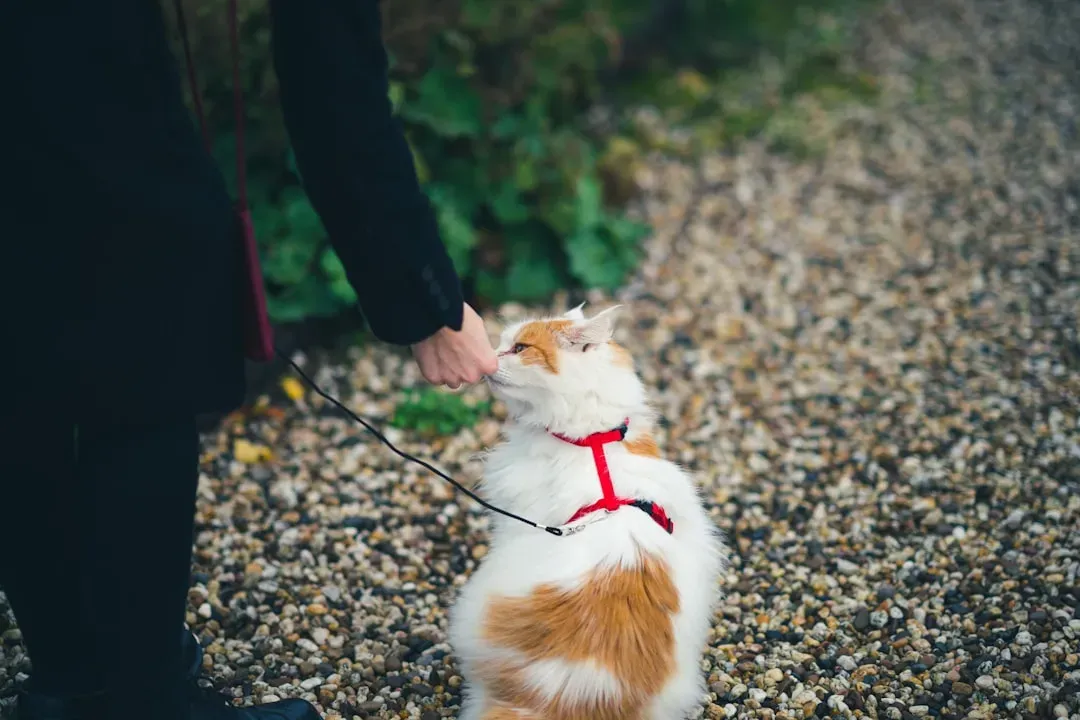
If you’ve ever thrown your hands up and said “cats just do whatever they want,” you’re not alone. It’s a deeply embedded belief. It is actually a misconception that training is not possible or relevant for cat welfare. Cats are trainable – the current world record for the number of tricks performed by a cat in one minute is twenty-six. Experts say it’s not just possible; it’s highly beneficial to the cat, for a number of reasons.
With some patience and positive reinforcement, your cat can learn all sorts of tricks and good manners. Just like with dogs, short, fun training sessions work best. When your cat displays the behavior you ask for, reward them with a treat or toy, and be sure to end your training session on a high note. Training isn’t about control – it’s about communication. It deepens trust, reduces stress, and yes, it can make your daily life together a whole lot smoother.
Conclusion: Your Cat Deserves Better Than These Myths
Despite the growing preference for cats as companion animals, beliefs and misperceptions about them are still common. Cultural and sociodemographic factors can influence society’s attitudes toward cats, affecting the way they are kept and cared for and, consequently, their welfare. That means unlearning these myths isn’t just an intellectual exercise – it has real consequences for real animals living in real homes.
Cats are among the most popular pets worldwide, but there are still major gaps in the public’s general understanding of their social behaviors and related needs. In addition to these knowledge gaps, people often have negative or ambivalent attitudes about cats, which can directly impact their welfare outcomes. Insufficient attention to their behavioral ecology and failure to account for their highly variable individual preferences can lead them to experience distress that undermines both their welfare and the human-animal bond.
Your cat isn’t mysterious because they’re cold or indifferent. They’re mysterious because we’ve been too busy believing myths to actually learn their language. The good news? It’s never too late to start listening. What assumption about your cat are you going to rethink first?