Have you ever caught your cat staring at a wall for ten minutes and wondered what exactly is going on inside that fuzzy head? Or maybe you’ve watched your feline friend ignore your calls repeatedly and thought they just weren’t getting it. Let’s be real, cats have a reputation. They’re often seen as aloof, stubborn, or even a bit dim compared to their canine counterparts. The truth might surprise you, though.
Your cat isn’t ignoring you because they lack intelligence. They’re just operating on a completely different wavelength than you expect. Recent research has revealed some pretty fascinating stuff about how smart cats actually are, and honestly, it’s time we gave them the credit they deserve. So let’s dive into the most common myths about cat intelligence and see what science really has to say.
Misconception 1: Cats Are Less Intelligent Than Dogs

Here’s the thing. When you compare cats to dogs, you’re basically comparing apples to oranges wearing fur coats. People often ask why their cat seems less intelligent than dogs, but this stems from comparing cats to dogs when dogs have been bred for thousands of years to follow human commands and work alongside people, whereas cats evolved as solitary hunters who rely on independence and problem-solving in subtle ways.
Research shows that domestic cats possess approximately three hundred million neurons in their cerebral cortex compared to dogs’ one hundred sixty million. That’s nearly double the brainpower, at least in terms of raw neuron count. Their intelligence simply manifests differently because they weren’t bred to please humans the way dogs were. Cats solve problems independently, remember complex routes, and adapt quickly to routine changes.
Misconception 2: Cats Can’t Be Trained

If you’ve ever thought training a cat is impossible, you’re not alone. This myth persists because cats don’t respond to training methods the same way dogs do. It is a misconception that training is not possible or relevant for cat welfare, as cats are trainable with the current world record for the number of tricks performed by a cat in one minute being 26.
The difference isn’t ability but motivation. Cats can learn commands, use leashes, and even participate in agility courses with proper motivation. Clicker training works wonders with felines when you figure out what truly motivates your individual cat. Food rewards, play sessions, or even just your attention can be powerful training tools if you time them right.
Misconception 3: Cats Have Poor Memory
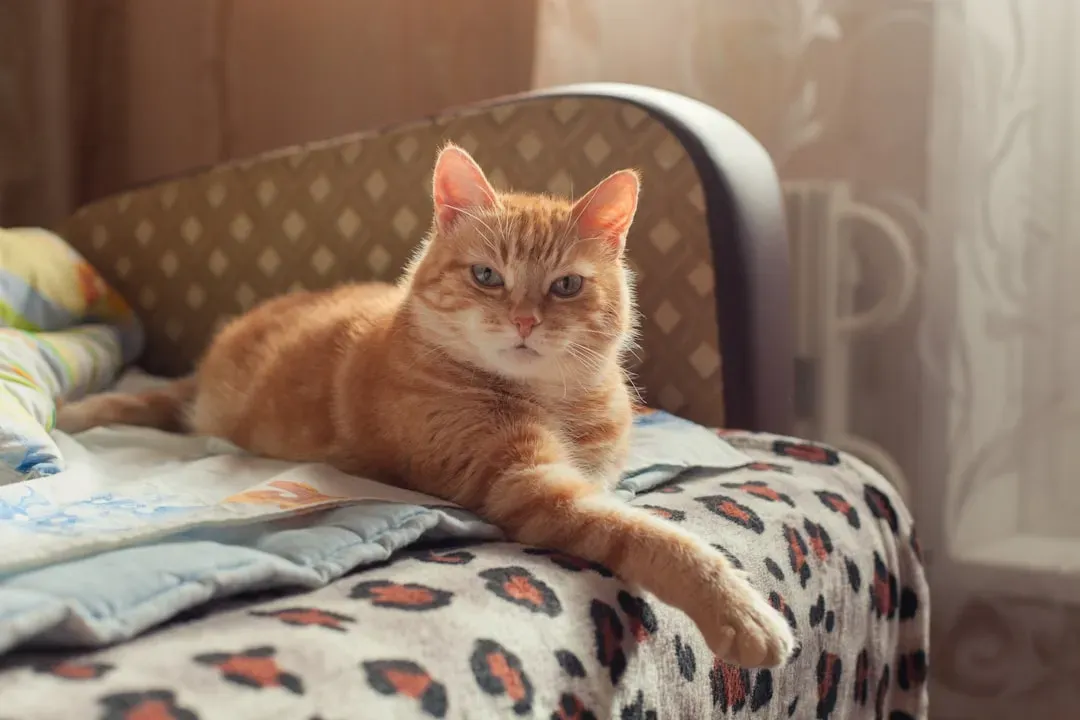
Think your cat forgets things quickly? Think again. Cats possess impressive long-term memory capabilities, retaining recollections of events and locations for a decade or longer, with these memories often intertwined with emotions that allow cats to recall both positive and negative experiences associated with specific places.
Your cat remembers that one time you accidentally stepped on their tail three years ago. They remember where you hide the treats, which door leads to the vet, and exactly what time you usually feed them. Studies have demonstrated that domesticated cats possess exceptional memory capacity, with some studies suggesting they can recall events up to three years prior. Their memory isn’t just good, it’s exceptional, especially when survival or comfort is involved.
Misconception 4: Cats Don’t Understand Human Communication
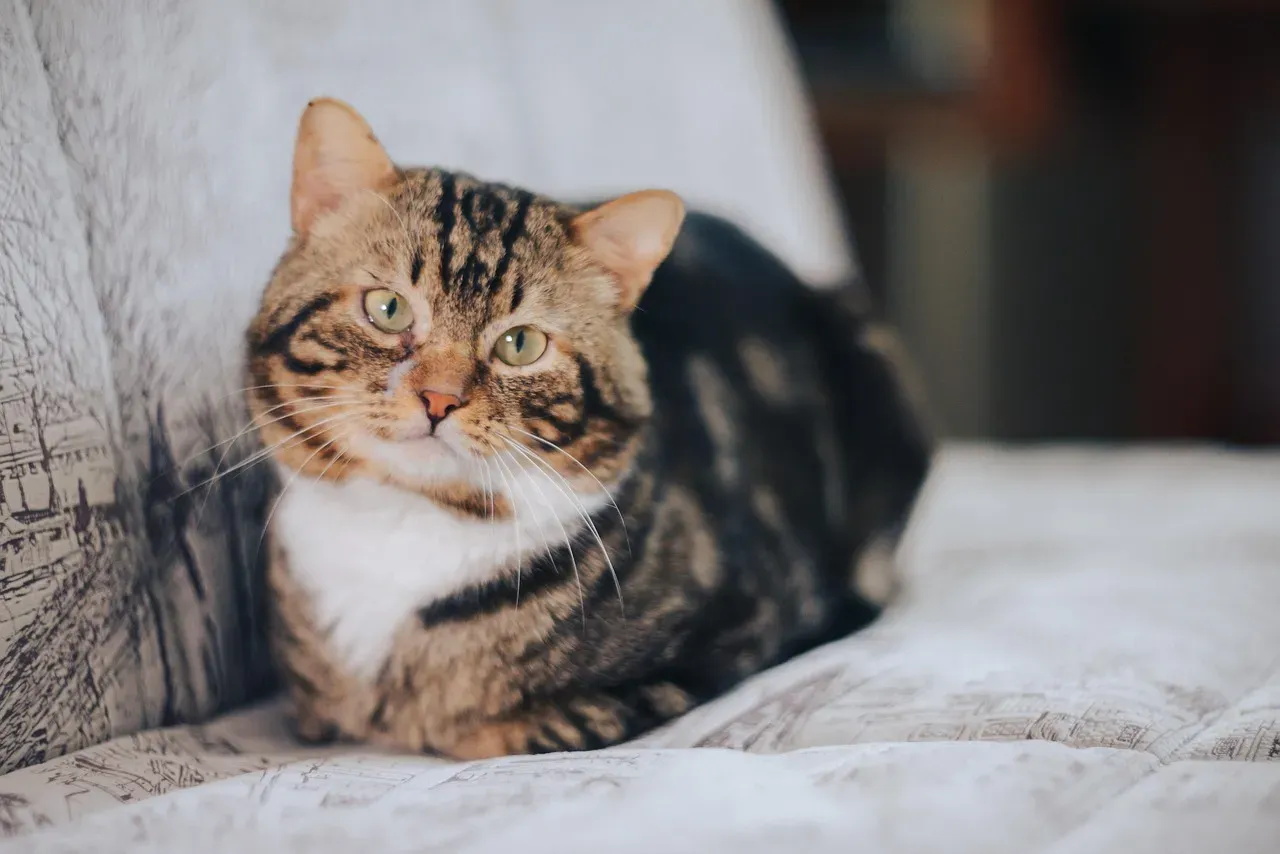
Ever feel like you’re talking to yourself when you chat with your cat? You’re probably not. A recent study published in October found that not only could cats associate words with images, but they could do so at a rate faster than human babies. That’s pretty impressive when you consider we’re not even the same species.
Cats recognize their names, distinguish your voice from others, and can read your emotional state better than you might expect. Studies have shown that cats rarely communicate with each other by meowing, as meowing is something they have adapted as a result of living with humans in order to communicate with us. They’ve literally developed a language specifically to talk to you.
Misconception 5: Cats Are Antisocial and Emotionally Detached

The image of the aloof, uncaring cat is deeply ingrained in popular culture. Despite their popularity, cats are still often thought of as less social, less capable of feeling emotion, and less trainable than dogs. This couldn’t be further from reality.
Recent studies have revealed that cats possess a nuanced form of social intelligence, developing complex social structures when living in groups and forming strong bonds with humans and other animals. Your cat might not greet you at the door with the enthusiasm of a golden retriever, but they’re still deeply attached to you. They just show it differently, through slow blinks, head bumps, and choosing to sit near you.
Misconception 6: Cats Can’t Solve Problems
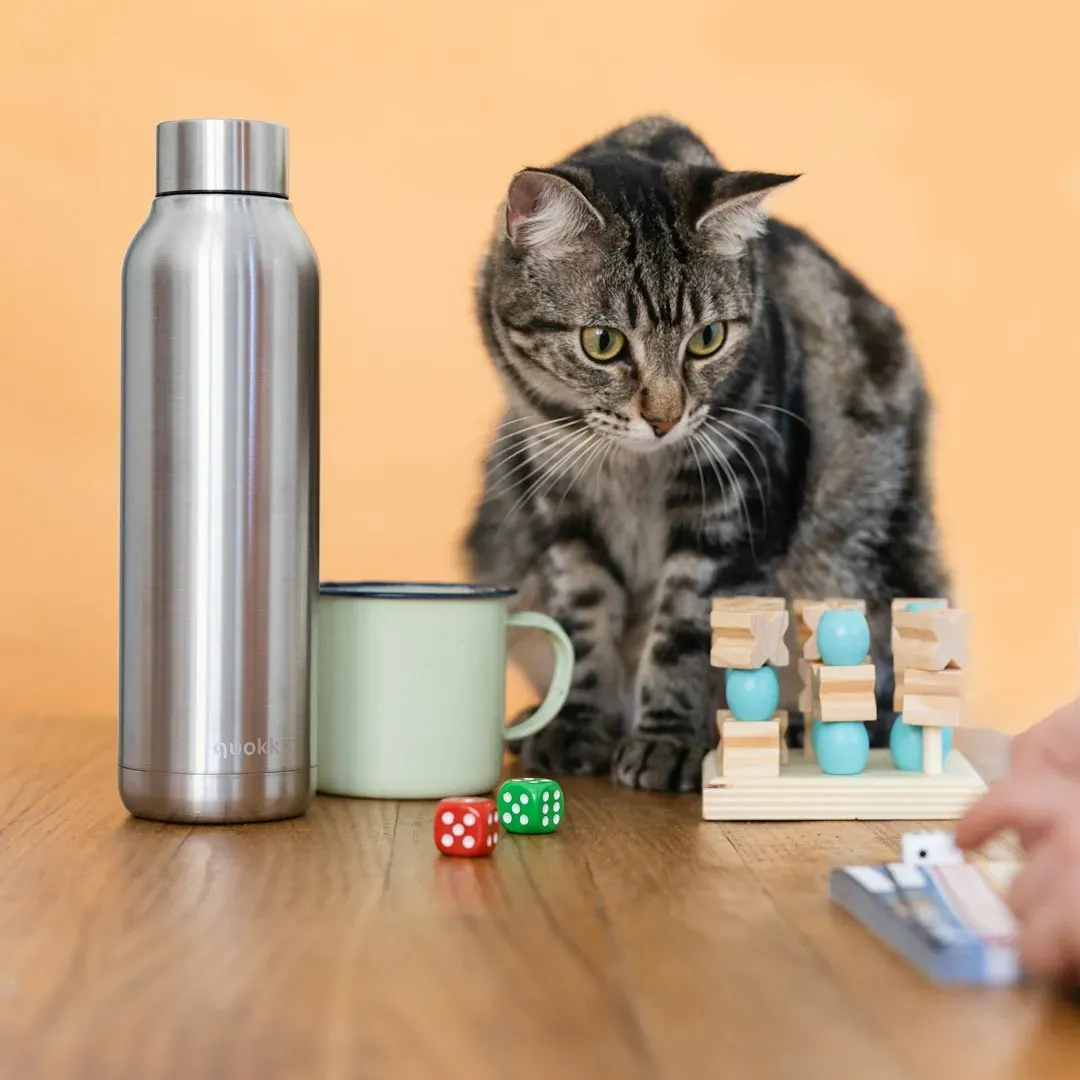
Watching a cat knock things off a table might not look like genius behavior, but there’s actually sophisticated thinking happening. A study published in Animal Cognition demonstrated that cats could solve complex puzzles to access food, showcasing their ability to manipulate their environment to meet their needs as a clear indicator of their practical intelligence.
Research found that more social cats were more likely to solve puzzle boxes and solve them faster, being more willing to approach and interact with the puzzle box. Cats use trial and error, observation, and logical reasoning to figure things out. They’re just more selective about when they choose to demonstrate these skills.
Misconception 7: Cats Don’t Form Attachments to Their Owners
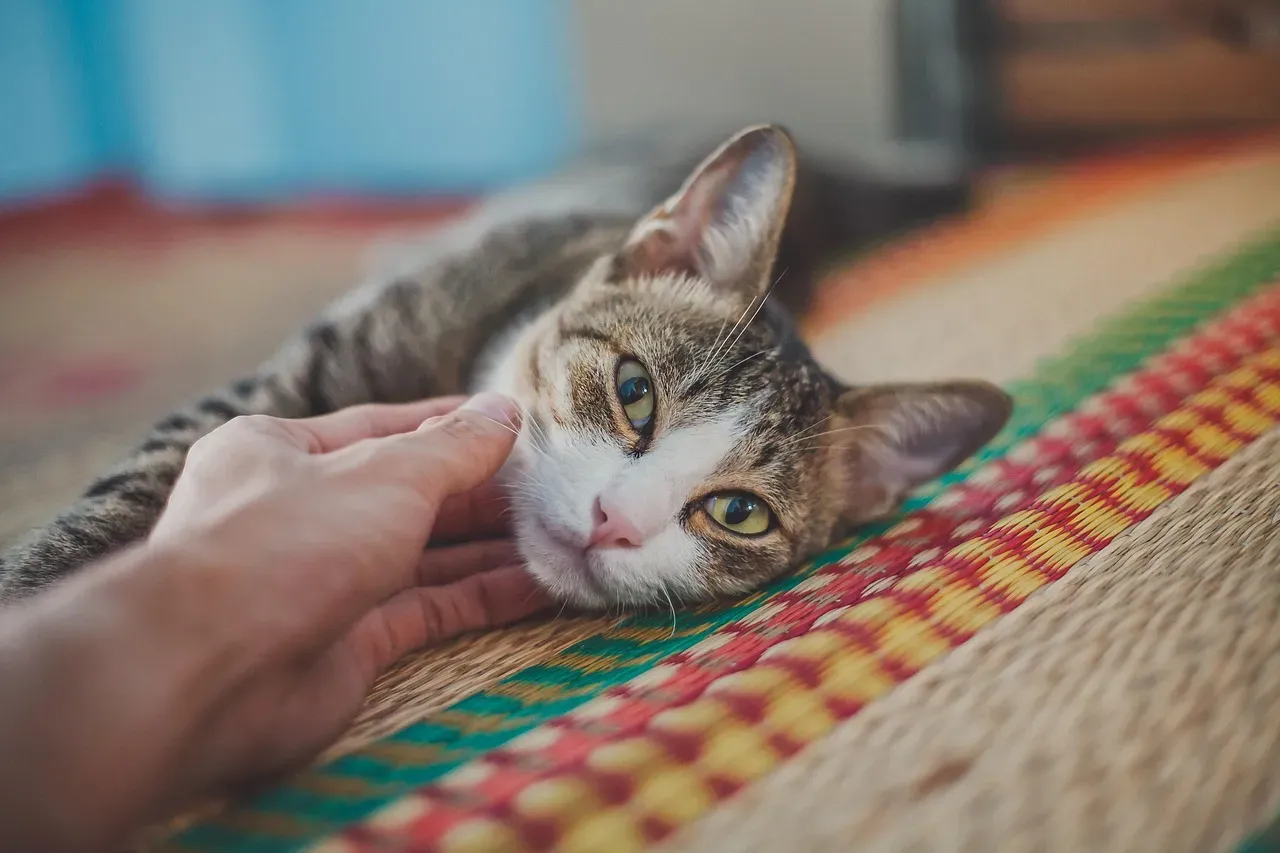
It’s hard to say for sure what your cat feels, but the evidence suggests they care more than we give them credit for. Recent research has shown that cats have remarkable social cognitive abilities, following human pointing and gazing cues, discriminating human emotional expressions, recognizing their owners’ voices, and forming attachment-like bonds.
Cats absolutely form attachments to their humans. They might not show it by following you everywhere or constantly seeking pets, but they form genuine emotional connections. Many cats show signs of distress when separated from their owners and comfort when reunited. That’s not indifference, that’s attachment.
Misconception 8: Cats Only Care About Food

Sure, your cat probably perks up when they hear the can opener. Who wouldn’t? Yet reducing their entire emotional life to food-motivated behavior is selling them short. Cats seek out social interaction, play, mental stimulation, and yes, affection from their humans.
Many cat caretakers assume that their pets do not need opportunities to interact with novel stimuli or experience diverse social interactions, but growing scientific evidence suggests that early exposure to other cats, humans, and a variety of environmental stimuli can benefit a cat’s social behavior and overall cognitive development. Your cat needs enrichment beyond a full food bowl. They crave engagement, exploration, and connection.
Misconception 9: All Cats Are Equally Intelligent
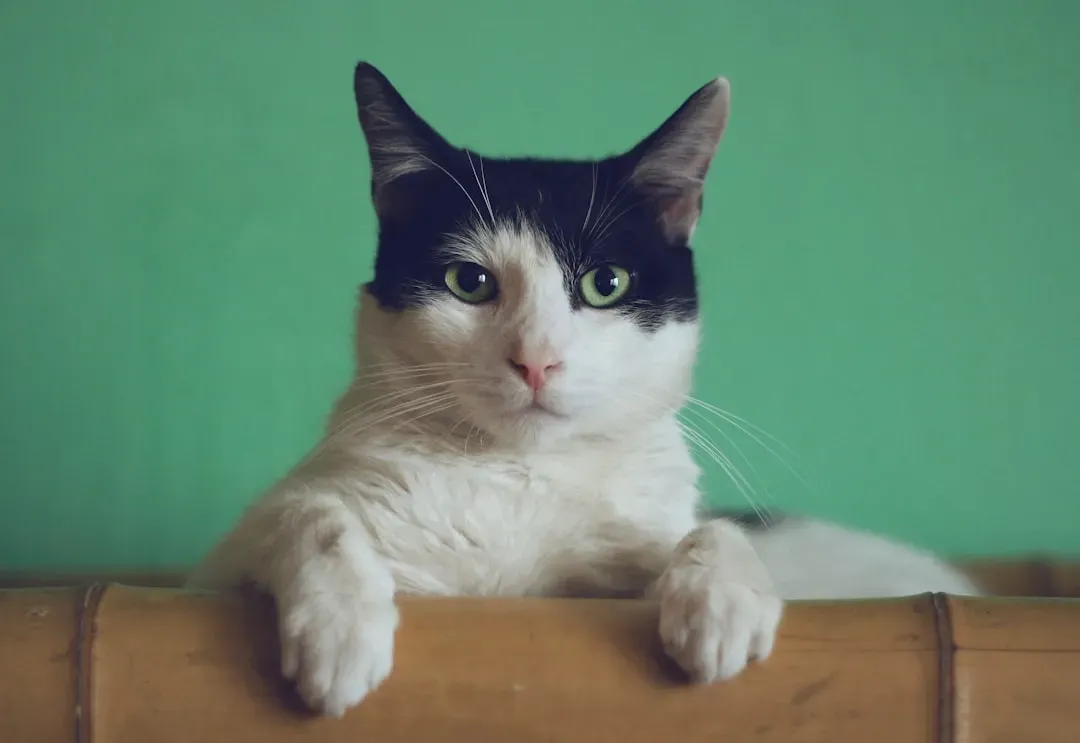
Just like people, every cat has their own cognitive strengths and weaknesses. Some cats may excel at cognitive tasks while others struggle, influenced by factors including genetics, early socialization, environmental history, health status, and individual temperament.
Your cat’s intelligence is shaped by their breed, life experiences, age, and personality. Some cats are puzzle masters while others excel at social intelligence or spatial navigation. There’s no single measure of feline intelligence because cats, like us, are complex individuals with varying abilities. Comparing your cat to others is like comparing students who excel in different subjects.
Final Thoughts

Cats have been misunderstood for far too long. Their intelligence isn’t inferior to dogs or any other species, it’s just specialized for their evolutionary niche as solitary hunters who’ve adapted to living alongside humans. They possess remarkable memory, sophisticated problem-solving abilities, emotional intelligence, and complex communication skills that we’re only beginning to fully appreciate.
Next time your cat ignores your call or knocks your glass off the counter, remember they’re not being dumb. They’re being strategic, independent thinkers who’ve figured out exactly how to get what they want from you. What do you think about your cat’s intelligence now? Have they been outsmarting you this whole time?