When it comes to mastering the art of emotional resilience, few creatures offer as profound teachings as our feline companions. Cats possess an almost mystical ability to navigate life’s inevitable changes with grace, adaptability, and an enviable sense of presence. While we humans often struggle with attachment, regret, and the need to control outcomes, our whiskered teachers demonstrate daily how to embrace uncertainty and flow with life’s ever-changing rhythms.
Cats are complex sentient animals who have long-term memory and learn from both positive and negative experiences which influence their mental state, welfare, and future behaviour. Yet despite their capacity for memory and emotional depth, they display a remarkable ability to move forward without being weighed down by past experiences. Their approach to letting go offers us valuable insights into emotional balance and acceptance that can transform how we handle life’s inevitable transitions and challenges.
Living Fully in the Present Moment
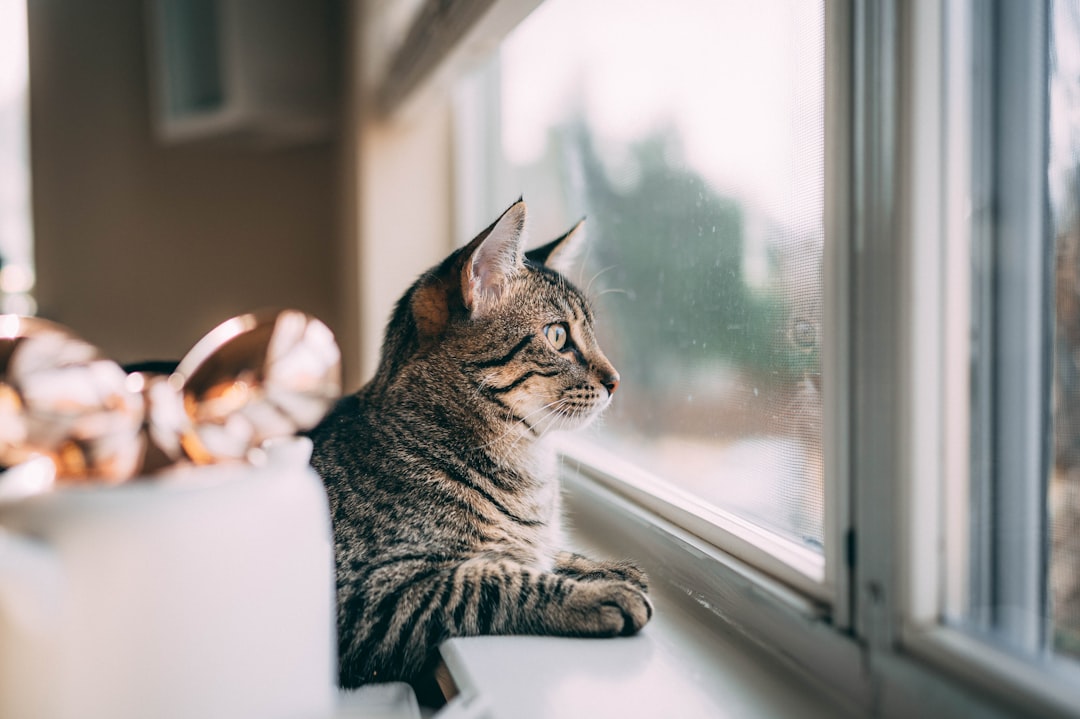
Watch a cat stalking a bird through the window, and you’ll witness pure presence in action. Emotions give cats the impulse to act in response to an event or situation. For example, the negative emotion of fear may cause cats to run and hide, or the positive emotion of happiness may cause cats to jump up on your lap for an affectionate cuddle. In that hunting moment, there’s no worry about yesterday’s missed mouse or tomorrow’s empty food bowl.
This ability to inhabit the present completely is perhaps cats’ greatest emotional teaching. They don’t replay past failures or anxiously anticipate future problems. Their emotional responses are immediate, authentic, and then released when the situation changes. Unlike humans who carry emotional baggage from situation to situation, cats meet each moment fresh and unencumbered.
Their present-moment awareness extends beyond hunting to everyday activities. Whether they’re grooming, sleeping, or simply observing, cats give their full attention to what they’re doing right now. This natural mindfulness allows them to experience life more fully and recover from setbacks more quickly than creatures who remain trapped in mental loops about the past or future.
Accepting Change Without Resistance
Cats are creatures of habit with a strong attachment to their environment, providing comfort and security. They are territorial by nature and use scent markings to establish their domain, which is why new environments can cause anxiety. Yet despite this territorial nature, cats demonstrate remarkable adaptability when faced with unavoidable change.
When circumstances shift beyond their control, cats don’t waste energy fighting the inevitable. Every cat reacts differently to moving home. Many adapt quickly, while others take several weeks to settle fully. They may initially feel stressed, but they don’t remain stuck in denial or anger about their new situation. Instead, they begin the practical work of adapting to their new reality.
This acceptance doesn’t mean cats are passive. They actively explore new environments, establish new routines, and create fresh territorial markers. Their approach teaches us that acceptance isn’t about giving up, but rather about directing our energy toward adaptation rather than futile resistance to what has already changed.
Releasing Emotional Attachment to Outcomes
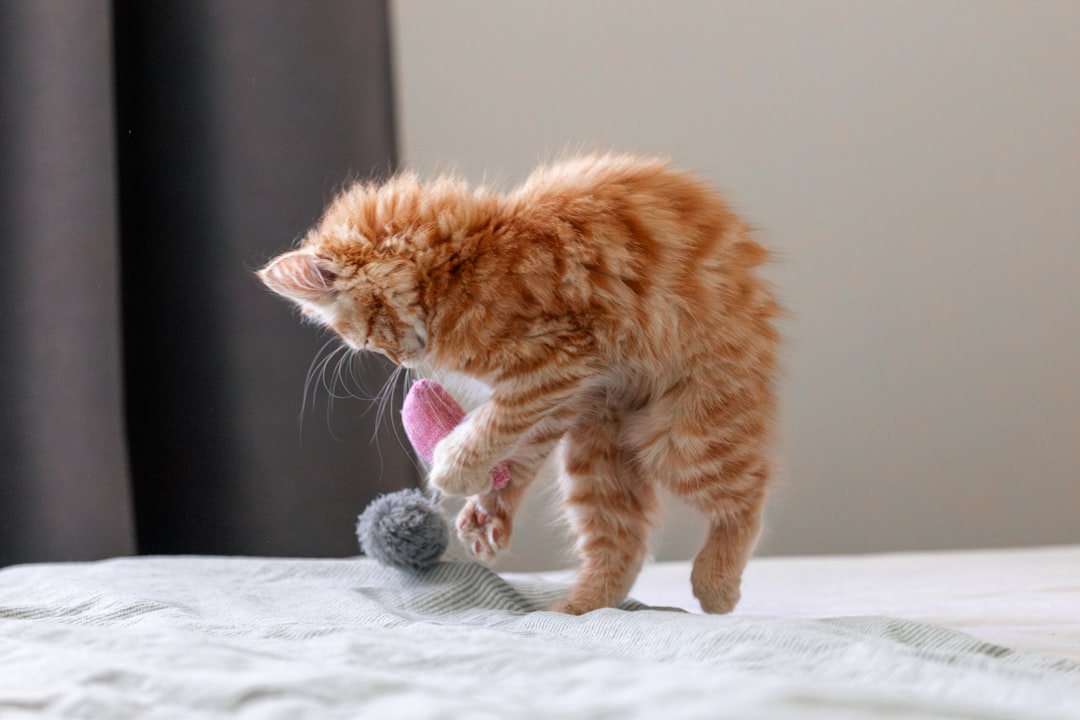
A cat preparing to pounce on a toy doesn’t guarantee success, yet they invest fully in each attempt without becoming devastated by failure. The goal is to replace an undesirable emotional reaction (fear, anxiety, or aggressive arousal) to a trigger with a more relaxed, comfortable reaction. When these two techniques are combined successfully, the undesirable behavior usually goes away because the cat is now having a positive rather than a negative experience in response to the stimulus.
This natural detachment from specific outcomes allows cats to engage wholeheartedly without the paralysis that comes from over-investment in results. They can be intensely focused during the hunt, then immediately relaxed when the prey escapes. There’s no lingering disappointment or self-blame, just readiness for the next opportunity.
Their emotional flexibility shows us how to maintain passion and engagement while holding outcomes lightly. By releasing attachment to specific results, we can act more freely and recover more quickly from disappointments, just as cats seamlessly transition from intense hunting mode to peaceful rest.
Trusting Natural Rhythms and Cycles
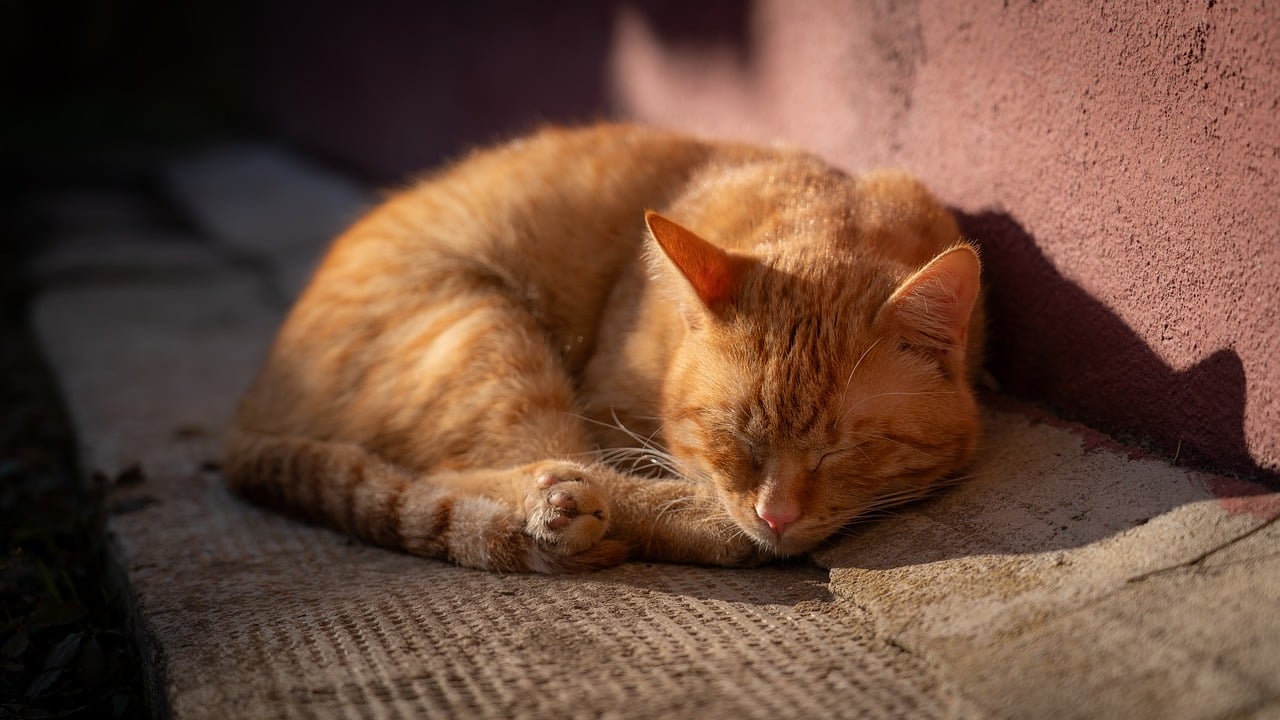
Cats intuitively understand that life operates in cycles of activity and rest, engagement and withdrawal, excitement and calm. They don’t fight against their natural energy patterns or try to maintain constant productivity. When tired, they sleep deeply without guilt. When energetic, they play with full enthusiasm.
The cat’s emotional state influences their behavioural response to situations. Emotions, feelings, perceptions, and experiences matter to individual cats and these have an impact on their welfare. This emotional honesty allows them to respond authentically to their inner state rather than forcing themselves to behave according to external expectations or arbitrary schedules.
Their trust in natural rhythms extends to healing and recovery. When sick or injured, cats instinctively know when to be active and when to rest. They don’t rush their healing process or feel ashamed about needing recovery time. This wisdom teaches us to honor our own cycles of expansion and contraction, recognizing that rest is not laziness but an essential part of growth and renewal.
Bouncing Back from Physical and Emotional Setbacks
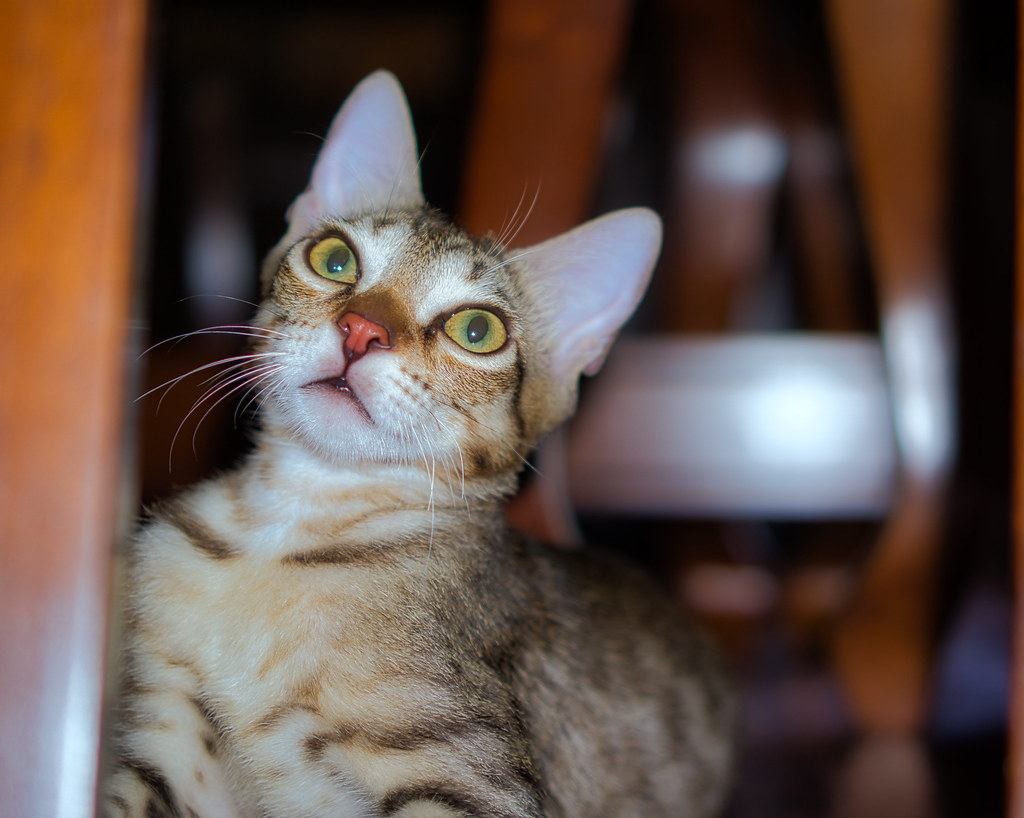
The vet – to save her for a time – removed one of her legs. Within an hour, she was stable, able to jump, run, chase, walk, and seemed to have wholly forgotten she ever had a fourth leg. I kid you not, there was not one ounce of looking back, not one bit of self-pity, or of “if only,” or “oh gosh,” or “poor me,” not a sliver, not even a whine or mope. She was all in for life, with her three legs and all that they could do for her, and had a fox appeared, she would have been at him in a blink.
This remarkable story illustrates cats’ extraordinary capacity for resilience. Rather than dwelling on what they’ve lost, cats quickly assess their new reality and adapt their behavior accordingly. They don’t waste emotional energy on self-pity or regret, but immediately focus on making the best of their current situation.
Their approach to setbacks shows us the power of acceptance combined with determination. They acknowledge changes without becoming victims of circumstances, demonstrating that resilience isn’t about avoiding difficulties but about responding to them with flexibility and grace.
Practicing Non-Attachment to Material Possessions
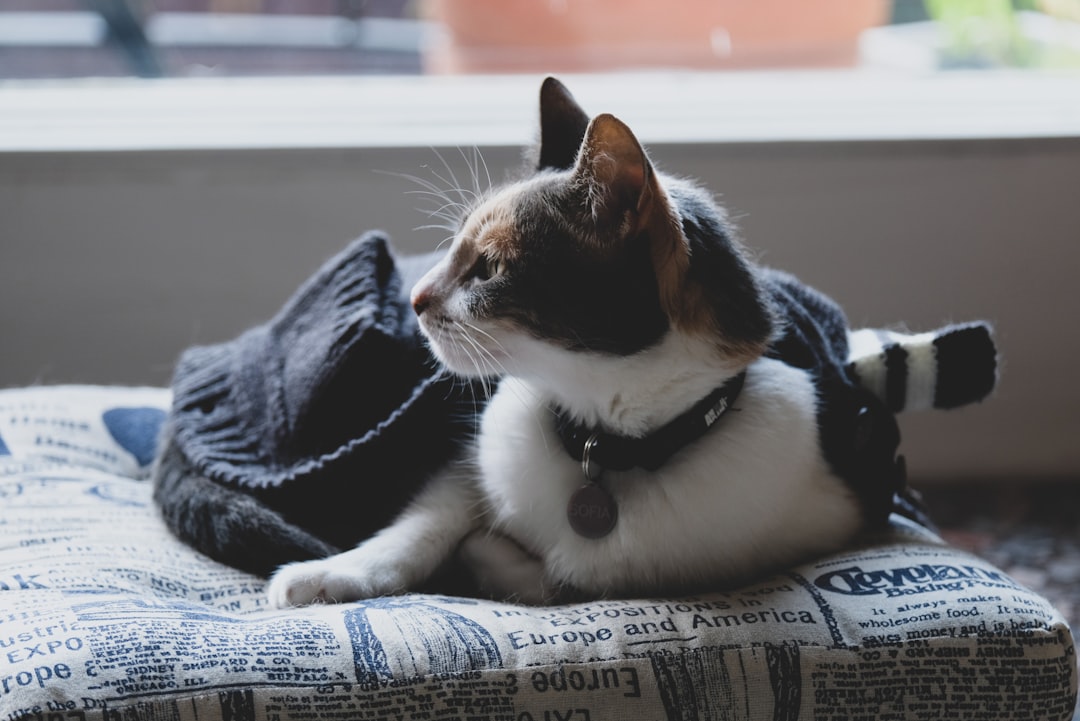
While cats may have favorite toys or sleeping spots, they don’t become devastated when these items are unavailable or change. Cats rely heavily on scent to feel secure. When moving, make sure to bring along familiar items such as bedding, toys, and blankets. Placing these in your new home helps your cat mark their territory and feel at ease. However, if familiar items are lost, cats adapt by creating new associations and finding fresh sources of comfort.
This healthy relationship with possessions teaches us about the difference between appreciation and attachment. Cats can enjoy comfort and familiarity without becoming emotionally dependent on specific objects. They understand instinctively that security comes from within, not from external circumstances or possessions.
Their ability to quickly establish new territories and routines shows us how to remain flexible about our environment while maintaining our inner sense of self. They demonstrate that we can enjoy material comforts without letting them define our well-being or limit our adaptability.
Maintaining Emotional Boundaries Without Building Walls
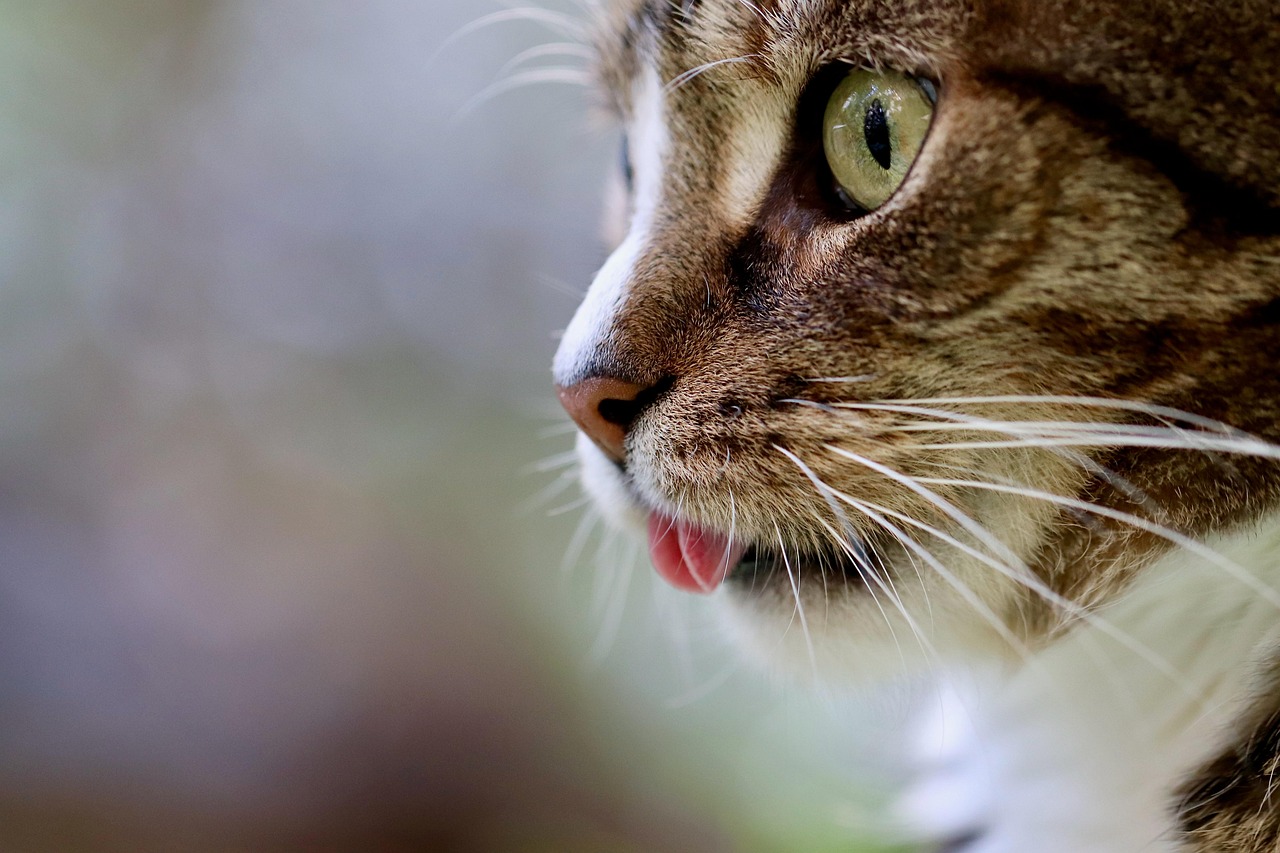
Cats forecast their intentions and next moves by pointing their body in the direction they are likely to go. If a cat is standing sideways to you, they might be feeling shy and considering escape. With a sideways body position, the cat has the advantage of being able to take off fast if a chase occurs. This physical positioning reflects their sophisticated understanding of emotional boundaries.
Cats demonstrate how to protect themselves emotionally without becoming permanently closed off. They can be cautious in new situations while remaining open to positive experiences. When they sense safety, they readily engage and show affection, but they don’t hesitate to withdraw when their boundaries are crossed.
Their boundary-setting is clear, immediate, and without malice. They don’t hold grudges or punish others for past violations, but they do remember and adjust their behavior accordingly. This teaches us how to protect our emotional well-being while remaining open to connection and growth.
Responding Rather Than Reacting to Stress
Keep in mind that the DS/CC process should be performed at your cat’s pace – not yours. If your cat does go over threshold, lower the intensity or increase the distance until your cat is comfortable again. Using desensitization and counterconditioning to change a cat behavior issue can take time, and the process must be gradual for it to work.
Even when cats become stressed or frightened, their recovery process is instructive. They may initially react with fight, flight, or freeze responses, but they don’t remain stuck in these states. Once the immediate threat passes, they gradually return to baseline emotional functioning.
Their stress responses are proportional and temporary. They don’t catastrophize or create elaborate narratives about worst-case scenarios. Instead, they assess threats realistically and respond appropriately to actual rather than imagined dangers. This measured approach to stress helps them conserve emotional energy for genuine challenges.
Embracing Solitude Without Loneliness
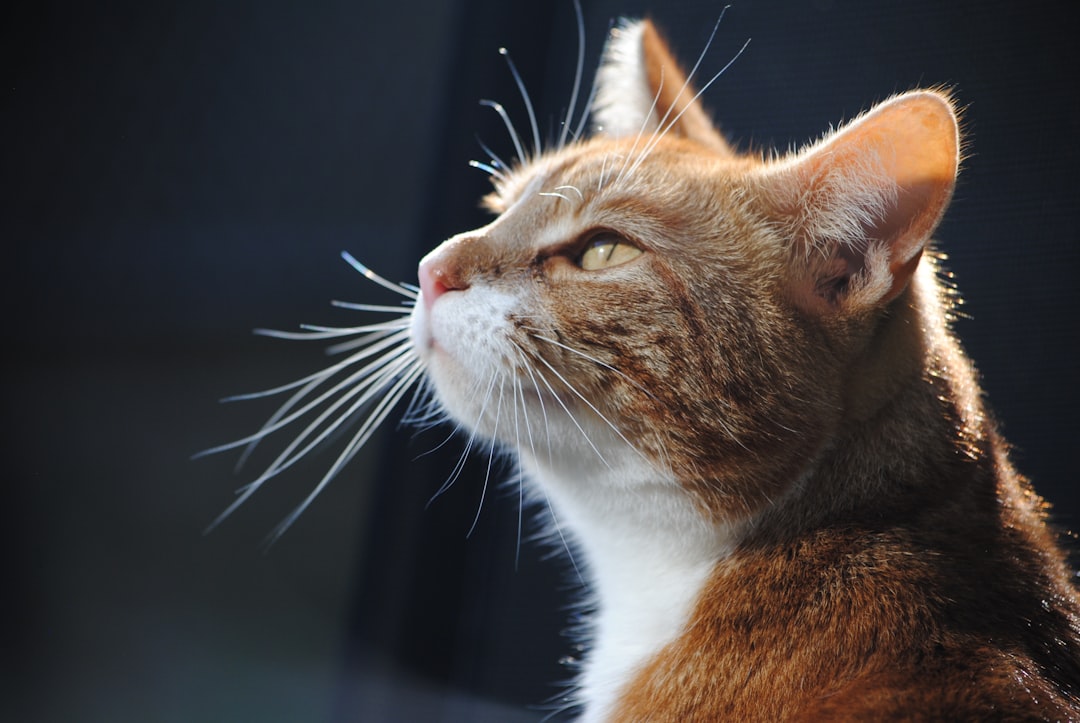
The fact that cats are non-obligate in terms of social interaction in adulthood means that the desire-seeking motivational drive to acquire social interaction is very different from that demonstrated in socially obligate mammals such as dogs, horses and humans. This system is most commonly displayed by young kittens, as they have a need for social interaction; it is a less strongly motivated drive in adult cats as a result of their solitary survivor social behaviour.
Cats teach us that solitude can be profoundly nourishing rather than merely something to endure. They don’t equate being alone with being rejected or unloved. Instead, they use solo time for restoration, contemplation, and self-care activities like grooming and rest.
Their comfort with solitude demonstrates healthy self-relationship and inner security. They don’t need constant external validation or entertainment to feel content. This self-sufficiency doesn’t make them antisocial, but rather allows them to engage with others from a place of choice rather than neediness. They show us how to cultivate inner resources that make us less dependent on external circumstances for emotional stability.
Conclusion
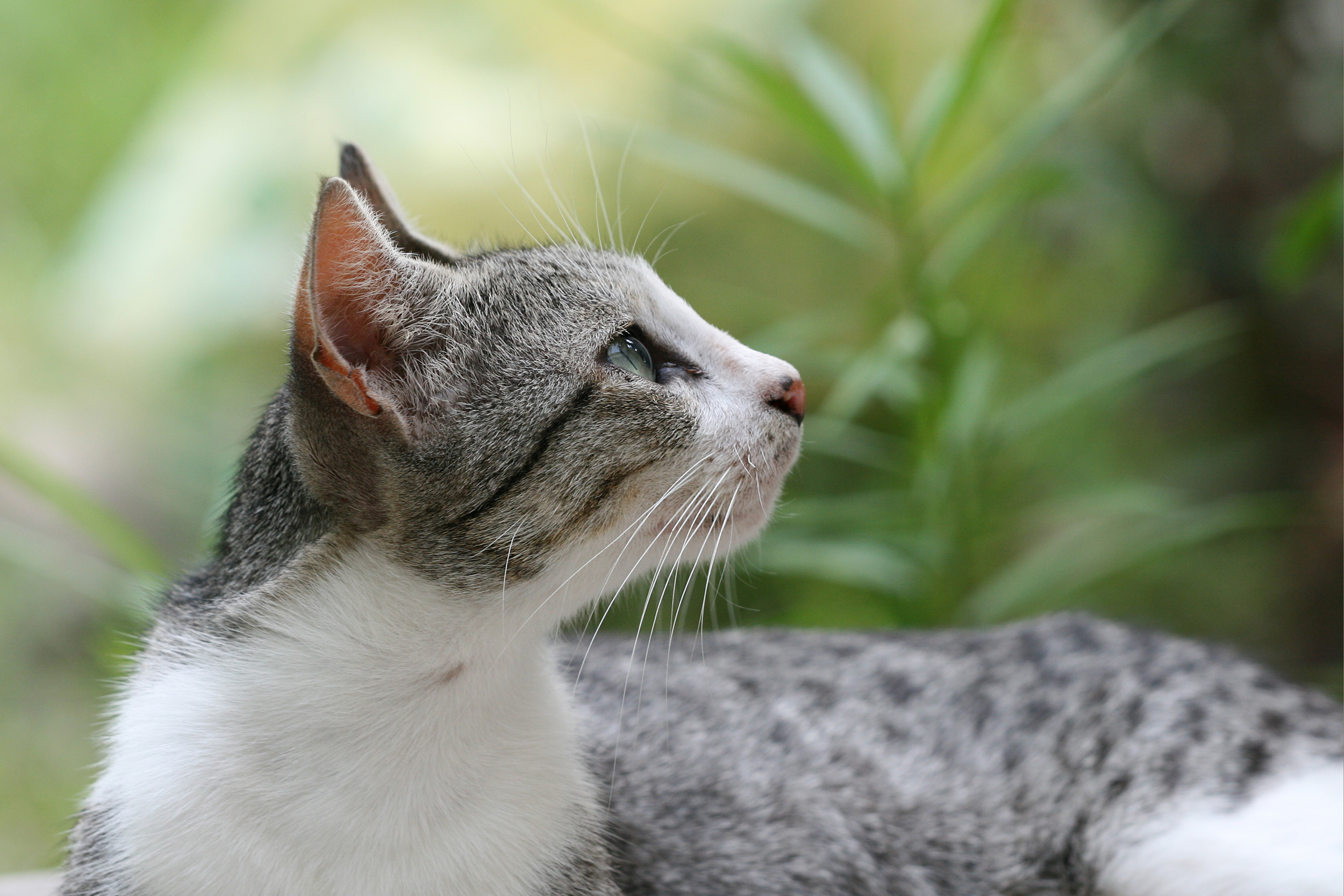
The emotional wisdom cats offer runs deeper than simple detachment. They demonstrate that true emotional freedom comes from embracing change, trusting life’s natural rhythms, and responding to each moment with authenticity rather than being trapped by past experiences or future anxieties. Their approach to resilience shows us that we can acknowledge pain without becoming defined by it, adapt to new circumstances without losing our essential nature, and maintain open hearts even after experiencing hurt.
Perhaps most importantly, cats teach us that letting go doesn’t mean giving up or becoming indifferent. Rather, it means engaging fully with life while holding outcomes lightly, caring deeply while remaining emotionally flexible, and finding security within ourselves rather than in external circumstances. Their daily demonstrations of presence, adaptability, and grace offer us a masterclass in emotional balance that can transform how we navigate our own human journey.
What do you think about these feline lessons in emotional resilience? Have you noticed your own cat demonstrating these qualities in their daily life?