Ever catch yourself wondering what your cat is really trying to tell you? You know, those moments when they stare at you with those unblinking eyes or let out a series of meows that sound oddly like a conversation. Here’s the thing: not all cats communicate the same way. Some breeds have developed absolutely fascinating methods of connecting with their human companions, from elaborate vocal symphonies to subtle body language that speaks volumes.
Cats have specifically developed vocal communication modes for interacting with humans, which means your feline friend has actually evolved to talk to you in ways they wouldn’t use with other cats. While some kitties are content with the occasional purr or silent stare, others have turned communication into an art form. Let’s dive into the world of these chatty, expressive, and downright captivating breeds that have mastered the language of human connection.
Siamese: The Undisputed Champion of Cat Conversation
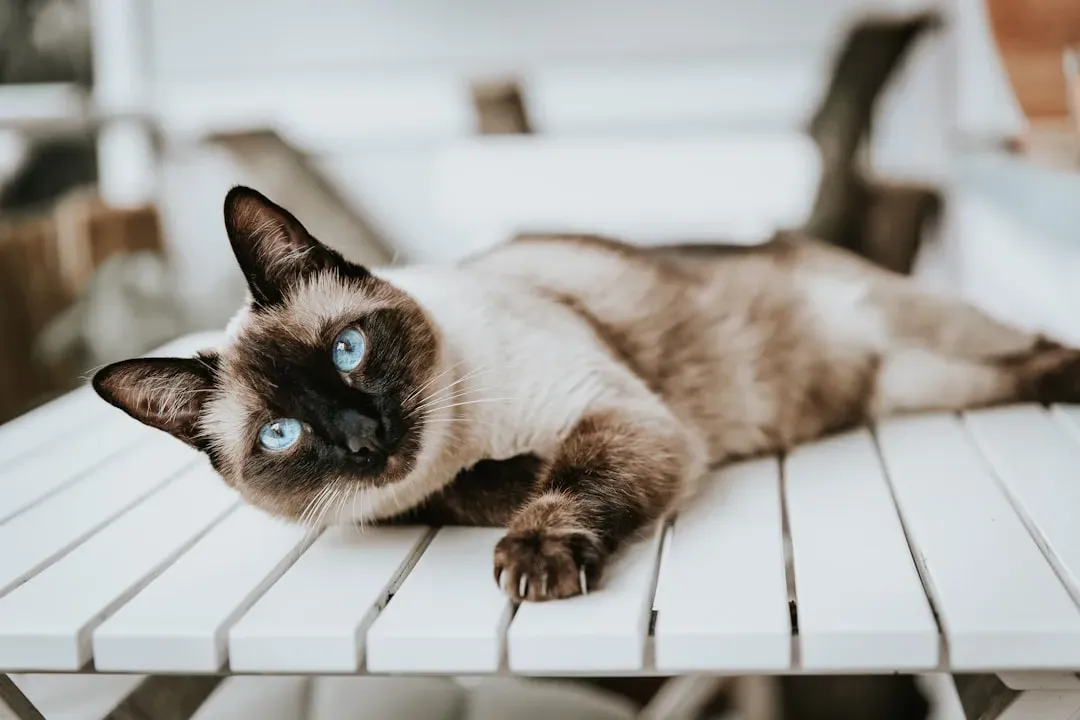
The Siamese holds the number one spot for most vocal cat breed, unparalleled in its ability to communicate with humans through loud meows, yowls, chirps, and trills. If you’ve ever lived with a Siamese, you already know they have opinions about everything. Their vocalizations are so distinctive that they often sound more like a ‘reow’ than a traditional ‘meow’, and honestly, some say it can almost mimic a human baby’s cry.
Siamese are extremely social cats, and their intense desire to bond with their humans is part of the reason for their chatty ways. They won’t just meow at you when they’re hungry. These cats will engage in full conversations about their day, comment on what you’re doing, and demand your attention when they feel you’ve been ignoring them for too long. It’s hard to say for sure, but their need for constant interaction makes them perfect for people who actually want a pet that talks back.
Maine Coon: The Gentle Giant With a Surprising Voice
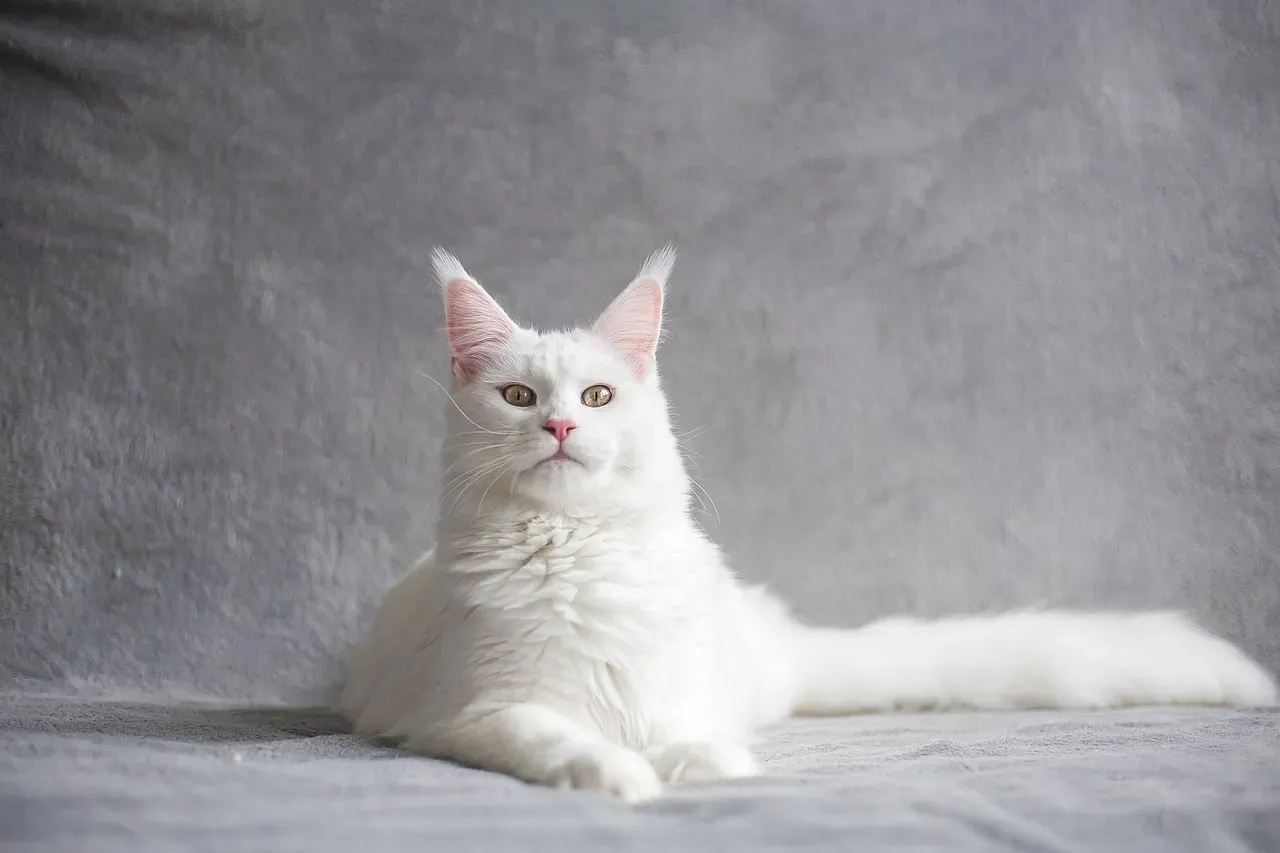
You might expect a cat as large as the Maine Coon to have a booming voice to match their impressive size. Surprisingly, Maine Coons, despite their large size, have soft and gentle murmurs but are still quite talkative. Maine Coons are known for their distinctive trills, chirps, and chattering sounds, which they use when happy, excited, or engaging with their environment.
What makes their communication style so unique is that they’re not persistently vocal like their Siamese cousins. Instead, they choose their moments carefully, using those adorable chirping sounds when they want to express joy or get your attention. Picture this: a massive, fluffy cat following you around making sweet little chirping noises instead of demanding meows. Their communication feels more like a gentle suggestion than a demand, which perfectly matches their laid-back, friendly personality.
Burmese: The Sweet-Voiced Social Butterfly
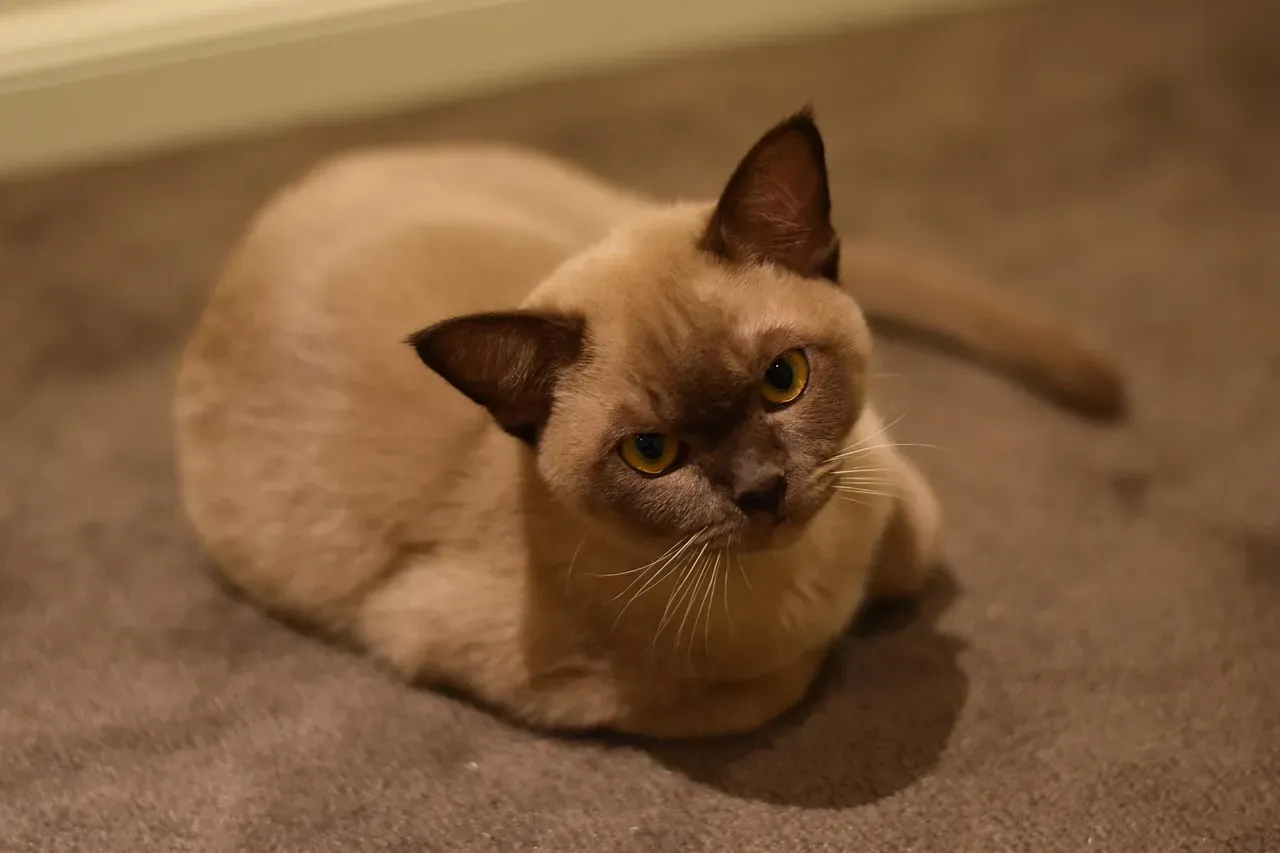
Burmese cats are known for their sweet, soft voices, which they frequently use to communicate with humans, with vocalizations described as a series of soft murmurs and mews. Unlike some of the more demanding vocal breeds, the Burmese has perfected the art of gentle persuasion. They’re not loud or insistent, but they definitely have things to say.
Burmese cats are highly sociable and use their voices to strengthen the bond with their owners, seeking attention, companionship, and interaction. What sets them apart is their people-oriented nature combined with that melodious voice. They’ll follow you from room to room, offering commentary in those soft tones that make it nearly impossible to refuse them anything. Their communication style is less about volume and more about connection, making them ideal companions for those who appreciate a chatty cat without the headache of constant loud meowing.
Turkish Angora: The Melodious Conversationalist
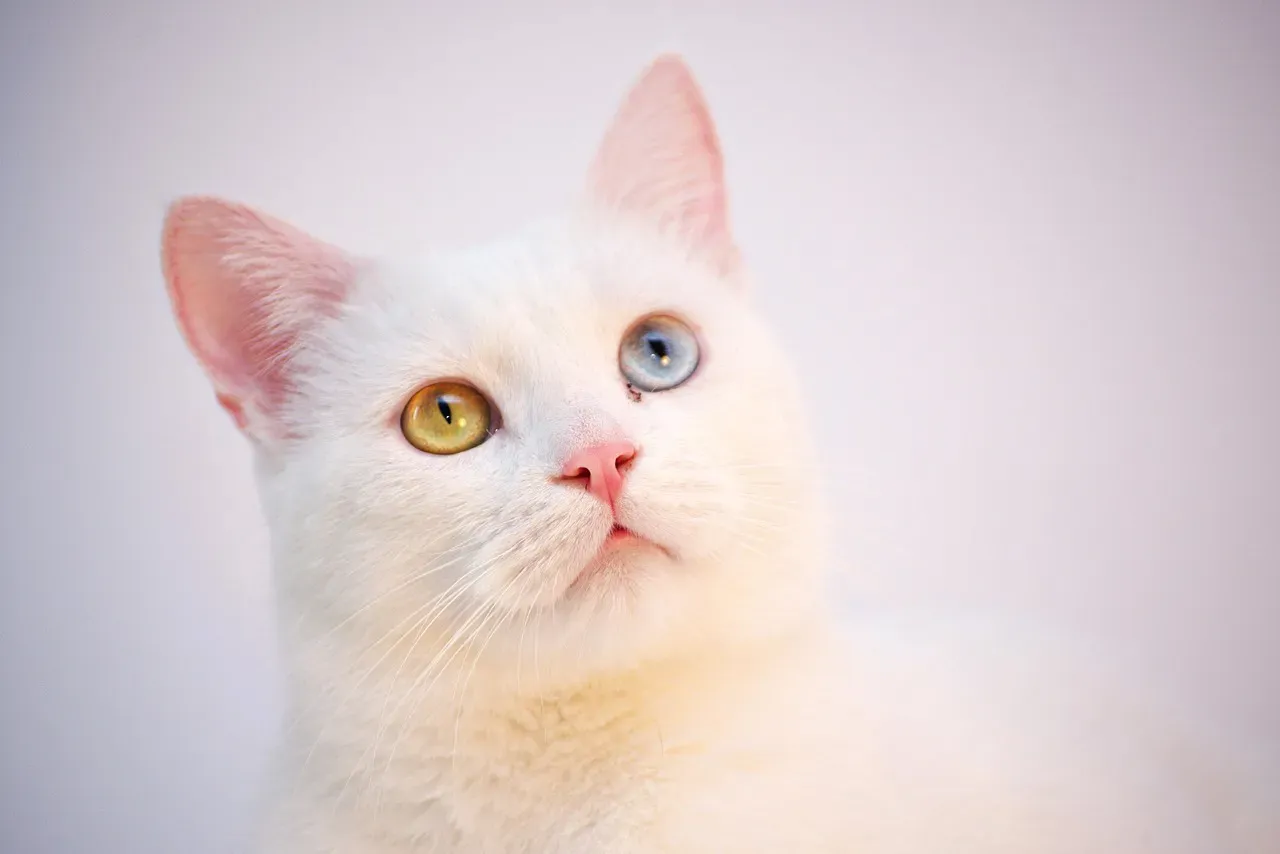
The Turkish Angora is celebrated for its elegant appearance and silky coat, and for its engaging vocal personality, with a soft, melodious voice used to communicate with humans in a surprisingly conversational manner. These cats don’t just meow at you; they seem to genuinely converse, using a variety of sounds that feel almost musical.
Turkish Angoras are known to be quite expressive, using a variety of chirps, trills, and meows to indicate their desires, whether it’s the need for attention, food, or simply the joy of interaction. Their communication has an elegance to it that matches their physical appearance. Watch one of these beautiful cats for long enough, and you’ll start to notice patterns in their vocalizations. They’re not random noisemakers; they’re strategic communicators who know exactly how to get their message across.
Oriental Shorthair: The Siamese’s Equally Chatty Cousin
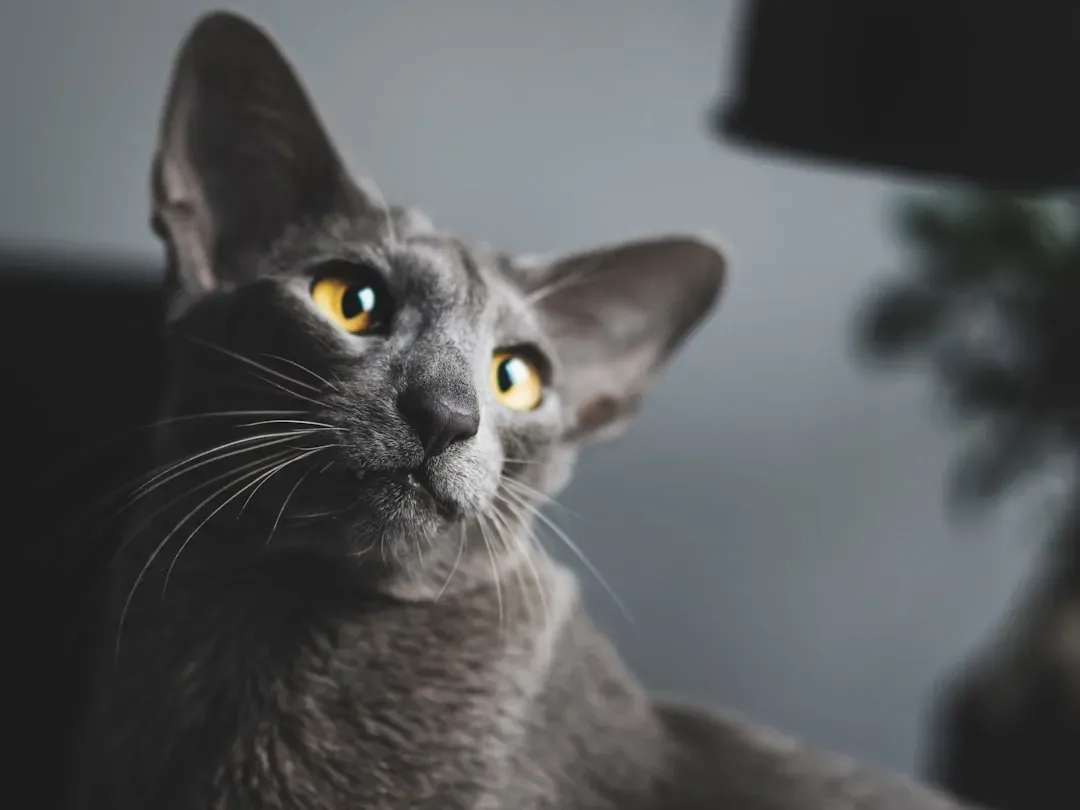
The Oriental is essentially a Siamese cat in different colors, and is also one of the most vocal breeds, being affectionate, intelligent, and endlessly curious. If you thought the Siamese was talkative, wait until you meet an Oriental Shorthair. Orientals are highly articulated and expressive, using a range of sounds from meows to chirps, and are known to be quite insistent, carrying on lengthy conversations with their owners.
These cats inherited the Siamese gift for gab and then took it to the next level. Their vocal stylings aren’t for everyone, though. They will insist on being heard, regardless of how you feel about it. Still, their intelligence and curiosity make those conversations genuinely interesting. They’ll alert you to everything happening in the house, comment on visitors, and share their opinions on your life choices. Life with an Oriental is never quiet, but it’s certainly never boring either.
Tonkinese: The Perfect Blend of Vocal Charm
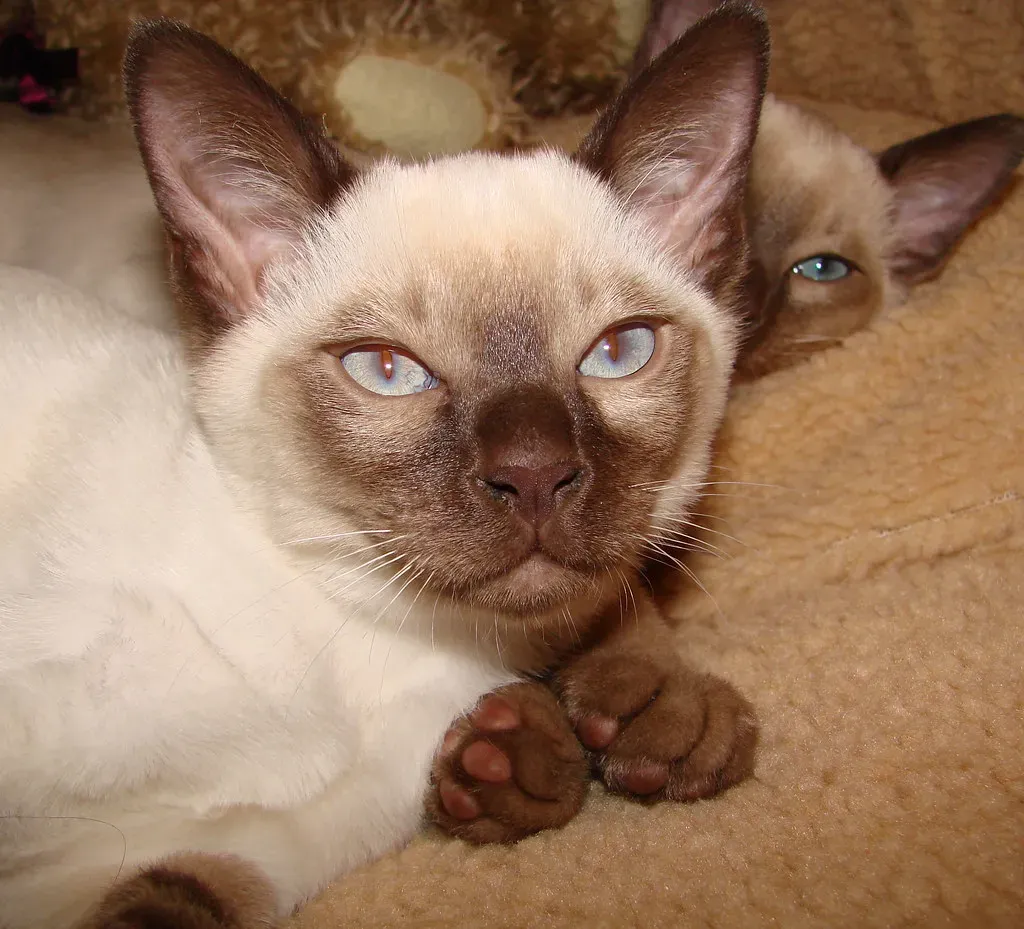
The Tonkinese is a hybrid of the Siamese and Burmese, characterized by their lively, social nature, with a personality similar to their ancestors being energetic, playful and demanding attention, though their voice is softer and sweeter than that of the Siamese. Think of them as getting the best of both worlds: the Siamese’s love of conversation with the Burmese’s gentle tone.
Tonkinese cats love conversing with their human companions through soft meows, trills, and chirps. Their social butterfly nature means they need constant interaction, and they’ll use their vocal abilities to ensure they get it. What’s fascinating about Tonkinese communication is how they’ve managed to be chatty without being overwhelming. Their softer voices make their constant commentary more pleasant to live with, even when they’re following you around offering opinions on absolutely everything.
Sphynx: The Hairless Storyteller
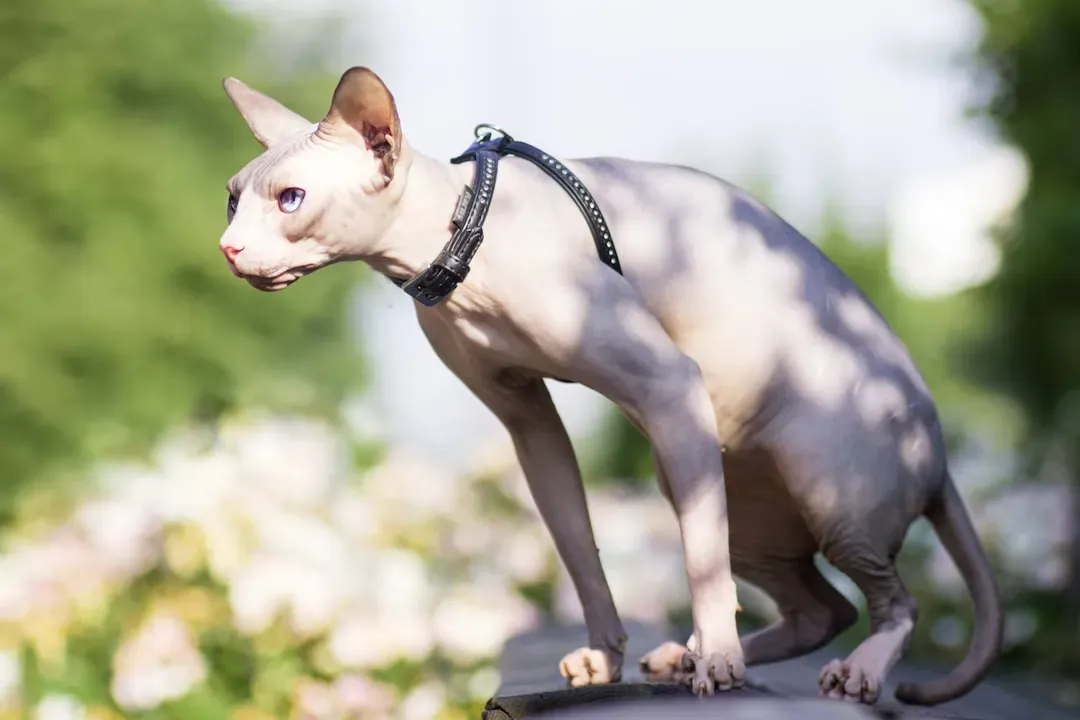
Let’s be real: the Sphynx already stands out for obvious reasons. Sphynx cats feature the trait of being a highly vocal breed, with their talkative nature likely due to their intense desire for social interaction with their human family. These cats are famously known as “Velcro cats” because of how closely they stick to their humans.
Sphynx cats are known to have a rather raspy voice, and can be quite demanding and insistent with their vocalisation, purring, meowing, singing and chirping in a range of tones, being so warm and affectionate that they are very dependent on their owners. Their unique appearance is matched by their unique communication style. That raspy quality to their voice sets them apart, and their insistence on being involved in everything you do means they’ll use that voice frequently. They’re not content to observe from afar; they want to be part of the action and will vocalize until you acknowledge them.
Bengal: The Wildcat Mimic With Varied Vocalizations
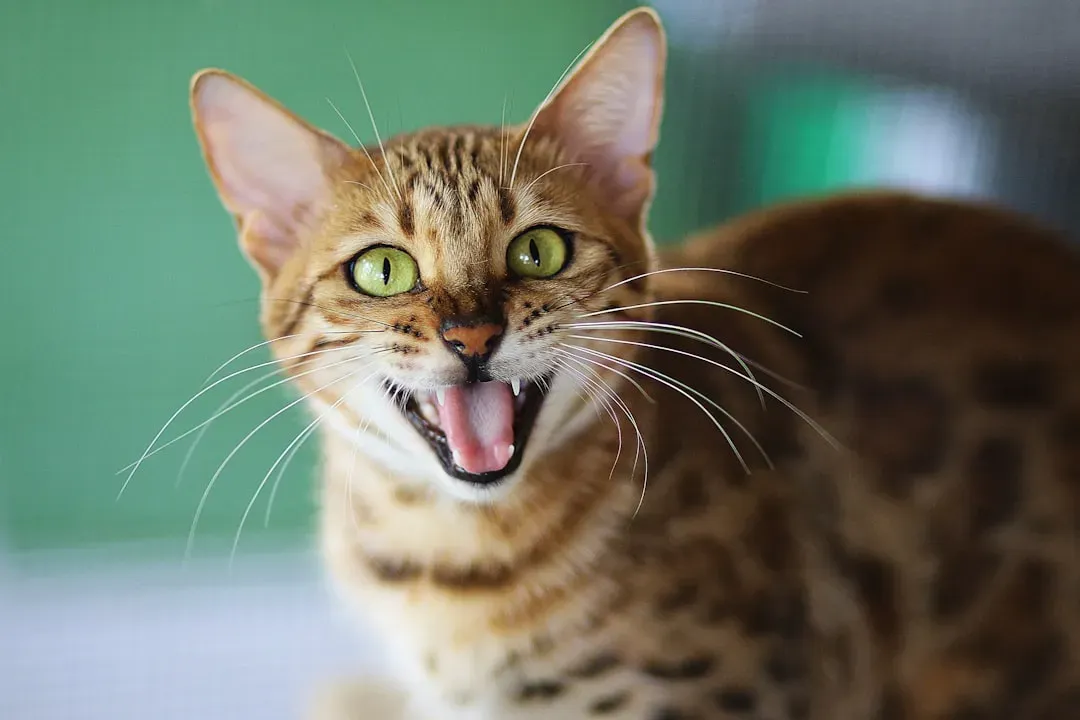
The Bengal is a hybrid breed created by crossing an Asian wildcat species with several domestic cats, and Bengals enjoy communicating with their people using a wide variety of vocalizations, including meows, chirps, and yowls. Their exotic appearance hints at their wild ancestry, but their communication style is thoroughly domestic and directed at humans.
What makes Bengals particularly interesting communicators is their range. Bengals are absolutely beautiful cats and not only do they enjoy a nice meow, they also like to be really loud. They’re not shy about expressing themselves, and their athletic, playful nature means they have plenty to say. Whether they’re announcing their presence, demanding playtime, or just commenting on the bird outside the window, Bengals make sure their humans are never in the dark about their feelings or desires.
Scottish Fold: The Soft-Spoken Sweetheart
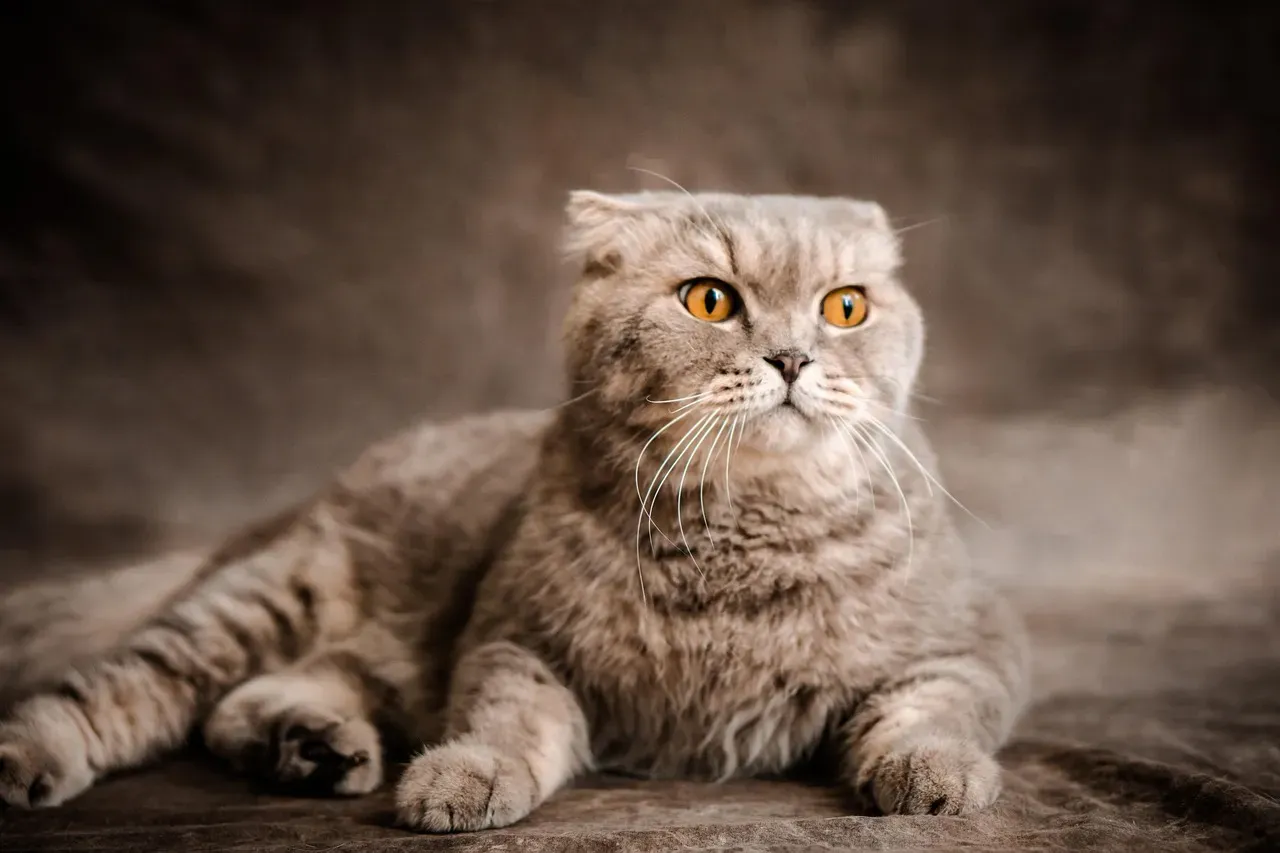
Scottish Folds are known for their unique folded ears and adorable appearance, with a soft, sweet meow that adds to their overall appeal, being affectionate and friendly pets inclined to engage in soft and smooth conversation with their owners. Their communication style is the polar opposite of the demanding Siamese or loud Bengal.
These cats have perfected the art of gentle communication. They won’t scream at you for dinner or yowl when they want attention. Instead, they use those soft, sweet vocalizations combined with their expressive faces to get their point across. It’s like having a polite houseguest who never raises their voice but somehow always gets what they need. Their communication feels more like a whispered secret than a broadcast announcement, making them perfect for people who want a talkative cat without the volume.
Conclusion: Finding Your Perfect Feline Conversationalist
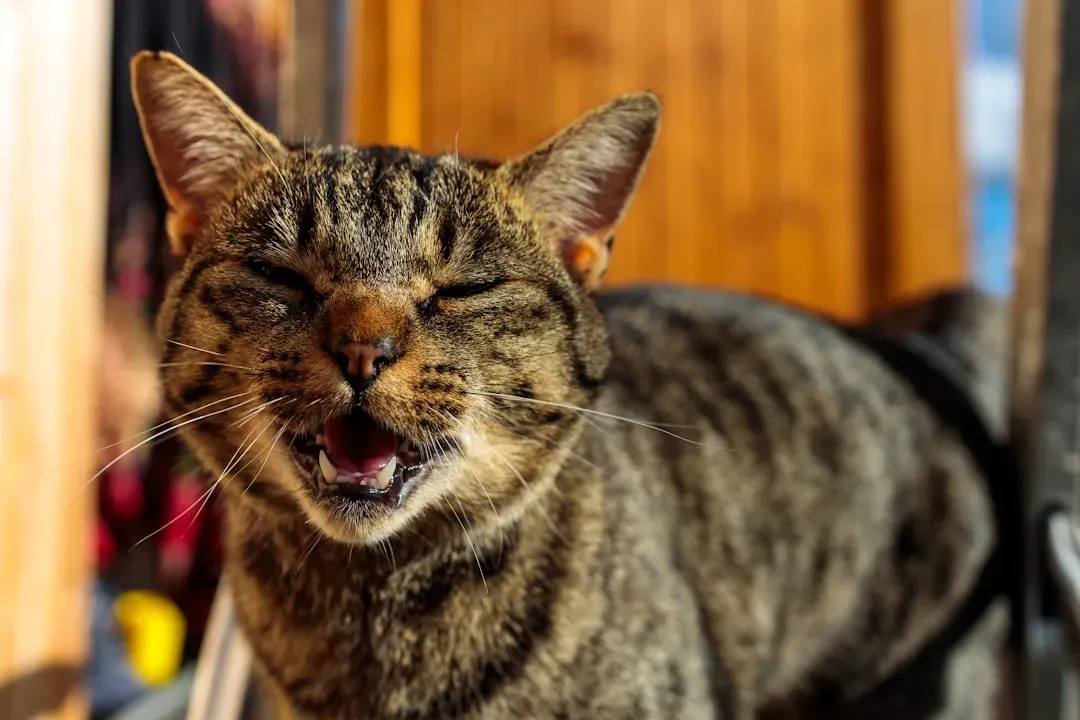
Understanding how different cat breeds communicate opens up a whole new dimension in the human-feline relationship. Different cat breeds may have distinct vocalizations and communication styles, with each cat having a unique personality that influences how vocal or expressive they are. Whether you’re drawn to the constant chatter of a Siamese, the gentle chirps of a Maine Coon, or the soft murmurs of a Burmese, there’s a breed out there that matches your communication preferences.
The beauty of these unique communication styles is that they allow us to form deeper connections with our feline friends. When you understand what your cat is trying to tell you, you’re not just living with a pet; you’re sharing your life with a true companion. So, which communication style speaks to you? Would you prefer a chatty conversationalist who never stops talking, or a gentle communicator who chooses their words carefully? What do you think about these fascinating feline talkers? Tell us in the comments.