You probably think you know your cat pretty well. You know their favorite spot on the couch, their weird obsession with cardboard boxes, and that look they give you when dinner is five minutes late. Yet there’s an entire invisible world your cat is navigating every single day, one built entirely from scent, and it’s far more complex and breathtaking than most people realize.
Your cat’s nose is not just cute. It’s a biological masterpiece, an olfactory powerhouse that makes your own sense of smell look almost laughably primitive by comparison. From the moment they’re born to the way they read your emotions without a single word, everything about your cat’s world is shaped, filtered, and understood through scent. So let’s dive in.
Your Cat’s Nose Puts Yours to Absolute Shame
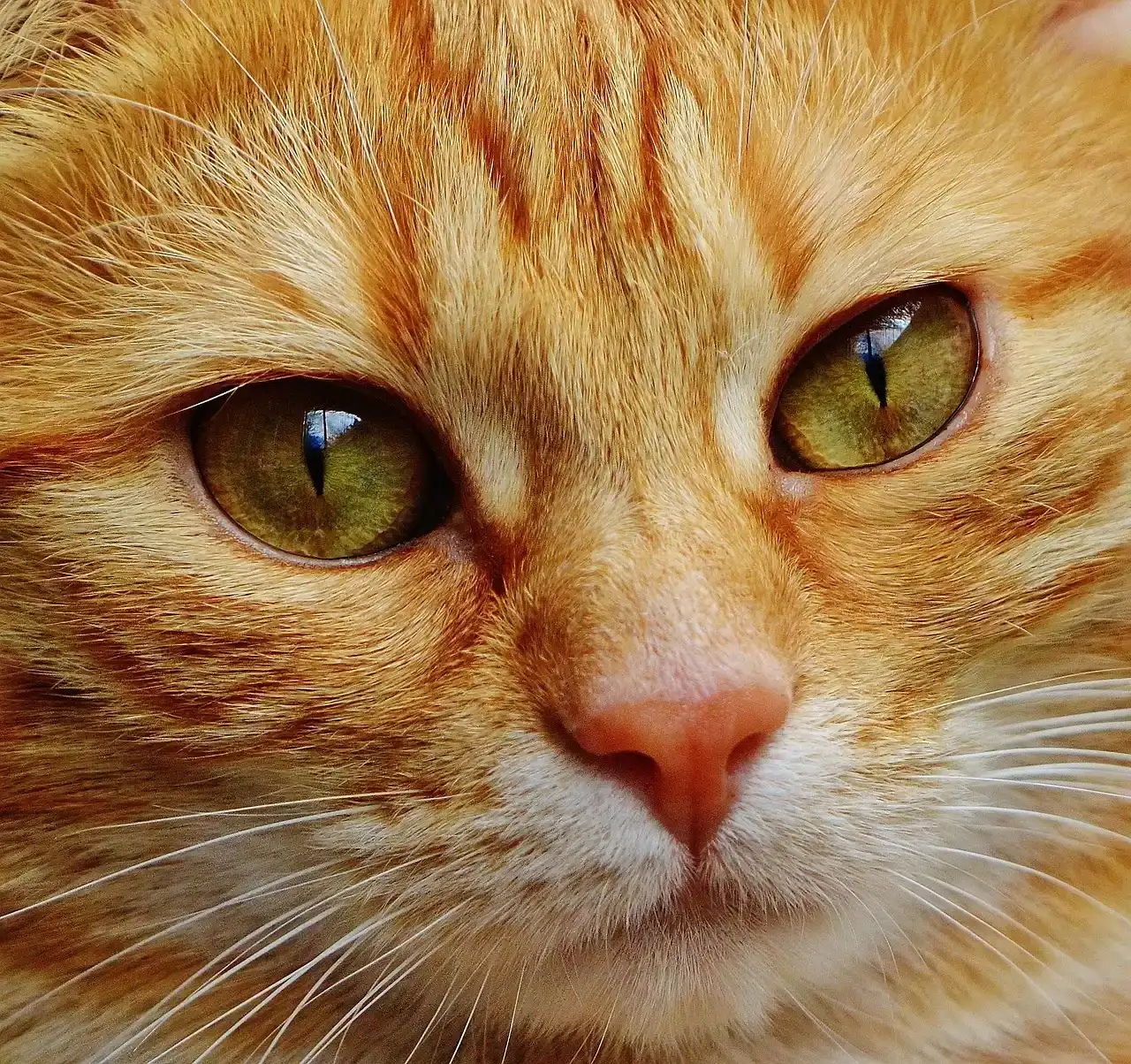
Let’s be real. When we talk about remarkable animal noses, dogs usually steal the spotlight. Here’s the thing though: your cat deserves a lot more credit. Your cat has more than 200 million odor sensors in their nose, while you have just 5 million, making their sense of smell roughly 14 times better than yours. Think of it this way: what you’d pick up as a faint whiff of food cooking in the kitchen, your cat has already fully catalogued, analyzed, and decided whether it’s worth getting up for.
Cats have a larger olfactory epithelium than humans, at about 20 square centimeters, meaning that cats have a more acute sense of smell. That’s an enormous sensory surface crammed into a tiny, adorable little face. Honestly, it’s one of nature’s more spectacular feats of compact engineering.
They Actually Have Two Separate Noses
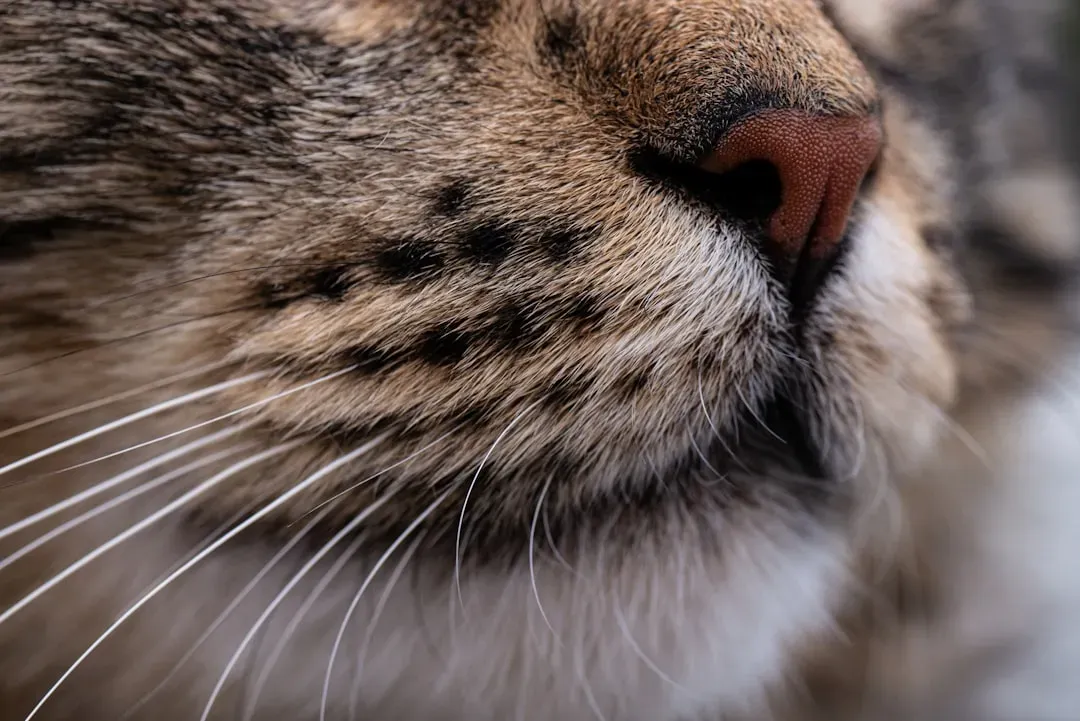
Cats have a dual scent mechanism that’s quite rare in the animal kingdom. Like other animals, cats have regular olfactory receptors to pick up the aromas in the air. They also have a second “nose” located in the roof of the mouth, called the vomeronasal organ, which picks up pheromone signatures that regular scent receptors can’t detect. These pheromones are important for social, mating, and territorial information.
This two-pronged smelling system enables cats to communicate much through scent, with the vomeronasal organ playing an essential role in enhancing detection of pheromones in the vicinity of the cat. When cats smell something particularly interesting, they open their mouth and curl their lip in a gesture called the Flehmen response. If you’ve ever caught your cat sitting there with their mouth slightly open and a faraway look in their eyes, now you know. They’re not daydreaming. They’re doing chemistry.
Your Cat Can Actually Smell Better Than a Dog in One Key Way
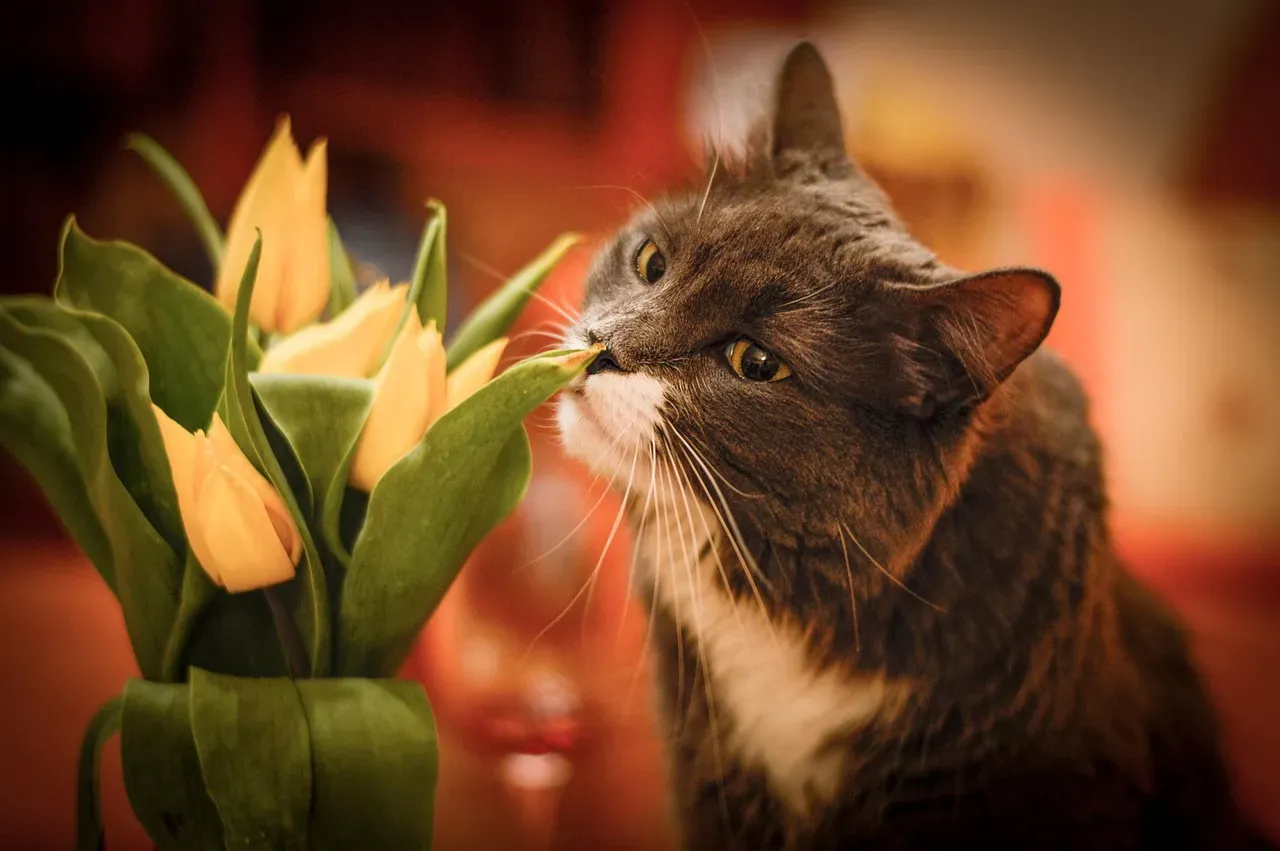
This one surprises most people. Dogs have long been crowned the undisputed champions of smell, and in terms of sheer receptor count, they do win. While cats have far fewer scent receptors than dogs, recent research has shown that cats may be better at discerning between different smells. That’s a distinction worth paying attention to.
This has a lot to do with V1R, the scent receptor protein thought to be responsible for giving mammals the ability to distinguish one scent from another. Humans have two forms of this protein, dogs have nine, and cats have 30, allowing them to identify and differentiate between a larger variety of scents. So while a bloodhound might track you across a forest, your cat can tell the difference between subtle aromas that would confuse even a trained detection dog. Not bad for a creature that mostly uses this power to locate hidden cat treats.
Their Nose Works Like a High-Tech Laboratory Instrument
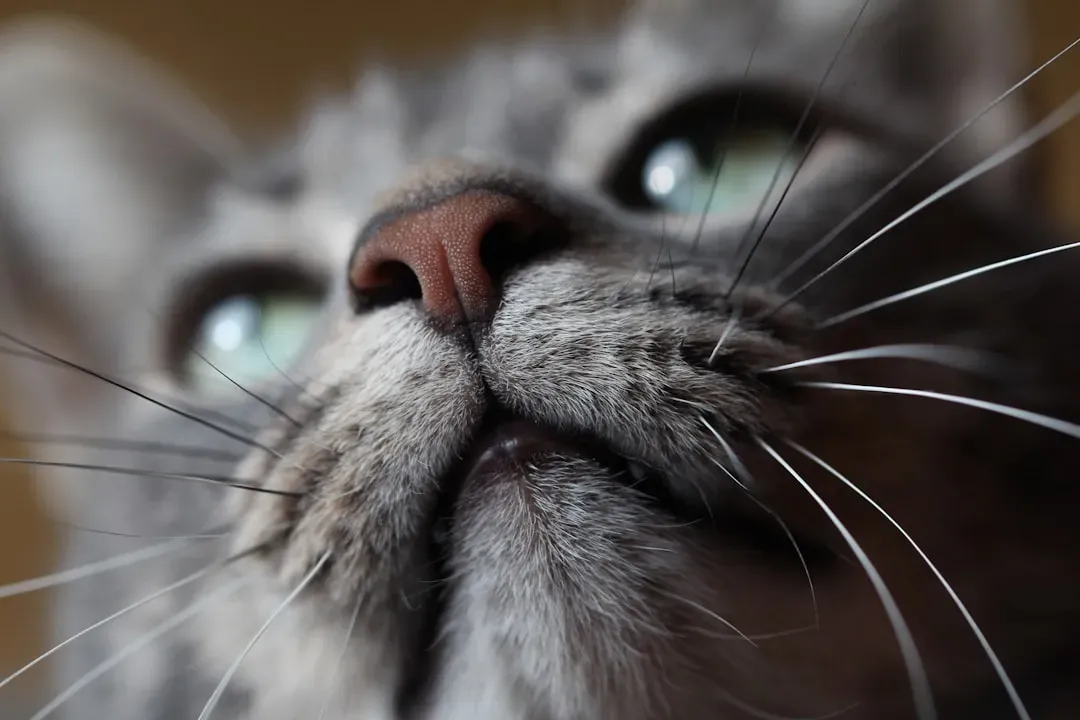
Scientists at Ohio State University made a remarkable discovery about the structure of a cat’s nasal airway. They found that the air separates into two flow streams inside a cat’s nose, one that is cleansed and humidified and another delivering the odorant quickly and efficiently to the olfactory region. In essence, the researchers suggest, the cat nose functions as a highly efficient and dual-purposed gas chromatograph, a tool that, in the laboratory, detects and separates chemicals in vaporized form. In fact, the cat nose is so efficient at this that its structure could inspire improvements to the gas chromatographs in use today.
The cat’s nasal structure was found to be over 100 times more effective in odor detection compared to an amphibian-like straight nose. That’s not a minor upgrade. That’s the difference between a candle flame and a blowtorch. Your cat’s nose evolved into something so precise that human engineers are now studying it to improve their own lab technology. Wrap your head around that next time your cat investigates a grocery bag.
Kittens Are Born with Their Sense of Smell Already Switched On
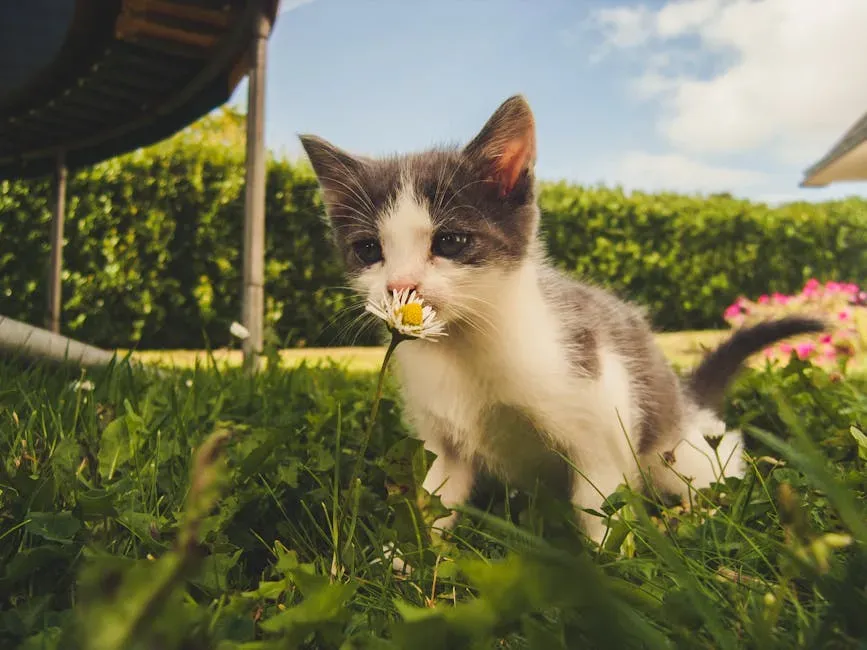
Cats are born with a strong sense of smell because they are deaf and blind for the first two weeks of life. During that time, they navigate their world entirely through smell. It’s how they know which teat to feed on and how to identify their littermates. Mother cats even leave their personal scent around the den so the kittens know their boundaries, and they excrete a pheromone that promotes harmony among the litter.
Research has confirmed that kittens of the domestic cat retain a memory into adult life of their mother’s body odour experienced before weaning. Kittens from 15 litters were tested when permanently separated from their mother at weaning on postnatal week 8, and tested again when 4 and 6 months and over 1 year of age. The findings were striking. When tested as adults, the subjects sniffed the cotton swab with their own mother’s odour longer, demonstrating that the bond formed through scent in those earliest weeks stays with them for life. It’s the feline equivalent of recognizing a loved one’s perfume decades later.
Your Cat Uses Smell to Know Your Exact Emotional State
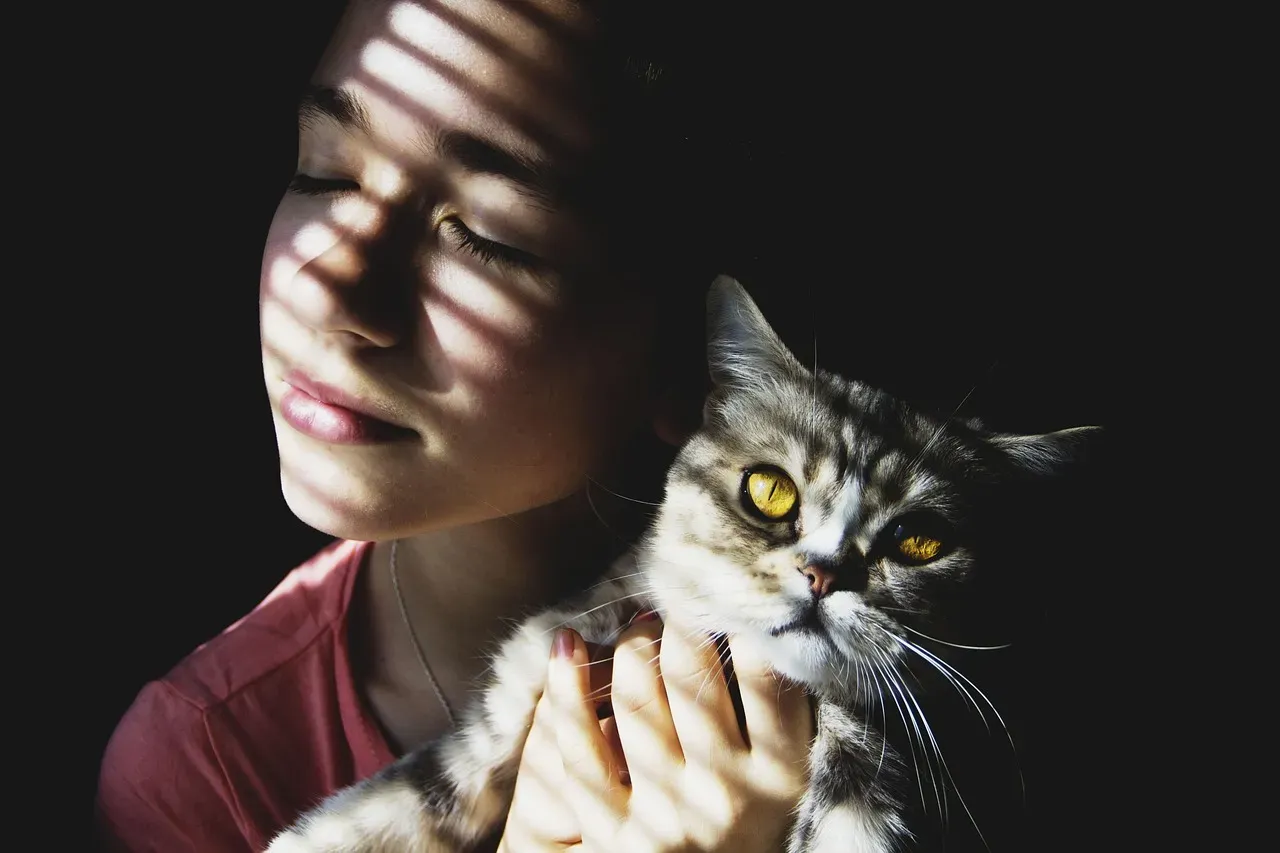
Every one of us carries a unique mix of skin oils, sweat, breath, and the scents of places we’ve been. Cats learn these complex signatures, using them to perceive humans and identify if we’re calm or stressed. So when you’ve had a terrible day at work and your cat inexplicably appears on your lap, they didn’t just read your body language. They smelled the stress hormones on you.
When we feel stressed, anxious, or fearful, our bodies release different hormones, like cortisol or adrenaline. These hormones can shift the chemicals in our sweat and breath and subtly alert our cats to our shifting mood. A study published in 2023 proved that cats displayed more stress-related behavior when sniffing odors from fearful humans compared to that of a neutral odor. Your cat truly knows when something is wrong, even before you’ve said a single word. That’s both comforting and slightly unsettling, honestly.
Scent Is How Your Cat Recognizes You Specifically
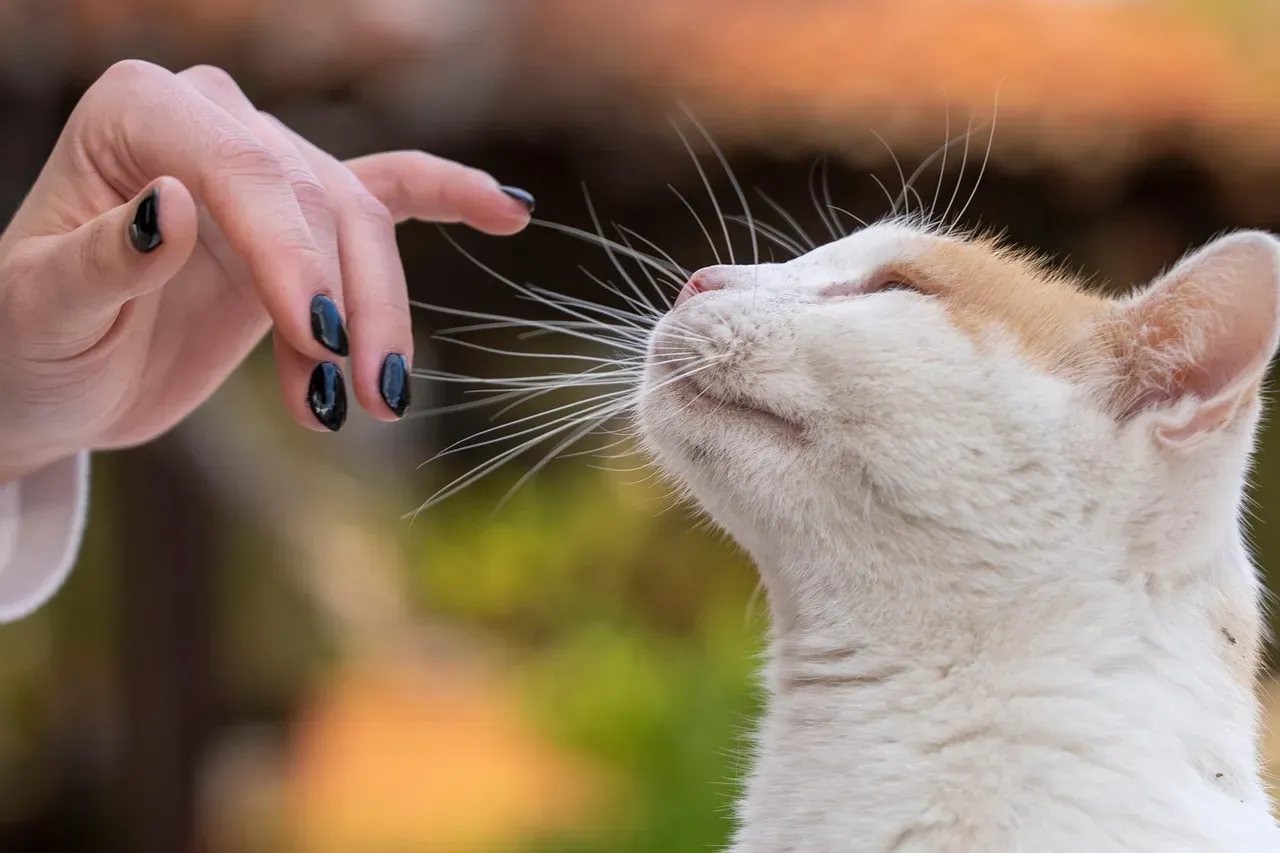
A cat’s sense of smell is far better than a human’s, thanks largely to the fact they have many more olfactory receptors. In fact, they use scent to gather social information in the same way that we use faces and voices. You might think your cat knows you by sight. The truth? They primarily know you by how you smell.
A recent study found that cats could distinguish their humans by scent, with cats spending less time sniffing their cat parent’s scent than that of a stranger’s. The study also found that cats often sniffed familiar scents with their left nostril and unfamiliar human scents with their right. This nostril preference is called lateral discrimination, and it’s a genuinely fascinating window into how different and sophisticated feline sensory processing really is. Think about that next time your freshly-showered self gets sniffed with extra suspicion.
Their Scent Glands Are Essentially a Social Media Profile
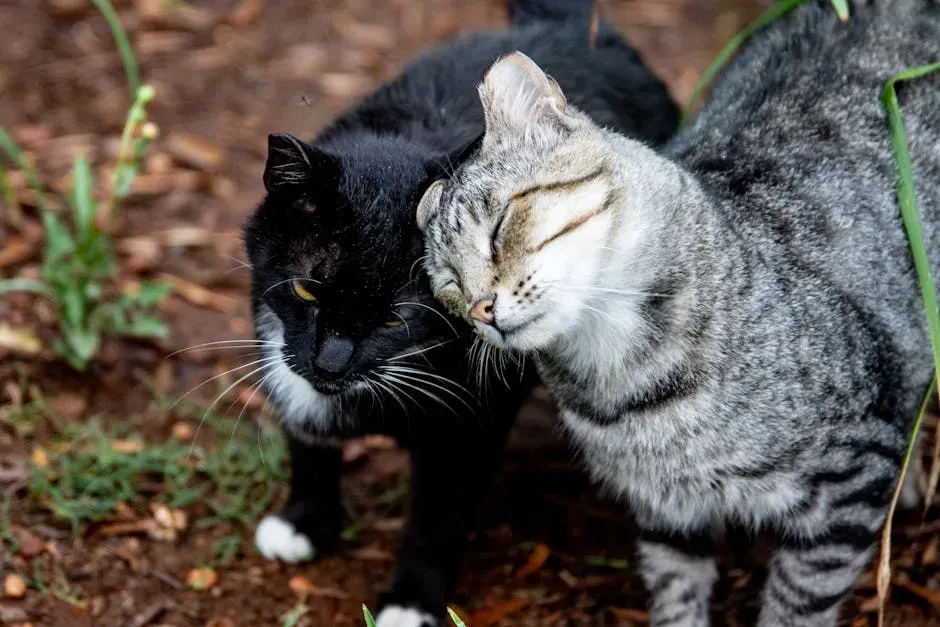
When meeting other cats, they use physical greetings, like a gentle head bump or head bunt, to release pheromones from glands in their faces. These pheromones tell cats a lot about each other, including their sex, how healthy or sick they are, what they like to eat, and what sort of mood they’re in. It’s a full biography delivered in a single sniff. No words needed.
Cats spread their pheromones and scents through saliva, urine, feces, and glandular secretions, and these pheromones are most common in areas they frequent. For example, when a cat rubs its chin and cheeks on objects, it leaves behind a pheromone that marks the area as safe and familiar to that individual. Cats use pheromones to mark territory, allowing them to communicate from greater distances, which allows individuals to avoid each other when needed and reduces the chance of life-threatening conflict over territory. That little head rub your cat gives you every morning is not just affection. It’s a territorial declaration. You are, officially, theirs.
Your Cat’s Nose May Have the Potential to Detect Illness
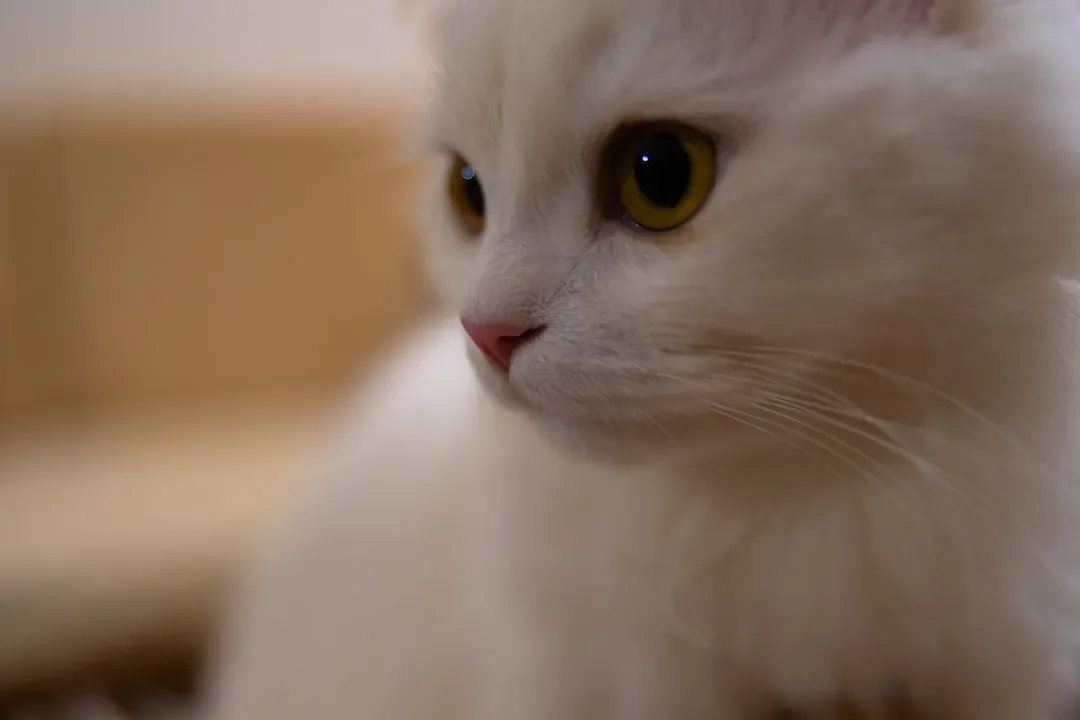
Further research into cats’ ability to smell and communicate using scents is needed. Domestic cats’ strong sense of smell has drawn attention to them as potential candidates for detecting cancer and other diseases in humans, though research in this field is still emerging. The science isn’t definitive yet, but it’s hard to ignore the sheer number of compelling stories from cat owners.
Cats have an extraordinary sense of smell, thanks to their vomeronasal organ, which helps them perceive chemical messages. This organ is more developed in cats than in dogs, giving them a potential edge in detecting subtle changes in human health. A 2017 paper published in the journal Applied Animal Behavior Science points out that cats have better olfactory discrimination than dogs do, and its co-author believes that this ability might make cats even better at sniffing out certain things than dogs are. It’s hard to say for sure where the research will land, but the idea that your cat could one day have a medically meaningful role based on their nose alone is extraordinary to consider.
Conclusion
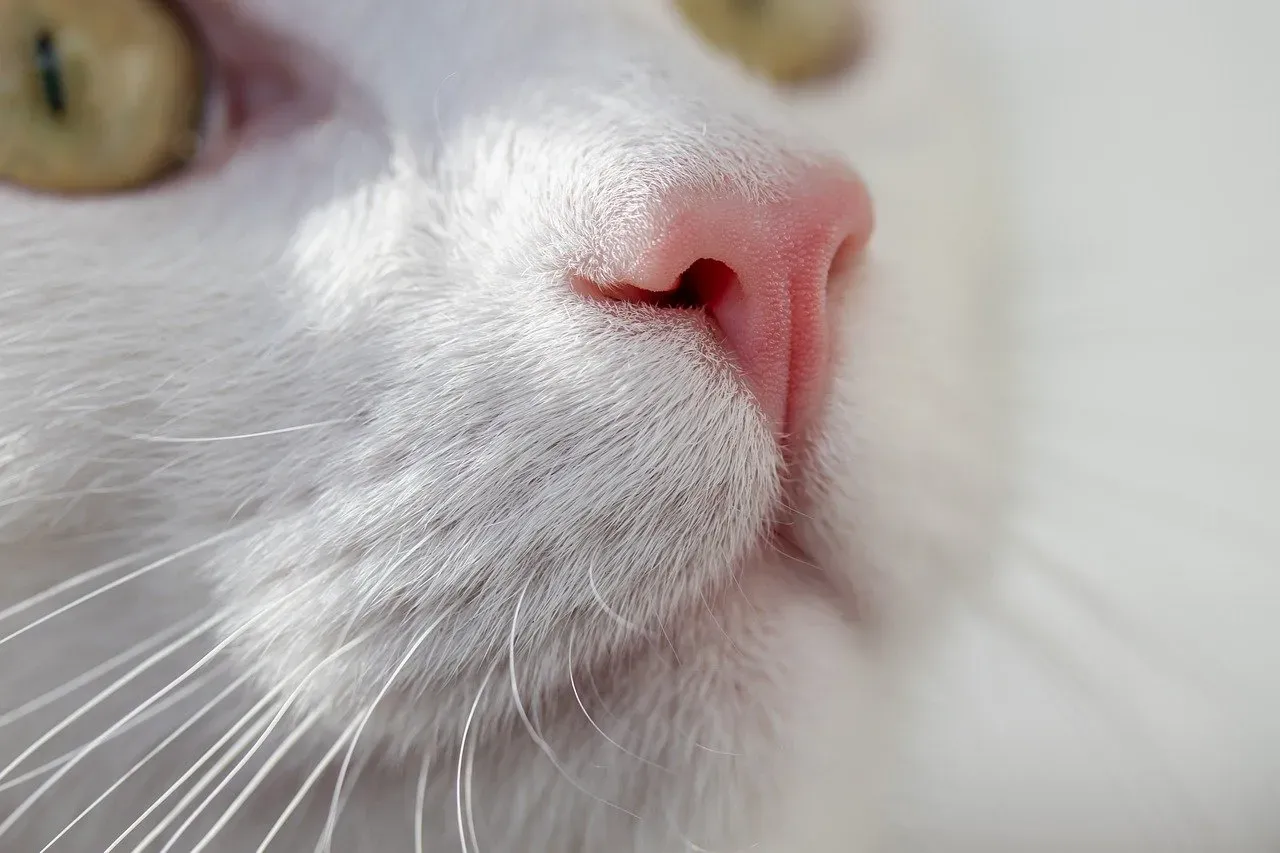
Your cat’s sense of smell isn’t just a neat biological quirk. It is the lens through which your cat understands the entire world around them, including you. From birth to adulthood, from hunting prey to reading your emotions, every meaningful moment in your cat’s life runs through that remarkable nose.
The next time your cat presses their nose to your hand or lingers a little too long sniffing your coat, remember: they’re not being strange. They’re being extraordinarily perceptive in a way that science is only beginning to fully appreciate. Your cat knows more about you than you might expect. Does that change how you see that curious little nose? It should.