You think your cat is just being goofy when they knock your phone off the counter or squish themselves into the tiniest box imaginable. Maybe you’ve caught them staring at the wall for what seems like hours, or racing through the house at three in the morning like they’re possessed. These quirky behaviors might seem random, silly, or even downright ridiculous at times. Honestly, it’s hard to take them seriously when they’re acting like tiny furry weirdos.
What if I told you that these hilarious antics aren’t just for entertainment value? Your feline companion might actually be showing off their impressive cognitive abilities right under your nose. Recent research into cat cognition has revealed something surprising: those strange habits that make us laugh are often clever solutions to problems we didn’t even know existed. Let’s be real, cats have been playing us this whole time. So let’s dive into the fascinating world of feline intelligence and discover what your cat is really up to.
Squeezing Into Impossibly Small Boxes
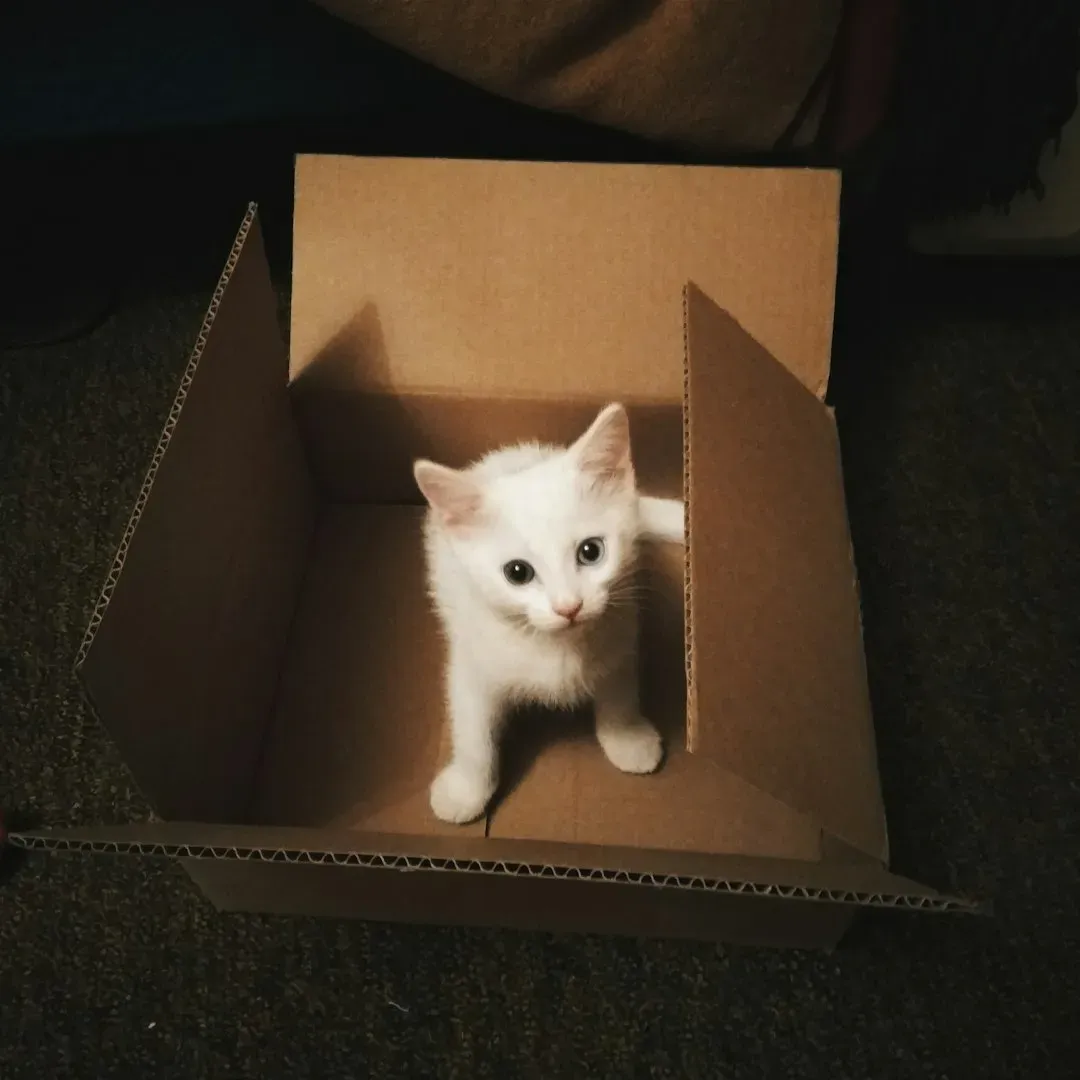
You splurged on that luxury cat bed, the one with orthopedic foam and faux fur lining. Yet there sits your cat, crammed into a shoebox that’s three sizes too small, looking absolutely delighted with themselves. This behavior isn’t just adorable stubbornness. Your cat is demonstrating spatial intelligence by choosing small, enclosed spaces that make them feel cozy and secure, a behavior traced back to their wildcat ancestors who would sleep safely hidden away to help avoid predators.
When your cat chooses smaller and apparently less comfortable spaces over ones where they can spread out, it’s because small, enclosed spaces make them feel secure from all angles. This shows remarkable problem solving related to safety and environmental assessment. Their brain is constantly evaluating which location offers the best protection, even in your perfectly safe living room. It’s honestly kind of genius when you think about it.
Knocking Things Off Tables and Counters
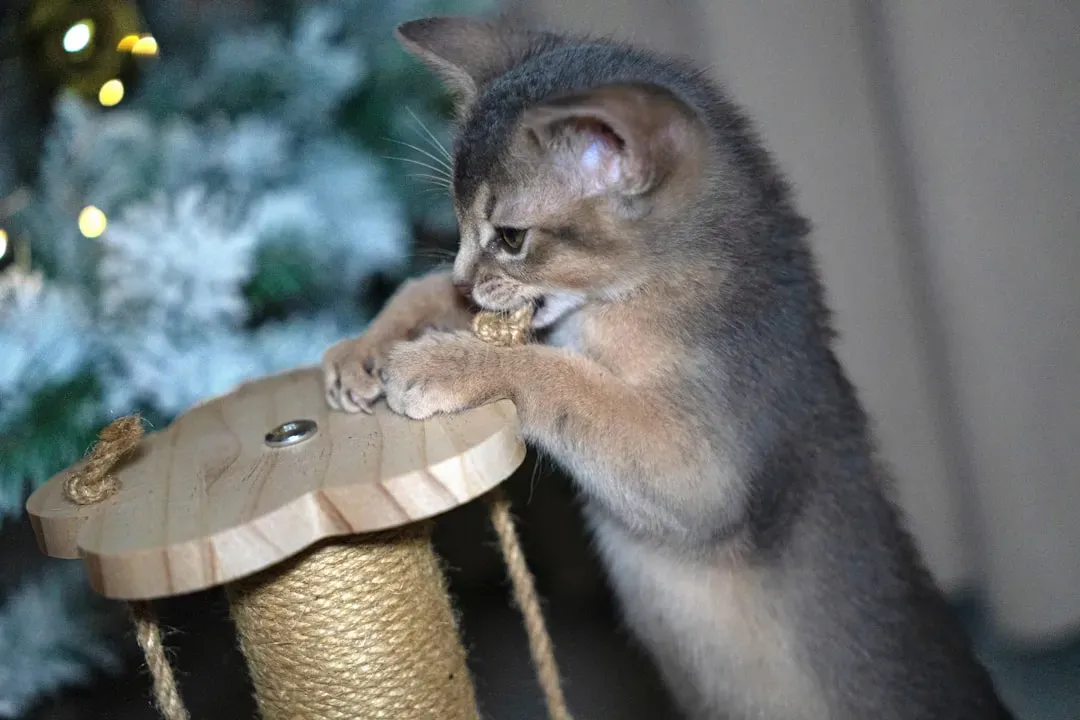
Your cat makes direct eye contact with you as their paw slowly nudges your glass toward the edge of the counter. You know what’s coming. They know what’s coming. The glass crashes to the floor. If your cat can get to something on a flat surface, the odds are high they’ll knock it off, and won’t even feel guilty about it. Here’s the thing: this isn’t random destruction.
Cats are just curious and potentially bored, although this is entertaining for them, you may want to try stimulating them with some new toys if you’d like to curb this naughty habit. They’re conducting physics experiments, testing cause and effect relationships. Each item that tumbles provides information about gravity, weight, and your reaction. Your cat is basically a tiny scientist with fur, even if their experiments are incredibly annoying.
The Midnight Zoomies
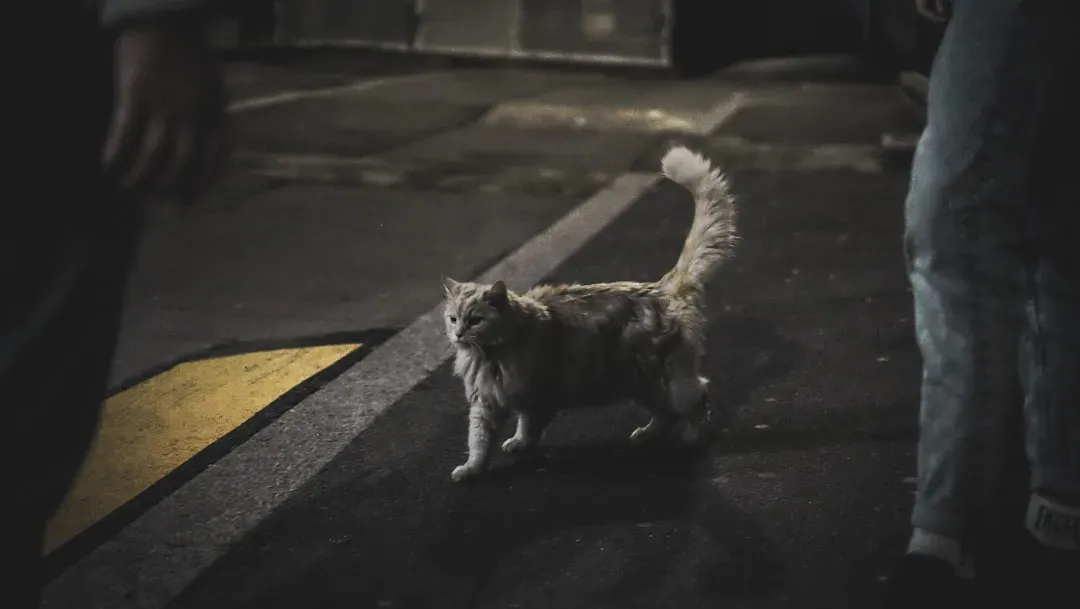
It’s two in the morning. Everyone’s asleep. Suddenly, your cat transforms into a furry tornado, racing from room to room, leaping onto furniture, and yowling like they’ve lost their mind. This behavior, affectionately called “the zoomies,” seems completely bonkers. They expel all that energy by darting from room to room, jumping up and down on the furniture, and going a little crazy, behavior that can also be a reaction to catnip, which can make cats act goofy for short periods of time.
Since cats are crepuscular, it’s natural that they will be more active at twilight, and since we’re often not home during the day, they spend a lot of that time sleeping; the phrase “cat nap” comes from cats’ habit of sleeping for short bursts over the course of the day. This means your cat is intelligently managing their energy levels and activity patterns based on their natural instincts. They’re not crazy. They’re just operating on a different schedule than you are.
Sitting on Your Laptop or Book
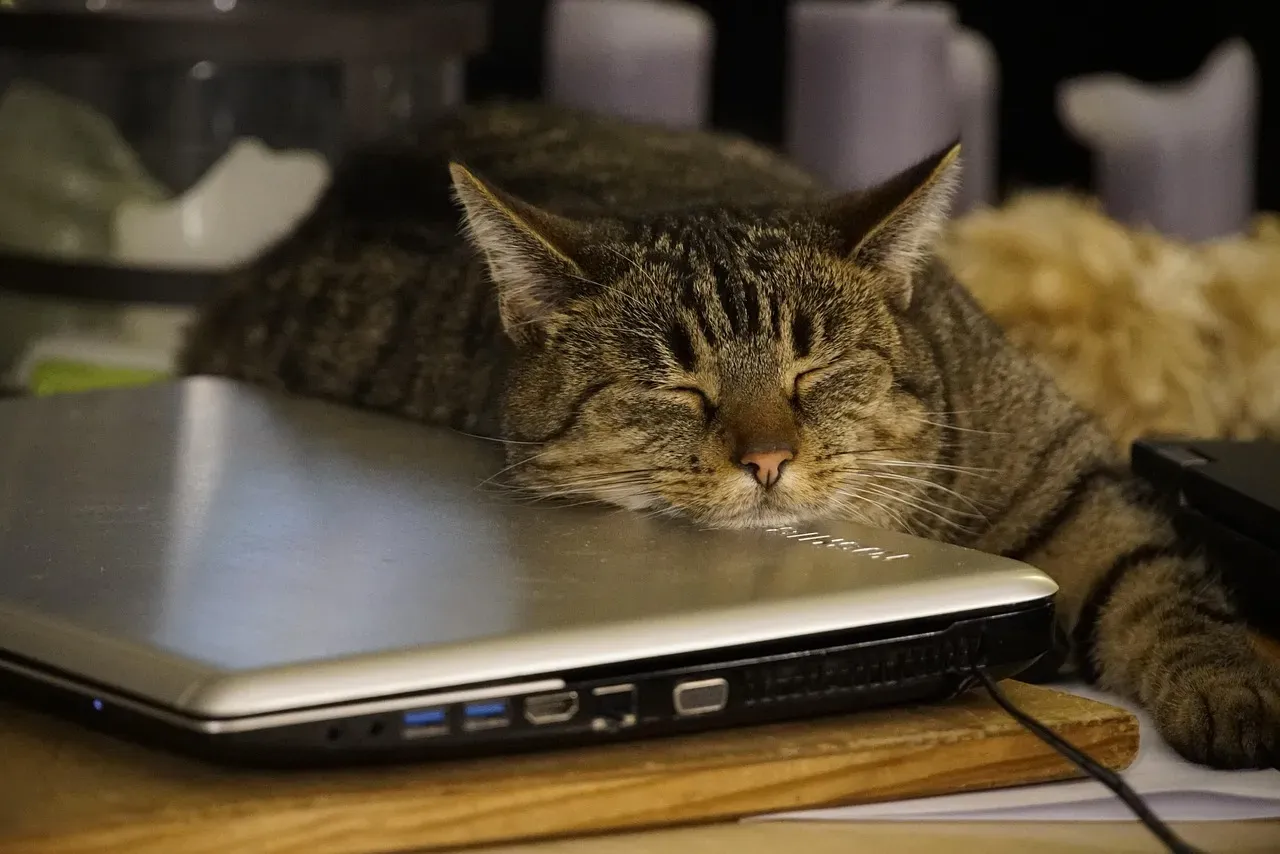
You’re working on something important, and suddenly your cat plops themselves directly on your keyboard or open book. Every single time. They have a whole house to sit in, yet they choose the exact spot you’re using. Cats love to sleep on whatever object has captured their human’s attention, no matter how stiff, hard, or generally unwelcoming the surface.
Sitting on your device may be a sign that your cat wants interaction and attention trying to disrupt the attention you are giving to the device, which you can test by seeing if they spend as much time with a device when you are not engaging with it. This demonstrates social intelligence and understanding of resource competition. Your cat has figured out that the thing capturing your attention is valuable, so they’re asserting themselves right into that space. Clever little attention seekers, aren’t they?
Bringing You Dead Animals
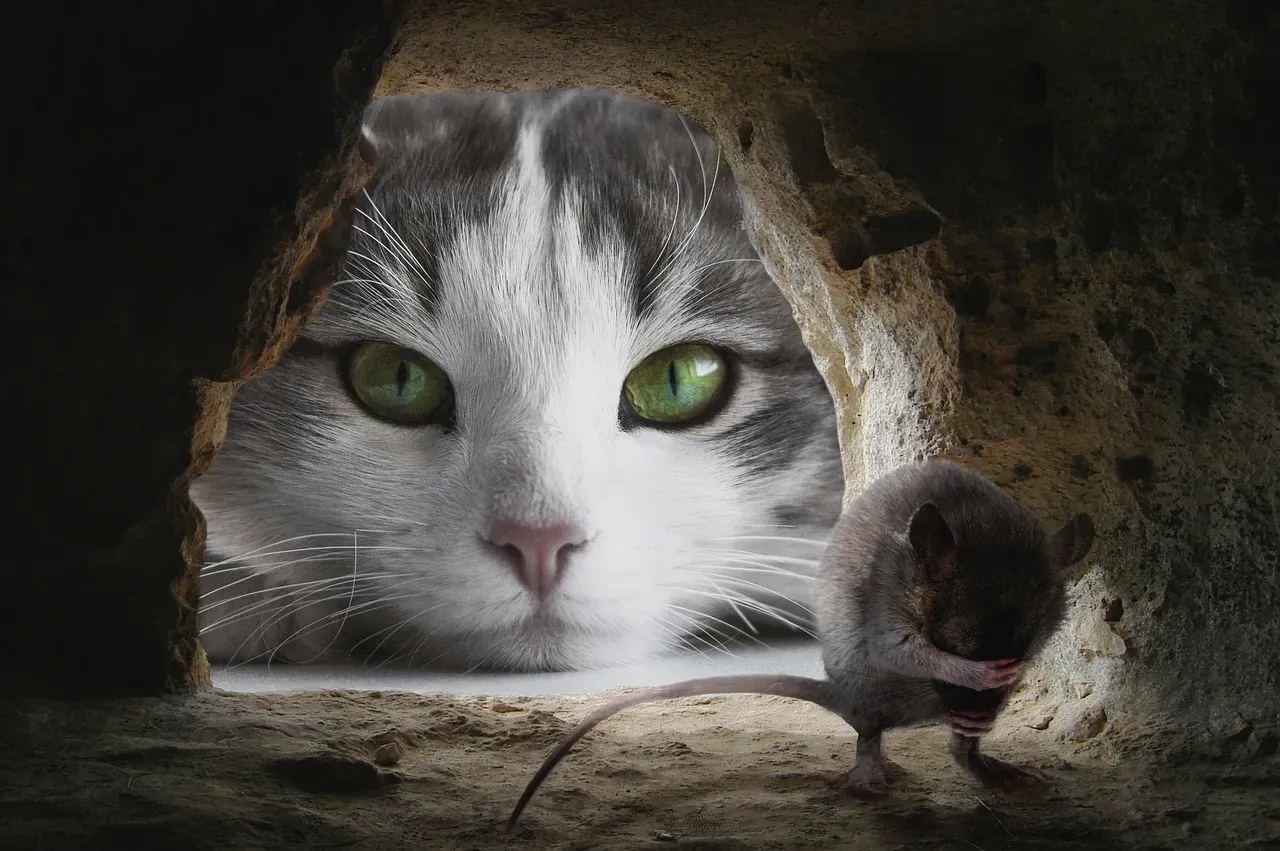
Few gifts are less welcome than a dead mouse left on your doorstep at dawn. This macabre present seems disturbing, possibly even aggressive. Yet it’s actually quite the opposite. Behaviorists have a few theories, and even though this habit may be perceived as a gross one, your kitty is acknowledging you as a member of their group and is sharing their hunting success with you.
It’s a sign of thanks; in bringing you a fresh kill, your cat is sharing the rewards of the hunt with you. This behavior shows social cognition, an understanding of gift giving, and recognition of family bonds. Your cat thinks you’re a terrible hunter who can’t feed yourself, so they’re helping out. That takes planning, memory, and complex social reasoning, even if the execution is a bit gory.
Opening Doors and Cabinets
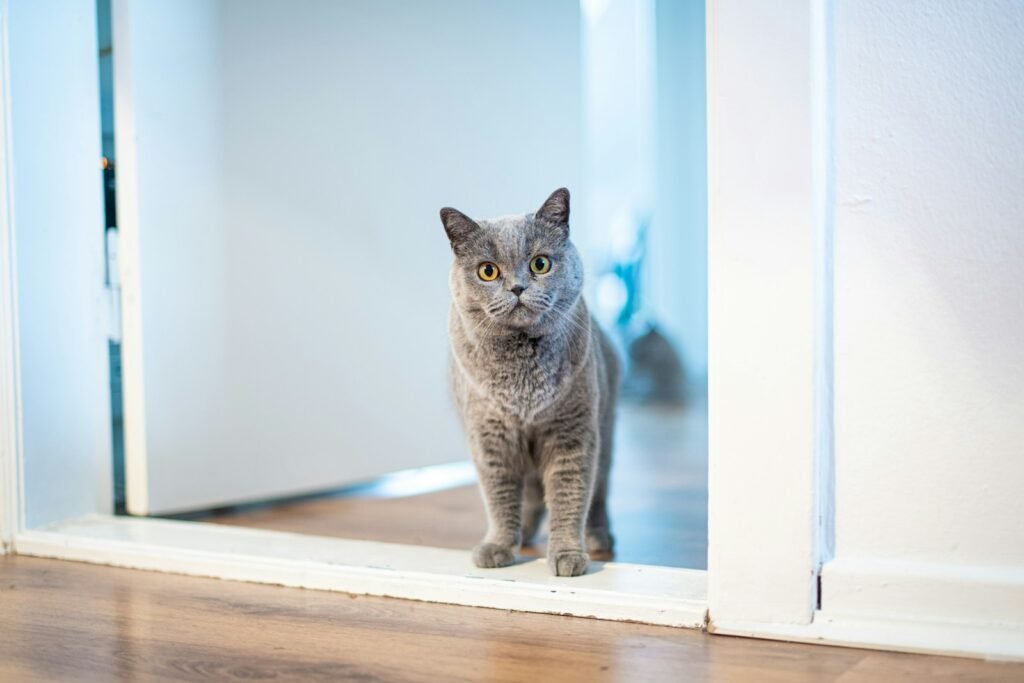
You’ve watched your cat figure out how to open the cabinet where you keep their treats. Then they transfer that knowledge to other cabinets, closet doors, even doorknobs. Simply by watching their owners and mirroring their actions, cats are capable of learning human-like behaviors like opening doors and turning off lights. This isn’t luck or accident.
Cats learn by observation, imitation, trial and error just as humans do, with stories abounding which describe cats turning doorknobs to open doors, ringing doorbells, opening cupboards, turning off lights, and even using the toilet solely by observing the owner performing these activities. This is why you might see your cat learn to open a cabinet where you keep food or treats. Your cat is demonstrating observational learning, problem solving, and knowledge transfer across different situations. That’s seriously impressive cognitive work happening in that little furry head.
Staring at Walls or Empty Spaces
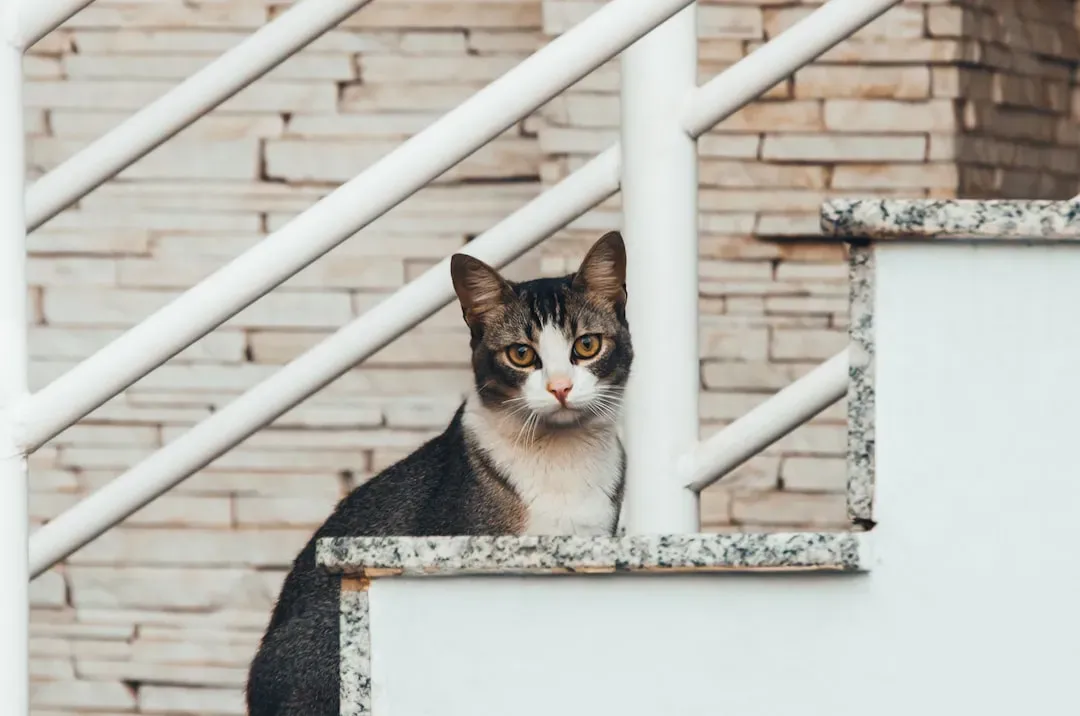
Your cat sits perfectly still, eyes locked on what appears to be absolutely nothing. You check for bugs, ghosts, interdimensional portals. There’s nothing there. Yet your cat remains transfixed, occasionally moving their head slightly as if tracking something invisible. This habit seems mysterious, maybe even spooky. It’s hard to say for sure, but it’s likely something fascinating is happening.
Your cat’s senses are far more acute than yours. They can detect tiny movements, hear frequencies you can’t, and notice subtle changes in air currents or light. Your beloved bundle of fluff will look to you to know whether a situation has the potential to be dangerous and how they should go about reacting. When they stare at “nothing,” they’re gathering and processing sensory information that’s completely invisible to you. Their brain is working overtime to assess their environment, which demonstrates excellent attention and information processing skills.
Kneading You With Their Paws
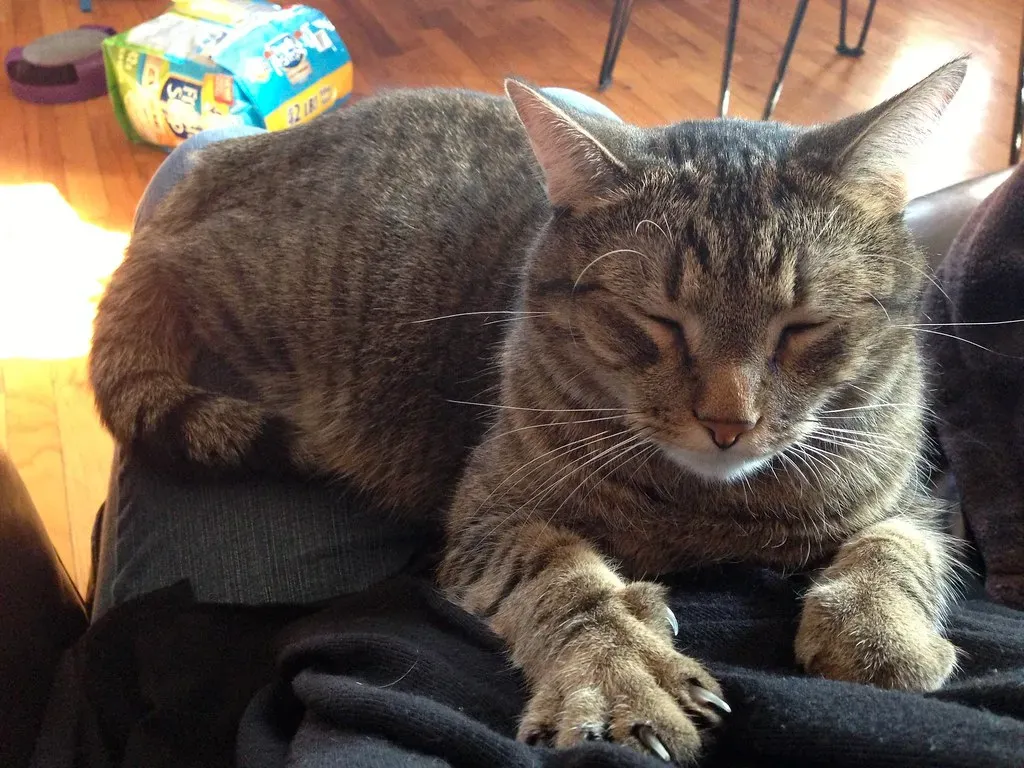
Your cat settles onto your lap and starts rhythmically pressing their paws into you, claws sometimes included. This “making biscuits” behavior seems purely instinctive, a leftover from kittenhood. Kneading is when a cat rhythmically presses its paws into a soft surface, behavior that originates from kittenhood when they knead their mother’s milk ducts around the teat to stimulate milk flow, with many cats continuing this habit into adulthood to self-soothe and express comfort.
Kneading also serves another purpose as cats have scent glands in their paw pads, so by kneading, they mark their territory and reinforce their claim on a particular space or person. This means your cat is using a multi-purpose behavior that combines emotional regulation, territorial marking, and social bonding. They’re essentially using one action to accomplish several intelligent goals at once. Pretty efficient if you ask me.
Drinking From Running Faucets
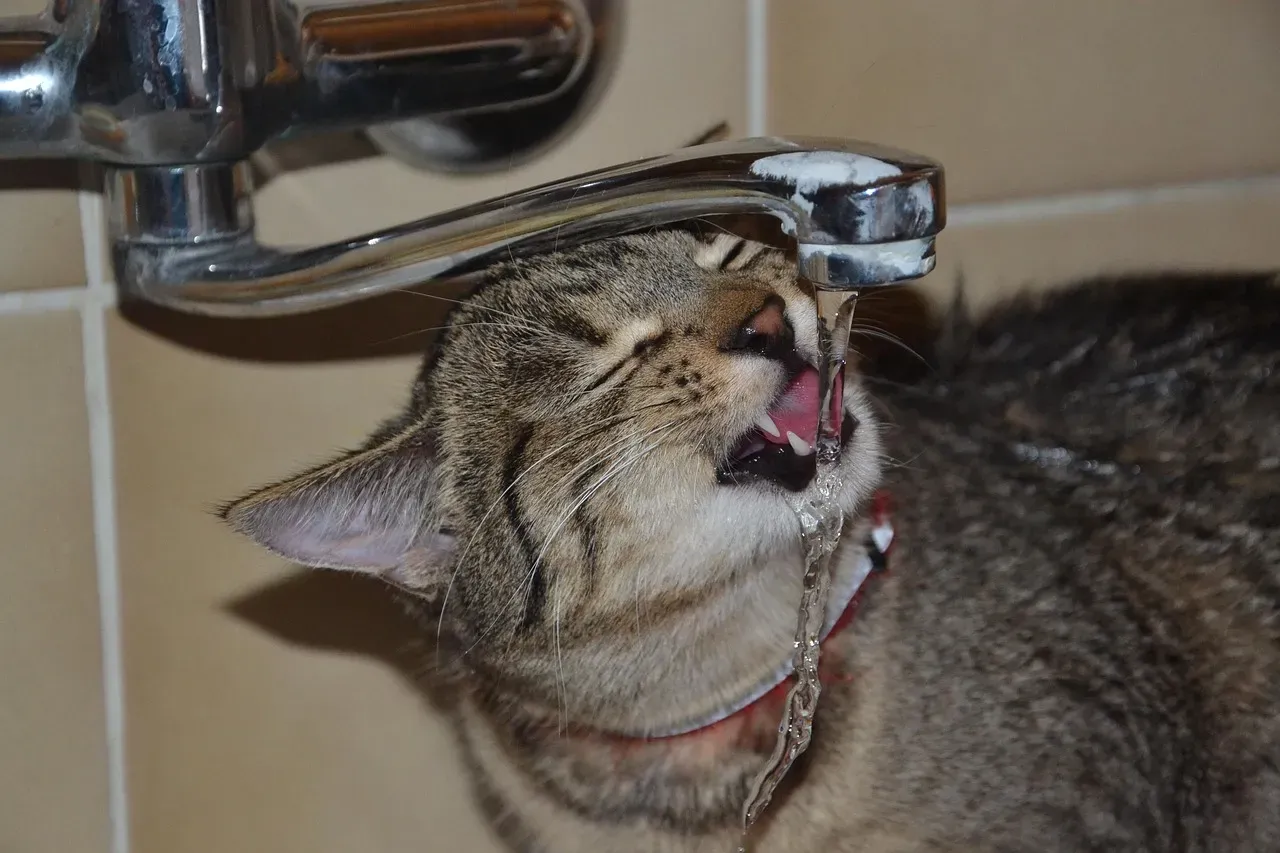
You provide a perfectly clean water bowl, yet your cat ignores it completely in favor of begging you to turn on the faucet. Once running, they’ll happily lap from the stream. This seems like pure preference or perhaps just being high maintenance. This behavior may actually originate from your feline’s wildcat ancestors, as out in the wild, it’s safer to drink from running water sources such as a river than a stagnant water source that could be home to bacteria and other contaminates.
Your cat is displaying inherited wisdom about water safety that’s been passed down through generations. They instinctively understand that moving water is fresher and safer than still water. This demonstrates memory of evolutionary knowledge and intelligent risk assessment about health and safety. Sure, it’s inconvenient for you, but it’s actually remarkably smart survival instinct at work.
Conclusion
The next time your cat does something that makes you laugh, pause for a moment. Behind those goofy antics lies a surprisingly sophisticated brain at work. An adult cat’s intelligence is comparable to that of a two- to three-year-old child, since both species learn through imitating, observing, and experimenting. Your cat isn’t just randomly weird. They’re problem solving, experimenting, communicating, and demonstrating cognitive abilities that researchers are only beginning to fully understand.
These hilarious habits reveal spatial reasoning, social intelligence, observational learning, and complex decision making. Your cat is constantly assessing their environment, testing hypotheses, and finding clever solutions to the challenges they face. The fact that these solutions often involve knocking your stuff off counters or waking you at three in the morning doesn’t make them any less brilliant. What’s the funniest “smart” thing your cat has done recently? You might be surprised at how clever they really are.