You’ve lived with cats for years. You know their quirks, their favorite napping spots, the way they stare at you until you refill their food bowl. You’d think by now you’ve got this litter box thing figured out, right?
Here’s the thing. Even seasoned cat owners fall into patterns that make their cats uncomfortable, and honestly, those little bathroom issues can spiral fast. A box that seems perfectly fine to you might feel like a nightmare to your feline. What’s surprising is how subtle these problems can be. They’re easy to miss until your cat starts leaving unpleasant surprises outside the box. Let’s dive into some of the most overlooked mistakes that even cat lovers with decades of experience continue to make.
Choosing a Box That’s Way Too Small
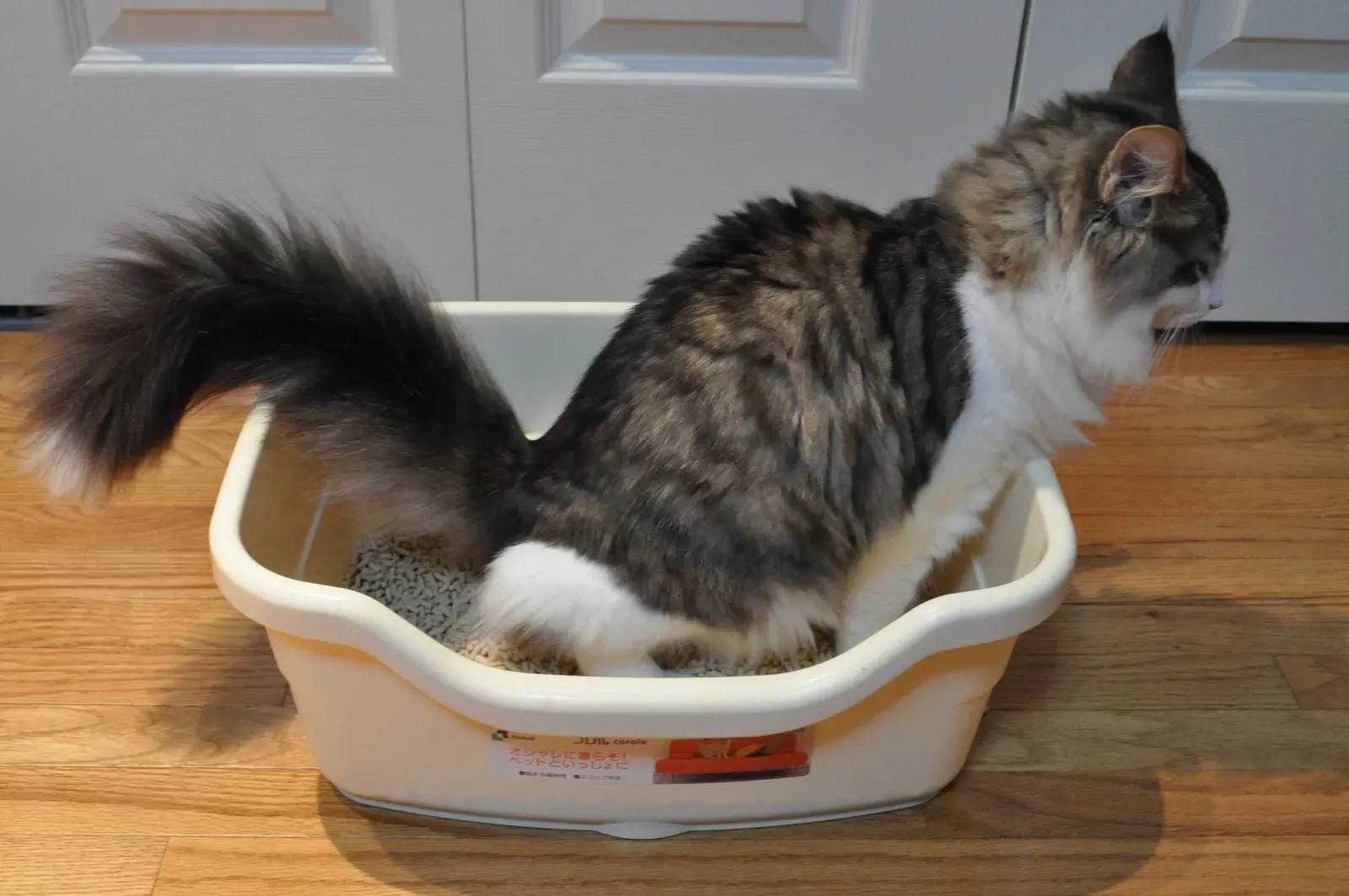
Your cat needs enough space, and the box should be about one and a half times the length of your cat from nose to base of tail. Think about it like this: would you want to squeeze into a cramped restroom stall where you can barely turn around? Most widely available litter boxes are too small for the average cat, and cats need space to turn, dig, and choose a clean area. This is especially true if you have a Maine Coon or another large breed.
The mistake happens because we often buy what fits nicely in a corner or what looks aesthetically pleasing in the store. We’re thinking about our space, not theirs. If your cat is hanging over the edge or doing awkward acrobatics just to position themselves, that box is too small. Go bigger. Always.
Not Having Nearly Enough Boxes
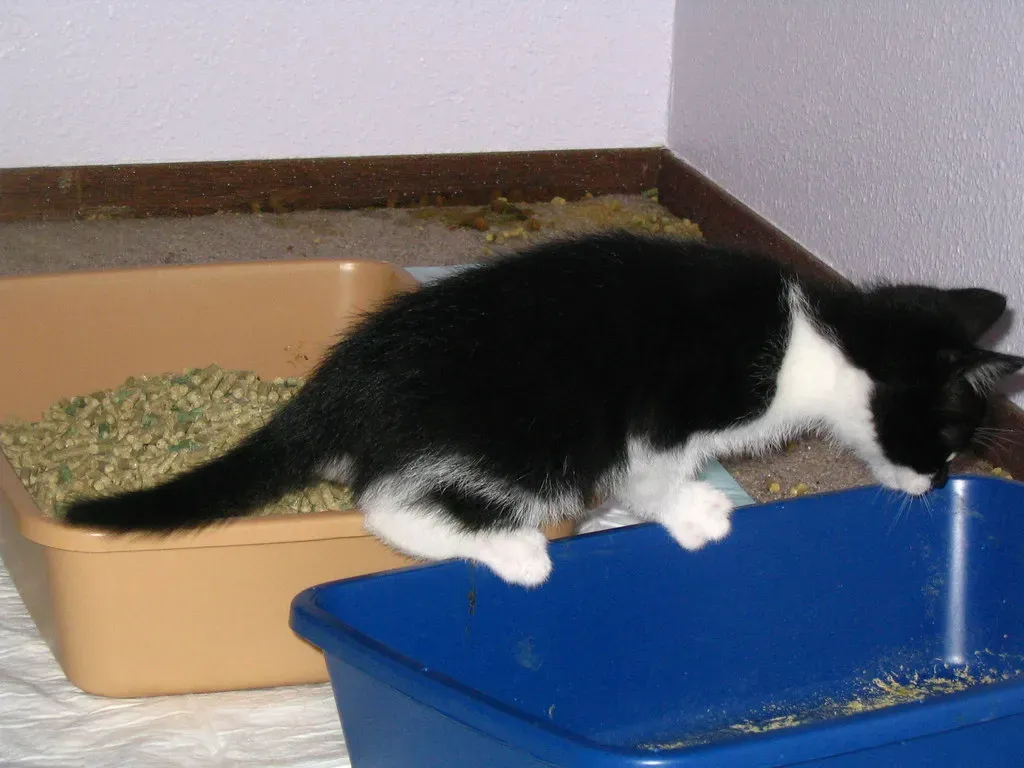
The general rule of thumb is to have more litter boxes than you have cats, and the litter boxes should be scattered throughout the home. This isn’t just for multi-cat households. Even if you only have one cat, a single litter box might not cut it, especially if your home is small. Some cats prefer one box for urine and another for feces. Seriously.
You might think one box per cat is generous, yet that’s actually the bare minimum. One of the ways to keep peace in a multicat home is to not force cats to compete for resources, and cleaning a litter box is easier than cleaning soiled carpet. Trust me, the extra scooping is worth avoiding the alternative.
Cleaning the Box Far Less Often Than You Should
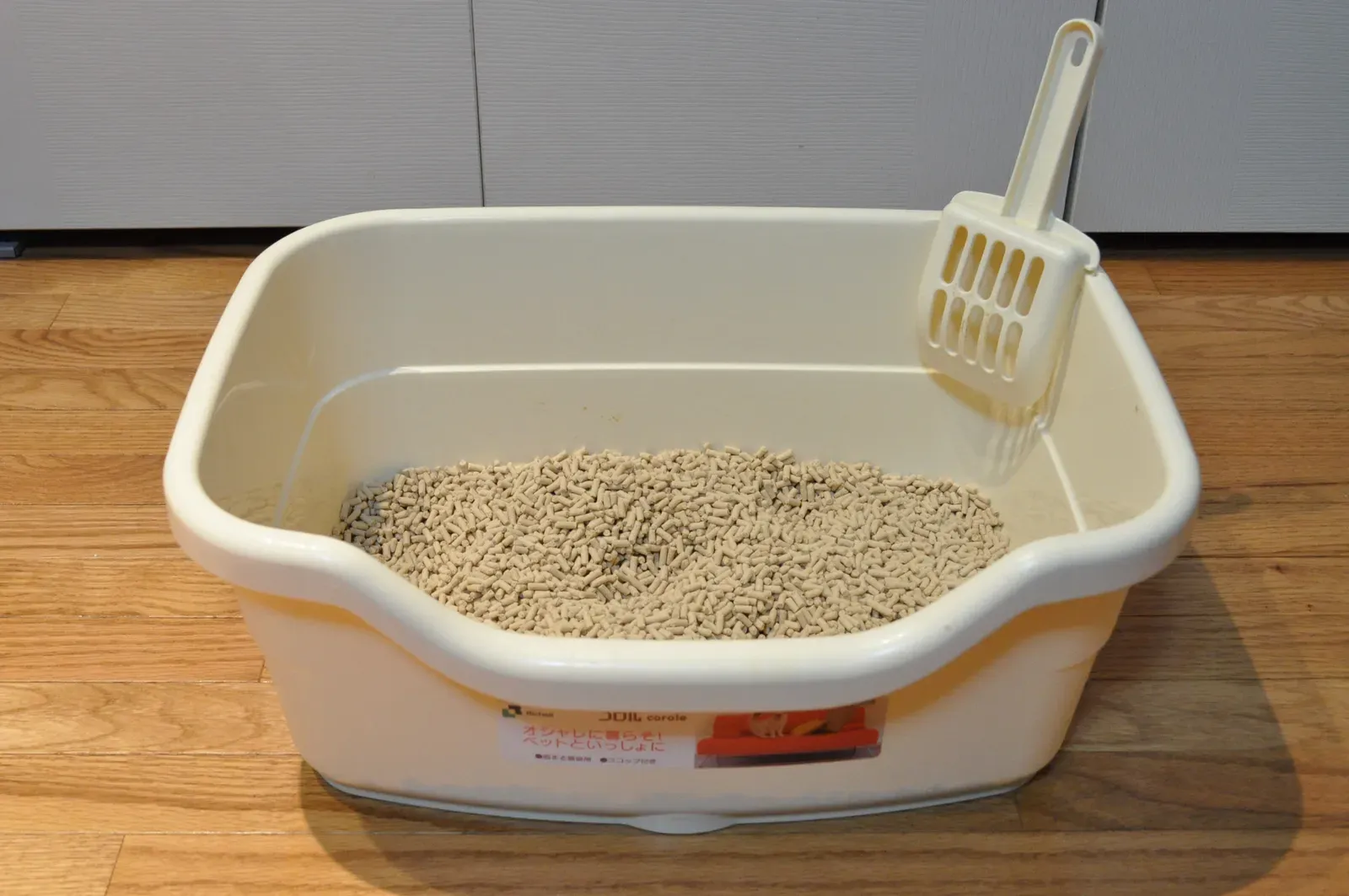
A dirty litter box is like an unflushed toilet, and the litter box should be scooped daily. Let’s be real, nobody loves scooping litter. It’s smelly, it’s tedious, and it’s easy to put off until tomorrow. Some cats demand a clean slate each time, and they need their litter cleaned literally after every use, or they’ll boycott the box.
Having a dirty litter box poses health risks to cats because when the litter boxes are too soiled to use, it forces cats to hold their waste, which can lead to life-threatening conditions. That’s not just unpleasant, that’s dangerous. Scoop daily at minimum, and do a full wash and litter replacement regularly.
Using Scented Litter Because It Smells Nice to You
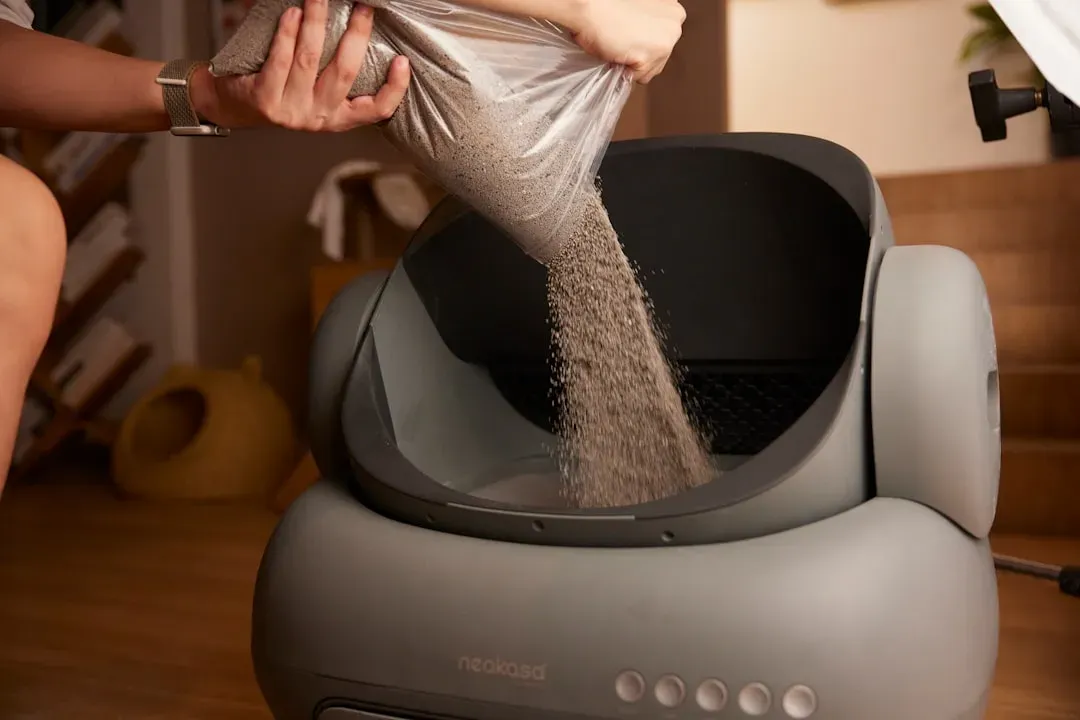
Ideally, a litter without a strong scent is best, as cats are very sensitive to odors, and strong fragrances and perfumes associated with the box may be enough to drive your cat away from it. Your nose might appreciate that fresh lavender scent, yet your cat’s sensitive sniffer finds it overwhelming. Stay away from scented litter because a cat’s nose is very sensitive and he may not want to get a sensory assault of roses or perfume.
Think of it like being forced to use a bathroom that reeks of artificial air freshener. It’s hard to say for sure, but cats probably experience something similar. Stick with unscented options. If the box is clean enough, you won’t need perfume to mask odors anyway.
Placing the Box in All the Wrong Spots
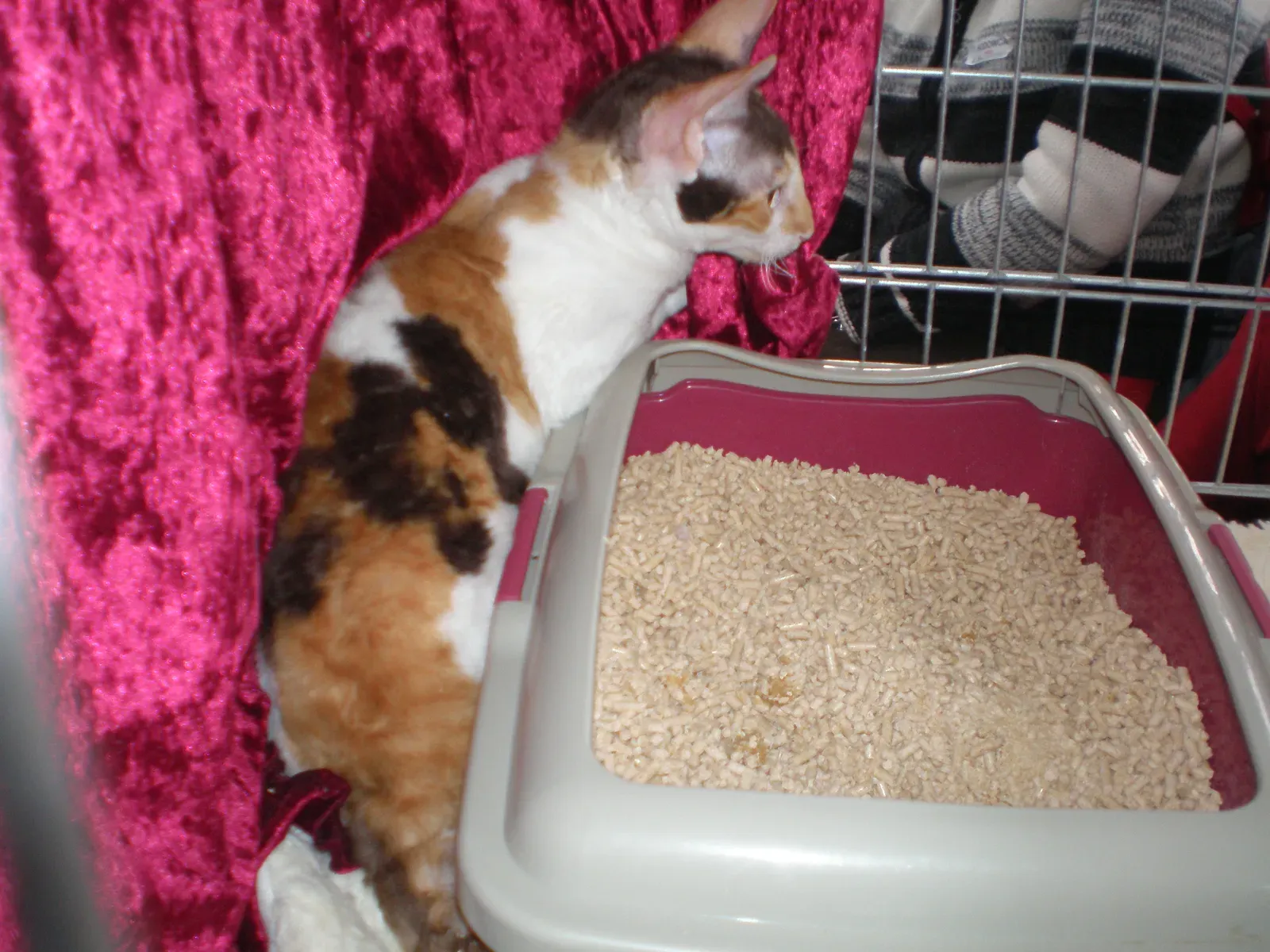
In small apartments, it might be tempting to place the litter box near your cat’s food and water bowls, but cats dislike this arrangement, and to make your cat more comfortable, keep the litter box in a separate location. Would you want your dining table next to your toilet? Exactly. Cats prefer quiet, low-traffic areas, so avoid placing the box near noisy appliances like washing machines or in busy hallways.
Boxes tucked away in dark corners, basements, or next to noisy appliances create an unwelcoming environment for your cat. Location matters more than you might think. Your cat needs privacy without feeling trapped or vulnerable. Find that balance between accessible and secluded.
Filling the Box With Way Too Much or Too Little Litter
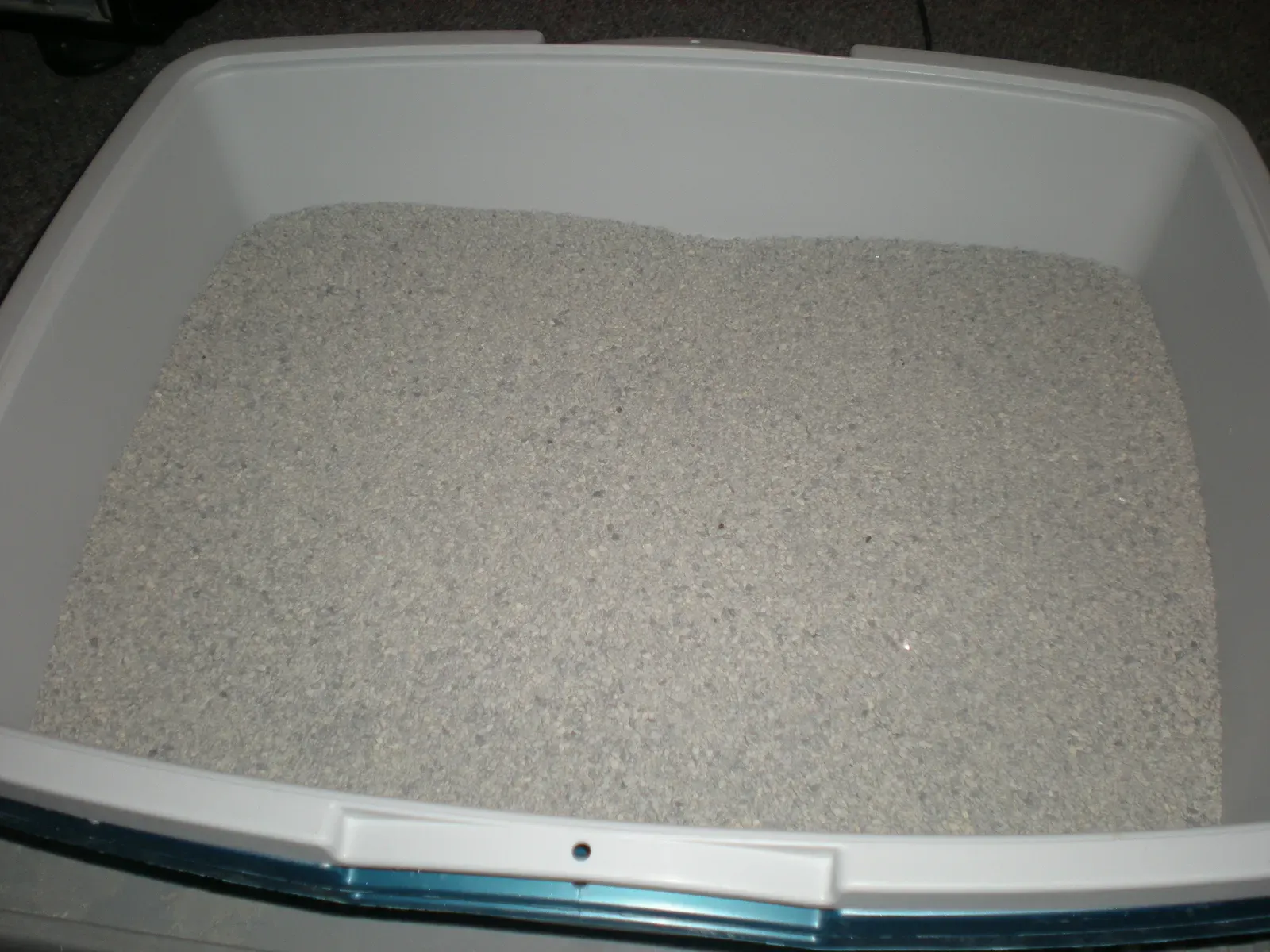
The litter in your cat’s box might be too deep, as cats usually prefer two to three inches of litter. It sounds simple, yet people mess this up all the time. Although some cat parents dump far too much litter in the box, what’s seen most often is a scant amount that barely covers the bottom, and there needs to be enough litter to absorb liquid and odor.
About a three-inch layer of litter is a good starting point and then you can adjust up or down from there based on how things go with your individual cat. Watch how your cat digs and covers. If they seem frustrated or the urine is pooling at the bottom, adjust accordingly. Every cat has preferences.
Assuming Covered Boxes Are Better Because They Look Nicer
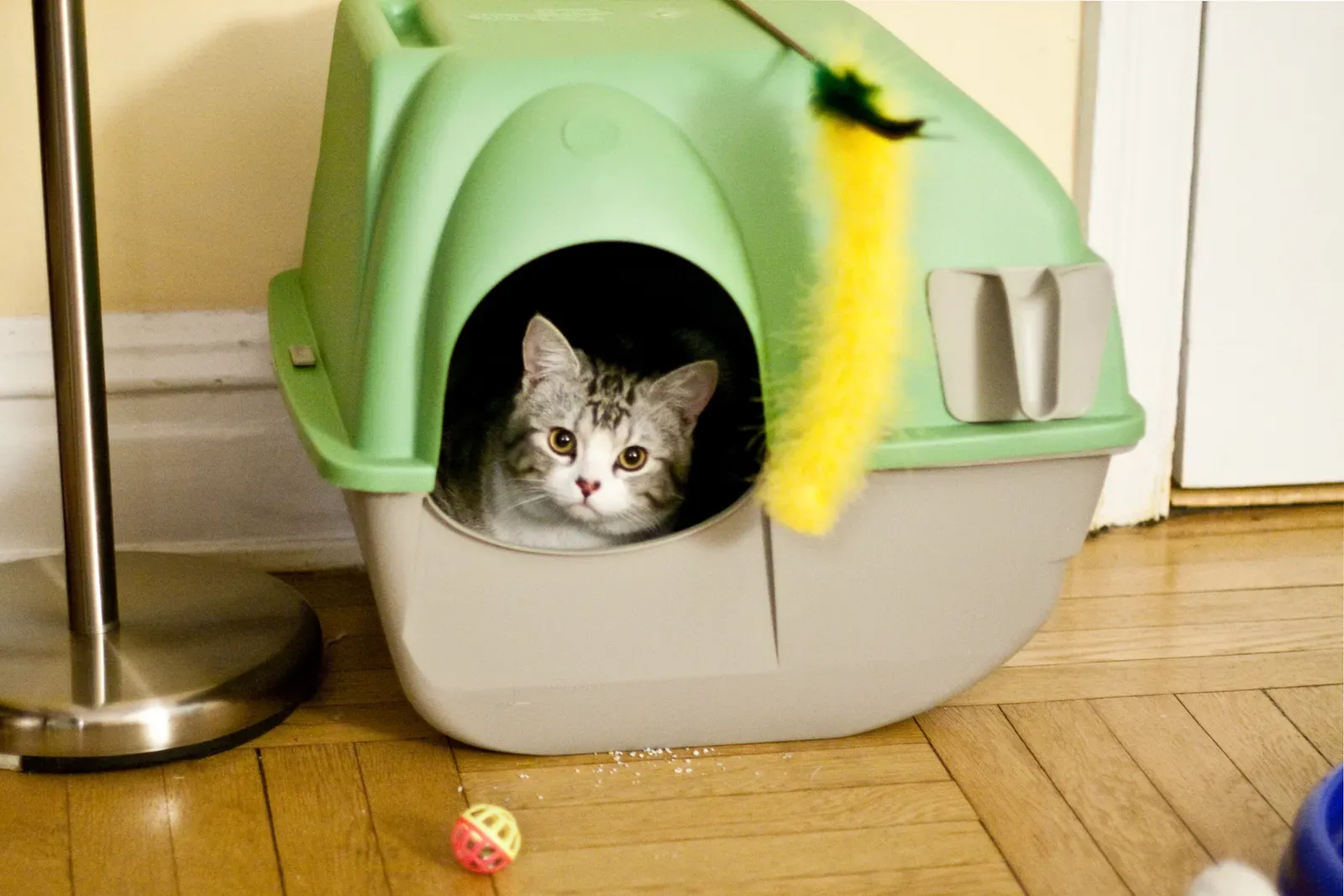
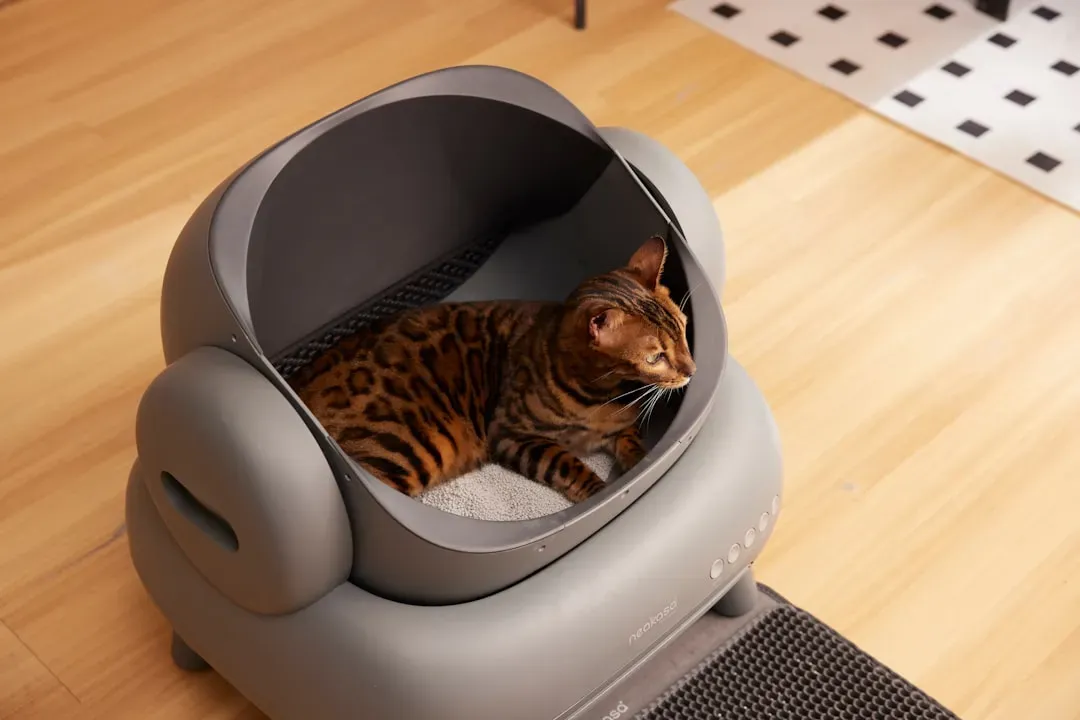
Covered or high-sided litter boxes may appeal to us, but they can cause anxiety for cats, and cats rely heavily on their sight when using the litter box because it’s a vulnerable time for them. We love covered boxes because they hide the mess and contain odors. Your cat, however, might feel trapped. Litter box hoods create a dark environment with only one way in or out, and because cats are not only hunters but also prey animals, they need to be able to see what’s happening around them.
Most cats prefer uncovered boxes that allow for airflow and visibility, and covered boxes can trap odors and may make your cat feel vulnerable. I know it sounds crazy, but privacy for a cat doesn’t mean the same thing as privacy for us. They want to feel safe, not enclosed.
Using Plastic Liners That Snag and Frustrate
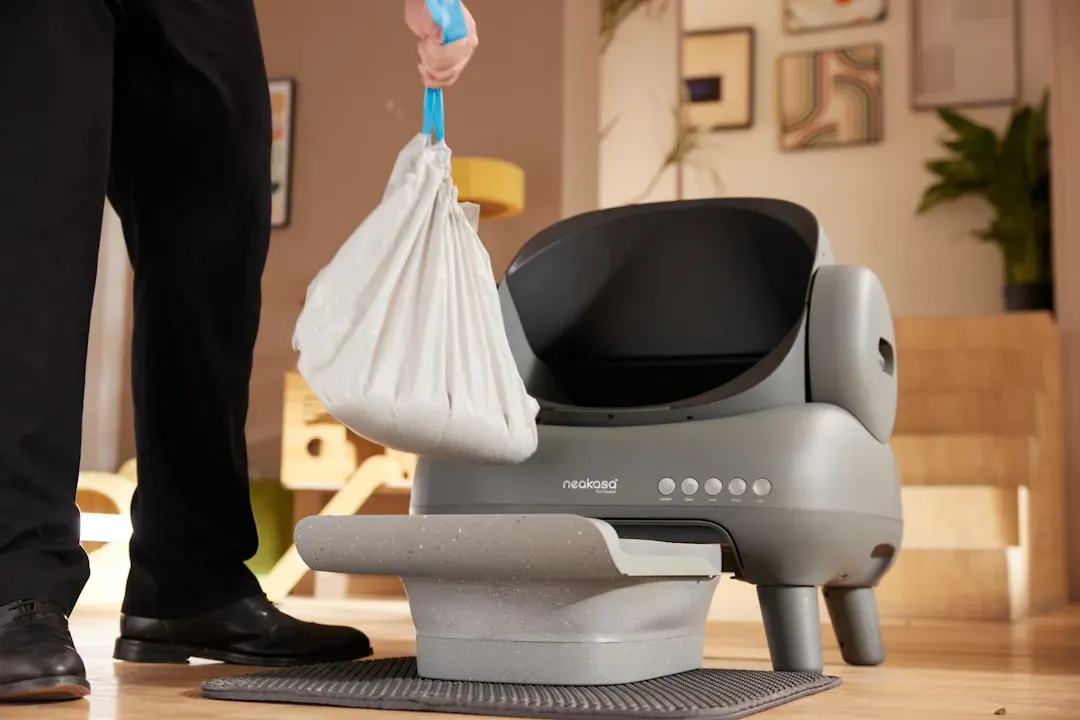
While plastic liners can make cleanup easier, they can be frustrating for cats who like to dig, and your cat’s claws can catch on the liner, causing stress and potentially tearing the bag. Liners seem like such a convenient shortcut. You just lift them out, tie them up, and toss them. Easy for you, terrible for your cat. Litter box liners often catch on a cat’s claws, making them uncomfortable, and many cats will avoid boxes with liners.
Those little plastic sheets create an unnatural surface that interferes with their natural digging and covering instincts. Skip the liner and just clean the box regularly. It’s a few extra minutes of work, but your cat will actually use the box without hesitation.
Ignoring Your Cat’s Changing Needs as They Age
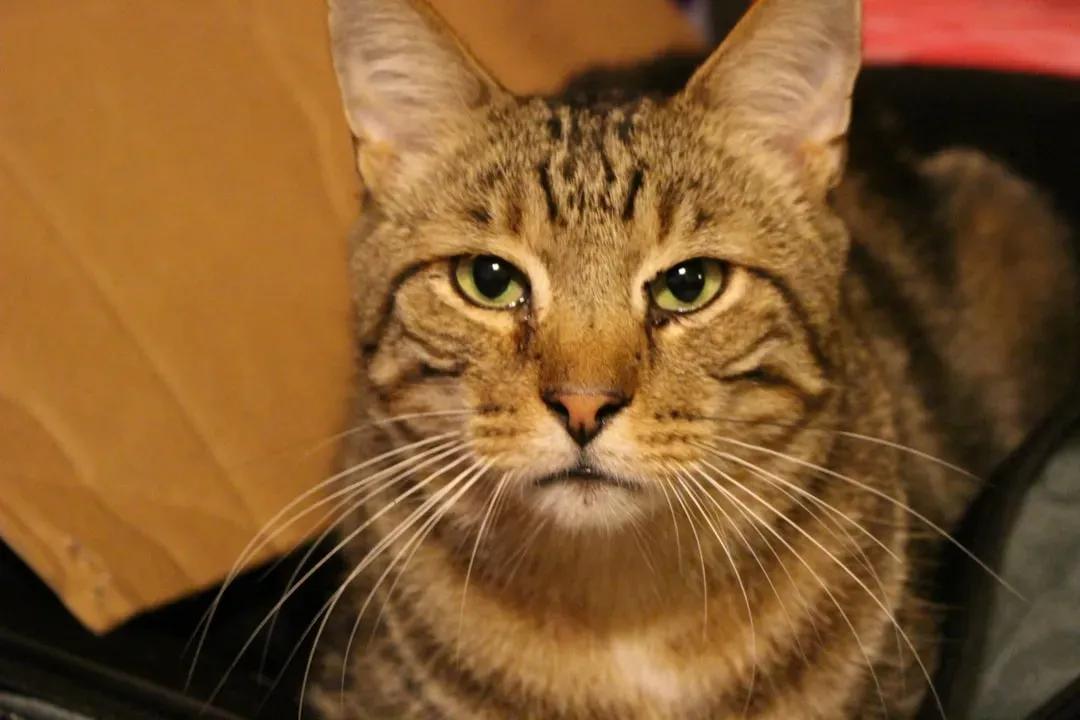
As your cat gets older, they might need a different litter box setup, and an older cat may require a box with a lower entry point for easier access. That box your cat loved as a spry two-year-old might be a real challenge now that they’re dealing with arthritis at twelve. Special-needs cats such as those who are older, arthritic or still very young might have trouble with certain types of litter boxes, and boxes that have sides that are too high might make it difficult for your cat to enter or leave the box.
Senior cats need lower sides, easier access, and sometimes boxes on multiple floors so they don’t have to navigate stairs. Kittens need similar considerations. Pay attention to how your cat moves. If they’re hesitating at the box entrance or struggling to climb in, it’s time to make adjustments. Age changes everything, and your setup should evolve with them.
Conclusion
Litter box problems aren’t always about stubbornness or spite. More often, they’re your cat’s way of communicating that something isn’t working for them. Even if you’ve had cats your entire life, these small oversights can create big headaches.
The good news? Most of these mistakes are easy to fix once you know what to look for. A bigger box here, an extra scoop there, maybe moving things to a quieter corner. Your cat will thank you in their own way, probably by actually using the box consistently again. What’s your biggest litter box challenge? Tell us in the comments.