You think you’re a pretty decent cat owner. You keep the food bowl full, you let your cat sleep on the couch, and you even spend money on those tiny toys shaped like mice. So why does your feline friend still seem tense, withdrawn, or just plain irritated? Here’s the thing – loving your cat and truly understanding your cat are two very different things.
Cats are complex, sensitive creatures who communicate discomfort through signals so subtle, most owners miss them entirely. Felines are subtle animals, and it can be tricky to tell if you’ve got a stressed cat in your home. Their behavior might change slightly, or they might begin doing things that you perceive as “being naughty.” The domestic cat is actually quite skilled at hiding signs of stress or pain – it’s simply in their nature. So the mistakes you’re making might be completely invisible to you, even as your cat feels the weight of them every single day. Let’s dive in.
1. Forcing Affection When Your Cat Isn’t in the Mood
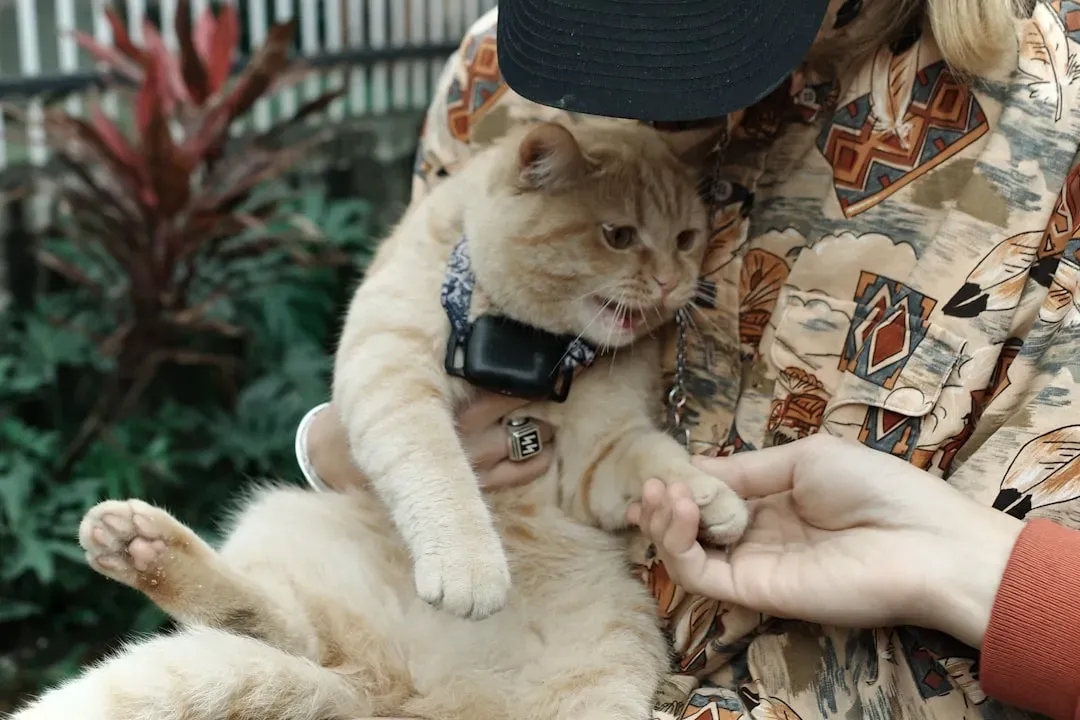
We’ve all done it. You spot your cat lounging on the sofa and you just have to squeeze them. Honestly, it’s almost impossible to resist. The problem is, your cat didn’t invite you over – and that difference matters enormously to them.
Being stroked or picked up when it’s not wanted or enjoyed is genuinely stressful for cats. Think of it like someone wrapping their arms around you in a bear hug right in the middle of a meeting you didn’t want to attend. Cats are social animals, but just like humans, they need personal space and the choice of whether to interact or not. Forcing cats to interact can lead to them learning to avoid you in the future.
The fix is simple but requires real patience. Let your cat come to you. Successful cat interactions begin with allowing the cat to make the first move. Once you start respecting that boundary, you may be surprised – they’ll actually seek you out more often.
2. Ignoring Their Body Language Completely
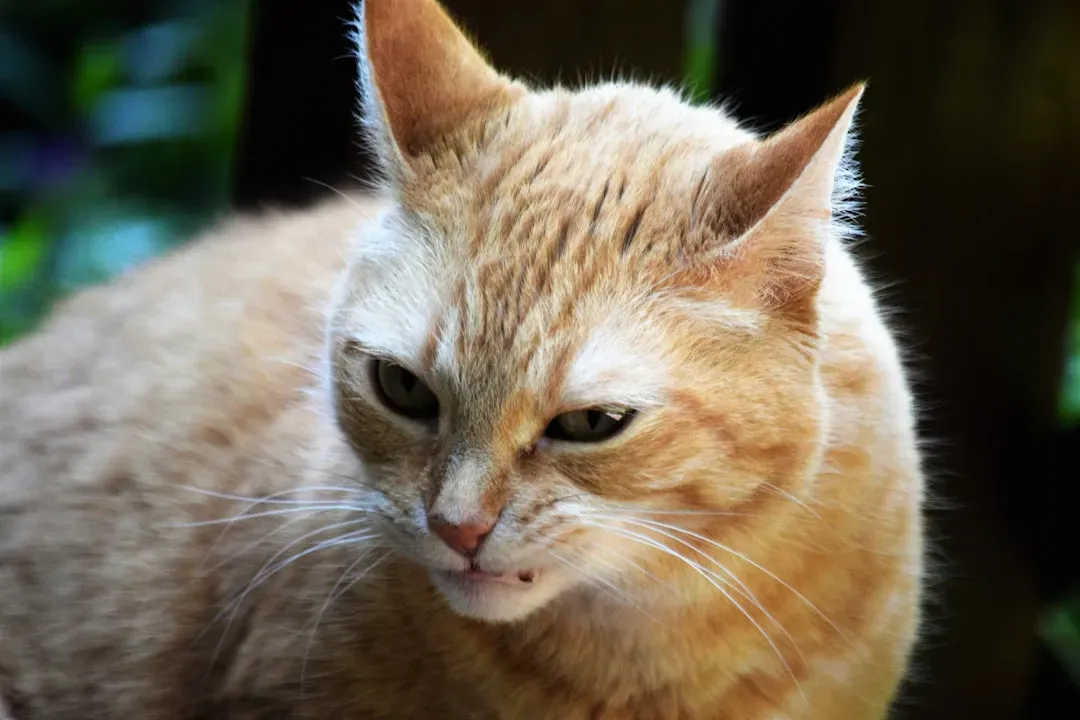
Cats are constantly talking. The tail flick, the flattened ears, the slow blink – it’s all a language. The tragedy is that most owners walk through life completely fluent in zero words of cat. And that communication breakdown has real consequences.
Cats are masters at communication and speak volumes through body language. Ignoring visual signals indicating whether interaction is wanted or not can lead to stress, reluctance to be near you in the future, or even aggression. Learning to read feline body language cues and adjusting your interactions accordingly is essential. For example, by the time your cat starts flicking their tail and flattening their ears while you’re petting them, the interaction has already gone on too long. Stop petting your cat when you notice these subtle signs of discomfort.
It sounds like a small thing, but it snowballs fast. Consistently making these interaction mistakes can erode the trust between cats and their owners. Cats have excellent memories and will associate human contact with discomfort if these patterns continue.
3. Keeping a Dirty or Poorly Placed Litter Box
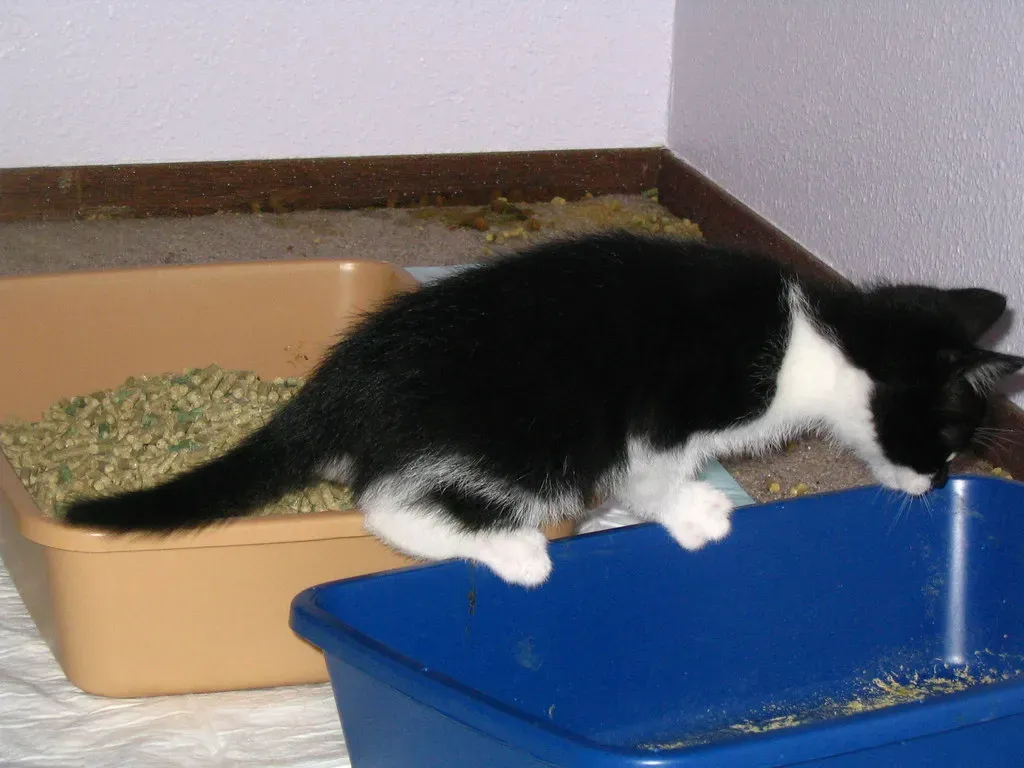
Picture this: you come home after a long day, and the only bathroom in your house is utterly disgusting. You’d be miserable. Your cat feels that way every single time you skip a scooping session. It sounds dramatic, but cats feel it deeply.
Letting your cat’s litter box go unscooped for an extra day might not seem like a big deal, but to them it’s like having to use an unflushed toilet in a dirty gas station bathroom. Their extra-sensitive sense of smell makes those odors far more offensive than they may seem. Cats also instinctively bury their waste to avoid detection from predators, so when they’re unable to cover their scent, it becomes stress-inducing.
A common mistake is either failing to clean the box regularly or placing it in an area that is too noisy or difficult for the cat to access. Cats are fastidious creatures and may refuse to use a dirty or improperly placed litter box. Clean the litter box at least once a day, and completely change the litter every week. Make sure the box is in a quiet, accessible location where your cat feels safe and comfortable.
4. Making Sudden Changes to Their Environment
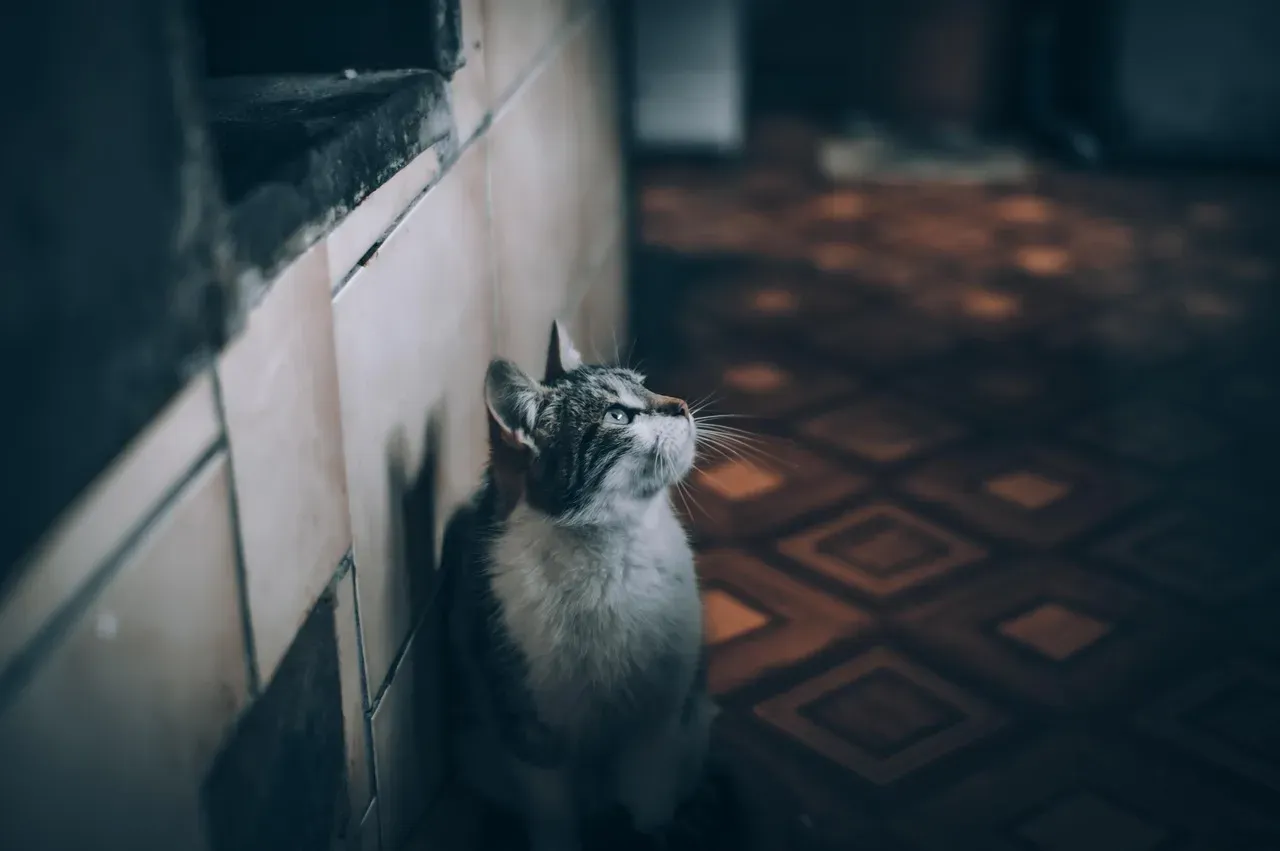
You rearranged the living room furniture last weekend and thought nothing of it. Your cat, on the other hand, has been silently spiraling ever since. To you, it’s just feng shui. To your cat, it’s a full-blown crisis. I know it sounds crazy, but that’s genuinely how their minds work.
Cats are definitely creatures of habit, and sudden changes in their environment or everyday life can be distressing. This ranges from the introduction of a new pet, moving to a new home, a change in food or litter brand, or rearranging furniture. Even events that people view as very minor can be stressful for unsuspecting cats.
Moving furniture around your home may be feng shui, but rather than having a calming effect on your cat, it can be quite the opposite. Cats are very in tune with their surroundings and even small changes can cause them to stress. This is especially true if you move their belongings to a different part of the house. Give your cat plenty of time to adjust to changes, no matter how small they may be.
5. Letting the Noise Level Get Out of Control
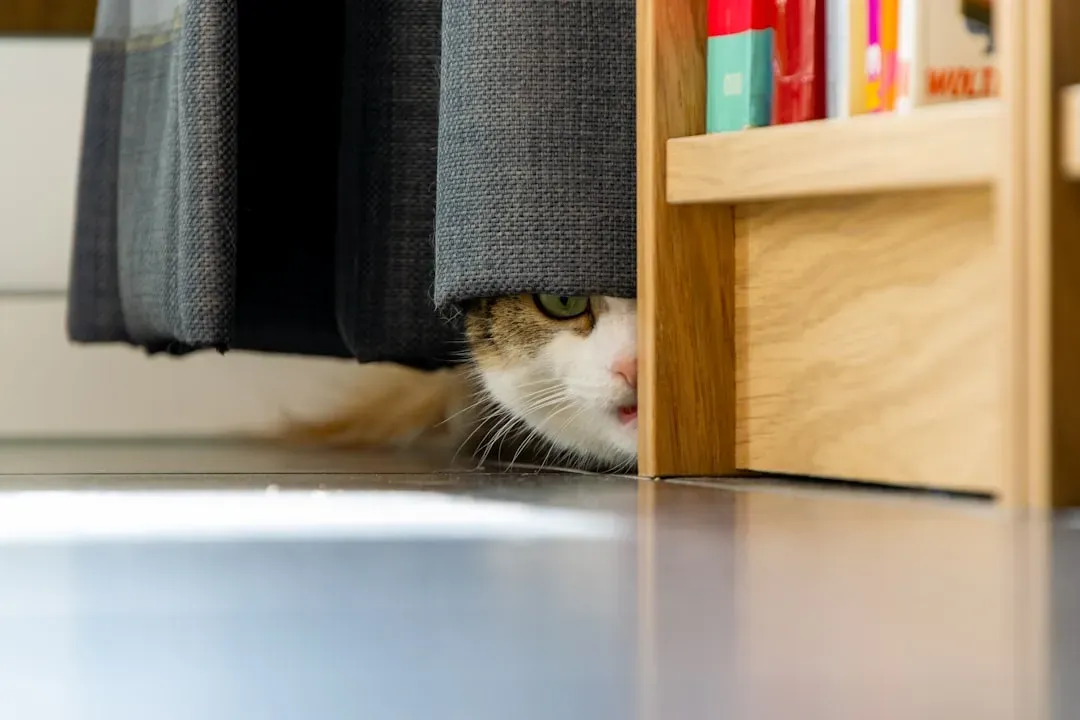
Your cat’s hearing is, honestly, in a completely different league from yours. Their ears are built like little satellite dishes specifically designed to catch even the faintest rustle of something in the distance. That same superpower becomes a curse when you blast music or shout across the house.
Household appliances, loud music, loud TV, people shouting, and construction noises can all add stress to your cat’s life. Make sure there are quiet places in your home where your cat can retreat when things get too noisy. Never force your cat to stay in the room with you if the noise level is high. Don’t locate resources like feeding stations, litter boxes, scratching posts, or resting areas in rooms that are noisy.
The good news is this one is relatively easy to fix. Being respectful of a cat’s sensitive ears may help minimize the problem. It is only when the noise is unescapable – like fireworks – that the cat’s stress can really mount. Create at least one truly peaceful zone in your home and make sure your cat always has access to it.
6. Keeping a Barren, Unstimulating Environment
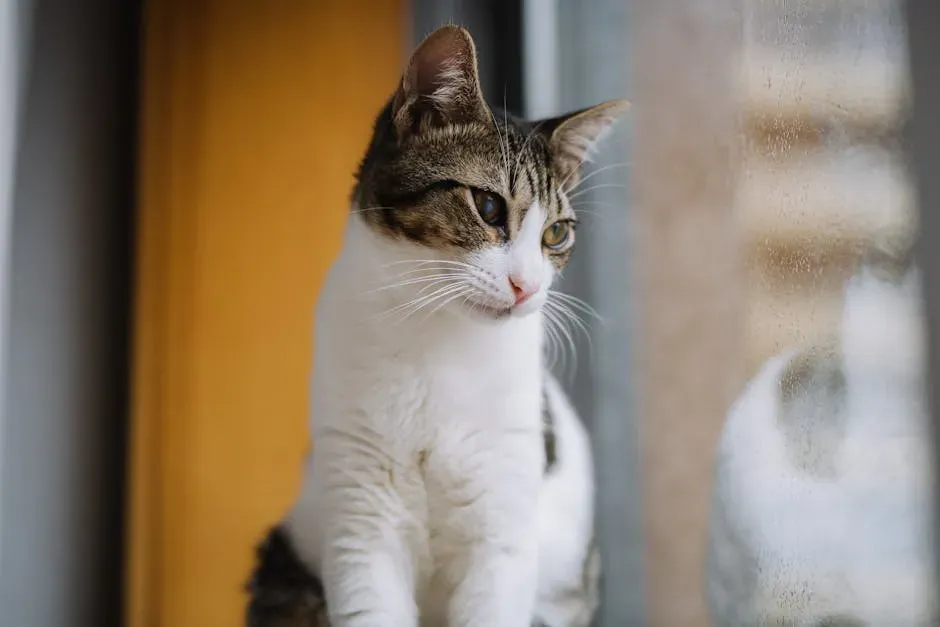
Let’s be real – a cat sitting in an empty flat with nothing to climb, nothing to scratch, and nothing to hunt is not a relaxed cat. It’s a bored and frustrated one. Boredom in cats is not cute or lazy; it’s genuinely a welfare issue.
A barren environment that provides few opportunities to express normal behavior may lead to stress, and promoting the cat’s natural behavior using enrichment strategies has been shown to reduce it. Outdoor cats spend a high proportion of their active time hunting and exploring their territory, and the inability to engage in such behaviors when cats are kept indoors can result in stress-related problems.
From an emotional perspective, cats can feel fearful, anxious, frustrated, or even depressed. They can also have an emotional response to pain, since being in pain is stressful and tiring. Additionally, being bored can cause stress. Give your cat vertical space to climb, safe toys to bat around, and window perches to watch the world from. It genuinely makes a measurable difference to their wellbeing.
7. Using Punishment-Based Correction
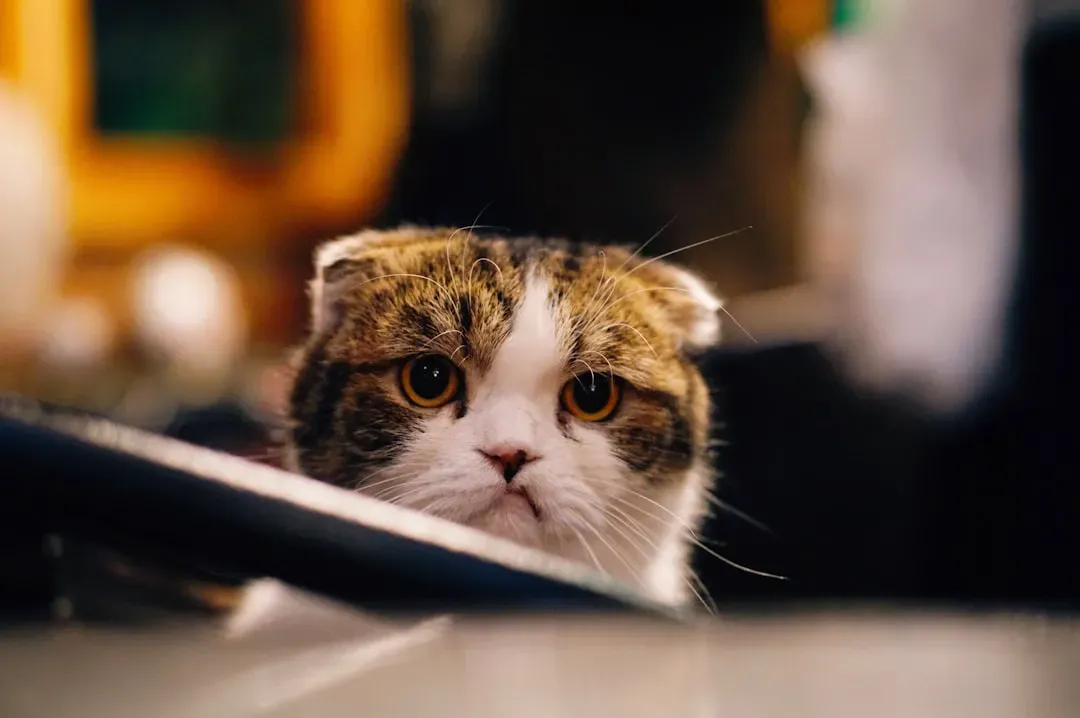
Your cat knocked your coffee mug off the table. Again. You raised your voice, or maybe you gave them a tap on the nose. It felt reasonable in the moment – but your cat understood absolutely none of it in the way you intended. Worse, it may have set your relationship back significantly.
Unwanted behaviors in cats aren’t displayed out of spite or a deliberate desire to misbehave. Punishment doesn’t teach cats the correct behavior – it just teaches them to become anxious, defensive, or frightened. Humane, proper training involves identifying the underlying cause of the behavior so you can provide a better alternative. In other words, figure out what your cat actually needs and supply it in a way that works for both of you.
Punishment-based training is never a good idea with cats. Punishing your feline friend will only result in a lack of trust between you. A distrustful cat is more likely to become withdrawn or try to run away and escape. Instead, reward your cat for wanted behavior with treats, praise, a toy, or whatever that specific cat views as positive.
8. Feeding Them Poorly or Inconsistently
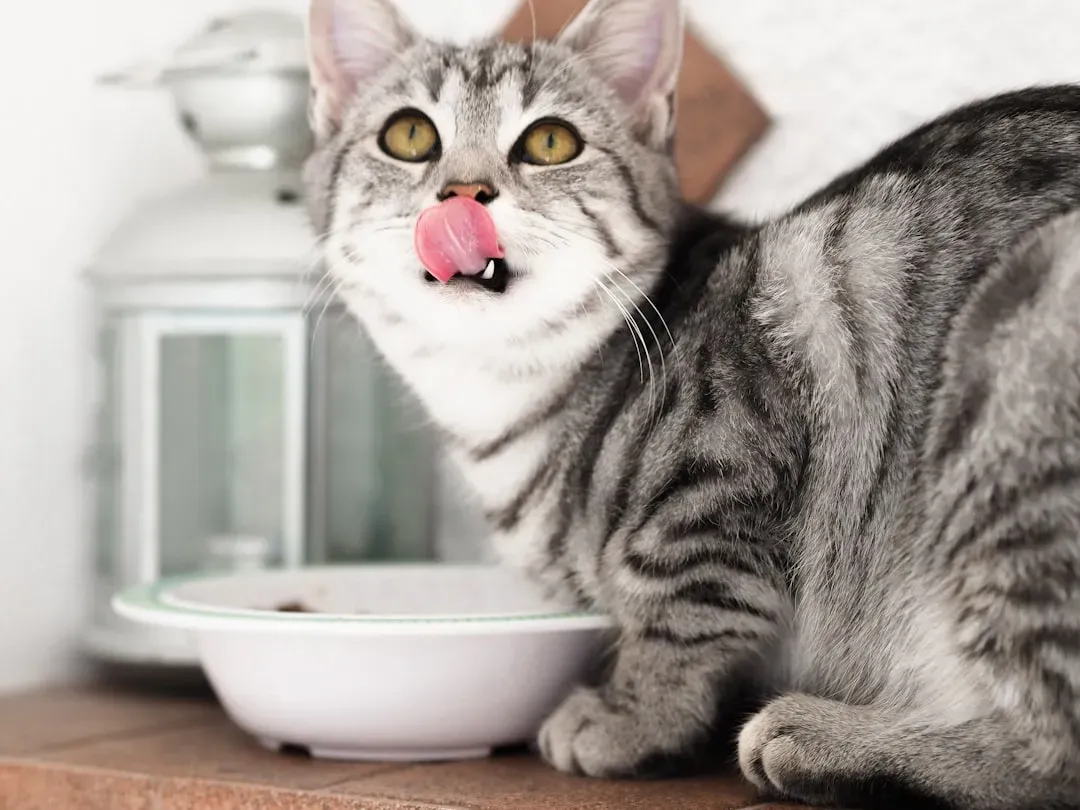
Food is not just fuel for a cat. It’s routine, comfort, and security all bundled into one bowl. When you get the food wrong – whether it’s the wrong type, the wrong amount, or wildly unpredictable timing – your cat feels the impact on every level.
Feeding your cat the wrong food or having poor feeding habits can contribute to a range of health problems, including obesity, diabetes, and kidney issues. Many cat owners make the mistake of feeding their cats an all-dry food diet, which can be deficient in moisture and lead to urinary tract problems. Cats are obligate carnivores, meaning their diet should consist mainly of meat. Cats often need more moisture than dry food alone provides, as they may not drink enough water on their own. A diet that includes wet food, or incorporates wet food alongside dry food, can help prevent dehydration and kidney problems.
Consistency matters just as much as content. Cats take comfort in routine and predictability. An inconsistent schedule often disrupts their sense of security. From feeding times to play sessions, try to maintain consistency for your cat’s comfort and peace of mind. Predictability goes a long way in reducing stress.
9. Introducing New Pets Without Proper Preparation
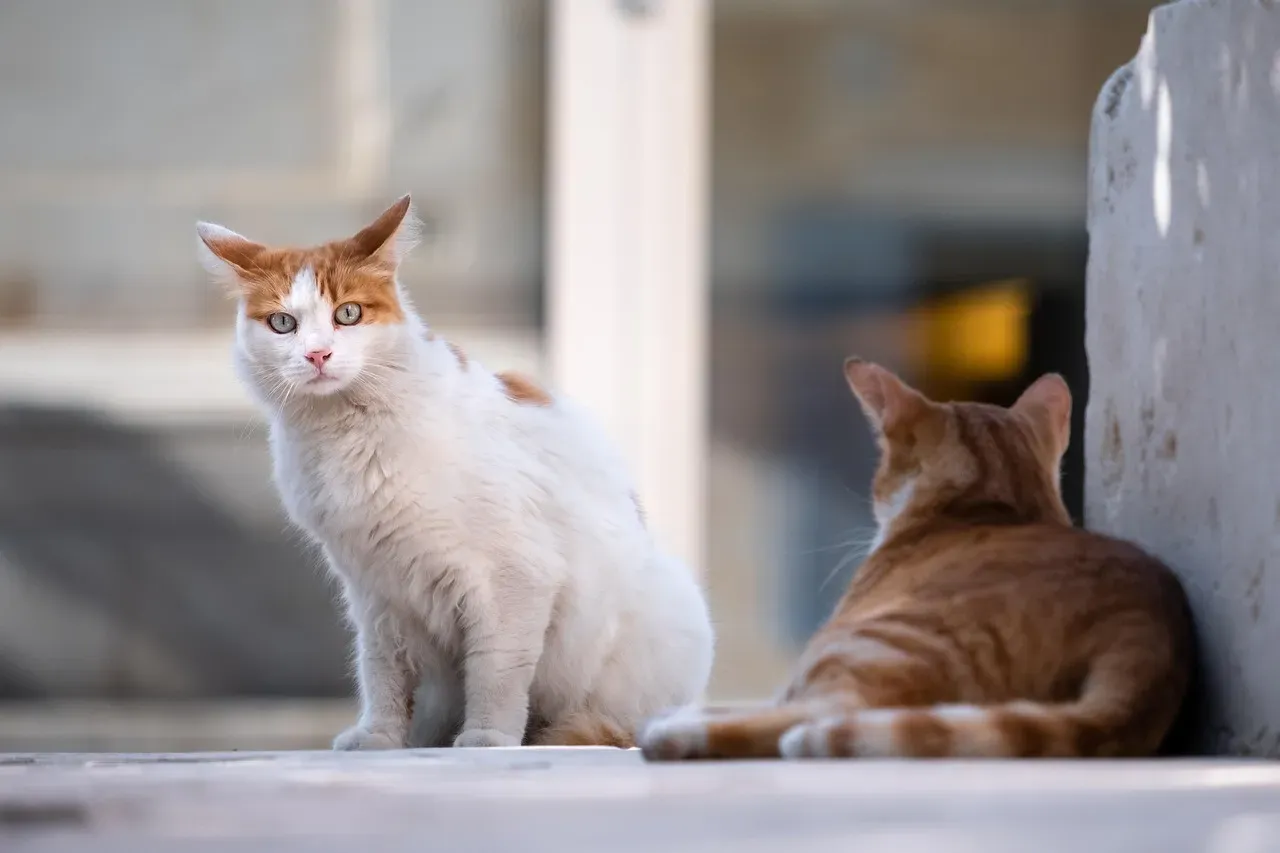
You brought home a new puppy or a second cat and expected your resident feline to simply adapt. After all, animals get along, right? Not quite. For a cat, a new animal entering their territory is not an exciting development. It’s closer to an invasion.
Some cats enjoy the company of others, but generally speaking, cats will be just fine as the sole pet in a home. Cats are territorial and are perfectly content having a house to themselves. Bringing a new pet home, whether it’s another cat, a dog, or even a small pet, can create stress for your feline. Always introduce new pets slowly and watch your cat’s reaction closely.
Although cats can form friendships with other cats, many prefer their own company and do not enjoy living with other cats. If an introduction is rushed, or if there is not enough space or food for them to live together easily, then living in a multi-cat household can become very stressful for some cats. Take your time, use scent swapping, and give your resident cat plenty of safe zones to retreat to. There’s no shortcut here worth taking.
Conclusion
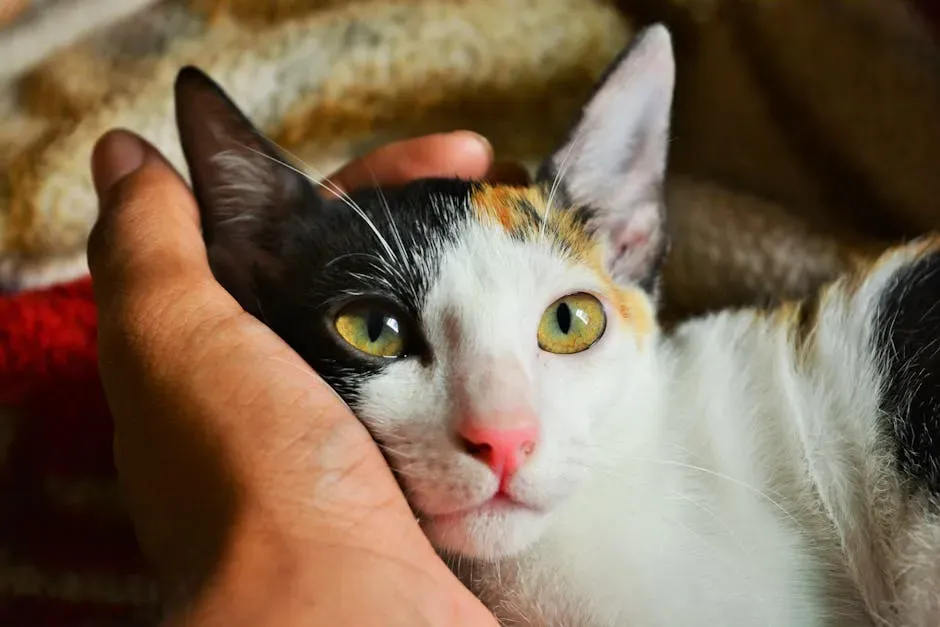
Here’s the honest truth: most of these mistakes come from love, not neglect. You pet your cat too much because you adore them. You rearrange furniture because you want a nicer home. You raise your voice because you’re frustrated. None of that makes you a bad cat owner – it makes you a human one.
The difference between a stressed cat and a content one often comes down to awareness. Each cat expresses stress differently, and what constitutes “normal” varies between individuals. Your familiarity with your cat’s unique personality positions you perfectly to notice when something seems off. If your cat is stressed, they can become emotionally and physically unwell, resulting in problem behaviors and a worrying time for both cat and owner.
You don’t need to be a veterinarian to do better. You just need to listen a little more – even when your cat is speaking in a language made entirely of flattened ears and slow blinks. What do you think – were any of these mistakes ones you’ve been making without realizing it? Tell us in the comments.