Your feline friend has been trying to tell you something all along, but you’ve probably been missing most of the conversation. While you might think cats only communicate through meows and purrs, the reality is far more fascinating and complex than you ever imagined.
Scientists and animal behaviorists have spent decades studying feline vocalizations, and their findings reveal a rich tapestry of communication that goes far beyond what human ears typically perceive. From subtle chirps that mimic birdsong to dramatic yowls that carry across neighborhoods, your cat’s vocal repertoire is surprisingly sophisticated.
The Silent Meow: Your Cat’s Most Intimate Gesture
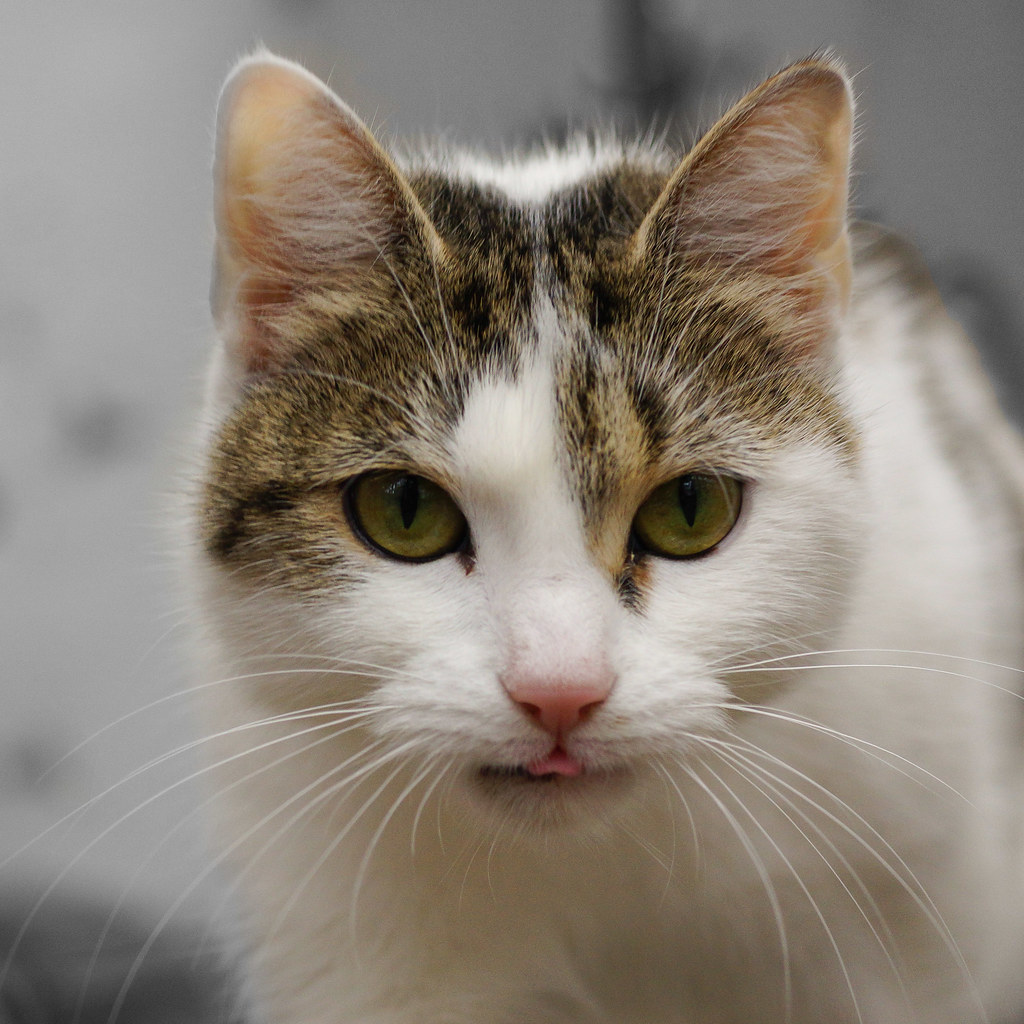
Picture this: your cat approaches you, opens their mouth as if to meow, yet no sound emerges. The “Silent Meow”, most often, is a sign of gratitude and affection. This isn’t a malfunction in your cat’s vocal cords, it’s actually their most special form of communication reserved for those they truly trust.
What makes this sound particularly intriguing is that it might not be truly silent at all. It is important to recognize that cats have a more acute sense of hearing than humans. A typical cat can hear sounds that operate in the range of 48 to 85,000 Hertz. By comparison, the human ear can only “perceive” sounds that come in 20 to 20,000 Hertz. Your cat might be speaking to you in frequencies beyond your hearing range, demonstrating just how sophisticated their communication system really is.
The Chirp: Following Ancient Mother’s Orders
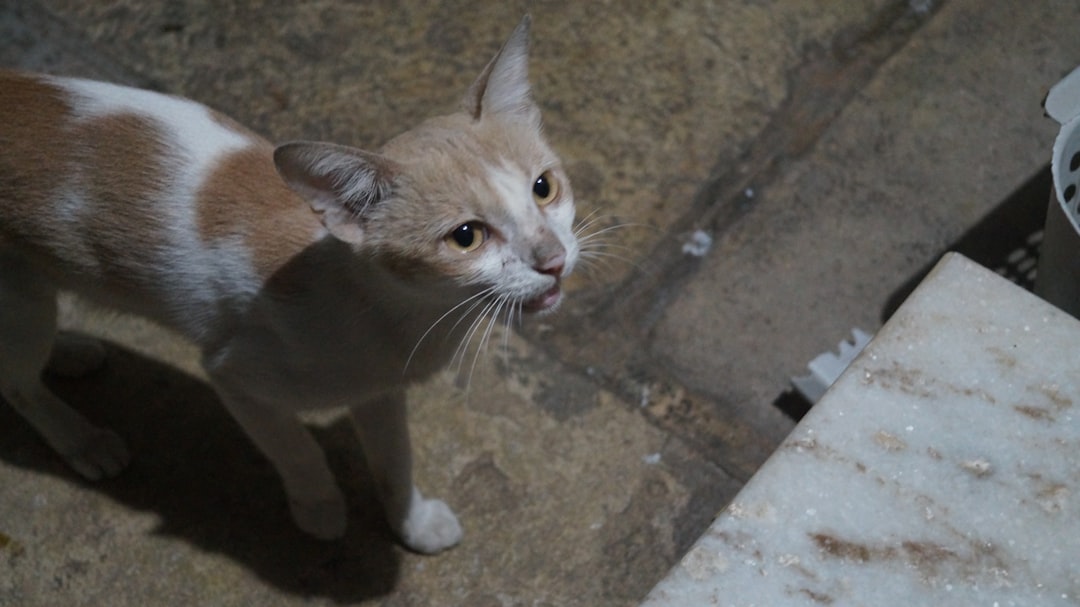
The cat chirp, also known as a chirrup or a trill, is a short, peep-like sound that’s very similar to a songbird’s warble. This delightful vocalization carries deep evolutionary significance, rooted in the most fundamental feline relationships. A chirp often serves as a cheerful greeting between cats or toward humans, but they’re most important in communication between a mother cat and her kittens. Queens use chirrups to announce they’re coming back to the nest or to encourage their kittens to follow along.
When your cat chirps at you today, they’re essentially treating you like family, using the same vocal cue their mother once used to guide them to safety. ICC notes that chirps are “generally … used for greeting, attention, acknowledgment and approval.” Think of it as your cat’s way of saying “Come along, human, I have something important to show you.”
The Trill: A Musical Greeting of Pure Joy
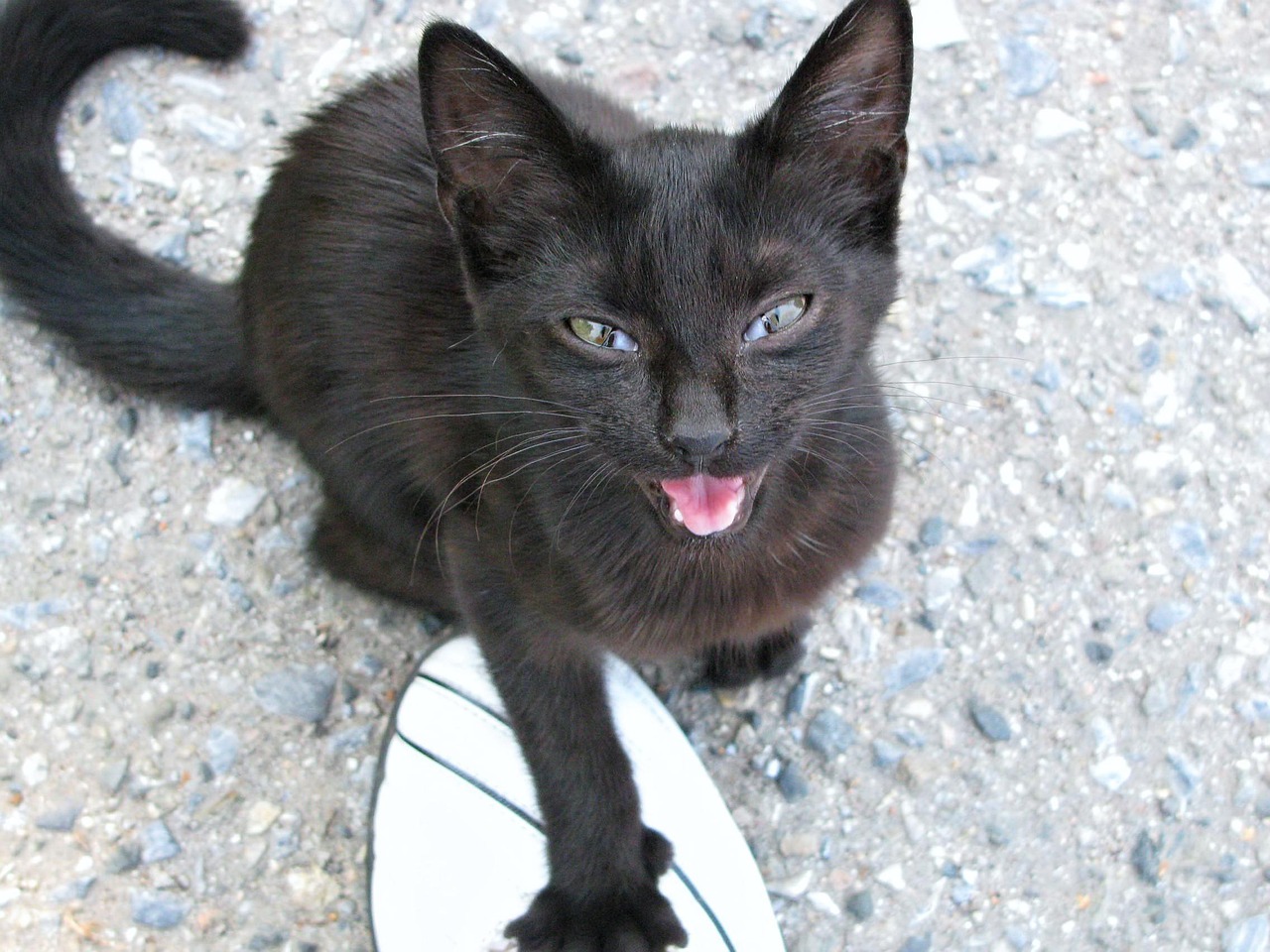
A trill is produced with a soft voice and sounds like a purr but with a higher pitch. Cats may trill to greet and thank their human family members for something, such as a snack or a pet. It is one of the most common amicable sounds a cat makes. This rolling, musical sound represents one of the most positive emotions in your cat’s vocal vocabulary.
The trill often occurs during those heartwarming moments when your cat weaves between your legs or approaches you after you’ve been away. In general, trills and chirps are happy sounds that are meant as greetings to other cats or to humans. Some cat breeds are naturally more talkative with their trills, particularly the Siamese and Burmese, who seem to have elevated trilling to an art form.
The Chatter: Frustration Meets Hunter’s Instinct
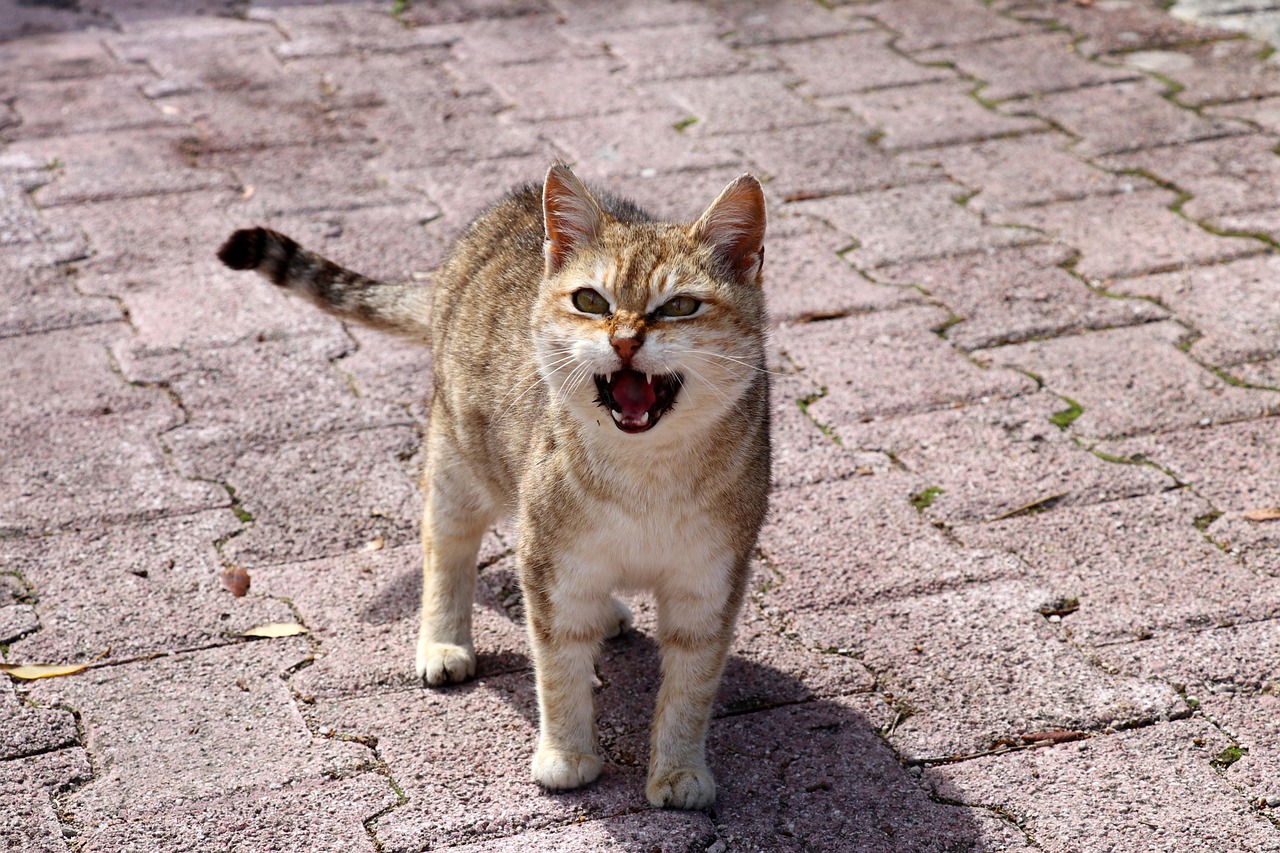
Chattering, also called twittering, is a low smacking sound produced by a rhythmic clashing of the jaws. It is usually voiceless (produced without using the vocal cords). Along with chirping, chattering may occur when a cat spots prey that’s out of their reach. This fascinating behavior reveals the eternal struggle between your house cat’s predatory instincts and their comfortable indoor reality.
Watch your cat’s face closely during these episodes, and you’ll notice their jaw movements create the distinctive clicking sound. Animal behaviorists theorize that chattering may be a cat’s way of making noises similar to its prey, potentially enabling them to fool and sneak up on their prey. Your pampered pet is essentially practicing ancient hunting techniques every time they spot a bird through the window, demonstrating that millions of years of evolution can’t be erased by a lifetime of kibble.
The Yowl: Drama, Distress, and Dating Calls
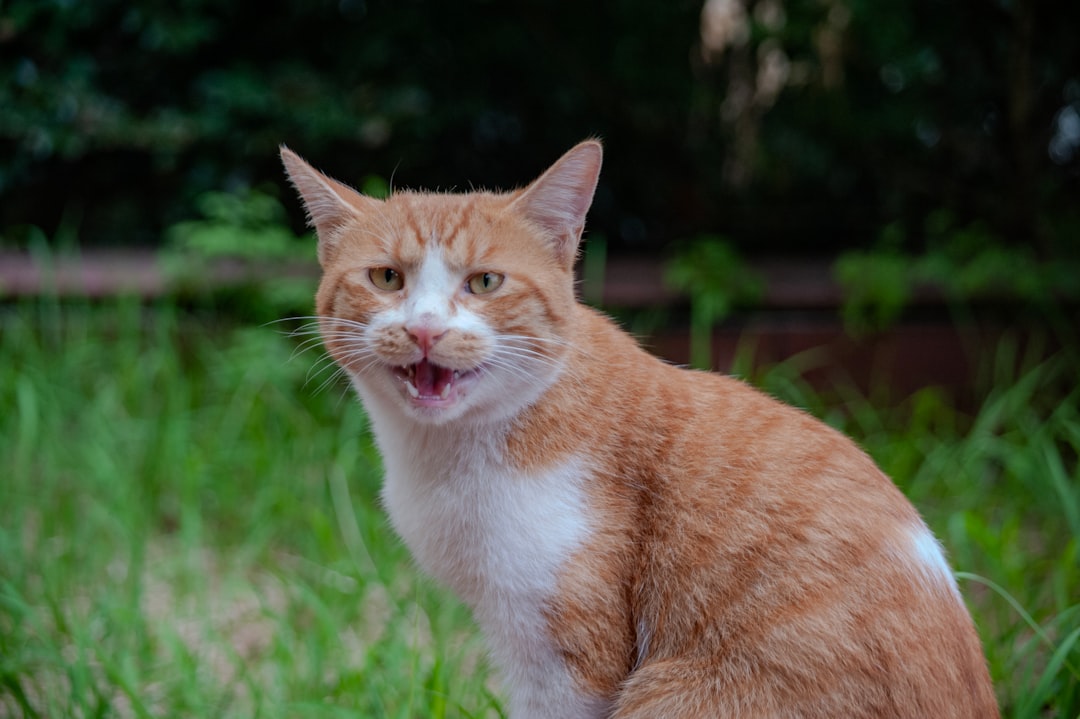
A yowl is generally defined as a long, loud cry or howl that sounds unhappy. This dramatic vocalization serves multiple purposes, from expressing serious discomfort to announcing romantic availability. Unlike the reasonably happy, searching sound of a meow, the yowl is a longer, more drawn-out moan that denotes, worry, discomfort, territorial concern or mating issues. The yowl is often a cat-to-cat communication; it can mean “I want to mate,” or “I don’t want you coming around my place.”
Senior cats may yowl more frequently due to age-related changes. Other age-related health issues, including failing sight or hearing, can also leave your elderly cat feeling confused and insecure, and therefore more likely to yowl. A number of diseases can cause an older cat to feel hunger, thirst, discomfort or confusion, all of which could lead to increased vocalisations. When elderly cats begin yowling unexpectedly, it’s often their way of expressing confusion or seeking reassurance in their changing world.
The Caterwaul: Love Songs and Territorial Anthems
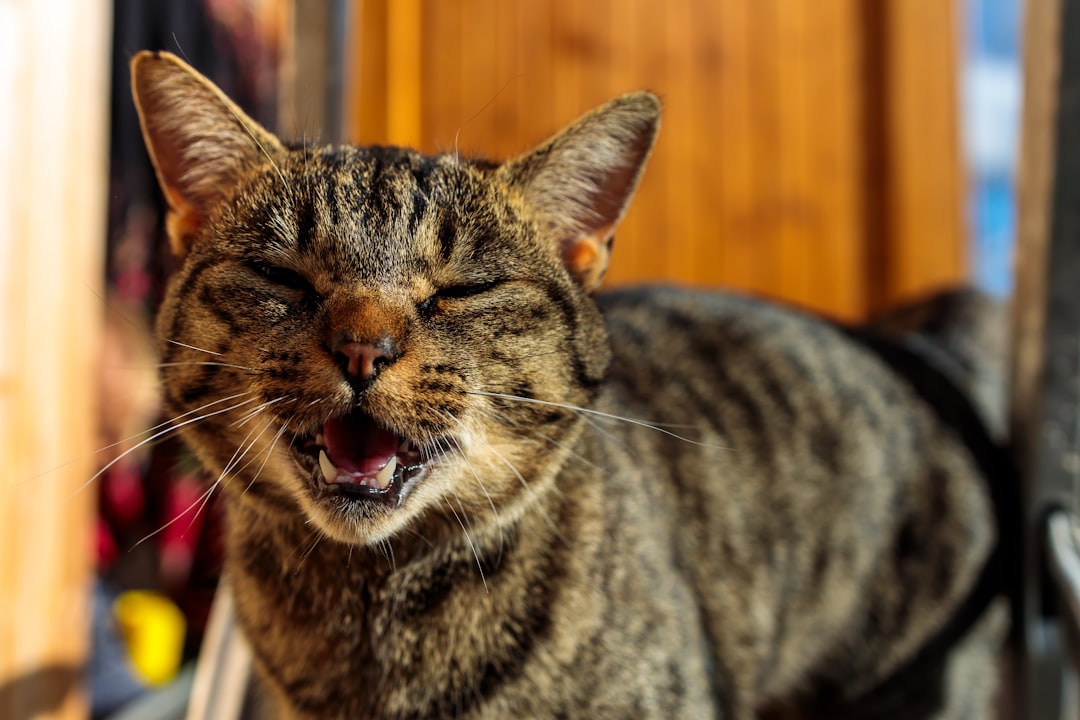
Caterwauling is a loud, unsettling yowling noise that sounds almost like a crying baby, and humans have even come to use the word to describe some of our own distressed sounds. This intense vocalization represents one of the most powerful forms of feline communication, designed specifically to travel long distances and demand immediate attention.
Unlike your kitty’s other vocal sounds like meows and chirps, which tend to be much more tolerable, caterwauling is a harsh sound cats make that is somewhere between a howl, a yowl, and a whine. Female cats use this dramatic call when they’re in heat, while males respond with equally intense vocalizations. Caterwauling is a wailing, yowling sound. Often quite loud, this vocalization is similar to a long drawn out howl mixed with a whine or a cry. Cats often repeat the sound multiple times in a short period.
The Hunting Chirp: Mimicking Prey to Perfection
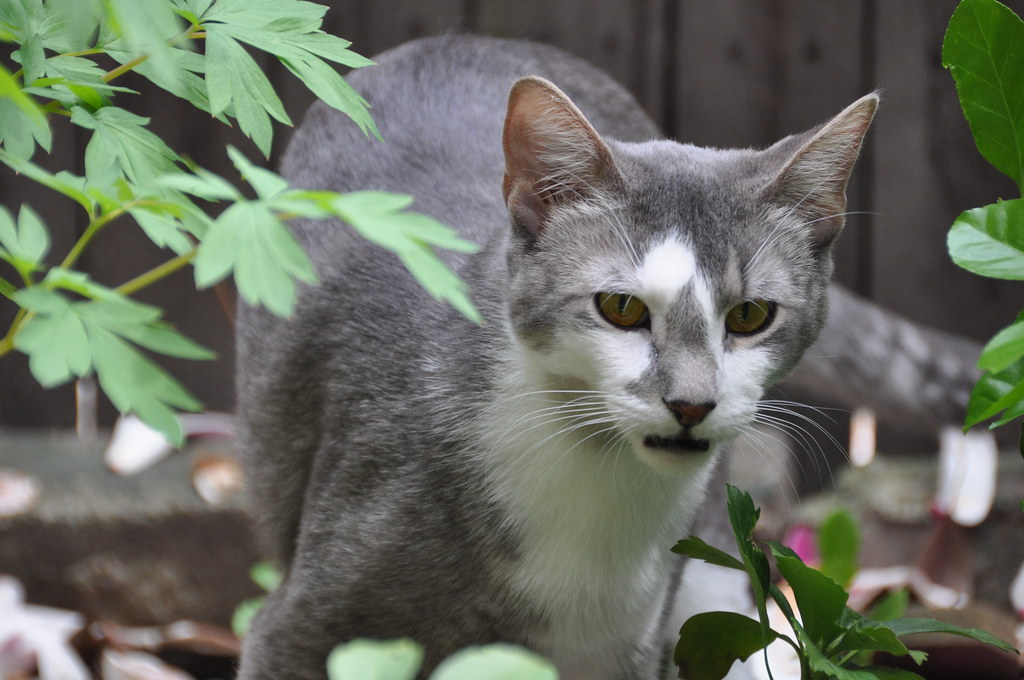
Your cat possesses a remarkable ability that reveals their wild ancestry: the capacity to mimic their prey. Cat behaviorist Dr. Susanne Schötz, on her research site, Meowsic, points out that cats also pull out the chirp when their hunting instinct kicks in while watching – you guessed it – birds. Schötz says that cats employ this vocalization “when a bird or insect catches their attention … The cat becomes riveted to the prey, and starts to chirp, tweet and chatter.”
This behavior demonstrates sophisticated cognitive processing, as your cat essentially attempts to “speak” the language of their intended prey. The Chirp high-pitched sound has also been thought to mimic bird or rodent chirp to entice prey. Even though your indoor cat may never catch actual prey, they’re instinctively employing techniques that wild cats have used successfully for thousands of years.
The Attention-Seeking Howl: Strategic Communication
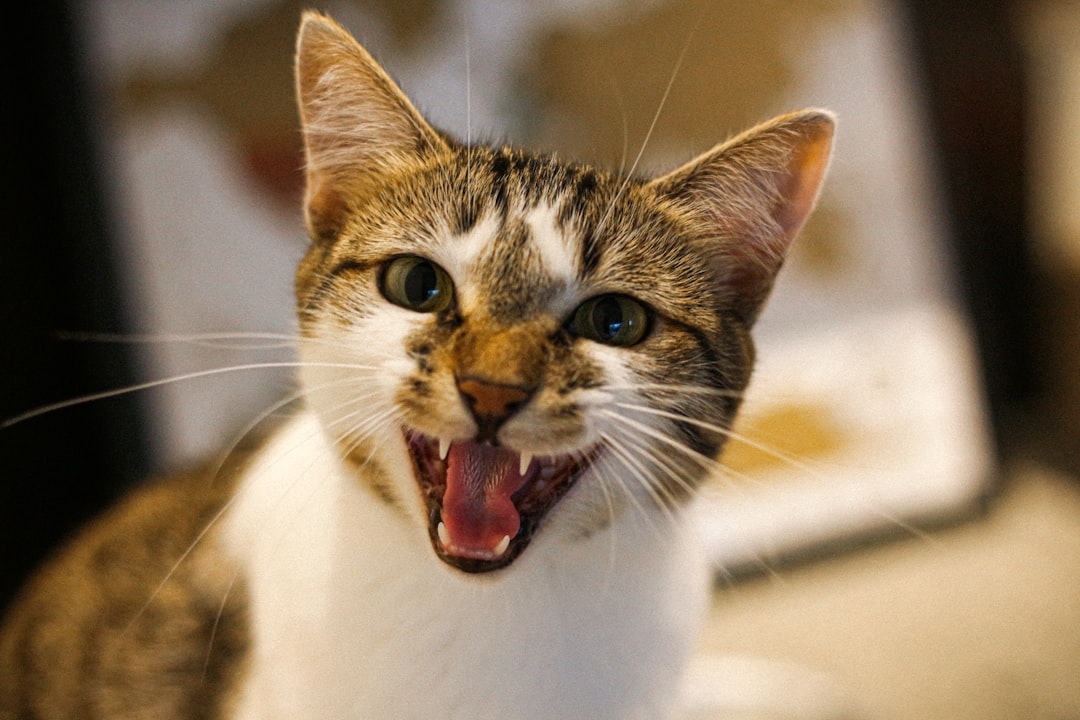
Some cats have mastered the art of strategic communication, using prolonged vocalizations specifically designed to get what they want from their human companions. With some cats, caterwauling is just simply a way of saying “pay attention to me!”. They may caterwaul to let us know their food bowl is empty, their litter box needs cleaning, or you have been gone too much lately and they are lonely.
Yowling or cat howling can be unsettling, as these cat sounds often indicate distress, territorial disputes, or mating calls. Yowling is a long, low-pitched, and throaty sound, often quite loud. These cats have learned that certain sounds reliably produce desired responses from their humans, essentially training us to respond to their vocal commands. The persistence and volume of these calls often increase until they achieve their objective, showing remarkable problem-solving abilities.
The Pain Vocalization: When Silence Speaks Volumes
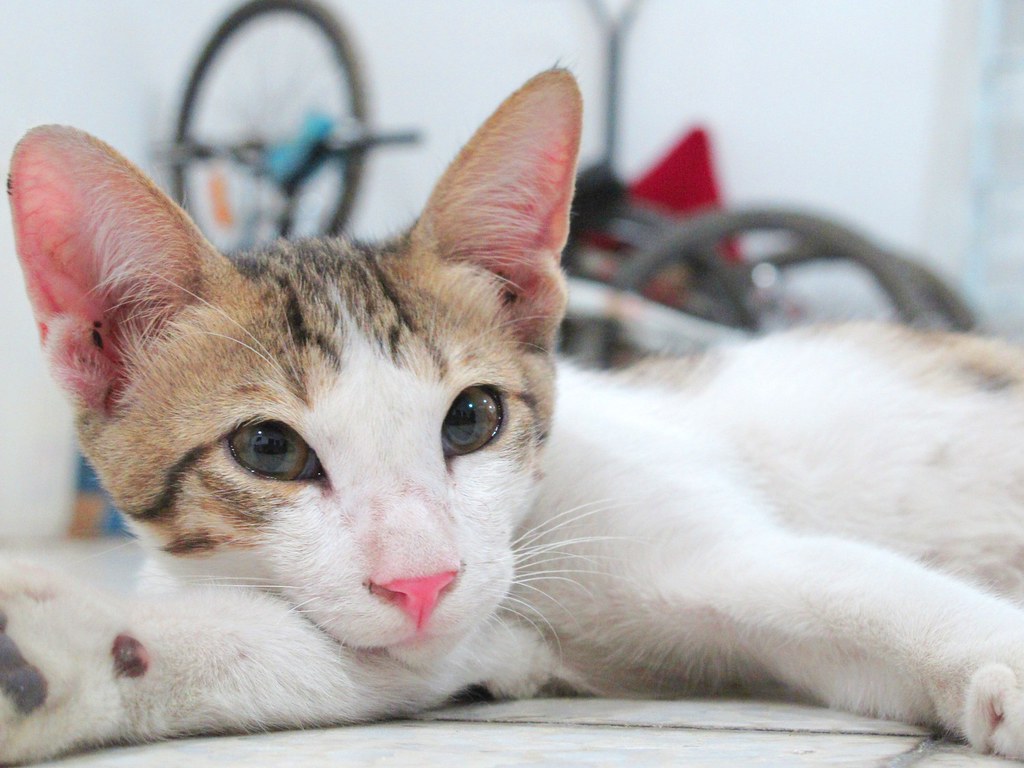
Sometimes the most concerning cat sounds are the ones that change dramatically or disappear entirely. Loss of voice in cats often indicates laryngitis or throat inflammation. Frequent swallowing may signal discomfort or a foreign body lodged in the throat. Symptoms include silent meowing, coughing, or gagging. When cats experience pain, their vocal patterns can shift in subtle but significant ways.
One of the reasons cats yowl is due to pain. Cats that are yowling consistently could be suffering from a painful condition. Sometimes, this pain is obvious, like a wound or an injury, but other times, the pain could be more subtle from something like arthritis. Cats often become more vocal when experiencing discomfort, using their voice as a way to seek help or express distress. Understanding these changes in vocalization patterns can be crucial for identifying health issues early and providing appropriate care.
Understanding your cat’s complex vocal language opens up an entirely new dimension of your relationship with your feline companion. Cats possess the widest range of vocalizations of any domestic pet. Depending on the situation, your cat is capable of making many distinct utterances, with multiple nuanced variations of each, according to importance. Each sound carries meaning, emotion, and intent that your cat desperately wants you to understand.
The next time your cat “speaks” to you, remember that they’re using a sophisticated communication system honed by millions of years of evolution. From the intimate silent meow to the dramatic caterwaul, every vocalization is a window into their world, emotions, and needs. What do you think your cat has been trying to tell you all along?