You’ve probably wondered if your cat really loves you, right? Let’s be real, cats have a reputation for being aloof, mysterious creatures who tolerate us more than adore us. That couldn’t be further from the truth. Your feline companion is constantly communicating their affection and happiness through subtle behaviors that many people miss entirely. Once you understand these signals, you’ll realize your cat has been showering you with love all along.
Research shows cats form attachment bonds to their human caretakers in very much the same way that dogs and human children do. The trick is learning to speak their language. So let’s explore the fascinating ways your cat expresses love and contentment, helping you decode their unique emotional vocabulary and strengthen your bond together.
The Slow Blink: Your Cat’s Version of a Kiss
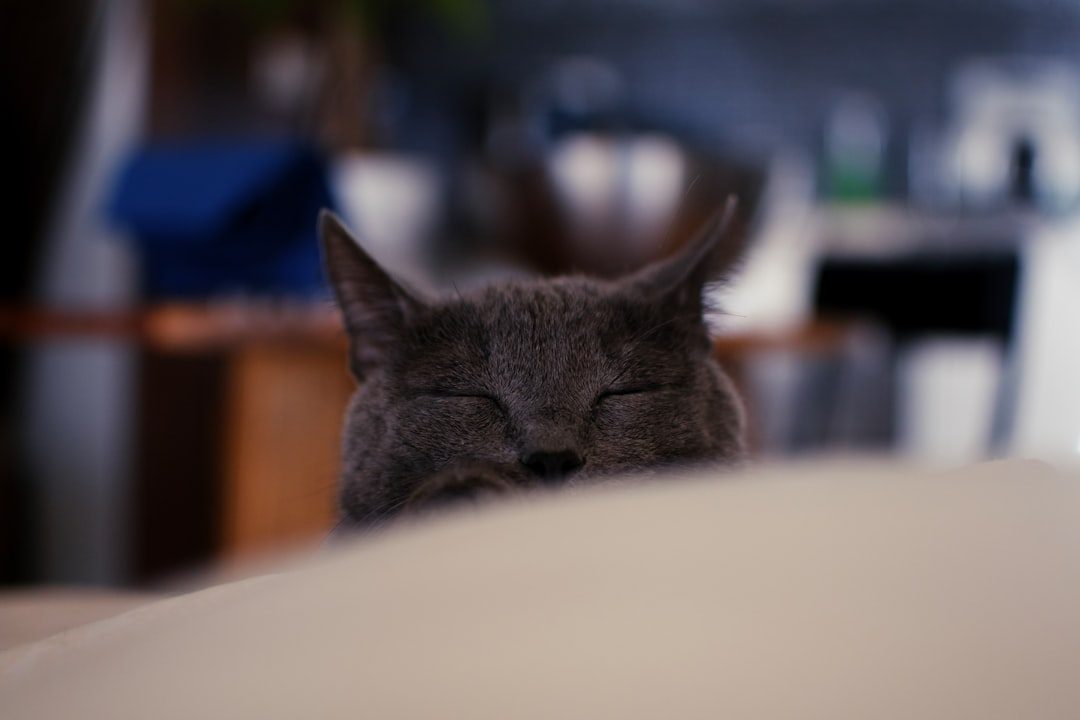
A slow blink is one of the most intimate ways a cat shows love, often called a ‘cat kiss.’ When your cat looks directly at you and deliberately closes their eyes in a slow, languid motion, they’re communicating something profound. A slow blink is a cat’s way of showing you that they trust you and feel safe with you. Think about it from their perspective: in the wild, closing your eyes around a potential threat is dangerous. By slow blinking, your cat is essentially saying they don’t view you as a threat at all.
This observation is noteworthy because it shows that slow blinking is not a reflexive movement – it’s an intentional behavior. Want to tell your cat you love them back? You can opt into the love fest by slow-blinking right back at your cat to communicate your feelings are mutual. It’s like having a secret conversation with your feline friend, one that speaks volumes without a single word.
Head Bunting and Cheek Rubbing: Marking You as Family
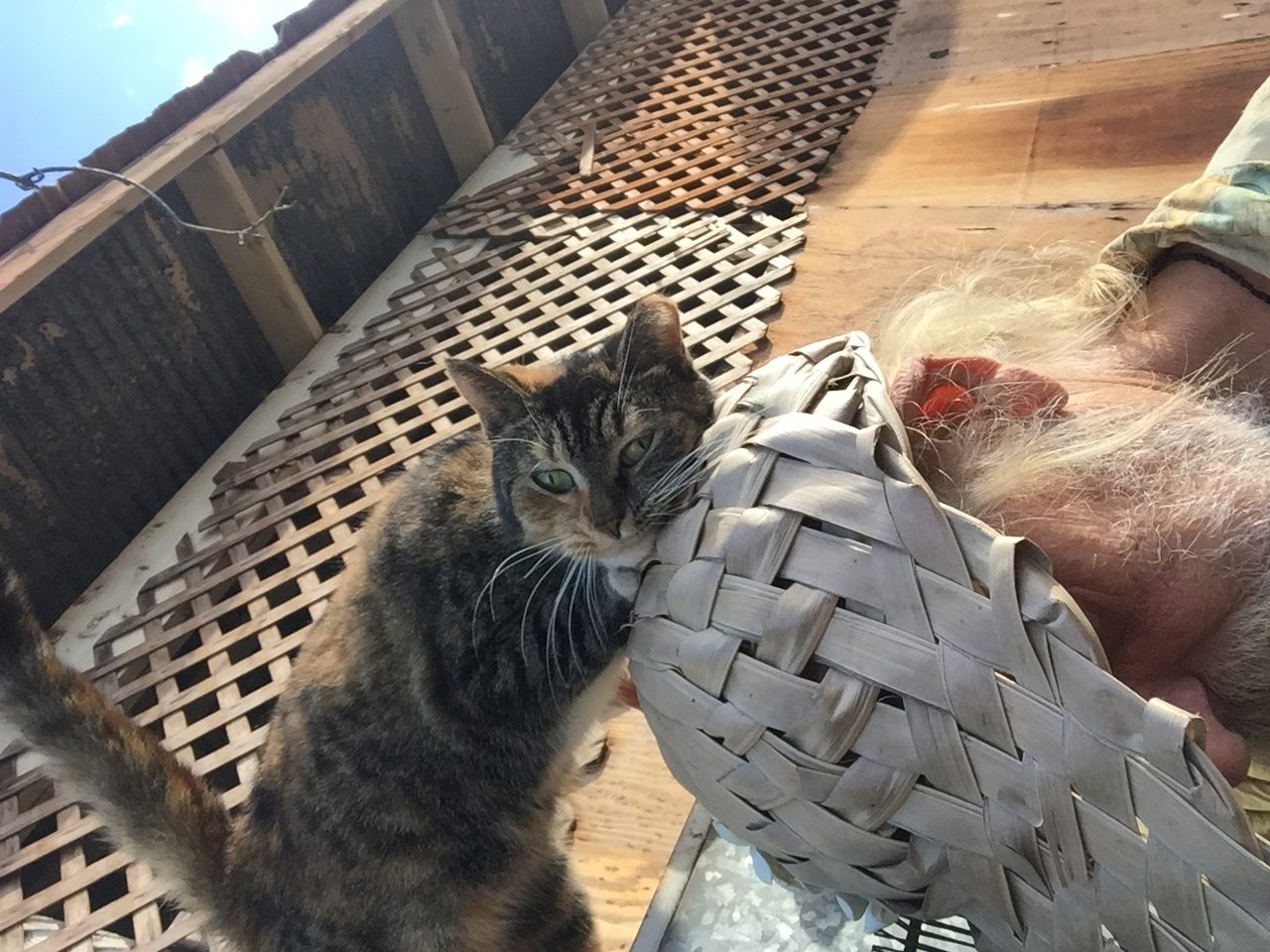
Ever had your cat press their forehead against your face or rub their cheeks along your legs? This is called bunting and it is one of the clearest ways your cat is marking you as their own. Cats have scent glands located on their heads, cheeks, and chins. When they rub against you, they’re doing more than just seeking attention.
It’s an action known as head “bunting,” and it’s usually reserved for members of a cat’s colony. Essentially, your cat is claiming you as part of their family group. Cats build bonds and affection with other animals and by extension, with the humans they do it to. Cats have an incredibly sophisticated sense of smell and when they love another creature, attempt to both mark and mingle scents with them. This behavior shows trust, affection, and a desire to bond with you. Some cats will even combine head bunting with a slow blink, creating a double dose of feline love.
Kneading: Making Biscuits on Your Lap
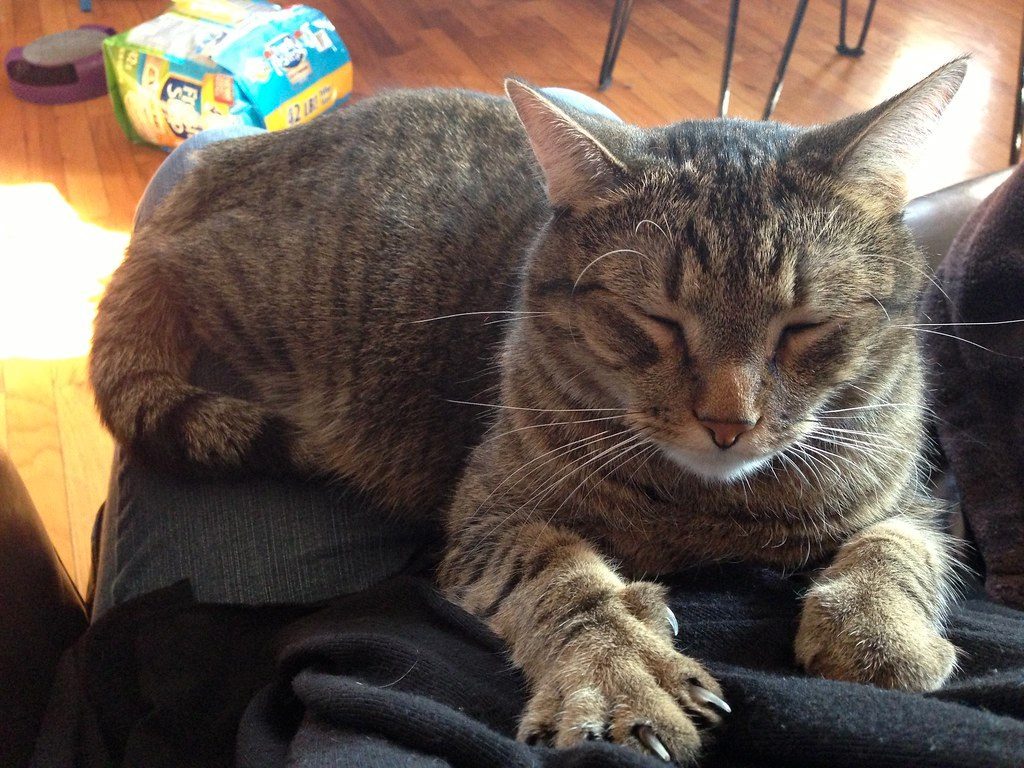
That rhythmic pushing motion your cat does with their paws? This is a behavior that begins in kittenhood and is associated with nursing on their mother. Kneading is believed to bring comfort by releasing endorphins to reduce stress and promote relaxation. When kittens nurse, they knead their mother’s belly to stimulate milk flow. Adult cats retain this behavior and use it to express deep contentment and affection.
You better believe your cat views you as family – there are multiple theories as to why cats knead, and almost all have to do with comfort and affection. If your cat kneads on you, especially while purring, they’re essentially recreating that safe, nurturing feeling they experienced as a kitten. They will often knead when you gently pet or stroke them. It might be slightly uncomfortable when those claws come out, but honestly, it’s one of the highest compliments a cat can give.
Purring: The Soundtrack of Feline Affection
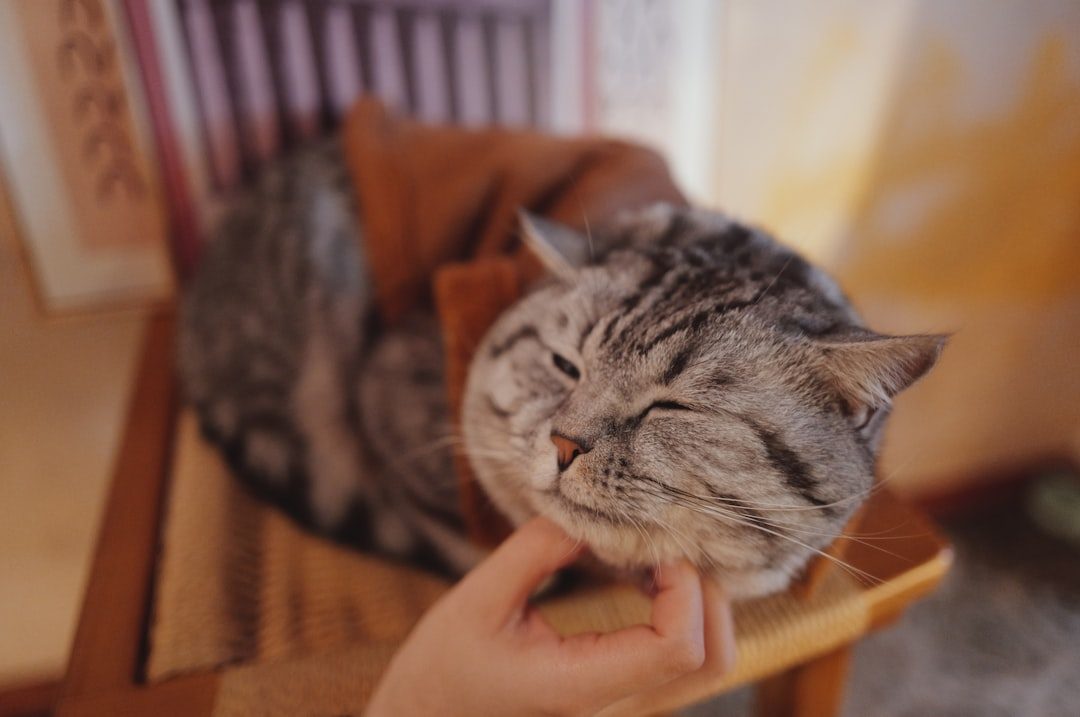
The rumbling, rhythmic sound of a cat purring brings to mind a dozy and contented feline, and it is a quintessential sign of affection. Most people associate purring exclusively with happiness, and while that’s often true, it’s a bit more nuanced. Purring may occur when a cat feels safe and relaxed, often while being petted or enjoying your close presence.
The science behind purring is fascinating. The frequency of a cat’s purr, usually between 25 to 150 hertz, has therapeutic effects on a person’s body and mind. Purring can help reduce inflammation, improve circulation, stimulate healing of damaged tissues and promote regeneration of bone cells. However, context matters. As with all cats showing affection, context matters with purring. If your cat is purring while cuddled up with you, relaxed and content, that’s definitely love. Purring combined with other affectionate behaviors is your cat’s way of saying they’re blissfully happy in your presence.
Following You Around: Your Feline Shadow
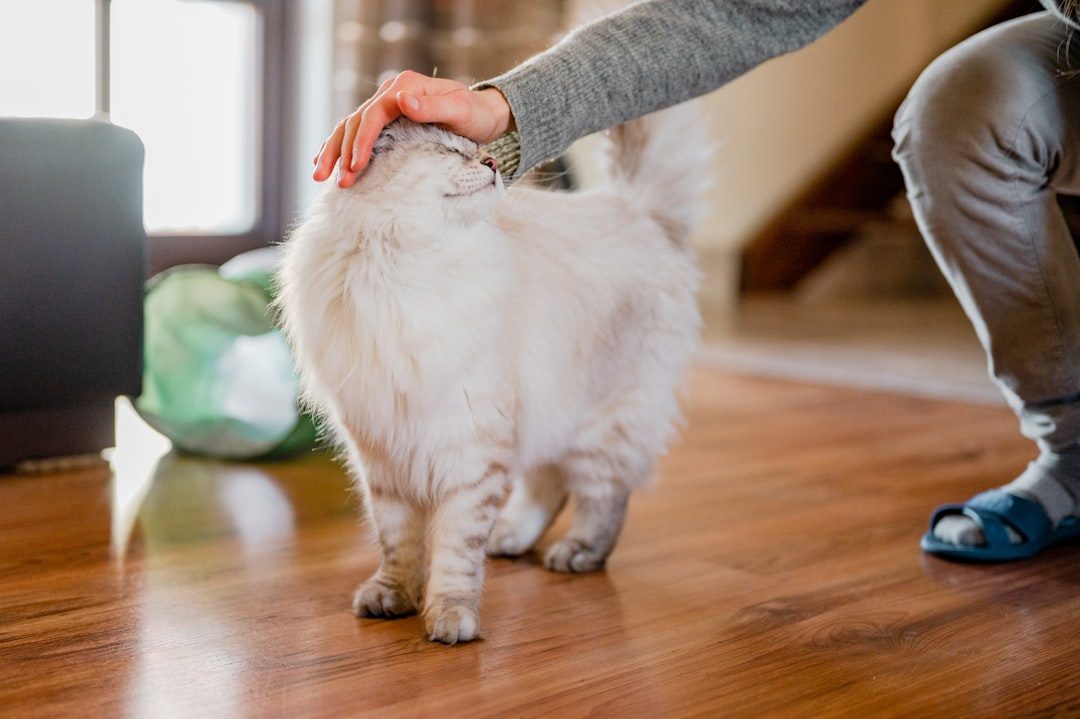
Cats often follow those they love and trust around the home. It is similar to the greeting at your front door, where they follow behind you and keep you in sight at all times. If your cat acts like your personal shadow, trailing you from room to room, that’s a clear sign of attachment. They’re not being clingy for no reason; they genuinely enjoy your company and want to be near you.
There can be many reasons for this – from wanting food to being anxious – but there are many cases in which your cat simply enjoys your company and wants to be with you. If it’s not close to feeding time, and your cat isn’t acting like they want anything, chances are they are just trying to bask in your presence. Some cats will even weave between your legs as you walk, which can be both endearing and slightly hazardous. This behavior demonstrates that your cat feels secure with you and considers you an important part of their world.
Greeting You at the Door: The Welcome Home Committee
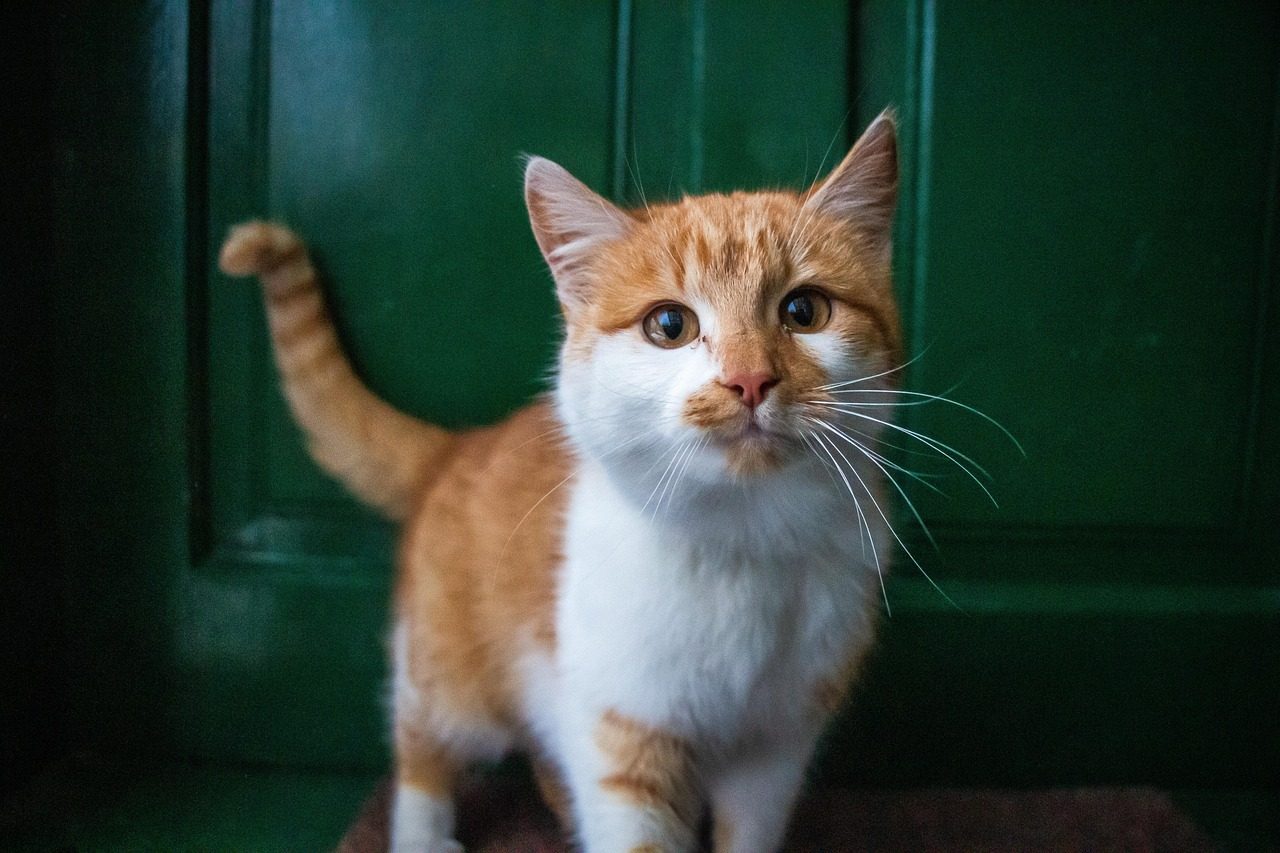
Your cat is trying to show you that they missed you when they greet you at the door. This is often followed by walking in-between your legs and curling their tail around your legs. Have you noticed your cat waiting by the door when you arrive home? That’s not coincidental. Cats have excellent hearing and can detect your approach well before you enter.
Sometimes it’s also accompanied by meowing and “rattle-tail” behavior, where your cat will shake their tail quickly. This is your cat’s way of welcoming you home. This enthusiastic greeting behavior shows your cat has formed a strong bond with you and genuinely looks forward to your return. Sure, they might also be reminding you about dinner, but the affection is real. The combination of meowing, tail wrapping, and figure-eight leg weaves is your cat’s way of saying they’re delighted you’re back.
Licking and Grooming: Social Bonding Through Hygiene
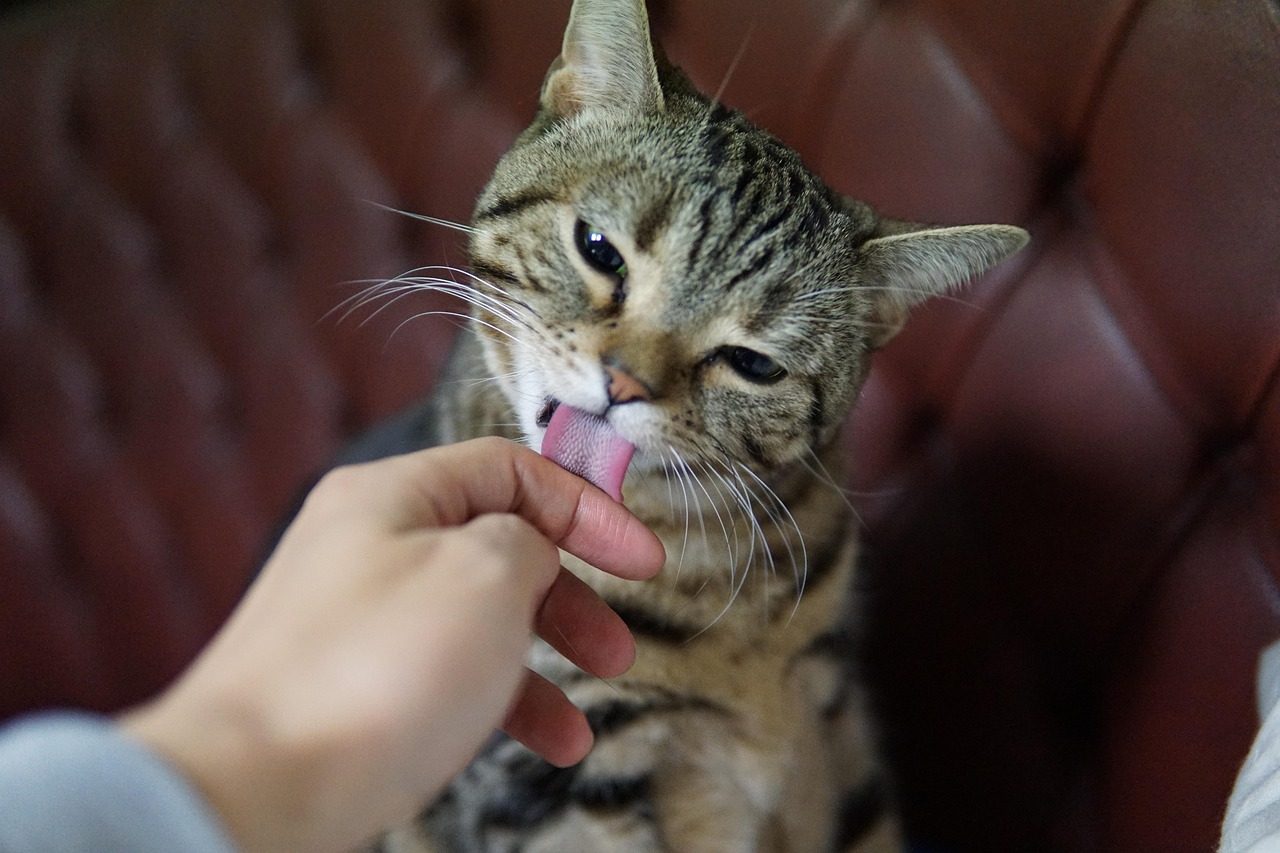
Cats groom each other as a display of affection, and this behavior will extend to humans when trust is built. Cats will often lick their people or allow them to brush them. When your cat licks your hand, face, or hair, they’re essentially treating you like another cat in their family group. Mother cats will groom their young, cats who are bonded with each other will often groom one another, showing comfort and familial acceptance.
They lick their humans because they want to groom them. They view you as one of their own. While cat tongues can feel like sandpaper, this grooming behavior is incredibly significant. It means your cat considers you worthy of their care and attention. They’re not just tolerating you; they’re actively trying to keep you clean and bonded to them, just as they would with a beloved feline companion.
Love Bites: Gentle Nibbles of Affection
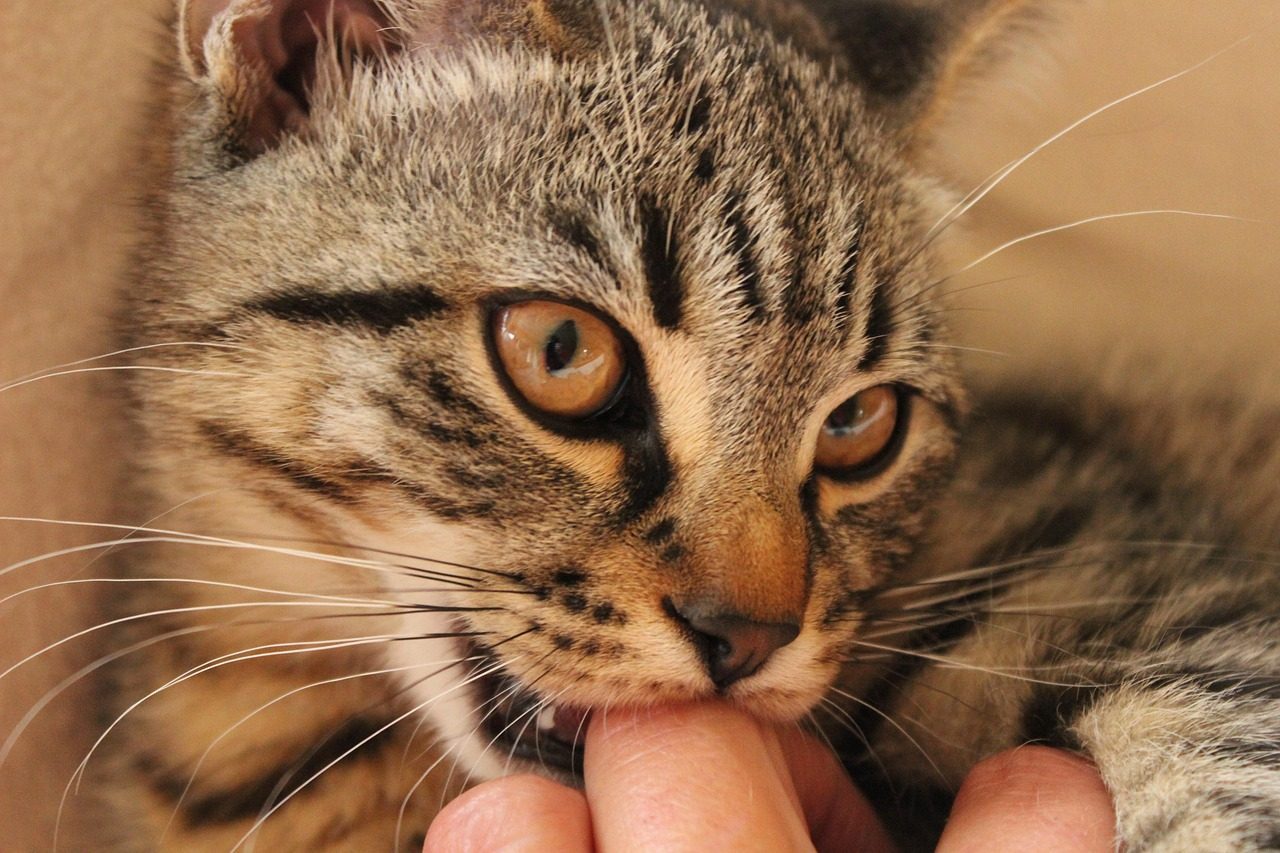
A cat’s “love bites” or nipping are not meant to cause pain. Instead, these slight pinches are used while showing affection and bonded feelings. If your cat gives you gentle nibbles while being petted or cuddled, don’t be alarmed. This behavior is rooted in how cats interact with each other. Nipping is also linked to grooming behaviors. For example, two cats might groom each other. The affection can build up and lead to a slight nip at each other.
This behavior mimics how kittens play with their littermates, using gentle nibbles to interact and bond. It is their way of saying they feel safe and comfortable with you, even if it might take you by surprise. The key word here is gentle. These aren’t aggressive bites meant to harm; they’re soft, controlled nibbles that express excitement and affection. Think of it as your cat getting so overwhelmed with positive feelings that they need to express it physically.
Exposing Their Belly: The Ultimate Trust Fall
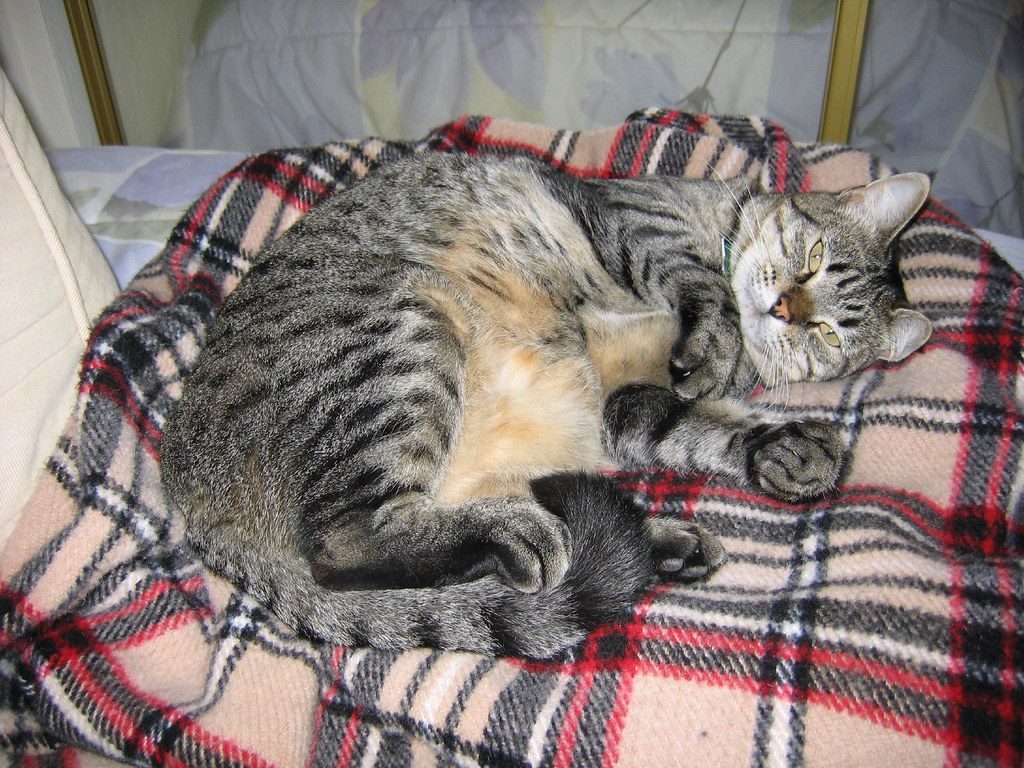
All of their organs are out in the open – stomach, kidney, heart – as both prey and predator, so for a cat to go on their back and show you their belly, they trust you not to hurt them. When your cat rolls over and displays their vulnerable belly, it’s one of the most significant trust signals they can give. In the wild, exposing the belly is dangerous for any animal.
Cats are often protective of their vulnerable bellies, so it’s a major sign of trust and affection when a cat is so happy to see you that they roll around and invite you to pet their tummy. Here’s the thing, though: showing you their belly doesn’t always mean they want you to touch it. Many cats will actually react defensively if you try to rub their exposed stomach. The display itself is the gift, showing they feel completely safe and relaxed around you. Appreciate the gesture without necessarily accepting the invitation to touch.
Tail Language: Upright and Quivering with Joy
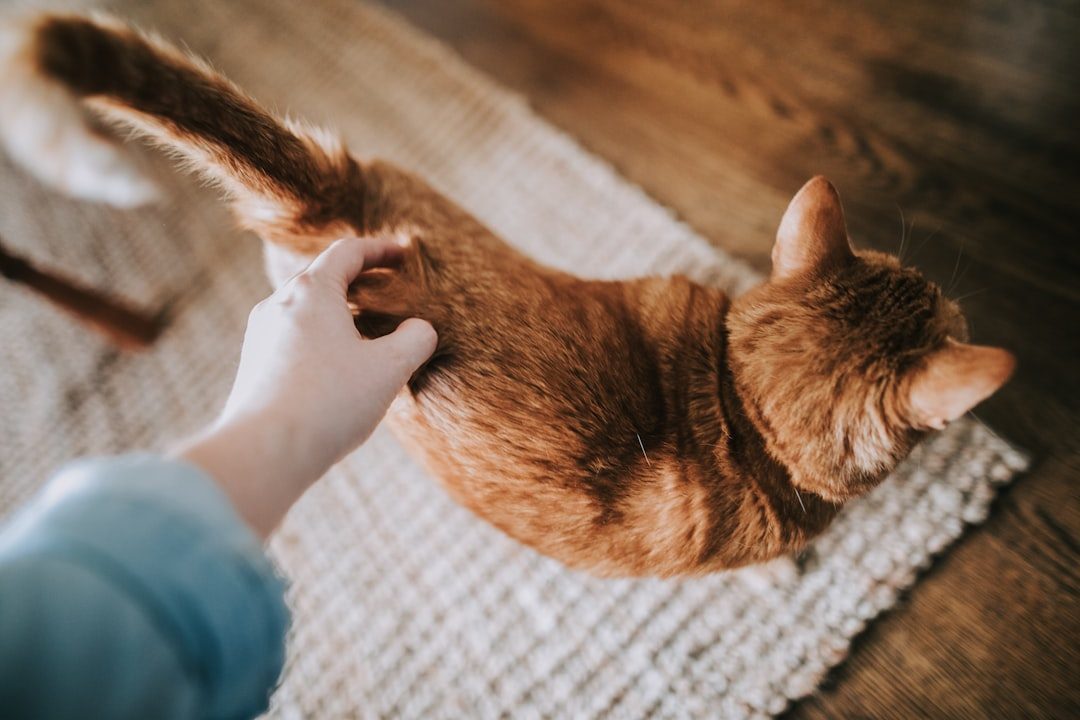
Cats often use their tails to express adoration for their pet parents. A content cat will often hold their tail in an upright position with a C-shape or hook at the very top. Your cat’s tail is like a mood antenna, constantly broadcasting their emotional state. When your cat approaches you with their tail held high, that’s a friendly, confident greeting.
A tail up and curled means they are confident in a space. They feel secure. If coming toward you with their tail up and curled, they really like you and they recognize you as a positive social interaction. A curved tip is a friendly greeting and invitation to interact with your cat, while a more gushy display of love is your cat wrapping their tail around your hands, ankles, arms, or really just any part of your body. That tail wrap is like a feline hug, demonstrating affection and claiming you as theirs.
Relaxed Body Language: Comfort in Your Presence
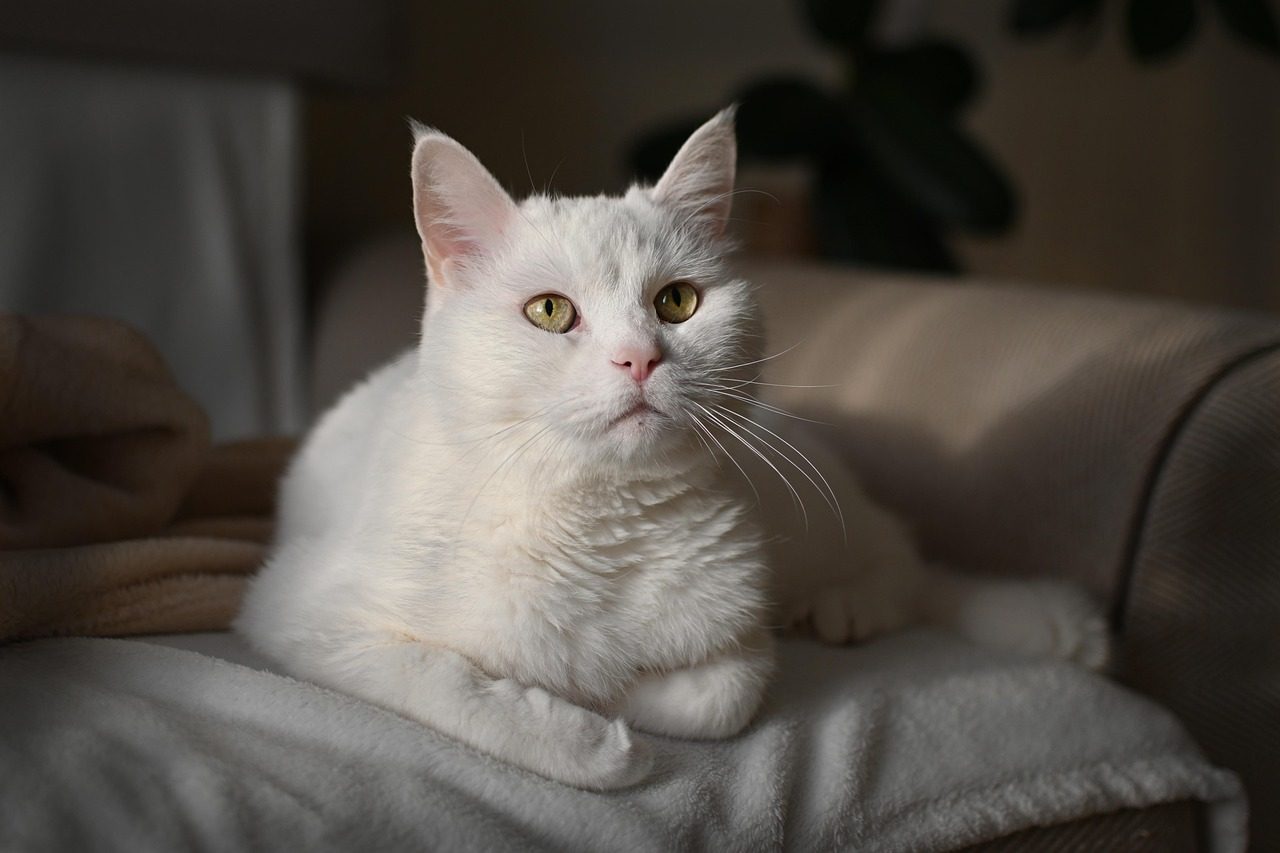
A relaxed, tension-free posture is one of the cat behaviors that show affection and is a classic cat love sign. Relaxed body language is one of the most profound ways cats express love, as it’s a direct sign of deep trust and contentment. When your cat lounges near you with their body completely relaxed, paws tucked underneath, or stretched out comfortably, they’re showing they feel safe.
When a cat shows a relaxed, tension-free body posture, such as lying down comfortably or sitting with a natural, forward ear position, they are demonstrating that they feel safe and secure in your presence. You might notice their ears in a natural forward position, eyes half-closed, and their tail gently swishing. This complete lack of tension means your cat has no concerns about potential threats when you’re around. They’re not on guard; they’re simply enjoying being near you. It’s one of those subtle signs that speaks volumes about the trust you’ve built.
A Healthy Appetite: The Sign of Overall Contentment
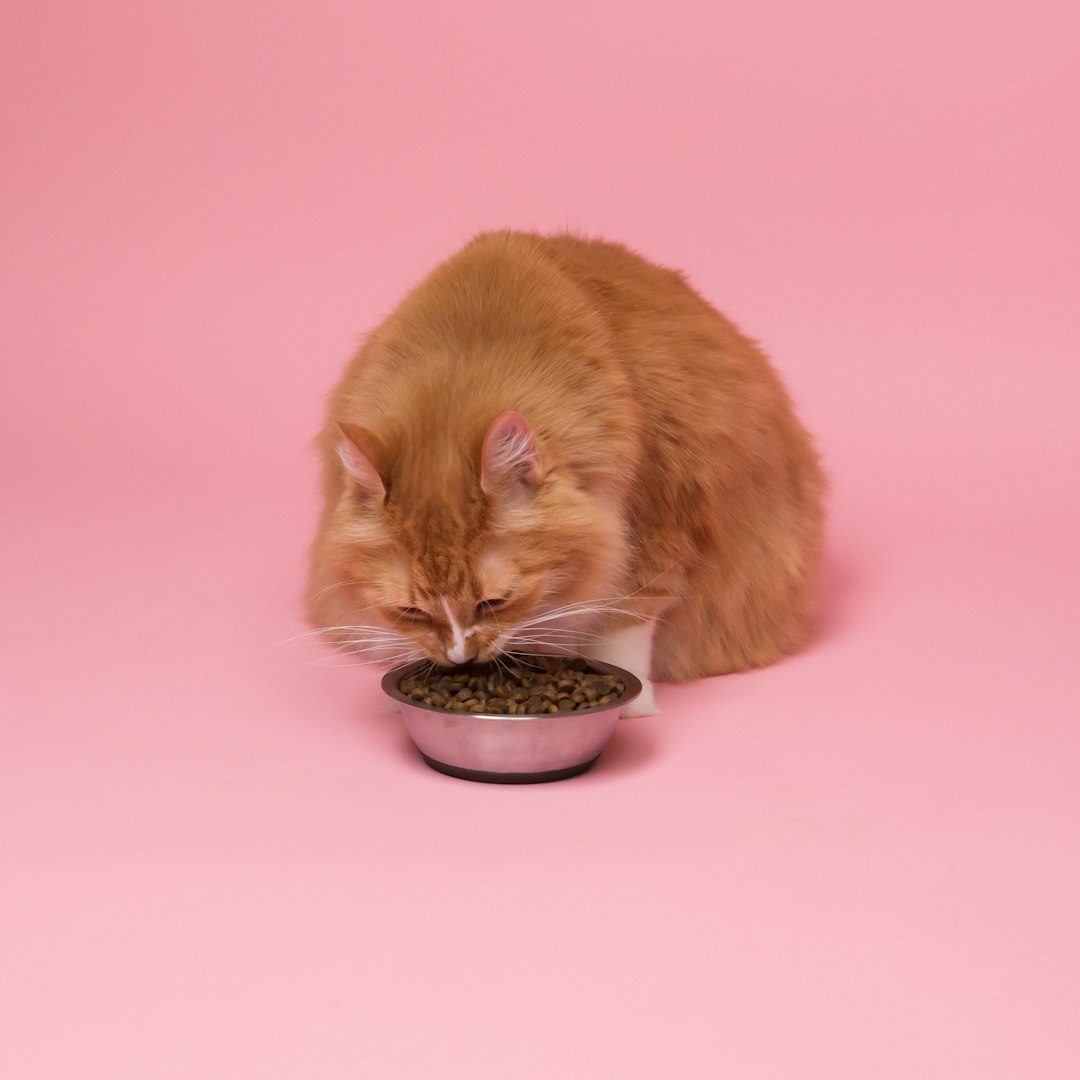
Happy and content cats have good appetites and enjoy their food. Many happy cats relish their treats and have routines with their parents around mealtime. While not a direct expression of love toward you, a cat’s consistent appetite is a reliable indicator of their overall emotional wellbeing and contentment in their environment. When a cat feels stressed, anxious, or unhappy, eating is often the first thing to be affected.
Eating well is almost always a sign of a happy cat. If your cat eagerly approaches their food bowl, maintains a healthy eating schedule, and shows enthusiasm for meals, it suggests they’re emotionally balanced and comfortable in your home. If your cat is not eating regularly or his eating habits change, it’s often a sign that something is wrong. A content cat with a good appetite is telling you that all their needs are being met, including the emotional security that comes from having a loving home.
Regular Grooming Habits: Self-Care and Happiness
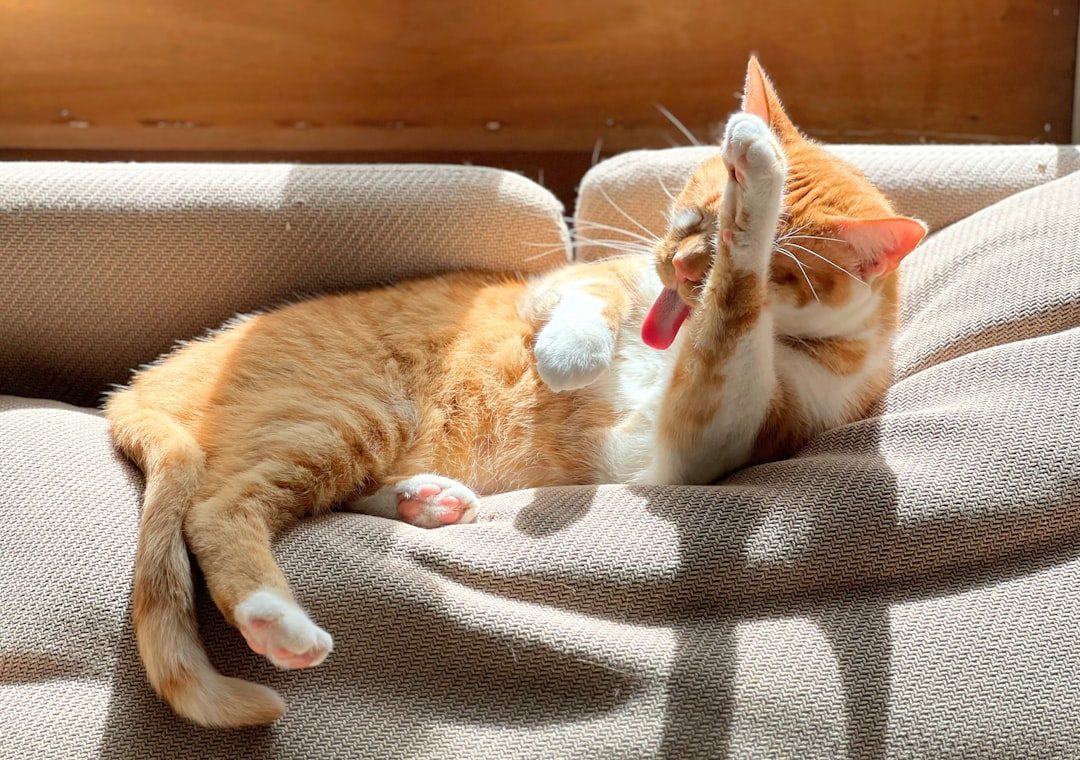
A cat who will come out into the middle of the room, throw up a leg, and begin grooming in front of you feels comfortable and at ease. Regular grooming is also a sign of a happy, healthy feline friend. Cats are fastidious creatures by nature, spending a significant portion of their day keeping themselves clean. When a cat maintains their grooming routine consistently, it indicates emotional stability and contentment.
Cats that are stressed or ill often neglect their grooming. A cat who regularly grooms is likely in good spirits. A cat grooming themselves in your presence, especially in the middle of a room rather than hiding, demonstrates they feel secure enough to let their guard down. Cats are fastidious when it comes to their grooming, and a well-kept coat is a good sign that all is well in your kitty’s world. Keeping up with a healthy, pristine coat is an activity of a cat who is feeling good, healthy, and has an overall feeling of positive well-being. Their shiny, clean coat is a visible reflection of their inner contentment.
Conclusion: Understanding Your Cat’s Love Language
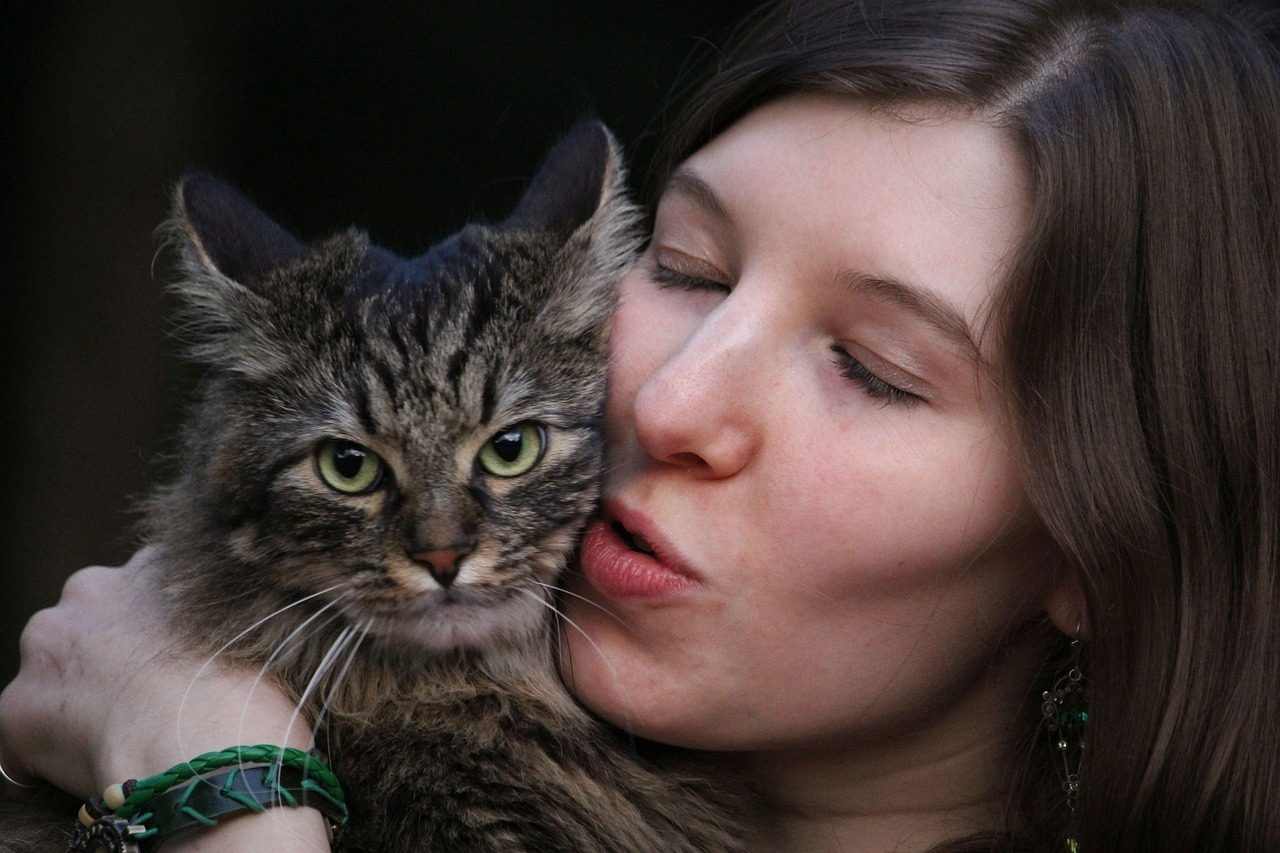
Understanding the unique love language of your cat can help deepen your bond. Cats communicate differently than dogs or humans, and their expressions of love are often subtle, nuanced, and easy to miss if you don’t know what to look for. From the intimate slow blink to the vulnerable belly display, each behavior carries significant meaning about how your cat feels toward you.
The nine love behaviors and four contentment quirks we’ve explored reveal that your cat is constantly expressing affection and happiness. They’re not aloof or indifferent; they’re simply speaking a different language. Once you learn to recognize these signals, you’ll realize your cat has been telling you “I love you” all along. Pay attention to their body language, respect their boundaries, and return their affectionate gestures in ways they understand, like slow blinking back or providing gentle head scratches.
The bond between you and your cat grows stronger when communication flows both ways. Did you notice any of these behaviors in your feline friend today? What’s the most surprising way your cat shows their love?