You’ve probably noticed your cat treating their favorite toy like it’s the most precious thing in the world. Maybe they carry it around the house, sleep with it, or drop it at your feet while meowing loudly. It’s easy to think this is just quirky cat behavior, something adorable to share on social media. Yet there’s actually a lot more going on beneath the surface.
That battered mouse or worn feather wand isn’t just a source of amusement. These bonds often reflect comfort, safety, and playfulness. Your cat’s attachment to their toy reveals deep insights about their emotional world, hunting instincts, and the relationship they share with you. Let’s dive in and explore why that simple toy means so much more than you might think.
It Represents Their Hunting Success
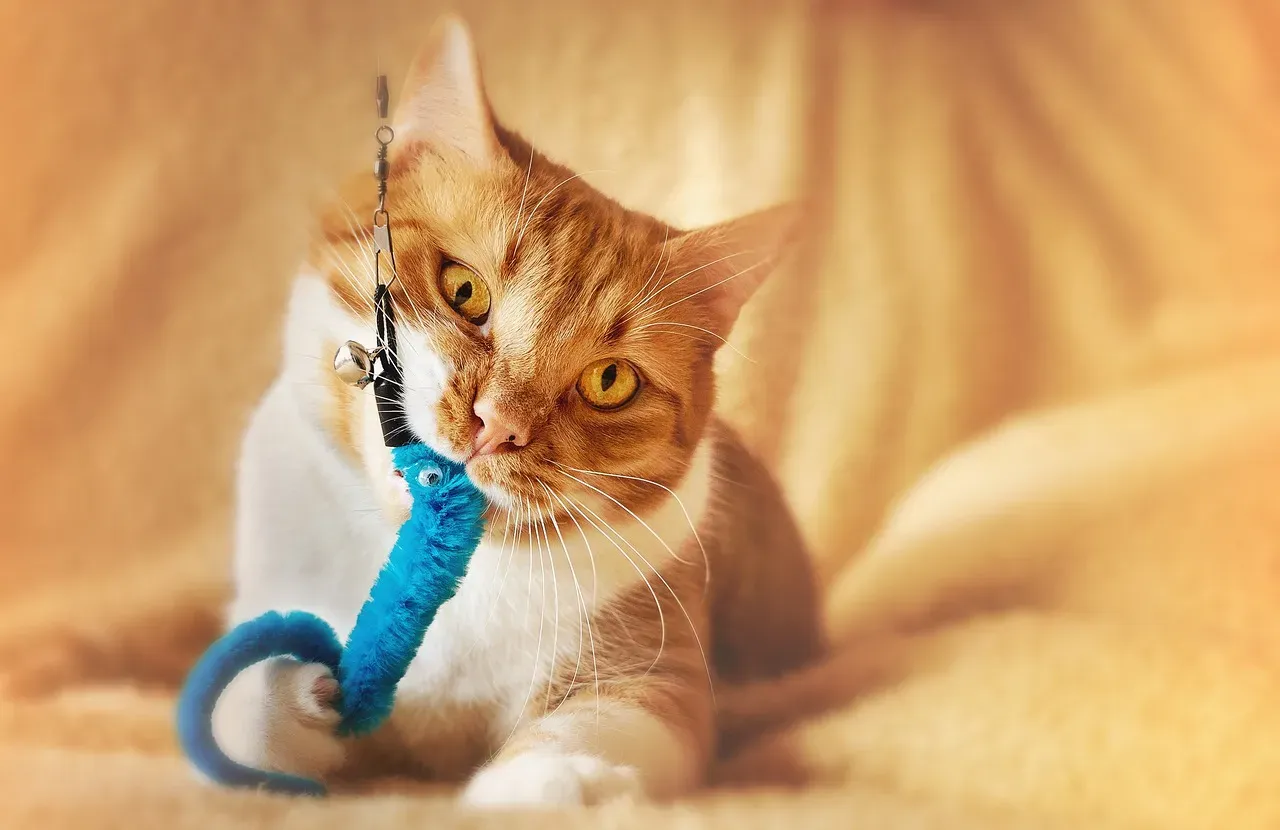
Your cat’s favorite toy is essentially a trophy. When your feline friend catches, carries, or presents that toy to you, they’re reenacting ancient hunting rituals hardwired into their DNA. Cats are natural hunters, and their obsession with a specific toy often ties back to their predatory instincts. A toy that mimics the movement, texture, or sound of prey can trigger your cat’s hunting drive.
Think of it as their personal achievement. Your cat presenting you with their subdued toy is a similar show of their prowess as a hunter. Even though your pampered house cat has never caught actual prey, their instincts tell them that successfully pouncing on that feathered wand is a big deal. The toy becomes a symbol of their skill and capability.
It Provides Crucial Mental Stimulation

Boredom isn’t just unpleasant for cats – it can actually be harmful. Mental stimulation can help your cat be more content, and reduce unwanted behaviors. It will also help tire them out, which is great for young, active, indoor cats. Without proper mental engagement, your cat might develop destructive behaviors or even depression.
That favorite toy serves as a vital tool for keeping your cat’s mind sharp. Well-designed toys offer better stimulation, helping prevent boredom, anxiety, and unwanted behaviors. Honestly, it’s hard to say for sure, but the mental workout your cat gets from stalking and capturing their toy might be just as important as physical exercise. Interactive toys especially help maintain cognitive function, which becomes increasingly important as cats age.
It Serves as a Comfort Object
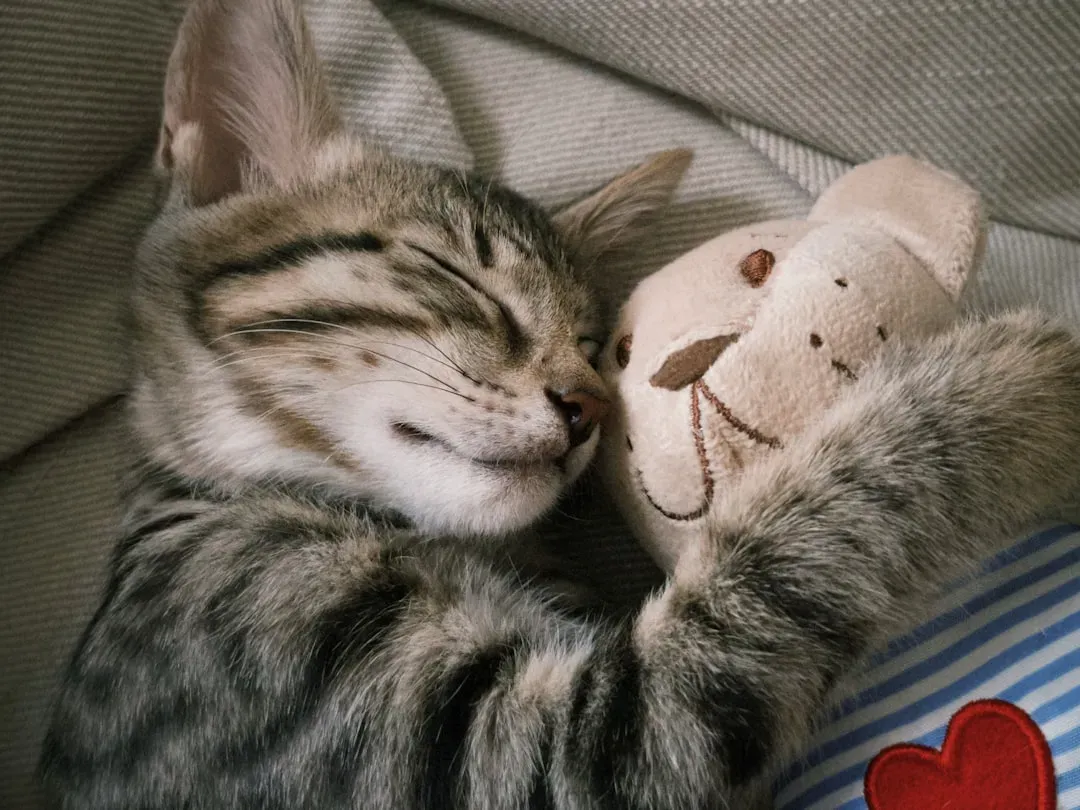
Here’s something that might surprise you: cats can form emotional attachments to objects just like children do with security blankets. If your cat carries their favorite toy around or sleeps with it, this could be a sign that it provides emotional support. This behavior is more common than you’d think.
Interactive toys stimulate mental and physical activity, while soft toys provide a sense of security and comfort. When your cat curls up with their favorite toy at night, they’re seeking reassurance and safety. This is especially true for cats who spend time alone during the day or those who’ve experienced stress or changes in their environment.
It’s a Communication Tool
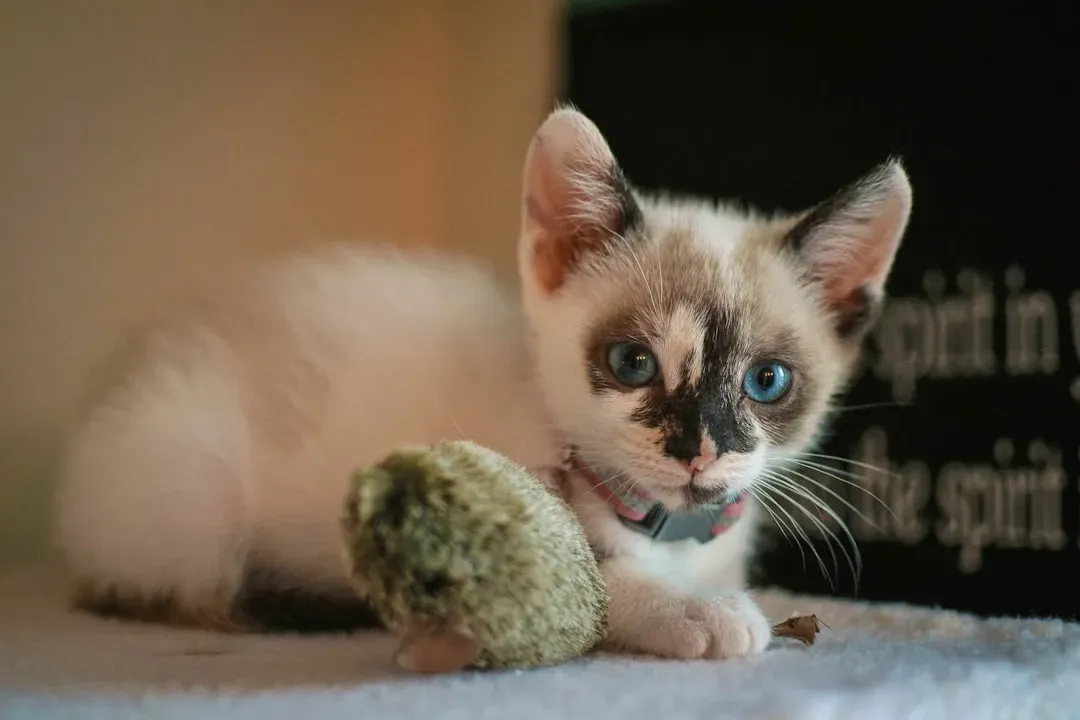
Let’s be real: cats aren’t known for their straightforward communication. That’s exactly why toys become such important messengers. When your cat brings you a toy, it’s an invitation to play and engage with them. Sometimes they’re bored, sometimes they want attention, and sometimes they’re trying to tell you something’s wrong with the toy itself.
Cats can be particular about their possessions, and if something suddenly changes about their favorite toy, they’ll often turn to you for assistance. It might be challenging to see why your cat has brought you their toy, but by paying attention, you’ll likely find the problem. Your cat might have brought it to you because the stuffing’s falling out or the battery making it light up is no longer working. They’re essentially asking for your help as their trusted companion.
It Strengthens Your Bond
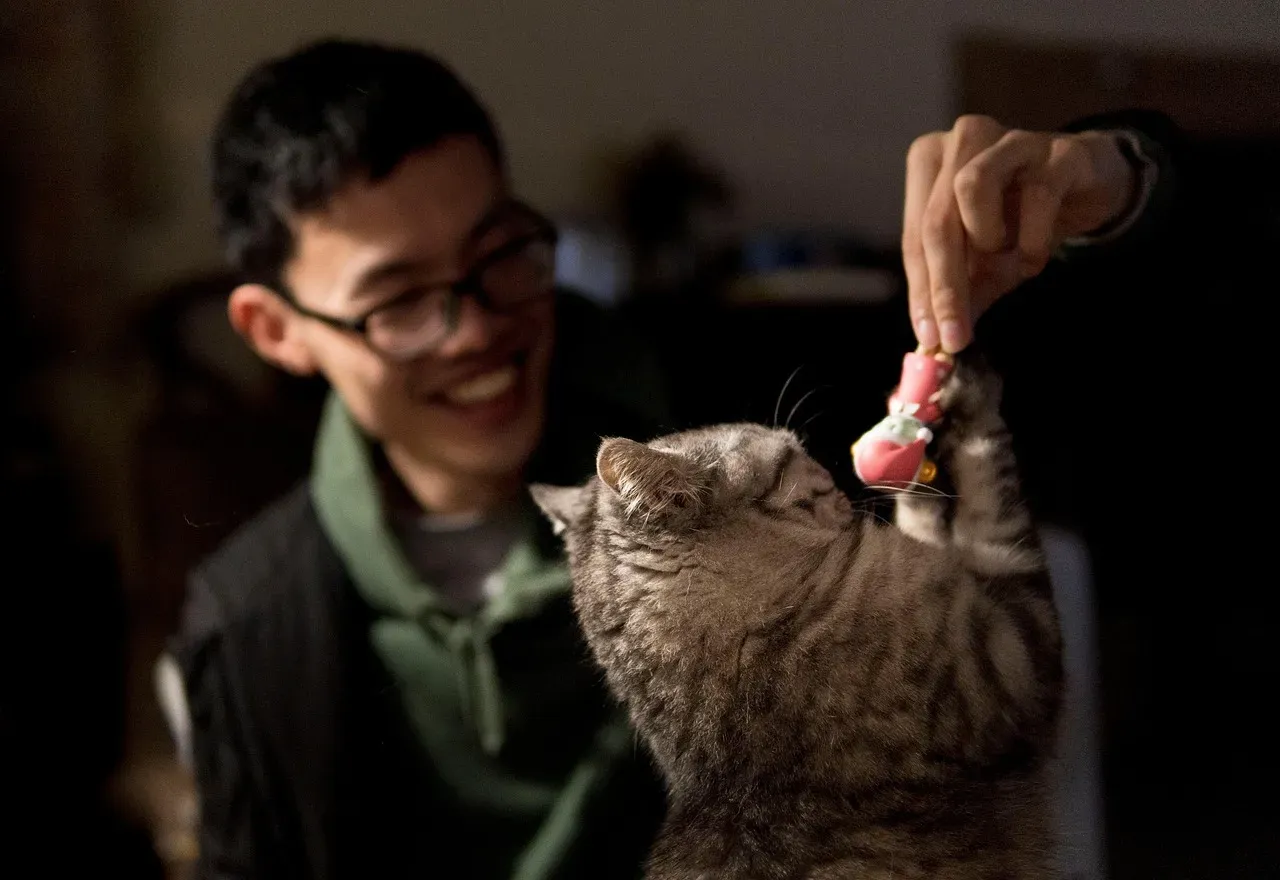
The toy isn’t just about your cat – it’s about both of you. The act of bringing toys can also be your cat’s way of strengthening their bond with you. It’s similar to how cats in multi-cat households might exchange “gifts” to maintain social relationships. When your cat shares their prized possession with you, they’re including you in their inner circle.
Playing with your cat using interactive toys strengthens your bond and builds trust. Regular play sessions offer an opportunity for you and your cat to connect and have fun together. Those moments spent dangling a feather wand or tossing a crinkle ball create shared experiences that deepen your relationship. It’s not just playtime – it’s quality time that reassures your cat of your presence and care.
It Helps Manage Stress and Anxiety
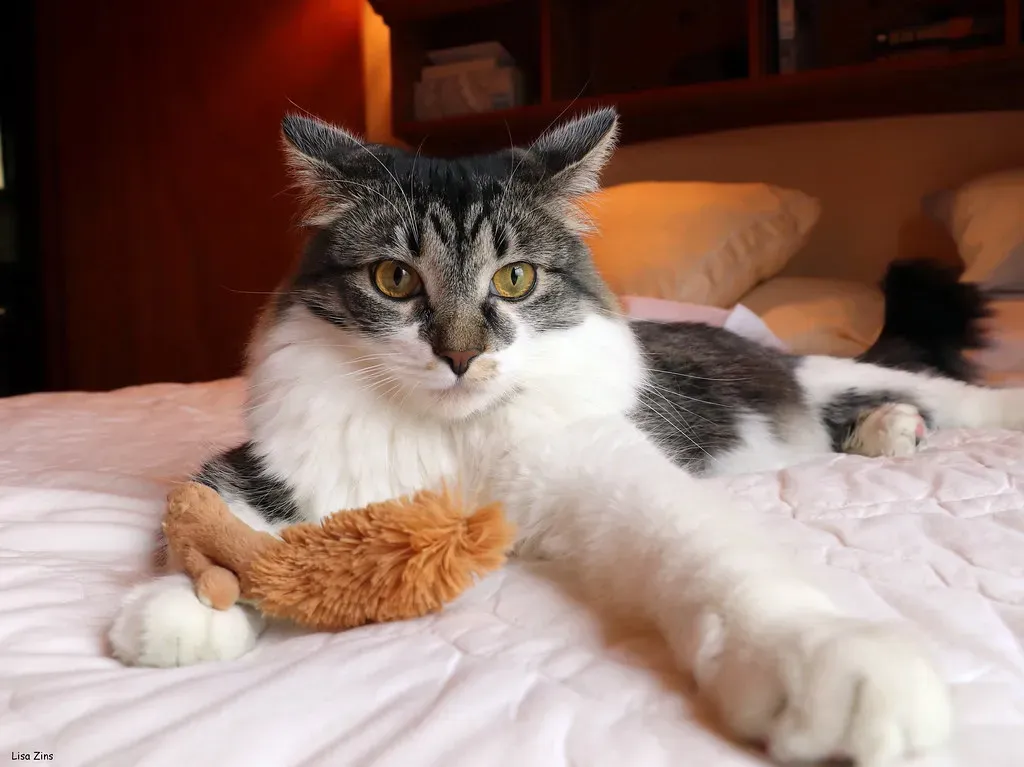
Cats experience stress just like we do, though they express it differently. Toys provide an outlet for your cat’s energy and reduce stress and anxiety. Playtime can be a great way for your cat to release pent-up energy and reduce tension. Toys that simulate hunting behavior can also provide a sense of satisfaction and accomplishment. Their favorite toy becomes a healthy coping mechanism.
Mental stimulation can alleviate stress and anxiety. Puzzle toys and interactive games can redirect their focus and help them feel more secure in their environment. When your cat is feeling anxious about changes in the household or environmental stressors, that familiar toy offers predictability and control. It’s something they can rely on when everything else feels uncertain.
It Satisfies Their Natural Instincts
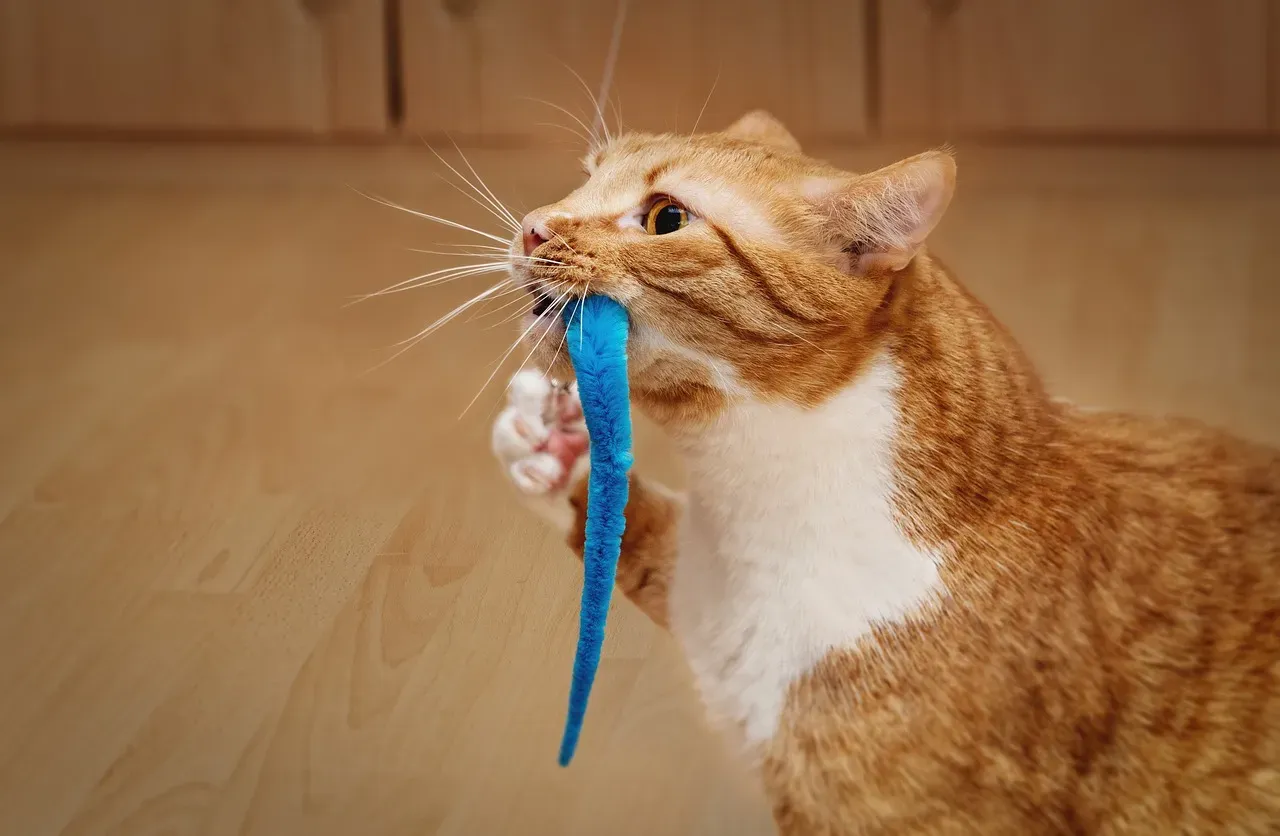
Even the most pampered indoor cat retains wild instincts from their ancestors. Cats, domesticated yet retaining wild instincts, see themselves as hunters. Engaging in play mimics their natural hunting behaviors, crucial for their mental and physical well-being. When cats chase lasers or pounce on toys, they are practicing the stalk, chase, and capture sequences fundamental to their predatory nature.
Cats also get bored when they’re unable to hunt – they need to feel like real predators in the wild. “Play with your cat completing the hunting sequence of hunt, catch, and kill at least once a day,” Bell says. That toy allows your indoor cat to express behaviors that are hardcoded into their being, preventing frustration and behavioral issues that arise when these instincts are suppressed.
It Represents Trust and Affection
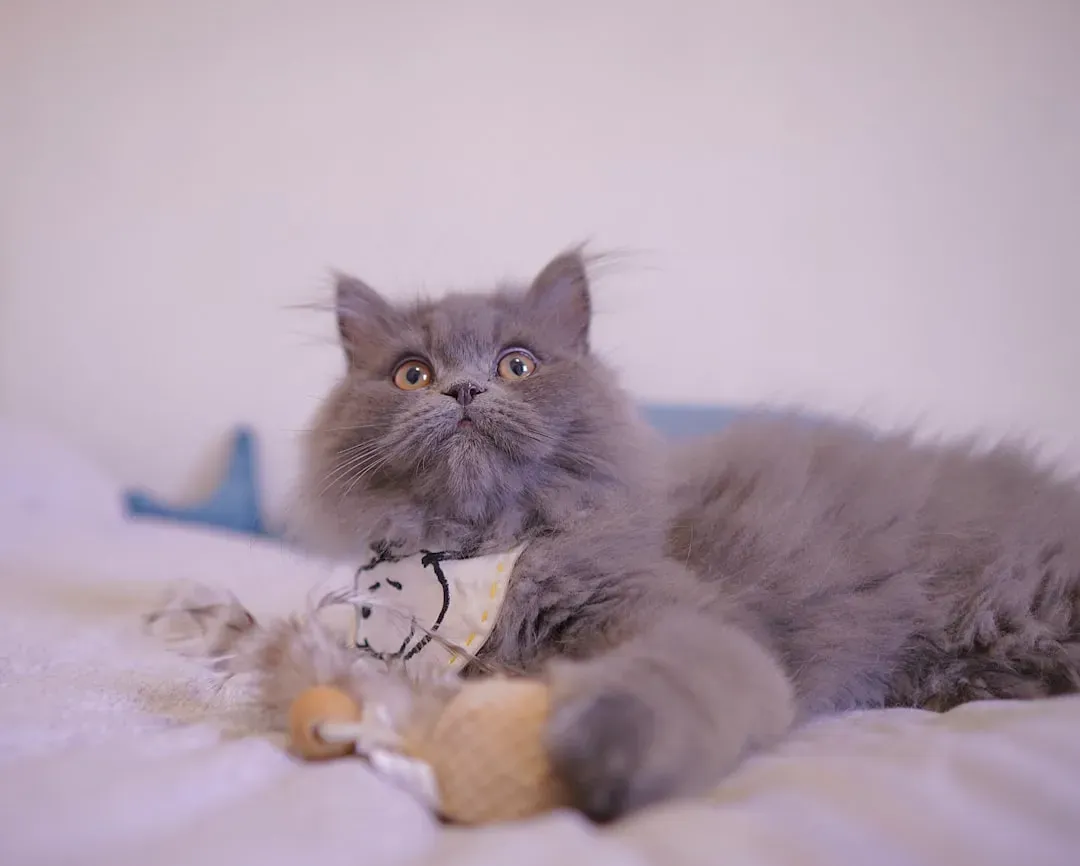
When your cat brings you their favorite toy, they’re doing something profoundly meaningful. By giving you their favorite toy, your cat might be entrusting its safety to you. Instead, they’re possibly letting you take care of their favorite possession until the next time that they want to play. This is a tremendous display of trust.
When your cat brings you toys, they’re demonstrating a significant level of trust and affection. This behavior indicates that they consider you a valued member of their social group and want to engage with you in a meaningful way. I think it’s one of the most touching gestures cats make, even though it often happens at inconvenient times like three in the morning. They’re telling you that you’re safe, important, and part of their family.
It Keeps Them Physically Healthy
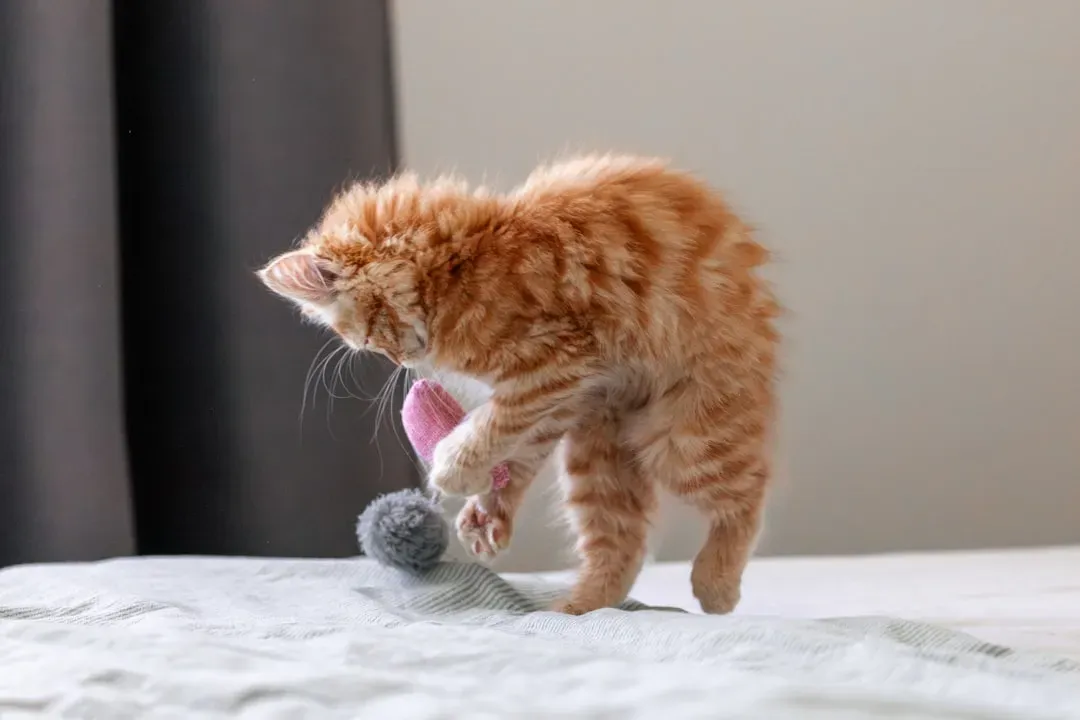
That toy isn’t just entertaining – it’s essential for your cat’s physical health. Play encourages your cat to be active, helps maintain a healthy body weight and keeps muscles toned and strong. Activities that let your cat express their natural hunting instincts also help keep their mind alert and active. Given that an estimated 60 percent of U.S. cats are overweight or obese, encouraging your tubby tabby to move more can help them lose weight gradually while helping to maintain their calorie-burning muscles.
Regular interaction with their favorite toy provides the exercise indoor cats desperately need. Mental enrichment doesn’t just work their brain; it also gets their bodies moving. Whether it’s a cat chasing a laser pointer or a guinea pig running through a tunnel, mental stimulation often incorporates physical activity. This keeps their weight in check, improves muscle tone, and supports better joint health. Those short bursts of intense play mimic the natural hunting patterns cats would engage in outdoors, keeping them fit and agile throughout their lives.
Conclusion
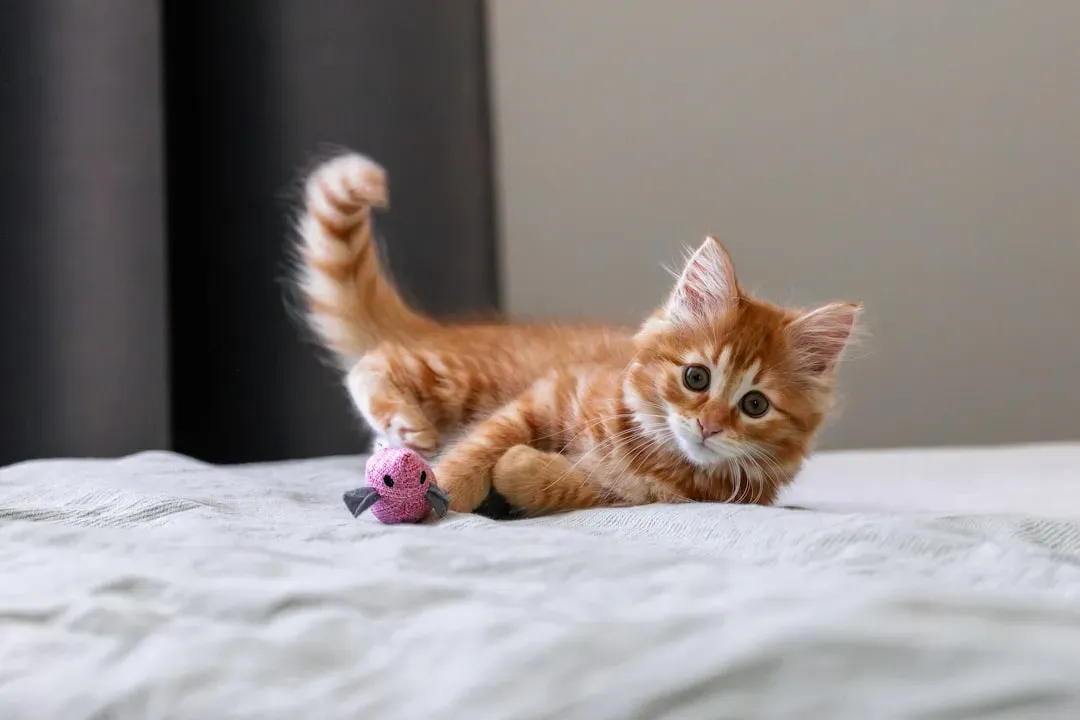
Your cat’s favorite toy is so much more than a simple plaything. It’s a hunting trophy, a comfort object, a communication device, and a bridge between you and your feline companion. That ratty mouse or frayed feather represents trust, instinct, health, and happiness all rolled into one.
Next time your cat drops their beloved toy at your feet, take a moment to appreciate what they’re really offering you. It’s not just an invitation to play – it’s a window into their complex inner world and a testament to the bond you share. So what do you think about it? Does your cat have a special toy they can’t live without? The relationship between cats and their favorite toys might just be one of the most fascinating aspects of feline behavior.