You hear it every day. That low, rhythmic rumble rolling out of your cat like a tiny motorboat engine cruising through calm water. You assume it means your feline is happy, comfortable, and completely at ease with life. Honestly, most of us do. It feels like the most natural interpretation in the world.
Here’s the thing though: your cat’s purr is one of the most misunderstood sounds in the animal kingdom. Science has been quietly uncovering layer after layer of meaning behind that gentle vibration, and what researchers have found is nothing short of remarkable. You’re not just hearing happiness. You’re hearing something far more complex, far more fascinating, and in some cases, far more urgent.
So if you thought you already knew everything about your cat’s purr, get ready to be surprised. Let’s dive in.
1. Your Cat Might Be Physically Healing Itself
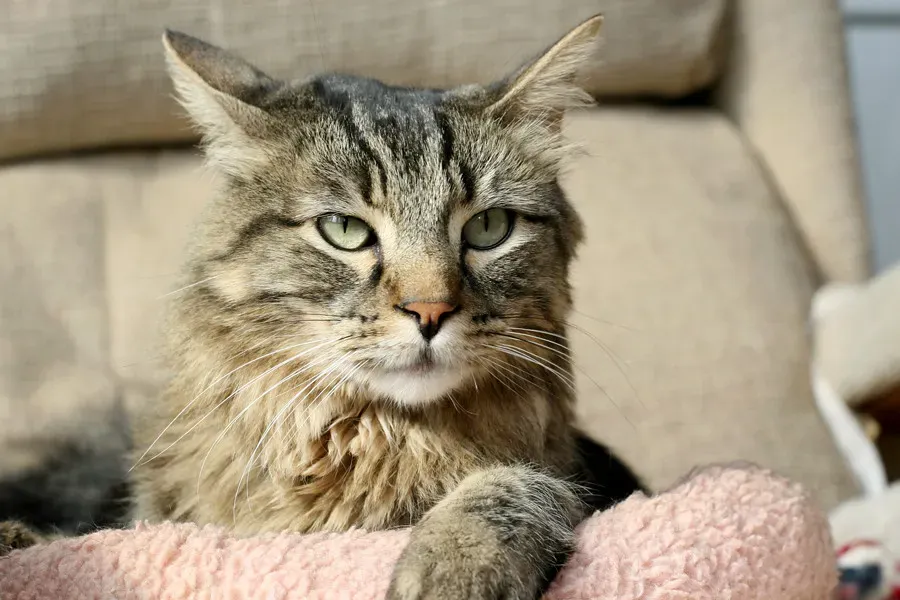
Think about that for a second. The vibrations produced during purring occur at a frequency of 25 to 150 Hertz, which has been shown to promote healing and tissue regeneration, and is known to positively affect bone density as well as tendon and muscle repair. That’s not folk wisdom. That’s measured, documented science.
Purr frequencies correspond to vibrational frequencies used in treatment for bone growth, fractures, pain, edema, muscle growth, joint flexibility, and wounds. Domestic cats, servals, ocelots, and pumas produce dominant frequencies at exactly 25 Hz and 50 Hz, the two low frequencies that best promote bone growth and fracture healing. Think of it like a built-in physiotherapy device your cat carries around at all times. No appointment needed.
2. It’s a Sophisticated Self-Soothing Mechanism
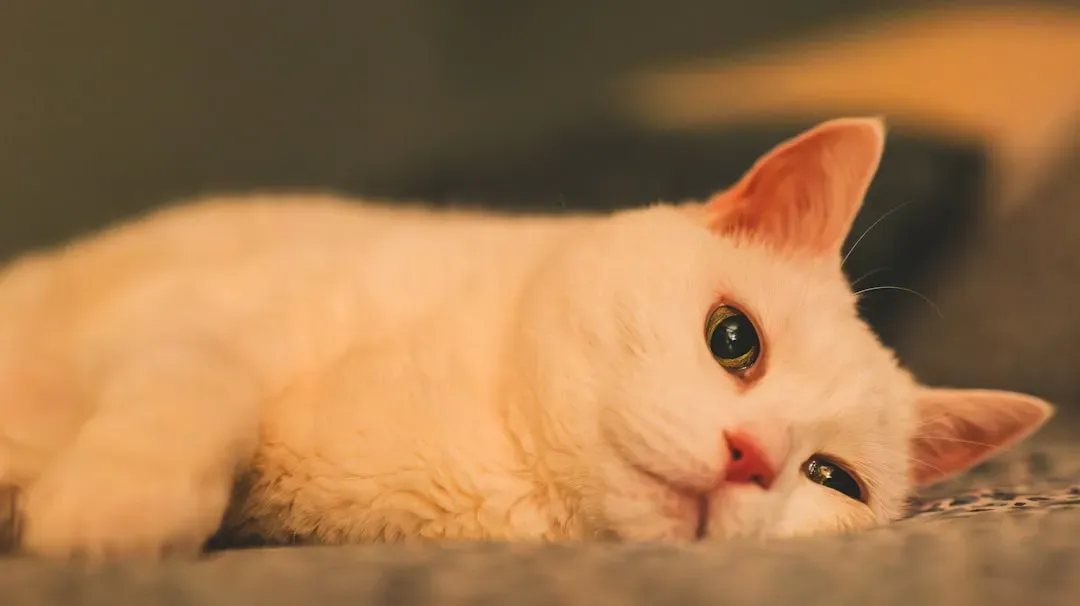
Your cat isn’t just purring to communicate joy. Sometimes, it’s managing its own emotional state in a remarkably deliberate way. The act of purring can be self-soothing for cats, much the way people feeling anxious hum or sing to themselves. This calming mechanism can help cats cope with stressful situations, such as new environments or the presence of unfamiliar animals. Sound familiar? It’s essentially your cat’s version of deep breathing exercises.
When cats purr out of happiness, the purr tends to be lower pitched, while a stressed-out cat might have a higher-pitched purr. It’s thought that when cats purr because they are anxious, it is done intentionally, whereas when cats purr out of contentment, it seems to be an almost automatic response. So the next time you hear that purr and something feels slightly off, pay attention to the pitch. Your cat might be quietly telling you it needs some reassurance.
3. Your Cat Might Actually Be in Pain
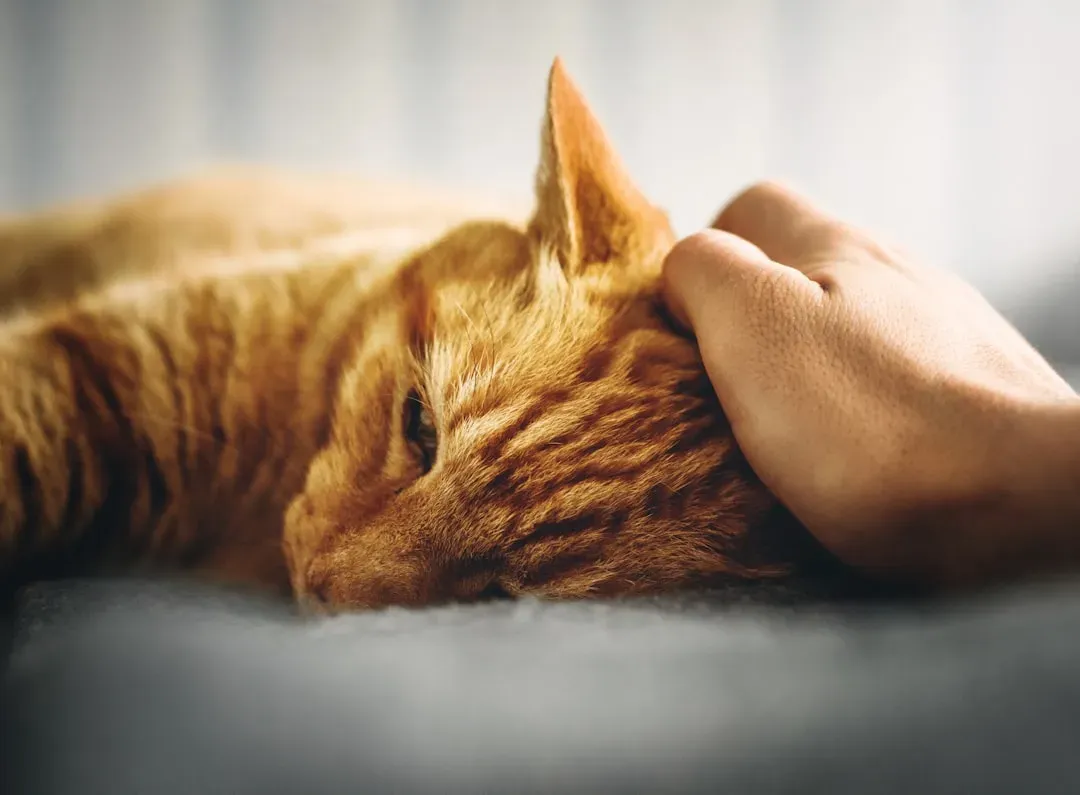
This one surprises people every single time. You’d think a cat in pain would cry out, hiss, or go silent. Not necessarily. Cats may also purr when they are in pain or discomfort. This behavior seems counterintuitive, but purring in such situations is believed to serve several purposes. Firstly, the act of purring may help soothe the cat and alleviate pain, similar to people in distress finding comfort in moaning or rocking back and forth.
The associated vibrations could potentially stimulate the cat’s body to release endorphins, which are natural pain-relief chemicals. This theory aligns with the idea that purring can promote healing and recovery. It’s genuinely hard to tell from the outside. This is why watching your cat’s full body language alongside its purring matters so much. A purr paired with hunched posture, glazed eyes, or reluctance to move is a red flag worth acting on.
4. Your Cat Is Secretly Manipulating You (Yes, Really)
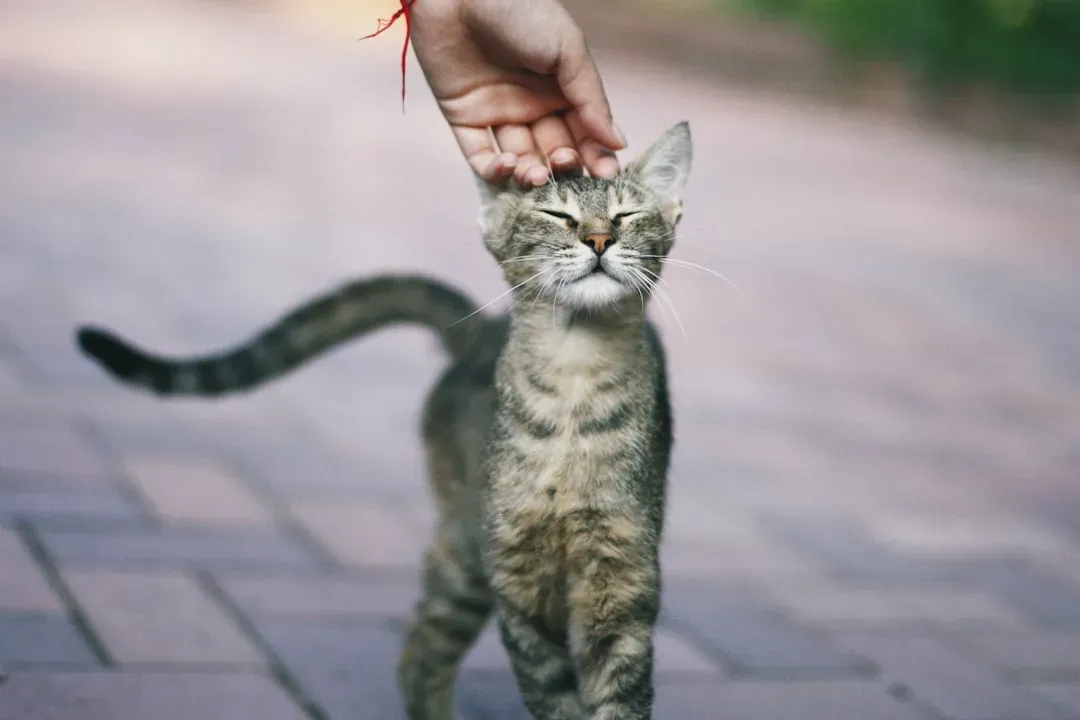
I know it sounds crazy, but your cat is smarter than you think. Researchers have identified a “solicitation purr,” a specific type that includes a high-frequency element, similar to a baby’s cry, designed to grab the attention of people and elicit a response, such as feeding. Your cat has essentially figured out how to embed an urgent cry inside a sound you find completely irresistible.
With these “solicited purrs,” domestic cats are effectively tapping into human nurturing instincts to get attention. Their cries of “feed me” are hidden in what may sound like a pleasant purr. Many cats have a distinct solicitation or request purr when asking for food or attention, which often sounds slightly higher-pitched or urgent. So if you find yourself getting up to fill the food bowl at 6am despite your best intentions, your cat has genuinely outsmarted you. No shame in that.
5. It’s the Oldest Language Between Mother and Kitten
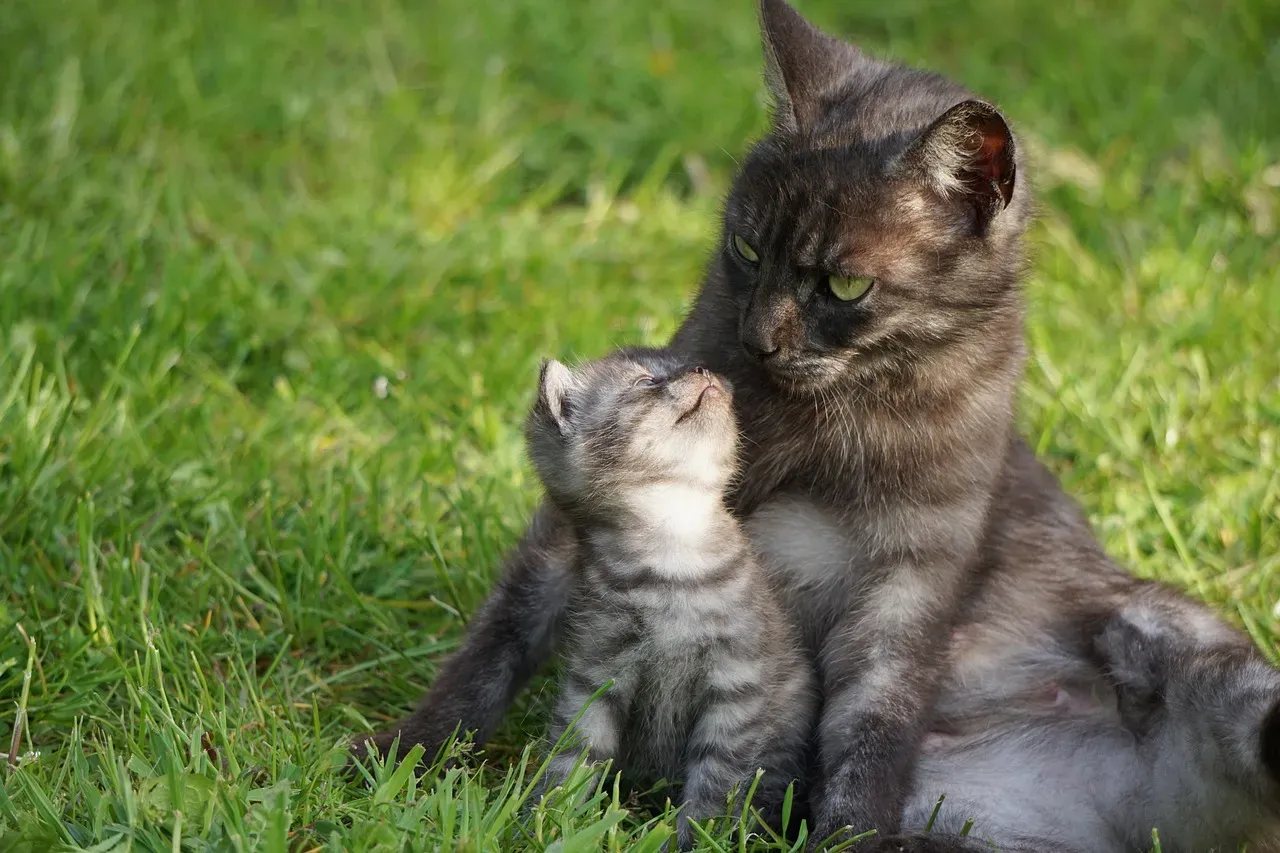
Purring isn’t something cats pick up as adults. Newborn kittens start purring within the first few days of life. They purr while nursing to let their mother know that they are content and comfortable. It’s a survival signal, a tiny heartbeat of communication between a creature that cannot yet see or hear the world and the one keeping it alive.
Kittens are born blind and deaf, so they rely heavily on their sense of touch and smell. Mother cats use soft vibrations to communicate with their kittens, signaling that it’s safe to come closer and nurse. Kittens, in turn, purr back to their mothers, creating a mutual sense of comfort and security. It’s one of the most tender communication systems in the entire animal kingdom. And when your adult cat purrs at you, there’s a strong argument that it’s simply replaying that ancient language of trust.
6. Your Cat’s Purr Is Reducing Your Stress Right Now
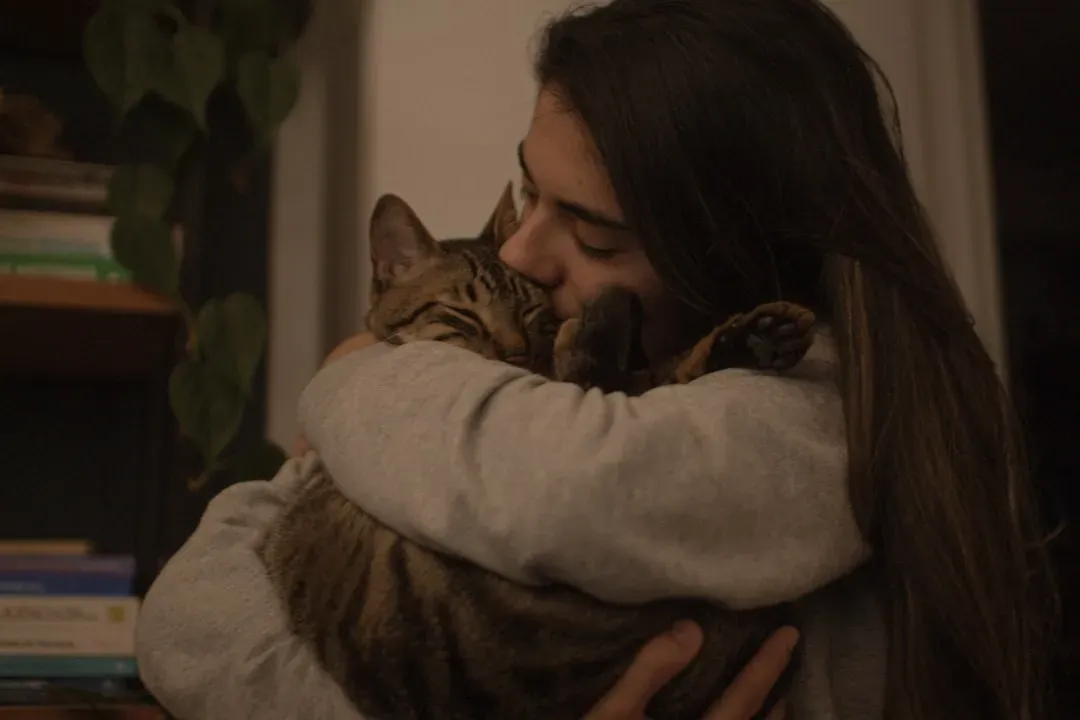
Here’s the part where this stops being just about your cat and starts being about you. One of the most immediate effects of cat purring on humans is its ability to reduce stress and anxiety. The soothing sound and vibration of a purr have been compared to the calming effects of meditation. Except, of course, your cat doesn’t require a subscription or a quiet room and five uninterrupted minutes of your morning.
Cat purring stimulates the production of endorphins, which are natural chemicals that promote feelings of happiness and well-being. When a person interacts with a purring cat, their body releases serotonin, a neurotransmitter associated with mood regulation. This physiological response can help lower cortisol levels, the primary hormone associated with stress. Honestly, that’s a fairly impressive résumé for an animal that also knocks things off your counter for fun.
7. It Could Be Protecting Your Heart
This might be the most jaw-dropping one of them all. A study conducted at the University of Missouri found that owning a cat could reduce the risk of heart attack by up to 40%. While this is not solely attributed to purring, the relaxation and stress-relieving qualities of a purring cat undoubtedly play a role. That’s not a trivial number. That’s a lifestyle intervention wearing fur and occasionally ignoring your calls.
The soothing vibrations of a cat’s purr can help regulate the autonomic nervous system, which controls involuntary bodily functions like heart rate and breathing. By lowering stress and triggering the body’s relaxation response, purring promotes a sense of calm, balance, and emotional well-being. It’s hard to say for sure how much of this is purring specifically versus the broader comfort of cat ownership, but the connection is real and growing stronger with each new study.
8. It Helps Your Cat Sleep and Breathe More Steadily
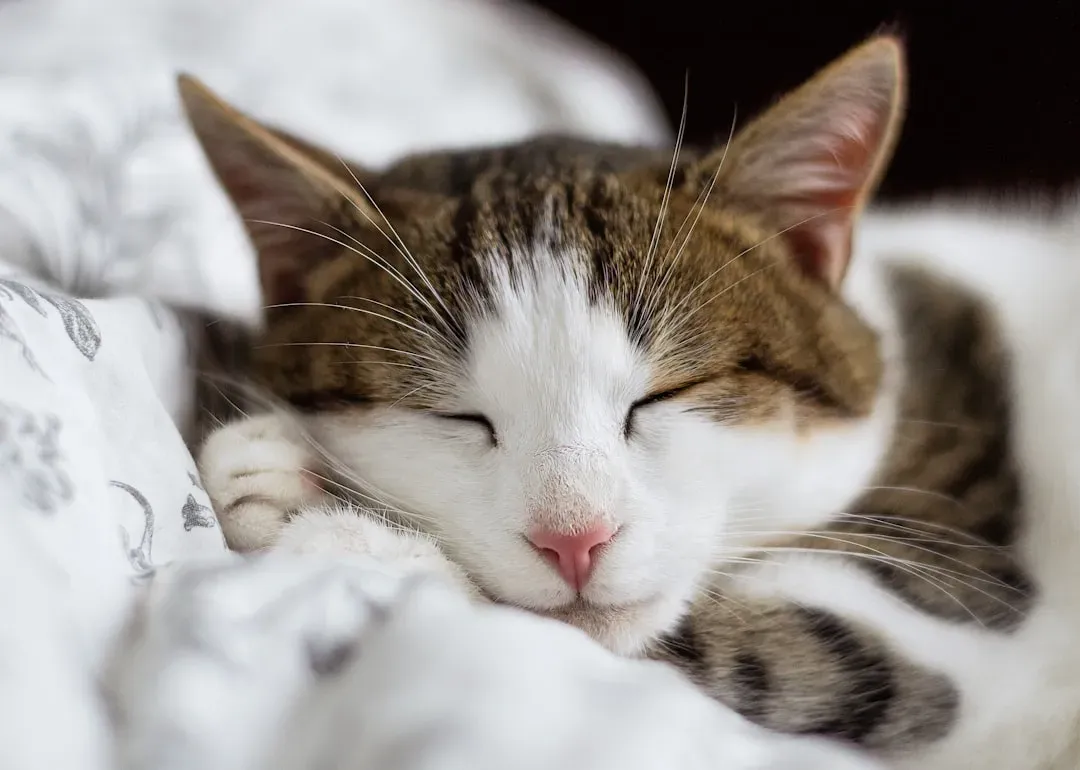
This one doesn’t get nearly enough attention. Purring may also help cats regulate their breathing. The steady, rhythmic pattern of vibrations can help cats breathe calmly at a regular rate, which is particularly beneficial during sleep. Purring’s soothing nature can help cats fall asleep more easily. Think of it like white noise, but generated internally and tuned precisely to the cat’s own physiological needs.
For those suffering from insomnia or sleep disturbances, the purr can act as a natural lullaby. The consistency and frequency of a cat’s purr are like white noise machines used to aid sleep. So that warm, rumbling presence at the foot of your bed at midnight isn’t just companionship. It might genuinely be helping both of you drift off faster. A win that’s honestly hard to argue with.
9. Purring Can Signal That Your Cat Is Emotionally Bonding With You
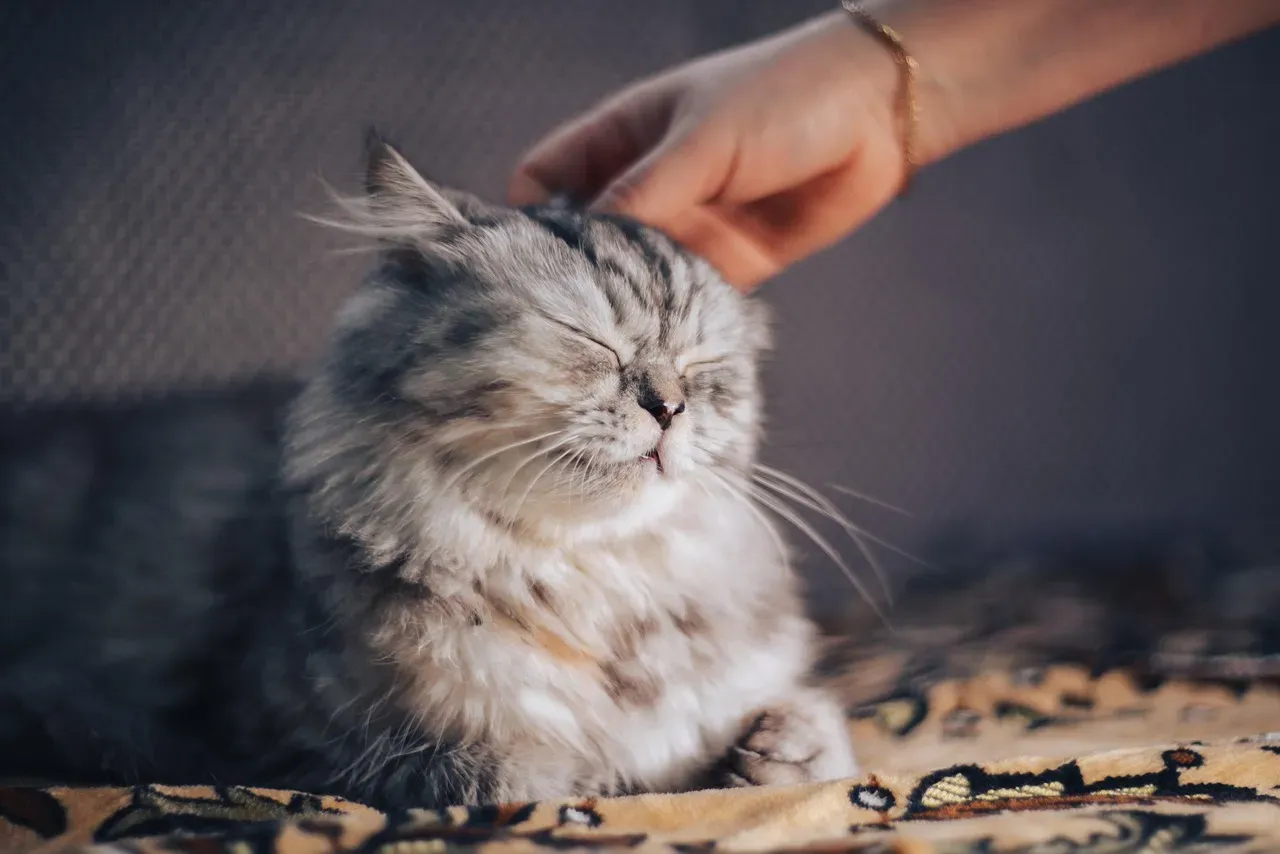
This last one is perhaps the most quietly beautiful reason of all. Purring contributes to strengthening the bond between cat and human. When a cat purrs, the human usually feels connected and relaxed. Purring is a form of communication that fosters a close relationship and deepens the emotional exchange between cat and owner. It’s not just noise. It’s an intentional reaching out, a feline equivalent of saying “I trust you and I want to be close to you.”
A purring cat provides companionship, which can help combat feelings of loneliness and depression. Studies have shown that petting a cat while listening to its purr can boost oxytocin levels, a hormone associated with trust and emotional bonding. Oxytocin is the same hormone that rises when humans hug or feel deep social connection. Your cat’s purr, in the most literal biochemical sense, is capable of making you feel loved.
What All of This Actually Means for You
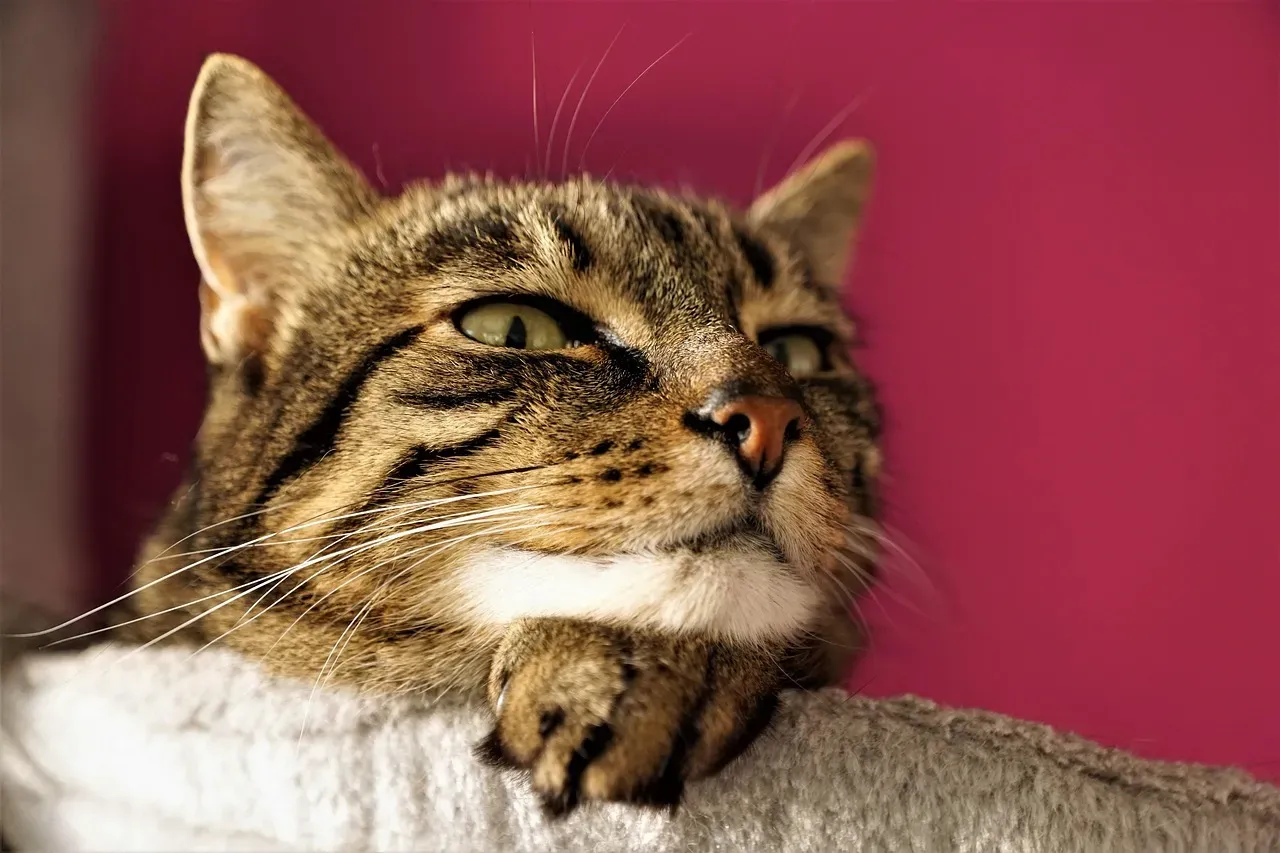
It’s worth stepping back and taking this all in. You’ve been living with one of nature’s most sophisticated biological instruments, and most of us have simply called it “cute.” Many people assume that purring only means a cat is happy, but cats actually purr for various reasons beyond just contentment. In reality, purring is a much more complicated form of communication than most realize.
Paying closer attention to when, how, and in what context your cat purrs can genuinely improve your relationship with them. Because your cat’s purring can signify such a wide range of emotions, looking beyond just the sound itself becomes absolutely crucial. Veterinary professionals consistently emphasize the importance of observing your cat’s complete body language, as it provides vital clues to their true emotional state. Interpreting a cat’s purring requires understanding the animal’s overall behavior and the context in which the purring occurs.
The next time your cat curls up beside you and that familiar rumble starts, remember it’s not just background noise. It might be a message, a medicine, or a moment of genuine connection. What will you do differently now that you know? We’d love to hear what surprised you most in the comments below.