Living with a cat feels like having a mysterious, furry roommate who speaks an entirely different language. One moment they’re purring contentedly on your lap, and the next they’re giving you the cold shoulder for reasons you can’t fathom. Understanding whether your feline friend is truly happy or secretly harboring stress can make all the difference in creating a harmonious home for both of you.
The good news is that cats are actually quite expressive once you learn to read their subtle signals. From the gentle slow blink that says “I love you” to the telltale signs of anxiety hiding in plain sight, your cat is constantly communicating their emotional state. Let’s dive into the fascinating world of feline body language and behavior to decode what your whiskered companion is really trying to tell you.
The Purr That Says It All
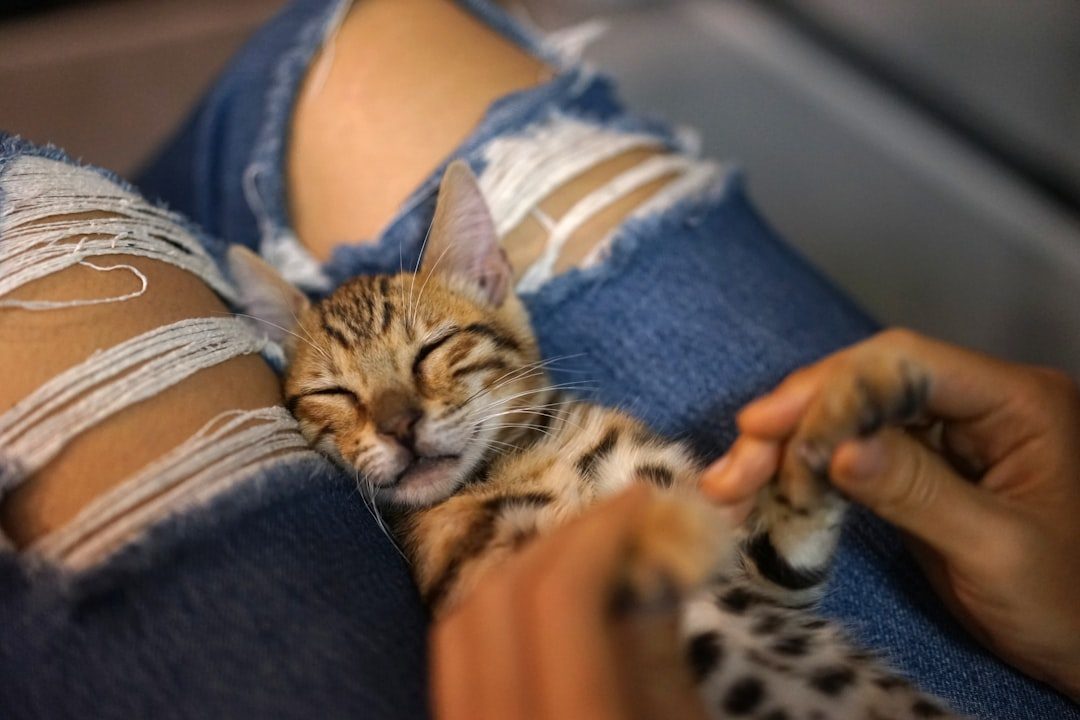
The most recognizable sign of a content cat is their purr, especially when they appear relaxed. When your cat settles into a comfortable position with half-closed eyes and begins their gentle motor, you can be fairly certain they’re experiencing pure bliss. You might hear them purring when you stroke them or when they’re basking in a warm patch of sunlight.
Though, it’s worth noting that purring isn’t always a guarantee of happiness. There are rare instances when a cat purrs because they are frightened or hurt. The key is context – a relaxed cat purring on your lap is definitely showing contentment, while a purr at the vet’s office might indicate stress.
Making Biscuits Like a Pro
Cats often knead on soft surfaces or laps when feeling content, pushing rhythmically with alternating front paws while extending and retracting their claws. This adorable behavior, affectionately called “making biscuits,” is one of the most heartwarming signs of feline happiness. They might purr simultaneously with their eyes half-closed, carrying this behavior from kittenhood when they would stimulate milk flow from their mother’s nipples.
Kneading is a clear sign that a cat is extremely happy, representing a throwback to the security and comfort they felt as kittens. When your cat starts making biscuits on your favorite blanket or your stomach, consider it their way of saying you’re their safe space.
The Secret Language of Slow Blinks
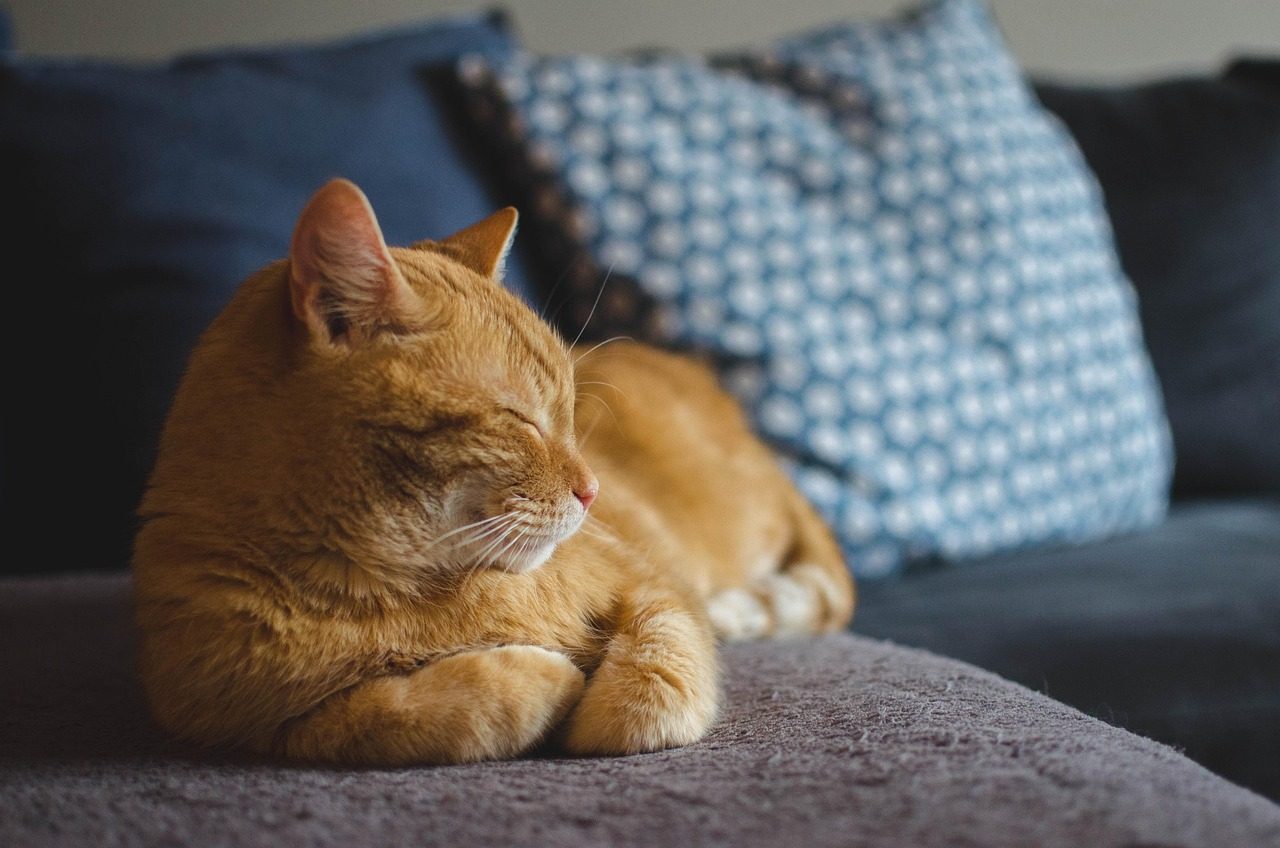
One of the most unmistakable and endearing signs of kitty bliss is slow blinking, with warm eyes followed by a slow and deliberate blink being one of the most heartwarming signs of kitty happiness and love. Often called “cat kisses,” this occurs when your furry friend makes eye contact then slowly blinks their eyes closed.
When this happens, don’t leave your furry friend hanging – slowly blink back, then look away. This creates a beautiful moment of interspecies communication that strengthens your bond and shows mutual trust and affection.
Tail Tales of Joy
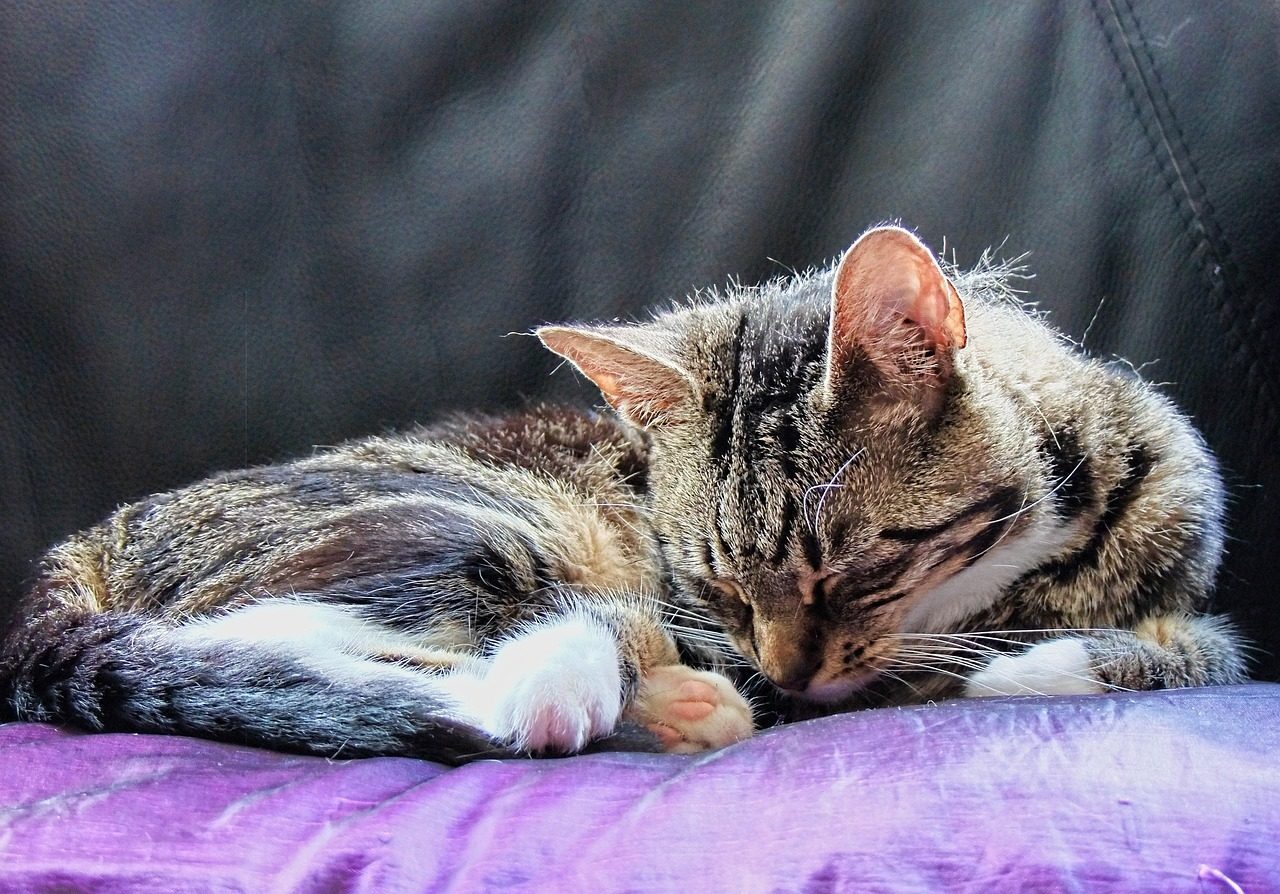
A happy cat’s tail might be held upright with the tail tip curved, like a question mark. A tail that is pointed straight up with a curl at the tip is a reliable sign that a cat is happy and confident. This confident posture is your cat’s way of announcing to the world that they feel secure and content in their environment.
When a cat’s tail quivers, it can be a sign of happy excitement. A hook on the end of a straight-up tail, or a vibration on the end of the tail, may mean an especially perky moment of joie de vivre. These subtle tail movements are like exclamation points in your cat’s emotional vocabulary.
The Social Butterfly Behavior
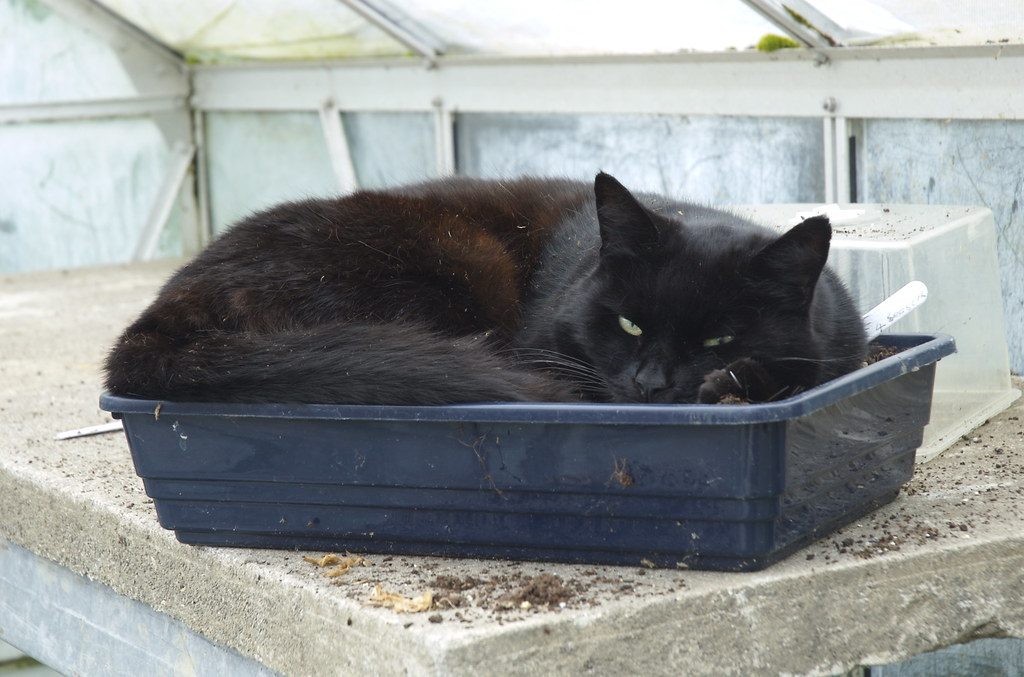
Friendly and curious cats that approach with their tail high, rub against you, butt you with their head, and seem interested in what your hands smell like are probably happy cats. A content kitty loves scritches, snuggles, head boops, and lap sits.
If your cat comes to the door when you get home, lifts her head and meows, or gives you a chirrup to say hello, she is a happy kitty. The social roll occurs when a cat gets in front of you, puts her head down and rolls over, exposing their stomach out of affection and happiness to see you.
Playful Energy and Curiosity
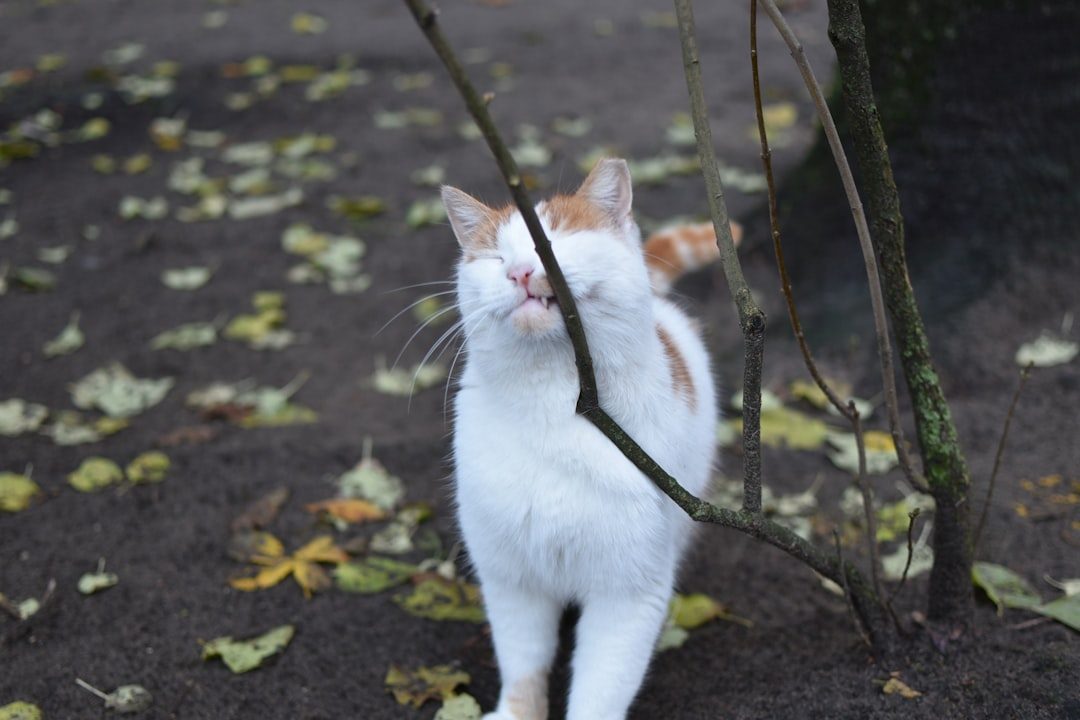
Happy cats will play with their toys and with other people and cats, while stressed cats tend to hide, avoid interaction, and ignore or refuse to play. Happy cats like to play, especially younger cats, often engaging in solo play like attacking a hanging feather or chasing a toy mouse, but sometimes including human family members.
A cat’s willingness to engage with their environment through play demonstrates their emotional well-being. One of the signs of a happy cat is a strong play drive, showing they feel secure enough to engage in hunting behaviors and exploration.
Healthy Routine Habits
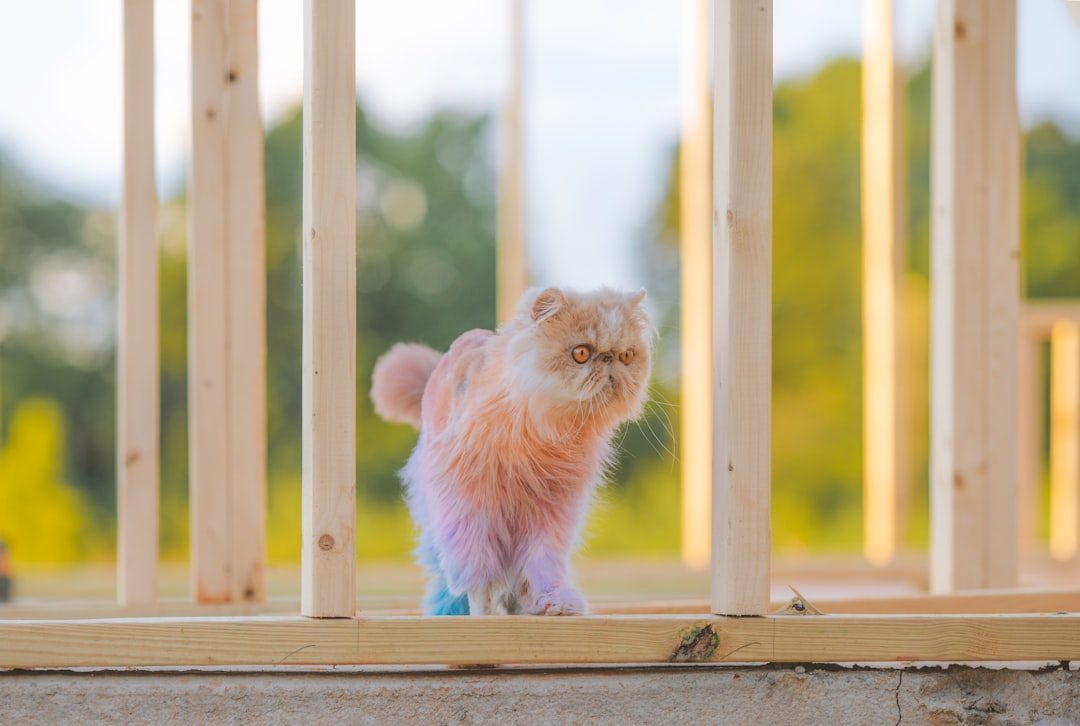
The most subtle signs of a happy animal indicate a healthy animal – they eat well, sleep an appropriate amount, and keep their coat well-groomed and shiny. A happy cat that has their basic needs met will have consistent lifestyle habits when it comes to eating, grooming, and toileting.
Happy cats use the litter pan as expected, while cats can show stress by urinating or defecating in places they shouldn’t, indicating either medical issues or stress communication. These routine behaviors are reliable indicators that your cat feels comfortable and secure in their environment.
Relaxed Body Language
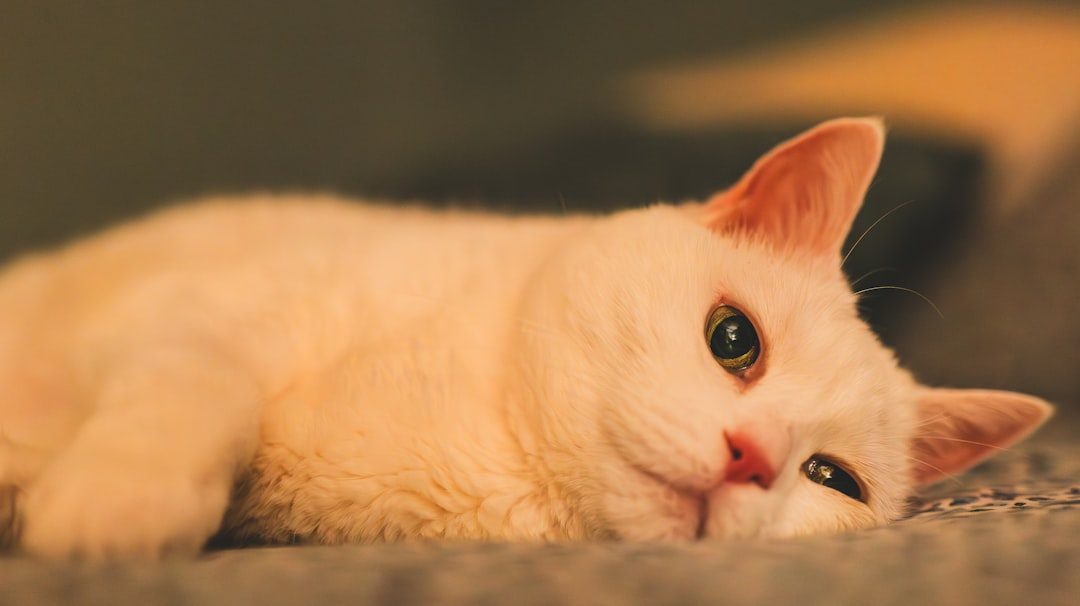
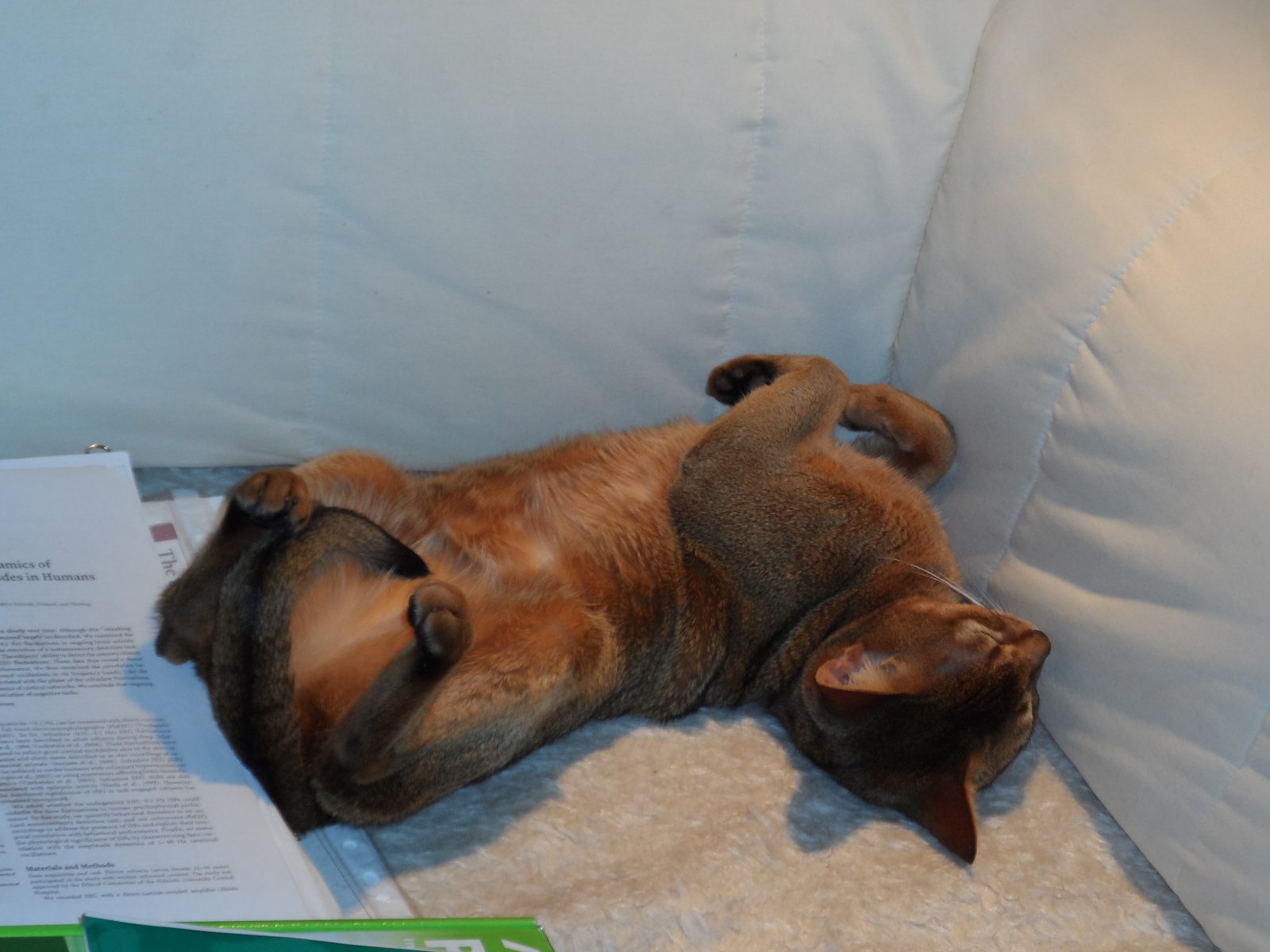
If a cat is happy, they might stand with a relaxed posture or lie down and stretch out comfortably. A happy cat will be relaxed around you, stretching out long and showing vulnerable parts, such as their stomachs.
When a cat is relaxed around you, this is a sure sign that they’re feeling content – slowly stretching or lying on their back to reveal their vulnerable tummy indicates your cat is relaxed and happy around you. This vulnerable position shows ultimate trust in their environment and in you.
Sweet Vocal Communications
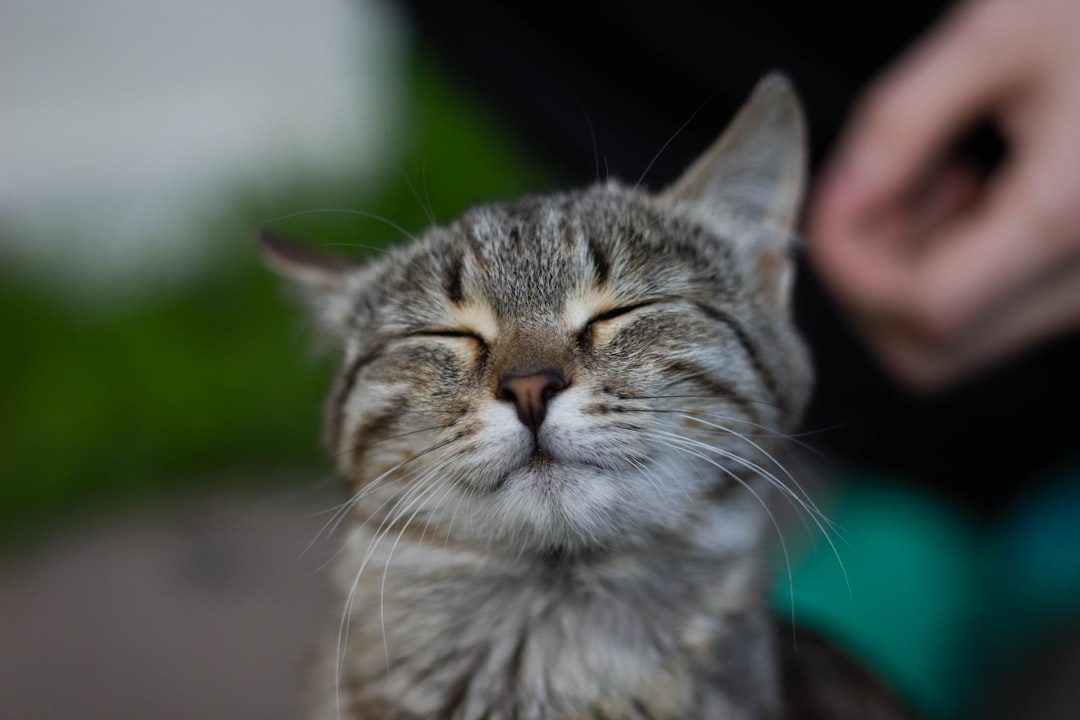
Cats can be very vocal when happy, with vocal kitties having long conversations and the pitch of their meow alluding to how they’re feeling – a high-pitched meow indicates a content cat, while a low-pitched meow may indicate unhappiness. When you hear the trilling chirrup sound, you’ll know your cat is happy, often as an invitation to follow your cat somewhere or to ask for affection or play.
A content cat often has a soft, melodic meow. These gentle vocalizations are your cat’s way of maintaining a pleasant conversation with you, showing they value your interaction and feel comfortable expressing themselves.
Litter Box Avoidance
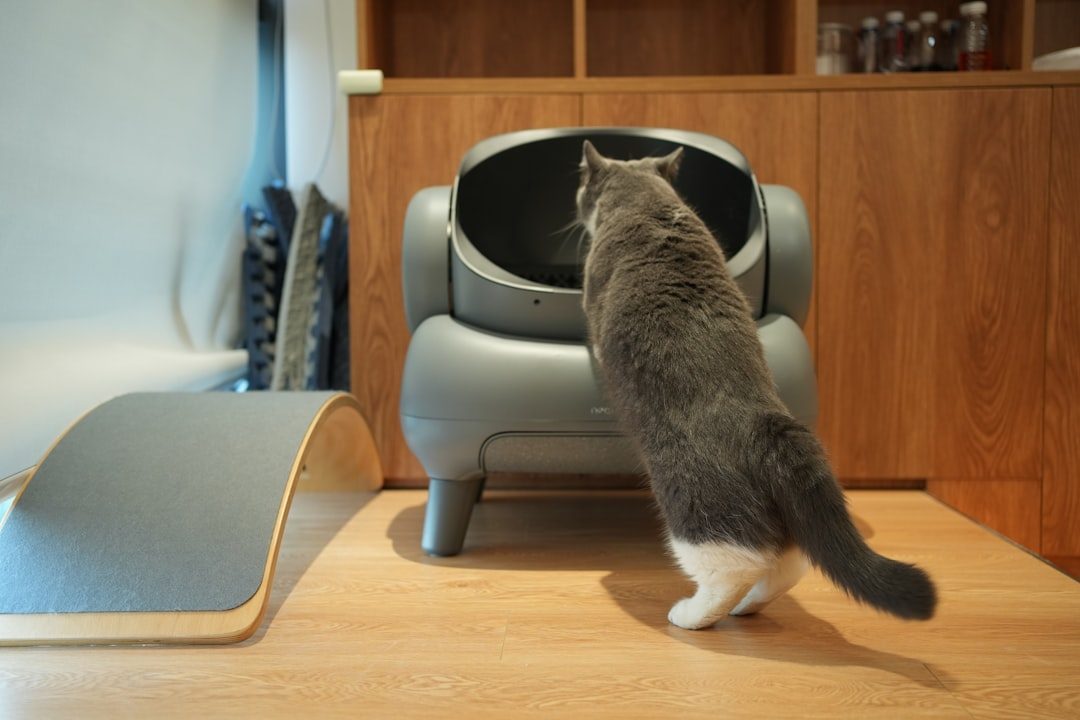
One of the most common signs of stress in cats is urinating outside the litter box. Stress itself is enough for a cat to start urinating out of the litter box, which is a cat’s way of saying “I’m stressed out!” This behavior often leaves cat parents feeling frustrated, but it’s actually your cat’s primary way of communicating distress.
It’s important to understand that by choosing not to use the litter box, your cat is showing you that they are struggling – they are not being naughty or spiteful, and this behavior is the cat equivalent of holding up a huge neon sign that says “HELP!” The key is addressing the underlying cause rather than just the symptom.
Excessive Grooming Patterns
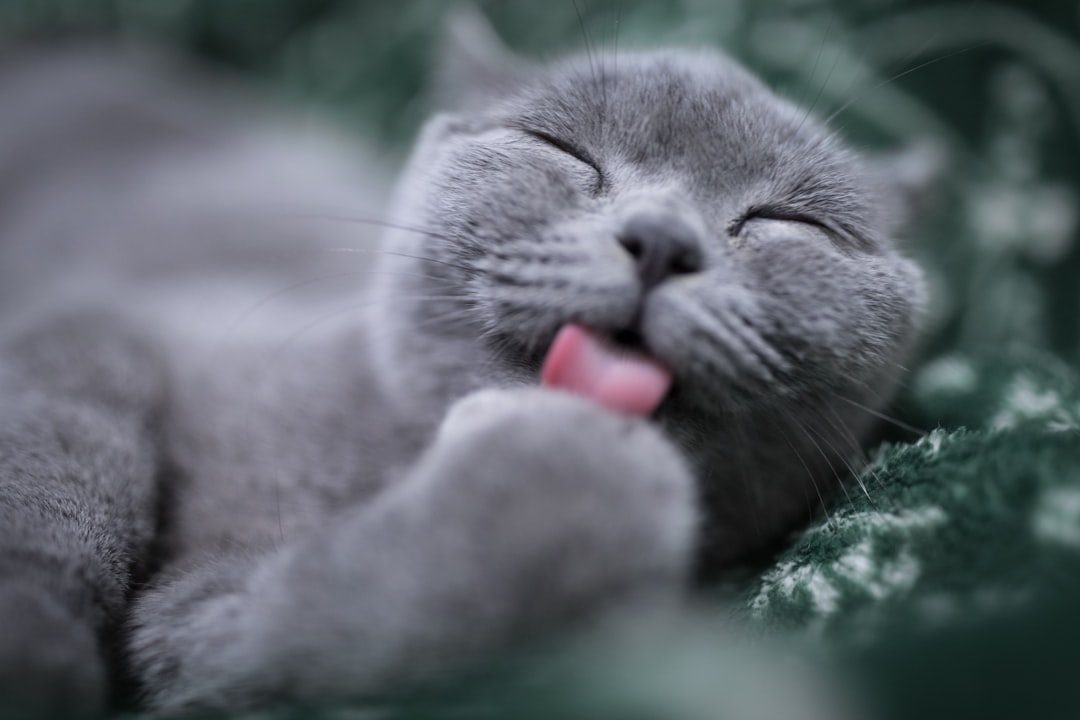
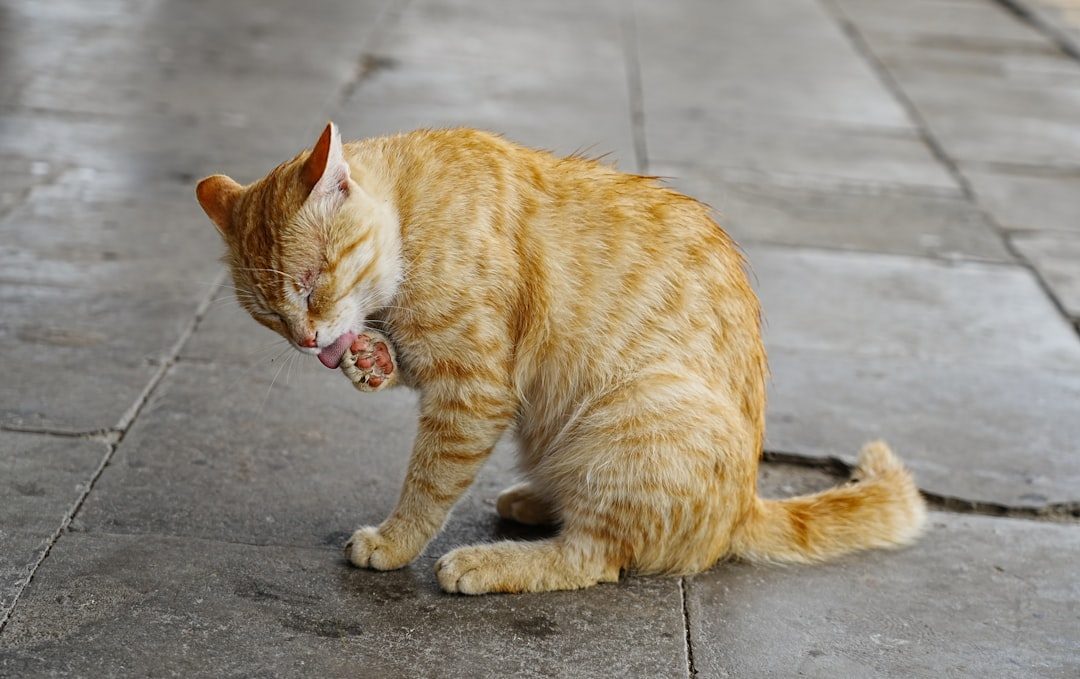
Some cats use overgrooming to cope with stress or boredom, as repetitive grooming can become a compulsive behavior when cats are stressed or anxious. You might notice patches of shorter hair or even bald spots on your cat’s belly, legs, or flanks.
Stressful situations may drive cats to perform these grooming behaviors to feel better, but overgrooming can lead to further skin irritation and an increased desire to lick. This creates a cycle where the stress relief behavior actually causes more problems, requiring intervention to break the pattern.
Hiding and Withdrawal Behaviors
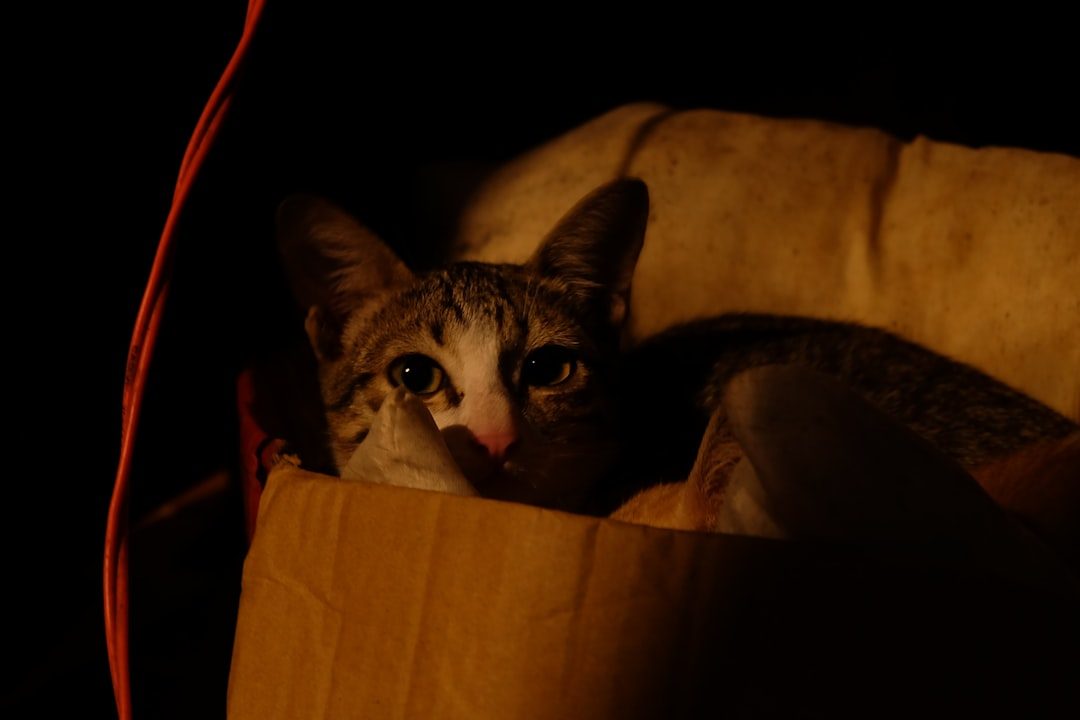
A stressed cat might start hiding more often or withdraw from social interactions, seeking out secluded spots and spending more time alone, which represents a significant departure from their normal social patterns. Stressed cats may withdraw from interaction with household pets or owners, and if your cat suddenly disappears under beds or behind furniture, they may be stressed, using hiding as their attempt to create a safe space when the world feels overwhelming.
While cats naturally value their alone time, a dramatic increase in hiding behavior or complete avoidance of family interaction signals emotional distress. Think of it as your cat’s version of wanting to pull the covers over their head and shut out the world.
Appetite and Eating Changes
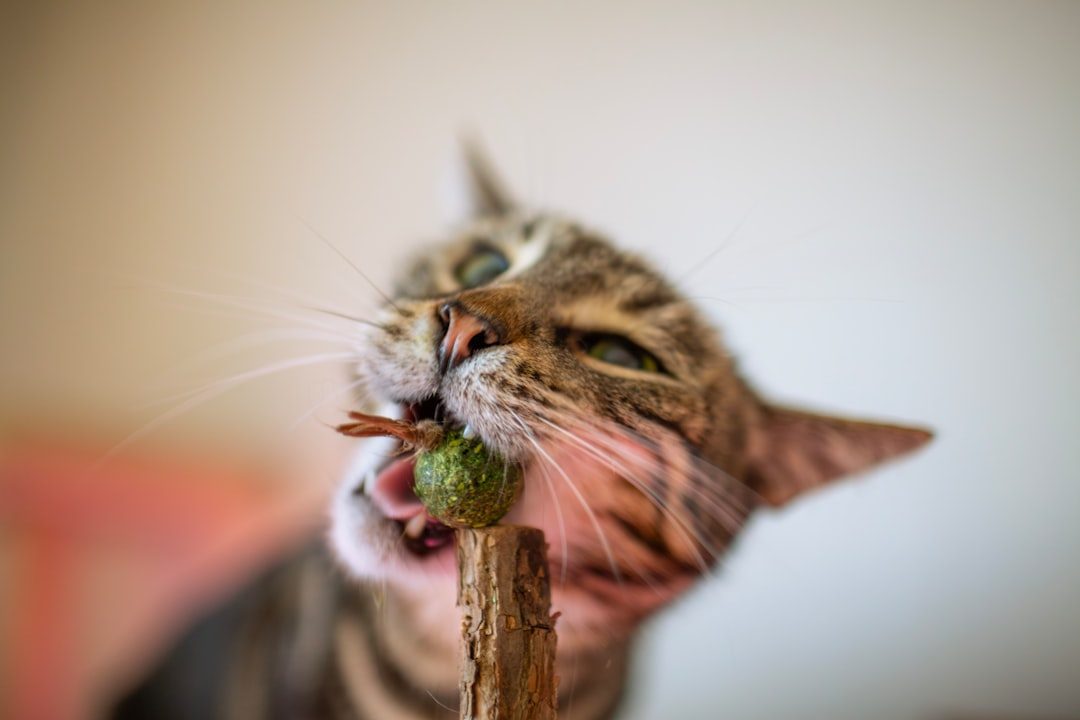
Stress can significantly impact a cat’s eating habits, with some cats losing their appetite and refusing to eat, while others might overeat as a form of comfort, and both scenarios can lead to health issues. Stress is very likely to reduce feed intake, and stress-related anorexia may contribute to the development of potentially serious medical conditions.
These changes might be subtle at first – perhaps your cat is less enthusiastic about treats or takes longer to finish their meals. However, any significant appetite changes lasting more than a day or two warrant attention, as cats can develop serious health complications quickly when they stop eating.
Loud Noises and Sudden Movements
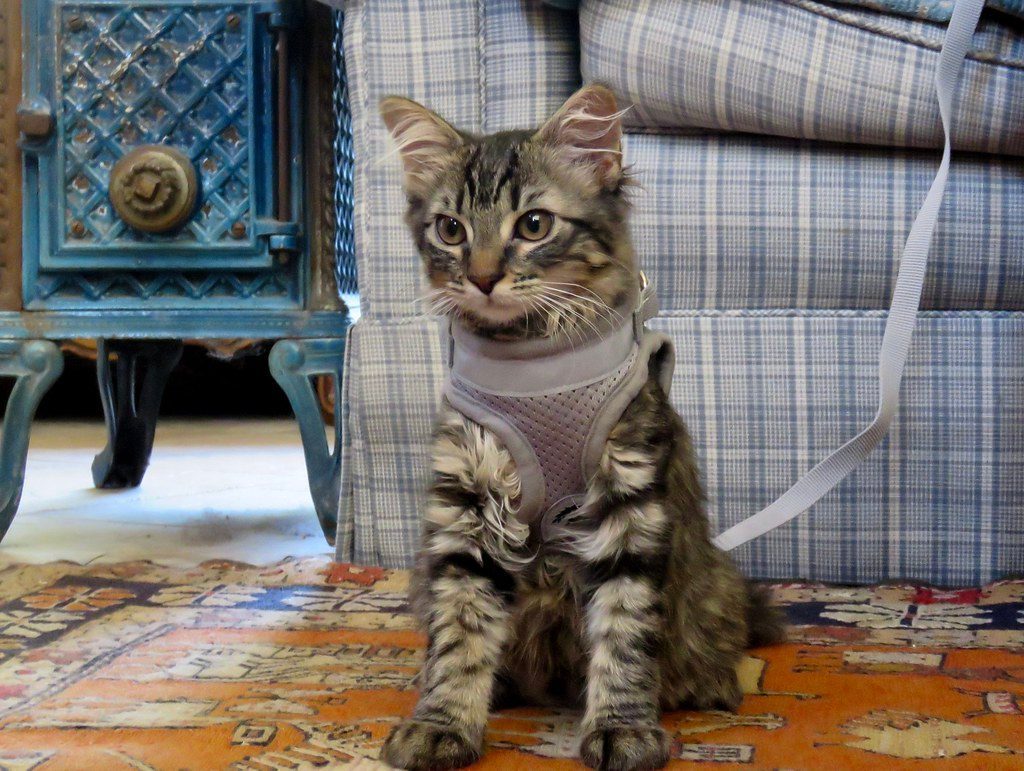
For cats, stressors include loud or unfamiliar noises, sudden movements, novel and unfamiliar places and objects, and the approach of strangers into their personal space. Sudden environmental changes, loud noises, and resource access problems can all trigger stress responses.
Your cat’s sensitive hearing makes them particularly vulnerable to household sounds that might not bother humans – the vacuum cleaner, construction noise outside, or even a dropped pot can send them into hiding. Stress triggers such as loud noises, high traffic areas, or other pets can make a cat feel anxious, but enclosures can shield your cat from these stressors, creating a calm and quiet space.
Environmental Changes and Disruptions
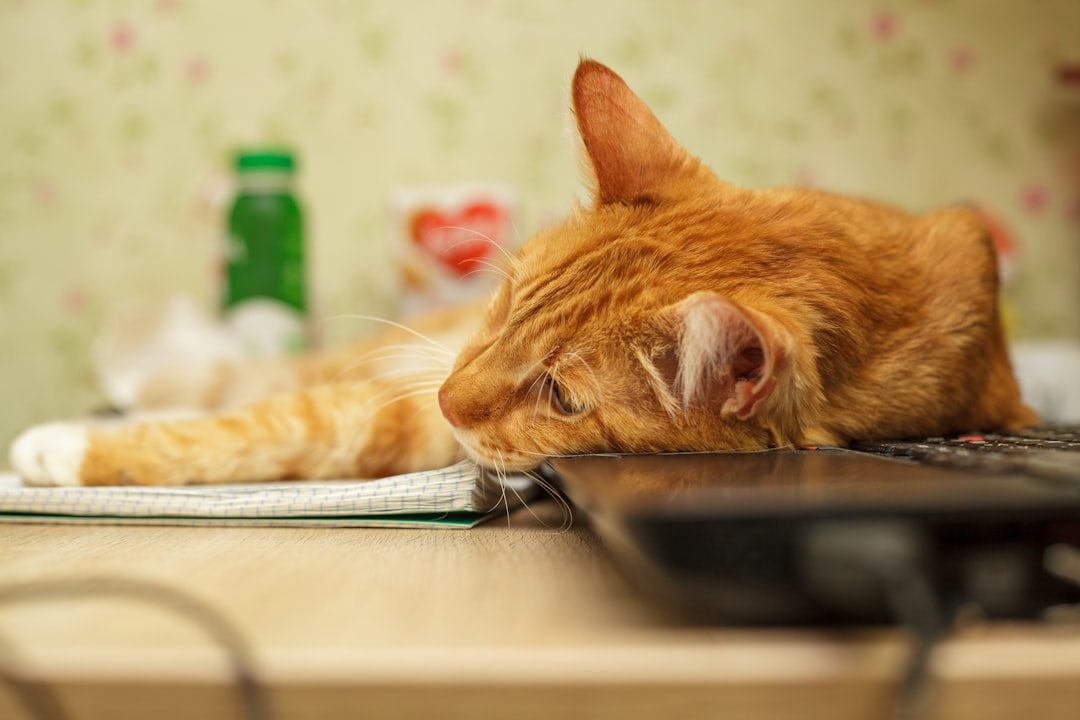
One of the biggest causes of stress for cats is changes to their environment or home, including losing access to favorite hiding places or changes to their beds and sleeping areas. Changes in things that even indirectly affect the cat, like moving, adding new animals or family members, or changing your daily routine, can make your cat feel anxious.
Even something minor to you, such as rearranging furniture, can be unsettling to a cat, though this doesn’t mean you can’t make changes – just be sensitive and watch for any behavioral or litter box changes. Cats are creatures of habit who find comfort in predictability, making any disruption to their established routine a potential source of stress.
Insufficient Resources and Competition
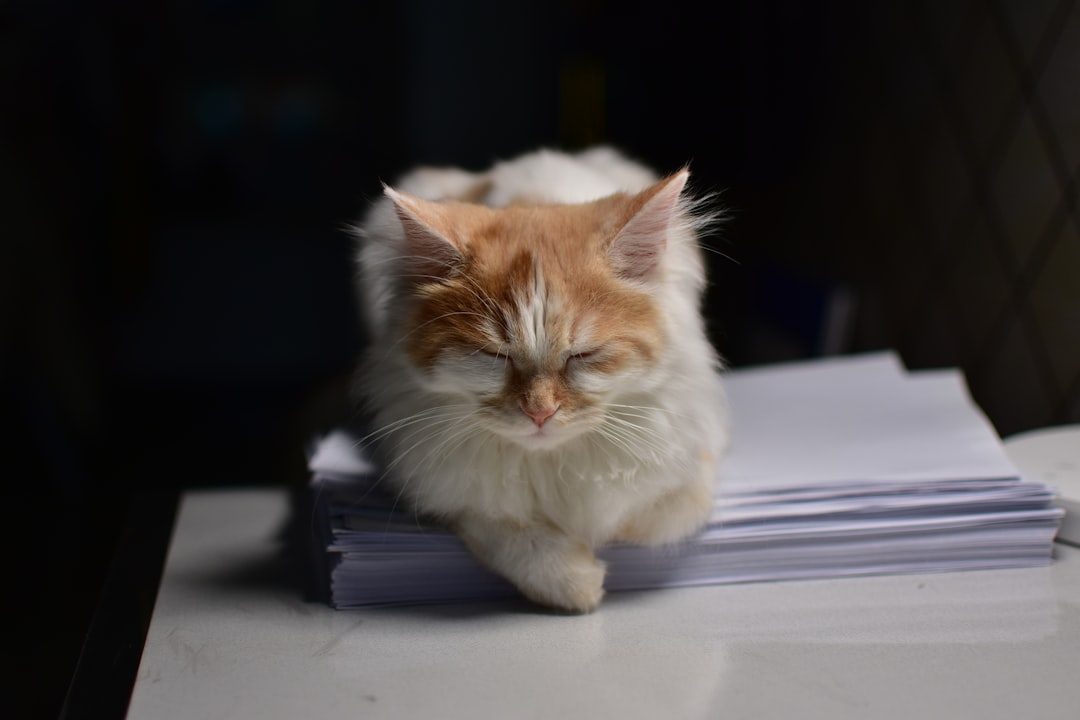
Insufficient resources, including litter boxes and scratching objects, an unclean litter box and lack of environmental enrichment can cause stress. Cats can become stressed if they don’t have access to needed resources like food and water bowls, litter trays, and comfortable sleeping places, especially in multi-cat households or busy homes where they might feel they can’t access resources without going past other cats.
If your cat is sharing key resources with cats they don’t get on with, this can cause them a great deal of stress because they will compete with other cats for access to these resources, which may cause conflict. The general rule is providing one resource per cat plus one extra to prevent territorial disputes and ensure everyone has adequate access.
Conclusion
Reading your cat’s emotional state doesn’t have to remain a mystery. By paying attention to these clear signals of happiness and stress, you can create an environment where your feline friend truly thrives. Remember that small changes can make a big difference – from adding an extra litter box to providing cozy hiding spots during stressful times.
The key to a happy cat relationship lies in being observant, patient, and responsive to their needs. When you notice stress signals, addressing them early can prevent bigger behavioral issues down the road. Your cat is constantly communicating with you through their body language, vocalizations, and behaviors.
What surprising signs of happiness or stress have you noticed in your own cat? Share your observations in the comments below.