Have you ever wondered why your feline companion seems to react to the slightest change in their environment? Maybe they vanish when guests arrive, or they freeze at sounds you barely notice. You’re not imagining things. Some cats are simply wired differently, experiencing the world through a more sensitive lens than their bold, carefree counterparts.
Some animals possess the trait of high sensitivity, and your cat might just be one of them. These remarkable creatures aren’t being difficult or dramatic. They’re perceiving details, subtleties, and stimuli that others might completely miss. Understanding this personality type can transform how you interact with your whiskered friend and create a calmer, happier home for both of you. Let’s explore the telltale signs that reveal whether your cat belongs to this special group.
They Startle at the Slightest Sound
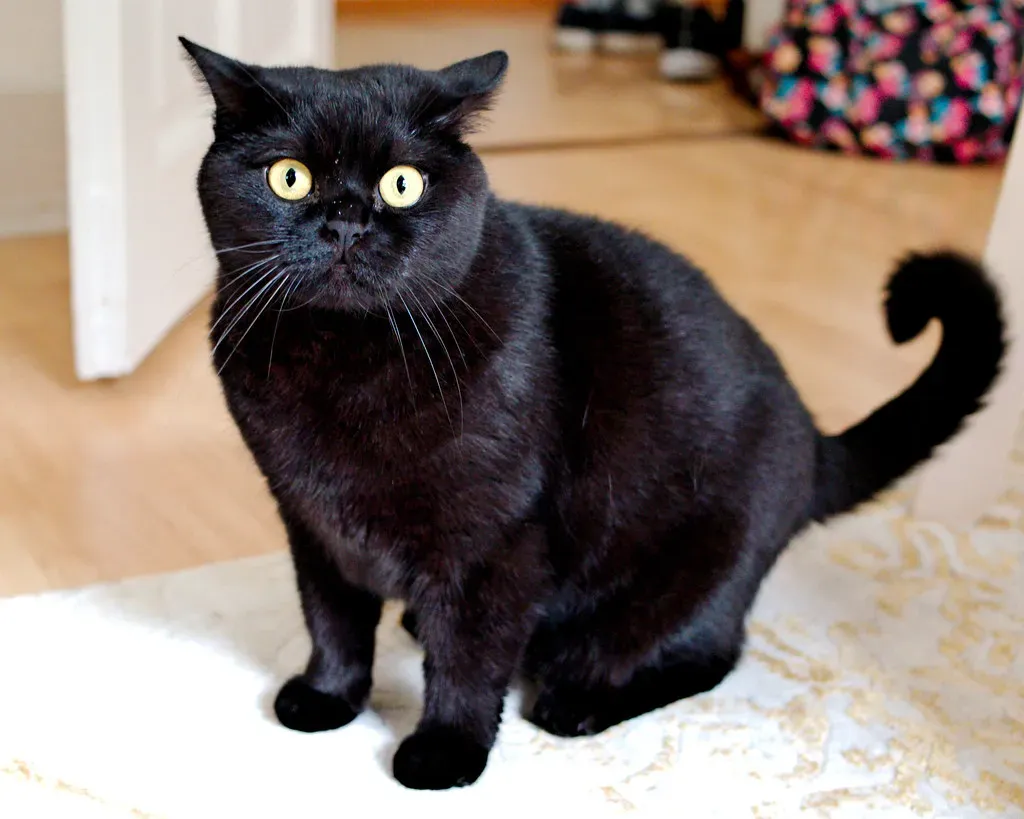
Does your cat leap three feet into the air when you drop a spoon? Highly sensitive pets often startle easily and overreact to sudden or sustained loud sounds, bright lights or shadows, and unfamiliar environments. While all cats have acute hearing, sensitive souls take this to another level entirely.
You might notice your cat bolting from the room when the vacuum cleaner starts, or hiding under the bed during a thunderstorm. These aren’t signs of cowardice. Stress typically causes cats to be more aware of their surroundings, becoming hypervigilant and easily startled. Their nervous systems process sensory information more intensely, making everyday household noises feel overwhelming. Creating quiet spaces where they can retreat becomes essential for their wellbeing.
Routine Changes Send Them Spiraling
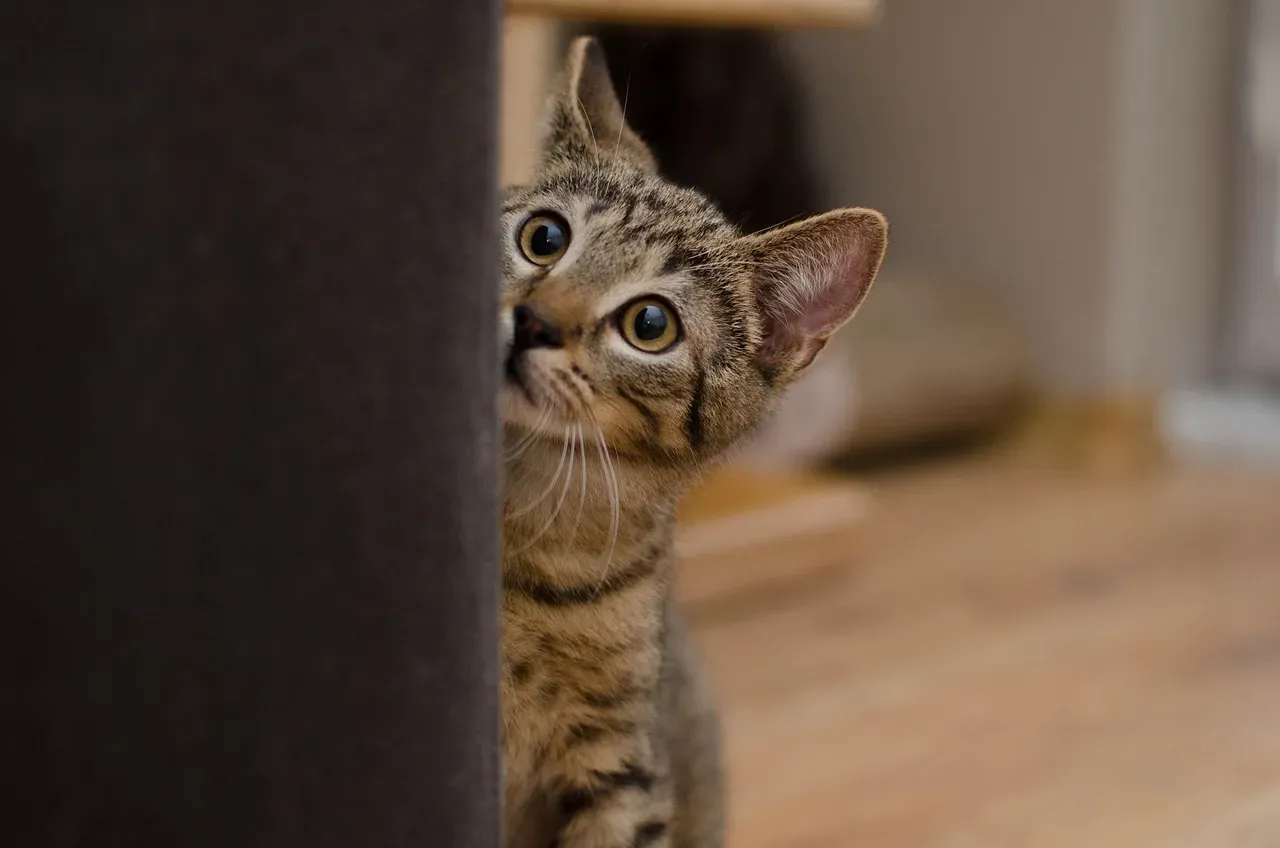
If anything changes in their regular environment, they notice right away, often even before you notice it yourself, and may change their behavior until the changed thing is removed or corrected. Did you rearrange the living room furniture? Your sensitive cat probably noticed immediately and might avoid that area for days.
These felines thrive on predictability and structure. A change in daily routine, such as rescheduling your work or school hours, can cause stress. Even minor adjustments like feeding them an hour later or switching their favorite blanket can trigger noticeable anxiety. For sensitive cats, consistency isn’t just preferred; it’s genuinely necessary for their emotional stability.
They Bond Intensely With Select Individuals
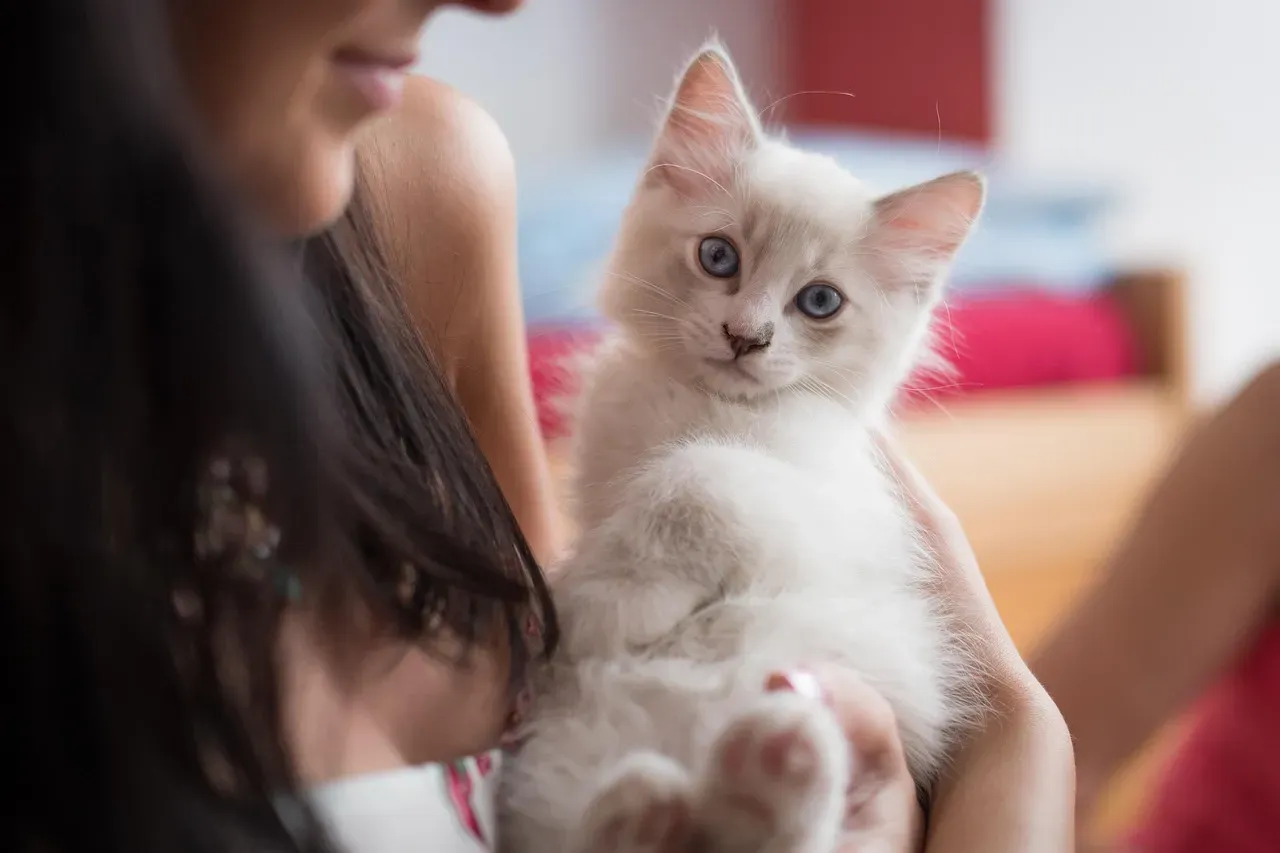
Emotional and empathetic, they bond deeply with their human families and other trusted people and animals. Your highly sensitive cat probably chose one or two favorite humans and sticks to them like glue. They’re not interested in being everyone’s friend.
This selective bonding creates incredibly strong relationships. A cat with a highly sociable personality will tend to be quite focused on the humans they live with, can be sensitive to changes in moods and general comings and goings within the home, and while this can create a wonderfully close bond, these socially sensitive felines can also be negatively impacted by stress levels and negative emotions. They pick up on your emotions like tiny, furry empaths. When you’re stressed, they feel it too.
Hiding Is Their Default Response
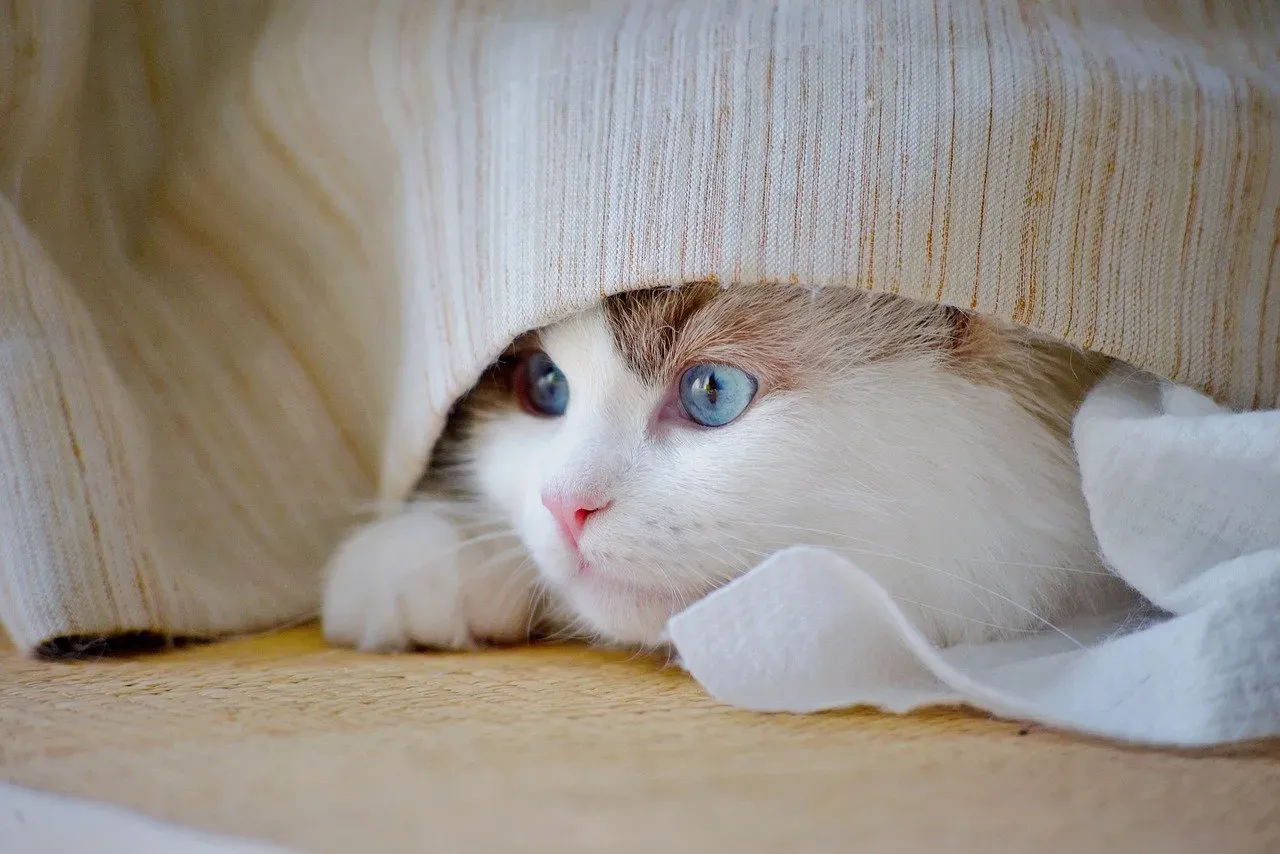
All cats enjoy quiet time in a safe hiding place, but if your cat is hiding more than usual, they may be stressed. Sensitive cats take hiding to an art form. They’ve likely mapped out every concealed spot in your home and rotate between them depending on the household activity level.
This behavior isn’t antisocial; it’s self-preservation. Highly sensitive pets are always on alert in a way that often appears to be anxiety or uneasiness. Hiding gives them a sense of control and safety in a world that feels perpetually overwhelming. Rather than forcing them out, respect their need for solitude and ensure they have cozy, accessible retreats throughout your home.
They’re Picky About Physical Contact
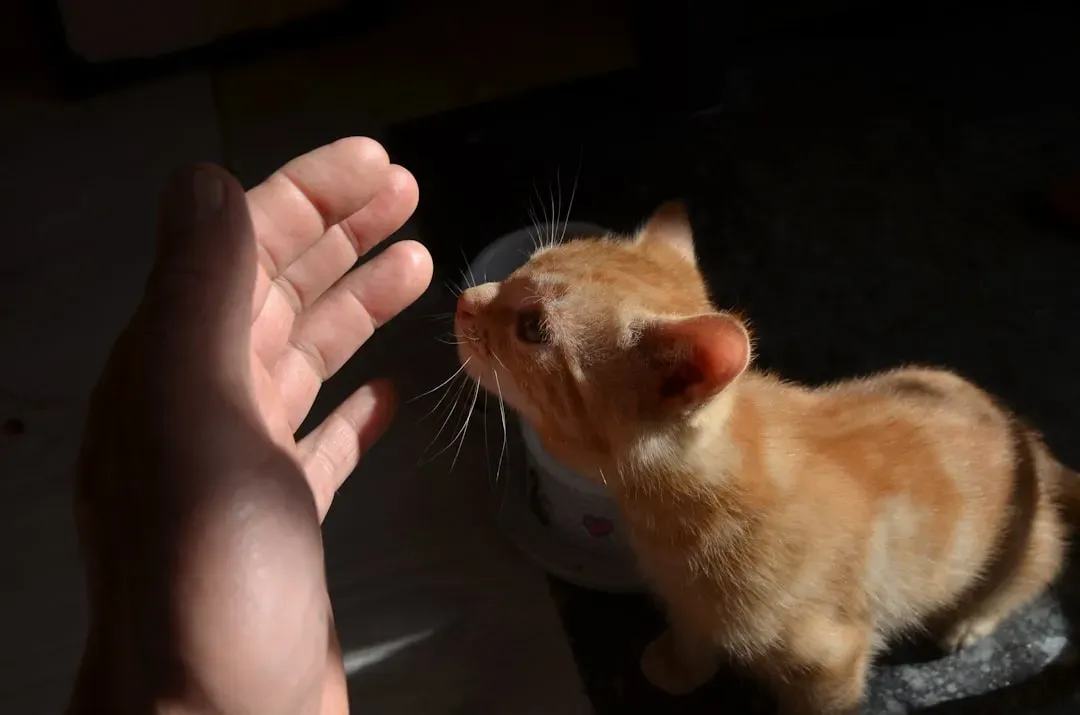
Sensitive cats crave closeness with trusted individuals but are easily overwhelmed by the same and may suddenly retreat or withdraw into solitude. One moment they’re purring in your lap, and the next they’re racing away as if you’ve committed some terrible offense. You didn’t do anything wrong.
These cats have lower thresholds for stimulation. What feels like pleasant petting to you might become overwhelming to them within minutes. Any interactions and contact should be initiated by your cat so that they feel in control. Let them come to you on their terms, and watch for subtle body language cues that indicate they’ve reached their limit. Slow blinks, ear twitches, and tail movements all communicate volumes.
Environmental Awareness Seems Almost Supernatural
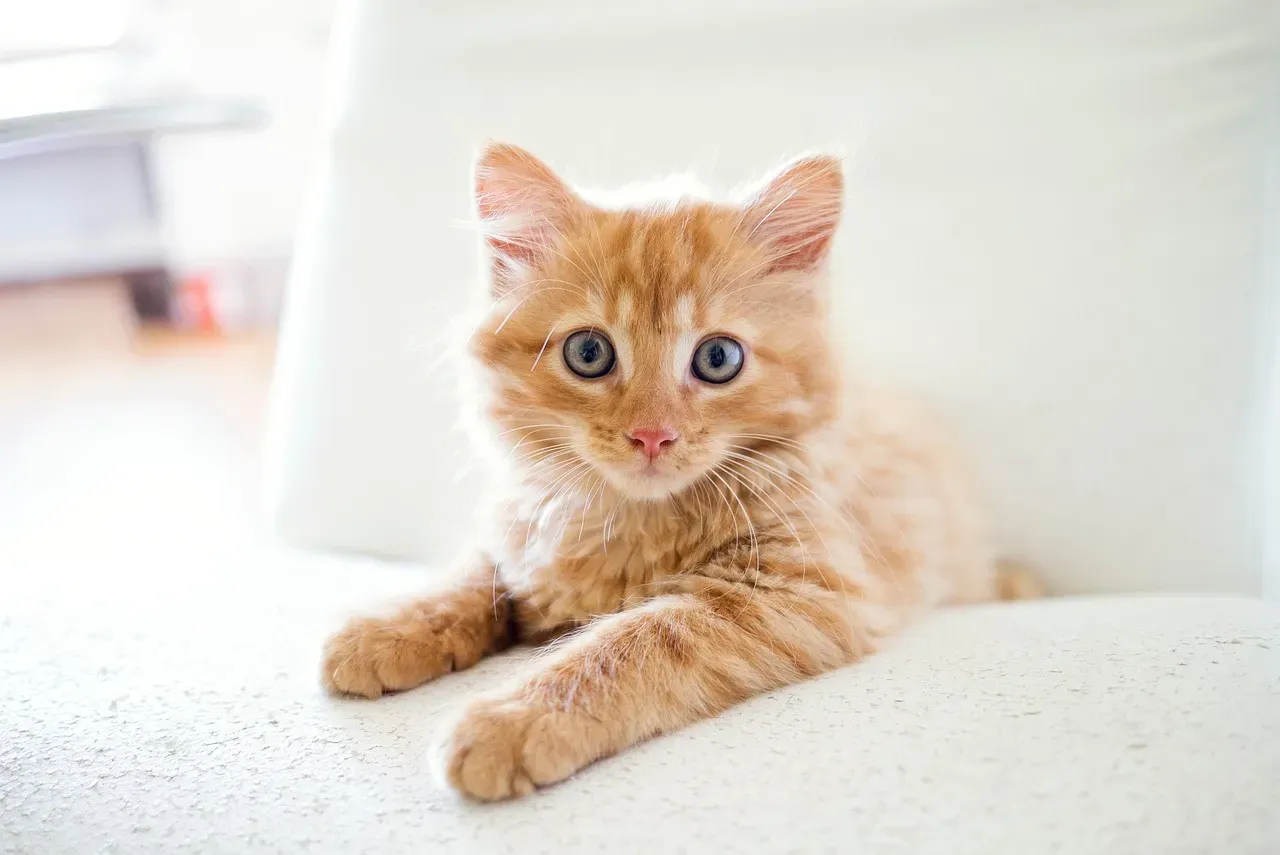
Individuals who possess the trait of high sensitivity tend to be better at holding a big picture view of their environment while simultaneously noting small subtleties and nuances that might be important, meaning they may be absorbing and responding to unusually high quantities of information at any given time. Your cat notices things you’d never spot.
They’ll detect a new houseplant before you’ve even unpacked it. They’ll sense tension between family members before it escalates. Many cats are extremely sensitive to change so that it can be difficult to assess their true personalities when placed in a stressful environment. This heightened perception is both a gift and a burden, allowing them to navigate their world with precision while also leaving them vulnerable to overstimulation.
They React Differently Than Other Cats

Sensitive animals often respond to situations differently than the norm for their breed or species. While your neighbor’s cat greets every visitor with enthusiasm, yours might need three days to recover from a single house guest. There’s nothing wrong with either approach.
Highly sensitive pets may be labeled as shy, anxious, fearful or neurotic because they prefer to proceed with caution through life. They’re not being difficult; they’re simply processing their experiences more deeply. What looks like overreaction to you feels entirely appropriate to their nervous system. Comparing them to bolder cats only creates frustration for everyone involved.
They Show Signs of Stress More Easily
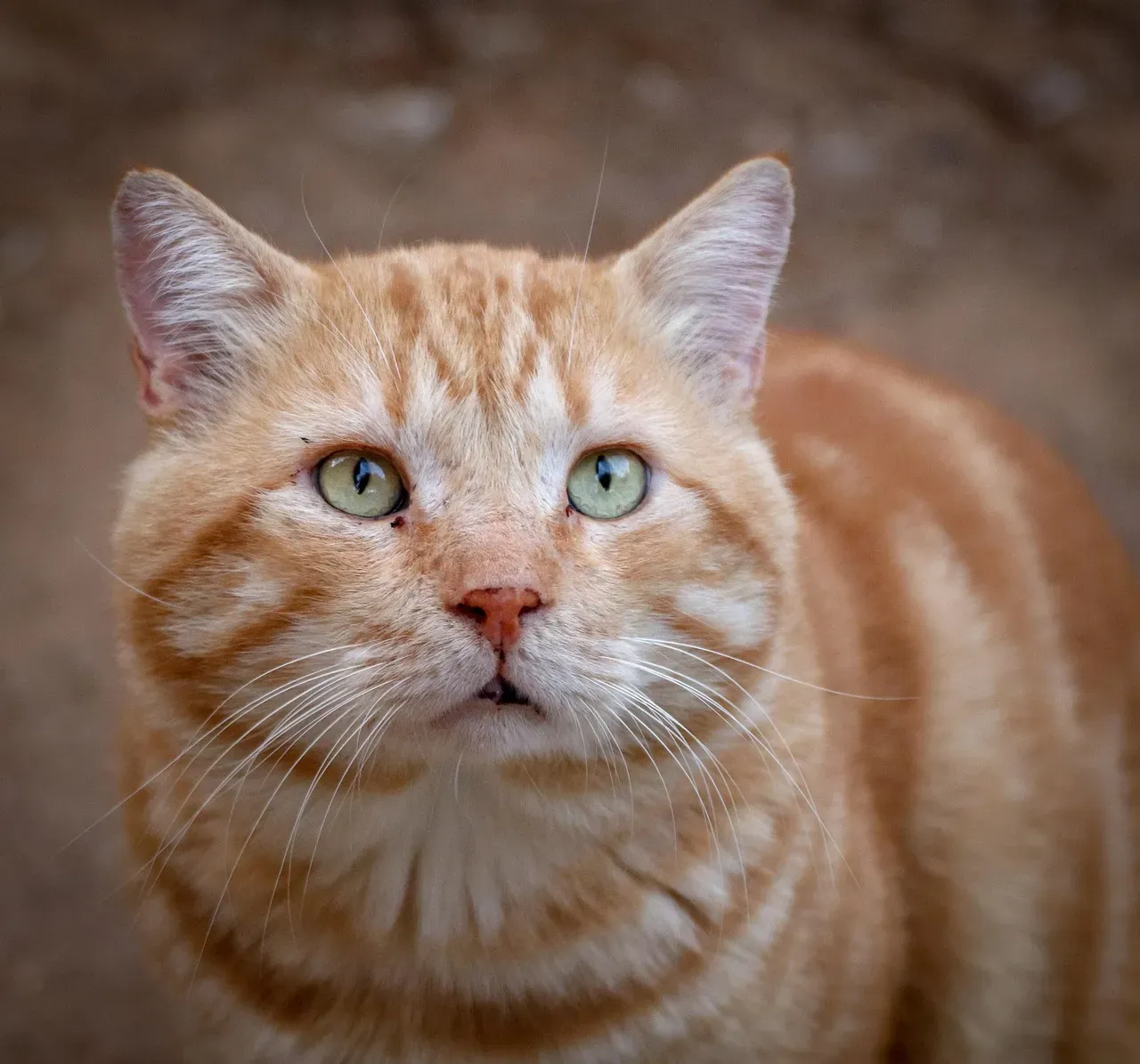
Depending on your cat’s personality, they may avoid interaction or become more needy when they are stressed. Sensitive cats often display stress signals that others might shrug off. Excessive grooming, changes in appetite, or litter box avoidance can all indicate they’re struggling.
An anxious cat may display excessive grooming, hide frequently, or become unusually aggressive. Watch for decreased playfulness and increased facial rubbing as well. These behaviors aren’t manipulative; they’re genuine distress signals. Cats who are prone to higher levels of anxiety find it harder to recover from daily stressors, and over time, those anxious moments can turn into chronic anxiety that is detrimental to health, happiness, and overall wellbeing.
How to Create a Sanctuary for Your Sensitive Soul
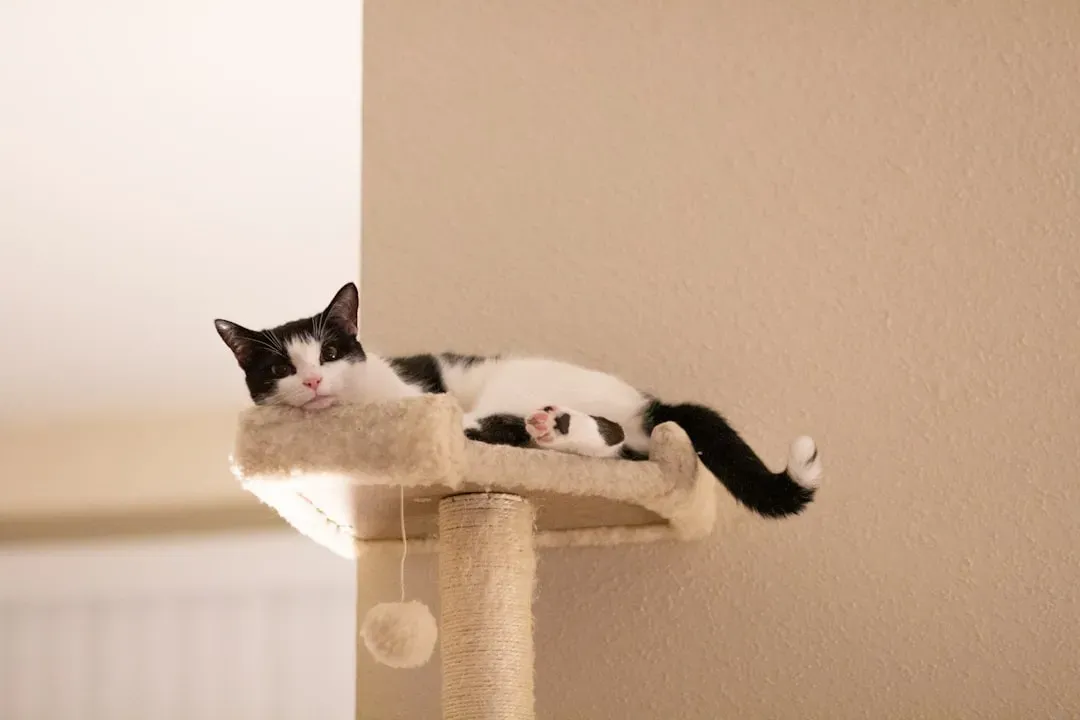
So your cat checks most of these boxes. Now what? Build stable and loving social bonds to create a sense of security and belonging, and cultivate a calm, quiet home environment. Start by establishing predictable routines for feeding, play, and bedtime. Consistency reduces their baseline anxiety significantly.
Cats feel more secure when they have vertical territory, and a cat tree, shelving, or a window perch can give them a safe vantage point to observe the household without feeling threatened. Provide multiple hiding spots and avoid forcing interactions. Daily interactive play can help reduce anxiety and build confidence. Consider using pheromone diffusers in common areas, and maintain a peaceful household atmosphere. When introducing changes, do so gradually. Your patient, understanding approach will help your sensitive cat feel truly safe and cherished in their home.
Conclusion
Living with a highly sensitive cat requires patience, understanding, and a willingness to see the world through their eyes. These remarkable animals aren’t being difficult; they’re simply experiencing life more intensely than their bolder counterparts. By recognizing the signs and adjusting your home environment to meet their needs, you’re not just accommodating their personality. You’re honoring it.
The reward for this understanding? A deeply loyal companion who trusts you completely and forms an unbreakable bond. Your sensitive cat might never be the life of the party, but they’ll be your most devoted shadow and fiercest little protector. Does your cat show these sensitive traits? Share your experiences in the comments below.