You’ve probably caught your cat staring at you with those mysterious eyes, and wondered what’s really going on behind that furry face. Maybe you’ve watched them knock a glass off the counter for the tenth time and questioned their intelligence altogether. Here’s the thing though: your cat might actually be a genius, quietly outsmarting you while pretending to be a simple creature of comfort and chaos.
The truth is, cats are masters of disguise. They’ve perfected the art of looking innocent while simultaneously plotting their next move. While dogs parade their intelligence with eager obedience and tail wags, cats prefer a more subtle approach. They’re the chess players of the pet world, thinking three moves ahead while you’re still trying to figure out move one. Let’s be real, if your cat wanted you to know how smart they really are, they’d probably use that knowledge against you. So let’s dive in and uncover the signs that your feline friend is secretly operating on a whole different intellectual level.
They’ve Mastered the Art of Training You
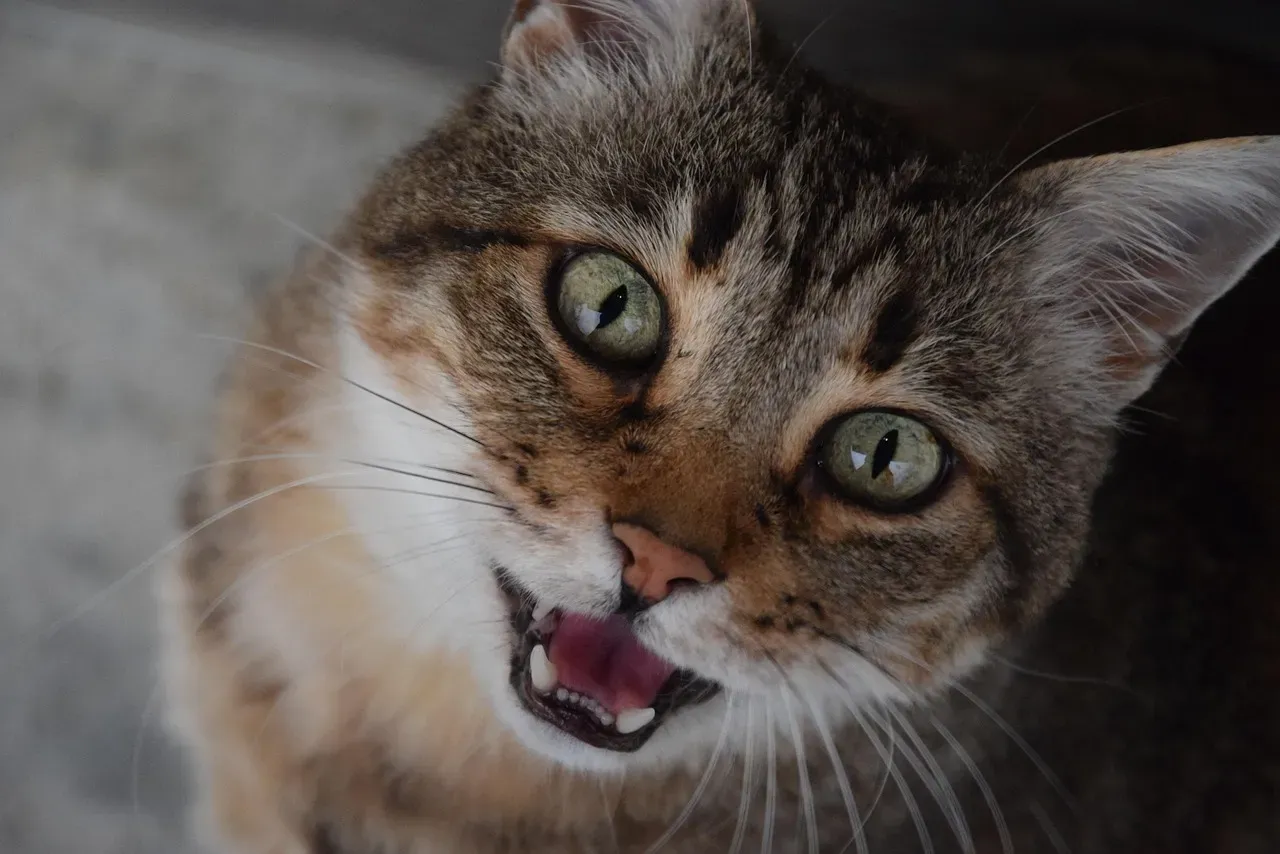
Your cat meows at specific times to get you to feed them, demonstrating they understand concepts of time and cause and effect. Think about it. Who’s really in charge here? Your cat has figured out exactly which sounds, behaviors, and facial expressions make you jump up and do their bidding. That particular meow at dawn isn’t random; it’s a calculated move.
Cats use an infant-like cry embedded in a purr to tap into our caregiving instincts. They’ve essentially hacked your brain’s emotional circuitry. This isn’t just clever manipulation, it’s sophisticated social engineering. Your cat has studied you like a scientist studies lab rats, and honestly, they’ve probably got more data on your behavior patterns than you do on theirs.
They Solve Problems Like Furry Little Engineers
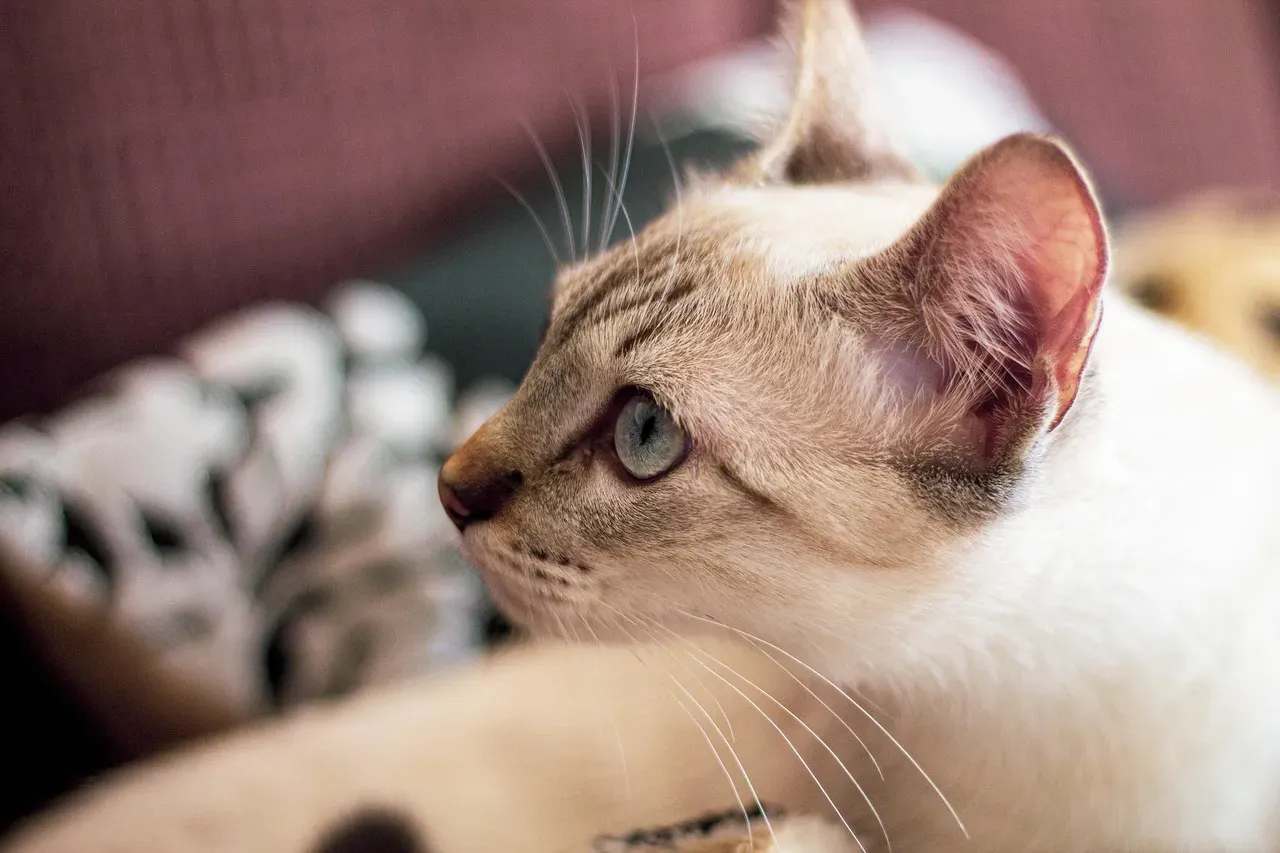
Smart cats are good at problem solving, finding solutions by observing and thinking. Watch your cat encounter a closed door or a treat hidden under a cup. They don’t just give up and walk away. They assess the situation, try different approaches, and eventually figure out a solution.
Some cats will climb on any counter or open any cabinet door to get their treats. If your cat has learned to open cabinets, drawers, or even doors, congratulations on living with a feline Houdini. Research shows that more socialized cats are more likely to solve problems and solve them faster. This problem solving ability isn’t luck or accident. It’s pure cognitive horsepower at work, demonstrating spatial reasoning and mechanical understanding that would impress any engineer.
They Remember Everything (Yes, Everything)
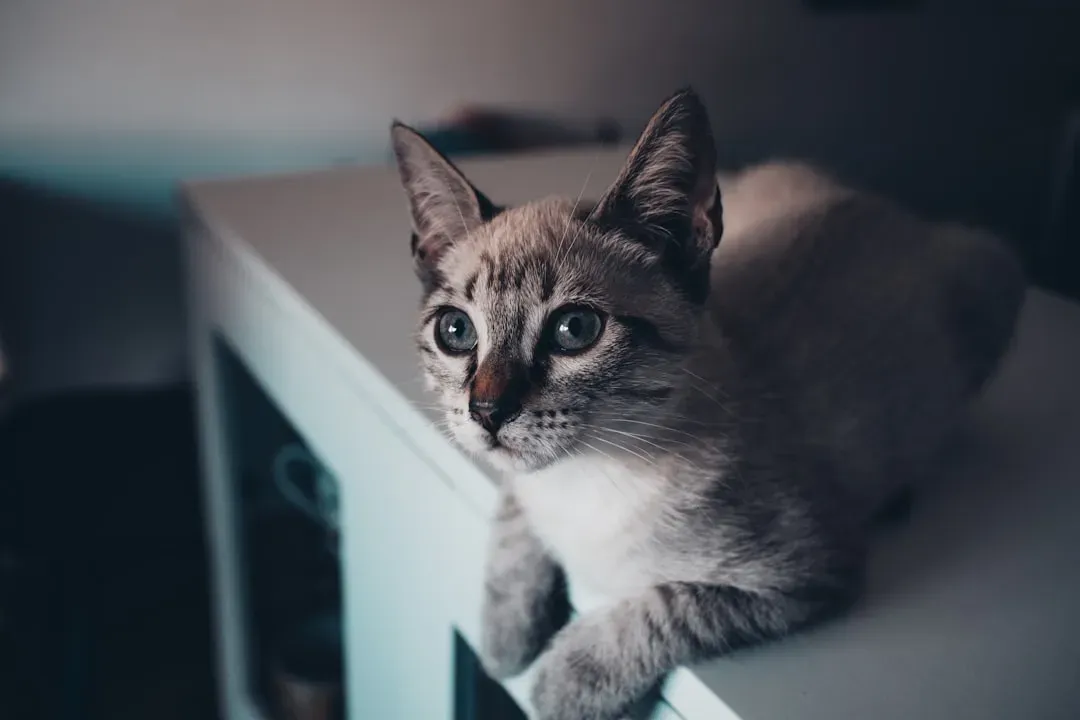
Cats possess impressive long term memory capabilities, retaining recollections of events and locations for a decade or longer, with memories often intertwined with emotions. Your cat might seem like they live entirely in the present moment, but don’t be fooled. They’re keeping detailed mental records of every experience, good and bad.
Ever noticed how your cat remembers the vet’s office after just one visit? Or how they know exactly where you hide their favorite treats, even months later? Cats remembered the what and where of past meals for up to 15 minutes in research studies. That’s not coincidence. Their memory is sharp and selective, filing away information they deem important while ignoring the rest. When your cat holds a grudge after you accidentally stepped on their tail last month, that’s their genius memory at work.
They Read You Like an Open Book
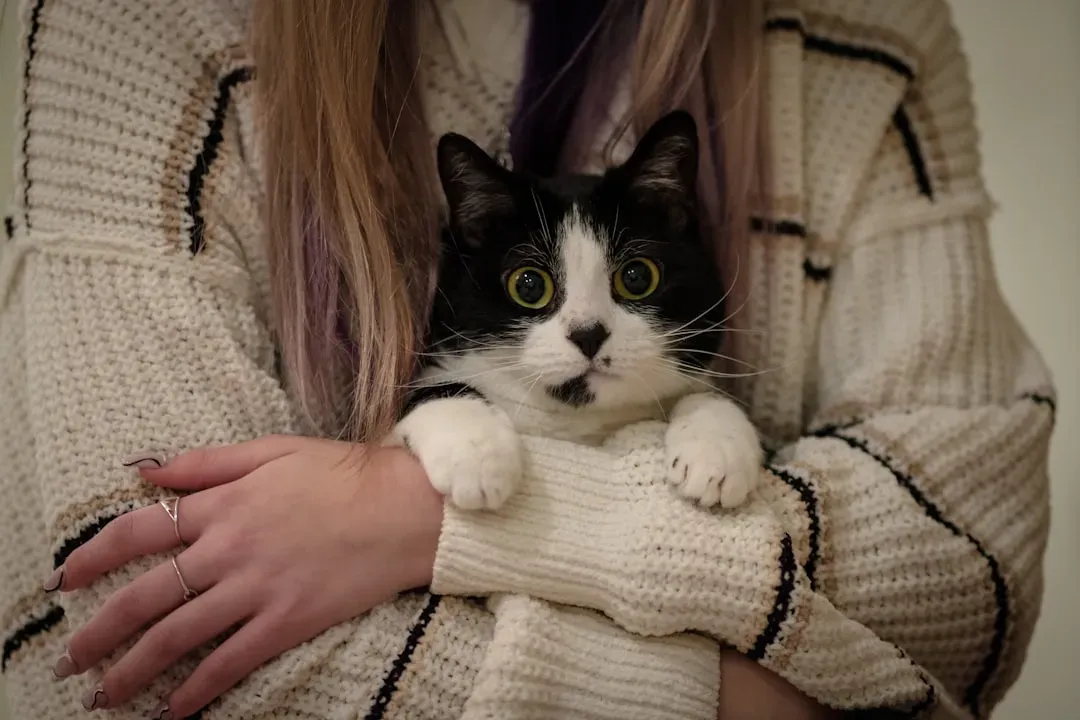
Cats can pick up on and recognize their owner’s emotional cues such as fear, anger, happiness, and sadness, observing emotional reactions to evaluate how they should react to unfamiliar objects or situations. Your cat knows when you’re sad, stressed, or happy before you’ve even fully processed it yourself. This level of emotional intelligence is genuinely remarkable.
Socially smart cats pick up on their owners’ emotional states. They’re constantly reading your body language, tone of voice, and facial expressions. Some cats will approach you for comfort when you’re upset, while others might give you space. Either way, they’ve made a conscious decision based on their assessment of your emotional state. This isn’t instinct, it’s sophisticated social cognition that rivals what we see in much larger brained animals.
They Understand Object Permanence Better Than Human Babies
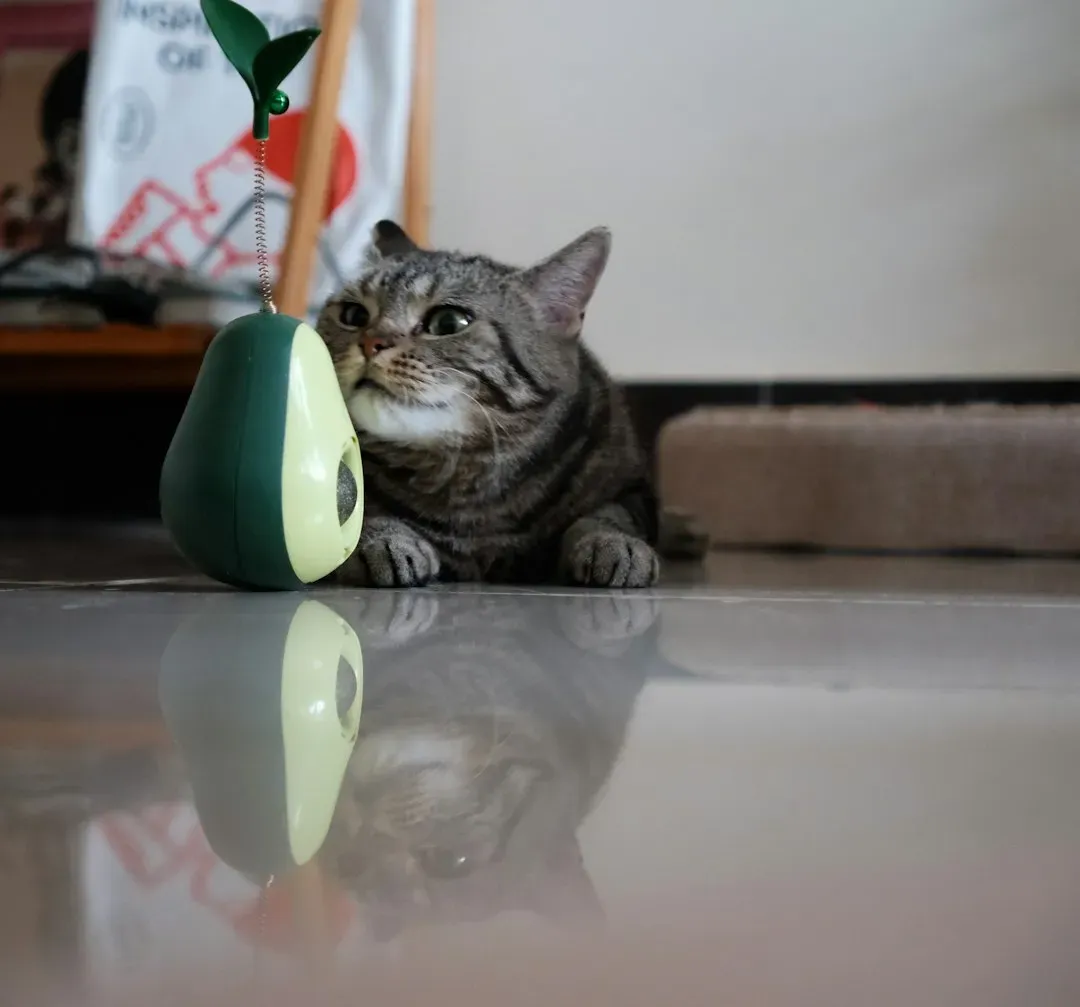
Cats can perform object permanence tasks, understanding that objects continue to exist even when hidden, a cognitive skill human babies only develop around 8 months of age. This is huge. When you hide a toy behind your back, your cat knows it didn’t vanish into another dimension. They understand it still exists.
Cats demonstrated fully developed concepts of object permanence in controlled experiments, indicating their sensorimotor intelligence is complete. Try the classic test: let your cat see you place a treat under a cup, then watch what happens. If your cat immediately flips the container to get what they want, you might have a feline genius on your hands. This cognitive ability puts them ahead of very young humans in certain mental tasks, which is pretty mind blowing when you think about it.
They’ve Got an Internal Clock That Puts Yours to Shame
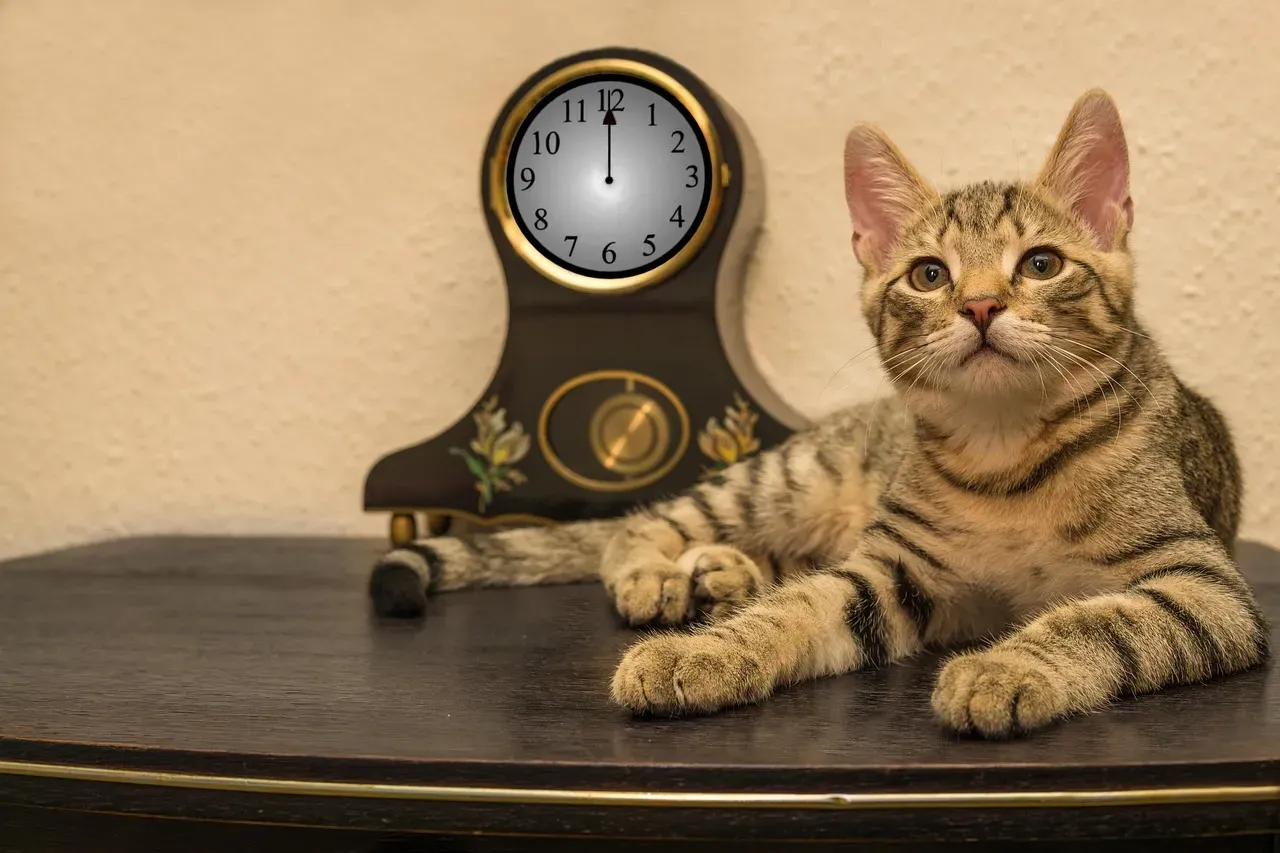
Cats are smart enough to readjust their natural behaviors when living alongside humans. Your cat knows exactly when dinner time is, when you usually wake up, and when you’re about to leave for work. They’re not just guessing or getting lucky.
Studies suggest cats use temporal learning, recognizing patterns in time and associating them with predictable outcomes, like recognizing when you close your laptop as a sign that it’s dinner time. This is called associative learning, and it requires both memory and the ability to recognize patterns. Cats track associations between events and use that information to predict what happens next. When your cat starts meowing at you five minutes before their scheduled feeding time, that’s not coincidence. That’s calculated precision.
They Learn by Watching (And Judging) You

Kittens that observed their mothers performing an experimentally organized act were able to perform the same act sooner than kittens that observed a non-related adult cat. This demonstrates observational learning, a sophisticated cognitive ability. Your cat has probably learned behaviors simply by watching you or other pets in the household.
Cats have been known to learn how to open doors by watching their owners, observing the motion of turning a doorknob and replicating this action. If your cat has figured out how door handles work, it’s because they’ve been studying your technique. They’re not just mindlessly mimicking, they’re understanding cause and effect relationships. This kind of learning requires attention, memory, and the cognitive flexibility to apply observed information to their own actions.
They Adapt to Change Faster Than You Think

High IQ cats can react to subtle changes in their environment and quickly adapt to new environments and things. When you rearrange furniture or bring something new into the house, watch how your cat responds. Smart cats assess the change, explore cautiously, and then integrate the new information into their mental map of their territory.
Cats that quickly adjust by finding new hiding spots or understanding new routines exhibit high adaptability. This cognitive flexibility is a key marker of intelligence across species. Some cats might take a bit longer to warm up to changes, which is totally normal. Adult cats possess object permanence and can remember the presence of objects even when they’re out of sight, similar to what is seen in human infants. The point is that they do adapt, using their intelligence to navigate an ever changing world.
They Communicate With Surgical Precision

Smart cats can build friendly relationships with other cats or humans and express their emotions and needs through various ways. Your cat has developed a whole vocabulary specifically designed to communicate with you. Different meows mean different things, and they know exactly which one to use to get the desired result.
Cats can learn and respond to their name, and can tell the difference between a familiar voice and that of a stranger. They know their name even if they choose to ignore you when you call it. That selective responsiveness? That’s intelligence too. Cats can recognize different people’s voices and tell the difference between various quantities as well as short and long periods of time, and they even adjust their vocal cues to influence us. They’ve basically created a custom communication system tailored specifically to manipulate, er, interact with humans.
Conclusion: Your Cat’s Been Playing You All Along

So there you have it. Nine undeniable signs that your cat is operating on a genius level while pretending to be just a simple, adorable fluffball. Cat intelligence is measured on a number of things, from reading human cues to solving problems, and breed matters less than environment when it comes to how smart a cat is.
The real genius of cats isn’t just their cognitive abilities. It’s their ability to convince us they’re simple creatures while simultaneously running the entire household according to their specifications. They’ve mastered the perfect balance of being smart enough to get what they want while maintaining plausible deniability about just how much they actually understand. Every knocked over glass, every midnight zoomie session, every ignored command might just be part of their elaborate cover.
Next time you catch your cat staring at nothing, consider this: maybe they’re not staring at nothing. Maybe they’re just thinking about how easily they’ve got you wrapped around their little paw. What do you think? Have you caught your genius cat in action? Share your stories in the comments, because let’s be honest, your cat probably wants the recognition.